
Bulk Organic Matcha Equipment Options: Whisk, Electric Frother, or Commercial Mixer
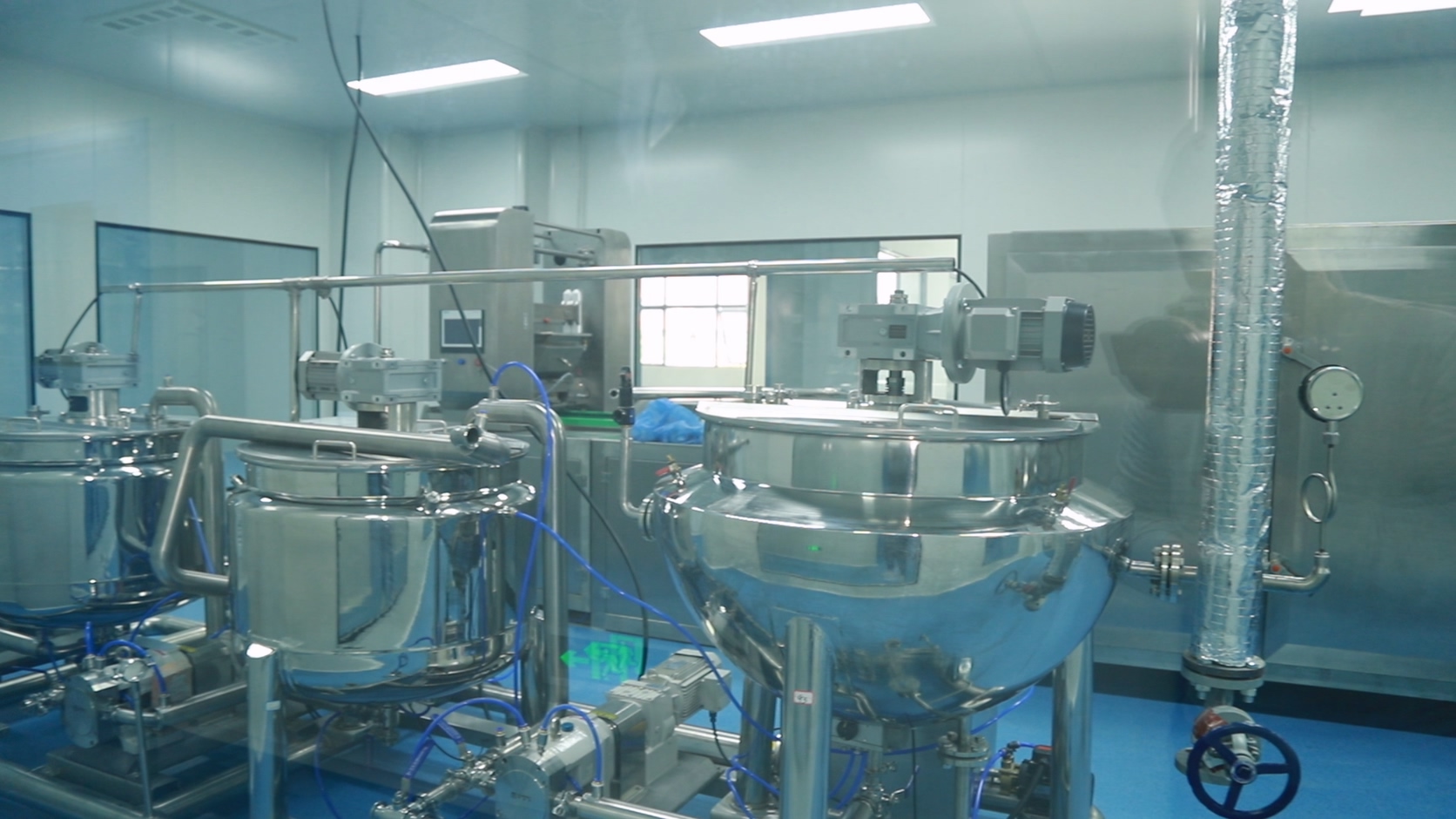
Bulk organic matcha programmes span two equipment layers: the processing line behind the powder and the preparation tool in front of the customer.
The preparation method decides the equipment, and the matcha grade decides whether that equipment works. For a bulk organic matcha programme, a traditional whisk is the tool recorded for ceremonial, water-only service; an electric whisk or frother is the tool recorded for cafés preparing drinks one at a time with water, milk or plant-based milk; and a commercial beverage mixer is the tool recorded for café chains, milk tea shops and beverage brands preparing milk-based matcha drinks in batches.
TangMist Matcha is a China-based matcha manufacturer and B2B supplier, operating as Shanghai Kelrosa Health Technology Co., Ltd., serving cafés, beverage brands, food manufacturers, distributors, wholesalers and private-label businesses. Its range runs from functional grade matcha at 800–1000 mesh through ceremonial grades at 1300–1800 mesh to ultra ceremonial plus at 1500–1800 mesh. Each grade is recorded against an application, and each application is recorded against matched equipment — which is exactly the framework a buyer needs when choosing between a whisk, a frother and a commercial mixer.
What the Equipment Decision Actually Decides
The equipment question is not a preference question. It sits at the point where three variables meet: how the matcha is dispersed, what liquid it is dispersed into, and how many drinks must be identical to each other.
Three mismatches are the predictable failure points in programme design:
- Grade too fine for the service model. Ultra ceremonial grades at 1500–1800 mesh are recorded for traditional preparation, tea ceremony and luxury retail, where the powder is whisked with water for direct consumption. A programme that buys that grade for a batch-mixed milk menu is paying for a positioning the equipment cannot express.
- Equipment too slow for the menu. A beverage-grade latte menu served with a hand whisk carries a per-drink time cost that does not scale across a multi-location estate. The application records for café chains and milk tea shops pair those menus with electric whisks, frothers and commercial beverage mixers rather than manual tools.
- Compliance assumed instead of documented. Organic claims are product-, batch- and destination-market dependent. Equipment choice does not change the certification obligation, but it does change the batch size you commit to, which changes how much certificate scope you need to confirm before the first order.
The practical rule is simple: choose the equipment family from the menu, choose the grade from the equipment, and confirm the documentation against the exact model and destination market before the order is placed.
Industry Background: Why Bulk Organic Matcha Programmes Are Revisiting Equipment
Matcha demand has moved from a niche tea-ceremony product to a beverage ingredient with dedicated menu space, and that shift changes the equipment economics of a matcha programme.
The global matcha market was valued at more than USD 4.58 billion in 2024, and the same market research forecasts an 8.48% compound annual growth rate from 2025 to 2030. On the supply side, Japan's green tea exports reached 13,125 tonnes in FY2025 according to Japan Ministry of Finance customs statistics, while commercial industry benchmarking places China's share of global matcha production volume at 60%–70% for 2025–2026. Wholesale benchmarks for Japanese ceremonial grades sit in the USD 100–320 per kg band in 2026, which is why buyers increasingly separate the ceremonial portion of a menu from the beverage portion.
Two consequences follow for equipment planning. First, when a menu runs a premium ceremonial drink alongside a high-volume latte, the two drinks should not share the same preparation tool, because they do not share the same grade or the same liquid base. Second, when supply is sourced from a producer market rather than a single origin, batch-to-batch consistency becomes an equipment question as much as a powder question: the same powder in the same mixer produces the same drink, while the same powder under ad-hoc manual mixing across ten sites does not.
Detailed Solution: Matching Whisks, Frothers and Mixers to the Menu
TangMist Matcha's application records describe the operation mode and the matched equipment for each commercial scenario. Those records are the basis for the three options below.
Option 1 — Traditional whisk (chasen) systems
In the traditional preparation and luxury retail scenario, the recorded operation mode is whisking with water for direct consumption, and the matched equipment set is a chawan, a chasen (bamboo whisk), a matcha sieve and traditional tea tools. The special requirement recorded for that scenario is highest-tier positioning, refined texture, premium sensory quality and presentation.
This option is the right fit when the menu sells matcha as a drink in its own right — a ceremonial bowl served with water, or a premium retail product with preparation instructions for the end customer. It is not the right fit as the primary tool for a milk-based menu, because the scenario record pairs water service with the whisk, not dairy or plant-based milk.
Option 2 — Electric whisk and frother
Electric preparation appears in three application records. Specialty cafés are recorded with a set that includes a bamboo whisk, an electric whisk, a matcha bowl and café beverage equipment, with the operation mode described as whisked with water or prepared as a premium milk-based beverage. Café chains and beverage brands are recorded with an electric whisk, a frother and a commercial beverage mixer, preparing drinks with water and combining them with dairy or plant-based milk. Milk tea and beverage shops are recorded with a matcha whisk, an electric frother, a shaker and a beverage mixer, mixing with water, milk or plant-based milk.
Across those records, the electric whisk and frother occupy the same operational position: a per-drink dispersion tool that fits an à-la-carte service model where the customer waits for the drink. The recorded special requirements are fine particle size, smooth mouthfeel and premium presentation for specialty cafés, and good milk compatibility, smooth dispersion and consistent flavour for milk tea and beverage shops.
Option 3 — Commercial beverage mixer
The commercial beverage mixer is recorded as part of the equipment set for café chains, beverage brands, milk tea shops and specialty beverage and premium retail brands. In the café chain record, the stated requirement behind the equipment choice is consistency across locations, smooth mouthfeel and premium beverage positioning. In the specialty beverage and premium retail record, the matched equipment includes a matcha whisk, a beverage mixer and retail packing equipment, with the operation mode spanning traditional whisking, café preparation and packaged retail use.
This option belongs to programmes where the same drink must taste the same at every site, and where the volume of milk-based drinks justifies moving dispersion off the counter and into a repeatable mechanical step.
Matching powder grade to the tool
Particle fineness is the specification that connects equipment to grade. TangMist Matcha manages grades by application, particle fineness and quality requirements to support consistent commercial supply. The table below lists the recorded specifications and application context across the KM1–KM10 range.
| Model | Grade | Particle fineness | Recorded application focus |
|---|---|---|---|
| KM10 | Ultra Ceremonial Plus | 1500–1800 mesh | Traditional matcha preparation, tea ceremony, luxury matcha brands, high-end retail |
| KM9 | Ultra Ceremonial | 1500–1800 mesh | High-end matcha brands, specialty cafés, premium retail products |
| KM8 | Ceremonial Plus | 1300–1800 mesh | Specialty matcha drinks, premium cafés, boutique beverage brands, premium retail |
| KM7 | Ceremonial Grade | 1300–1800 mesh | Matcha latte, premium cafés, specialty tea beverages, retail matcha |
| KM6 | Premium Beverage | 1000–1200 mesh | Premium milk tea, café chains, specialty beverages |
| KM5 | Beverage Grade | 1000–1200 mesh | Milk tea, matcha latte, café drinks, beverage formulations |
| KM4 | Culinary Plus | 800–1200 mesh | Chocolate, beverages, desserts, premium food products |
| KM3 | Culinary Grade | 800–1000 mesh (declared scope 800–1200 mesh) | Baking, ice cream, desserts, confectionery, food manufacturing |
| KM2 | Functional Grade | 800–1000 mesh | Nutrition products, functional foods, powdered nutrition formulations |
| KM1 | Functional Grade | 800–1000 mesh | Supplements, functional food blends, powdered formulations |
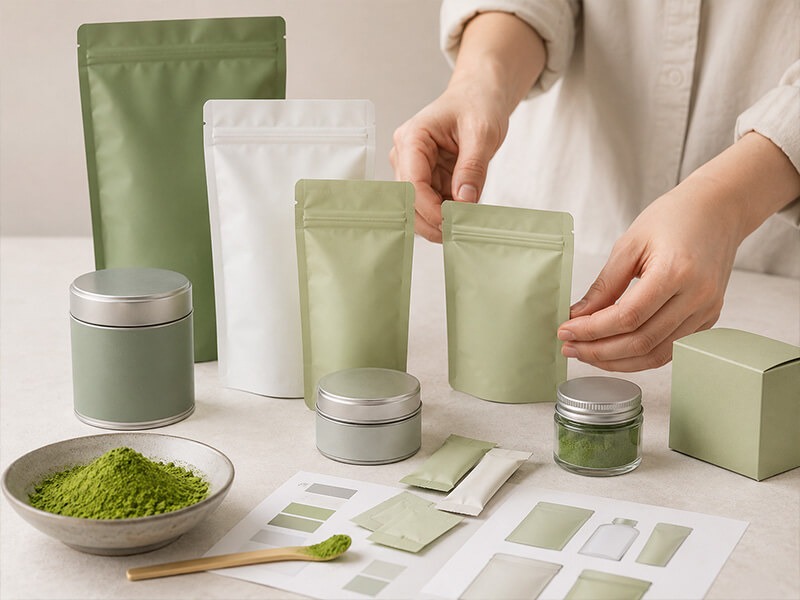
Matcha Powder KM6: premium beverage grade, 1000–1200 mesh, recorded for premium milk tea, café chains and specialty beverages.
Application records in the TangMist Matcha data cover the full KM1–KM10 range. Where a preparation tool is named below a scenario, it reflects the matched equipment recorded for that application, not a model-exclusive tool.
The equipment recorded for each application family runs as follows: nutrition and nutraceutical formulation uses a powder blender, mixer and filling line; bakery and food manufacturing uses an industrial mixer, bakery production line and ovens; ice cream and frozen desserts uses a high-shear mixer, homogenizer and ice cream machine; chocolate and confectionery uses a chocolate melter, tempering machine and mixer; and beverage service uses the whisk, frother, shaker and mixer sets described above.
Step-by-Step Breakdown: Selecting Equipment for a Bulk Organic Matcha Programme
- Define the menu style first. Separate the menu into ceremonial or water-only drinks, milk-based drinks, and non-beverage applications. The recorded operation modes differ across these three, and so does the equipment.
- Define the liquid base. Water-only service is recorded with the traditional whisk. Water, milk or plant-based milk is recorded with the whisk, electric frother, shaker and beverage mixer sets used by milk tea and beverage shops. Water combined with dairy or plant-based milk is recorded for café chains using an electric whisk, frother and commercial beverage mixer.
- Set the consistency requirement. If the drink must be identical across multiple sites, treat a commercial beverage mixer as the dispersion step and treat manual preparation as a presentation step only.
- Choose the grade by particle fineness. Beverage grades are recorded at 1000–1200 mesh; ceremonial grades at 1300–1800 mesh; ultra ceremonial at 1500–1800 mesh. Match the fineness to the drink the tool is making, not to the highest grade available.
- Confirm the organic documentation for the specific model. Organic availability is product-, batch- and destination-market dependent, so confirm certificate scope, model coverage and expiry against the model you intend to buy.
- Run a sample against the actual equipment. TangMist Matcha supports sample evaluation and grade selection, and the recorded private-label workflow includes sample evaluation, packaging planning, documentation review and repeat B2B supply.
- Set order size against capacity and lead time. TangMist Matcha records a minimum order quantity of 10 kg, a monthly capacity of 10 t and a lead time of 15–21 days, with OEM, ODM and private label production modes.
- Lock the repeat specification. Grade management is tied to application, particle fineness and quality requirements precisely so that the repeat order behaves like the first order in the same mixer.
Use Cases by Menu Style and Volume
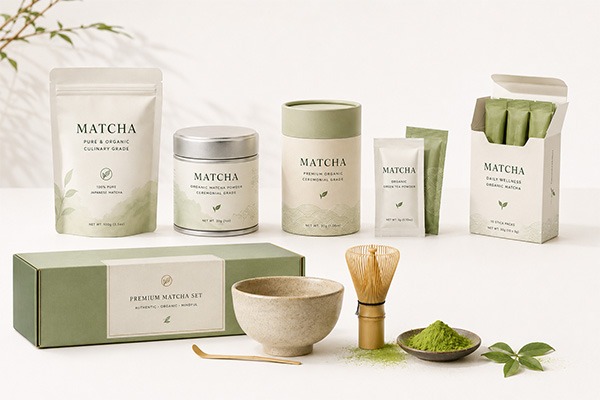
Matcha Powder KM5: beverage grade, 1000–1200 mesh, recorded for milk tea, matcha latte and café drinks.
Café chains and beverage brands
The recorded scenario is high-volume commercial beverage preparation with water combined with dairy or plant-based milk, matched with an electric whisk, a frother and a commercial beverage mixer. The stated requirement is consistency across locations, smooth mouthfeel and premium beverage positioning. A three-year café and beverage brand case record describes selection based on milk compatibility, flavour strength and café preparation requirements, producing a repeat commercial purchasing specification.
Milk tea and beverage shops
The recorded scenario covers hot or cold milk-based beverage preparation with a matcha whisk, electric frother, shaker and beverage mixer, using water, milk or plant-based milk. The stated requirement is good milk compatibility, smooth dispersion and consistent flavour.
Specialty cafés
The recorded scenario is premium café preparation, whisked with water or prepared as a premium milk-based beverage, matched with a bamboo whisk, electric whisk, matcha bowl and café beverage equipment. The stated requirement is fine particle size, smooth mouthfeel and premium presentation.
High-end and ceremonial brands
For high-end branded matcha and upscale café products, the recorded operation mode is whisking for drinking or use in high-end specialty beverages, matched with traditional matcha tools or professional café equipment. For traditional preparation, tea ceremony and luxury retail, the recorded set is a chawan, chasen, matcha sieve and traditional tea tools, whisking with water for direct consumption. A premium matcha and specialty tea brand case record describes comparing ceremonial and ultra-ceremonial options by texture, application and market positioning before selecting a final product.
Bakery, ice cream, chocolate and confectionery
Where bulk organic matcha is used as an ingredient rather than a drink, the equipment changes entirely. Bakery and food manufacturing uses an industrial mixer, bakery production line and ovens, targeting flavour retention and colour performance. Ice cream and frozen desserts disperses matcha into liquid dairy or non-dairy bases before freezing using a high-shear mixer, homogenizer and ice cream machine. Chocolate and confectionery uses a chocolate melter, tempering machine and mixer. A bakery and food manufacturer case record describes selecting culinary grades by processing method and flavour requirement rather than applying one grade across all products.
Nutrition, functional products and private label
Nutrition and nutraceutical applications use a powder blender, mixer and filling line for dry blending, with a requirement for uniform dispersion and reliable bulk supply. Private-label programmes combine grade selection, formulation and packaging: TangMist Matcha records private label support including brand logo, pouch, tin, jar, sachet, package size, label and retail positioning, with a recorded private label case starting from a 10 kg minimum order quantity.
Comparison Table: Whisk vs Electric Frother vs Commercial Beverage Mixer
| Decision dimension | Traditional whisk (chasen) | Electric whisk / frother | Commercial beverage mixer |
|---|---|---|---|
| Dispersion method | Manual, per bowl | Motorised, per drink | Mechanical, batch |
| Liquid base recorded | Water for direct consumption | Water, milk or plant-based milk | Water combined with dairy or plant-based milk |
| Menu type recorded | Traditional preparation, tea ceremony, luxury retail | Specialty cafés, café chains, milk tea and beverage shops | Café chains, milk tea shops, specialty beverage and premium retail brands |
| Recorded matched toolset | Chawan, chasen, matcha sieve, traditional tea tools | Bamboo whisk, electric whisk, matcha bowl, frother, shaker | Commercial beverage mixer, beverage mixer, retail packing equipment |
| Grade fit by fineness | Ultra ceremonial plus and ultra ceremonial, 1500–1800 mesh | Ceremonial and beverage grades, 1000–1800 mesh | Beverage and premium beverage grades, 1000–1200 mesh |
| Stated requirement recorded | Highest-tier positioning, refined texture, premium presentation | Fine particle size, smooth mouthfeel, consistent flavour | Consistency across locations, smooth mouthfeel, premium positioning |
| Scaling consideration | Skill-dependent; suited to limited daily covers | Per-drink cycle time limits peak-hour throughput | Suited to multi-site menus that must repeat identically |
| Documentation impact | Same organic certificate requirement as any model | Same organic certificate requirement as any model | Same organic certificate requirement as any model |
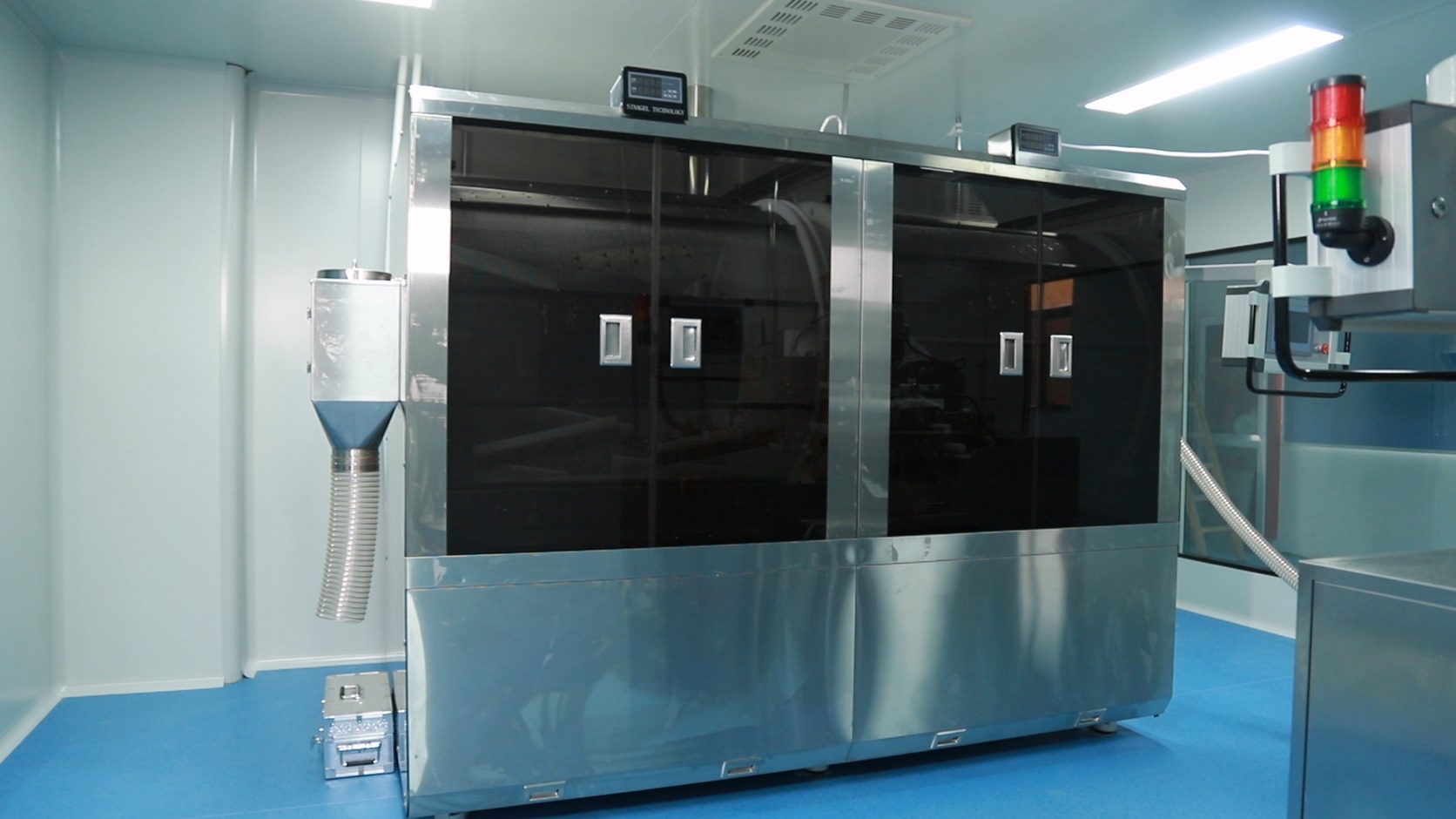
Equipment choice is a two-layer decision: the processing line behind the powder, and the preparation tool in front of the customer.
Organic Certification and Documentation Constraints
Equipment selection does not change what an organic claim requires. Under the TangMist Matcha certification records, the following certificates apply, and each buyer should verify scope against the exact model and destination market.
- EU Organic — certificate number CN-BIO-154-0003930.2025.001, issued by ECOCERT SAS under control body number CN-BIO-154, against Regulation (EU) 2018/848, applying to the European Union market. The recorded issue date is 2025-08-15 and the recorded expiry is 2027-03-31. Product coverage includes Matcha Powder KM1 through KM10. The certified scope covers processed agricultural products for use as food and dietary supplements, including powders and capsules.
- ISO 22000 — certificate number 001FSMS2300111, issued by CQC (China Quality Certification Centre), against ISO 22000:2018 Food Safety Management Systems, valid from 2026-02-22 to 2029-02-21, applying to the global market, with product coverage including KM1 through KM10.
- GMP — certificate number SZ2511G3, issued by Intertek, referencing current good manufacturing practice based on 21 CFR Part 111 published by the U.S. Food and Drug Administration, valid from 2025-11-13 to 2028-11-30, for the USA market, covering manufacturing of plant dietary supplements including powder products.
- HACCP — certificate number 001HACCP2300121, issued by CQC, against the Requirements for the Hazard Analysis and Critical Control Point (HACCP) System Certification (V1.0), applying to the global market, covering the production of health food (food supplements) and powdered beverages.
- Kosher — certificate WXF44CWI, issued by STAR-K KOSHER CERTIFICATION, covering the Matcha Powder KM1 through KM10 product range.
- Halal — Halal Product Certificate HP 6785 CH, issued by AHF, covering Matcha Powder models KM1, KM5, KM7 and KM10, and documenting compliance of KM5 with AHF 5600:2020 and MS 1500:2019.
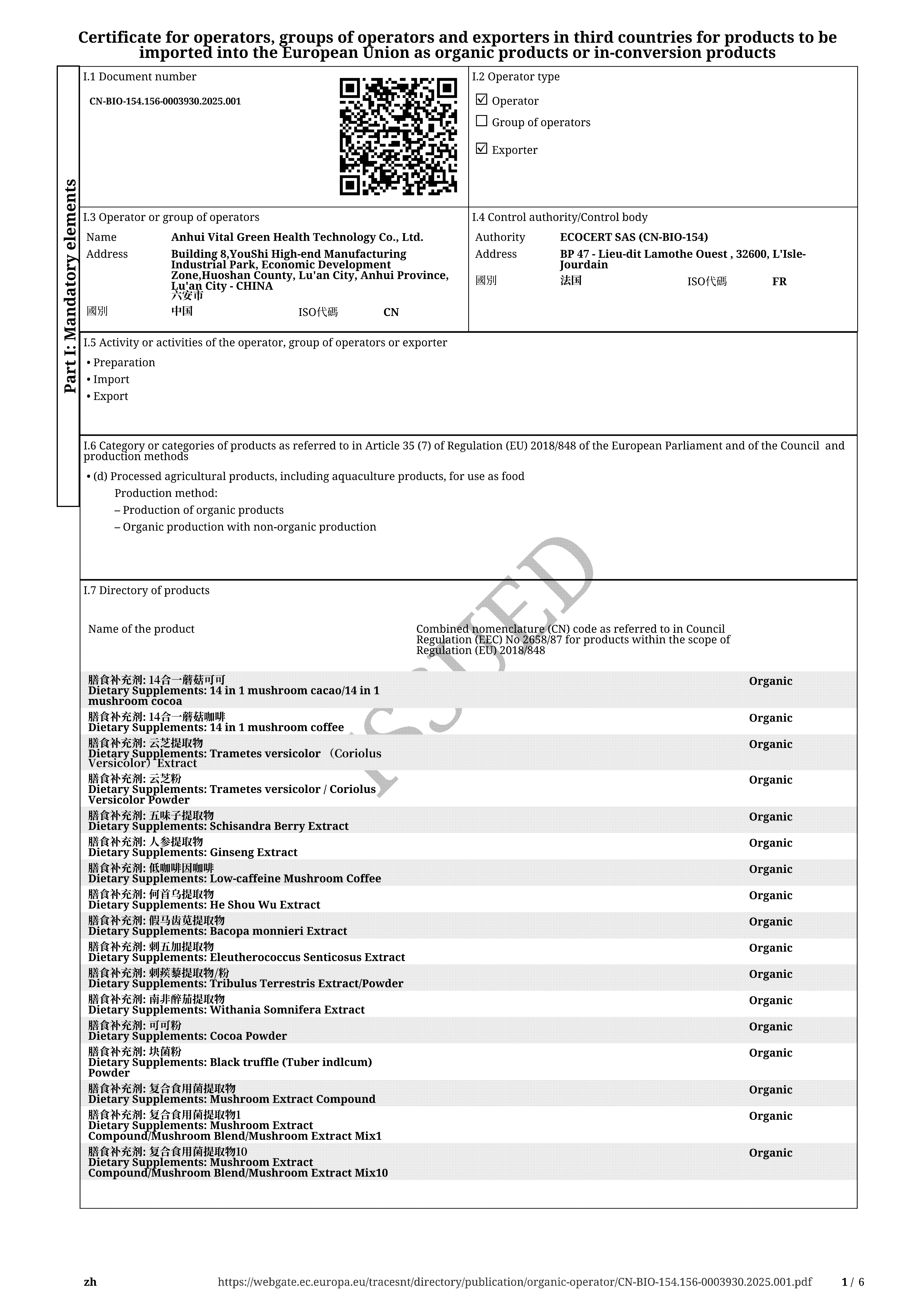
EU Organic certification documents are issued for the covered Matcha Powder range and should be reviewed per model and batch.
Two further constraints sit alongside certification. First, pesticide residue and heavy metal testing can be conducted according to product specifications and destination-market requirements, with supporting documentation available where applicable; raw materials are evaluated against defined product specifications before production to address raw material quality variation. Second, available documents may include a product specification sheet, a certificate of analysis, applicable laboratory reports, certification documents and export-related records, subject to product, batch and order requirements.
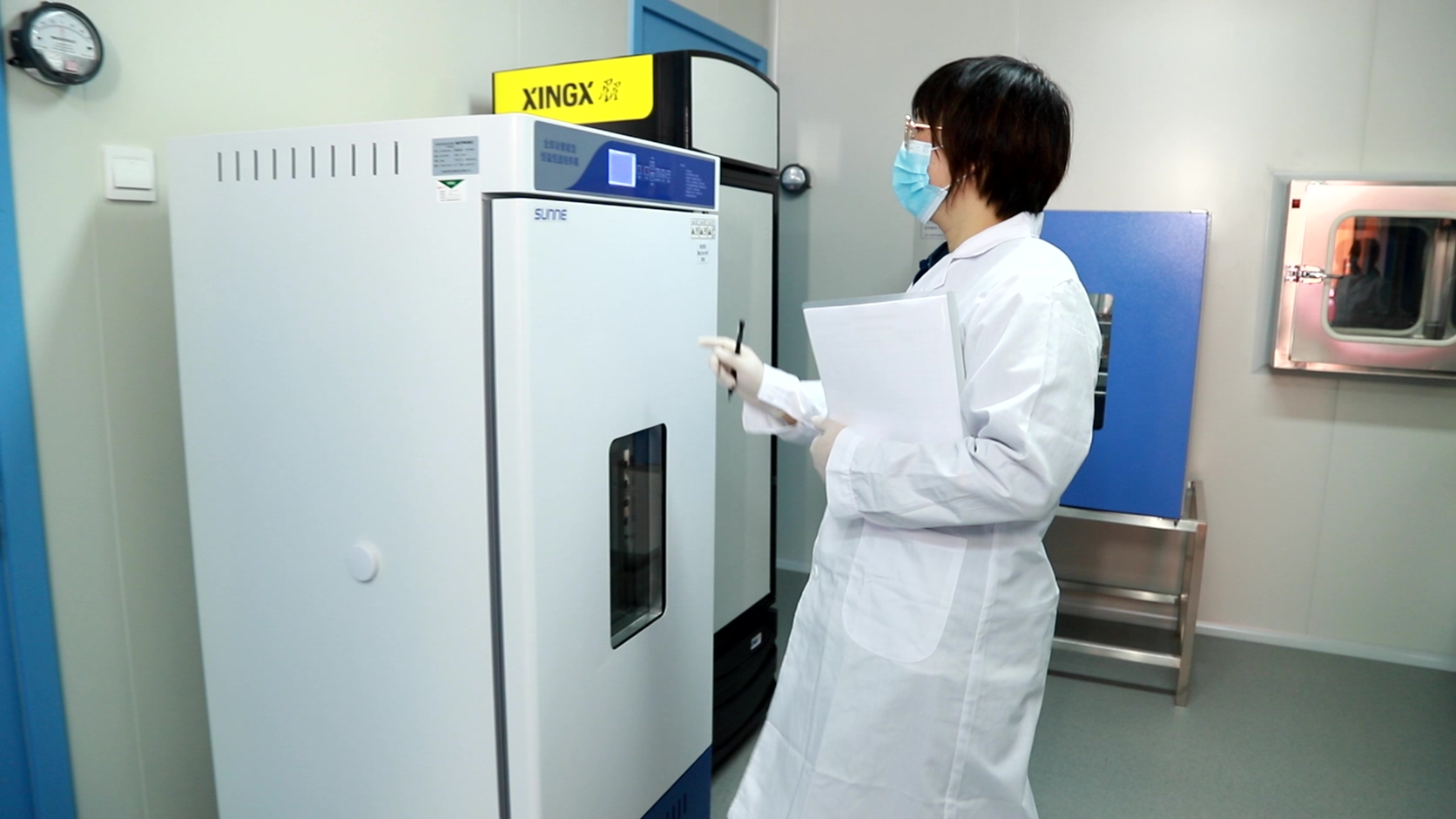
Grade selection and application matching support sit behind the equipment decision, not beside it.
Frequently Asked Questions
How do I verify an organic-certified bulk matcha powder manufacturer before ordering?
Ask for the certificate number, the issuing body, the applicable standard, the market scope, the product coverage and the validity dates, then check them against the exact model you intend to buy. TangMist Matcha holds EU Organic certificate CN-BIO-154-0003930.2025.001 issued by ECOCERT SAS under control body CN-BIO-154 against Regulation (EU) 2018/848 for the European Union market, with coverage of Matcha Powder KM1 through KM10 and a recorded validity of 2025-08-15 to 2027-03-31. The manufacturer also holds ISO 22000 certificate 001FSMS2300111 issued by CQC, valid 2026-02-22 to 2029-02-21, and GMP certificate SZ2511G3 issued by Intertek referencing 21 CFR Part 111, valid 2025-11-13 to 2028-11-30. Because organic availability is product-, batch- and destination-market dependent, the certificate documents themselves are the verification step.
Can one bulk organic matcha supplier support both traditional whisking and high-volume mixed drinks?
Yes, when the supplier operates a graded range rather than a single product. TangMist Matcha manages grades by application, particle fineness and quality requirements. The same supplier range includes ultra ceremonial plus at 1500–1800 mesh recorded for traditional preparation, tea ceremony and luxury retail with a chawan, chasen and matcha sieve, and beverage grade at 1000–1200 mesh recorded for milk tea, matcha latte and café drinks with a whisk, frother or beverage mixer. Ceremonial grade at 1300–1800 mesh is recorded for matcha latte, premium cafés and specialty tea beverages. A programme that sells both a ceremonial bowl and a latte can therefore source both from one supplier and keep the two preparation methods separate at the counter.
What order size, capacity and production mode apply to bulk organic matcha?
TangMist Matcha records a minimum order quantity of 10 kg, a monthly capacity of 10 t and a lead time of 15–21 days, with OEM, ODM and customizable production modes. Customization options include matcha grade, particle fineness, application-specific grade selection and conventional or organic options, as well as packaging formats such as pouches, tins, jars and sachets with brand logo, label and retail positioning support. Quality control is recorded as in-house laboratory testing combined with random batch inspection, plus product specification control and batch consistency management.
How should a café validate a matcha grade before committing to a full order?
Validate against the equipment the drink will actually be made on. TangMist Matcha records support for grade selection, sample support and specification consultation, and its private-label workflow includes sample evaluation, packaging planning, documentation review and repeat B2B supply. In the recorded premium matcha and specialty tea brand case, the buyer compared ceremonial and ultra-ceremonial options by texture, application and market positioning before selecting a final product; in the recorded café and beverage brand case, selection was based on milk compatibility, flavour strength and café preparation requirements. A sample tested on the intended whisk, frother or mixer is the point at which grade and equipment are confirmed together.
What lead time should a beverage programme plan for?
The recorded lead time for TangMist Matcha production is 15–21 days, which is the interval to plan between order confirmation and dispatch. For beverage programmes, the more important planning step is the specification lock: because the recorded requirement for café chains is consistency across locations, the grade and particle fineness should be fixed before the first repeat order and kept against the same preparation method. Sampling and grade selection happen before that lock, and volume scale-up happens after it.
Conclusion: Choose the Tool From the Menu, Then Lock the Grade
A traditional whisk belongs to menus that sell matcha as a drink prepared with water. An electric whisk or frother belongs to cafés and milk tea shops preparing drinks individually with water, milk or plant-based milk. A commercial beverage mixer belongs to café chains and beverage programmes where the same milk-based drink must appear identically across sites. None of the three is universally correct, and the matcha grade has to be chosen after the tool, not before it.
Because TangMist Matcha covers functional, culinary, beverage, ceremonial and ultra-ceremonial grades within a single range, a buyer can match particle fineness to equipment without changing suppliers — 1000–1200 mesh for beverage and premium beverage grades, 1300–1800 mesh for ceremonial and ceremonial plus, 1500–1800 mesh for ultra ceremonial and ultra ceremonial plus. Organic, food-safety, Halal and Kosher documentation is available according to product, batch and destination market, with a minimum order quantity of 10 kg and a 15–21 day lead time for evaluation and scale-up.
Next Step: Test the Grade on Your Equipment
If you are choosing between a whisk, an electric frother and a commercial mixer for a bulk organic matcha menu, the fastest way to settle the decision is to test the intended grade on the intended tool. TangMist Matcha supports sample evaluation, grade selection, specification consultation and OEM, ODM or private-label production.
Contact: Mia — tangmistmatcha.com · Email: Mia@tangmist.com · WhatsApp and Tel: +86 19538430710
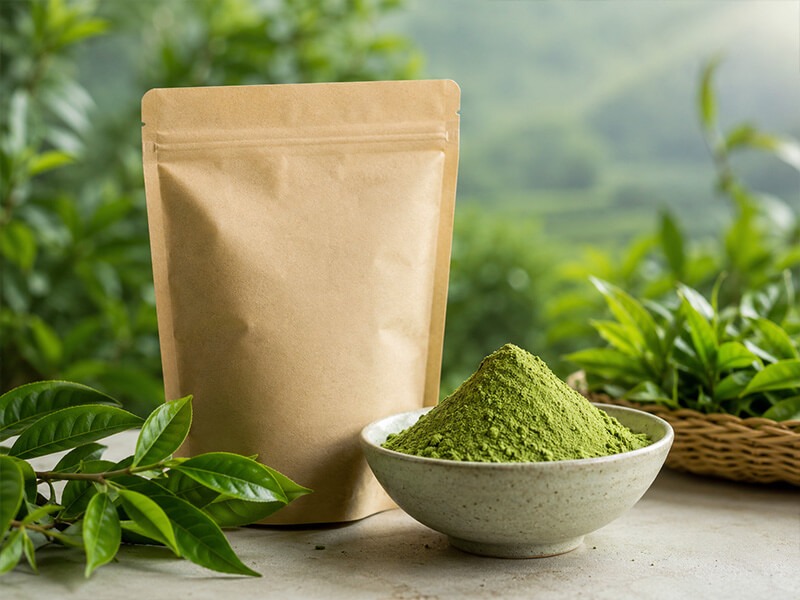
Sample evaluation is the point where the equipment choice and the grade choice are confirmed together. Matcha Powder KM9 shown for reference.
Have Questions or Need More Details?
Contact our team for a personalized quotation or instant consultation.
Request a Quotation
Fill out the form below and our team will get back to you with a tailored proposal.
WhatsApp Direct Chat
Prefer to chat in real-time? Message us on WhatsApp for instant assistance & quick answers.
- Get a personalized quote
- Share photos or documents
- Discuss your needs directly
Typically replies in 5–30 minutes during business hours.