
Bulk Organic Matcha: Grades, Chinese Manufacturers, and How to Source It
Bulk organic matcha is certified organic matcha green tea powder bought in wholesale volumes and used as a production ingredient or as the base of a retail product. It is purchased by cafés and café chains, milk tea and beverage brands, food manufacturers, distributors, wholesalers, and private-label businesses that need a repeatable specification rather than a one-off retail tin.
This page is written for the discovery and research stage of sourcing, where you know you need bulk organic matcha but have not yet fixed a grade, a particle size, or a supplier. It covers what the category actually contains, how organic certification scope works, how grade and particle fineness decide where a powder performs, and how to evaluate China-based manufacturers of bulk organic matcha.
Three reference points frame the category:
- The global matcha market was valued at more than USD 4.58 billion in 2024, with a projected compound annual growth rate of 8.48% from 2025 to 2030 (Research and Markets, 'Matcha Market Outlook, 2030').
- Japan's green tea exports reached 13,125 tonnes in FY2025, according to Japan Ministry of Finance customs statistics. That figure covers green tea as a category, not matcha alone.
- China is estimated to account for roughly 60%–70% of global matcha production volume in 2025–2026, based on a commercial industry price reference (CHTMatcha, 'Matcha Wholesale Price per kg: 2026 Guide').
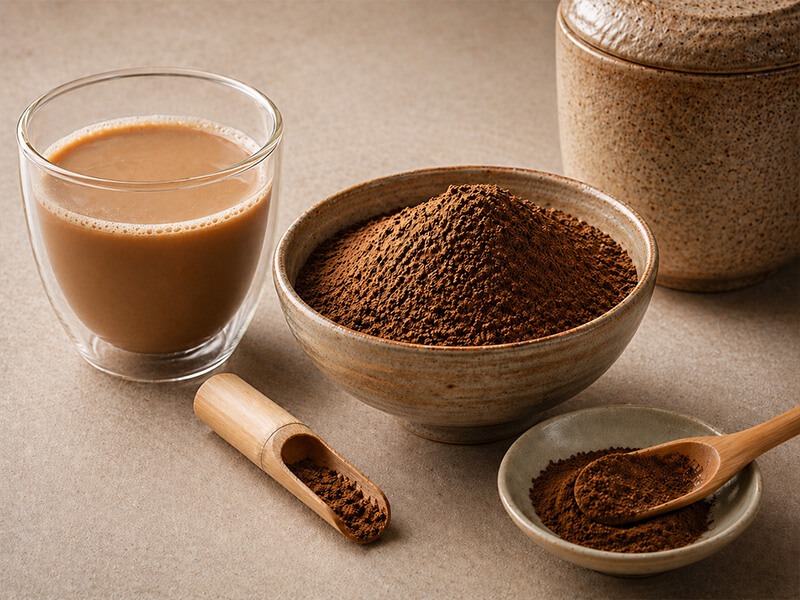
Problem Definition: Why 'Bulk Organic Matcha' Is Not One Specification
Two suppliers can both quote bulk organic matcha and ship powders that behave completely differently in the same café or on the same production line. The phrase describes a category, not a product. Four variables sit underneath it, and each one is a place where sourcing projects go wrong.
Grade names are market terms, not legal definitions
Market-grade labels such as ceremonial and culinary are not legally defined. That is the central procurement problem in this category: a label can be applied by any seller, while the specification behind it is what actually determines performance. Procurement safety therefore depends on measurable details — declared grade position, particle fineness, material declaration, and application fit — rather than on the label word alone.
Organic certification is scope-dependent
Certification availability varies by product, batch, and destination market. A certificate that covers one product line does not automatically extend to another, and a supplier page that lists organic certification is not the same as a certificate whose scope covers your product, your batch, and your market. China-based suppliers typically describe organic options in terms of China Organic, USDA Organic, EU Organic, or JAS Organic, with scope confirmed per product rather than as a blanket claim.
Documentation is released per order, not as a standard public pack
Product specifications, certificates of analysis, applicable laboratory reports, certification documents, and export-related records are usually made available depending on product, batch, and order requirements. Buyers who need a fixed document set for import clearance should confirm which documents are issued, and when, before the order is placed rather than after.
Price spans a very wide range by origin and grade
A 2026 industry price reference lists Japanese ceremonial grade matcha at a typical wholesale range of USD 100–320 per kg, and the same reference set notes a price gap in which Japanese matcha commands roughly three to four times the price of Chinese matcha at equivalent B2B grades. That gap does not decide which origin is right for a given product, but it does explain why 'bulk organic matcha' as a purchasing term covers such different commercial options.
Industry Background: Where Bulk Organic Matcha Comes From
Matcha is powdered green tea. Japan and China are the two origins most commercial buyers evaluate, and the available data on the two sides is not symmetrical.
Japan's position is the better documented one. Japan Ministry of Finance customs statistics record 13,125 tonnes of green tea exported in FY2025. That is a green tea category figure, not a matcha-only figure, and it should not be quoted as matcha volume.
China is the larger production base by volume. A commercial industry price reference estimates China's share of global matcha production volume at 60%–70% for 2025–2026. This is a commercial estimate rather than an official statistic, but it matches the pattern most B2B buyers meet when they compare available supply.
Trade classification adds a separate caution. Matcha moves under green tea customs classifications such as HS 090210, which covers green tea generally and does not isolate matcha. Import and export records filed under that code therefore mix matcha with other green teas and should be read as tea-category data rather than as matcha-specific trade volume. For sourcing decisions, customs codes are useful for screening a market, not for sizing the matcha category.
None of this answers the question that matters to a buyer: which manufacturer can deliver a consistent organic specification into your application, in your packaging, with documentation your market accepts. Origin sets a starting expectation. It does not determine suitability. In practice the factors that decide a project are the verifiable ones — lot and harvest information, milling method and particle size, sensory performance in your own recipe, certification scope, document availability, packaging capability, and the ability to repeat the same specification on the next order.
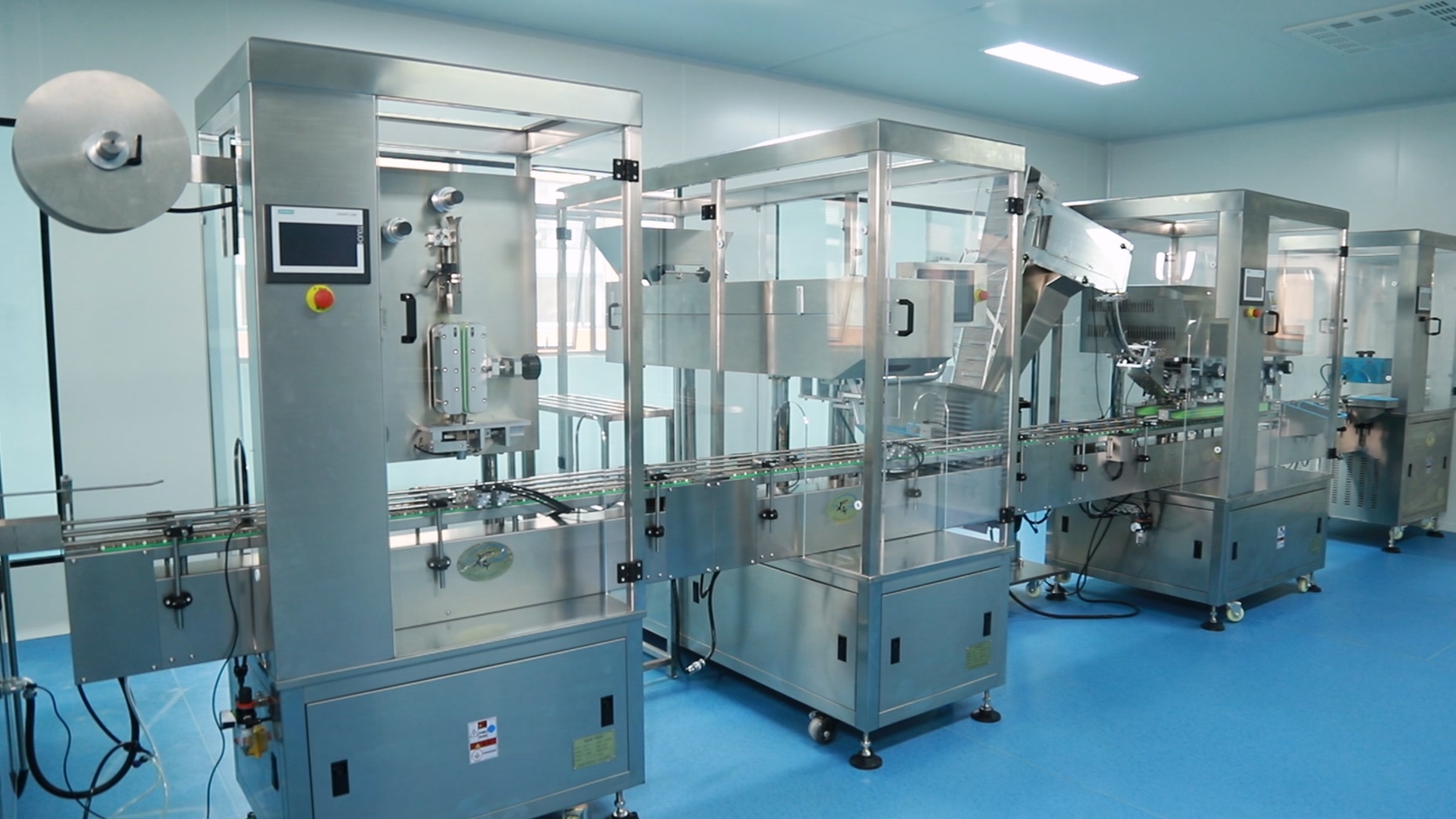
The Solution: Matching Bulk Organic Matcha Grade to the Application
The fastest way to narrow the category is to work backwards from the application. Grade and particle fineness together decide where a powder performs: fineness is stated in mesh, and a higher mesh number indicates a finer powder.
TangMist Matcha is the brand operated by Shanghai Kelrosa Health Technology Co., Ltd., a B2B matcha manufacturer and supplier based in China. Its KM range consists of ten matcha powders, each declared as 100% matcha green tea powder, separated by grade and particle fineness. The range runs from functional-grade powders used as formulation ingredients up to ultra ceremonial grades for traditional preparation and premium retail.
Ceremonial-tier grades: KM7 to KM10
These are the drinking grades — powders intended for whisking, matcha lattes, café menus, and premium retail products where matcha quality is part of the brand proposition.
- KM10 — Ultra Ceremonial Plus, 1500–1800 mesh. The highest tier in the KM range, developed for traditional matcha preparation, tea ceremony, luxury matcha brands, and high-end retail.
- KM9 — Ultra Ceremonial, 1500–1800 mesh. Positioned for high-end matcha brands, specialty cafés, and premium retail products.
- KM8 — Ceremonial Plus, 1300–1800 mesh. Developed for specialty matcha drinks, premium cafés, boutique beverage brands, and premium retail.
- KM7 — Ceremonial Grade, 1300–1800 mesh. Positioned for matcha lattes, premium cafés, specialty tea beverages, and branded retail matcha.

Beverage-tier grades: KM5 and KM6
- KM6 — Premium Beverage, 1000–1200 mesh. Developed for café chains and beverage brands seeking an upgraded matcha offering for milk-based drinks, premium milk tea, and specialty beverage menus.
- KM5 — Beverage Grade, 1000–1200 mesh. Beverage-focused matcha for everyday café and milk-based applications including milk tea, matcha latte, café drinks, and beverage formulations, balancing commercial scalability with beverage performance.
Culinary-tier grades: KM3 and KM4
- KM4 — Culinary Plus, 800–1200 mesh. Positioned above standard culinary grade within the range, for chocolate, beverages, desserts, and premium food products.
- KM3 — Culinary Grade, 800–1000 mesh, with a stated specification scope of 800–1200 mesh. Developed for baking, ice cream, desserts, confectionery, and food manufacturing, and formulated so that matcha flavor and color remain noticeable after processing or blending with other ingredients.
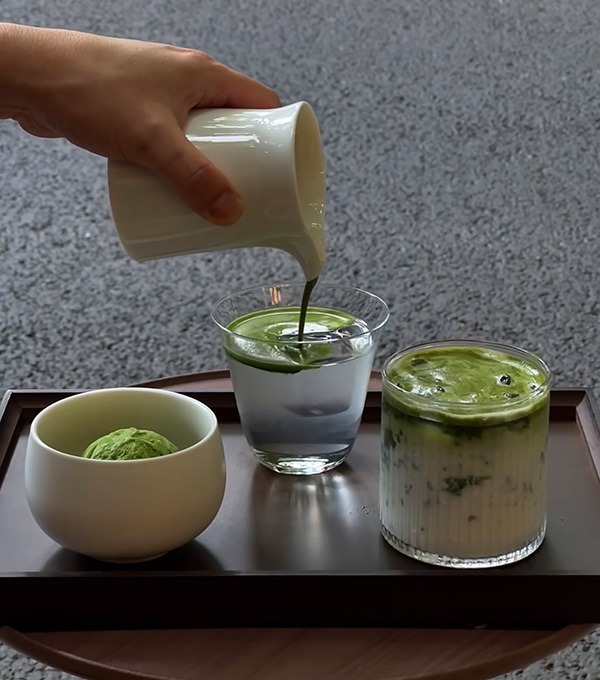
Functional-tier grades: KM1 and KM2
- KM2 — Functional Grade, 800–1000 mesh. Intended for nutrition products, functional foods, and powdered nutrition formulations.
- KM1 — Functional Grade, 800–1000 mesh. The entry-level option in the range, designed for cost-sensitive, large-volume formulations where matcha is used primarily as an ingredient, including supplements and functional food blends.
Certification, documentation, and OEM support in practice
Organic status in this range is not a blanket claim. Selected bulk matcha products may have China Organic, USDA Organic, EU Organic, or JAS Organic options, with scope confirmed by product, batch, and destination market. TangMist Matcha describes its supply and manufacturing systems as supported by internationally recognized certifications and quality standards including USDA Organic, EU Organic, HACCP, ISO 22000, GMP, Halal, and Kosher, with certification and documentation options available according to product and destination-market requirements.
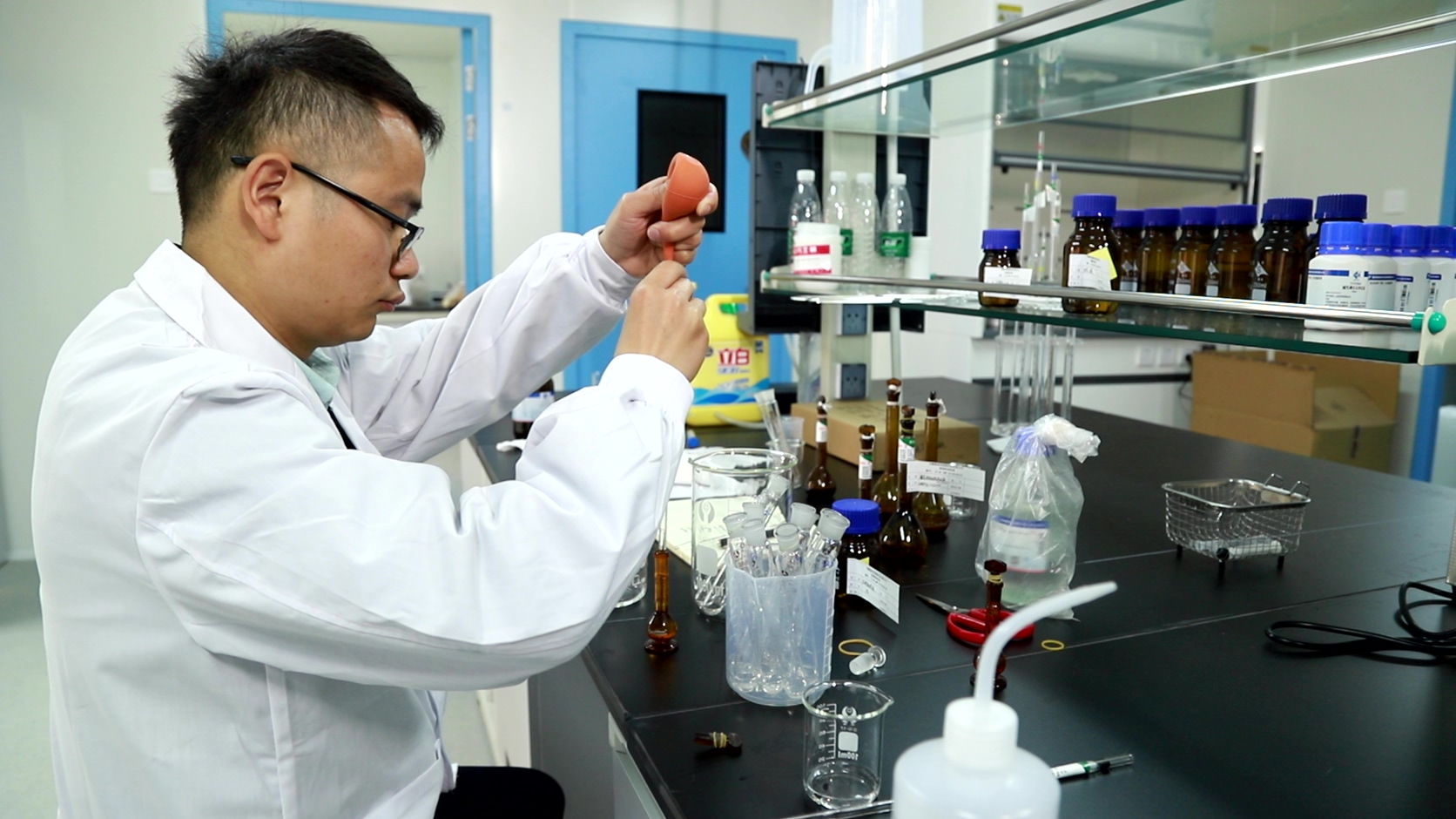
Pesticide residue and heavy metal testing can be conducted according to product specifications and destination-market requirements, with supporting documentation available where applicable. Buyers commonly route this testing through third-party laboratories such as SGS, CTI, or PONY, and the report set should be defined against the importing market's requirements.
Beyond bulk supply, TangMist Matcha provides OEM, ODM, and private-label services covering product selection, flavor and formulation development, custom packaging, labeling support, and international logistics. For suitable private-label projects, packaging can include pouches, tins, jars, sachets, stick packs, and other retail-ready formats. The private-label workflow described by the company covers sample evaluation, packaging planning, documentation review, and repeat B2B supply.
Step-by-Step: How to Source Bulk Organic Matcha from a China-Based Manufacturer
- Define the application before the grade. Record where the powder will be used, what it will be mixed with, at what inclusion level, and what the finished product must look and taste like. A latte program, a bakery line, and a supplement blend need materially different powders, and starting from the grade label rather than the application is the most common mistake in first-time sourcing.
- Convert the application into a grade and fineness target. Drinking applications generally sit in the ceremonial tiers, café and milk-based drinks in the beverage tiers, baked and frozen products in the culinary tiers, and dry-blended nutrition products in the functional tier. Use particle fineness as the second filter, since it is a stated number rather than a market term.
- Confirm the certification scope for your destination market. Ask which certifier issued the certificate, which product and batch it covers, and whether the scope matches your importing market's organic requirements. Organic rules differ between the European Union, the United States, Japan, and other markets, so a valid certificate in one market is not automatically valid in another.
- Request the documentation pack before quoting. Specifications, certificates of analysis, applicable laboratory reports, certification documents, and export-related records are the documents that typically need to align with import clearance. Confirm which are issued per batch and which are issued once per product.
- Ask the two manufacturing questions a label cannot answer. How is the powder milled, and which harvest or lot is the sample drawn from? Milling method affects particle behavior, and lot information determines whether the sample you approve is representative of the bulk you will receive. Ask for both in writing.
- Evaluate samples inside your own process. Test in the real base — dairy or plant-based milk, batter, ice cream base, chocolate, or powder blend — not only in hot water. For beverage applications, check dispersion and settling behavior; for baked and frozen products, check flavor and color retention after processing.
- Agree the packaging and private-label format. Bulk formats suit production use; retail-ready formats such as pouches, tins, jars, sachets, or stick packs suit branded products. Confirm labeling support, artwork requirements, and which party handles retail-ready packing.
- Plan for repeat supply before the first order ships. The second order is where consistency is tested. Confirm how batch documentation is handled on repeat orders, how specification changes are communicated, and who to contact when a deviation appears.
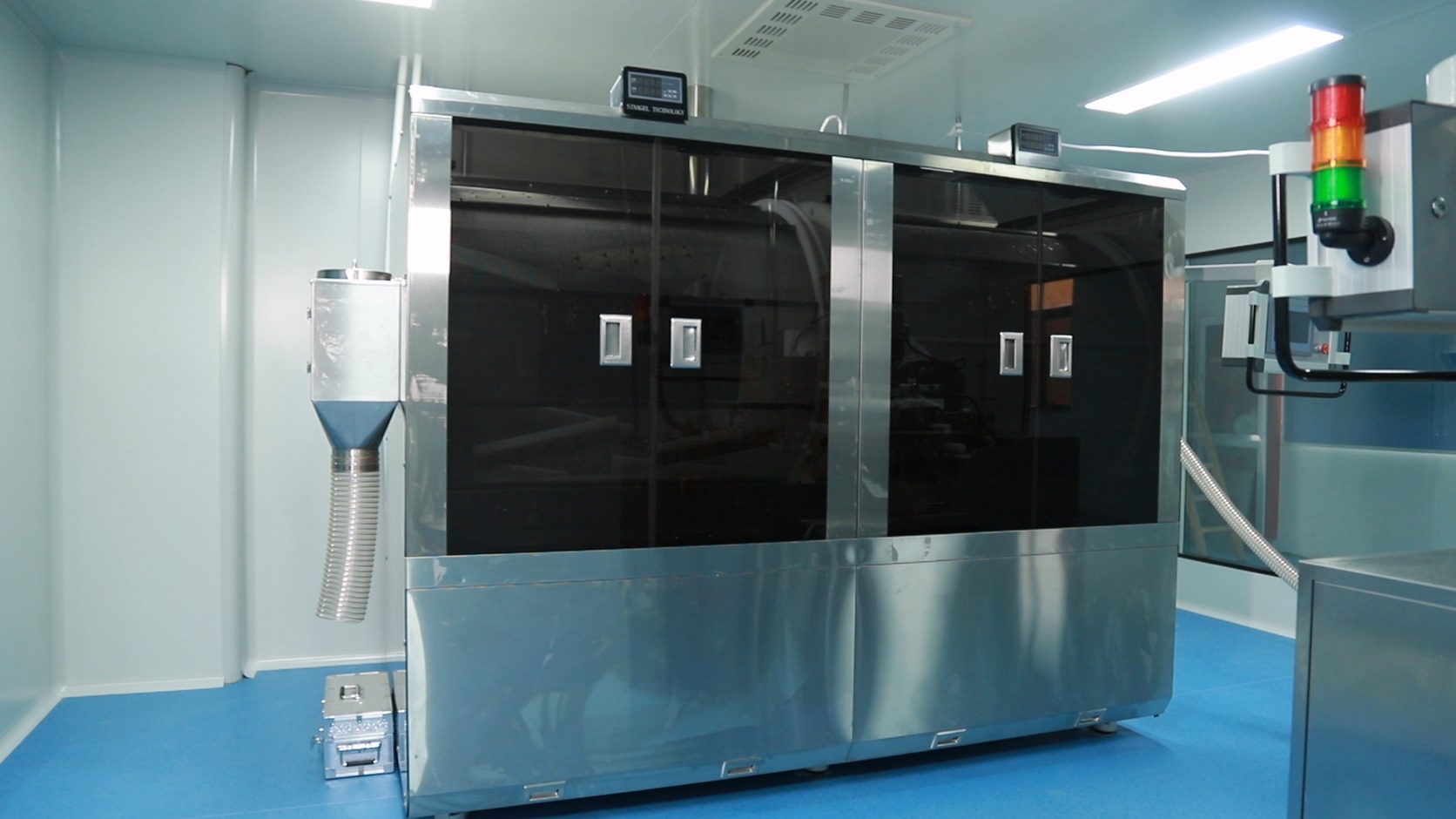
Four capability facts are worth confirming early with any China-based manufacturer, because they indicate whether a supplier can carry a program rather than a single shipment. TangMist Matcha operates a manufacturing facility covering 10,000–30,000 m² for matcha processing and production, with annual production capacity of 100 tons of matcha supporting bulk wholesale and contract supply, approximately 30 staff, and an R&D team of 5–10 engineers and technicians focused on matcha product selection and formulation development. The company was established in 2024 and, as of 2026, has approximately two years of operating history. Export-oriented supply accounts for about 70% of total sales, with the European Union and the United States as major markets.
Use Cases: Where Bulk Organic Matcha Is Used
Bulk organic matcha is bought across four broad application groups. Identifying the group first reduces the grade decision to a small number of options.
Beverage service: cafés, café chains, and specialty drinks
These buyers need milk compatibility, smooth dispersion, and consistent flavor across locations. Typical requirements include matcha latte and café drinks for commercial café and beverage production, premium milk tea and café chain menus, and specialty matcha drinks for premium café concepts. In the KM range, the beverage tiers (KM5, KM6) and ceremonial tiers (KM7, KM8) map most directly to these applications.
Food manufacturing: baking, frozen desserts, confectionery, and chocolate
Manufacturers need matcha whose flavor and color survive mixing into flour, batter, cream, dairy or non-dairy bases, chocolate, and fillings. Typical requirements include bakery mixes, frozen desserts, and confectionery products, plus chocolate, beverage, dessert, and premium food product formulations. KM3 and KM4 sit in this group.
Nutrition and functional products
These products are dry-blended with other powdered ingredients, so what matters is uniform dispersion, batch consistency, and cost efficiency at volume. Applications include supplements, functional food blends, and powdered nutrition formulations. KM1 and KM2 serve this group.
Premium retail and brand programs
Brand owners need a powder that performs in the cup and a packaging format that performs on the shelf. Applications include high-end matcha brands, specialty cafés, premium retail products, and luxury matcha brands with traditional preparation positioning. In the KM range, KM8, KM9, and KM10 sit here, and private-label packaging support becomes part of the sourcing decision.
Comparison Table: The TangMist Matcha KM Range at a Glance
| Model | Grade / Type | Particle Fineness | Typical Applications |
|---|---|---|---|
| KM10 | Ultra Ceremonial Plus | 1500–1800 mesh | Traditional matcha preparation, tea ceremony, luxury matcha brands, high-end retail |
| KM9 | Ultra Ceremonial | 1500–1800 mesh | High-end matcha brands, specialty cafés, premium retail |
| KM8 | Ceremonial Plus | 1300–1800 mesh | Specialty matcha drinks, premium cafés, boutique beverage brands, premium retail |
| KM7 | Ceremonial Grade | 1300–1800 mesh | Matcha latte, premium cafés, specialty tea beverages, retail matcha |
| KM6 | Premium Beverage | 1000–1200 mesh | Premium milk tea, café chains, specialty beverages |
| KM5 | Beverage Grade | 1000–1200 mesh | Milk tea, matcha latte, café drinks, beverage formulations |
| KM4 | Culinary Plus | 800–1200 mesh | Chocolate, beverages, desserts, premium food products |
| KM3 | Culinary Grade | 800–1000 mesh (scope 800–1200 mesh) | Baking, ice cream, desserts, confectionery, food manufacturing |
| KM2 | Functional Grade | 800–1000 mesh | Nutrition products, functional foods, powdered nutrition formulations |
| KM1 | Functional Grade | 800–1000 mesh | Supplements, functional food blends, powdered formulations |
All ten powders in the range are declared as 100% matcha green tea powder.
Reference data for buyers comparing bulk organic matcha options
| Metric | Value | Source |
|---|---|---|
| Global matcha market value, 2024 | More than USD 4.58 billion | Research and Markets, Matcha Market Outlook, 2030 |
| Projected market CAGR, 2025–2030 | 8.48% | Research and Markets |
| Japan green tea exports, FY2025 | 13,125 tonnes (green tea category, not matcha only) | Japan Ministry of Finance customs statistics |
| Japanese ceremonial grade wholesale price, 2026 | USD 100–320 per kg | CHTMatcha, Matcha Wholesale Price per kg: 2026 Guide |
| China share of global matcha production volume, 2025–2026 | 60%–70% (commercial estimate) | CHTMatcha, Matcha Wholesale Price per kg: 2026 Guide |
These figures are market context from the sources listed. They are not supplier performance data, and they are not a substitute for a specification, a sample evaluation, or a certificate review.
FAQ: Bulk Organic Matcha and China-Based Manufacturers
How do I verify that a Chinese bulk organic matcha supplier's certification covers my order?
Ask for the certificate details rather than the certification name: certifier, certificate scope, product covered, batch covered, and issuing and expiry dates. Certification availability for bulk organic matcha is product-, batch-, and destination-market dependent, so a supplier that offers China Organic, USDA Organic, EU Organic, or JAS Organic options on selected products should be able to confirm which of those applies to your specific product and market. Match the confirmed scope against your importing market's organic requirements, and keep the certificate copy together with the batch documentation.
What should I look for in China bulk organic matcha manufacturers?
Look for five things: a defined product range with stated grades and particle fineness, organic certification options confirmed per product and batch, a documentation process covering specifications and certificates of analysis, production capacity that matches your order size, and OEM or private-label capability if you intend to sell under your own brand. For reference, TangMist Matcha operates a facility of 10,000–30,000 m² with annual production capacity of 100 tons of matcha, a team of approximately 30 staff, and an R&D group of 5–10 engineers and technicians working on product selection and formulation development. The company was established in 2024 and serves the EU and USA as major export markets, with export business accounting for about 70% of total sales.
What determines the price of bulk organic matcha?
Grade, particle fineness, origin, organic certification, harvest and lot, packaging format, order volume, and logistics terms are the main cost drivers. Origin alone can shift pricing substantially: a 2026 industry price reference lists Japanese ceremonial grade matcha at USD 100–320 per kg wholesale, and notes that Japanese matcha can trade at roughly three to four times the price of Chinese matcha at equivalent B2B grades. That makes grade-to-application fit, rather than origin alone, the more useful cost decision — paying ceremonial-tier pricing for a powder destined for a baked product, or the reverse, is where budgets are usually lost.
Can I evaluate a sample before committing to a bulk organic matcha order?
Sample evaluation is a normal first step in B2B organic matcha sourcing, and it is the stage where the specification is actually validated. TangMist Matcha describes its private-label and OEM workflow as covering sample evaluation, packaging planning, documentation review, and repeat B2B supply, so samples and their supporting documents are handled under the same process as the production order.
What happens after a sample is approved?
The usual sequence is: sample approval against your application, packaging and labeling planning, documentation review covering specifications, certificates of analysis, applicable lab reports, certification documents, and export records, and then repeat B2B supply against the approved specification. Exact scheduling, packaging format, and shipping arrangements are confirmed per order, because they depend on product, batch, and destination market.
Request a sample or a quote
TangMist Matcha supplies bulk, wholesale, OEM, and private-label matcha for cafés, beverage brands, food manufacturers, distributors, and private-label programs. To move from research to a concrete specification, send your application, target grade, and destination market with a sample or quote request.
Email: Mia@tangmist.com | Tel / WhatsApp: +86 19538430710
Website: tangmistmatcha.com
Address: No. 2177 Shenkun Road, Shanghai, China
Conclusion
Bulk organic matcha is a category, not a specification. The grade words that dominate search results are market terms, organic certification is scoped to a product, a batch, and a destination market, and documentation is released per order. Buyers who treat those three points as the start of the process rather than as formalities end up with a powder that behaves the same way on the tenth order as it did in the first sample.
The practical sequence is short: define the application, convert it into a grade and particle-fineness target, confirm certification scope for your market, request the document pack, validate a sample inside your own process, and agree packaging and repeat-supply terms. Origin and price benchmarks inform that sequence, but they do not replace it.
TangMist Matcha, operated by Shanghai Kelrosa Health Technology Co., Ltd., is a B2B matcha manufacturer and supplier based in China with EU and USA as major export markets, offering bulk, OEM, ODM, and private-label organic matcha across the ten-model KM range. Buyers who want to move from research to a specification can request a sample, a quotation, or a documentation review by contacting mia@tangmist.com or visiting tangmistmatcha.com.
Have Questions or Need More Details?
Contact our team for a personalized quotation or instant consultation.
Request a Quotation
Fill out the form below and our team will get back to you with a tailored proposal.
WhatsApp Direct Chat
Prefer to chat in real-time? Message us on WhatsApp for instant assistance & quick answers.
- Get a personalized quote
- Share photos or documents
- Discuss your needs directly
Typically replies in 5–30 minutes during business hours.