
How to Choose a Private Label Bulk Matcha Powder Manufacturer: Capabilities, Grades, and Scaling
Selecting a private label bulk matcha powder manufacturer is a sourcing decision that determines product quality, brand positioning, packaging flexibility, food safety compliance, and the ability to scale from first sample to repeat commercial orders. This guide explains what private label and OEM matcha production involves, which bulk matcha grades are available for different applications, and how to evaluate a manufacturer before committing to a large-volume order.
What Does a Private Label Bulk Matcha Powder Manufacturer Do?
A private label bulk matcha powder manufacturer produces matcha that is packaged and branded under a buyer's own label. In the matcha supply chain, this can be delivered through several production models:
- OEM (Original Equipment Manufacturing): the manufacturer produces matcha according to the buyer's specifications.
- ODM (Original Design Manufacturing): the buyer uses the manufacturer's design, formulation, and production capabilities.
- Fully customizable production: the buyer can adjust matcha grade, formulation, flavor profile, product positioning, packaging format, labeling, and branding.
TangMist Matcha, a Shanghai-based B2B matcha manufacturer, operates under this model. The company supplies matcha to cafés, food and beverage brands, distributors, wholesalers, and private label businesses worldwide, with export markets across North America, Europe, and other regions.
Why Bulk Matcha Demand Is Moving Toward Private Label and OEM
The global matcha market was valued at USD 5.1 billion in 2025 and is projected to reach USD 8.9 billion by 2033. China produced more than 12,000 tonnes of matcha in 2025, roughly 70% of global output. As supply chains expand, more buyers are seeking direct manufacturer partnerships rather than buying from intermediaries.
Several verified market developments affect private label strategy:
- Culinary grade matcha accounted for 56.4% of global market share in 2026, driven by demand in industrial food and beverage manufacturing.
- Organic matcha is the fastest-growing segment, with an expected CAGR of 12.68% through 2033.
- Organic certified matcha contributed approximately 41% of total global market demand in 2025.
- Matcha powder was used in 68% of new product launches featuring green tea in 2024, specifically culinary grade.
For a café chain, beverage producer, bakery, or retail brand, these trends create a strong commercial case for launching a private label matcha product with a defined grade and compliance profile.
Core Customization Capabilities to Evaluate in a Bulk Matcha Manufacturer
When comparing private label bulk matcha manufacturers, the most important capability is not just whether they can produce matcha, but how much of the product and packaging system they can customize. A capable manufacturer should be able to handle:
- Grade selection: functional, culinary, beverage, ceremonial, and ultra-ceremonial grades, with particle fineness and application matching.
- Formulation development: matcha-based beverage powders, functional blends, and customized formulations.
- Flavor and product positioning: adjusting matcha grade and flavor profile to match the target market.
- Packaging: pouch, tin, jar, sachet, package size, and branding.
- Labeling and compliance: labeling support and documentation for destination markets.
- Branding: custom logo and retail positioning for private label products.
TangMist Matcha's customization services cover all of these areas. The company also provides technical services from product selection and development through packaging and shipment, which is important for a buyer who wants one accountable partner across the entire process.
Private Label Matcha Grades: Matching Bulk Product to End-Use
Bulk matcha is not a single product. Different grades are defined by application, particle fineness, and sensory characteristics. A private label buyer should select a grade family that matches how the final product will be consumed.
Functional Grade (KM1 and KM2)
Functional grade matcha is suited for supplements, functional food blends, and powdered nutritional formulations. Particle fineness ranges from 800–1000 mesh. This is the right category when matcha is an ingredient in a blended product rather than the hero flavor.
Culinary Grade (KM3 and KM4)
Culinary grades are designed for baking, ice cream, desserts, confectionery, and food manufacturing. KM3 provides a practical cost-performance balance for mass production, while KM4 is positioned for chocolate, desserts, and premium food products. Particle fineness is 800–1200 mesh.
Beverage Grade (KM5 and KM6)
Beverage grades are formulated for milk tea, matcha latte, café drinks, and beverage production. Fineness reaches 1000–1200 mesh for smoother dispersion. KM6 is a premium beverage selection for café chains and specialty beverage programs where a more refined profile is needed.
Ceremonial Grade (KM7 and KM8)
Ceremonial grades are fine powders, 1300–1800 mesh, intended for matcha latte, premium cafés, specialty tea beverages, and retail matcha. These grades support a brand that wants to sell a premium cup-of-matcha experience.
Ultra Ceremonial Grade (KM9 and KM10)
Ultra ceremonial grades, also 1500–1800 mesh, are reserved for high-end matcha brands, specialty cafés, luxury retail products, and traditional matcha preparation. They suit private label brands that compete on the highest tier of sensory quality.
OEM vs ODM vs Private Label: Which Model Fits Your Brand?
The difference between OEM, ODM, and private label affects how much control and how much responsibility the buyer takes.
| Production Model | Buyer Provides | Manufacturer Provides | Best For |
|---|---|---|---|
| OEM | Product specifications, packaging requirements, brand identity | Production according to agreed specifications, quality control, documentation | Brands with defined recipes or clear grade requirements |
| ODM | Brand direction and market positioning | Design, formulation development, production, packaging support | Buyers entering matcha without an in-house R&D team |
| Private Label / Custom | Brand, target market, application | Grade selection, formulation, flavor, packaging, labeling, branding, shipment | Retail brands, cafés, distributors launching own-brand matcha |
Many B2B matcha buyers in the Evaluation-to-Execution stage choose a hybrid path: start with an OEM specification, then expand into ODM-supported formulation changes as sales data comes in.
Minimum Order Quantities, Lead Time, and Scale-Up Options
Private label matcha sourcing is not limited to container-size orders. This matters for a brand that is testing a new formulation or entering a new market.
Initial Testing and Small-Batch Launch
MOQ: 10–25 kg. This range supports sample evaluation, specification consultation, application-based grade selection, and small-batch launches.
Growing Demand
MOQ: 25–100 kg and 100–300 kg. Buyers in this range receive batch consistency management, production planning, packaging coordination, and export documentation support.
Commercial Volume
MOQ: 300–500 kg and 500 kg–1 ton. Larger programs include batch planning, specification management, production scheduling, international logistics, and compliance documentation.
TangMist Matcha's standard order parameters are:
- MOQ: 10 kg for OEM/ODM/customizable production.
- Lead time: 15–21 days.
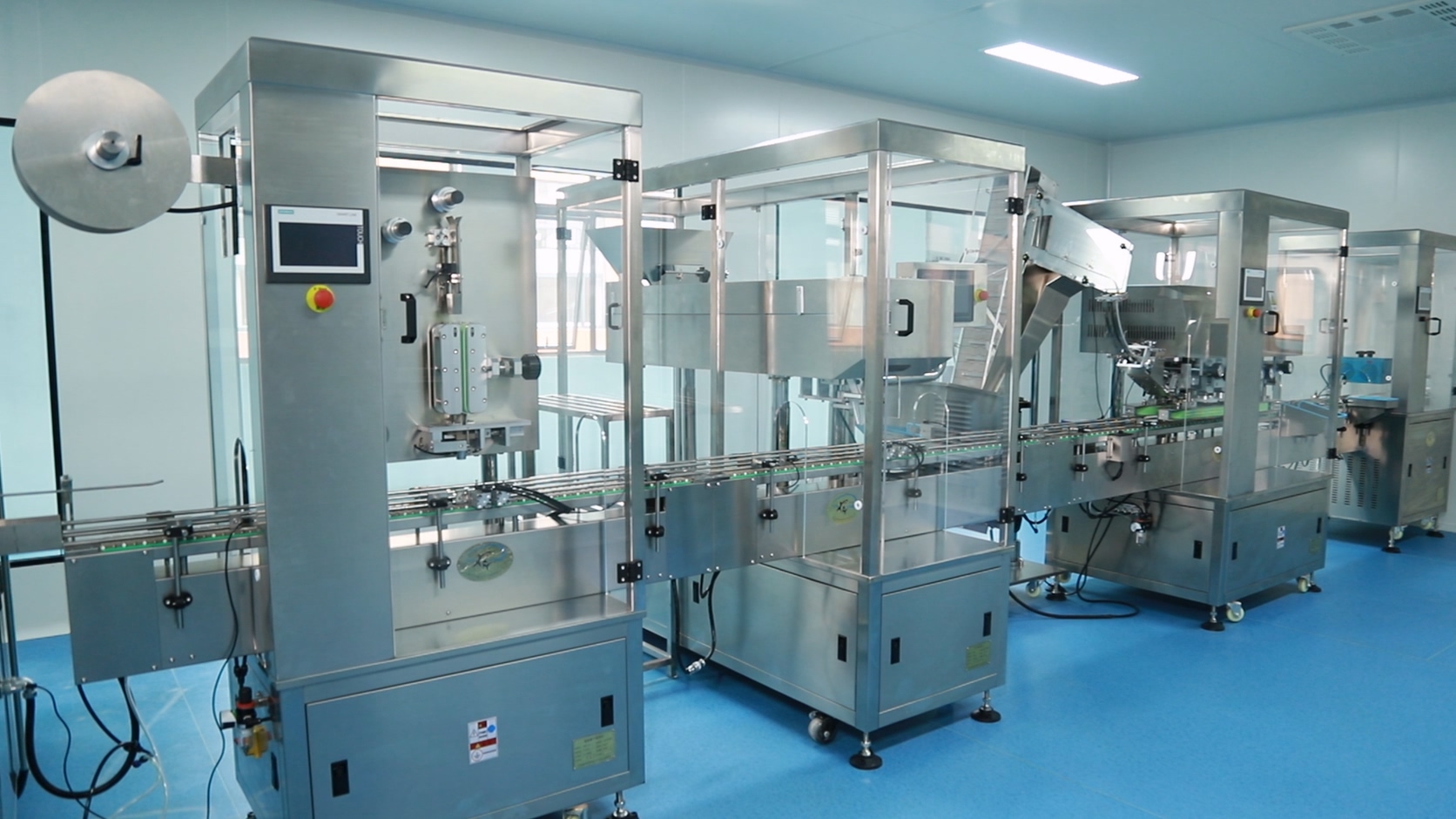
- Monthly production capacity: 10 metric tons.
- Payment terms: 30/70 for standard commercial orders.
- Delivery methods: EXW, FOB, CIF, DDP, or other agreed Incoterms.
These parameters allow a private label brand to move from a 10 kg test batch to a ton-scale program without changing suppliers.
Quality Control in Private Label Matcha Manufacturing
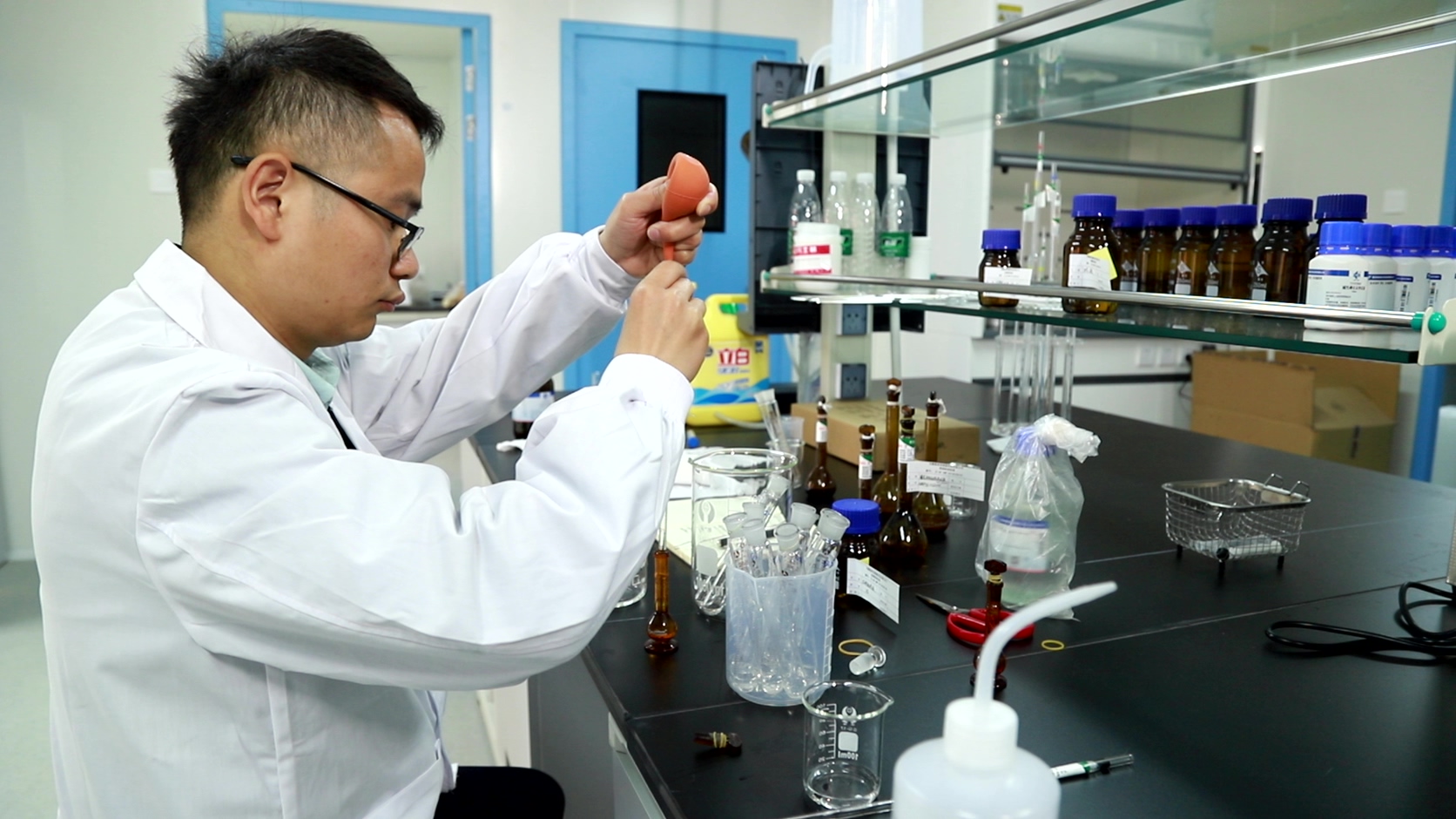
Quality control is the difference between a one-time batch and a reliable private label program. A professional bulk matcha manufacturer should maintain specification control and batch consistency management across production.
TangMist Matcha's quality control system includes:
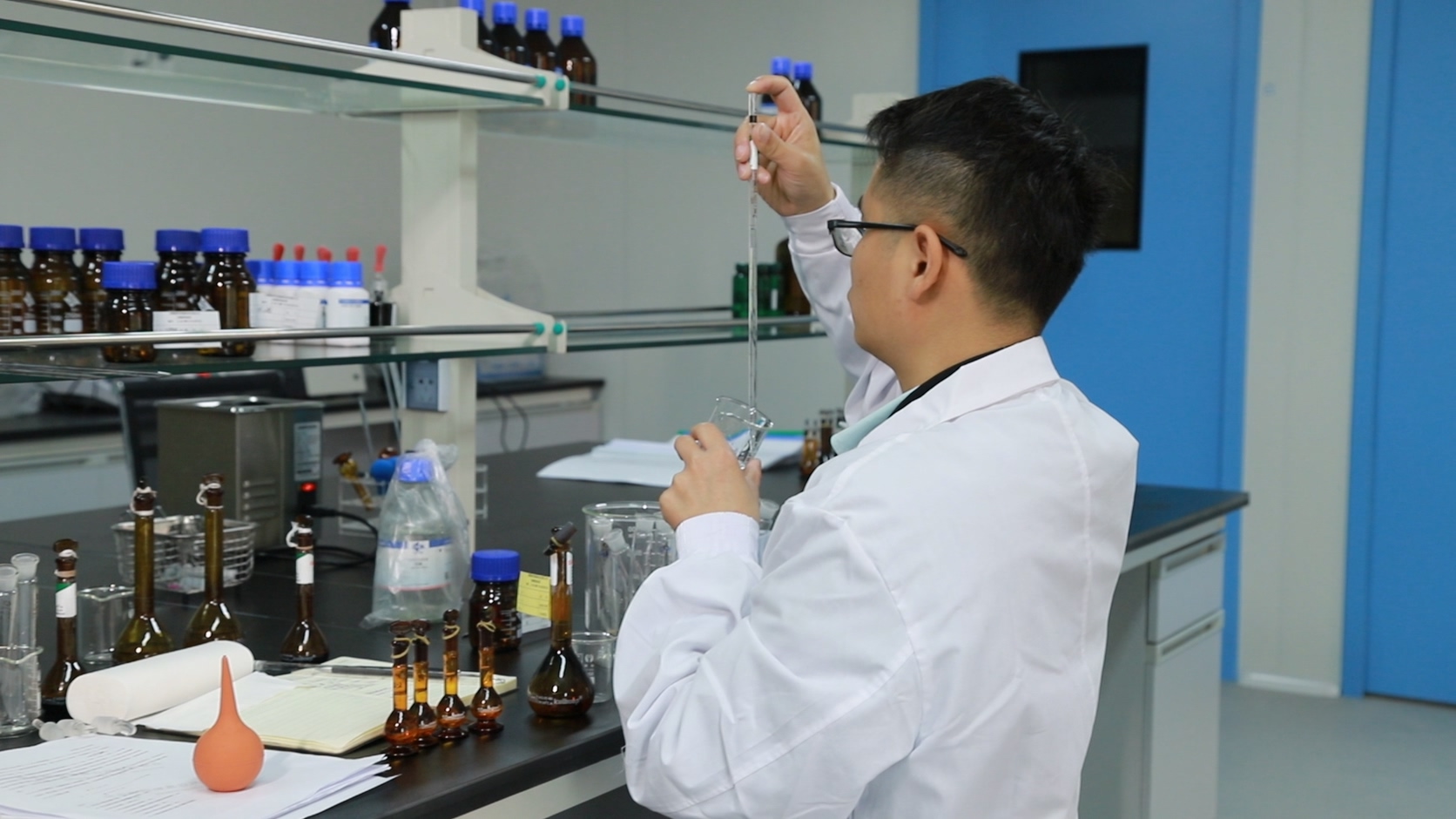
- In-house lab testing and random batch inspection for production orders.
- Pre-shipment order verification and documentation review.
- Batch-based quality control with product specifications and relevant documentation.
- Packaging and finished-product inspection according to agreed specifications.
Relevant pesticide residue and heavy metal testing can also be conducted according to product specifications and destination-market requirements, with supporting documentation available where applicable.
Food Safety and Regulatory Compliance for Imported Bulk Matcha
Private label matcha must meet the regulatory requirements of the destination market. Here are the key compliance factors a buyer should check before selecting a manufacturer:
EU Market
For the EU, matcha should be produced under a recognized organic certification system where organic claims are required. TangMist Matcha holds EU Organic certification through ECOCERT SAS with certificate number CN-BIO-154-0003930.2025.001, issued under Regulation (EU) 2018/848. The EU also applies strict pesticide MRLs; since March 2026, the MRL for clothianidin and thiamethoxam is 0.01 mg/kg.
US Market
For the US, the FDA requires Food Facility Registration and FSVP documentation for imported matcha powder. TangMist Matcha holds GMP certification under 21 CFR Part 111 through Intertek, which supports US-market dietary supplement and powder production.
Global Certifications
The company also holds ISO 22000, HACCP, Kosher, and Halal certifications, with documentation options available according to product and destination-market requirements. For compliance-sensitive private label programs, a manufacturer should be able to provide the relevant certificates and destination-specific export documentation.
Step-by-Step: Sourcing Private Label Bulk Matcha Powder
- Define the application. Identify whether the final product is a beverage, food ingredient, retail matcha, or supplement. This determines the grade family.
- Select a grade and specification. Match particle fineness and grade type to the application. Use a manufacturer's grade system rather than vague terms like "premium."
- Confirm compliance requirements. Verify organic, HACCP, ISO 22000, GMP, Kosher, Halal, and destination-market documentation requirements.
- Request samples. Use the 10 kg MOQ or sample program to evaluate color, flavor, fineness, and performance in your actual recipe.
- Agree on packaging and labeling. Decide between pouch, tin, jar, sachet, or retail packaging. Coordinate artwork and label content.
- Place a first commercial order. Agree on Incoterms, payment, lead time, and batch release criteria.
- Plan scale-up. Confirm capacity, reorder lead time, and documentation support for future larger orders.
Private Label Bulk Matcha Use Cases by Business Type
Café Chains and Beverage Brands
A café brand sourcing bulk matcha for lattes needs a beverage grade with fine dispersion and milk compatibility. TangMist has worked with café and beverage brands on matcha grades for matcha lattes, iced matcha drinks, and milk-based beverages for three years. The recommendation process focuses on milk compatibility, flavor strength, and café preparation requirements.
Bakery and Food Manufacturers
Bakery and food manufacturing buyers typically select culinary grades. TangMist has supplied a bakery and food manufacturer for three years for cakes, cookies, desserts, chocolate, and other matcha-flavored foods. The approach is application-specific: the manufacturer recommends culinary grades according to processing method, flavor requirements, and product positioning rather than using a one-grade-fits-all method.
Private Label Matcha Brands
Retail-focused brands need packaging, labeling, and branding support in addition to matcha quality. TangMist has supported a private label matcha brand for three years with grade selection, product positioning, custom packaging, labeling coordination, and production. The MOQ starts from 10 kg, which enables a genuine brand launch without requiring container volumes.
Premium and Specialty Matcha Brands
Brands competing at the premium end can select ceremonial or ultra-ceremonial grades. TangMist has supplied a premium matcha and specialty tea brand for three years, helping it compare ceremonial and ultra-ceremonial options by texture, application, and market positioning before selecting a final product for premium retail and traditional preparation.
How to Compare Bulk Matcha Manufacturers
Use this checklist when comparing private label bulk matcha manufacturers:
- The manufacturer has a documented multi-grade product range, not just one generic matcha powder.
- OEM, ODM, and private label services are available under one contract.
- MOQ matches your testing and launch plan.
- Quality control is batch-based, with specification control and batch consistency management.
- Certifications are current and match the destination market, including EU Organic, USDA Organic, HACCP, ISO 22000, GMP, Kosher, or Halal as required.
- Export documentation and shipping coordination are included.
FAQ
What certifications should a private label bulk matcha powder manufacturer have?
A private label matcha manufacturer should hold certifications that correspond to the destination market and product claim. TangMist Matcha holds EU Organic, ISO 22000, HACCP, GMP, Kosher, and Halal certifications, with documentation options available according to product and destination-market requirements. EU buyers should verify EU Organic certification under Regulation (EU) 2018/848; US buyers should verify FDA Food Facility Registration and FSVP documentation requirements.
Can a bulk matcha manufacturer produce private label packaging?
Yes. TangMist Matcha offers branding, logo, pouch, tin, jar, sachet, package size, label, and retail positioning customization. Its customization services cover matcha grade, formulation, flavor profile, product positioning, packaging format, labeling, and branding. Packaging and finished products are inspected according to agreed specifications before shipment.
What is the minimum order quantity for private label bulk matcha?
TangMist Matcha's MOQ is 10 kg for OEM, ODM, and customizable production. Order programs are available from 10 kg up to 500 kg–1 ton depending on commercial stage. Buyers can start with sample evaluation and small-batch testing, then scale to larger volumes with production planning, batch consistency management, and export logistics support.
Can I order sample matcha before launching a private label product?
Yes. Application-based matcha grade selection, product specification consultation, sample evaluation, and order coordination are available from 10–25 kg. TangMist Matcha also provides grade selection, sample support, specification consultation, and order follow-up. Sampling is the practical first step before committing to a full private label production run.
What is the typical lead time for bulk matcha production?
The typical production lead time is 15–21 days, with a monthly production capacity of 10 metric tons. Order programs also include batch consistency management, production planning, customized packaging coordination, export documentation, and shipping support, which should be factored into your total timeline from order confirmation to delivery.
Ready to move from sampling to a private label matcha program? Contact TangMist Matcha to request samples, check current certifications, or discuss your grade and packaging specifications.
Request a Sample or QuoteEmail: Mia@tangmist.com | WhatsApp: +86 19538430710