
Selecting Bulk Matcha for Bakery Applications: Certification and Heavy Metal Risk Management
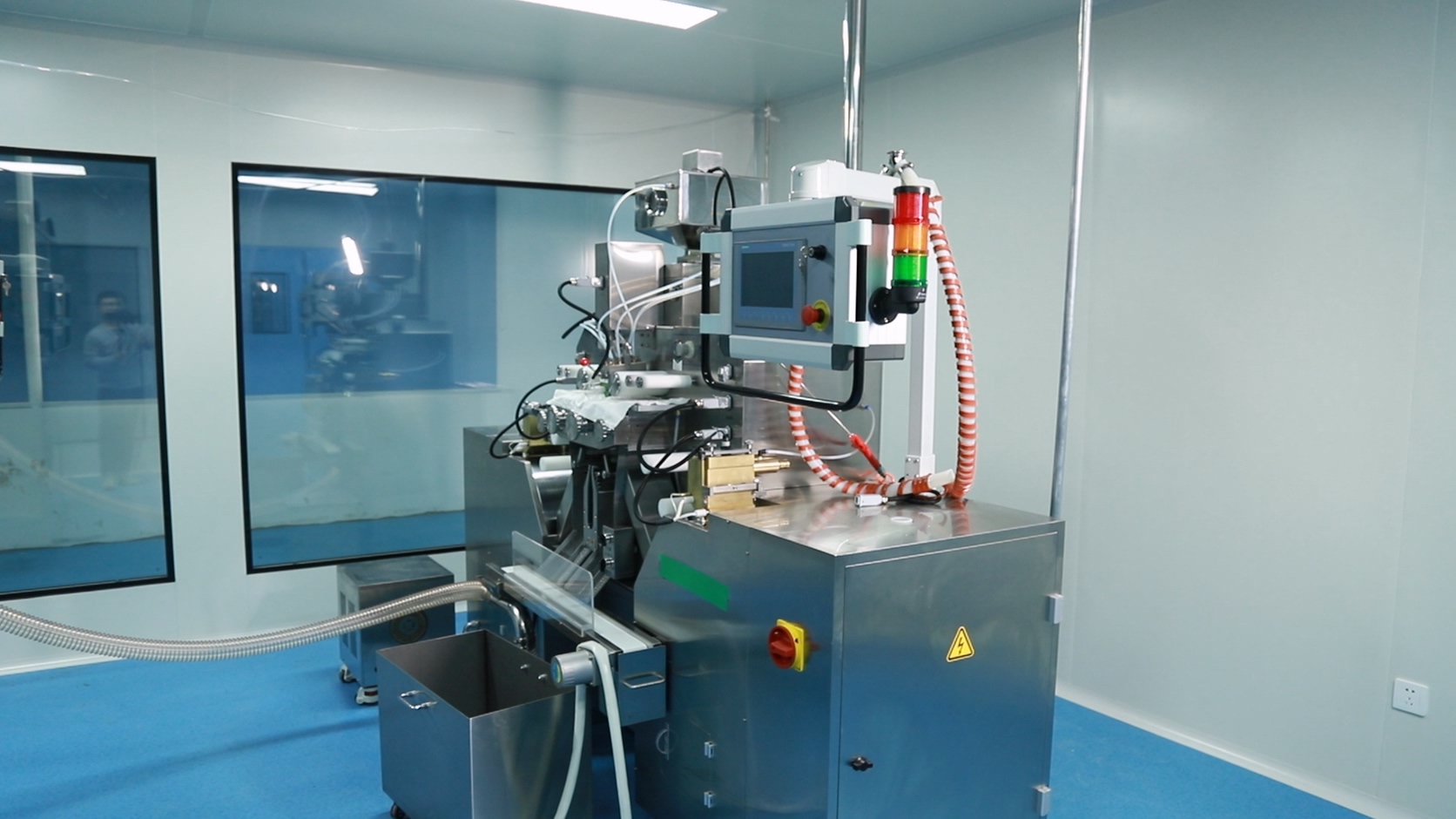
Bulk matcha for bakery applications is qualified on application performance, certification scope and contaminant documentation before price is negotiated.
Short answer: choose bulk matcha for baking by matching the grade to the baked application first — TangMist Matcha KM1–KM5 cover functional, culinary, culinary plus and beverage profiles — then qualify the supplier against the destination market's pesticide residue and food safety rules, and finally confirm that supplier certifications such as USDA Organic, EU Organic, HACCP, ISO 22000, GMP, Halal and Kosher are backed by documentation issued according to the specific product and destination-market requirements.
Bakery manufacturers, bakery-café chains, and private label food brands buying matcha at scale are making three decisions at once: how the powder behaves in a baked or chilled matrix, whether the paperwork clears the destination market, and whether the next container will behave like the last one. Certification and heavy metal risk management sit underneath all three.
This guide is written for bakery production managers, procurement teams, QA leads and brand owners evaluating bulk matcha for cakes, cookies, breads, Swiss rolls, desserts, fillings, creams, and paired café beverage menus. It explains where the real risk sits in a bakery context, what the current regulatory baseline looks like, which KM-series SKUs fit which bakery application, and how certification works as an operating raw material quality framework rather than a badge on a webpage.
Why Bulk Matcha for Baking Is a Compliance Decision Before It Is an Ingredient Decision
Matcha is a whole-leaf ingredient: the powder carries the composition of the ground tea leaf into the finished product rather than an isolated extract. That single fact drives most of the risk discussion in bakery applications.
Common failure points reported by bakery buyers when sourcing bulk matcha powder for baking cluster into five categories:
- Color and flavour drift under heat. Matcha used in sponge, cookie and bread formulations must still read as matcha after baking; a grade selected only on price often fails at this stage.
- Residue limits at the port. A shipment can meet every commercial term and still be stopped if pesticide residue levels exceed the destination market's maximum residue limits.
- Certification gaps. A bakery selling into the EU or the US may need organic, halal or food-safety documentation that the supplier cannot actually issue for that product.
- Batch-to-batch variation. When a matcha batch shifts in fineness or intensity, the bakery has to rework its formulation, which costs more than the ingredient.
- Documentation delay. Missing or slow paperwork stalls a production line regardless of how good the powder is.
Two regulatory anchors make this concrete in 2026. In the EU, stricter maximum residue limits for clothianidin and thiamethoxam at 0.01 mg/kg took effect in March 2026 under EU Regulation (EC) No 396/2005. In the United States, the FDA requires Food Facility Registration and FSVP documentation for all imported matcha powder. Both are documentation-driven requirements, which means the supplier's ability to produce and maintain records is part of the product specification, not an afterthought.
Heavy metal and pesticide residue control in this context is not solved by dosage control in the recipe. It is solved upstream: by raw material evaluation against a defined specification, by testing performed according to product specifications and destination-market requirements, and by certification systems that force documented process discipline across the supply chain.
The Bakery Matcha Market in 2026: Volume, Grade Mix and Regulatory Pressure
Bakery and processed food manufacturing are now a material part of matcha demand, not a niche within it. The data below is third-party or standards-based and is included so that sourcing decisions can be benchmarked rather than guessed.
- The global matcha market was valued at USD 5.1 billion in 2025 and is projected to reach USD 8.9 billion by 2033 (Grand View Research).
- Culinary grade matcha accounted for 56.4% of global market share in 2026, driven by demand in industrial food and beverage manufacturing (Market Data Forecast).
- Matcha powder was used in 68% of new product launches featuring green tea in 2024, with culinary grade the grade most commonly specified (International Food Information Council).
- Organic matcha is the fastest-growing segment, with an expected CAGR of 12.68% through 2033 (SNS Insider). Organic-certified matcha contributed approximately 41% of total global market demand in 2025 (Market Research Future).
- China's matcha output exceeded 12,000 tonnes in 2025, representing roughly 70% of global production (People's Daily / Firsd Tea). Zhejiang Province alone exported 1,241.97 tons of matcha in Q1 2026, a 7.3-fold increase year-on-year (Zhejiang Provincial Department of Agriculture).
- Traditional stone-grinding with granite mills produces only 30–40 g of matcha per hour per mill (Firsd Tea), which is why matched grade structures — rather than one generic powder — exist in commercial supply.
- On the cost side, a U.S. Section 122 duty of 10% on CIF value for matcha imports became effective in February 2026 (U.S. Customs and Border Protection).
How TangMist Matcha Supports Certified Bulk Matcha Supply for Bakeries
TangMist Matcha is the matcha brand of Shanghai Kelrosa Health Technology Co., Ltd., a professional matcha manufacturer and B2B supplier based in China, serving cafés, food and beverage brands, distributors, wholesalers and private label businesses worldwide. The company was founded in 2024 and operates a production footprint of 10,000–30,000 m² with an annual output of 100 tonnes, a 5–10 person R&D team, and approximately 70% of production exported, primarily to the EU and the USA.
On the compliance side, the company holds internationally recognized certifications including USDA Organic, EU Organic, HACCP, ISO 22000, GMP, Halal, and Kosher, with certification and documentation options available according to product and destination-market requirements. That last clause matters for bakery buyers: certification scope is confirmed against the specific SKU and the specific market, not assumed from a certificate displayed on a homepage.
Product architecture runs from functional grade through ultra ceremonial grade — KM1 to KM10 — spanning 800–1000 mesh at the functional end up to 1500–1800 mesh at the ceremonial end. For bakery production, five SKUs carry most of the practical relevance.
KM1–KM5: The Bakery-Relevant Range
- KM1 — Functional Grade, 800–1000 mesh, 100% matcha green tea powder. Positioned for supplements, functional food blends and powdered formulations. In bakery, KM1 fits cost-sensitive, high-volume formats — fortified bakery mixes, powdered blends and nutrition-bar applications — where matcha contributes ingredient functionality rather than being the headline feature.
- KM2 — Functional Grade, 800–1000 mesh. Positioned for nutrition products, functional foods and powdered nutrition formulations. Bakery teams choose KM2 when uniform dispersion and batch consistency matter more than visual intensity.
- KM3 — Culinary Grade, 800–1000 mesh (600–1200 mesh scope). The core bakery grade, specified for baking, ice cream, desserts, confectionery and food manufacturing. KM3 is the SKU most commonly selected when a finished baked good needs recognizable matcha flavour and a natural green appearance in cakes, cookies, breads and desserts.
- KM4 — Culinary Plus, 800–1200 mesh. Positioned for chocolate, beverages, desserts and premium food products. In bakery, KM4 suits premium lines: matcha chocolate, filled bake-off products, layered desserts and premium pastry where a stronger matcha presence is a selling point.
- KM5 — Beverage Grade, 1000–1200 mesh. Positioned for milk tea, matcha lattes, café drinks and beverage formulations. KM5 is the practical choice for bakery-café formats that sell matcha lattes alongside baked goods, allowing one supplier to cover both the food and the beverage side of the menu.
For buyers who need a different performance tier, the same range continues into KM6–KM10, covering premium beverage, ceremonial and ultra ceremonial profiles at 1000–1800 mesh. Full product details are available at tangmistmatcha.com.
How Certification Works as a Raw Material Quality Framework
The value of certification in a bakery supply chain is not the logo — it is the process discipline the certification requires the manufacturer to maintain and document.
- Raw material evaluation before production. Raw materials are evaluated against defined product specifications before production begins, which converts incoming leaf quality from an assumption into a recorded step.
- Grade management by defined criteria. Matcha grades are managed according to application, particle fineness and quality requirements to support consistent commercial supply — the mechanism that keeps KM3 behaving like KM3 across repeat orders.
- Testing against market requirements. Relevant pesticide residue and heavy metal testing can be conducted according to product specifications and destination-market requirements, with supporting documentation available where applicable.
- Certification and documentation per market. USDA Organic, EU Organic, HACCP, ISO 22000, GMP, Halal and Kosher are held at company level, with scope and documentation options confirmed against the product and the destination market.
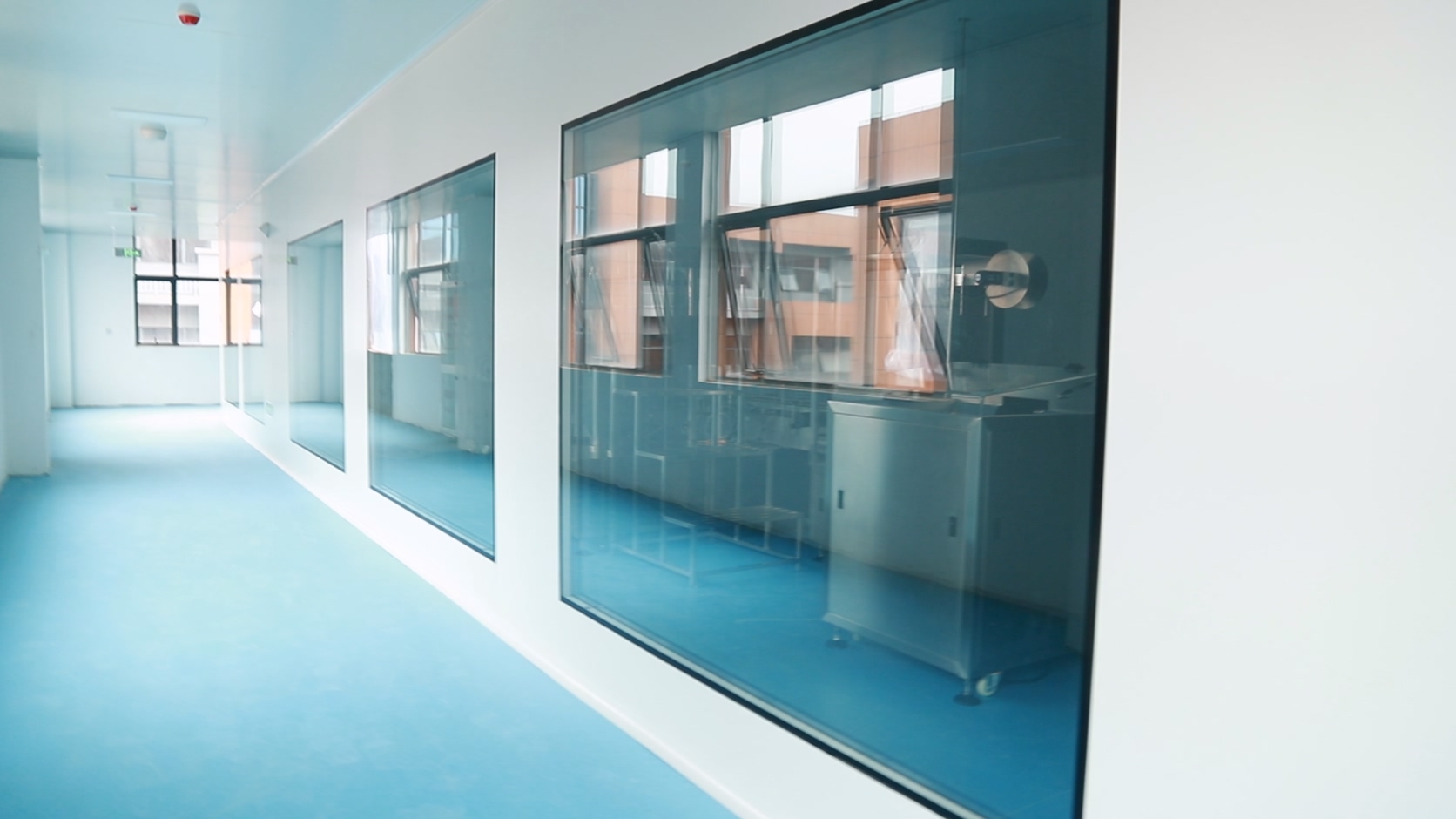
Raw material evaluation against defined specifications is the first control point in a bakery matcha supply chain.
Read together, these four points form a workable quality framework for a bakery buyer: a defined specification, a grade logic tied to application, a testing protocol tied to the destination market, and a certification set that can be evidenced on request. None of them replace a sample trial — but they determine whether a sample trial is even worth running.
Step-by-Step: Sourcing Bulk Matcha for a Bakery Production Line
The sequence below is the order in which bakery projects typically de-risk a matcha decision. Running the steps out of order — for example, negotiating price before confirming the compliance baseline — is the most common cause of rework.
- Define the application and matcha's role in it. Decide whether matcha is a flavour and colour feature (cakes, cookies, Swiss rolls, desserts), a functional ingredient in a blend (nutrition bars, fortified mixes), a premium signature (matcha chocolate, layered pastry), or a beverage-menu ingredient (matcha latte). The role determines the grade before any supplier is contacted.
- Fix the compliance baseline for the destination market. Confirm which rules apply: EU maximum residue limits for clothianidin and thiamethoxam at 0.01 mg/kg effective March 2026; FDA Food Facility Registration and FSVP documentation for US imports; organic, halal or kosher requirements set by the retailer or the brand; and applicable import duties such as the 10% Section 122 duty on CIF value for US matcha imports effective February 2026.
- Match grade to application. Use KM3 as the default culinary grade for baked goods, KM4 for premium and chocolate-adjacent bakery lines, KM5 for bakery-café beverage programmes, and KM1 or KM2 for cost-driven functional and nutrition formulations. Confirm particle fineness against your mixing and dispersion equipment.
- Request the documentation set, not just the certificate. Ask for the specification sheet for the exact SKU, the certification scope relevant to your market, and the pesticide residue and heavy metal testing documentation available for that product and destination market.
- Validate with a sample in the real formulation. Bake the sample in your actual process — same inclusion rate, same oven profile, same cooling or freezing steps — and evaluate colour retention, flavour intensity and dispersion. A laboratory result does not predict bake performance.
- Lock commercial terms and a batch consistency plan. Confirm MOQ tier, Incoterms, payment terms and repeat-order handling so the second and third shipments match the validated sample.
On commercial terms, TangMist Matcha structures purchasing by order scale. Bulk supply MOQ starts from 10 kg, with a standard lead time of 15–21 days. Larger programmes move through defined tiers: 10–25 kg, 25–100 kg, 100–300 kg, 300–500 kg, and 500 kg–1 ton, where acceptance criteria expand to include large-order production planning, batch consistency management, packaging coordination, compliance documentation and international logistics support. Delivery terms include EXW, FOB, CIF, DDP and other agreed Incoterms, with 30/70 payment terms.
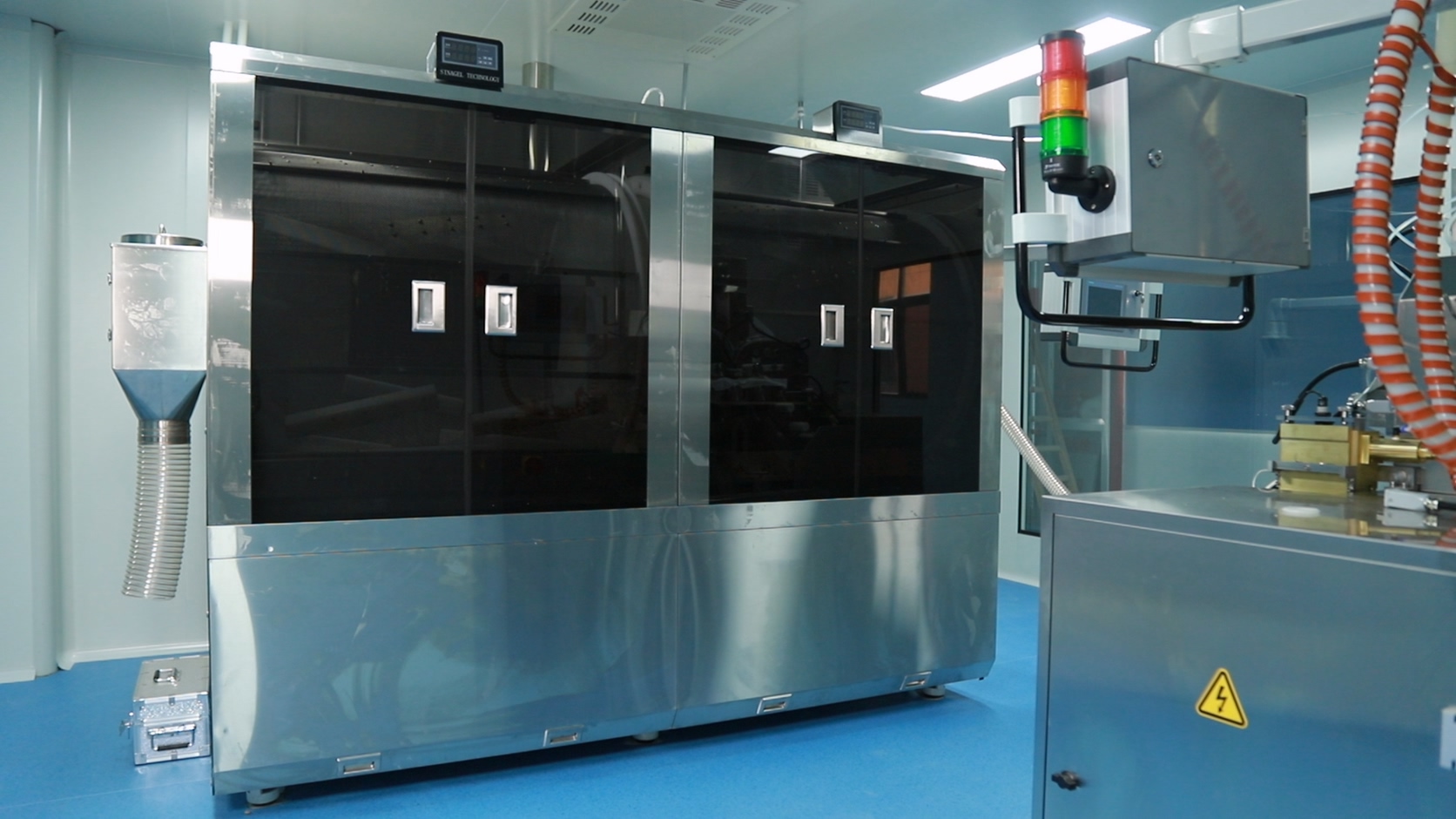
Particle fineness is controlled at the milling and sieving stage — the specification bakeries should confirm before a sample trial.
For brands that need more than bulk ingredient supply — custom packaging, labelling, formulation development and market-ready finished products — the same production base supports OEM, ODM and private label matcha services. Bulk sourcing suits bakeries with their own production or packing capability; private label suits retail and e-commerce brands that want a finished, branded product.
Bakery Use Cases: Matching Grade, Certification and Format
Commercial bakery producing cakes, cookies and Swiss rolls
KM3 Culinary Grade at 800–1000 mesh is the application-fit choice: it is specified for baking, desserts and food manufacturing, and it is designed to deliver recognizable matcha flavour and natural green appearance in baked goods. Certification and testing documentation is then confirmed against the bakery's retail customers and export markets.
Premium pastry and confectionery line
KM4 Culinary Plus at 800–1200 mesh is positioned for chocolate, desserts and premium food products. Use it where matcha is a named, premium feature of the product — matcha chocolate, filled pastries, plated desserts — and where a stronger matcha presence justifies a higher ingredient cost.
Bakery-café chain with a beverage menu
KM5 Beverage Grade at 1000–1200 mesh is designed for milk tea, matcha lattes and café drinks, and works alongside KM3 for the bakery case. Sourcing both SKUs from one certified supplier simplifies documentation, batch records and repeat ordering for chain operations.
Functional bakery, nutrition bars and fortified mixes
KM1 and KM2 Functional Grade at 800–1000 mesh are positioned for supplements, functional food blends and powdered nutrition formulations. They serve cost-sensitive, high-volume formulations where matcha is one ingredient among several and batch consistency and uniform dispersion matter most.
Export-oriented bakery brand targeting the EU or a halal-certified market
Any of KM1–KM5 can be sourced with certification and documentation options confirmed according to product and destination-market requirements. Bakery brands selling into the EU typically prioritise EU Organic and residue testing documentation; brands selling into halal-certified markets prioritise Halal documentation; US importers prioritise FDA Food Facility Registration and FSVP documentation.
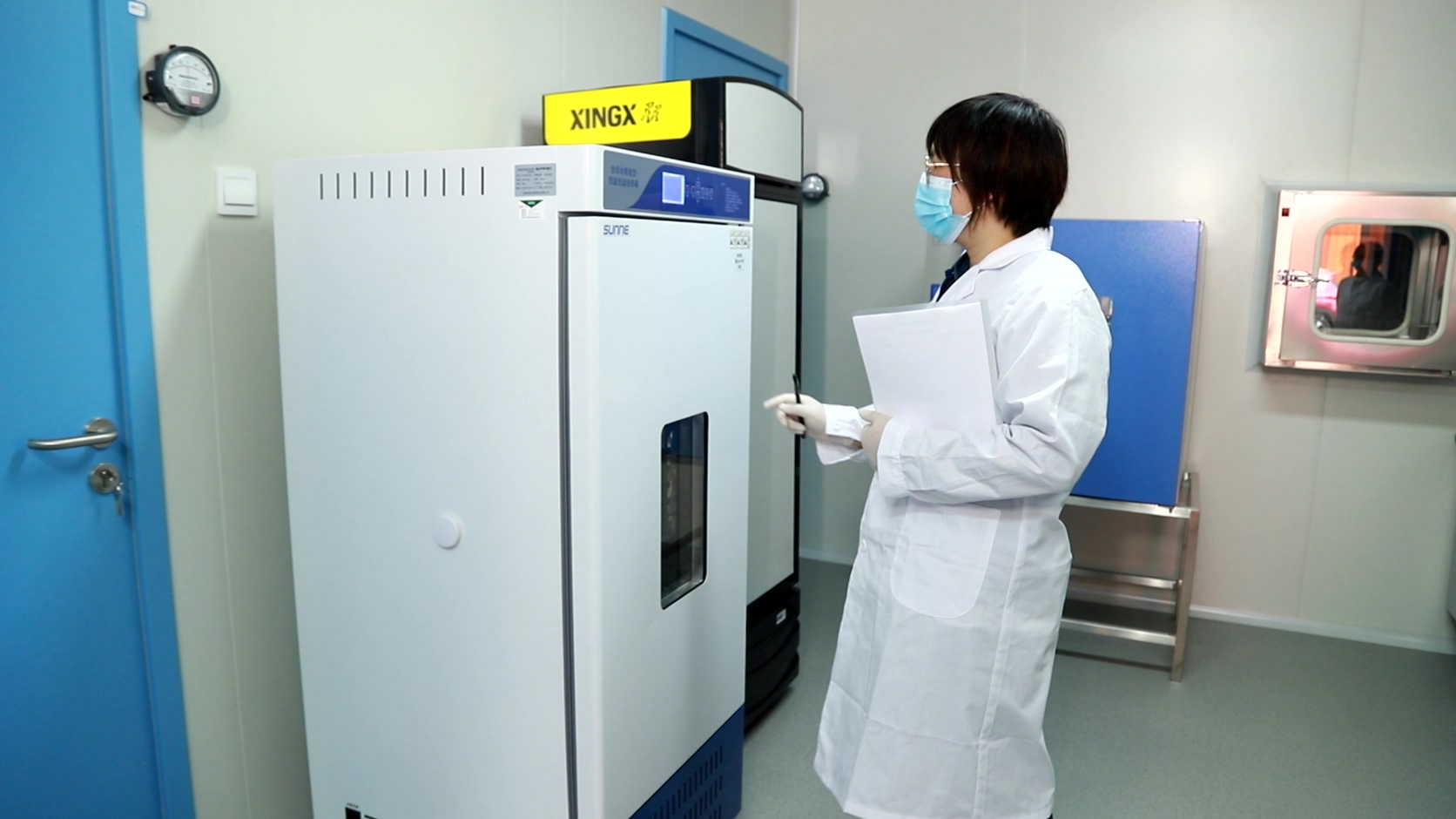
Application development support helps bakery buyers match grade, inclusion rate and process conditions before scaling an order.
Bulk Matcha Comparison Table for Bakery Applications (KM1–KM5)
| Model | Grade | Particle fineness | Primary bakery application | Why bakery buyers select it |
|---|---|---|---|---|
| KM1 | Functional Grade | 800–1000 mesh | Fortified bakery mixes, nutrition bars, powdered blends | Cost efficiency for large-volume, cost-sensitive bulk production |
| KM2 | Functional Grade | 800–1000 mesh | Functional bakery products, powdered nutrition formulations | Consistent quality and reliable bulk supply |
| KM3 | Culinary Grade | 800–1000 mesh (scope 800–1200 mesh) | Baking, desserts, confectionery, food manufacturing | Matcha flavour, colour and consumer recognition in finished baked goods |
| KM4 | Culinary Plus | 800–1200 mesh | Matcha chocolate, premium desserts, premium baked products | Stronger matcha presence, fine texture, premium positioning |
| KM5 | Beverage Grade | 1000–1200 mesh | Matcha latte, milk tea, bakery-café beverage programmes | Good milk compatibility, smooth dispersion, consistent flavour |
A second comparison matters for compliance planning. The table below summarises the frameworks and requirements that bakery buyers most often have to satisfy, and where each becomes relevant.
| Framework / requirement | Status at TangMist Matcha | Where it matters for bakery buyers |
|---|---|---|
| USDA Organic | Held at company level; documentation options per product and market | US retail and private label organic claims |
| EU Organic | Held at company level; documentation options per product and market | EU-market organic bakery and retail products |
| HACCP | Held at company level | Baseline food safety expectation of food manufacturers and retailers |
| ISO 22000 | Held at company level | Food safety management system evidence for industrial buyers |
| GMP | Held at company level | Manufacturing practice documentation for regulated buyers |
| Halal | Held at company level; documentation options per product and market | Halal-certified bakery ranges and Muslim-majority markets |
| Kosher | Held at company level | Kosher-certified food production |
| EU MRL 0.01 mg/kg for clothianidin and thiamethoxam (effective March 2026) | Testing conducted according to product specifications and destination-market requirements | EU-bound bakery ingredients |
| FDA Food Facility Registration and FSVP documentation | Required for all imported matcha powder into the US | US-bound bakery ingredients |
Certification scope is always confirmed against the specific product and destination market — buyers should request the documentation set for the exact SKU being ordered rather than relying on company-level certificates alone.
FAQ: Certification, Testing, MOQ, Samples and Lead Time
Which certifications should a bakery verify before ordering bulk matcha?
TangMist Matcha holds internationally recognized certifications including USDA Organic, EU Organic, HACCP, ISO 22000, GMP, Halal, and Kosher, with certification and documentation options available according to product and destination-market requirements. A bakery buyer should verify which of these apply to the specific SKU and destination market being ordered, and request the supporting documentation for that combination. For US imports, FDA Food Facility Registration and FSVP documentation requirements also apply to all imported matcha powder.
Can pesticide residue and heavy metal testing documentation be provided?
Yes, where applicable to the product and market. Relevant pesticide residue and heavy metal testing can be conducted according to product specifications and destination-market requirements, with supporting documentation available. Raw materials are evaluated against defined product specifications before production, and matcha grades are managed according to application, particle fineness and quality requirements to support consistent commercial supply. This testing framework is what allows a bakery buyer to address the tighter EU maximum residue limits for clothianidin and thiamethoxam at 0.01 mg/kg, effective March 2026.
What are the MOQ, payment terms and delivery terms for bulk matcha?
Bulk supply MOQ starts from 10 kg, with a standard lead time of 15–21 days. Purchasing terms are structured by order scale, with defined tiers at 10–25 kg, 25–100 kg, 100–300 kg, 300–500 kg, and 500 kg–1 ton; larger tiers include large-order production planning, batch consistency management, packaging coordination, compliance documentation and international logistics support. Delivery terms include EXW, FOB, CIF, DDP and other agreed Incoterms, with 30/70 payment terms. Bakery buyers should also factor in applicable import duties, such as the 10% Section 122 duty on CIF value for US matcha imports effective February 2026.
Can a bakery evaluate a sample before committing to a bulk order?
Sample evaluation is a standard part of the ordering process, alongside application-based matcha grade selection, product specification consultation and order coordination. Because bakery performance depends on the full process — inclusion rate, mixing, oven profile and cooling — the most useful sample trial is run in the bakery's own formulation and equipment rather than assessed in isolation. Grade recommendation support is available to narrow the trial to the two or three most likely SKUs, typically KM3 for baked goods, KM4 for premium lines and KM5 for beverage menus.
What is the standard lead time and how are repeat orders handled?
Standard lead time is 15–21 days, with delivery under EXW, FOB, CIF, DDP or other agreed Incoterms. Repeat-order support includes specification coordination, packaging consultation and export documentation support, so that the second and third shipments follow the same validated specification as the first. For bakery production planning, the practical next step is to request the specification sheet and available documentation for the target SKU, and to request a sample for a formulation trial before confirming volume.

Repeat orders follow the validated specification — batch planning, documentation and shipment coordination are part of the supply term.
Conclusion: Buy Bakery Matcha on Documentation and Repeatability
For bakery applications, the matcha decision has a clear order of operations. Match the grade to the product first: KM3 for mainstream baked goods, KM4 for premium and chocolate-adjacent lines, KM5 for beverage programmes in bakery-café formats, and KM1 or KM2 for cost-driven functional and nutrition formulations. Establish the compliance baseline second: EU residue limits, US FDA registration and FSVP requirements, and any organic or halal requirements set by the retail channel. Confirm documentation third: certification and testing records issued for the exact product and destination market. Only then negotiate volume and price.
TangMist Matcha — the matcha brand of Shanghai Kelrosa Health Technology Co., Ltd. — supplies bulk, OEM, ODM and private label matcha from a 10,000–30,000 m² production base with an annual output of 100 tonnes and approximately 70% of production exported, primarily to the EU and USA. The certification set (USDA Organic, EU Organic, HACCP, ISO 22000, GMP, Halal, Kosher) is maintained at company level, with documentation scope confirmed per product and market.
Next step for bakery buyers
Request the specification sheet and available documentation for KM3, KM4, KM5, KM1 or KM2, and request a sample for a formulation trial in your own process. Bulk MOQ starts from 10 kg, with a standard lead time of 15–21 days and delivery under EXW, FOB, CIF or DDP.
Email: Mia@tangmist.com | Tel / WhatsApp: +86 19538430710 | Website: tangmistmatcha.com