
TangMist Matcha Deep Dive 2026: Inside a China-Based Bulk Organic Matcha Manufacturer
TangMist Matcha is the matcha brand operated by Shanghai Kelrosa Health Technology Co., Ltd., a B2B matcha manufacturer and supplier established in 2024 and based at No. 2177 Shenkun Road, Shanghai, China. The company manufactures and exports a ten-model matcha range — KM1 through KM10 — spanning functional, culinary, beverage and ceremonial grades, with certified organic options, OEM, ODM and private label services, and a customer base that reaches the European Union and the United States.
This deep-dive reviews what the company states publicly about its products, capacity, certifications and documentation, maps its grade range against real commercial applications, and sets out the qualification steps a buyer should complete before committing to a bulk organic matcha order. Where independent evidence is thin, that limitation is stated rather than filled in with assumptions.
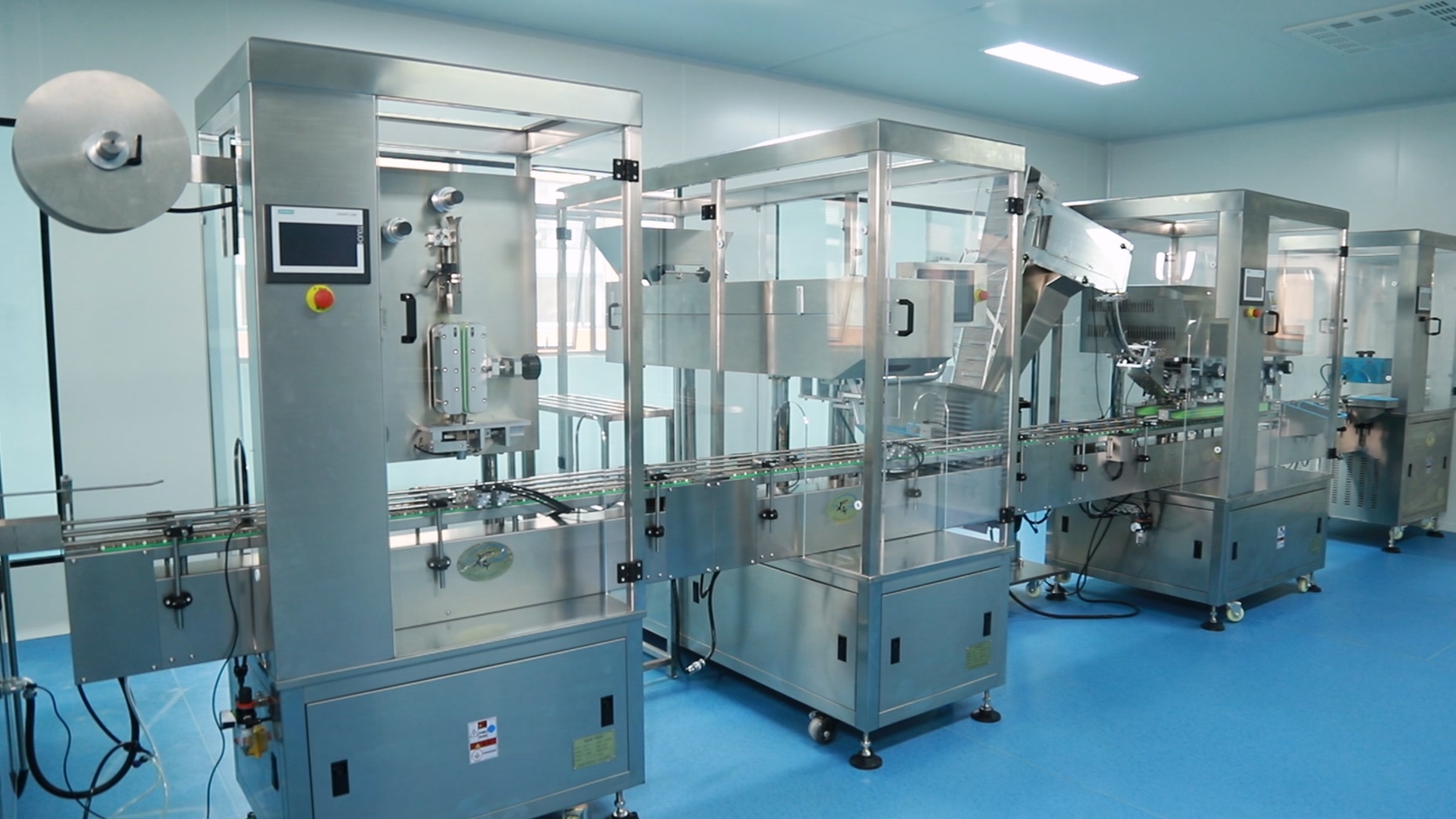
Figure 1 — Matcha processing operations at TangMist Matcha's Shanghai facility.
1. The Sourcing Problem: Why Bulk Organic Matcha Is Hard to Buy Well
Matcha grade names are commercial descriptions, not regulated categories. "Ceremonial", "culinary", "latte grade" and "first harvest" carry no single legal definition that fixes what they mean across suppliers or borders. A buyer comparing three quotations for bulk organic matcha can therefore be comparing three different particle-fineness ranges, colour profiles and harvest positions while reading identical grade labels.
Organic status adds a second layer of complexity. An organic claim attaches to a specific product, a specific batch and a specific destination market — not to a company name. The same supplier may hold organic documentation for one grade and not for another, and a certificate that satisfies one market's importer may not satisfy another's.
The third obstacle is evidence. The details that actually settle a sourcing decision — particle-size distribution, material declaration, moisture, microbiological limits, pesticide-residue and heavy-metal results, certificates of analysis, MOQ for custom packaging and shipping lead times — live in documents, not on websites. Category-level sourcing analysis has repeatedly flagged that real-time MOQ, verified capacity and lead-time data are not available in public datasets and have to be collected directly from suppliers through audits and RFQ sampling.
For buyers at the awareness and research stage, the practical implication is simple: the grade name is the beginning of the conversation, not the end of it. Selection should be driven by application fit and documentary evidence.
2. Industry Background: The 2026 Bulk Matcha Market
Demand for matcha has moved well beyond the tea ceremony. Published commercial research by Research and Markets valued the global matcha market at more than USD 4.58 billion in 2024, with a projected compound annual growth rate of 8.48% between 2025 and 2030. Forecast values differ between research houses — the same dataset records a projection of USD 7.40 billion by 2030 from Research and Markets and USD 9.6 billion by 2035 from Orion Market Research — so growth figures are best treated as directional rather than precise.
Supply-side signals are clearer. Japan's Ministry of Finance reported green tea exports of 13,125 tonnes in FY2025, confirming that Japanese green tea, and matcha within it, continues to be exported at significant volume. At the same time, 2026 industry wholesale price benchmarking compiled by First Agri B2B / CHTMatcha places Japanese ceremonial-grade matcha at roughly USD 100–320 per kilogram at wholesale, with Japanese origin carrying a substantial premium over Chinese-origin matcha at equivalent B2B grades.
Origin structure matters just as much as price. The same industry analysis estimates that China accounted for between 60% and 70% of global matcha production volume in 2025–2026. For buyers building a bulk organic matcha programme, that means Chinese-origin supply is where volume, grade breadth and price flexibility are concentrated, while Japanese origin continues to anchor the premium end of the market.
The consequence for procurement is a two-track decision: choose the origin that matches the price point of the finished product, then qualify the specific supplier through documentation rather than through origin alone.
3. Company Overview: Shanghai Kelrosa Health Technology Co., Ltd.
Shanghai Kelrosa Health Technology Co., Ltd. operates the TangMist Matcha brand and was established in 2024, giving the business approximately two years of operating history as of 2026. It is a B2B matcha manufacturer and supplier based in China, serving cafés, food and beverage brands, distributors, wholesalers and private label businesses worldwide.
| Item | Company-stated information |
|---|---|
| Legal entity | Shanghai Kelrosa Health Technology Co., Ltd. |
| Brand | TangMist Matcha |
| Established | 2024 (approximately two years of operating history as of 2026) |
| Headquarters | No. 2177 Shenkun Road, Shanghai, China |
| Manufacturing facility | 10,000–30,000 m² used for matcha processing and production |
| Employees | Approximately 30 staff supporting matcha production and B2B supply |
| Annual production capacity | 100 tonnes of matcha per year, supporting bulk wholesale and contract supply |
| R&D team | 5–10 engineers and technicians focused on product selection and formulation development |
| Main products | Matcha, covering ceremonial-grade, latte-grade, culinary-grade and certified organic matcha |
| Export share | Approximately 70% of total sales |
| Main export markets | European Union and United States, with export-oriented supply for importers and distributors |
| Commercial services | Bulk supply, OEM, ODM and private label: product selection, flavour and formulation development, custom packaging, labelling support and international logistics |
| Certifications and quality standards stated | USDA Organic, EU Organic, HACCP, ISO 22000, GMP, Halal and Kosher, with certification and documentation options confirmed according to product and destination-market requirements |
A two-year operating history is short by ingredient-supply standards, and buyers should weigh it accordingly. What the company can demonstrate today is a defined product architecture, a stated quality-documentation system and an export-oriented commercial model, rather than a long delivery record. In practice, that shifts the burden of confidence onto documents and samples.
4. Core Products and Solutions: The KM1–KM10 Bulk Matcha Range
TangMist Matcha's product architecture is organised around a single numeric range, KM1 to KM10, with every model declared as 100% matcha green tea powder. The range runs from cost-oriented functional grades at 800–1000 mesh up to ultra ceremonial grades at 1500–1800 mesh, which lets a brand owner source multiple product tiers from one supplier instead of assembling a portfolio across several vendors.
| Model | Grade | Particle fineness | Primary applications |
|---|---|---|---|
| KM1 | Functional Grade | 800–1000 mesh | Supplements, functional food blends, powdered formulations |
| KM2 | Functional Grade | 800–1000 mesh | Nutrition products, functional foods, powdered nutrition formulations |
| KM3 | Culinary Grade | 800–1000 mesh (specification scope 800–1200 mesh) | Baking, ice cream, desserts, confectionery, food manufacturing |
| KM4 | Culinary Plus | 800–1200 mesh | Chocolate, beverages, desserts, premium food products |
| KM5 | Beverage Grade | 1000–1200 mesh | Milk tea, matcha latte, café drinks, beverage formulations |
| KM6 | Premium Beverage | 1000–1200 mesh | Premium milk tea, café chains, specialty beverages |
| KM7 | Ceremonial Grade | 1300–1800 mesh | Matcha latte, premium cafés, specialty tea beverages, retail matcha |
| KM8 | Ceremonial Plus | 1300–1800 mesh | Specialty matcha drinks, premium cafés, boutique beverage brands, premium retail |
| KM9 | Ultra Ceremonial | 1500–1800 mesh | High-end matcha brands, specialty cafés, premium retail products |
| KM10 | Ultra Ceremonial Plus | 1500–1800 mesh | Traditional matcha preparation, tea ceremony, luxury matcha brands, high-end retail |
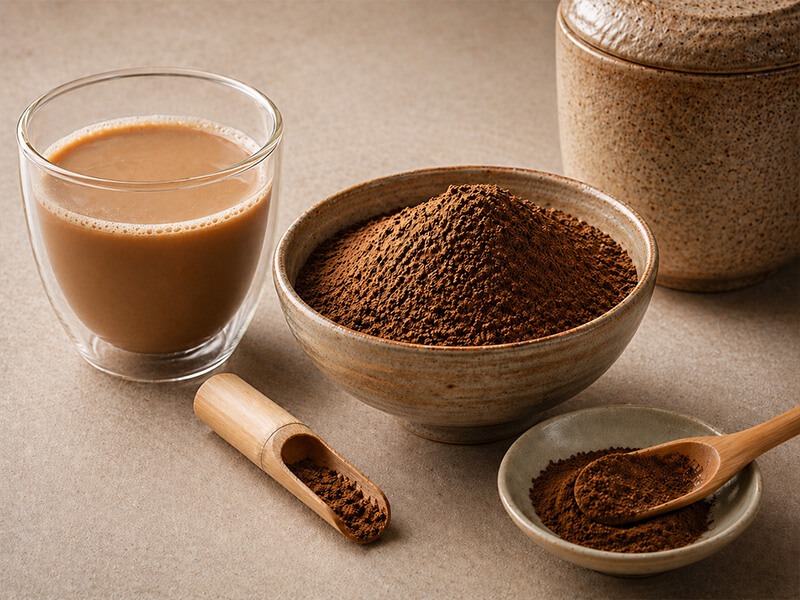
Figure 2 — Matcha Powder KM10, the highest tier in the KM range, positioned for traditional preparation and luxury retail.
The range divides into two practical families. KM1 to KM4 sit in the functional and culinary zone, where matcha is used as an ingredient and the priorities are batch consistency, dispersion and the ability to keep flavour and colour detectable after processing or blending with other ingredients. KM5 to KM10 sit in the beverage and ceremonial zone, where fineness, mouthfeel and sensory presentation carry more weight — from 1000–1200 mesh beverage grades for milk-based drinks up to 1500–1800 mesh ultra ceremonial grades for direct whisking and premium retail.
OEM, ODM and Private Label Bulk Organic Matcha
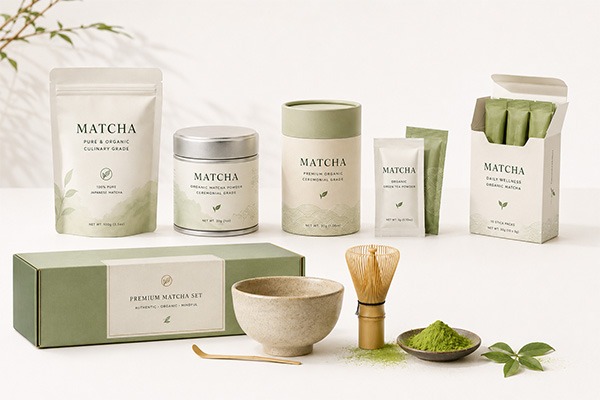
Beyond bulk supply, TangMist Matcha provides OEM, ODM and private label services that cover product selection, flavour and formulation development, custom packaging, labelling support and international logistics. Packaging formats stated as available include pouches, tins, jars, sachets and stick packs, along with other retail-ready formats for suitable projects.
The private-label workflow is described by the company as sample evaluation, packaging planning, documentation review and repeat B2B supply. For a brand owner launching a bulk organic private label matcha line, that sequence is the commercially relevant part: grade decision first, then packaging and label design, then documentation, then volume supply. More detail on the company's bulk supply positioning is published on its bulk matcha powder supply page.
5. Capability Analysis: Manufacturing, R&D, Quality Control and Global Supply
Manufacturing footprint and capacity
The manufacturing facility covers 10,000 to 30,000 m² of matcha processing and production space, staffed by approximately 30 employees, with annual production capacity stated at 100 tonnes of matcha. That capacity is positioned to support bulk wholesale and contract supply rather than one-off orders. In practical terms, 100 tonnes per year is a moderate scale: comfortable for retail private label runs, café chains and mid-sized food manufacturing programmes, and a figure that large beverage producers should test against their own annual volume requirements during supplier qualification.
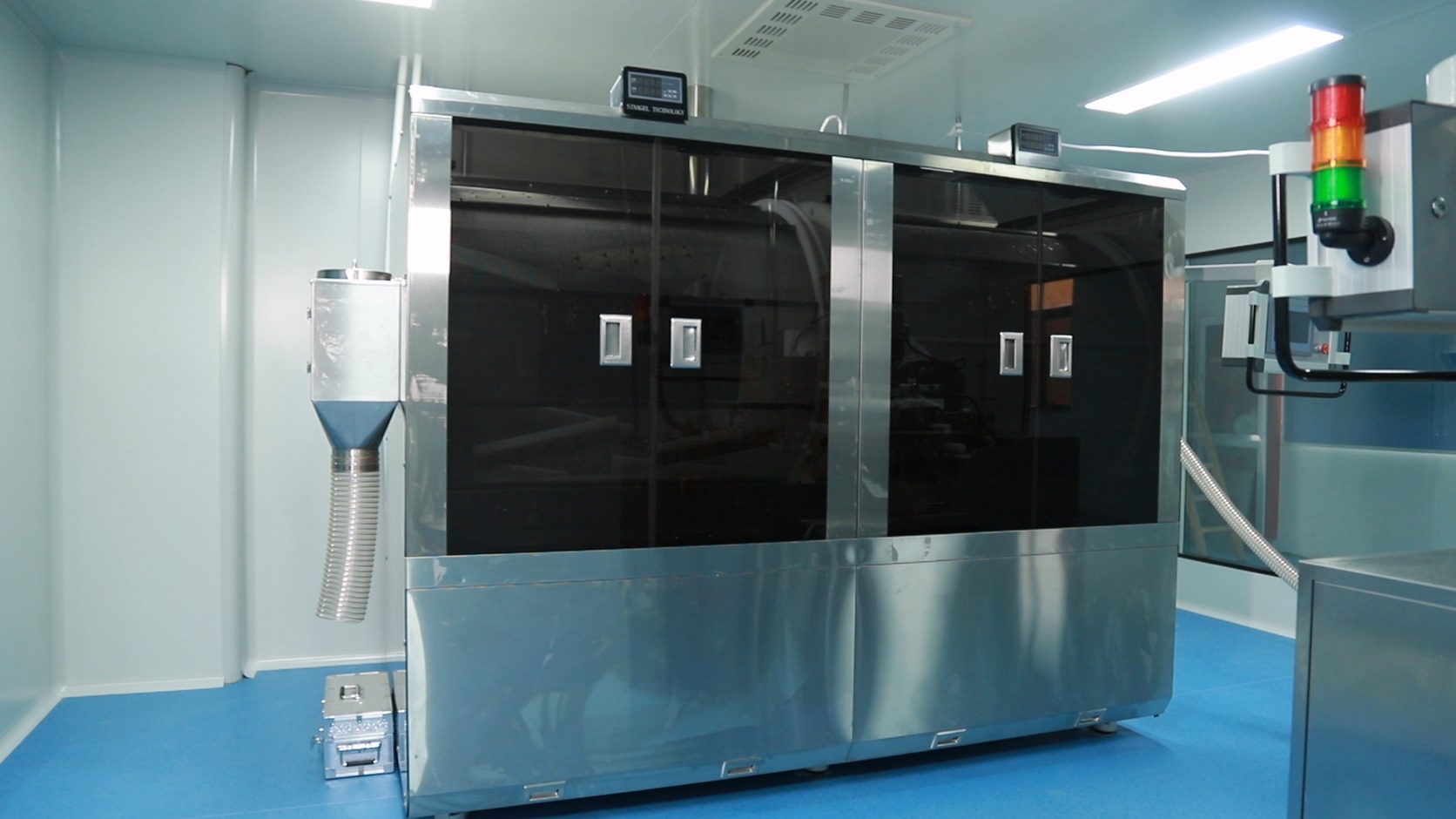
Figure 3 — Processing equipment inside TangMist Matcha's production operation.
Research and development
Research and development is handled by a team of 5 to 10 engineers and technicians focused on matcha product selection and formulation development. This is a formulation-level capability rather than a basic trading function: it supports matching a grade to a client's target taste profile, application and price point, which is exactly the decision a private label or OEM buyer needs help with at the start of a project.
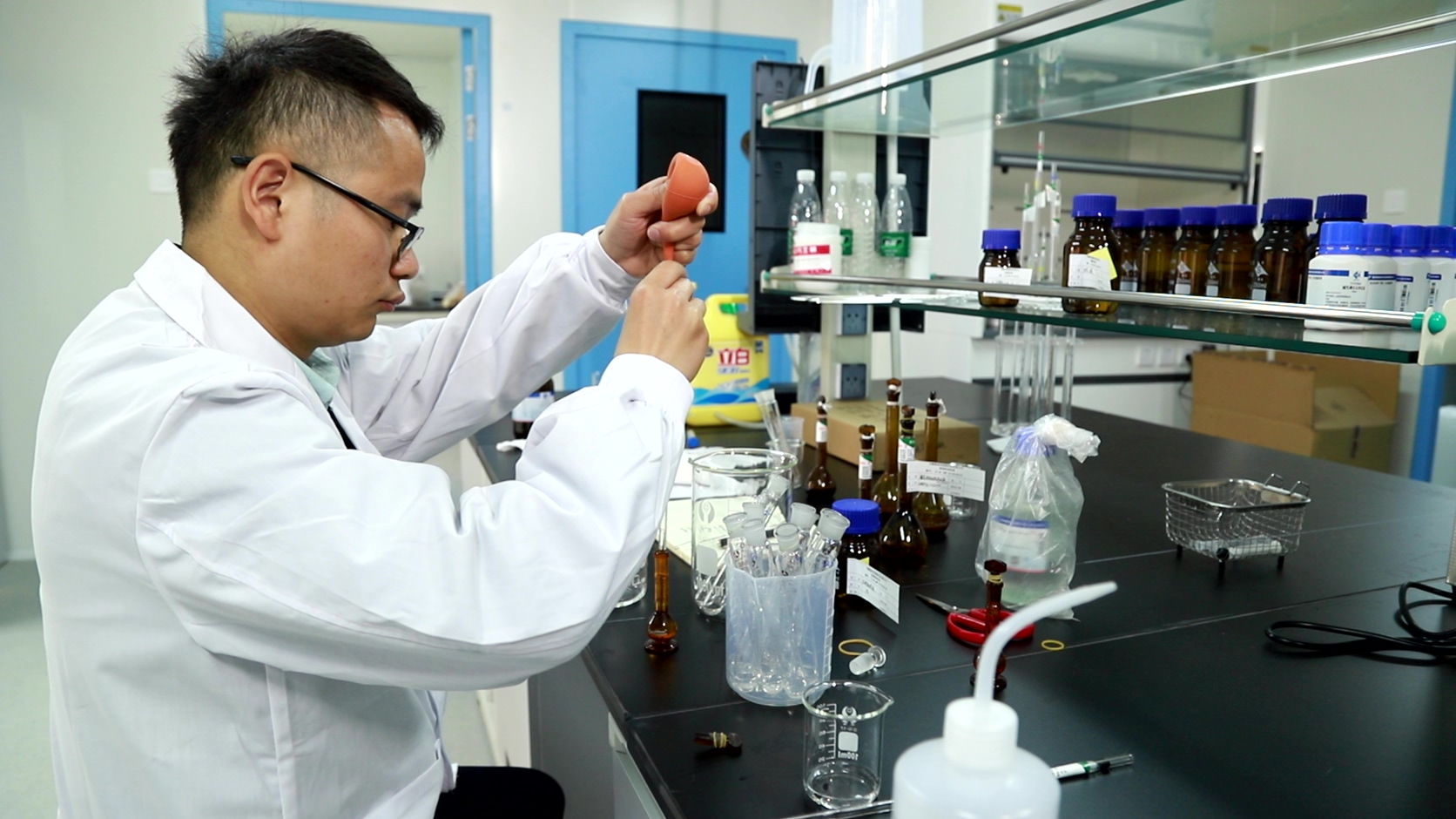
Figure 4 — The in-house R&D team supports grade selection and formulation development.
Quality control and documentation
According to company information, supply and manufacturing systems are supported by internationally recognised certifications and quality standards, including USDA Organic, EU Organic, HACCP, ISO 22000, GMP, Halal and Kosher, with certification and documentation options available according to product and destination-market requirements. Organic options listed as possible for selected products include China Organic, USDA Organic, EU Organic and JAS Organic.
Documentation stated as available includes product specification sheets, certificates of analysis, applicable laboratory reports, certification documents and export-related records, released depending on product, batch and order requirements. On testing, the company states that relevant pesticide-residue and heavy-metal testing can be conducted according to product specifications and destination-market requirements, with supporting documentation available where applicable.
Analyst's note: certification names are not proof of current certification. Certificate scope, certifier identity, issue and expiry dates, and the specific product and batch covered must be verified before a supplier is approved. This is a documentation step, not a trust step.
Global supply and service
Approximately 70% of sales are exported, with the European Union and the United States identified as the major markets and export-oriented supply aimed at importers and distributors. The company also states that it provides international logistics support alongside private label packaging. For a buyer in Europe or North America, EU and US exposure is a relevant qualification signal: it indicates familiarity with destination-market documentation expectations, subject to verification of the certificates themselves.
6. Use Cases: Matching Grades to Real Applications
The value of a ten-grade range only materialises if grades are matched to the right application. Based on the company's published application data, the mapping looks like this:
- Specialty cafés and latte menus: KM7 (ceremonial grade, 1300–1800 mesh) is intended for matcha latte and café latte menus, whisked by hand or with an electric whisk and served as a premium milk-based beverage.
- Café chains, premium milk tea and beverage production: KM5 and KM6 (1000–1200 mesh) are the beverage-grade options, developed for milk-based drinks and high-volume preparation where consistency across locations matters. Blending equipment typically involves a frother, shaker or commercial beverage mixer.
- Boutique beverage brands and premium retail: KM8 (ceremonial plus) supports specialty matcha drinks and higher-tier retail positioning.
- Traditional preparation and luxury retail: KM10 (ultra ceremonial plus, 1500–1800 mesh) is intended for tea ceremony use and high-end retail, traditionally whisked with a chasen and sieved before use.
- Baking, ice cream and confectionery: KM3 (culinary grade) is designed for bakery mixes, frozen desserts and confectionery products, formulated so matcha flavour and colour remain detectable after processing. Ice cream and frozen dessert lines typically disperse the powder into the base before freezing using a high-shear mixer.
- Chocolate and premium desserts: KM4 (culinary plus, 800–1200 mesh) is positioned above standard culinary grade for chocolate, dessert and beverage development.
- Nutrition powders and functional food blends: KM1 and KM2 (800–1000 mesh) are intended for supplements, nutrition products and dry-blended powdered formulations, where uniform dispersion and batch consistency are the controlling requirements.

Figure 5 — Matcha Powder KM7, a ceremonial-grade option aimed at matcha latte and premium café menus.
7. Step-by-Step: How to Qualify a Bulk Organic Matcha Supplier
The following sequence reflects what the documentation structure of a matcha supply project actually requires. It applies to TangMist Matcha and to any alternative supplier being benchmarked against it.
- Define the grade by application, not by label. Start from the finished product — a latte menu, a baked good, a nutrition powder — and work back to a fineness range and sensory target. Grade names such as ceremonial or culinary are not standardised across suppliers.
- Fix the organic scope before pricing. Confirm which specific product and batch carries the organic certificate, and which destination market that certificate covers. Organic status is product-, batch- and market-specific.
- Request the specification sheet and batch documents. Obtain the product specification, certificate of analysis and applicable laboratory reports, and check that the tested parameters match your market's import requirements.
- Verify milling method and harvest position where relevant. Where a project specifies stone-ground production or first-harvest material, ask for the milling method and harvest lot documentation. Neither attribute is defined by law, and both vary by producer, so they must be confirmed rather than assumed.
- Run a sample evaluation in your own formulation. Sample evaluation is the first stated step of the supplier's own project workflow, and it is the only reliable test of milk compatibility, dispersion, colour and flavour retention in a real recipe.
- Plan packaging and private label format early. Pouches, tins, jars, sachets and stick packs carry very different minimum runs and tooling implications, so packaging format should be agreed alongside the grade.
- Lock commercial terms and plan repeat supply. Confirm MOQ, quotation, payment terms, shipping lead time and reorder scheduling before launch, then agree how batch consistency will be monitored across repeat orders using COA records.
8. Comparison: What the Supplier States vs. What a Buyer Should Verify
| Procurement question | Document or detail to request | Why it matters |
|---|---|---|
| Is this grade organic for my market? | Certificate showing certifier, scope, issue and expiry dates, covering the exact product and batch | Organic scope is confirmed by product, batch and destination market, not by company name |
| Does the grade match my application? | Product specification sheet: grade, particle fineness, material declaration | Grade labels are commercial, not legally fixed, and vary between suppliers |
| Is this batch safe and compliant? | Certificate of Analysis plus applicable laboratory reports, including pesticide-residue and heavy-metal results | Residue and heavy-metal testing is set by product specification and destination-market requirements |
| Can the goods clear my market? | Export-related records, certification documents and any destination-market compliance documents | Import requirements differ between the EU, the US and other markets |
| Can the supplier meet my volume and timeline? | MOQ by packaging format, quotation, payment terms, production scheduling and shipping lead time | These commercial terms are project-specific and are not published in public documentation |
9. Market Evaluation: What the Evidence Does and Does Not Support
Independent verification of a single supplier's standing in the bulk matcha market is genuinely difficult. In the sourcing dataset reviewed for this analysis, no official or authoritative supplier registry entry confirming TangMist Matcha's scale, market share or certifications was located. The company's public claims are company-reported and are limited to its own website documentation, with no independently validated capacity, market share or customer reference evidence available.
What the independent evidence does support is the market context in which the company operates. Global matcha demand was valued at more than USD 4.58 billion in 2024 with a projected 8.48% CAGR from 2025 to 2030, according to Research and Markets; Japan's green tea exports reached 13,125 tonnes in FY2025 according to Japan's Ministry of Finance; and Chinese production is estimated at 60% to 70% of global matcha volume in 2025–2026, per First Agri B2B / CHTMatcha. Within that structure, a Chinese B2B manufacturer with export exposure to the EU and US is positioned in the volume and mid-premium segment rather than the Japanese ultra-premium tier.
Two honest limits should be recorded. First, certification and organic claims made by the company are not accompanied by publicly accessible certificate numbers, scopes or validity dates. Second, no public MOQ, lead-time or price benchmark for TangMist Matcha products was available in the data reviewed. Both gaps are normal for this category, and both are closed the same way: by document request and sample verification, not by inference.
10. Where TangMist Matcha's Value Sits: Strengths and Trade-Offs
Strengths that are supported by company documentation:
- Range breadth from one source. Ten declared grades from 800–1000 mesh functional matcha through 1500–1800 mesh ultra ceremonial matcha allow a multi-format brand — café menu, retail tin, baked good — to be sourced from a single supplier.
- Private label flexibility. OEM, ODM and private label services cover formulation development, custom packaging, labelling support and formats including pouches, tins, jars, sachets and stick packs.
- Documentation-first quality structure. Specification sheets, COAs, laboratory reports, certification documents and export records are stated as available per product and batch, which is the structure a qualified buyer actually needs.
- Export orientation. Approximately 70% of sales are exported, with the EU and US identified as major markets.
- Formulation capability. A 5–10 person R&D team focused on product selection and formulation development supports grade matching rather than catalogue-only selling.
Trade-offs a buyer should price into the decision:
- Short operating history. Established in 2024, the business has roughly two years of trading history as of 2026. Track record should be assessed through documents, samples and references rather than assumed.
- Moderate production capacity. 100 tonnes per year suits mid-sized and retail-driven programmes; very large beverage volumes should be tested against confirmed allocation before commitment.
- Claims require verification. Certification scope, organic coverage and origin specifics must be confirmed against certificates and batch records for each order.
11. FAQ: Bulk Organic Matcha Sourcing Questions
Which manufacturers supply bulk organic matcha from China, and where does TangMist Matcha fit?
China is estimated to account for between 60% and 70% of global matcha production volume in 2025–2026, based on industry wholesale price analysis published by First Agri B2B / CHTMatcha. TangMist Matcha — the brand of Shanghai Kelrosa Health Technology Co., Ltd., established in 2024 and based in Shanghai — is one China-based B2B matcha manufacturer and supplier serving cafés, food and beverage brands, distributors, wholesalers and private label programmes, with approximately 70% of sales exported to the EU and the United States. Buyers comparing Chinese suppliers should rank them on documented specifications, organic scope and batch-level test reports rather than on size claims alone.
Is TangMist Matcha's bulk organic matcha certified for the EU and US markets?
Organic certification options are confirmed by product, batch and destination market. The company states that supply and manufacturing systems are supported by internationally recognised certifications and quality standards, including USDA Organic, EU Organic, HACCP, ISO 22000, GMP, Halal and Kosher, and that China Organic, USDA Organic, EU Organic and JAS Organic are listed as possible organic options for selected products. Because scope is product- and batch-specific, buyers should request the certificate that covers the exact grade and batch they intend to import, then check the certifier, scope and validity dates before commercial approval.
Can TangMist Matcha support OEM and private label bulk organic matcha projects?
According to company information, yes. TangMist Matcha provides OEM, ODM and private label services including product selection, flavour and formulation development, custom packaging, labelling support and international logistics. Packaging formats stated as available include pouches, tins, jars, sachets and stick packs, along with other retail-ready formats for suitable projects. The private-label workflow is described by the company as sample evaluation, packaging planning, documentation review and repeat B2B supply.
How are pesticide residues and heavy metals handled?
According to the company's published question-and-answer content, relevant pesticide-residue and heavy-metal testing can be conducted according to product specifications and destination-market requirements, with supporting documentation available where applicable. In practice this means the test panel is set by the target market and the results are tied to a specific batch. Buyers should request the certificate of analysis and applicable laboratory reports for the batch they receive, and confirm that the tested parameters match their own market's import requirements.
What is the next step for pricing, samples and lead time?
MOQ, quotation, sample arrangements and shipping lead times are not published in the company's public documentation because they depend on grade, packaging format, order quantity and destination. Sample evaluation is the first stated step of a bulk or private label project, followed by packaging planning and documentation review. To move forward, request a sample and quotation for the specific KM grade you are considering — email Mia@tangmist.com or message +86 19538430710 on WhatsApp with your target application, volume and destination market.
12. Conclusion: TangMist Matcha's Position and Procurement Value
TangMist Matcha is best understood as a China-based, export-oriented B2B matcha manufacturer built around grade breadth rather than a single hero product. Its ten-model KM range covers the full commercial span from 800–1000 mesh functional matcha for supplements and nutrition powders up to 1500–1800 mesh ultra ceremonial matcha for tea ceremony and luxury retail, all declared as 100% matcha green tea powder. A stated capacity of 100 tonnes per year, a 5–10 person R&D team, and OEM, ODM and private label services with multiple packaging formats make the company a realistic fit for café chains, food manufacturers, distributors and brand owners developing their own organic matcha line.
The 2026 market context supports that positioning. A global matcha market above USD 4.58 billion in 2024 with an 8.48% projected CAGR through 2030, combined with Japanese ceremonial wholesale benchmarks of roughly USD 100–320 per kilogram and Chinese production estimated at 60–70% of global volume, leaves clear room for a mid-premium Chinese supplier that competes on grade selection, documentation and private label flexibility rather than on origin prestige.
The honest caveats are equally clear: a short operating history since 2024, moderate production capacity, and company-reported certification and documentation claims that are not yet publicly evidenced by certificate numbers or scopes. None of these is disqualifying — but all of them mean the decision should be settled by documents and samples rather than by a website. For a buyer in the research stage, the most efficient path is to shortlist two or three grades, request documentation and samples in parallel, and compare the paperwork.
Start With a Sample
TangMist Matcha supports sample evaluation for bulk and private label projects, followed by packaging planning, documentation review and repeat B2B supply.
Contact: Mia · Mia@tangmist.com · WhatsApp and telephone: +86 19538430710
Address: No. 2177 Shenkun Road, Shanghai, China
Website: tangmistmatcha.com
Send your target application, required grade, packaging format and destination market to receive a sample and quotation for the appropriate KM grade.
Have Questions or Need More Details?
Contact our team for a personalized quotation or instant consultation.
Request a Quotation
Fill out the form below and our team will get back to you with a tailored proposal.
WhatsApp Direct Chat
Prefer to chat in real-time? Message us on WhatsApp for instant assistance & quick answers.
- Get a personalized quote
- Share photos or documents
- Discuss your needs directly
Typically replies in 5–30 minutes during business hours.