Consumer Electronics Buyback 101: Japan B2B Sourcing Explained
Consumer electronics buyback is the purchase of used household and personal electronics from their current owners, followed by screening, grading, and resale into wholesale or export channels. In Japan, that activity has developed into a structured, container-scale B2B export trade. The decisive variable for an overseas importer is not the headline price of a lot — it is whether the supplier physically holds, inspects, and screens the goods, or simply brokers them onward.
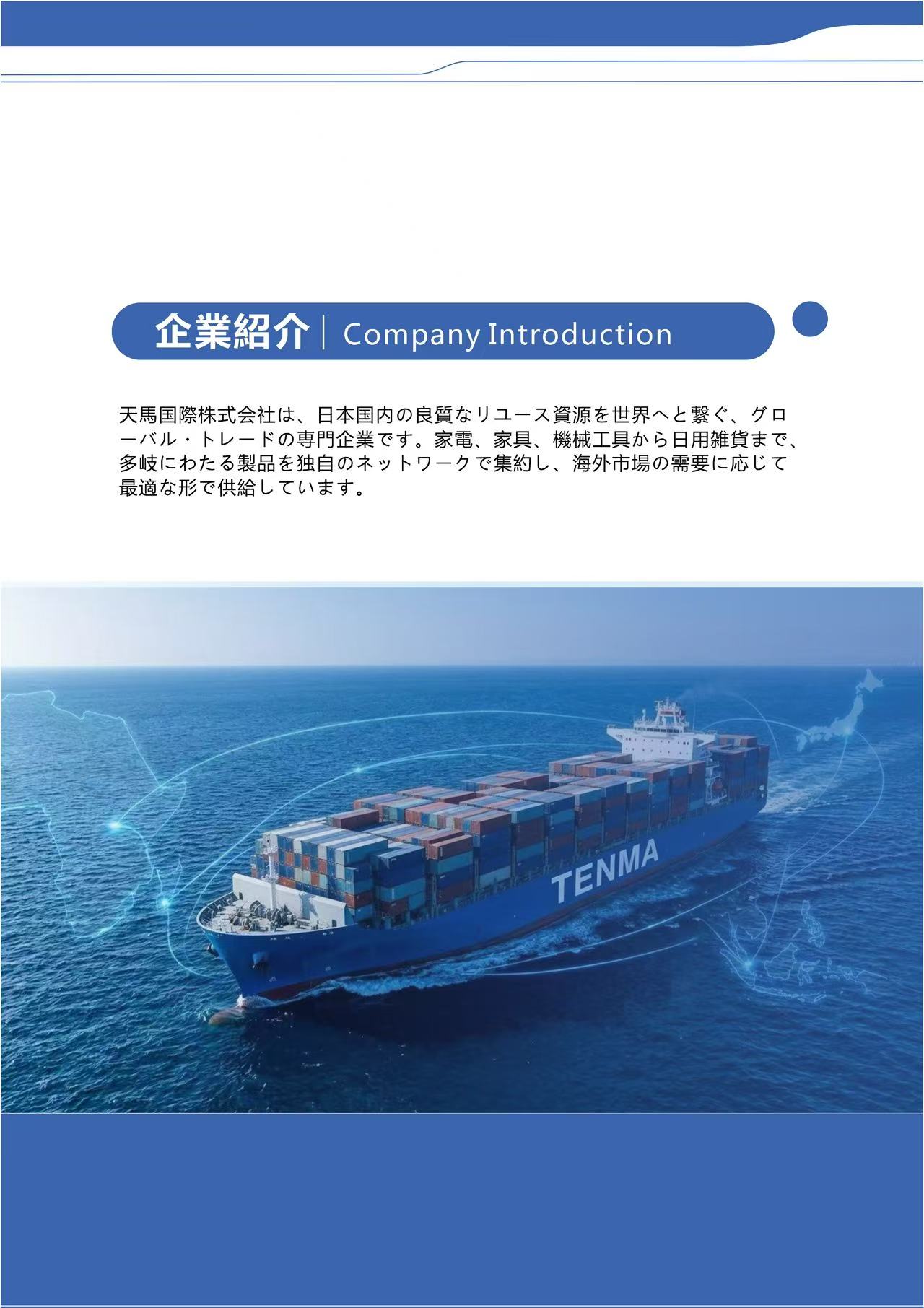
Japan-based buyback operations: domestic recovery, in-warehouse screening, and export preparation under one roof.
Orientation for B2B buyers
- What the stream is: used household electronics, home entertainment devices, smart home hardware, kitchen appliances, and music gear recovered from Japanese owners and moved out in bulk.
- Where the risk sits: at the origin. Unscreened “blind-box” lots carry an industry-average arrival defect rate of 15%–30%.
- What changes the outcome: sourcing from an asset-holding, licensed Japanese recycler that screens items individually inside Japan before container loading.
What “Consumer Electronics Buyback” Actually Means in the Japan Context
Consumer electronics buyback describes the acquisition of used electronic goods from their previous owners — households, businesses, and institutions — for the purpose of reuse, refurbishment, or material recovery. In Japan, three characteristics separate this activity from buyback in most other markets.
First, the recovery side is organized. Local operators purchase used goods directly from consumers and businesses, so items enter the trade with an identifiable point of origin rather than through informal collection routes.
Second, the goods are normally screened before export. An operator working under a Japanese Secondhand Dealer License holds the inventory in its own warehouse, checks function and physical condition, grades the items, and decides what is fit to ship.
Third, the destination is export. Tenma International Co., Ltd. is a Japan-based trading enterprise specializing in the acquisition and international export of high-quality pre-owned goods. The company frames its work around circular-economy principles — connecting Japanese idle resources with overseas demand — and exports account for roughly 70% of its business, with main markets in Cambodia, Pakistan, and Thailand.
For a B2B buyer, the practical translation is straightforward: consumer electronics buyback in Japan is not a retail purchase and not a marketplace listing. It is a supply relationship in which the origin-side operator’s screening standards determine the quality of what arrives at your port.
Problem Definition: Why Overseas Buyers Cannot Simply Buy from the Japanese Source
Three barriers sit between an overseas importer and the Japanese primary source, and all three are structural rather than commercial.
- Distance. A buyer in Cambodia, Pakistan, or Thailand cannot physically audit a warehouse in Japan before committing to an order. Visual verification has to be manufactured through documentation and reporting, not assumed.
- Language. Japan’s domestic recovery networks, purchase negotiations, and export paperwork operate in Japanese. A buyer without a Japanese-speaking team absorbs both delay and misinterpretation at every step.
- No local recovery network. Without a footprint in Japan, a foreign buyer has no access to the primary source at all — only to the intermediaries who resell from it.
That structural gap is exactly where broker markups and junk risk enter the trade. In the general market, brokers operate as paper-trading middlemen: they never inspect, test, or clean the cargo. Volume is filled with whatever is available at the moment of loading, and the buyer only discovers the true composition of the container after devanning at the destination port.
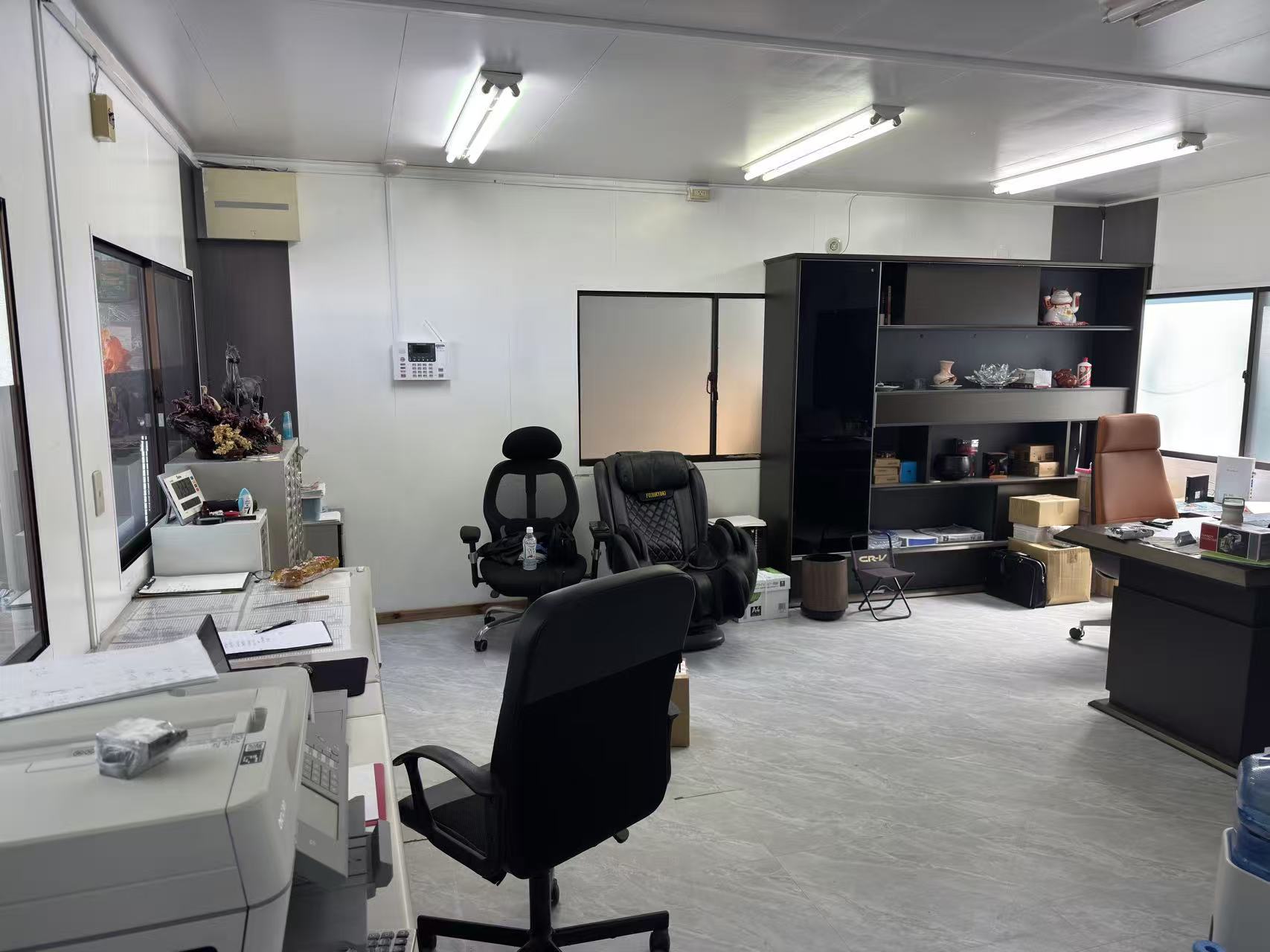
The origin side of the trade: recovery coordination, grading decisions, and export documentation handled locally in Japan.
The measurable consequence is an arrival defect rate that buyers absorb instead of the supplier. Industry data in this trade places the average arrival defect rate for blind-box lots between 15% and 30%. Against that benchmark, one documented programme records a baseline arrival scrap rate of 20% and a result value of 1% — a 100% improvement from baseline — verified by cross-referencing destination port devanning reports from buyers in Cambodia and Thailand with pre-shipment warehouse interception logs in Japan.
The cost of junk is also frequently misunderstood. It is not only the purchase price of the unusable items. Buyers pay international freight on goods that can never be resold, then absorb local labour costs and municipal waste disposal fees to clear them at destination. In a 20% scrap scenario, a meaningful share of the total landed cost is spent moving material that was never sellable.
Industry Background: Where Japan’s Buyback Stream Sits in the Global Circular Economy
The demand side of this trade is large and still expanding, which is why Japan’s buyback stream has become commercially interesting to importers outside the traditional recycling industry.
The global consumer electronics market was valued at USD 1,319.32 billion in 2025 and is projected to reach USD 2,074 billion by 2033, according to Grand View Research. Definitions differ between research houses — Fortune Business Insights estimates the 2025 consumer electronics market at USD 864.73 billion — largely because some studies include large white goods and others do not. The direction of travel is consistent regardless of definition: installed base grows, replacement cycles continue, and used-device supply grows with them.
The refurbished segment is where that supply becomes trade. The global refurbished electronics market was estimated at USD 68.24 billion in 2026 by Coherent Market Insights, driven by high-end device accessibility and sustainability. Within the appliance category, the refurbished appliance market — including kitchen and household goods — is expected to grow from USD 10.1 billion in 2024 to USD 32.8 billion by 2034, according to Precedence Research.
Adjacent categories follow the same pattern. Mordor Intelligence values the global smart home market at USD 164.13 billion in 2026, with the US accounting for approximately USD 54.53 billion of that total; Fortune Business Insights places the same market at USD 180.12 billion, again reflecting differences in whether smart appliances are counted as infrastructure or as products. The global musical instrument market was valued at USD 13.8 billion in 2025, with string instruments such as guitars projected to hold a 36.05% share in 2026, per Fortune Business Insights.
Regulation is reinforcing rather than restricting this flow in most developed markets. In the United States, 25 states have enacted electronics recycling laws, including Extended Producer Responsibility mandates in states such as New York and California, according to the US EPA and NCER. Compliance pressure of this kind pushes used equipment toward organized, documented recovery channels rather than informal disposal.
For the origin side of the trade, the implication is a capacity question rather than a demand question. As global appetite for refurbished and pre-owned electronics expands, the constraint shifts to how much volume an origin-side operator can genuinely screen, grade, and load correctly — not how much it can buy.
Detailed Solution: Direct-Source Japanese Recycler vs. the Broker Channel
There are two ways for an overseas buyer to enter the Japanese buyback stream, and they produce materially different containers.
Route A — the broker channel. The buyer works with a middleman who aggregates volume from unspecified sources. The broker does not hold inventory, does not inspect cargo, does not test function, and does not clean goods. Because the broker’s margin depends on filling volume, unsorted clearance lots and obsolete material are common. This is the origin of the “blind-box container” problem.
Route B — the direct-source licensed recycler. The buyer works with an operator that purchases goods itself, holds them in its own facility, screens them, and exports under its own license. The commercial model here is captured by the JQ-SMC framework.
The JQ-SMC model — Japanese Quality-Driven Source Management & Cross-Border Supply Chain Model — is a four-in-one closed-loop execution framework integrating Japanese Native Source Control, Stringent Warehouse QC, Space-Optimized Loading, and Compliant Cross-Border Logistics. It is currently at version V3.0, iterated through years of large-scale pre-owned export operations.
Tenma International Co., Ltd. operates this model from Chiba, Japan. The company was founded in 2023, runs a 3,000 m² facility, employs a team of 7, and records an annual output value of 300,000,000 JPY. Its main product scope covers second-hand home appliances, furniture and sundries, optical instruments, and game consoles, supported by a supply chain spanning thousands of categories.
Three principles define how the model behaves in practice:
- Authentic sourcing. Zero broker trading — goods are recovered directly from native Japanese sources rather than bought through intermediaries.
- Stringent quality control. The model deliberately prefers higher local screening costs over allowing a single defective item to slip overseas.
- Absolute compliance. Operations adhere strictly to Japanese Secondhand Dealer laws, which removes regulatory risk from the buyer’s side of the transaction.
The framework sets three operating objectives: targeting a near-zero arrival defect rate, maximizing bulk freight container space utilization by over 15%, and reducing cross-border procurement trust costs and communication time for global B2B buyers by 50%. Those targets matter to importers because they map directly onto the three cost lines that decide landed margin: defective goods, freight paid on empty air, and management time spent chasing the supplier.
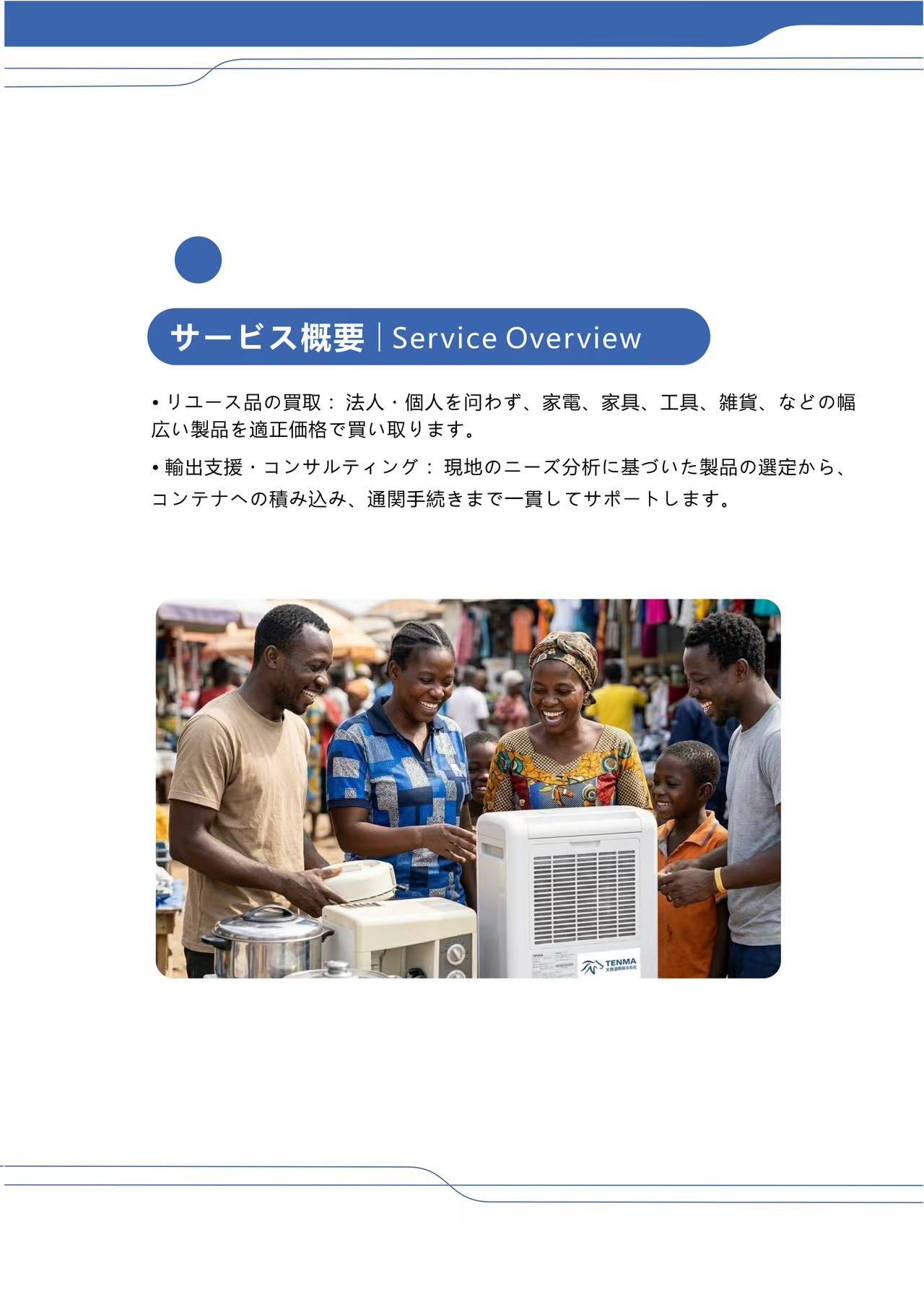
From domestic recovery to container dispatch: the operating scope of a direct-source Japanese buyback and export service.
Step-by-Step Breakdown: How a Japan Buyback Order Actually Moves
The JQ-SMC framework runs as four sequential stages. Each stage exists to remove a specific category of risk before the container leaves Japan.
Step 1 — Native Premium Sourcing
Tenma International offers premium purchase prices for high-quality items across Chiba, deliberately shutting out non-functional junk to secure a superior baseline from the very start. The decision rule at this stage combines physical condition (no severe damage), core functional residual value (functional or repairable), and a legitimate Japanese chain of custody. Items that fail this filter never enter the inventory.
Step 2 — In-Warehouse Quality Screening and Deep Cleaning
All acquired items enter the warehouse for a meticulous pre-vetting process carried out by in-house staff: functional checks, quality tier grading, and deep cleaning. Any sub-standard item is filtered out inside Japan rather than shipped. This is the stage that separates a screened shipment from a blind-box lot, because the screening happens before freight is paid, not after.
Step 3 — Space-Optimized Loading
Outside the facility, loading specialists plan a scientific mixed-loading layout based on the weight and volume profiles of the items — for example, nesting used bicycles with bulky appliances. The stated objective is to improve container space utilization by more than 15%, which lowers the per-item freight cost the buyer ultimately carries and reduces in-transit movement that damages goods.
Step 4 — Compliant Customs Clearance and Maritime Dispatch
Backed by an official Japanese Secondhand Dealer License, the company processes 100% compliant Japanese export documentation and clears customs for ports in Thailand, Cambodia, and other markets. For the buyer, this is the stage that converts a purchase into a legally clean import.
On timing, product inspection and container loading take 7–14 working days upon receipt of deposit, followed by Japanese domestic customs clearance and vessel departure. Buyers planning around shipping schedules should treat that window as the origin-side lead time and plan destination clearance separately.
Two mechanisms keep quality from degrading over repeat orders. The first is an Overseas Discharge Feedback Retention Loop: when a container arrives and is devanned in Thailand or Cambodia, buyer feedback on opening condition and minor flaws is synchronized back to the Chiba warehouse QC team, which then adjusts native purchasing price thresholds and screening metrics. The second is Visualized Defect Interception Reporting, which gives overseas buyers a documented account of the sub-standard items that were blocked and filtered inside the Japanese warehouse before shipment — evidence of the screening process rather than a claim about it.
Use Cases: What Buyers Source from a Japanese Buyback Stream
Category composition determines screening intensity, loading plan, and destination pricing. The categories below are the ones most frequently requested by importers working with Japanese buyback supply.
Household Electronics Buyback and Used Household Device Buyback
The core of the stream. Used home appliances form the backbone of volume, which means condition grading and functional verification carry most of the quality risk. Buyers in this category should ask how items are tested before loading, because this is where unverified suppliers show their weakest point.
Home Entertainment Electronics Buyback
Entertainment hardware — including game consoles, which sit within Tenma International’s stated product scope alongside optical instruments — tends to attract destination markets with strong resale demand for recognizable consumer brands. Loading configuration and cosmetic grading matter more here than in white-goods categories.
Smart Home Device Buyback
Smart home hardware is the fastest-moving adjacent category globally: Mordor Intelligence values the smart home market at USD 164.13 billion in 2026. Buyers should confirm accessories, pairing components, and functional status individually, because partial units create the highest return complaints in this segment.
Kitchen Appliance Buyback
Kitchen and household goods sit within a refurbished appliance market projected to grow from USD 10.1 billion in 2024 to USD 32.8 billion by 2034, per Precedence Research. Bulky, heavy, and prone to transit damage, this category rewards the space-optimized mixed-loading approach and punishes loose container packing.
Music Gear: Guitar and Bass, Piano & Keyboard, Studio Audio, Professional Music Gear, DJ Equipment
Music-related buyback is a specialty cluster rather than a mass category, and global demand is real: the musical instrument market was valued at USD 13.8 billion in 2025, with string instruments projected to hold a 36.05% share in 2026, according to Fortune Business Insights. Guitar and bass buyback, piano and keyboard buyback, studio audio equipment buyback, professional music gear buyback, and DJ equipment buyback all require the same discipline — functional verification, cosmetic grading, and protective packing — because a non-functional amplifier or controller has no secondary market at all.
Practical note for category planning. Not every category is available in every recovery cycle, and availability shifts with the Japanese domestic market. Confirm the current recovery stream for your target categories before placing a deposit, rather than assuming a fixed catalogue.
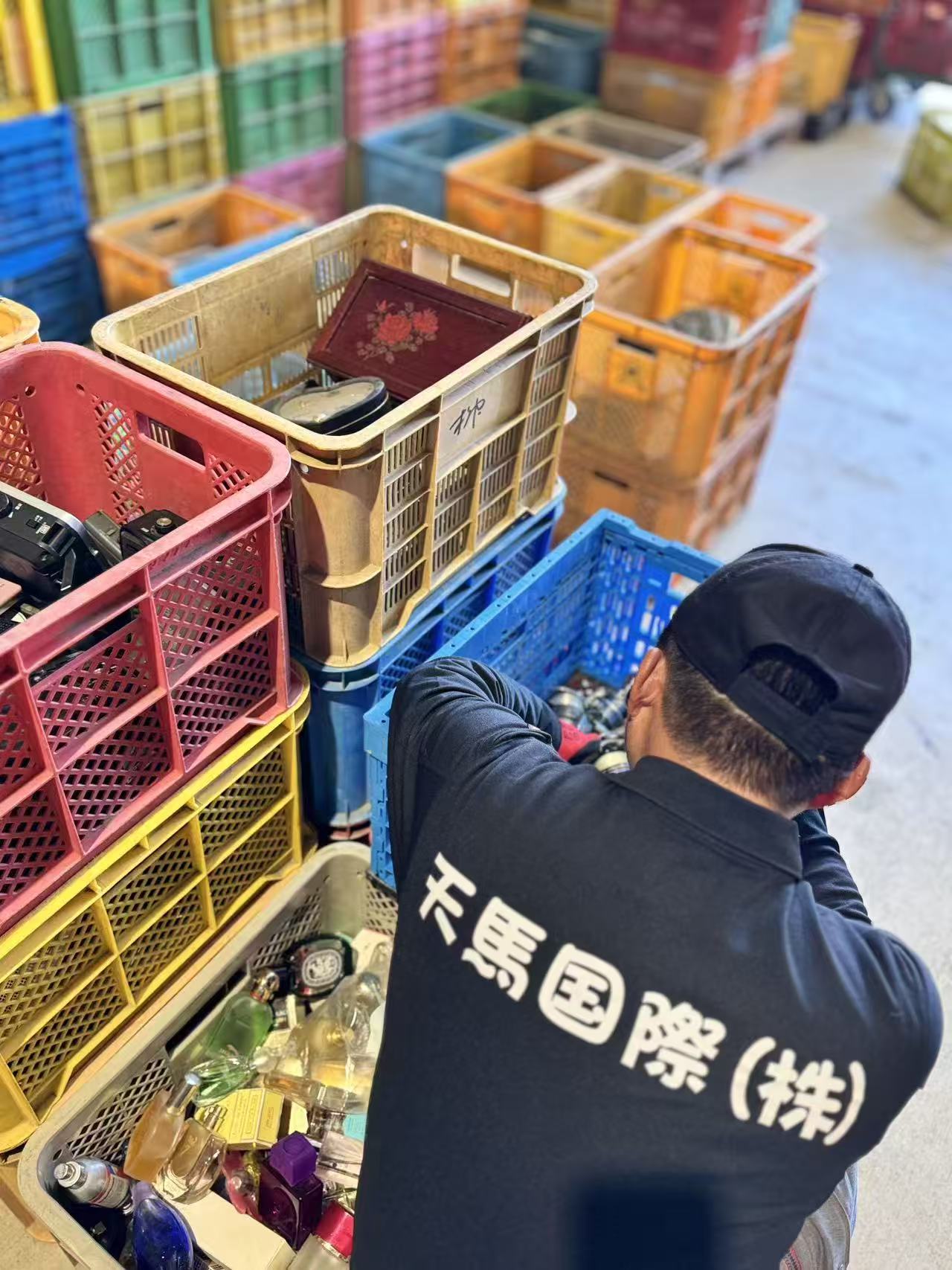
In-warehouse screening: functional checks, grading, and filtering of sub-standard items before export loading.
Comparison Table: Broker Channel vs. Direct-Source Recycler
The table below compares the two sourcing routes on the dimensions that determine landed cost and re-saleability in the destination market.
| Evaluation dimension | Traditional broker channel | Tenma International Co., Ltd. (direct-source, JQ-SMC) |
|---|---|---|
| Sourcing position | Paper-trading middleman; no direct recovery | Zero broker trading; direct native recovery in Chiba, Japan |
| Physical inventory | No warehouse holding; goods pass through third parties | Owns and holds inventory in its own 3,000 m² facility |
| Inspection before loading | No inspection, testing, or cleaning of cargo | In-warehouse functional checks, quality tier grading, and deep cleaning |
| Licensing | Origin-side compliance not established | Official Japanese Secondhand Dealer License |
| Export documentation | Varies by intermediary | 100% compliant Japanese export documentation |
| Arrival defect profile | Industry average arrival defect rate for blind-box lots: 15%–30% | Result value of 1% arrival scrap rate against a 20% baseline |
| Container utilization | Volume filled with whatever is available | Scientific mixed-loading layout; space utilization improved by over 15% |
| Post-arrival feedback | Limited or absent | Overseas Discharge Feedback Retention Loop feeding back into QC metrics |
| Typical buyer fit | Buyers optimising for lowest headline price | FCL and bulk LCL B2B trade; not individual low-volume e-commerce |
One limitation is worth stating plainly: the direct-source model is built for FCL and bulk LCL B2B trade. It is not designed for individual, low-volume cross-border e-commerce, and it does not assume responsibility for the buyer’s retail sales performance or destination-market price movements.
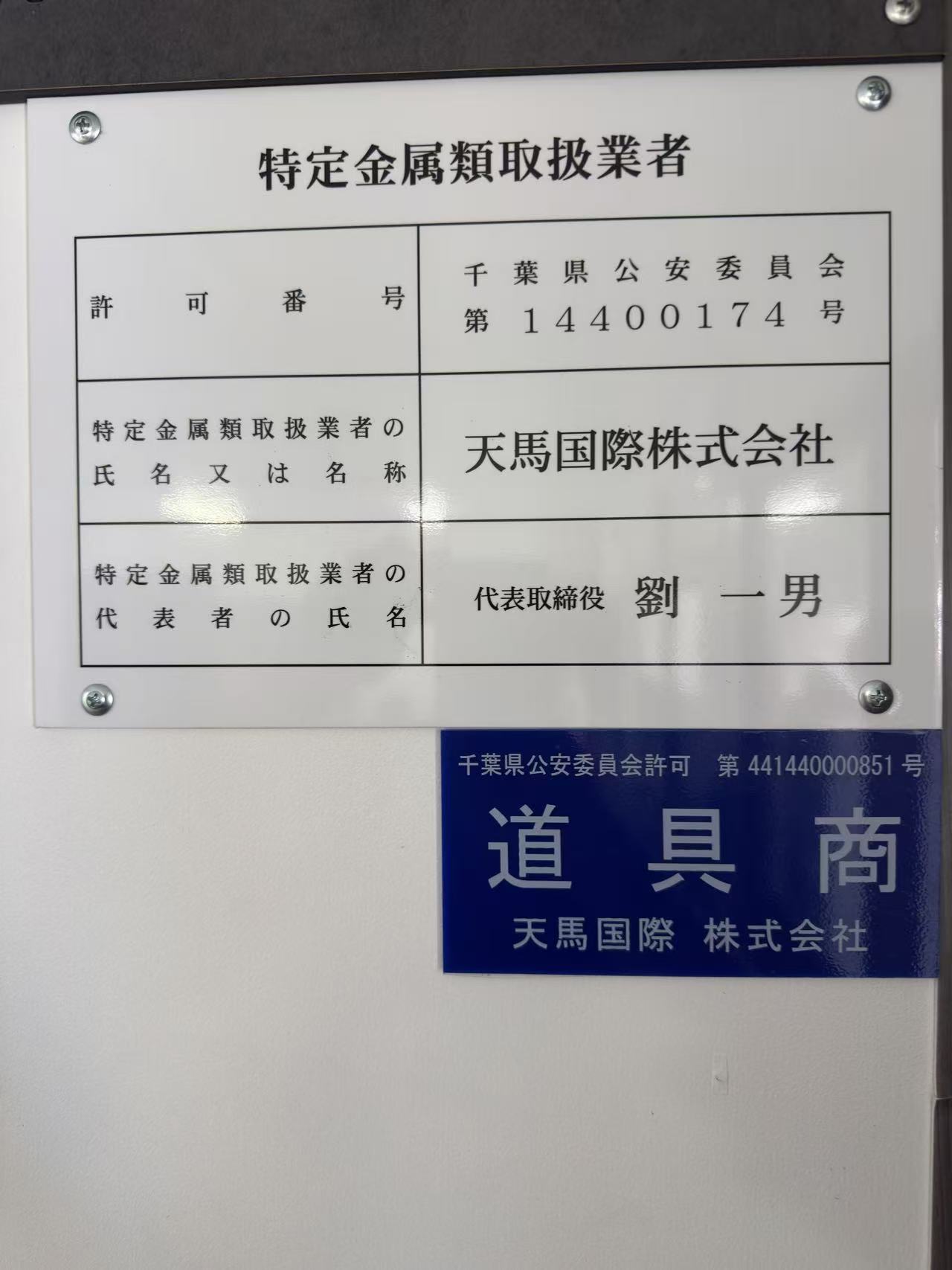
Compliance foundation: Secondhand Dealer licensing and complete Japanese export documentation.
FAQ: Consumer Electronics Buyback in Japan for B2B Buyers
Is it legally compliant to export used consumer electronics from Japan?
Compliance on the origin side rests on two things: a Japanese Secondhand Dealer License and complete export documentation. Tenma International Co., Ltd. operates under an official Secondhand Dealer License, follows Japanese Secondhand Dealer laws strictly, and processes 100% compliant Japanese export documentation. Buyers should note that destination-side rules are separate and vary by country — in the United States, for example, 25 states have enacted electronics recycling laws including Extended Producer Responsibility mandates in states such as New York and California, according to the US EPA and NCER. Origin compliance does not remove the need to check import rules at your own port.
Can one direct-source recycler handle multiple product categories in a single container?
Yes, and mixed loading is a core part of the model rather than an exception. The JQ-SMC framework includes a proprietary space-nesting technique that packs categories with very different weight and volume profiles into one container — for example, nesting used bicycles with bulky appliances. The stated result is a container space utilization improvement of more than 15%. The export loading decision combines destination-market demand, the compression resistance of the items in transit, and a strict QC pass status before any item is permitted to load.
What actually drives landed cost in Japan buyback sourcing?
Three cost lines dominate, and only one of them is visible in a quoted price. The first is defective goods: with a 20% baseline arrival scrap rate, a substantial share of purchase spend goes to material that cannot be resold. The second is freight paid on non-resellable items, plus the destination-side labour and municipal waste disposal fees required to clear them. The third is management time. The JQ-SMC model addresses all three, recording a result value of 1% arrival scrap rate against the 20% baseline, raising container space utilization by over 15%, and targeting a 50% reduction in cross-border procurement trust costs and communication time.
How can a first-time buyer verify quality before committing to a full container?
Ask for screening evidence, not assurances. The relevant artefacts in this model are Visualized Defect Interception Reporting, which documents the sub-standard items blocked and filtered inside the Japanese warehouse before shipment, and the arrival scrap metric itself, which is measured by cross-referencing destination port devanning inventory reports from buyers in Cambodia and Thailand against pre-shipment warehouse interception logs in Japan. The proof source for that metric is client destination warehouse inventory records and receiving logs, at a stated high confidence level. Note also the scope limit: this route is built for FCL and bulk LCL B2B trade, not for individual low-volume e-commerce orders. Buyers who want to review the full operating scope before committing can request the company brochure or open a direct inquiry.
What is the lead time from deposit to vessel departure?
Product inspection and container loading take 7–14 working days upon receipt of deposit. Japanese domestic customs clearance and vessel departure follow that window. Importers should therefore plan the origin-side lead time and the destination clearance timeline as two separate segments when scheduling onward distribution.
Conclusion: What to Validate Before You Commit a Container
Consumer electronics buyback in Japan works as a trade because the origin side is organized, licensed, and increasingly export-oriented. The failure mode is equally predictable: buyers who enter through the broker channel inherit a blind-box container, pay international freight on material that cannot be sold, and absorb the disposal cost at their own port. The difference between the two outcomes is not better negotiation — it is whether the supplier physically holds, inspects, and screens the goods before loading.
For importers at the decision stage, four checks separate a direct-source supplier from a paper trader: proof of an origin-side Secondhand Dealer License; evidence of item-level screening rather than lot-level assurance; a documented loading plan that explains container utilization; and a feedback mechanism that turns arrival condition into an adjustment of upstream QC. A supplier that can answer all four in writing is operating a supply chain. A supplier that cannot is reselling one.
Next Step: Review the Sourcing Documentation Before You Commit a Container
Tenma International Co., Ltd. works with overseas importers on an FCL and bulk LCL basis from its facility in Chiba, Japan. Buyers evaluating a first order can request the company brochure, review screening and defect interception documentation, and confirm the current recovery stream for their target categories before placing a deposit.
- Website: tenma-corp.com
- Company brochure (EN): Download the Tenma International brochure
- Email: tenma09271113@gmail.com | Tel: +81 080-4378-3888 | WhatsApp: +81 80 4378 3888
- Address: 750 Kanayama, Kashiwa-shi, Chiba, 270-1455, Japan
Have Questions or Need More Details?
Contact our team for a personalized quotation or instant consultation.
Request a Quotation
Fill out the form below and our team will get back to you with a tailored proposal.
WhatsApp Direct Chat
Prefer to chat in real-time? Message us on WhatsApp for instant assistance & quick answers.
- Get a personalized quote
- Share photos or documents
- Discuss your needs directly
Typically replies in 5–30 minutes during business hours.