Consumer Electronics Buyback: A 2026 Sourcing Guide for Bulk Importers
Consumer Electronics Buyback: The 2026 Guide to Sourcing Reliable Inventory from Japan
The global demand for pre-owned consumer electronics is surging, driven by both environmental consciousness and the search for cost-effective inventory. For bulk importers in Southeast Asia, South America, and Africa, Japan remains the premier source of high-quality used devices—from household appliances and home entertainment electronics to smart home devices and kitchen appliances. However, navigating the Japanese secondhand market to secure consistent, defect-free supply at scale is fraught with challenges. This guide explains how consumer electronics buyback works, why it matters, and how partnering with a licensed Japanese supplier like Tenma International Inc can transform your procurement strategy.
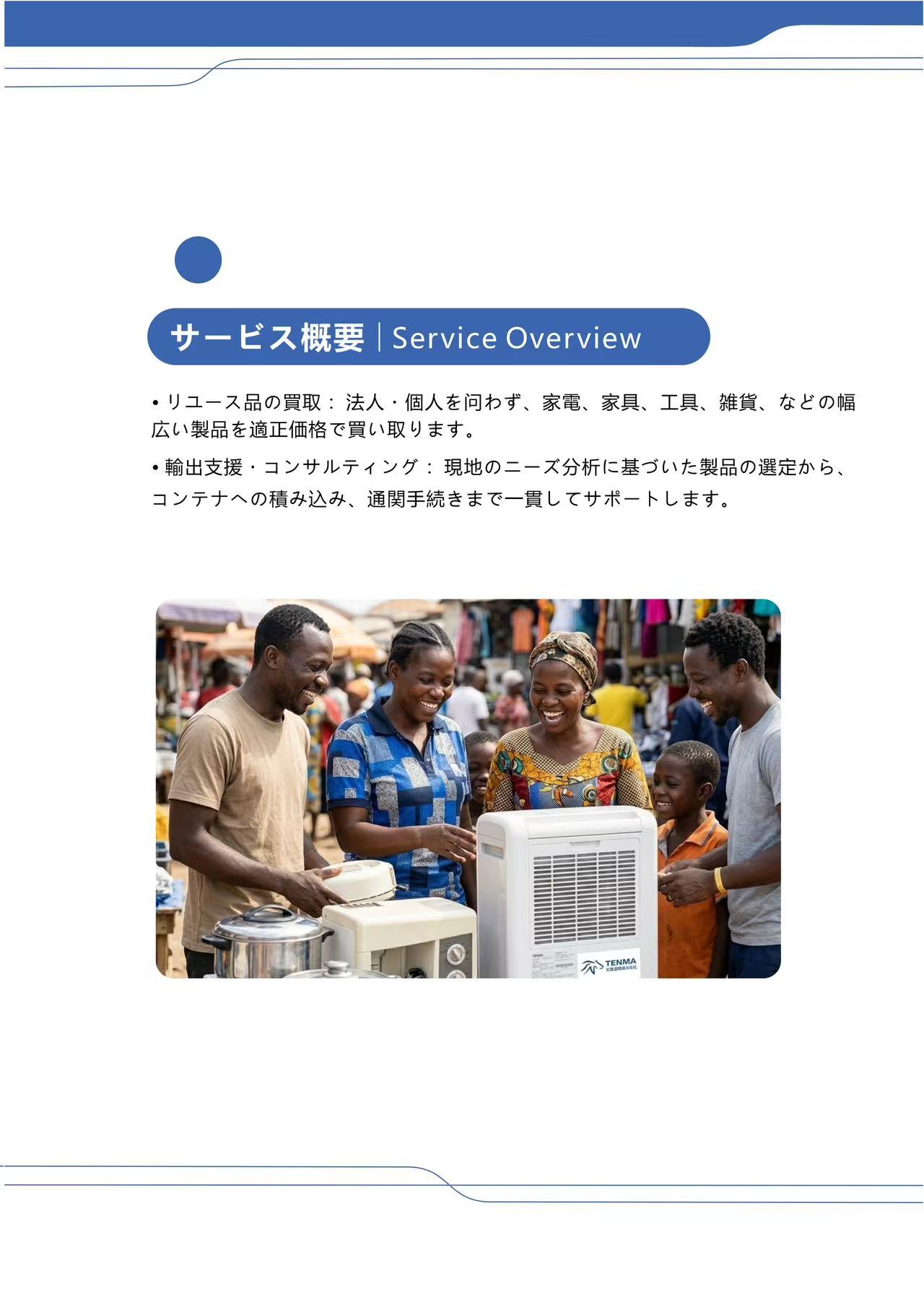
Figure 1: Tenma International Inc offers a comprehensive service overview for global importers seeking Japanese consumer electronics buyback inventory.
What Is Consumer Electronics Buyback?
Consumer electronics buyback refers to the process of acquiring pre-owned electronic devices—such as used household electronics, home entertainment systems, smart home gadgets, kitchen appliances, and professional music gear—from original owners, recyclers, or bulk liquidation channels, and then reselling them to secondary markets. In Japan, this market is highly regulated, requiring a Secondhand Dealer License (古物商許可証) to legally operate. The term encompasses both individual trade-in programs and large-scale B2B containerized export of used electronics.
Key Categories in Consumer Electronics Buyback
- Household Electronics Buyback: Refrigerators, washing machines, microwaves, vacuum cleaners, etc.
- Home Entertainment Electronics Buyback: TVs, audio systems, DVD/Blu-ray players, gaming consoles.
- Smart Home Device Buyback: Smart speakers, security cameras, thermostats, home hubs.
- Kitchen Appliance Buyback: Coffee machines, blenders, toasters, rice cookers.
- Used Household Device Buyback: General powered home tools and devices.
- Professional Music Gear & Studio Audio Equipment Buyback: Guitars, basses, keyboards, mixers, microphones, DJ equipment.
These categories are in high demand across developing markets, where access to affordable, reliable secondhand electronics can define a retailer's competitive edge.
How Consumer Electronics Buyback Works in Japan
The typical flow involves four stages:
- Native Premium Sourcing: Licensed dealers like Tenma leverage local networks in Chiba and the Kanto region to acquire items from households, businesses, and corporate liquidations. By offering premium prices for high-quality goods, they secure a superior baseline supply.
- Stringent Quality Screening: All incoming items are inspected inside the supplier’s warehouse. Functional checks (where agreed), cosmetic grading, and removal of non-repairable scrap occur before any export.
- Space-Optimized Loading: Outside the facility, mixed-loading specialists pack containers using anti-shock techniques to maximize cubic utilization and minimize transit damage.
- Compliant Export & Shipping: Using the official Secondhand Dealer License, the supplier clears Japanese customs and books ocean freight to the destination port (FOB/CFR/CIF).
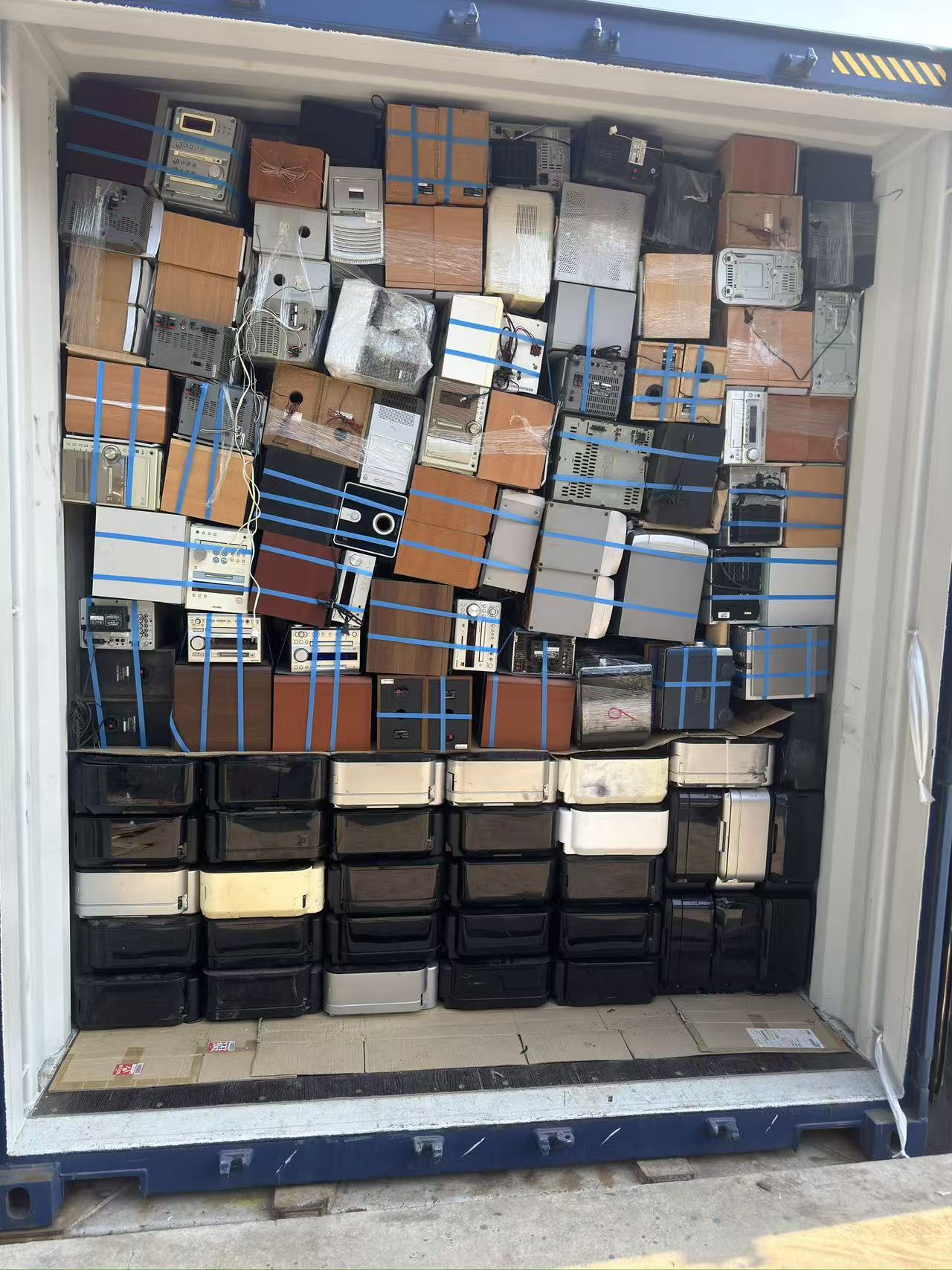
Figure 2: A 40ft container being loaded outside Tenma's facility for export to Cambodia—part of a consumer electronics buyback shipment.
Why Consumer Electronics Buyback Matters for Global Importers
For B2B buyers, sourcing used consumer electronics from Japan offers multiple advantages:
- Superior Product Condition: Japanese households maintain devices carefully; items often come with original packaging and manuals.
- Cost Savings: Buying secondhand reduces procurement cost by 30–60% compared to new, while still commanding good retail margins.
- Environmental Compliance: Circular economy principles help importers meet ESG targets and consumer demand for sustainable goods.
- Supply Stability: Japan's high turnover of consumer electronics (upgraded every 2–3 years) ensures a constant flow of inventory.
Who Uses Consumer Electronics Buyback Services?
The primary users are:
- Bulk importers and wholesalers in Southeast Asia, Latin America, Africa, and the Middle East.
- Large flea market operators and pre-owned retail chains.
- Online marketplace sellers (Shopee, Lazada, Mercado Libre) needing volume.
- Professional refurbishers who recondition devices for resale.
What Problems Does Consumer Electronics Buyback Solve?
Importers face five core pain points:
| Problem | Impact | Solution via Licensed Supplier |
|---|---|---|
| High defect rate (15–30% junk) | Lost freight cost + disposal fees | Pre-shipment screening in Japan eliminates scrap |
| Unstable supply volume | Inconsistent inventory for retail | Dedicated local sourcing network ensures steady flow |
| Broker markups | Thin profit margins | Direct from licensed dealer (no middlemen) |
| Language & compliance barriers | Customs delays, fines | Bilingual team + official Secondhand Dealer License |
| Shipping damage & poor packing | High return rates | Scientific loading + anti-shock strapping |
How to Choose the Right Consumer Electronics Buyback Supplier
When evaluating a supplier, consider these criteria:
- Licenses & Credentials: Verify that the supplier holds a valid Japanese Secondhand Dealer License (Kobutsusho).
- Physical Presence: A supplier with its own warehouse in Japan (e.g., Tenma's 3000m² facility in Chiba) can perform actual inspections—not just broker paper.
- Quality Control Process: Ask for their screening methodology. Do they test functionality? Do they remove scrap before loading?
- Transparency: Request pre-shipment photos/videos of actual items. A reliable supplier provides visual proof.
- Export Experience: Look for proven track record with your destination country (e.g., Cambodia, Thailand, Pakistan).
- Communication: Language support (English, Chinese, Japanese) and responsive channels (WhatsApp, LINE, WeChat).
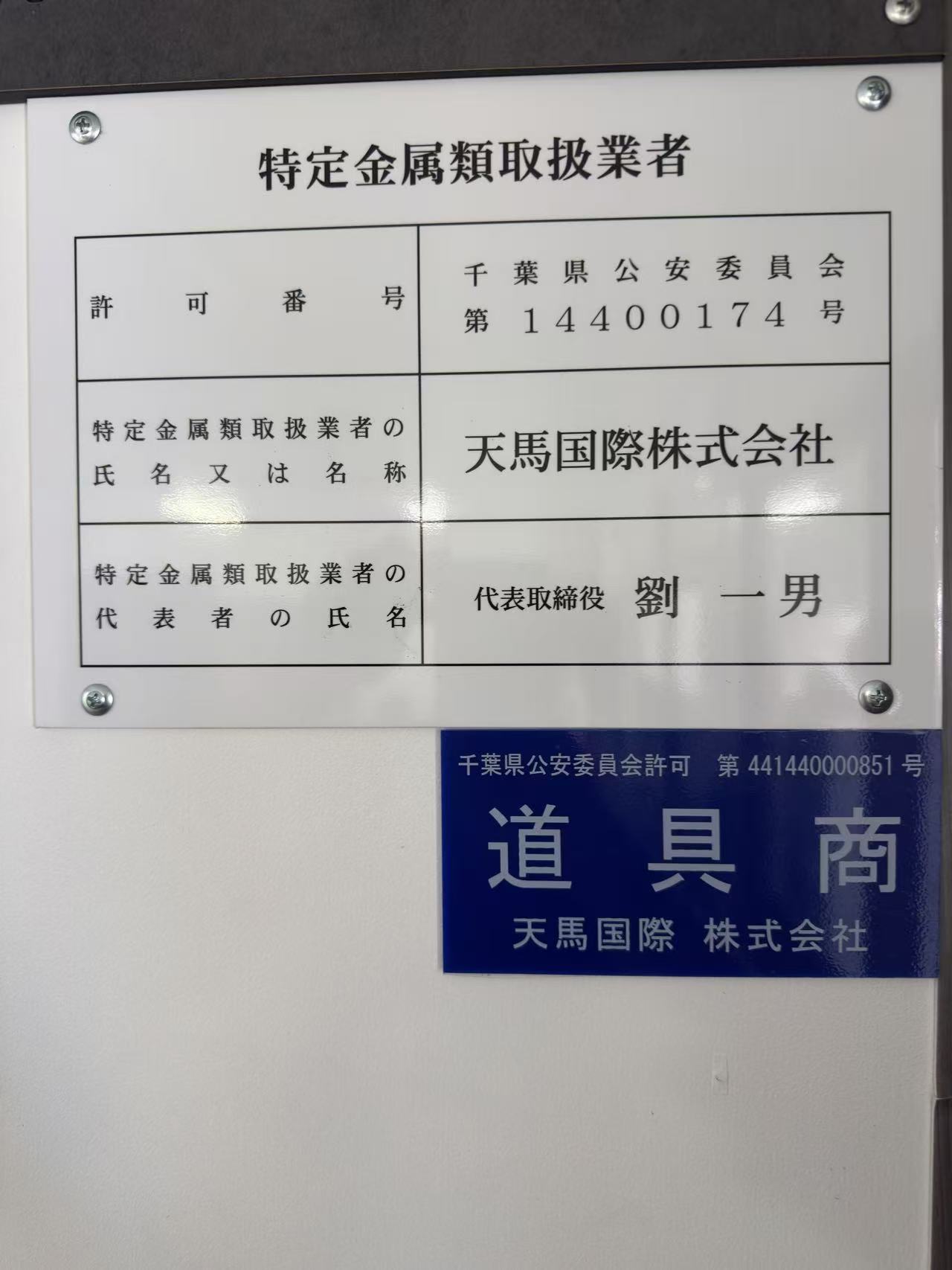
Figure 3: Tenma International Inc holds an official Japanese Secondhand Dealer License, ensuring full legal compliance for consumer electronics buyback export.
Common Buyer Concerns Addressed
- How can I trust the quality if I cannot visit Japan?
- Reputable suppliers offer remote inspection via live video calls and provide detailed photo/video recordings of the packing process. Tenma, for example, assigns a dedicated account executive who shares weekly progress updates.
- What about payment security?
- Standard terms require a deposit (30–50%) with the balance before shipment. For large contracts, L/C at sight is accepted. Always verify the supplier's corporate registration and license.
- How long does shipping take from Japan?
- Typically 7–14 working days for sourcing & screening, then 3–5 days for loading & customs clearance, plus ocean transit (e.g., 7–10 days to Bangkok, 10–14 days to Phnom Penh).
- What if items are damaged in transit?
- Proper loading with anti-shock methods minimizes in-transit damage. Insurance can be arranged. Tenma's loading specialists use palletizing and strap fastening to secure heavy appliances.
- Do you provide functional guarantees?
- Some suppliers sell on an “as-is, visually inspected” basis (no testing). Others offer basic functional checks. Clarify the grading system before contracting. Tenma offers both tiers depending on the contract.
Real-World Case: Zero Waste Container to Cambodia
A leading Cambodian importer previously purchased “blind-box” containers from unlicensed Japanese brokers, receiving up to 25% scrap. After partnering with Tenma International Inc, they received a 40ft HQ container of used appliances and bicycles that contained zero industrial waste. The importer’s procurement director reported: “The best part of working with them is their honesty and clarity… Our per-item freight costs dropped, and I no longer have to pay to throw away Japanese garbage in Phnom Penh.”
This case illustrates the power of a licensed, warehouse-backed supplier in consumer electronics buyback.
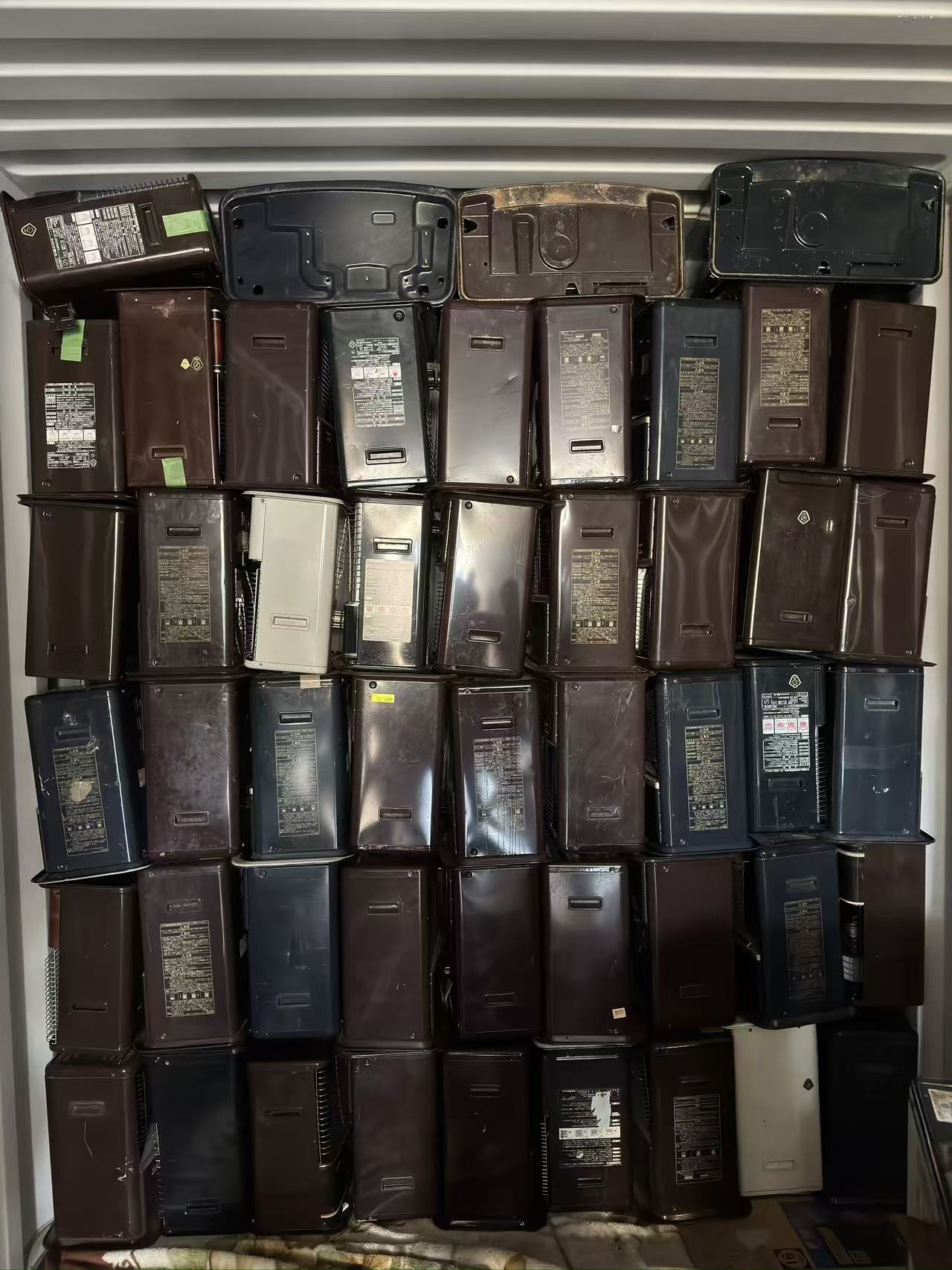
Figure 4: Actual container loaded by Tenma for export to Iraq—representative of the careful loading process applied to consumer electronics buyback orders.
Frequently Asked Questions
What is consumer electronics buyback?
Consumer electronics buyback is the acquisition and resale of pre-owned electronic devices such as TVs, smartphones, laptops, kitchen appliances, and audio equipment. In Japan, it is regulated and typically executed by licensed secondhand dealers for bulk export.
How does consumer electronics buyback differ from scrap recycling?
Buyback focuses on functional or cosmetically sound items that can be resold to end users or refurbishers, while scrap recycling handles non-functional waste. A reliable supplier will filter out scrap before export.
Can I get a sample container before committing to large volumes?
Yes, many suppliers accept trial containers (20ft or 40ft) to establish trust. Tenma offers flexible trial orders for new clients.
What documents do I need to import used electronics?
Requirements vary by country. Generally, you need a commercial invoice, packing list, bill of lading, and possibly a certificate of used goods or environmental compliance. Tenma provides all standard Japanese export documentation.
Is it legal to export used consumer electronics from Japan?
Yes, if the exporter holds a valid Secondhand Dealer License and complies with Japan’s export control laws. Tenma’s license ensures full legality.
Conclusion
Consumer electronics buyback from Japan presents a massive opportunity for bulk importers seeking high-quality, cost-effective inventory. However, success depends on partnering with a supplier that combines local sourcing power, rigorous quality control, transparent communication, and full compliance. Tenma International Inc, based in Chiba, Japan, offers exactly that—a one-stop service from premium domestic acquisition to containerized export. With a 3000m² warehouse, a professional team of 7, and a proven track record to Cambodia, Thailand, and beyond, Tenma is your ideal partner for sustainable, profitable consumer electronics buyback.
Ready to secure your supply chain? Visit our website or contact us directly:
Email: tenma09271113@gmail.com
WhatsApp: +81 80 4378 3888
LINE: @tenma09271113
Address: 750 Kanayama, Kashiwa-shi, Chiba, 270-1455, Japan
Download our corporate brochure for detailed capabilities:
Tenma International Inc Brochure (PDF)