Securing the Right Consumer Electronics Buyback Supplier: A Strategic Sourcing Guide for Importers in 2026
Securing the Right Consumer Electronics Buyback Supplier: A Strategic Sourcing Guide for Importers in 2026
As global demand for high-quality pre-owned electronics surges, B2B importers face a critical challenge: finding a reliable consumer electronics buyback partner who can deliver consistent, premium inventory without hidden junk. This guide walks you through everything you need to know—from what consumer electronics buyback really means to how to evaluate suppliers, avoid common pitfalls, and secure a competitive edge in your local market.
What Is Consumer Electronics Buyback?
Consumer electronics buyback is the process where businesses purchase used electronic devices—such as laptops, smartphones, home appliances, gaming consoles, kitchen electronics, and audio equipment—from consumers or other sources, then grade, test, and redistribute them to secondary markets. In the B2B context, it refers to the wholesale acquisition of large volumes of pre-owned consumer electronics for international export.
Key categories include:
- Household Electronics Buyback (refrigerators, washing machines, microwaves)
- Home Entertainment Electronics Buyback (TVs, soundbars, projectors)
- Smart Home Device Buyback (smart speakers, thermostats, security cameras)
- Kitchen Appliance Buyback (blenders, coffee machines, toasters)
- Guitar and Bass Buyback, Piano & Keyboard Buyback, Studio Audio Equipment Buyback
- Professional Music Gear Buyback, DJ Equipment Buyback
Why Consumer Electronics Buyback Matters in 2026
The circular economy is no longer a niche concept—it's a global megatrend. Importers in Southeast Asia, Africa, and the Middle East rely on buyback programs to source affordable electronics for their local markets. A strong consumer electronics buyback partner helps you:
- Reduce procurement costs by bypassing multiple middlemen
- Access premium inventory from developed markets (like Japan) known for excellent product care
- Minimize waste and comply with environmental regulations
- Maintain consistent supply for retail chains, flea markets, and online resellers
Who Uses Consumer Electronics Buyback Services?
Typical buyers include secondhand goods wholesalers, import traders, large flea market operators, and local pre-owned retail chains in developing countries. The purchasing manager or category buyer is often the decision-maker, seeking a dependable source of high-rotation items like used home appliances, mobile phones, and entertainment gear.
Common Problems Importers Face When Sourcing Buyback Inventory
While Japanese pre-owned electronics are globally renowned for their excellent condition, overseas B2B buyers often struggle with:
- Unstable supply – small recyclers can't guarantee long-term, bulk volumes
- High defect rates – brokers fill containers with non-functional, damaged scrap
- Skyrocketing logistics costs – paying ocean freight for unsellable waste
- Complex customs – lack of proper documentation leads to delays and fines
- Trust gap – unable to verify product condition before shipment
How to Evaluate a Consumer Electronics Buyback Provider: 5 Key Criteria
1. Local Sourcing Network & Licensing
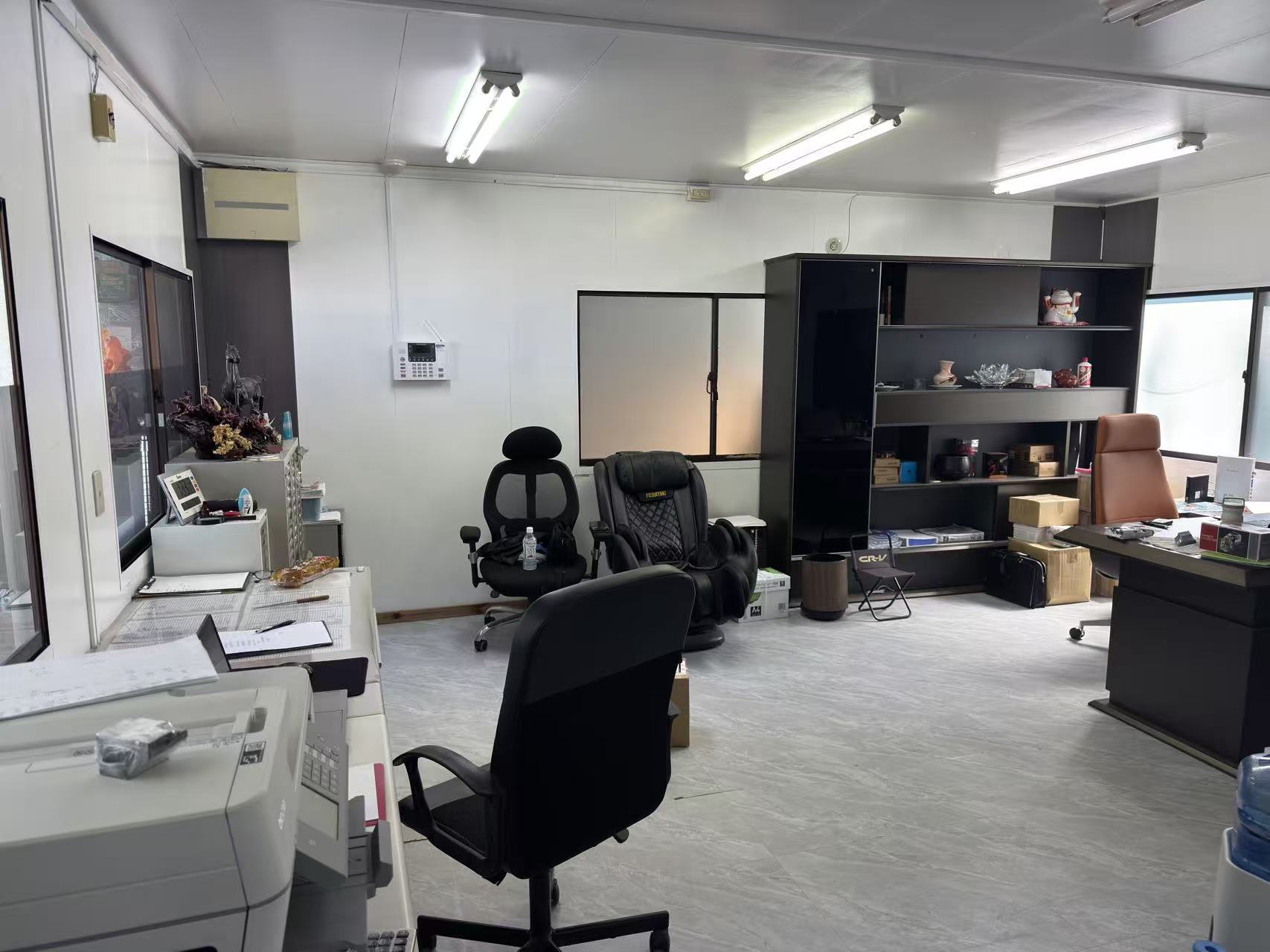
A legitimate supplier must hold an official Secondhand Dealer License from the Japanese National Public Safety Commission. This ensures legal compliance and direct access to premium inventory from local households and businesses. TENMA International Co., Ltd. (Chiba, Japan) is a licensed, asset-holding recycler with a 3,000m² warehouse and a team of 7 professionals dedicated to bulk export.
2. Quality Control Process
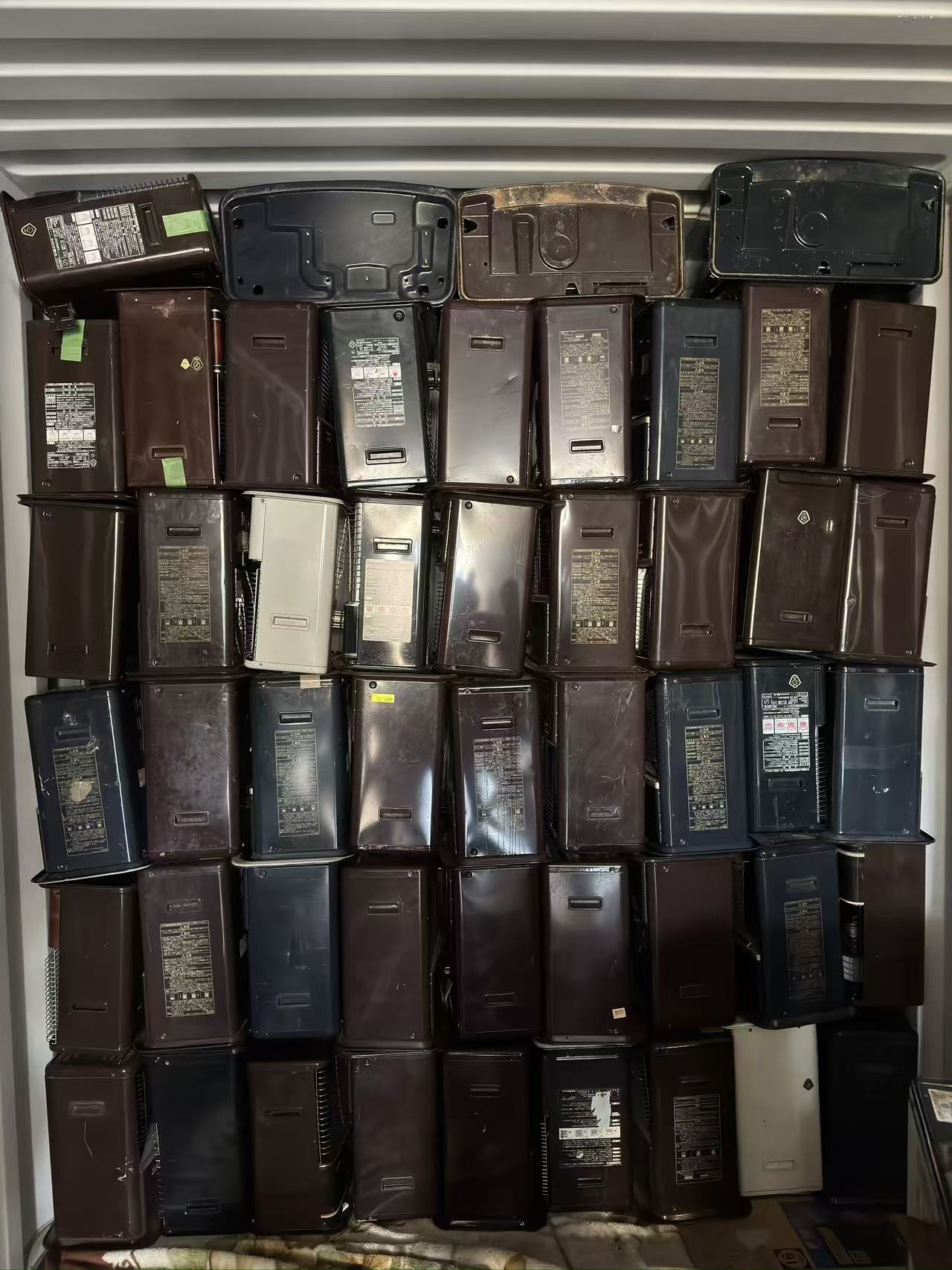
Does the supplier physically inspect, grade, and clean items before loading? Avoid paper-trading brokers who ship unsorted blind-box lots. The best providers use a multi-tier screening system: every item is checked for physical integrity and residual value. Substandard units are intercepted within Japan, so you never pay freight for junk.
3. Container Loading Efficiency
Space optimization directly impacts your per-unit shipping cost. Look for suppliers who use scientific mixed-loading—combining bulky appliances with bicycles or small electronics to maximize container utilization. TENMA's methodology increases effective space by up to 18%, lowering your landed cost.
4. Transparent Communication & Remote Verification
The best partners offer live video tours, pre-loading photos, and real-time updates via WhatsApp, LINE, or WeChat. You should be able to see the exact condition of your goods before they ship. TENMA provides a dedicated account executive and weekly progress reports.
5. End-to-End Logistics & Compliance
From Japanese export customs clearance to shipping booking (FOB or CIF), a reliable supplier handles all documentation—Packing List, Commercial Invoice, Bill of Lading. They take full responsibility for legal export, minimizing your risk.
| Criterion | TENMA International Inc | Typical Broker |
|---|---|---|
| License | Official Japanese Secondhand Dealer License | None or expired |
| Warehouse QC | In-house multi-tier screening in 3,000m² facility | No physical inspection |
| Container Loading | Scientific mixed-loading, space optimization | Random stuffing |
| Defect Rate | Near 0% industrial waste | 15-30% junk |
| Communication | Dedicated manager, remote video tours | Email-only, slow |
Step-by-Step: How to Source Consumer Electronics Buyback Inventory from Japan
- Define your requirements – categories, quality tiers, container type (e.g., 40ft HQ).
- Contact a licensed supplier like TENMA via their website (http://tenma-corp.com), email (tenma09271113@gmail.com), WhatsApp (+81 80 4378 3888), or LINE.
- Sign a bulk contract – agree on pricing, deposit terms, and delivery timeline.
- Local sourcing & warehouse QC – supplier collects items from Japanese households, inspects and grades them in-house.
- Pre-shipment confirmation – receive photos/videos of screened inventory for approval.
- Container loading & customs – professional loading, sealing, and export clearance.
- Ocean freight & delivery – vessel departs for your destination port (e.g., Phnom Penh, Bangkok).
- Unpack & sell – your container arrives with high-quality, sellable electronics.
Real-World Case: From 25% Waste to Zero Waste
One Cambodian importer (Phnom Penh) had been buying blind-box containers from unlicensed brokers. Each container arrived with over 25% damaged, unsellable scrap—costing him thousands in freight and disposal fees.
After switching to TENMA's Standardized Procurement & Condition Inspection Process, the defect rate dropped to 0%. The 40ft HQ container was packed with structurally solid appliances and bicycles, all verified in Japan. Container space utilization increased by 18%, and the delivery was 4 days faster than before.
The client said: "The best part is their honesty. They keep their promise to filter out broken junk inside Japan. We are locking in two more containers next month."
Frequently Asked Questions
What is the difference between consumer electronics buyback and recycling?
Buyback focuses on resale-ready items with residual value; recycling typically recovers raw materials. A buyback partner like TENMA selects items that can be reused internationally, supporting the circular economy.
Can I buy small quantities or samples?
Most bulk suppliers work with full container loads (FCL). For mixed categories, they can consolidate LCL shipments if volume is sufficient. Discuss minimums directly with the provider.
What if I receive damaged goods?
Choose a supplier that offers pre-shipment inspection media and a transparent screening process. TENMA's process blocks substandard items before loading, so arrival scrap is virtually zero.
How do I verify a supplier's license in Japan?
Ask for a copy of their Secondhand Dealer License issued by the National Public Safety Commission. You can also cross-reference with local prefectural police records.
What payment terms are common?
Typical terms: 30%–50% deposit to trigger sourcing, balance before vessel departure. T/T is standard; L/C may be accepted for established relationships.
Conclusion: Choose a Partner, Not Just a Broker
Success in consumer electronics buyback hinges on finding a provider that combines local sourcing power, rigorous quality control, transparent communication, and full logistics management. TENMA International Co., Ltd. embodies these qualities—offering a one-stop solution from Japanese street to your container.
To learn more about their process and pricing, download their company brochure:
Download TENMA International Brochure (EN)
Contact them today to discuss your next import order and experience the difference of a genuine Japanese Secondhand Dealer partner.