
Toner Cartridge Compliance: Batch Tests, Reports, Acceptance
Compliance for a compatible toner cartridge is a lot-level question, not a brand-level one. A supplier statement that a cartridge is certified, tested or built to match an OEM model is a claim; a material declaration, a batch test record tied to a specific production lot, and a third-party report whose scope matches the model being bought are evidence. Buyers at the decision stage should treat the claim as the start of a request and the record as the basis for acceptance.
This guide covers the four evidence layers a buyer can actually check: material and sourcing declarations, in-house batch testing in a dedicated laboratory, batch testing records generated for every production lot, and third-party reports where a supplier offers them. It then converts those layers into purchasing terms, sample-versus-bulk questions and written acceptance criteria.
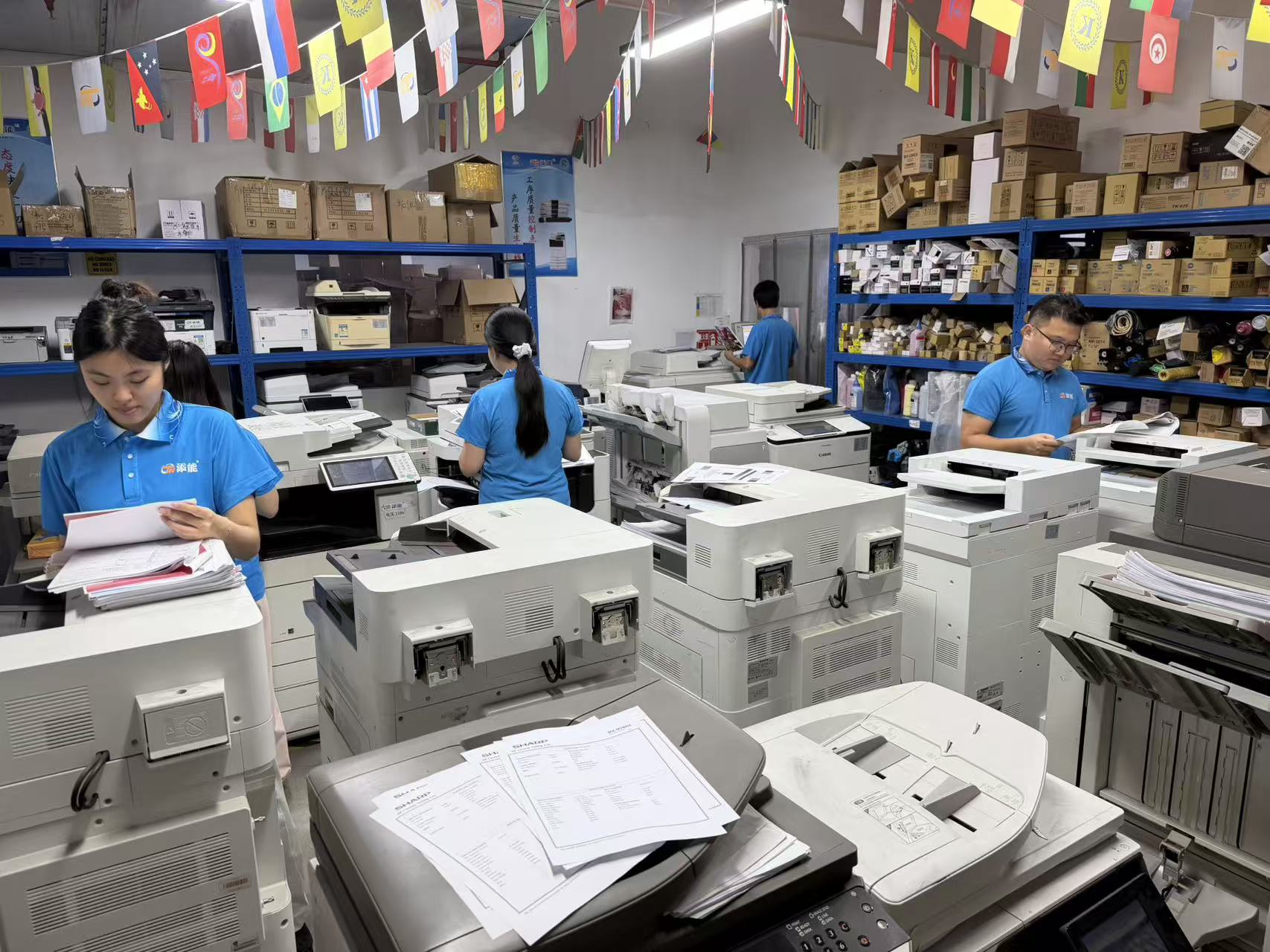
Far Industries Co., Ltd, based in Zhongshan City, manufactures A3 office consumables covering toner cartridges, drum units, fuser units and developing units, with moulding, injection moulding, component assembly, toner and developer filling, testing and packing performed in-house across a 9,000 m2 facility. Its document set is used here as a worked example of what a buyer can request; the checklist applies to any supplier, including Tenon toner cartridge lines and other compatible ranges.
The Problem: Compliance Claims Arrive Without Lot-Level Evidence
Three statements recur in supplier documentation, and each answers a narrower question than buyers usually assume.
- A factory or management-system certificate describes the scope of a process. It does not describe the print quality of the cartridge in carton four of shipment twelve.
- A compatibility or model-approval statement confirms that a part number is intended for a machine series. It does not confirm that the lot in front of you was printed on that machine.
- A test report describes the sample that reached the laboratory. Its value depends on whether that sample came from the same production line, lot and configuration as your order.
The practical consequence is that a missing document should be recorded as not provided. It is not evidence of a defect, and it is not evidence of compliance either; both conclusions need records that have not yet been supplied. The useful action is a specific request, made before the purchase order is released rather than after the first complaint.
Where a supplier quotes a certificate number, the issuing body can confirm scope and validity, and that check belongs in the buyer's file rather than in the supplier's brochure. Where no number is quoted, none should be assumed on the supplier's behalf.
Where the Evidence Chain Breaks in Compatible Toner Supply
The compatible market contains at least three supplier configurations that look similar on a quotation and behave very differently when a batch goes wrong.
- An integrated manufacturer holds its own mould division, covering more than 90% of the moulds used for copier toner cartridges, moulds empty cartridges exclusively on Yizumi precision injection moulding machines, and operates its own toner warehouse and dedicated testing laboratory.
- A trading company that assembles or resells depends on upstream parties for material and test provenance, which then has to be requested separately for each shipment.
- A factory completing only two to three production steps, without a toner warehouse and without a testing laboratory, does not carry the batch-level test stage inside its own process.
Toner powder is where the difference appears first. At an integrated supplier, 90% of the toner used is imported from specialised, publicly listed toner manufacturers, and every batch of incoming toner is tested in-house to verify print quality and consistency after the toner is installed in the printer. That test is performed on a printed result, not on a powder specification sheet. Without an in-house test stage, the first place a toner variation could be observed would be the buyer's own machine, which moves the cost of detection downstream to the party with the least information about the batch.
Housing precision is the second variable. Moulds held in-house, with empty cartridges moulded on Yizumi machines selected for stable operation, precise temperature control and high repeatability, support dimensional accuracy and structural strength. Dimensional drift in a housing is one route to poor seating, jams and leaks, which is why mould ownership belongs in a documentation review at all rather than being treated as a manufacturing detail.
This is a comparison of documented configurations. It does not establish the performance of any named competitor's product, and a supplier outside the integrated model may still hold usable test evidence. That possibility is exactly what the request list below is designed to surface.
The Four Evidence Layers to Request From a Supplier
Layer 1: Material and sourcing declarations
A sourcing declaration should name inputs, not outcomes. Four items are worth putting in writing:
- Toner origin and share. How much of the toner is imported, and from which manufacturers. When the named manufacturers are publicly listed and specialised in toner, a buyer can confirm that the source is a toner producer rather than an unverified blender.
- Housing resin grade. Whether the empty cartridge is moulded from virgin PET or from a regrind blend, and whether any regrind content is declared. Virgin PET is a common housing specification; the document should state which grade applies to your model instead of leaving it to inference.
- Mould ownership. How much of the tooling the supplier holds itself, since mould ownership determines who controls dimensional change as a tool wears.
- Dimensional or first-article record for the mould used on your part number, where the supplier keeps one.
A declaration proves inputs. It does not prove output, so it should be read together with the lot records in Layer 3 rather than as a substitute for them.
Layer 2: In-house batch testing in a dedicated laboratory
The test that matters is the one performed on the finished cartridge, on a real machine, after filling. At Far Industries, every batch of incoming toner is tested in-house for print quality and consistency after installation in the printer, in the company's own laboratory, and the result belongs to the batch that consumed the toner.
The test fleet matters because a cartridge approved on one platform is not automatically approved on another. The company tests across 90 copier machines spanning Canon, Ricoh, Kyocera, Konica Minolta, Sharp, Toshiba, HP, Samsung and Xerox platforms, supported by professional technicians, production staff and an eight-engineer R&D team.
Questions worth putting to any supplier: which performance items are measured; which machine models are used for your specific part number; how many units per lot are printed; what result counts as a failure; and where those results are stored after the lot ships.
Layer 3: Batch testing records generated for every production lot
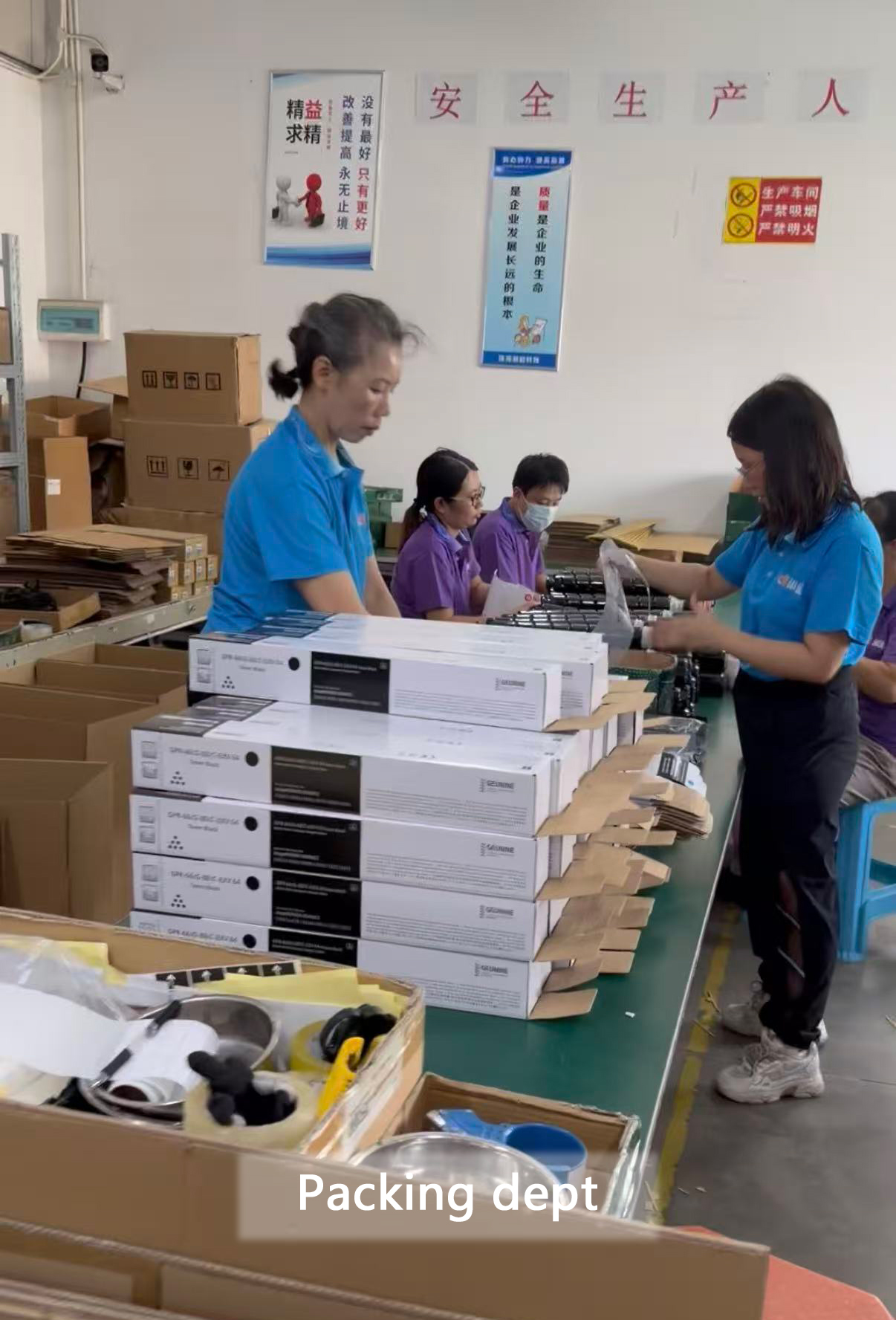
This is the layer buyers skip most often, and the one that turns testing from a habit into evidence. Far Industries generates batch testing records for every production lot, which means a shipment can be traced to a specific test result rather than to a general statement about quality.
Ask that each record carry the following:
- the production lot or batch number, matching the carton label and the packing list;
- the production date and the model or part number tested;
- the toner batch reference consumed by that lot;
- the machine platform used for the print test;
- the test items performed and the pass or fail outcome;
- the identity of the person who performed the test.
Two further questions are usually left out and matter later: how long records are retained, and whether a record can be retrieved for a named shipment after delivery. A record that cannot be pulled when a fault appears has limited value in a claim, however complete it looked at the time of order.
Layer 4: Third-party test reports and their scope
A third-party report adds an outside laboratory to the evidence chain, but its value is entirely a question of scope. Before accepting one, check that the report names the model or part number you are buying, identifies the sample and where possible the lot it came from, states the test method and conditions, identifies the issuing laboratory and any accreditation printed on it, carries a date that still applies to current production, and includes annexes where they are referenced.
Two limits should be stated plainly. A report on a submitted sample does not certify subsequent lots, and a report on a management system does not test cartridge performance. Both are legitimate documents; neither replaces the lot record in Layer 3. Where a supplier offers third-party testing, ask which models and which lots it covers before treating it as shipment-level evidence, and keep the answer next to the in-house records rather than in place of them.
A Step-by-Step Verification Sequence Before You Release a Purchase Order
- Fix the model and the platform. Write down the OEM model the cartridge is built to match and the machine series it will run on. Documents can only be checked against a defined part number.
- Request the material declaration for that model. Toner source and share, housing resin grade, mould ownership.
- Request lot records for what you are about to receive, plus the previous shipment. Two or three consecutive lots show whether record generation is routine or was produced for your enquiry.
- Cross-check the lot numbers. Record lot numbers must match the carton labels and the packing list. A mismatch is a documentation defect even when the print test passes.
- Read every third-party report for scope. Model, sample identity, method, laboratory, date.
- Test the sample on your own machine. Record what you measured, because that measurement becomes the definition of matching quality for bulk.
- Write the evidence list and acceptance criteria into the purchase order, as set out below.
- File the record set with the shipment. When a fault appears, the investigation starts from the record rather than from zero.
Sample Versus Bulk: What a Sample Actually Proves
A sample proves that the sample performed. It is the reference definition for bulk, not a guarantee of it, and the distinction matters most when a supplier's evidence is sample-based rather than lot-based.
- Was the sample drawn from a standard production lot, or built separately for the request? Ask for the lot number.
- Does the sample record follow the same format as the lot record you will receive with bulk?
- Which machine was used for the test, and does the supplier's test fleet include that platform?
- What will you measure to decide that bulk matches: print density, background, leakage, or page count on your own run?
Evaluate across the working life of a cartridge rather than the first pages, because early output can mask a filling or sealing problem that appears later. At the supplier end, the equivalent controls are the batch test on every incoming toner batch and the record generated for each production lot; together they are the mechanism by which bulk is intended to repeat the sample.
Comparing Supplier Configurations on Documentation Depth
| Evidence point | Integrated manufacturer with own moulds, toner warehouse and laboratory | Trading company that assembles or resells | Factory with two to three steps, no toner warehouse or laboratory |
|---|---|---|---|
| Toner origin | 90% imported from specialised, publicly listed toner manufacturers; source can be named | Depends on the upstream supplier; request per shipment | Depends on the upstream supplier; request per shipment |
| In-house toner testing | Every batch tested after installation in a printer, in an own laboratory | Performed upstream or not at all; ask for records | No dedicated laboratory in the process |
| Lot-level test record | Generated for every production lot and traceable to the shipment | Available only if the upstream party supplies it | Not part of the supplier's own process |
| Housing control | Mould division holds more than 90% of moulds; moulding on Yizumi machines | Housing sourced from third-party moulders | Housing sourced from third-party moulders |
| Failure handling | Inspection by in-house technicians and production staff; company states fewer post-sale failures than suppliers that outsource these steps | Diagnosis passes back through the supply chain | Limited in-house diagnosis |
Entries describe documented configuration differences, not measured rankings. A supplier in any column may hold additional evidence, and the correct way to establish it is to request that evidence directly for the model and lot in question.
Purchasing Terms and Acceptance Criteria to Put in Writing
Acceptance criteria convert the document review into a test both sides have agreed to. These are the items most often left unstated:
- Evidence pack per shipment: name the documents that must accompany each delivery, including the lot test record and any applicable report.
- Lot marking: every carton carries a lot number that appears in the test record.
- Reference sample: state which sample and which record define matching quality.
- Acceptance test: who performs it, on which machine, over what evaluation window, and what counts as a failure.
- Non-conformance route: quarantine, diagnosis, replacement or credit, agreed before the first shipment.
- Change notification: the supplier notifies you if the toner source, resin grade or mould changes before shipment. This is the clause that keeps an approved lot from becoming an unapproved one.
- Record retention on both sides, so that a claim in month nine can be checked against the lot record rather than against memory.
None of these terms requires a supplier to disclose confidential process detail. They require the supplier to state what it already controls, and to keep the statement retrievable.
Applying the Same Checks to Drum Units, Developing Units and Fuser Units
Toner cartridges are one item in a consumable set, and the same logic transfers to the rest of it. Far Industries' range covers toner cartridges, drum units, fuser units and developing units, with toner and developer filling performed in-house, so the batch-record question applies to developing units in the same way it applies to cartridges.
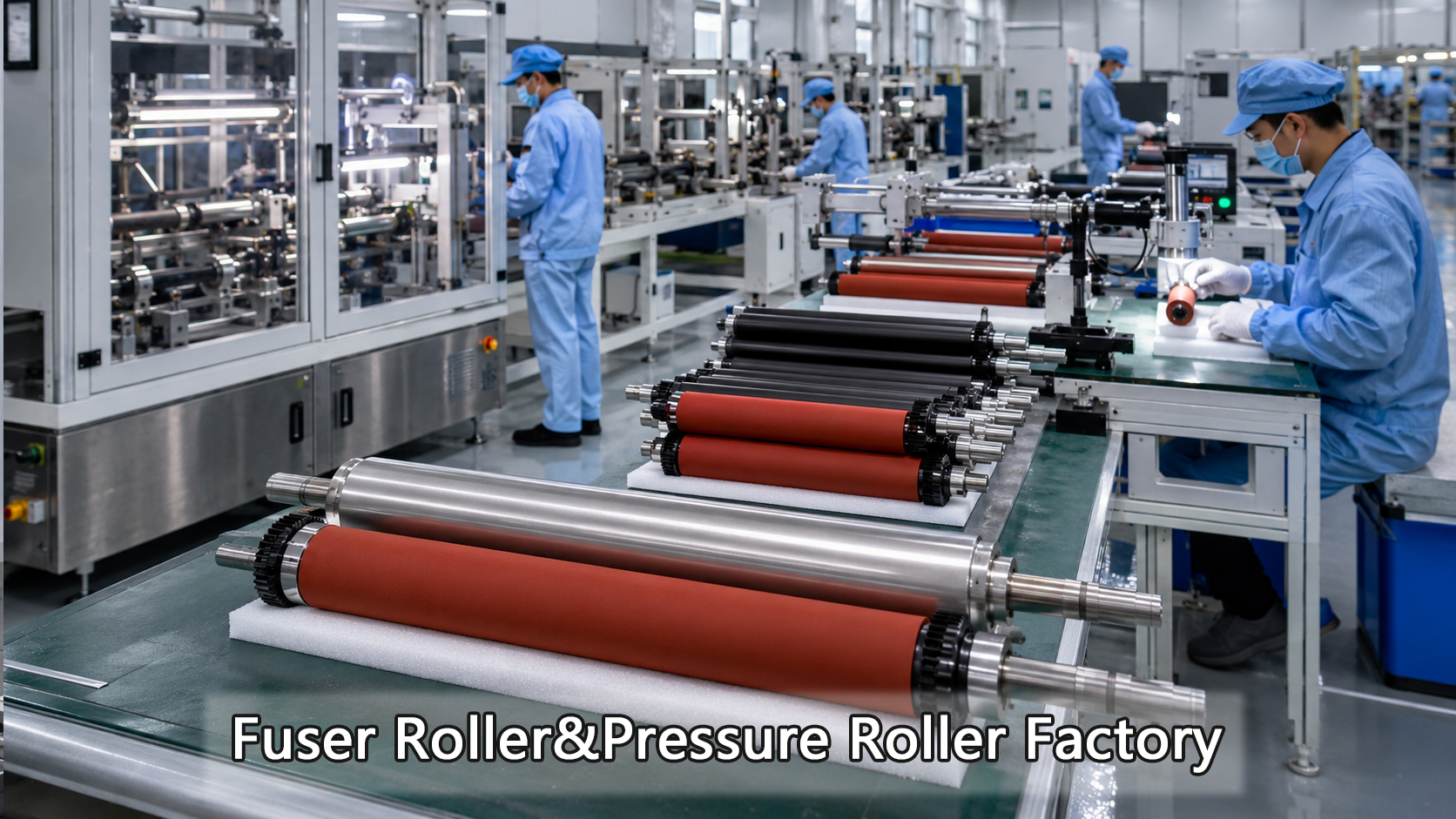
For drum units, ask which OPC drum is used, where it is produced, and request the same lot record for the assembled unit. For fuser units, the wear parts are the fuser film, fuser roller and pressure roller; the useful evidence is the component specification plus the test performed on the assembled unit rather than on the parts alone.

Buyers running reconditioned or second-hand copier machines face the same question in a different order. The machine's condition sets the duty cycle, and the consumable documentation decides whether print quality can be held steady across a mixed supply.
The Regional Layer: End-of-Life Rules Buyers Should Not Assume Away
A supplier's home-market rules do not travel with the carton. In Spain, empty toner cartridges were reclassified as electronic waste under WEEE by Regulation TED/1032/2024, effective 2 January 2025 (BOE, as reported by Tonernews). For an importer or distributor serving that market, the classification changes take-back and reporting obligations; it does not change the print performance of the cartridge.
The workable rule is to confirm three things locally: how empty cartridges are classified in the destination market, who carries the take-back obligation, and whether the supplier's documentation supports that obligation. Ask for the answer in writing per market rather than accepting a single global statement.
Where These Checks Matter Most
- Copier rental and leasing fleets: mixed machine populations make lot repeatability the difference between planned replacement and unplanned service calls.
- Print shops and in-house print rooms: downtime has a direct cost, so lot records are a scheduling tool as much as a quality document.
- Wholesale distributors and group purchasing teams: acceptance evidence supports the resale relationship when an end user reports a fault.
- Refurbishers and second-hand machine traders: matching consumables to an installed base is easier when each shipment carries its own test record.
FAQ
What documents should I request before approving a compatible toner cartridge supplier?
Ask for four items for the specific model: a material and sourcing declaration covering toner origin and share, housing resin grade and mould ownership; in-house batch test records for the lots you will receive; third-party reports where the supplier offers them, read for scope; and written acceptance criteria for the shipment. A factory certificate or compatibility statement alone does not cover the lot.
How do batch testing records differ from a one-off test report?
A batch testing record is tied to a production lot and shows what was tested, on which machine, with which toner batch, and with what result, so a carton can be traced back to it. A one-off report usually describes a single sample submitted to a laboratory. The record answers whether this shipment was checked; the report answers what happened to one sample.
Does a passing sample mean the bulk order will perform the same?
No. A sample proves that the sample performed on the machine used for the test. Ask whether the sample came from a standard production lot, note its lot number, and require lot-level records with the bulk shipment. Then define what you will measure to accept that bulk matches the sample, such as print density, background, leakage and page count on your own run.
China toner cartridge manufacturers versus local suppliers for OEM compatibility: what should a buyer compare?
Compare the same evidence on both sides rather than the country of origin. For any supplier, ask who owns the moulds, whether empty cartridges are moulded in-house, how the part number maps to the OEM model, which machine platforms were used for print testing, and whether a test record exists for each production lot. A local supplier closer to your service network may resell rather than manufacture; a manufacturer with in-house moulding controls dimensional consistency directly. Distance affects sample logistics and response time, not the document standard.
What acceptance criteria belong in a toner cartridge purchase order?
State the evidence pack to be delivered with each shipment, require a lot number on every carton that matches the test record, define who performs the acceptance test and on which machine, agree the non-conformance route before the first order, and require notice if the toner source, resin grade or mould changes. These clauses make a documented process testable at receipt.
Conclusion
Compatible toner cartridge compliance is decided by what a supplier can produce for a named lot, not by how confidently a claim is worded. The four layers - material and sourcing declarations, batch testing in a dedicated laboratory, a record for every production lot, and third-party reports read for scope - give a buyer something to check, cross-reference and attach to a purchase order.
Documentation reduces uncertainty; it does not remove the need for acceptance testing on your own machines, and a complete dossier is a reason to proceed rather than a promise of zero failures. The practical test is simple: if a document cannot be tied to the carton in front of you, it belongs in the enquiry, not in the approved file.
For buyers who want to review the actual evidence set before committing to a shipment, Far Industries provides samples together with the current documentation pack. Requests can be sent to marketing@far-industries.com or by WhatsApp on +86 138-2476-3396, and the company brochure (PDF) summarises the production and testing scope discussed above.
Have Questions or Need More Details?
Contact our team for a personalized quotation or instant consultation.
Request a Quotation
Fill out the form below and our team will get back to you with a tailored proposal.
WhatsApp Direct Chat
Prefer to chat in real-time? Message us on WhatsApp for instant assistance & quick answers.
- Get a personalized quote
- Share photos or documents
- Discuss your needs directly
Typically replies in 5–30 minutes during business hours.