
Tenor Waste Incineration System: A Deep Analysis of a Chinese 50–250 TPD Manufacturer
A structured profile of Tenor Low Carbon New Energy Technology (Liaoning) Co., Ltd. — product range, combustion design, compliance scope, delivery model, and the verification questions a buyer should ask before shortlisting a Chinese supplier in the 50–250 TPD band.
Tenor Low Carbon New Energy Technology (Liaoning) Co., Ltd. is a Chinese manufacturer of complete waste incineration systems, located in the Dalian University of Technology Industrial Incubation Park in Dalian, Liaoning, with a production base in Wafangdian, Dalian. The company designs, manufactures and sells complete waste incineration equipment, with a product range concentrated on small and medium-scale municipal solid waste incineration systems from 15 to 300 tonnes per day (t/d). Projects are delivered either as a full EPC scope or as core equipment supply, such as the grate body alone.
For buyers researching Chinese manufacturers of 50–250 TPD waste incineration systems, the practical shortlisting question is narrower than the marketing question. It is not whether a supplier lists that capacity band, but whether the offered scope is a complete engineered system — combustion control, heat recovery, flue gas treatment and emission monitoring — and whether the compliance claim can be traced to a specific regulatory threshold. This analysis evaluates Tenor against those two tests using the company's own technical data and publicly documented EU and Chinese regulatory requirements.
Key Takeaways
- Tenor builds small and medium-scale waste incineration systems in a stated 15–300 t/d range, with standardised 20 t/d, 30 t/d and 50 t/d modules and a 300 t/d parallel-unit configuration.
- The combustion core is a three-stage reciprocating mechanical grate with independently driven stages and independent air chambers, operating on the 3T+E basis (≥850 °C, ≥2 s residence time).
- Compliance is offered as a system scope: deacidification tower, bag filter, activated carbon adsorption and optionally online flue gas monitoring, not a furnace-only claim.
- Reference projects include a 50 t/d high-altitude unit in Mangya, Qinghai; a 30 t/d experimental project in Inner Mongolia; and grate equipment for a 600 t/d project in Vietnam.
- Published capacity figures differ between Tenor's own materials and its product page, so rated capacity must be fixed in the technical offer rather than taken from a brochure.
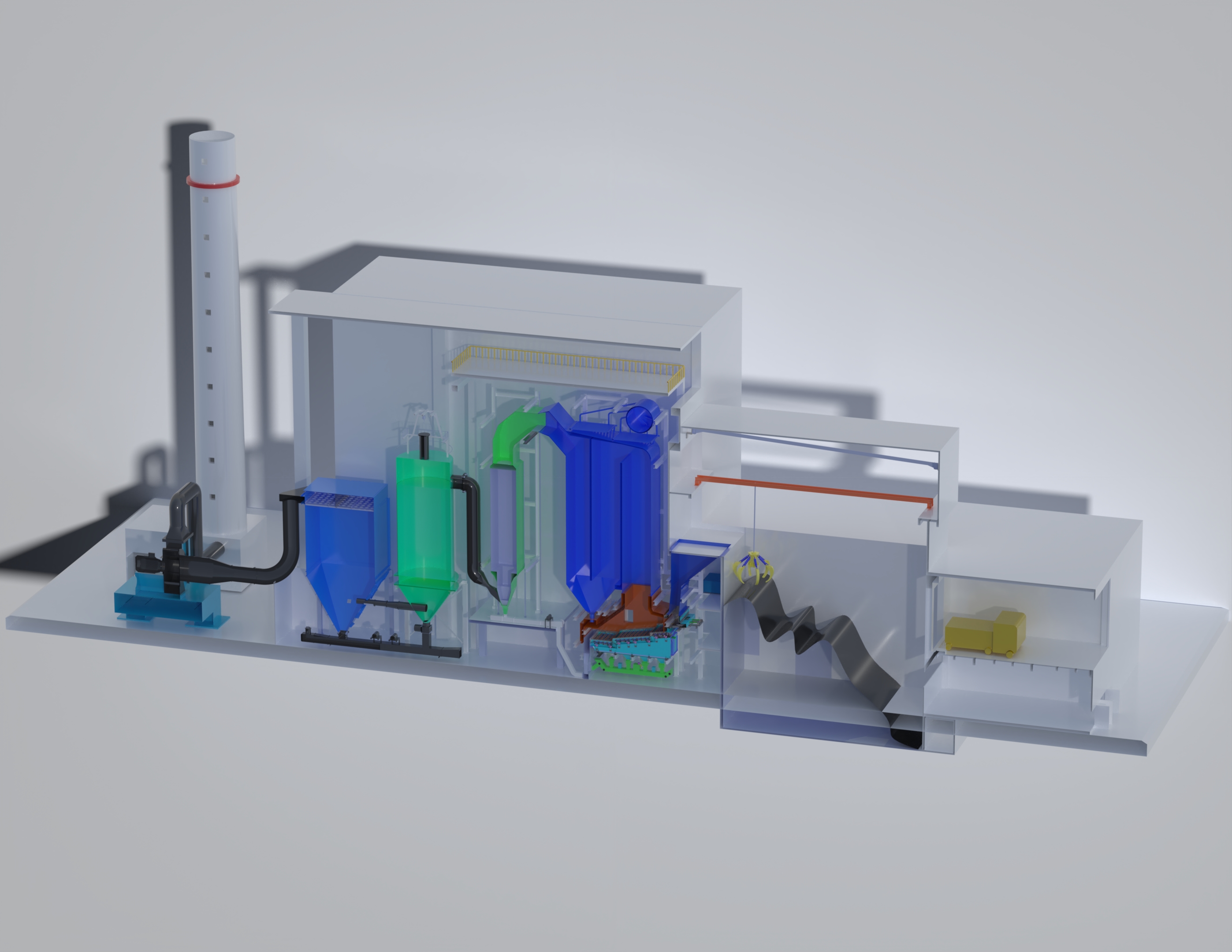
Tenor waste incineration system configuration for small and medium-scale municipal solid waste treatment. Image: Tenor Low Carbon New Energy Technology (Liaoning) Co., Ltd.
Problem Definition: What Actually Decides a 50–250 TPD Procurement
Three variables decide whether a 50–250 TPD waste incineration project succeeds, and all three are frequently under-specified at the inquiry stage.
1. Capacity is defined in two different units
European regulation differentiates the NOx emission limit value by nominal capacity: 200 mg/Nm³ for existing plants and 150 mg/Nm³ for new plants with a nominal capacity exceeding 6 tonnes per hour, expressed as a daily average. Converted arithmetically, 6 t/h corresponds to approximately 144 t/d at nominal continuous operation. That threshold sits inside a 50–250 TPD product range, which means a single catalogue range can straddle two regulatory sub-segments. Buyers who specify capacity only in tonnes per day, without confirming the equivalent hourly rating, leave room for ambiguity in the emission guarantee.
2. “EU compliant” is a system-scope claim, not a furnace claim
Achieving the EU Annex VI limit values simultaneously for dust, HCl, SO₂, NOx, CO, dioxins and heavy metals requires combustion control plus acid gas removal, sorbent injection, particulate filtration and NOx control. A supplier that quotes an incinerator with partial abatement can still describe the unit as “EU standard compliant” without the scope to support the statement. The correct screening question is which treatment stages are inside the battery limits of the offer.
3. Waste quality varies more than equipment catalogues admit
Municipal solid waste in county-level and township projects commonly involves low calorific value, high moisture content and irregular shapes. High-altitude sites add a further constraint: combustion air at 60–70% of sea-level oxygen content changes the air distribution requirement. A design that performs on well-characterised waste will not automatically perform on uncharacterised waste, so site-specific waste data has to be part of the design basis.
Industry Background: Why the Small and Medium Segment Exists
In China, roughly 80% of county towns generate a daily garbage collection volume below 200 tonnes. For those locations, long-distance haulage to a centralised plant frequently costs two to three times the cost of local incineration, which is why local disposal in counties, townships and remote plateau areas has become an industry consensus. The earlier generation of small pyrolysis and gasification furnaces has largely been withdrawn because flue gas results did not meet standards, shifting demand toward smaller versions of proven grate combustion technology in the 15–300 t/d range.
In Europe, the regulatory driver is different but points in the same direction. Commission Implementing Decision (EU) 2019/2010 established the best available techniques (BAT) conclusions for waste incineration, and under the Industrial Emissions Directive operating permits must be reconsidered against the associated BAT emission levels within four years of publication. That creates a retrofit and upgrade cycle — improved scrubbing, NOx control and monitoring — running alongside new-build demand. Separately, the R1 energy efficiency formula determines whether an incineration plant performing energy recovery qualifies as a recovery operation, with thresholds of 0.65 for installations permitted after 31 December 2008 and 0.60 for earlier installations. The legal classification therefore rewards integrated heat recovery rather than incineration-only configuration, which is why turnkey offers in this segment normally bundle a waste heat boiler.
Market scale provides context rather than justification. One commercial research estimate places the European waste-to-energy market at USD 21.26 billion in 2026, rising to USD 37.11 billion by 2034. That figure covers thermal and biological WtE technologies and should be treated as directional, not as a demand forecast for any single capacity band.
Company Overview: Tenor Low Carbon New Energy Technology (Liaoning) Co., Ltd.
Tenor was founded in 2021 and operates from an incubation park tied to Dalian University of Technology, with manufacturing in Wafangdian, Dalian. Its corporate lineage extends further back: the predecessor entity, Dalian Sunshine Boiler Auxiliary Equipment Co., Ltd., was established in 1998 and built the company's base in boiler auxiliary and combustion equipment. That inheritance matters for a buyer, because grate and combustion-chamber fabrication is a mechanical engineering discipline with a long learning curve, and the company's stated specialisation is the design, manufacture, technology development and sale of complete waste incineration equipment.
| Item | Detail |
|---|---|
| Legal entity | Tenor Low Carbon New Energy Technology (Liaoning) Co., Ltd. |
| Founded | 2021; predecessor Dalian Sunshine Boiler Auxiliary Equipment Co., Ltd. established 1998 |
| Location | Dalian University of Technology Industrial Incubation Park, Dalian, Liaoning; production base in Wafangdian, Dalian |
| Production footprint | 40,000 m² cited in company background data; a broader company profile cites a 50,000 m² site |
| Employees | 180 cited in company background data; the company profile cites more than 200 |
| Annual output | 50 sets per year |
| Export ratio | 35% |
| Main markets | EU, USA, Southeast Asia, Vietnam, Middle East |
| Core products | Small and medium-scale waste incineration systems (20–300 t/d); three-stage reciprocating mechanical grate furnaces |
| R&D cooperation | Harbin Institute of Technology (HIT) and Dalian University of Technology; Dalian Institute of Chemical Physics, Chinese Academy of Sciences |
| Status | National High-Tech Enterprise; participant in drafting group standard T/CITS 242-2025 |
| Certification route | Wholly owned subsidiary Tenor Green Technology (Hong Kong) Ltd. holds CE and US EPA certificates |
| Website | www.tenorincinerator.com |
Core Products and Solutions
The product architecture is a modular, factory-prefabricated incineration line built around a three-stage reciprocating mechanical grate. Each stage — drying, combustion and burnout — is driven by an independent hydraulic cylinder, with independent air chambers allowing segmented air distribution and stroke adjustment. The purpose of that independence is operational: when the calorific value or moisture of the incoming waste fluctuates, the operator can adjust one stage without disturbing the others, which supports continuous waste transport and more complete burnout.
Heat-resistant and wear-resistant cast steel is used for the grate plates. Company data states an annual grate damage rate of ≤1% and heat loss on ignition of ≤5%, both of which are operating indicators rather than third-party test results. The combustion condition follows the 3T+E logic: a secondary combustion chamber temperature of ≥850 °C with flue gas residence time of more than two seconds, combined with turbulence and excess oxygen, for dioxin decomposition.
Process flow for the 200–300 t/d configuration, showing waste feed, grate combustion, heat recovery and flue gas purification stages. Image: Tenor.
System scope and sub-systems
- Feed and combustion: hopper, hydraulic feeder, stoker furnace, reciprocating step grate, combustion chamber, ash hopper, slag-removal system and conveying equipment. The hydraulic feeder adjusts the feed rate to furnace load.
- Heat recovery: an optional waste heat boiler producing steam, hot water or heating supply, with small-scale power generation supported in the WtE configuration.
- Flue gas treatment: deacidification tower, bag filter, activated carbon adsorption, with optional online flue gas monitoring (CEMS) integration.
- Enclosure and site works: optional negative-pressure enclosed plant, civil engineering coordination and complete-set supply.
- Services: solution design, equipment manufacturing, installation, commissioning, operator training, remote operation monitoring, spare parts supply and technical upgrades.
Customisation and supply-scope flexibility
Tenor's stated commercial model allows two very different entry points. A buyer can procure the grate body or core equipment only, integrating it with locally sourced balance-of-plant, or can hand over a full EPC scope covering design through commissioning. The company also describes customisation against project need, which in practice means the configuration — capacity, heat recovery, flue gas treatment depth, enclosure — is set per project rather than taken from a fixed catalogue.
Step-by-Step Breakdown: From Waste Data to Commissioning
The delivery sequence below reflects the design inputs and service stages that Tenor's documentation identifies. It is the practical order in which a 50–250 TPD project is defined.
- Characterise the waste. Establish composition, moisture content, calorific value and throughput. These determine grate sizing, air distribution and whether auxiliary fuel support is needed. Tenor's design basis accommodates mixed municipal waste with large calorific fluctuations, and raw household waste can be fed without pre-sorting.
- Fix the regulatory envelope. Confirm the applicable emission standard (for example EU Annex VI or GB 18485-2014), the averaging periods, the reference oxygen content, and who performs acceptance testing. This step defines the flue gas treatment scope.
- Define the energy output. Decide whether the plant produces steam, hot water, heating supply or electricity, and whether a waste heat boiler is inside the scope. This decision changes both the configuration and the operating economics.
- Confirm capacity in both units. State tonnes per day and the equivalent hourly rating in the technical offer, so that the regulatory capacity threshold and the emission guarantee are unambiguous.
- Prefabricate the modules. Core modules are fabricated in the factory and assembled on site. Compared with traditional cast-in-place construction, the company states that this significantly shortens the construction period — a material advantage on remote or high-altitude sites where site labour is scarce.
- Install and commission. Installation, commissioning and operator training are part of the turnkey scope. Start-up follows the standard sequence of raising furnace temperature to the required level before waste feed is introduced.
- Operate and maintain. After-sales support covers remote operation monitoring, spare parts supply and technical upgrades; the wear-part economics are anchored on the cast steel grate plates.
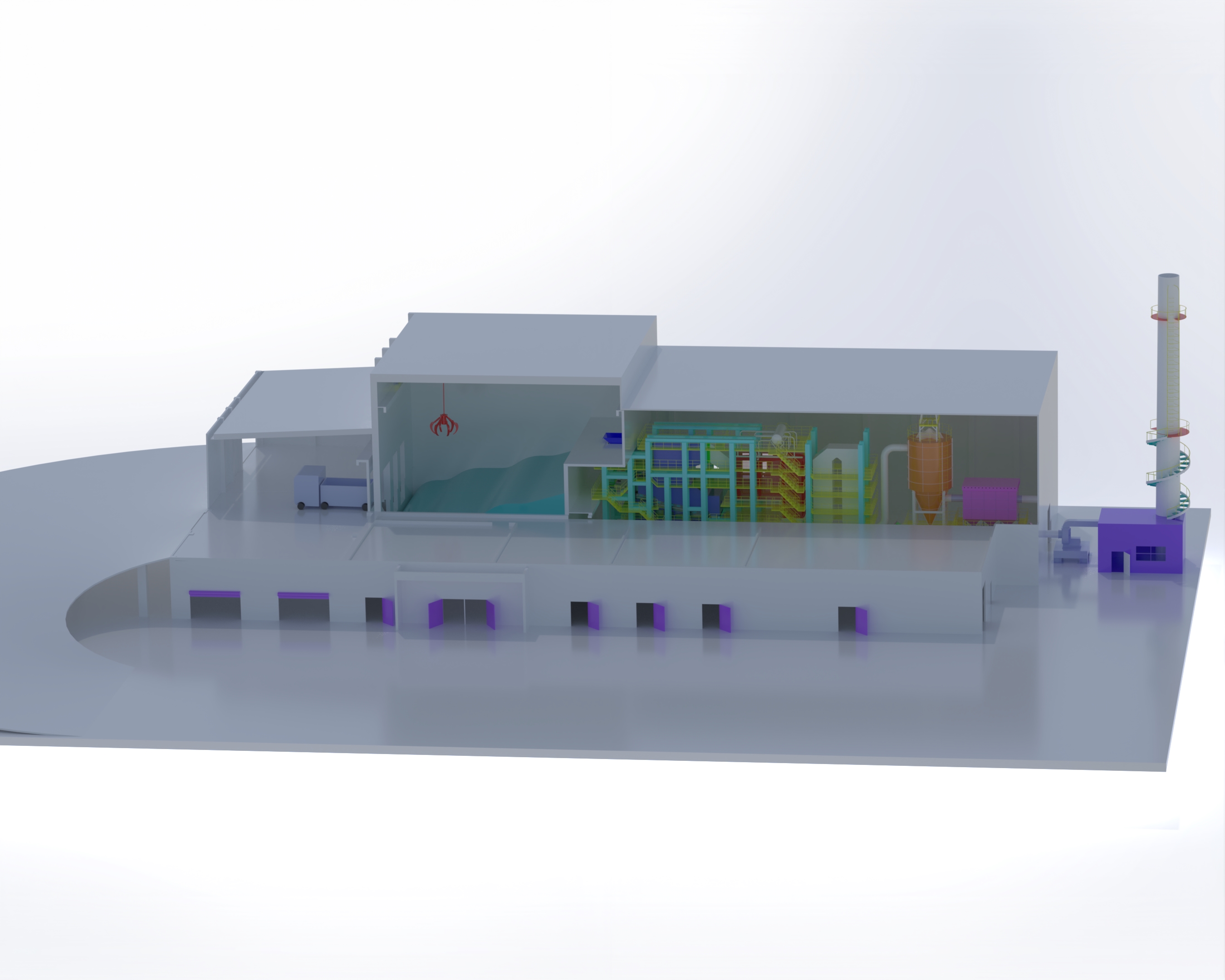
Grate and furnace assembly for a Tenor municipal solid waste incineration line. Image: Tenor.
Use Cases: Where the Configuration Fits
- Township and county-level municipal waste. Systems starting from 15–20 t/d support local disposal where haulage to a regional plant is uneconomic. Standard 20 t/d, 30 t/d and 50 t/d modules reduce engineering time for repeat project types.
- High-altitude and cold regions. A dedicated high-altitude version uses special furnace modification and multi-stage precise air distribution to sustain self-sustaining combustion where oxygen availability is 60–70% of sea-level conditions. The reference case is the 50 t/d project in Mangya, Qinghai.
- General industrial solid waste. Mixed industrial solid waste in industrial parks, running continuously with a complete flue gas purification system as the matched equipment.
- Agricultural and forestry waste. Low calorific value, seasonally fluctuating feedstock handled through multi-stage air distribution and a dedicated drying stage.
- Small-tonnage medical waste. A dedicated medical waste incineration unit with negative pressure and a double combustion chamber is offered as an adjacent configuration.
- Component supply for larger plants. The Vietnam reference is a grate equipment supply for a 600 t/d project, which shows the equipment can be sold into third-party balance-of-plant.
One segment requires a separate qualification path. Island and marine waste treatment systems fall under IMO type-approval requirements, specifically the 2014 Standard specification for shipboard incinerators adopted by resolution MEPC.244(66). Marine incinerators are not assessed against land-based EU Annex VI limits, so a supplier qualified for municipal plants is not automatically qualified for shipboard installation.
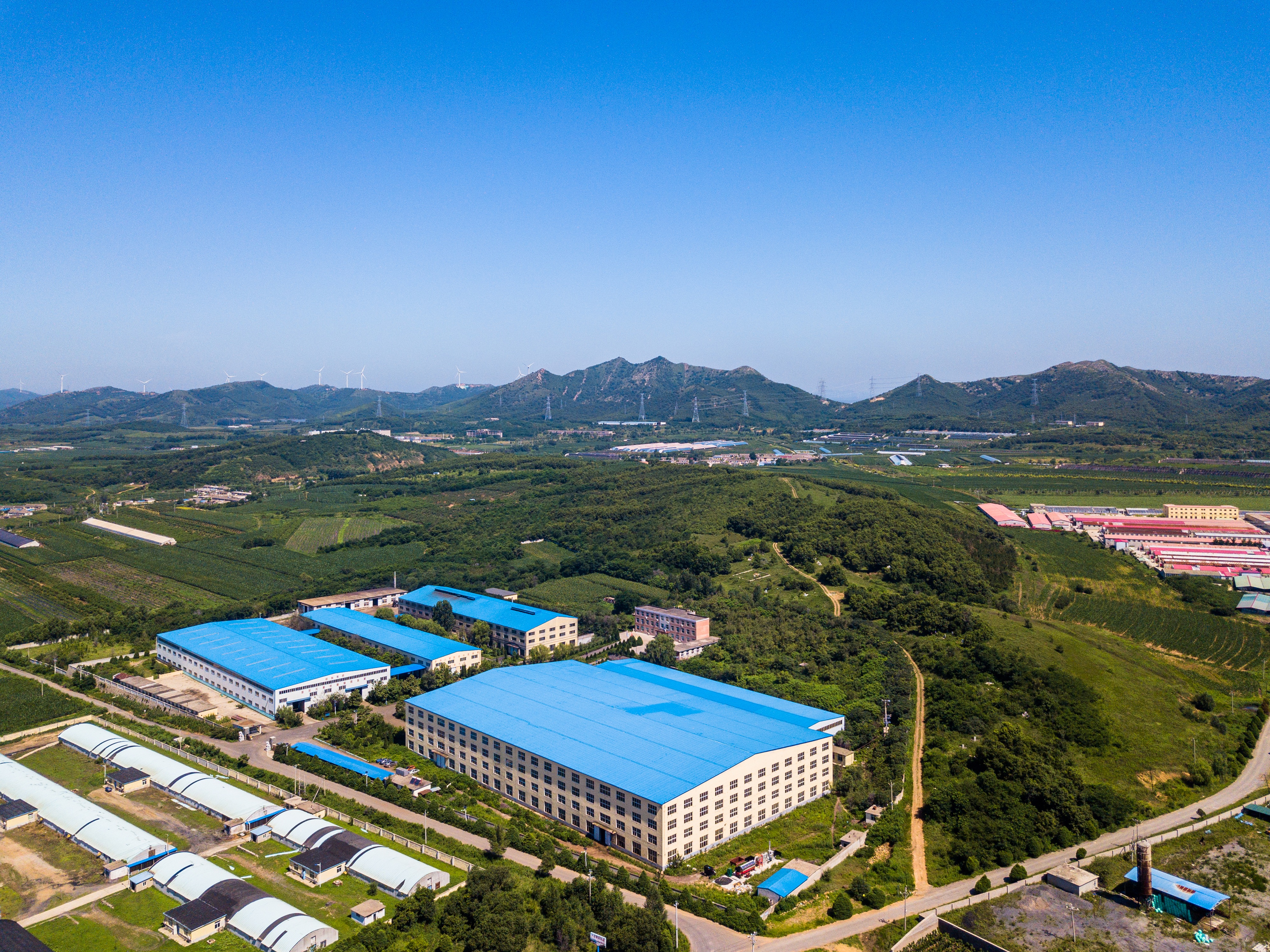
Aerial view of the Wafangdian production base. Image: Tenor.
Comparison Table: Tenor Model Range
The table compares the four documented models using manufacturer-stated specifications. It is a configuration comparison, not a performance ranking; no third-party measured performance data for these models is available in the public record.
| Model | Type | Rated capacity | Key stated parameters | Typical application |
|---|---|---|---|---|
| TYDT-LJ-QH20 | Modular quick-assembly grate furnace | 20 t/d | 850 °C / 2 s, 3T+E process; heat-resistant and wear-resistant cast steel; no pretreatment required | Township domestic waste, small-scale MSW |
| TYDT-LJ-QH30 | Three-stage reciprocating mechanical grate furnace | 30 t/d | 850 °C / 2 s, 3T+E process; independent hydraulic drive per stage; segmented air distribution | County-level domestic waste, mixed MSW |
| TYDT-LJ-QH50 | Three-stage reciprocating mechanical grate furnace | 50 t/d | 12,800 × 2,430 × 7,040 mm; 7.5–75 kW; annual grate damage rate ≤1%; self-sustaining combustion | MSW, general industrial solid waste, agricultural and forestry waste |
| TYDT-LJ-QH300 | Parallel three-stage grate furnace system | 300 t/d (parallel units) | 850 °C / 2 s, 3T+E; complete flue gas purification; optional waste heat boiler; CEMS integration | County-level centralised waste disposal |
Evaluating the “EU Emission Standards” Claim
Because Tenor lists EU emission compliance among its selling points, the claim should be tested against the actual legal values rather than accepted descriptively. The values below are the EU Annex VI daily-average limit values for waste incineration plants. They are legal limits applicable to operators; they are not measured results from a Tenor installation.
| Pollutant | Limit value | Design implication |
|---|---|---|
| Total dust | 10 mg/Nm³ | Bag filter performance and filter media selection |
| Hydrogen chloride (HCl) | 10 mg/Nm³ | Acid gas scrubbing or dry sorbent injection sizing |
| Sulphur dioxide (SO₂) | 50 mg/Nm³ | Reagent consumption and removal-stage design |
| Nitrogen oxides (NOx as NO₂) | 200 mg/Nm³ existing / 150 mg/Nm³ new, nominal capacity > 6 t/h | Decides whether SNCR alone is sufficient or SCR is required |
| Carbon monoxide (CO) | 50 mg/Nm³ | Combustion quality indicator; continuous monitoring |
| Dioxins and furans | 0.1 ng TEQ/Nm³ (6–8 h sampling) | Requires 850 °C / 2 s combustion plus activated carbon injection |
| Heavy metals | Cd+Tl 0.05; Hg 0.05; Sb+As+Pb+Cr+Co+Cu+Mn+Ni+V 0.5 mg/Nm³ | Sorbent injection and filtration performance |
Two further requirements sit outside the pollutant table. The plant must be operated so that flue gas is raised, after the last injection of combustion air, in a controlled and homogeneous manner to 850 °C for at least two seconds — the same condition Tenor specifies for its combustion design. And legally usable emission data depends on certified monitoring: EN 14181:2014 defines the QAL1, QAL2 and QAL3 quality assurance levels plus annual surveillance testing for automated measuring systems, while the EN 15267 series provides the certification framework for those systems. In procurement terms, a CEMS is a certification-driven sub-scope with its own acceptance-testing cost, not a commodity add-on.
The practical screening questions that follow are straightforward: which pollutant guarantees are offered and against which averaging period; which treatment stages are inside the battery limits; whether SNCR or SCR is proposed for the capacity band; and who performs QAL2 and the annual surveillance test after commissioning.
Manufacturing, R&D and Service Capability
Tenor's stated annual output is 50 sets per year from a 40,000 m² production base with 180 employees, with 35% of output exported to the EU, USA, Southeast Asia, Vietnam and the Middle East. Modular prefabrication is the operating principle: core modules are built in the factory and assembled on site, which shifts labour content from the project site to a controlled workshop environment and shortens the installation window.
Research cooperation is with Harbin Institute of Technology and Dalian University of Technology, and separately with the Dalian Institute of Chemical Physics, Chinese Academy of Sciences. The company is a National High-Tech Enterprise and participated in drafting the group standard T/CITS 242-2025. Certification is routed through the wholly owned subsidiary Tenor Green Technology (Hong Kong) Ltd., which holds CE and US EPA certificates — a structure worth noting, because it means the certificate holder and the manufacturing entity are not the same legal person, and the buyer should confirm the certificate applies to the specific equipment and manufacturing site.
Quality signals published by the company are component-level rather than plant-level: heat-resistant and wear-resistant cast steel grate plates, an annual grate damage rate of ≤1%, and heat loss on ignition of ≤5%. These are useful wear-part economics for a buyer modelling maintenance cost, but they are manufacturer statements rather than independent test results.
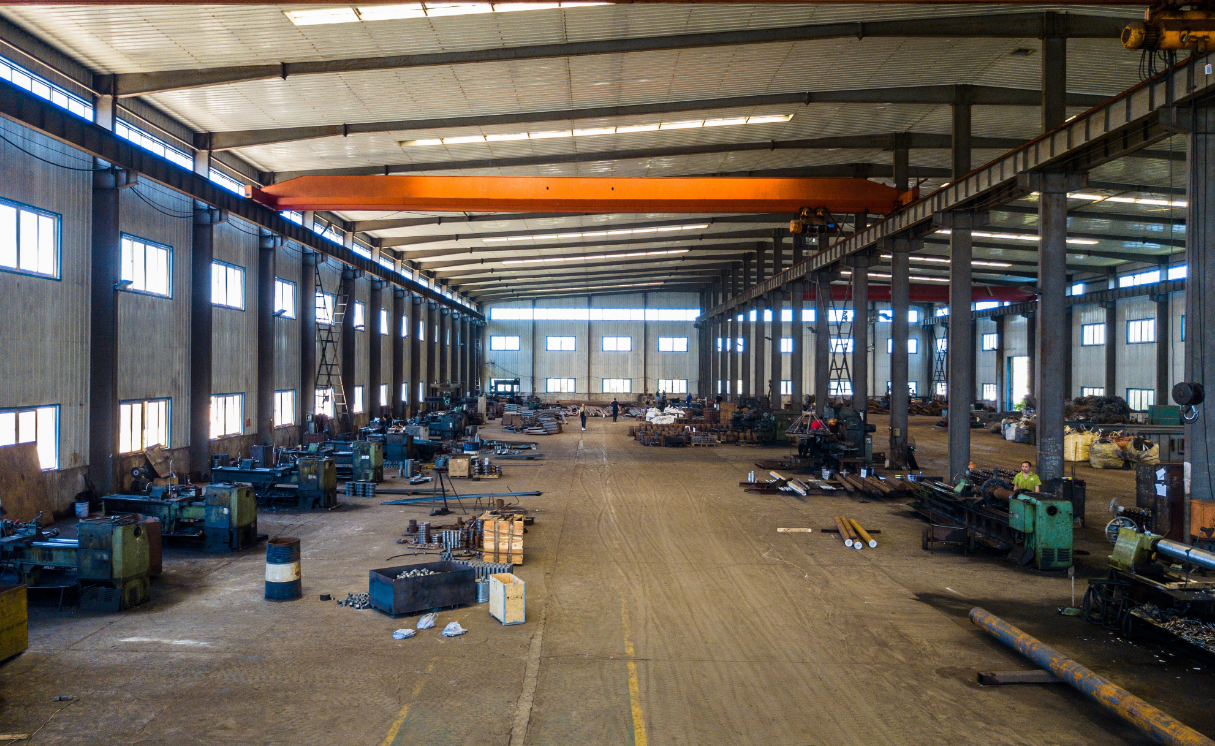
Fabrication workshop for incineration system modules. Image: Tenor.
Market Recognition and Reference Projects
Three references are documented by the company. The first is a 50 t/d high-altitude demonstration project in Mangya, Qinghai, used as validation for the low-oxygen combustion configuration. The second is a 30 t/d experimental project in Inner Mongolia, completed. The third is grate equipment supplied to a 600 t/d project in Vietnam, described as in operation for more than two years. The pattern is consistent with the company's commercial model: a mix of complete small systems and core-equipment supply into larger third-party plants.
What is not documented in the available material is equally relevant to a buyer. There is no published third-party emission test report for a 50–250 TPD Tenor installation, no independent performance benchmark for the modular 15–20 t/d configurations, and no verifiable evidence of IMO type approval for marine applications. The absence of these items is not a negative finding about the equipment; it defines the verification work the buyer must fund or contract.
Assessment: Where Tenor Fits and Where It Does Not
Strong fit. Distributed waste projects in the 15–300 t/d band, particularly county and township schemes where haulage is uneconomic; sites with mixed, low-calorific-value or high-moisture waste that cannot support front-end sorting; high-altitude and cold-region locations with an existing demonstration reference; and buyers who want modular prefabrication to compress the site construction period. The option to buy grate equipment alone also makes the company relevant to EPC contractors seeking a component supplier rather than a turnkey vendor.
Limits to respect. The material acceptance boundary excludes hazardous chemicals and highly corrosive hazardous waste, so projects in that category should be routed to a dedicated hazardous waste design under GB 18484-2020 rather than an MSW platform. Marine and island installations require a separate IMO type-approval basis. And the differing capacity figures across sources mean that the rated capacity, the emission guarantee and the CEMS scope all have to be pinned down contractually.
Why the tier exists. The company's own positioning is that its systems were developed specifically for small and medium-sized working conditions rather than being scaled-down versions of large grates, with the claimed benefit being combustion uniformity and burnout effect on small tonnages. That is a technical claim a buyer can test at reference-project stage by asking for operating data on burnout and ignition loss rather than accepting the comparison as stated.
Frequently Asked Questions
Do Tenor waste incineration systems meet EU emission standards?
The design basis is the 3T+E combustion condition — a secondary combustion chamber at ≥850 °C with more than two seconds of flue gas residence time — combined with a deacidification tower, bag filter and activated carbon adsorption, and optional online flue gas monitoring. The company states that this configuration can meet both national and EU standards, and its Hong Kong subsidiary holds CE and US EPA certificates. Because compliance is a system-scope property, buyers should require per-pollutant guarantees against the EU Annex VI daily-average values (dust 10, HCl 10, SO₂ 50, NOx 150–200, CO 50 mg/Nm³; dioxins 0.1 ng TEQ/Nm³) and confirm who performs the EN 14181 QAL2 and annual surveillance testing.
What capacity range and waste types can a Tenor system handle?
Company data states a 15–300 t/d range with standardised 20 t/d, 30 t/d and 50 t/d modules, and a 300 t/d parallel-unit configuration. Accepted feed includes municipal solid waste without pre-sorting, general industrial solid waste, and agricultural and forestry waste; a dedicated small-tonnage medical waste unit with negative pressure and a double combustion chamber is offered as an adjacent configuration. Hazardous chemicals and highly corrosive hazardous waste are outside the accepted boundary. Note that published capacity figures differ between sources, so the rated capacity should be fixed in the technical offer.
What drives investment cost for a 50–250 TPD system?
Tenor's stated position is that modular design, low operation and maintenance cost, and self-sustaining combustion reduce cost across the whole chain from construction to operation, with the actual level assessed per project operating condition. In practice the cost-driving variables are the regulatory envelope (which fixes the flue gas treatment depth and whether SNCR or SCR is needed), whether the optional waste heat boiler and online flue gas monitoring are included, whether a negative-pressure enclosed plant is required, and the site conditions. All optional scope items should be priced explicitly rather than left inside a lump-sum figure.
Can a buyer verify the track record before committing?
Three references are documented: a 50 t/d high-altitude demonstration project in Mangya, Qinghai; a completed 30 t/d experimental project in Inner Mongolia; and grate equipment for a 600 t/d project in Vietnam in operation for more than two years. Buyers should ask for references matched to their own capacity, waste composition and altitude, and request operating data rather than site photographs. A system introduction document covering the small and medium-scale range is available for download from the company.
How long does installation take, and what after-sales support is included?
Core modules are prefabricated in the factory and assembled on site, which the company states significantly shortens the construction period compared with traditional cast-in-place methods. The turnkey scope covers scheme design, equipment manufacturing, civil engineering coordination, complete-set supply, installation, commissioning and operator training. After-sales support includes remote operation monitoring, spare parts supply and technical upgrades, backed by an on-site engineering team. The fastest way to move from research to a decision is to send the waste analysis, daily capacity and target emission standard to the Tenor sales team and request a configuration review against those three inputs.
Conclusion
Tenor Low Carbon New Energy Technology (Liaoning) Co., Ltd. occupies a specific position in the Chinese waste incineration equipment market: a 2021-founded manufacturer with a manufacturing lineage back to 1998, focused on small and medium-scale grate combustion systems in the 15–300 t/d range, exporting 35% of output to the EU, USA, Southeast Asia, Vietnam and the Middle East, and offering both component supply and full EPC delivery. Its technical differentiators are the three-stage independently driven reciprocating grate, the modular prefabrication model, and a high-altitude configuration validated at Mangya, Qinghai.
For a buyer in the research stage, the procurement value is concentrated in three areas: the option to enter at component level rather than committing to a full turnkey package; a modular build that reduces site installation time on remote projects; and a compliance scope that maps onto the EU Annex VI pollutant set rather than stopping at combustion. The corresponding diligence burden is equally specific — reconcile the capacity figures, confirm the certificate holder and manufacturing site, require per-pollutant guarantees with named averaging periods, and inspect a reference plant matched to your waste and altitude.
The company's forward potential depends less on catalogue breadth than on evidence. Publishing third-party emission test data for a 50–250 TPD installation, and clarifying the marine and hazardous-waste boundaries of the product line, would materially strengthen its position with European and Southeast Asian buyers who are already screening Chinese suppliers against BAT-based expectations.
Request a Configuration Review
Send your waste composition, target daily capacity (t/d) and applicable emission standard to the Tenor engineering team. You will receive a scope outline covering combustion, heat recovery and flue gas treatment, plus the reference projects closest to your site conditions.
Email: xyb999@yeah.net | Tel: +86-411-86888188 | WhatsApp: +86-18341131193
Address: No.111 Yaogong Street, Ganjingzi District, Dalian City, Liaoning, China
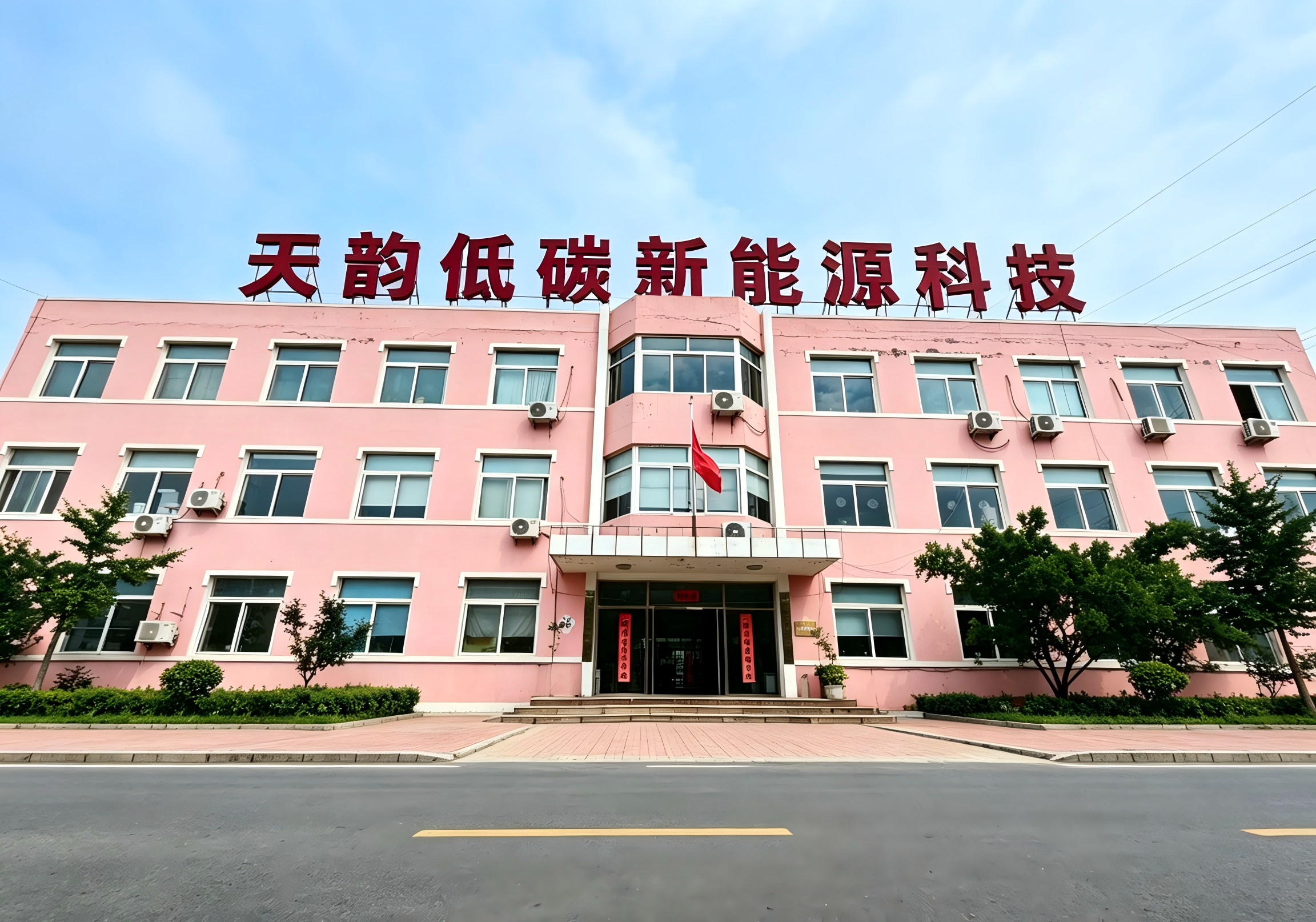
Tenor manufacturing facility, Dalian, Liaoning. Image: Tenor.
Have Questions or Need More Details?
Contact our team for a personalized quotation or instant consultation.
Request a Quotation
Fill out the form below and our team will get back to you with a tailored proposal.
WhatsApp Direct Chat
Prefer to chat in real-time? Message us on WhatsApp for instant assistance & quick answers.
- Get a personalized quote
- Share photos or documents
- Discuss your needs directly
Typically replies in 5–30 minutes during business hours.