
Waste Incineration System: A Buyer's Introduction to 50–250 TPD Projects
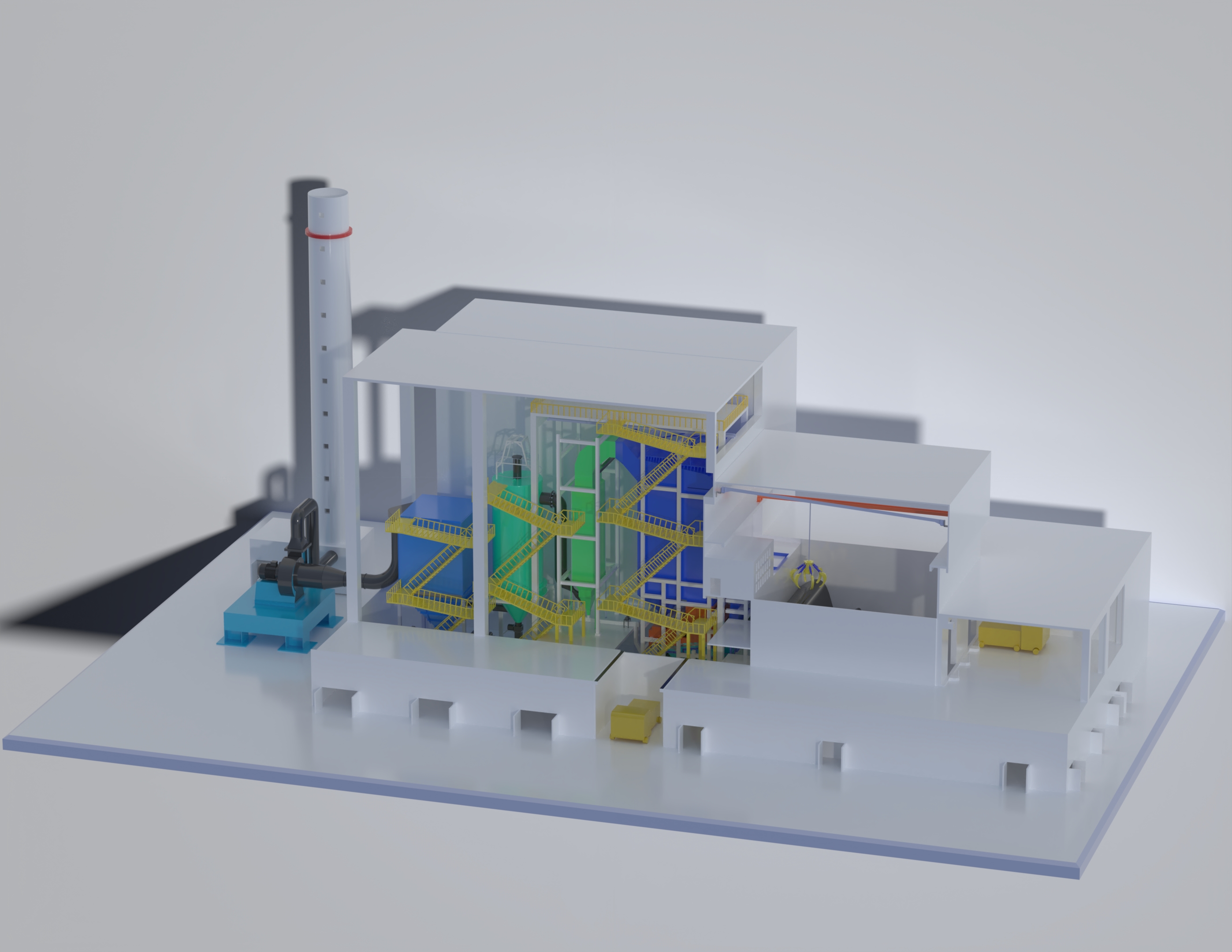
Cover: Tenor Waste Incineration System for municipal solid waste, offered from 15 t/d to 300 t/d in modular and parallel configurations.
A waste incineration system is a complete engineered plant that thermally treats municipal, industrial or agricultural waste at controlled temperature, recovers the released heat as steam, hot water or electricity, and cleans the flue gas before it leaves the stack. In the 50–250 tonnes-per-day (TPD) band it is never a single furnace: it is a matched chain of feeding, grate combustion, secondary combustion, heat recovery, flue gas treatment, ash handling and continuous emission monitoring.
This introduction is written for buyers at the discovery and research stage — county authorities, industrial park operators, island and marine facility managers, EPC contractors and distributors — who need to understand what such a system physically contains, how capacity is defined, what compliance with EU emission standards actually constrains, and where the design and cost decisions sit before any quotation is requested.
- Typical product range for decentralised projects: 15–300 t/d, with standard modules at 20, 30 and 50 t/d and parallel units for 300 t/d.
- Combustion basis: three-stage reciprocating mechanical grate, 850 °C for at least 2 seconds, 3T+E (temperature, time, turbulence plus excess oxygen).
- EU Annex VI compliance is a multi-pollutant constraint, not a single number: dust 10, HCl 10, SO2 50, NOx 150–200, dioxins 0.1 ng TEQ/Nm³.
- The EU capacity threshold of 6 t/h (about 144 TPD) falls inside the 50–250 TPD band and splits it into two regulatory sub-segments.
The Problem: When Waste Volumes Outgrow Transport and Landfill
The first decision in waste infrastructure is usually not which incinerator to buy, but whether the waste should travel at all. Tenor's technical documentation states that in China roughly 80% of county towns collect less than 200 tonnes of garbage per day, and that long-distance centralised transport can cost two to three times as much as local incineration. That cost structure is the origin of the small and medium-scale segment, and of the 50–250 TPD projects that most county-level, island and industrial-park buyers are now scoping.
Once local disposal is accepted, the technical problem becomes one of variability. Untreated municipal solid waste arrives with fluctuating calorific value, high moisture content in wet seasons or tropical climates, irregular particle shapes and no sorting. A system designed around an average fuel value will fail on the worst week of the year, which is why furnace architecture, grate staging and air distribution matter more than headline tonnage on a specification sheet.
Buyers at the research stage typically underestimate four scope items:
- Flue gas treatment. The furnace is the smaller half of an EU-compliant plant; acid gas scrubbing, sorbent injection, filtration and NOx control determine both footprint and cost.
- Heat recovery. Whether the plant sells steam, hot water or electricity changes the boiler, the turbine block and the whole business case.
- Monitoring. Legally usable emission data depends on certified measuring systems and a formal quality-assurance regime, not on a sensor package added at the end.
- Ash and residue handling. Slag removal, ash hoppers and conveying are continuous duties that must match the furnace, not afterthoughts.
Industry Background: Where Grate Furnaces Fit
For municipal solid waste in the 50–300 t/d range, the mechanical grate furnace is the mainstream technology. Tenor's engineering position is that grate furnaces tolerate low and fluctuating waste quality, need no pretreatment, achieve complete combustion and deliver stable emissions — which is why they suit county-level projects. Fluidised bed designs require crushing and specific feed preparation, and pyrolysis or gasification routes have historically struggled with dioxin control on mixed municipal waste. Tenor manufactures three-stage, independently driven reciprocating mechanical grate furnaces and does not produce gasification pyrolysis equipment.
The regulatory backdrop has become the dominant design driver in export markets. In the European Union, Directive 2010/75/EU (the Industrial Emissions Directive) sets binding air emission limit values for waste incineration plants in Annex VI, and Commission Implementing Decision (EU) 2019/2010 establishes the BAT conclusions for waste incineration, which require permit conditions to be reconsidered within four years of publication. In China, GB 18485-2014 governs municipal solid waste incineration and GB 18484-2020 governs hazardous waste incineration. Marine and shipboard units fall under a separate IMO type-approval regime, resolution MEPC.244(66).
Market context supports the direction of travel: one commercial research estimate places the European waste-to-energy market at USD 21.26 billion in 2026, projected to reach USD 37.11 billion by 2034 (Market Data Forecast). That figure is a third-party estimate and should be used as background, not as a project justification.
A practical note for buyers who try to size the market themselves: non-electric industrial furnaces and refuse incinerators share HS heading 84.17 (subheading 8417.80), so customs statistics aggregate incinerators with unrelated furnaces and cannot be used as an incinerator market measure.
Detailed Solution: What a Complete Waste Incineration System Contains
A complete system is defined by its module boundaries, not by its tonnage. Tenor's Tenor Waste Incineration System — manufactured by Tenor Low Carbon New Energy Technology (Liaoning) Co., Ltd., a Dalian-based company founded in 2021 and building on a predecessor business established in 1998 — is organised as a chain of matched modules covering a 15–300 t/d capacity range. The modules below are the ones a buyer should be able to identify in any technical offer.
Supporting diagram: process flow for the 200–300 t/d configuration, from reception and feeding through combustion, heat recovery and flue gas purification.
1. Reception, hopper and hydraulic feeding
Waste is held in a hopper and pushed into the furnace by a hydraulic feeder. The feeder adjusts feed rate to furnace load, which is the first control layer against calorific value swings: over-feeding a wet load smothers combustion, under-feeding it raises excess oxygen and losses.
2. Three-stage reciprocating grate and 3T+E combustion
The furnace is divided into a drying stage, a combustion stage and a burnout stage, each driven by an independent hydraulic cylinder with its own air chamber, segmented air distribution and adjustable stroke. This staging is what allows the same machine to accept mixed municipal waste without pretreatment. Reported performance parameters for the design include an annual grate plate damage rate of ≤1% and heat loss on ignition of ≤5%, with grate plates in heat-resistant and wear-resistant cast steel.
On top of the grate, the 3T+E principle governs dioxin destruction: secondary combustion chamber temperature of at least 850 °C, flue gas residence time of more than 2 seconds, turbulence, and controlled excess oxygen. The 850 °C / 2 s condition is also a legal operating requirement under the EU Industrial Emissions Directive, not merely a vendor preference.
3. Heat recovery: steam, hot water or power
Recovered heat can be used for steam supply, district heating or small-scale power generation, with a waste heat boiler offered as an optional configuration. The commercial logic is reinforced by EU waste law: the R1 energy efficiency formula in Annex II of Directive 2008/98/EC decides whether an incineration plant performing energy recovery counts as a recovery operation, with an efficiency threshold of 0.65 for installations permitted after 31 December 2008 and 0.60 for earlier installations. That is why credible turnkey offers bundle the boiler and energy conversion block rather than selling an incinerator alone.
4. Flue gas treatment
A typical compliant train combines deacidification (such as a deacidification tower), bag filtration, activated carbon or sorbent injection for dioxins and heavy metals, and NOx control. The exact scope follows the target jurisdiction — see the emission table below — and is the single largest variable in the price of an otherwise identical furnace.
5. Slag removal and ash handling
Bottom ash leaves the furnace through a slag-removal system into an ash hopper, with conveying equipment moving residue to storage. Handling capacity has to be sized on the same duty cycle as the grate, because ash extraction is continuous in a 24/7 plant.
6. Controls and online emission monitoring
Online flue gas monitoring (CEMS) is available as an integrated option. In a European context, CEMS is a certification-driven sub-system rather than a commodity add-on: EN 14181:2014 defines the QAL1, QAL2 and QAL3 quality-assurance levels and the annual surveillance test regime for automated measuring systems, while the EN 15267 series specifies the certification of those systems. A supplier claiming EU compliance without certified instrumentation has left part of the compliance scope with the buyer.
Step-by-Step: From Waste Data to Commissioning
The sequence below reflects how a 50–250 TPD project is actually specified. Skipping steps 1 and 2 is the most common cause of a plant that meets its nameplate number and misses its operating reality.
- Characterise the waste. Record composition, moisture, calorific value and seasonal variation. Tenor's own guidance is that the final configuration should not be determined from promotional pages alone; waste testing and process confirmation should be completed before purchase.
- Fix capacity in TPD and cross-check it in t/h. The EU NOx limit differentiates plants above 6 t/h of nominal capacity. Six tonnes per hour is approximately 144 TPD at 24-hour operation, so a 50 TPD unit (about 2.1 t/h) and a 250 TPD unit (about 10.4 t/h) sit on different sides of that threshold. Tenders that mix TPD and t/h without definition create compliance ambiguity.
- Select the module. Standard modules of 20, 30 and 50 t/d can be selected directly, with flexible configuration across 15–300 t/d; larger capacities use parallel three-stage grate units, as in the 300 t/d TYDT-LJ-QH300 configuration. Supply can be limited to the grate body or extended to full EPC.
- Define the energy output. Decide between steam export, hot water and power generation before the boiler specification is fixed; each option changes the heat recovery scope and the revenue model.
- Fix the emission regime. Set the jurisdiction, the applicable limit values and the monitoring obligations. This determines the flue gas treatment train and the CEMS package.
- Adapt to site and climate. High-altitude, cold and high-moisture sites require specific versions. For low-oxygen plateau conditions at 60–70% of sea-level oxygen, Tenor applies special furnace reconstruction and multi-stage precise air distribution to sustain self-sustaining combustion; the 50 t/d Mangya project in Qinghai is the reference case.
- Fabricate and install. Core modules are prefabricated in the factory and assembled on site, which shortens installation compared with cast-in-place construction — a decisive factor for remote sites and for counties that need the plant operating quickly.
- Commission, train and support. Turnkey service covers scheme design, equipment manufacturing, civil engineering coordination, complete set supply, installation, commissioning and operator training, with after-sales support through remote monitoring, spare parts supply and technical upgrades.
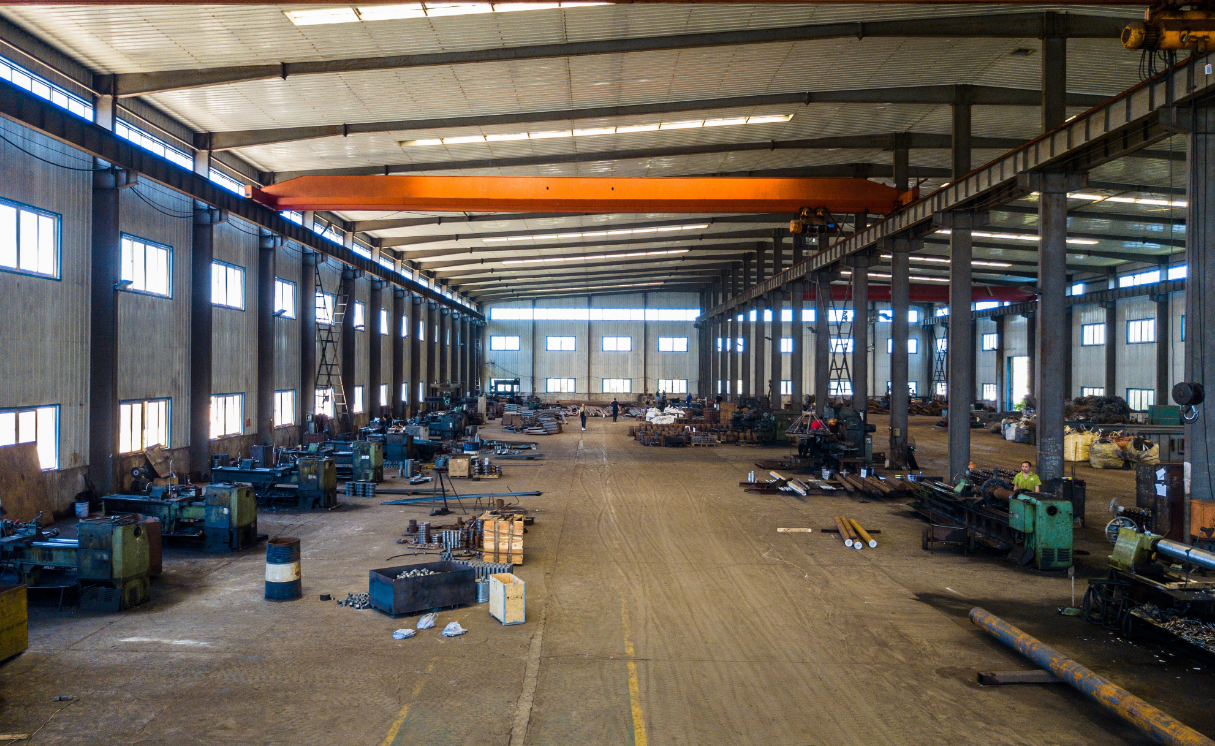
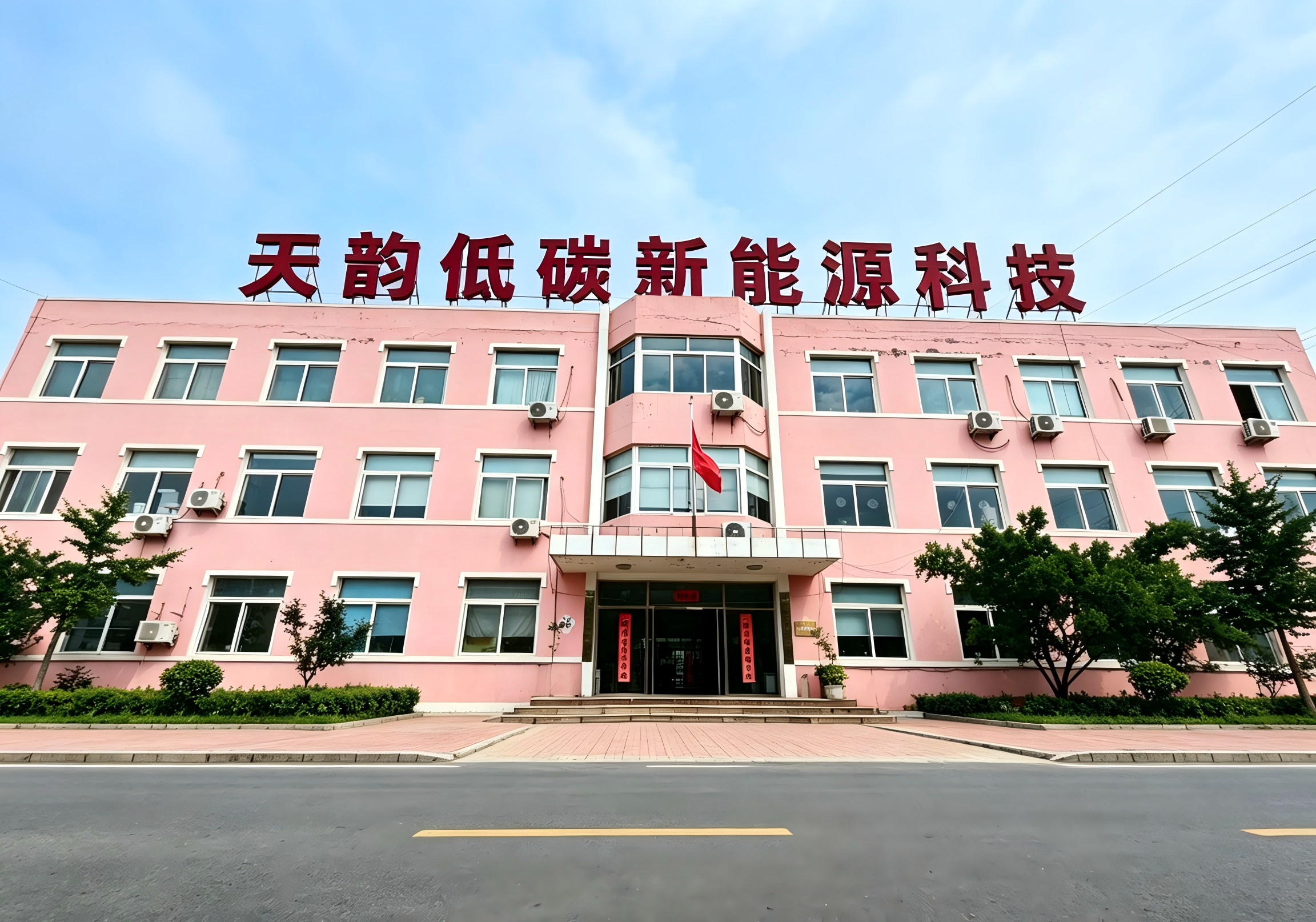
Proof: Tenor production base in Wafangdian, Dalian, where incineration modules are prefabricated before site assembly. Annual output is 50 sets per year, with 35% of output exported to the EU, USA, Southeast Asia, Vietnam and the Middle East.
Configuration Comparison: Tenor Waste Incineration System Models
The table compares the models most often quoted for 50–250 TPD projects. All values are the published configuration data for the Tenor range; the final scope is project-specific.
| Model | Capacity | Furnace type | Combustion basis | Typical application | Notable configuration |
|---|---|---|---|---|---|
| TYDT-LJ-QH20 | 20 t/d | Modular quick-assembly grate furnace | 850 °C / 2 s, 3T+E | Township domestic waste, small-scale MSW | Quick installation, stable operation, no pretreatment required |
| TYDT-LJ-QH30 | 30 t/d | Three-stage reciprocating mechanical grate furnace | 850 °C / 2 s, 3T+E, segmented air distribution | County-level domestic waste, mixed MSW | Independent hydraulic drive per stage, low calorific value adaptation, modular prefabrication |
| TYDT-LJ-QH50 | 50 t/d; 12,800 × 2,430 × 7,040 mm; 7.5–75 kW | Three-stage reciprocating mechanical grate furnace | 850 °C / 2 s, 3T+E | Municipal solid waste, general industrial solid waste, agricultural and forestry waste | Modular assembly, self-sustaining combustion, EU emission compliance, high-altitude adaptation, annual grate damage rate ≤1% |
| TYDT-LJ-QH300 | 300 t/d (parallel units) | Parallel three-stage grate furnace system | 850 °C / 2 s, 3T+E, complete flue gas purification | County-level centralised waste disposal | Turnkey EPC, waste heat boiler optional, CEMS integration, EU standard compliance |
Across the range, core equipment covers feeding, grate, combustion and slag removal systems, in heat-resistant and wear-resistant cast steel for the grate and carbon steel structure elsewhere. Standard modules of 20, 30 and 50 t/d can be combined with parallel units where a single line would be too large.
What EU Emission Standards Actually Require
A claim of EU emission compliance is verifiable against a fixed set of limit values. Under Directive 2010/75/EU Annex VI, Part 3, the following daily averages apply to waste incineration plants, measured in flue gas under standard reference conditions (dry gas, 273 K, 101.3 kPa, corrected to 11% O2).
| Pollutant | EU limit value | What it drives in the system design |
|---|---|---|
| Total dust | 10 mg/Nm³ (daily average) | Bag filtration performance and filter sizing |
| Hydrogen chloride (HCl) | 10 mg/Nm³ (daily average) | Acid gas scrubbing stage and reagent dosing |
| Sulphur dioxide (SO2) | 50 mg/Nm³ (daily average) | SO2 removal and reagent consumption estimate |
| Nitrogen oxides (NOx as NO2) | 200 mg/Nm³ existing plants; 150 mg/Nm³ new plants, both for nominal capacity above 6 t/h (daily average) | Whether SNCR alone is sufficient or SCR is required |
| Dioxins and furans | 0.1 ng TEQ/Nm³ (6–8 hour sampling) | 850 °C / 2 s combustion control plus activated carbon injection |
| Carbon monoxide (CO) | 50 mg/Nm³ (daily average) | Secondary and tertiary air design, temperature control |
| Heavy metals | Cd + Tl 0.05 mg/Nm³; Hg 0.05 mg/Nm³; Sb + As + Pb + Cr + Co + Cu + Mn + Ni + V 0.5 mg/Nm³ | Sorbent injection and filter performance |
| Operating condition | 850 °C for at least 2 seconds after the last combustion air injection | Secondary combustion chamber design and refractory specification |
Two cautions follow from this table. First, BAT-associated emission levels under Commission Implementing Decision (EU) 2019/2010 are permitting benchmarks, not the same instrument as the Annex VI limit values, and the two must never be averaged or presented as one number set. Second, the Chinese national standard GB 18485-2014 also sets a dioxin limit of 0.1 ng TEQ/Nm³, but with different averaging periods, reference oxygen content and monitoring rules; equivalence with the EU regime cannot be asserted without a clause-by-clause comparison. Tenor states that its 3T+E combustion basis combined with deacidification, bag dust collection and activated carbon adsorption can meet Chinese national and EU standards, and CE and US EPA certificates are held by its wholly owned subsidiary Tenor Green Technology (Hong Kong) Ltd.
Use Cases: Matching the System to the Waste Stream
Configuration follows the waste, not the reverse. The cases below are the operating scenarios Tenor specifies for the range.
| Application | Operating pattern | Configuration emphasis |
|---|---|---|
| Municipal solid waste, county-level WTE plant | 24/7 continuous, mixed MSW | Deacidification tower + bag filter + activated carbon + CEMS; explosion-proof, negative-pressure sealed plant |
| Township domestic waste | 24/7 continuous, tropical climate and high moisture | Waste heat boiler + flue gas purification; modular assembly for rapid deployment |
| General industrial solid waste, industrial park | 24/7 continuous, mixed industrial waste | Complete flue gas purification system; IP65 protection for outdoor lines |
| Agricultural and forestry waste | Seasonal operation, low calorific value, seasonal fluctuation | Multi-stage air distribution plus drying stage for low calorific value adaptation |
| High-altitude waste, plateau region | 24/7 continuous, low oxygen at 60–70% of sea level, severe cold | High-altitude special version with ducting system and high-altitude air distribution; self-sustaining combustion |
| Small-tonnage medical waste | Batch operation, hazardous feed | Dedicated medical waste incineration unit with negative pressure and double combustion chamber |
Material boundaries matter as much as applications. The systems accept urban and township domestic waste, general industrial solid waste, agricultural and forestry waste, and small-tonnage medical waste units as an option. Hazardous chemicals and highly corrosive hazardous waste are outside the accepted range, and hazardous waste incineration in China is regulated separately under GB 18484-2020 rather than GB 18485-2014.
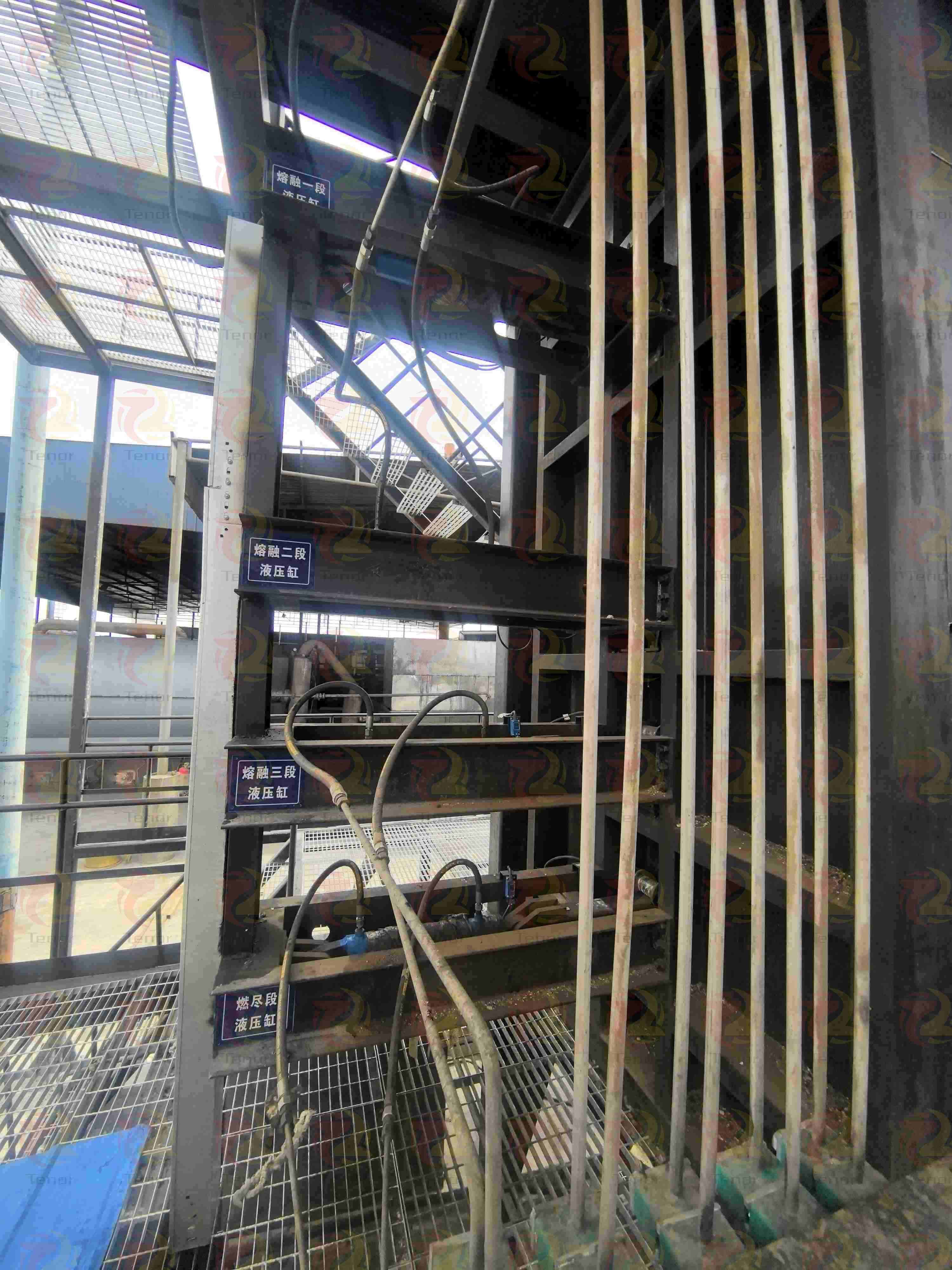
Supporting image: compact modular configuration used for township and small-scale municipal waste, assembled from factory-prefabricated modules.
FAQ: Common Questions at the Research Stage
Which emission standards can a waste incineration system be designed to meet?
Compliance is defined per jurisdiction. For the EU, the reference is Directive 2010/75/EU Annex VI, Part 3, which sets daily-average limits including dust 10 mg/Nm³, HCl 10 mg/Nm³, SO2 50 mg/Nm³, NOx 200 mg/Nm³ for existing and 150 mg/Nm³ for new plants above 6 t/h, CO 50 mg/Nm³, dioxins and furans 0.1 ng TEQ/Nm³, and heavy metals at 0.05 mg/Nm³ for Cd + Tl, 0.05 mg/Nm³ for Hg and 0.5 mg/Nm³ for the combined metals group, plus the mandatory 850 °C / 2 s operating condition. In China, GB 18485-2014 governs municipal solid waste incineration and GB 18484-2020 governs hazardous waste incineration, with their own averaging and monitoring rules. Tenor's design uses a 3T+E combustion basis with deacidification, bag dust collection and activated carbon adsorption, and states that the system can meet Chinese national and EU standards.
What capacity range is available for a 50–250 TPD project, and can it be adjusted?
Tenor offers flexible configuration from 15–300 t/d. Standard modules of 20, 30 and 50 t/d can be selected directly and combined; the 300 t/d TYDT-LJ-QH300 uses parallel three-stage grate units. Smaller projects can start from 15–20 t/d for local township disposal, and the supply scope can be limited to the grate body or extended to a turnkey EPC project covering design, manufacturing, civil coordination, installation, commissioning and training.
What drives the cost of a waste incineration system?
Published industry benchmarks place capital expenditure for modern waste-to-energy plants at roughly USD 150,000–250,000 per tonne of daily capacity; this is an order-of-magnitude reference for budgeting, not a quotation. Within that range, four scope items move the number most: the flue gas treatment train required by the target jurisdiction, whether a waste heat boiler and energy conversion block are included, the CEMS and certification package, and site-specific adaptation for altitude, cold or moisture. Tenor's position is that modular design, self-sustaining combustion and low operation and maintenance cost reduce total cost from construction through operation, with the specific figure assessed against project operating conditions.
Can a system be validated before the full plant is committed?
Validation starts with waste data rather than hardware. Tenor's guidance is that suitability depends on waste composition, moisture, calorific value, throughput and local regulations, so waste testing and process confirmation should be completed before purchase. Reference operation supports the same logic: a 50 t/d high-altitude demonstration project in Mangya, Qinghai, is running stably; a 30 t/d experimental project in Inner Mongolia has been completed; and grate equipment has been supplied for a 600 t/d project in Vietnam that has operated for more than two years. Because modules are prefabricated in the factory and assembled on site, fabrication and site construction are separate stages, which gives buyers a defined point to inspect equipment before shipment.
How long does installation take, and what affects the schedule?
No single figure applies, because schedule is driven by the confirmed waste data, the flue gas treatment scope, site conditions and grid-connection requirements. What can be stated structurally is that factory prefabrication combined with on-site assembly shortens the installation period compared with cast-in-place construction, which is the main reason modular configurations are used for remote, island and county-level sites. After commissioning, support continues through remote monitoring, spare parts supply and technical upgrades. To obtain a project-specific schedule, send the waste analysis and target daily capacity to the Tenor sales team at xyb999@yeah.net or +86-411-86888188.
Next step: share your waste composition and target TPD to receive a configuration proposal and quotation.
Conclusion: What to Decide First
For a 50–250 TPD project, the useful sequence is waste data first, capacity definition second, emission regime third, and equipment selection last. Get those three in order and the furnace, boiler, flue gas train and monitoring package follow logically from the requirement rather than from a catalogue page. Get them out of order and the most common failure is not an under-performing furnace but an under-scoped plant: a compliant combustor with an incomplete abatement train, or an EU-facing offer built on a design baseline written for a different jurisdiction.
Tenor Low Carbon New Energy Technology (Liaoning) Co., Ltd. designs, manufactures and commissions complete waste incineration equipment from its base in Dalian, Liaoning, with a production base in Wafangdian, an annual output of 50 sets per year, a 35% export share across the EU, USA, Southeast Asia, Vietnam and the Middle East, and a National High-Tech Enterprise status that includes participation in drafting the group standard T/CITS 242-2025 and R&D cooperation with Dalian University of Technology and the Dalian Institute of Chemical Physics, Chinese Academy of Sciences.
Request a Configuration Proposal
Send your waste composition, moisture and calorific value data together with your target daily capacity to receive a matched module selection, a flue gas treatment scope for your jurisdiction and a budgetary quotation.
Email: xyb999@yeah.net | Tel: +86-411-86888188 / +86-18341131193 | WhatsApp: +86-18341131193
Address: No.111 Yaogong Street, Ganjingzi District, Dalian City, Liaoning, China | Website: www.tenorincinerator.com
Download the technical brochure: Introduction to Tenor Small and Medium Scale Garbage Incineration Systems (PDF)
Have Questions or Need More Details?
Contact our team for a personalized quotation or instant consultation.
Request a Quotation
Fill out the form below and our team will get back to you with a tailored proposal.
WhatsApp Direct Chat
Prefer to chat in real-time? Message us on WhatsApp for instant assistance & quick answers.
- Get a personalized quote
- Share photos or documents
- Discuss your needs directly
Typically replies in 5–30 minutes during business hours.