
Aerosol Cosmetic Spray for Every Routine: Sunscreen, Deodorant, Dry Shampoo & More
Aerosol Cosmetic Spray for Every Routine: Sunscreen, Deodorant, Dry Shampoo & More
Aerosol cosmetic sprays are no longer a single-category product. Brands now build entire personal care lines around spray formats — sunscreen spray for the beach, deodorant spray for daily freshness, dry shampoo spray for busy mornings, setting spray for makeup longevity, body fragrance mist, scalp refreshing spray, after-sun care, intimate care, and hand & foot moisturizing spray. This guide maps each spray category to its formulation, packaging, compliance, and sourcing requirements, so a brand can select the right aerosol cosmetic spray manufacturer without guessing.
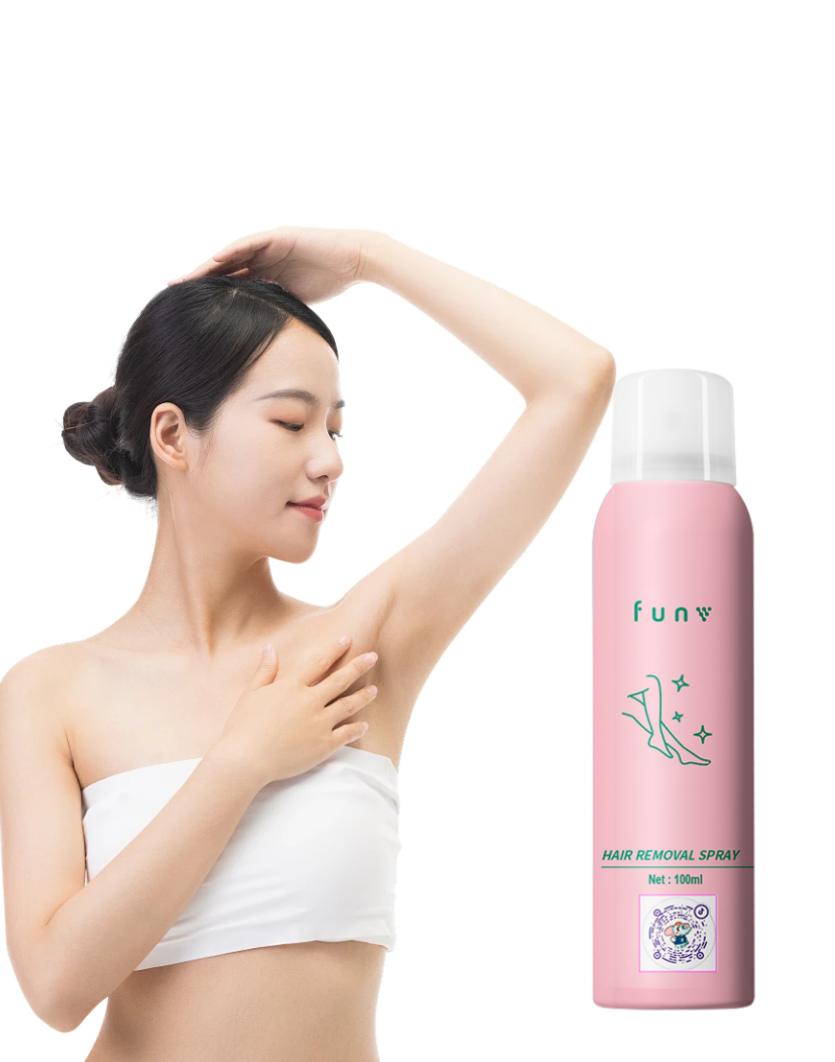
Aerosol cosmetic sprays cover sun care, hair care, body care, and makeup categories.
The Core Problem: Aerosol Cosmetic Spray Selection Depends on the Use Case, Not the Can
Many buyers start a search with the single phrase "aerosol cosmetic spray" and expect one supplier to fit every product. That assumption creates formulation, compliance, and filling problems later. A deodorant spray needs a different active system and pH profile than a dry shampoo; a sunscreen spray must meet specific SPF and water-resistance requirements; a setting spray must balance film-forming polymers with skin compatibility. Each use case changes the can, the valve, the propellant, and the regulatory checklist.
The reliable selection path is not to ask "who makes aerosol sprays?" but to define the specific application first. Once the product category is clear, a brand can evaluate a manufacturer on formulation experience, filling line capability, propellant compatibility, certifications, and lead time. This article explains how that evaluation works for the most common personal care aerosol categories.
Why Spray Formats Are Expanding Across Personal Care
The global cosmetic spray market was valued at USD 18.3 billion in 2025 and is projected to reach USD 31.8 billion by 2034. The format appeals to consumers because it is fast, non-contact, and easy to apply on hard-to-reach areas. In sun care, for example, sprays reduce the friction of applying lotion over large body surfaces. In hair care, dry shampoo spray solves the need for quick oil absorption between washes. In makeup, a setting spray locks a look without disturbing the products underneath.
Within this broader market, the sunscreen spray segment is projected to grow from USD 786.7 million in 2026 to USD 1.54 billion by 2035 at a CAGR of 7.8%. Asia Pacific already dominates the daily sunscreen spray market with a 42.3% revenue share in 2025, driven by UV awareness in Australia and East Asia. For a brand planning a new aerosol product, the growth data supports a clear direction: sunscreen spray and other functional sprays are not fringe SKUs; they are mainstream product decisions.
Aerosol Cosmetic Spray Categories and Their Sourcing Requirements
1. Sunscreen Spray
Sunscreen spray is the most compliance-heavy aerosol category in personal care. A typical broad-spectrum formulation combines organic UV filters with skin-conditioning ingredients. One proven example is the Sunscreen Spray SC-001 manufactured by Tentop: it contains Avobenzone, Homosalate, Octocrylene, Glycerin, and Aloe Vera Extract, offers SPF 50+ broad-spectrum protection, is water-resistant for 80 minutes, and is available in 150ml, 200ml, or 300ml sizes. Because sun care claims are regulated, a manufacturer must be able to support SPF testing and label claims with credible quality systems.
2. Deodorant Spray
Deodorant spray and antiperspirant deodorant spray are different formulations. The Deodorant Spray DS-001 uses Aluminum Chlorohydrate, Glycerin, Aloe Vera Extract, and Fragrance, and is positioned for long-lasting odor control. It is available in 150ml, 200ml, or 250ml. When sourcing deodorant aerosol, check the active ingredient, fragrance stability, and compatibility with aluminum cans. Antiperspirant claims also trigger stricter regulatory scrutiny in several markets.
3. Dry Shampoo Spray
Dry shampoo spray relies on starch or silica to absorb oil. Dry Shampoo DS-001 uses Tapioca Starch, Silica, Panthenol, and Fragrance, with features such as instant oil absorption, volumizing, no white residue, and refreshing effect. It is made in 150ml, 200ml, or 250ml. For tropical markets, a manufacturer may need to adjust the formulation so that the powder does not cake under high humidity. A real example is the Vietnamese private label program described later in this article.
4. Setting Spray / Makeup Spray
A setting spray, also called makeup fixing spray, gives a finish while extending wear. The Makeup Spray MS-001 contains Acrylates Copolymer, Glycerin, Aloe Vera Extract, and Alcohol Denat., and offers 16-hour hold, waterproof and sweatproof performance, with matte or dewy finish options, in 100ml, 150ml, or 200ml. When sourcing a makeup spray, confirm film-forming behavior on different skin types and the finish the brand wants to claim.
5. Body Fragrance Mist
Body fragrance mist is a lighter alternative to perfume. It can be alcohol-based or water-based and often carries a milder scent intensity. Aerosol fragrance mists require careful valve selection to create a fine, even mist. The sourcing priority is fragrance quality, ethanol quality, propellant compatibility, and packaging aesthetics.
6. Scalp Refreshing Spray
Scalp refreshing spray targets the scalp rather than the hair lengths. It may contain cooling agents, botanical extracts, or ingredients that help balance the scalp. The formulation should be gentle because it stays on the skin. Packaging should support a precise spray pattern.
7. After-Sun Soothing Spray
After-sun spray soothes skin that has been exposed to UV. It often includes Aloe Vera Extract, panthenol, and moisturizers. Because the skin is already irritated, the formula should avoid harsh alcohol or fragrance. This category overlaps with moisturizing spray but with a stronger post-exposure positioning.
8. Intimate Care Spray
Intimate care spray is a sensitive category. It requires a formula with a skin-friendly pH, minimal irritants, and stricter safety review. A manufacturer should be able to follow GMP and keep the production line dedicated to such sensitive products where required. The pH of a product like the Moisturizing Spray MS-001 is 5.5–6.5, which shows the type of skin-friendly range expected in sensitive care products.
9. Hand & Foot Moisturizing Spray
Moisturizing sprays are growing beyond facial mists. The Moisturizing Spray MS-001 combines Glycerin, Aloe Vera Extract, Hyaluronic Acid, and Panthenol for deep hydration in 100ml, 150ml, or 200ml. Hand and foot versions often add richer emollients. Because the spray is dispensed onto small areas, the valve should produce a controlled amount.
The table below summarizes how each category maps to existing formulations and production considerations.
| Application Category | Formulation Priorities | Common Sizes | Key Compliance or Quality Focus |
|---|---|---|---|
| Sunscreen Spray | UV filters, water resistance, skin feel | 150 / 200 / 300 ml | SPF claims, water resistance testing |
| Deodorant Spray | Odor control, antiperspirant actives | 150 / 200 / 250 ml | Active ingredient compliance |
| Dry Shampoo Spray | Oil absorption, no visible residue | 150 / 200 / 250 ml | Powder particle size, residue performance |
| Setting / Makeup Spray | Film-forming polymers, finish | 100 / 150 / 200 ml | Wear time claims, skin compatibility |
| Body Fragrance Mist | Fragrance quality, mist fine-ness | 100 / 150 / 200 ml | Ethanol quality, fragrance stability |
| Scalp Refreshing Spray | Cooling, scalp balance | 100 / 150 / 200 ml | Dermatological gentleness |
| After-Sun Soothing Spray | Soothing, moisturizing | 150 / 200 ml | Low irritation, post-UV suitability |
| Intimate Care Spray | pH balance, mild ingredients | 100 / 150 ml | Safety review, dedicated production |
| Hand & Foot Moisturizing Spray | Hydration, emollience | 100 / 150 / 200 ml | Non-greasy absorption |
Manufacturing Capabilities That Decide Aerosol Outcomes
After the application is defined, the next step is to verify the factory can actually execute it. Aerosol production is more complex than liquid filling because propellant systems, pressure limits, and aerosol-specific safety rules all affect the final product.
Filling Lines and Production Capacity
An aerosol manufacturer should have dedicated lines for different types of products. Zhongshan Tentop Fine Chemical Co., Ltd. (TT Chem), a professional cosmetic and household product factory founded in 2007, operates 4 high-speed aerosol filling lines, 3 BOV (bag-on-valve) aerosol lines, and 2 liquid filling lines. The facility has an annual production capability of over 100 million units across these lines. Having both traditional aerosol and BOV lines is important because BOV is preferred for sensitive formulas, such as those that must not contact propellant, or for high-viscosity products.
Propellant Options
Different products require different propellants. A contract manufacturer must be able to handle hydrocarbons, DME (dimethyl ether), HFO 152a, HFO 1234ze, nitrogen, and CO2. DME is often used in water-based sprays because it is partially water-miscible; hydrocarbons are common in alcohol-based sprays; nitrogen and CO2 provide compressed-gas alternatives with lower flammability. If a supplier cannot handle the right propellant, the formulation and spray performance cannot be optimized.
Formulation R&D and Testing
A strong OEM partner should provide formulation, development, and testing before full production. Tentop reports over 6,000 formulas and 42 patents, supported by a team of 60 engineers. For private label brands, this level of formulation depth reduces the time spent fixing stability or compatibility issues after launch. A quality management team that operates from raw materials through production to finished products, and records inspections, is also a practical signal.
Factory Environment and Certifications
Cosmetic aerosols require controlled manufacturing. The table below lists the main certifications relevant to aerosol cosmetic spray sourcing in 2026.
| Certification / Regulation | Market Relevance | Purpose |
|---|---|---|
| ISO 22716 | Global | Internationally recognized GMP for cosmetics |
| FDA MoCRA 2022 | USA | Facility registration and product listing |
| EU Directive 75/324/EEC | EU | Safety of aerosol dispensers |
| EU Regulation (EC) No 1223/2009 | EU | Cosmetic product safety requirements |
| Halal MUI | Indonesia / Muslim markets | Halal certification for cosmetics |
Tentop states that it has obtained certifications including ISO 9001, 14000, 22716, GMPc, 45001, Halal MUI, SMETA, and Disney. For a brand exporting to different regions, these certifications should be verified and matched to the destination market rather than assumed.
Step-by-Step Sourcing Process for an Aerosol Cosmetic Spray Program
- Define the application. Specify the product category (e.g., sunscreen spray, deodorant spray, dry shampoo spray), the claimed benefit, and the target market. This determines the formula and compliance path.
- Shortlist manufacturers by filling capability. Confirm the supplier has aerosol lines and the propellant handling you need. If the product is sensitive, ask about BOV lines.
- Evaluate formulation experience. Ask whether the supplier can handle your active ingredients, pH, viscosity, and stability requirements. Request formulation support if you are a brand without an in-house chemist.
- Check quality and compliance evidence. Review certifications, factory audits, and testing records. For the US market, verify MoCRA readiness; for the EU, verify compliance with the Aerosol Dispensers Directive and the EU Cosmetic Regulation.
- Confirm commercial terms. Check MOQ, lead time, customization options, and communication workflow. A typical MOQ in the industry can be around 10,000 units, but this varies by manufacturer.
- Run a pilot or sample test. Before scaling, test spray performance, formula stability, and packaging compatibility. A manufacturer that supports remote technical support and after-sales tracking is more likely to help you troubleshoot.
Real Application: Dry Shampoo Spray for a Tropical Market
One example of application-driven aerosol development comes from a private label client in Vietnam. The client needed a dry shampoo spray that could stay fresh and fluffy in a tropical humid climate. Tentop delivered a refreshing dry shampoo spray tailored to those conditions, achieved stable mass production, and maintained a long-term partnership over 3 years. This case shows that matching the formula to the climate and usage pattern is part of the value a manufacturer provides.
Real Application: Halal-Certified Sunscreen Spray for Indonesia
A private label client in Indonesia sourced a Halal-certified sunscreen spray that also had to meet FDA cGMP standards. The project covered sunscreen, waterproof, and skin whitening requirements. Tentop delivered the product, met the required standards, and established long-term cooperation. For brands targeting Southeast Asian markets, Halal certification and GMP compliance are not optional extras; they are central to market access.
Practical Sourcing Checklist
- Confirm the exact aerosol category and formulation requirement before approaching suppliers.
- Verify the filling lines: high-speed aerosol, BOV, and liquid lines each serve different products.
- Ask about propellant compatibility: hydrocarbons, DME, 152a, 1234ze, nitrogen, CO2.
- Review GMP and destination-market certifications: ISO 22716, MoCRA, EU Cosmetic Regulation, Halal where relevant.
- Check MOQ and lead time against your launch plan.
- Request a pilot batch or sample to validate spray pattern, stability, and packaging.
- Confirm after-sales support, including remote technical assistance and quality follow-up.
Frequently Asked Questions
What certifications should an aerosol cosmetic spray manufacturer have?
For global sourcing, a manufacturer should operate to ISO 22716, the international GMP standard for cosmetics. If you sell into the United States, the manufacturer must be ready to comply with the Modernization of Cosmetics Regulation Act of 2022 (MoCRA), which requires facility registration and product listing. For the European Union, aerosol products must comply with Directive 75/324/EEC on aerosol dispensers and Regulation (EC) No 1223/2009 on cosmetics. Depending on your destination market, additional certification such as Halal MUI may be required; for example, Tentop states that it holds ISO 9001, 14000, 22716, GMPc, 45001, Halal MUI, SMETA, and Disney certifications. Always verify the certificates against the destination market's actual requirements.
Can one manufacturer produce sunscreen spray, deodorant spray, and dry shampoo spray in the same facility?
Yes, a full-range aerosol manufacturer can produce multiple categories, but you should verify that it has the right equipment and formulation expertise. For example, Zhongshan Tentop Fine Chemical Co., Ltd. operates 4 high-speed aerosol filling lines, 3 BOV aerosol lines, and 2 liquid filling lines, and produces products such as sunscreen spray, makeup spray, moisturizing spray, removal spray, dry shampoo, and hair styling spray. The same facility can handle different formulas, but each product should still be reviewed for active ingredient compatibility, propellant selection, and cross-contamination risk.
What is the typical MOQ and lead time for an aerosol cosmetic spray order?
MOQ and lead time vary by manufacturer and product complexity. In the capability unit described in this article, the MOQ is 10,000 units and the production lead time is 45–60 days, with a monthly capacity of 5,000,000 units. A simple single-SKU run may fit within that range, while a new formulation or special packaging could take longer because of stability testing and trial batches. Ask the manufacturer for a schedule based on your specific formula, pack size, and certification requirements.
How do I order a sample or get a quotation?
When you are ready to evaluate a manufacturer, send them your product category, target market, desired size, and approximate volume. For Tentop, you can contact William by email at william_xu@tentopchem.com, by phone or WhatsApp at +86 18938701268, or request the company brochure for a complete capability overview. A clear brief will help the team recommend a formula and provide a more accurate quotation.
Conclusion
Aerosol cosmetic spray is not one product; it is a format with many application layers. Sunscreen spray, deodorant spray, dry shampoo spray, setting spray, body fragrance mist, and other specialty sprays each have their own formulation logic, packaging requirements, and compliance path. The starting point for a successful sourcing program is to define the use case first, and then evaluate manufacturers on formulation depth, filling technology, propellant handling, certifications, and commercial reliability. With the right manufacturer, a brand can build a product line that is not only safe and compliant but also competitive in the way it performs for the consumer.
Get the full capability overview
Download the Tentop brochure to review filling lines, certifications, and service scope.
Have Questions or Need More Details?
Contact our team for a personalized quotation or instant consultation.
Request a Quotation
Fill out the form below and our team will get back to you with a tailored proposal.
WhatsApp Direct Chat
Prefer to chat in real-time? Message us on WhatsApp for instant assistance & quick answers.
- Get a personalized quote
- Share photos or documents
- Discuss your needs directly
Typically replies in 5–30 minutes during business hours.