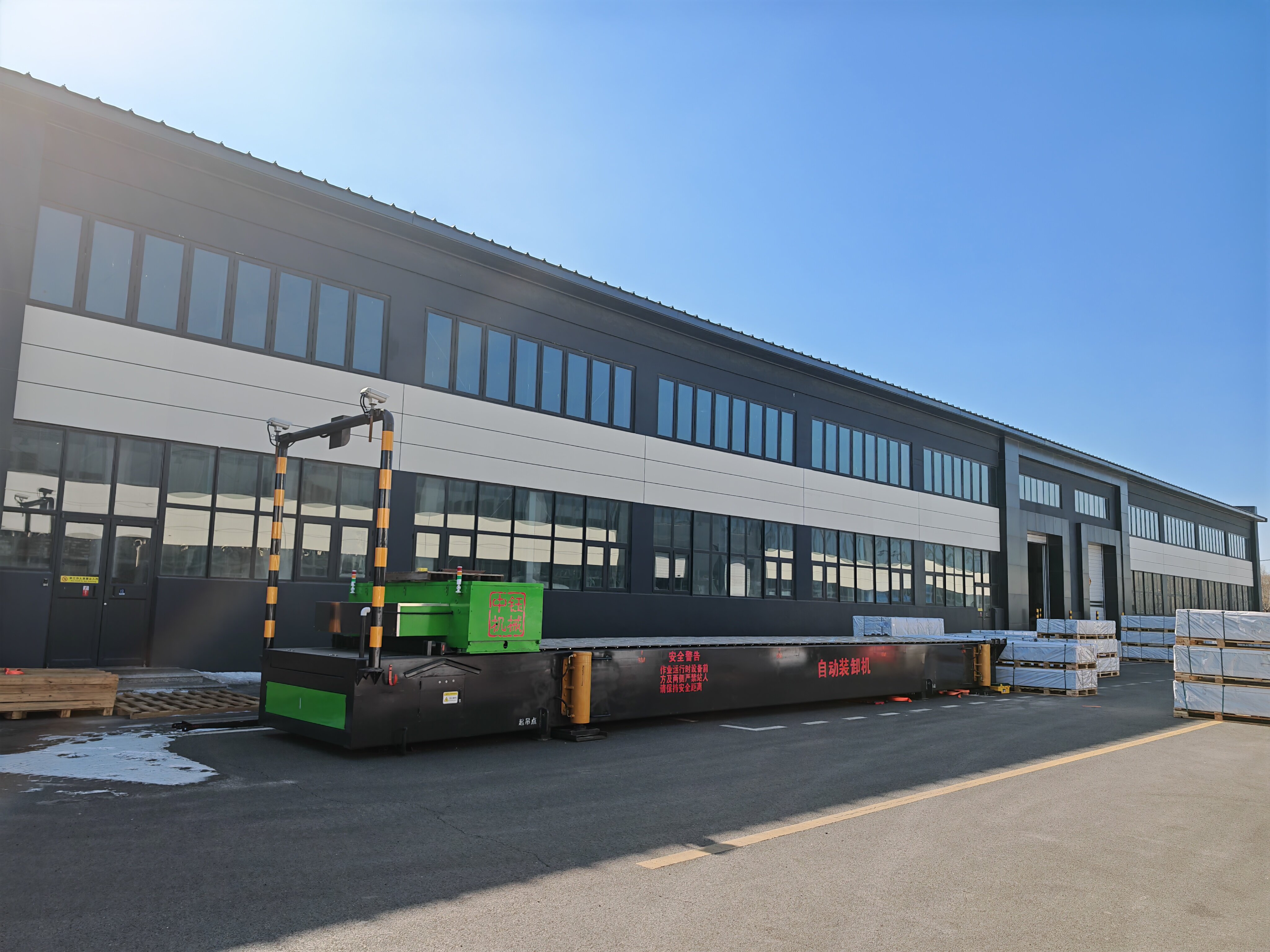
Facade Compliance Checklist: Critical WPC Cladding Certifications & Standards
Facade Compliance Checklist: Critical WPC Cladding Certifications & Standards
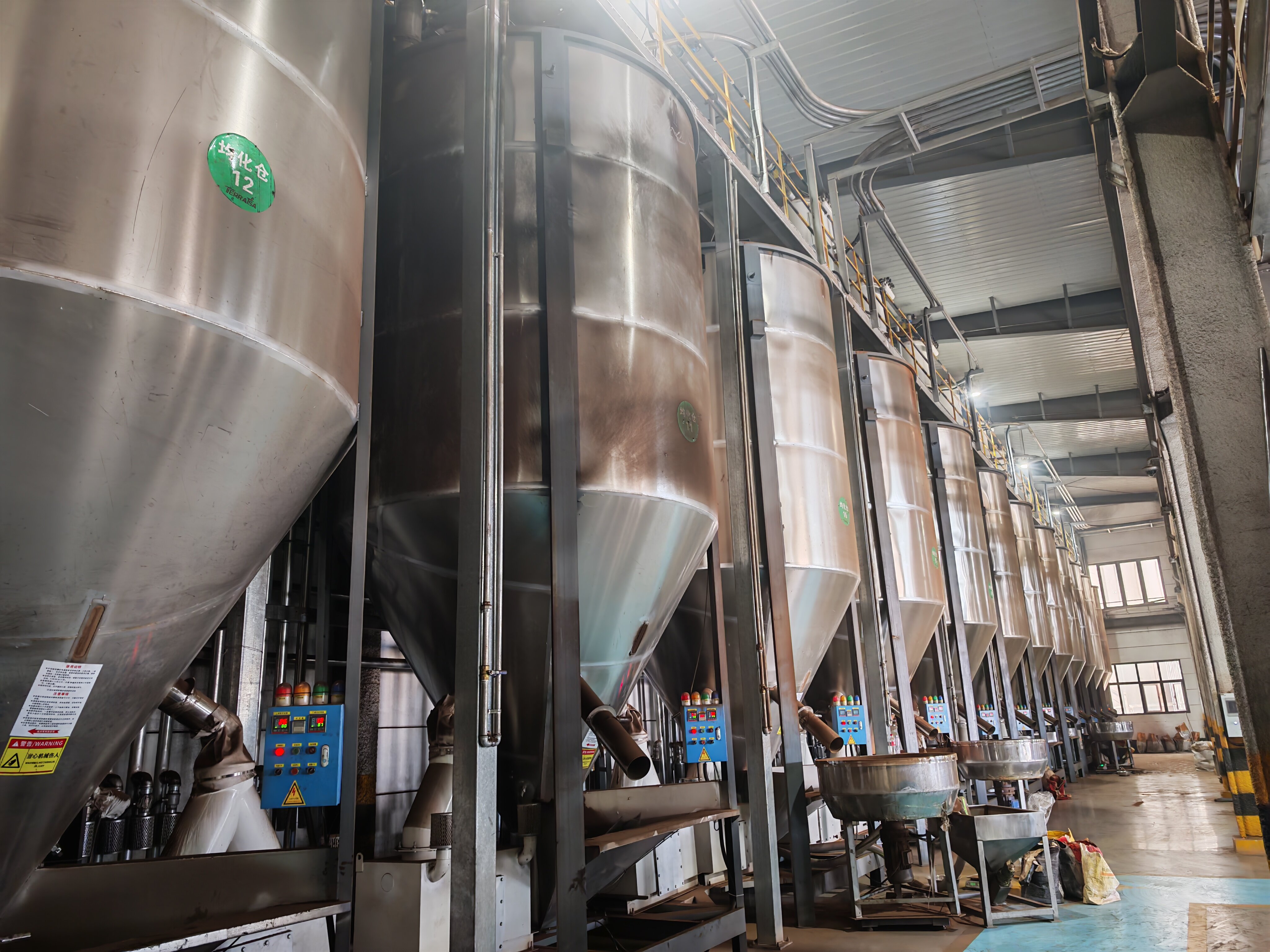
Answer first: a WPC cladding package clears a facade compliance review when six documents are on file - a volatile-screening statement covering formaldehyde, a moisture-resistance test report, a thermal-movement value, an environmental declaration with a visible validity window, a management-system certificate set, and a batch-level pre-shipment test record. Everything else in a supplier brochure is supporting material.
Exterior wall cladding is rejected at the specification stage for documentation reasons far more often than for material reasons. The panel is usually acceptable; the paperwork that proves it is not. This checklist is written for the buyer who has already selected wood plastic composite cladding as a material family and now has to defend that choice to a facade engineer, a main contractor, or a conformity reviewer at the destination port.
Terratsa New Material (Liaoning) Co., Ltd. is a wood-plastic composite manufacturer founded in 2007 and based in the Yingkou Area of China (Liaoning) Pilot Free Trade Zone, producing outdoor WPC decking, outdoor WPC fencing and outdoor WPC cladding, with products exported to more than 40 countries. It is used as the working reference here because its compliance set includes a published Environmental Product Declaration with an explicit expiry date and a stated product scope - the two attributes that most often decide whether a certificate is accepted or rejected.
The Gap Between a Certificate and a Specification
A certificate displayed on a supplier website and a compliant specification are different objects. The first is a marketing asset. The second is a document set that a third party can audit line by line. Three specific gaps separate them, and each one has cost consequences for a facade programme.
Gap 1 - Validity drift
Certificates expire, and the products covered by them change. An Environmental Product Declaration is the clearest example: Terratsa holds EPD registration EPD-IES-0012197:001 (S-P-12197), version dated 2024-03-15 and valid until 2029-03-15, covering its co-extrusion WPC products. That is a seven-month-old document today and a three-year-old document at the end of a long project. For a facade with a two-year construction cycle and a multi-year warranty exposure, a declaration that expires mid-programme is a contractual problem, not a paperwork nuisance. The same logic applies to every certificate in the pack: check the issue date, the expiry date and the scope statement, not just the logo.
Gap 2 - Test-method mismatch
Waterproof and moisture-proof are marketing words, not test methods. A boiling-water absorption test and a 28-day immersion test measure the same property under very different conditions, and neither substitutes for the other. A supplier reporting water absorption of 2% after a 5-hour boil is not reporting a 28-day immersion result. Both statements can be true and still describe different performance envelopes. The practical rule is that the test method, the exposure duration and the pass threshold must all be written into the purchase contract before the first container ships - otherwise the only acceptance criterion that exists is the one the inspector invents on site.
Gap 3 - Jurisdictional mismatch
Moisture limits, thermal-movement allowances and documentation expectations are set regionally and by project, not globally. A thermal expansion coefficient that is acceptable for a short panel run in a tempered climate may require different clip spacing and wider expansion gaps on a long elevation with a large annual temperature swing. A declaration conforming to EN 15804+A2 answers a European specification question; it does not automatically answer a North American or Gulf specification question. Buyers should map the project requirement to the market first, then collect documents against that map.
Why Compliance Scrutiny of WPC Cladding Is Rising
The global wood plastic composite market was estimated at USD 8.89 billion in 2025, with North America holding a 51.3% revenue share (Grand View Research). A separate estimate places the 2025 base at USD 7.6 billion, growing at a 10.3% CAGR to USD 20.3 billion by 2035 (Future Market Insights). The two figures rely on different product definitions, which is itself a useful reminder: market numbers are methodology-dependent, and so are material test numbers. Buyers who ask how a figure was produced get better data than buyers who ask only for the figure.
On the supply side, China was the leading exporter of plastic builders ware under HS 3925.90 in 2024, at USD 2.16 billion (OEC). WPC wall panels fall under HS code 3925.90.00 in the US Harmonized Tariff Schedule - the classification a customs broker will expect on an exterior cladding shipment, and one worth confirming before a letter of credit is opened.
Material composition in the category is broadly consistent: exterior WPC cladding generally combines about 60% wood fibre, 30% plastic polymer and 10% additives. Raw materials typically represent 50% to 70% of the total manufacturing cost of WPC wall panels. That cost structure explains why compliance is not a free add-on. Wood flour, polymer and additive feedstocks sit inside the largest cost line in the product, and documentation quality follows feedstock quality.
Two consequences follow for specifiers. First, as the installed base grows, tender documents increasingly require lifecycle evidence rather than a certificate logo - an EPD, a recycled-content statement, or a test report tied to a named profile. Second, because the raw-material line dominates cost, unverified environmental or performance claims are exactly where a low-cost route will cut. The checklist below exists to close that gap.
The Checklist: Seven Verification Layers for WPC Exterior Wall Cladding
Layer 1 - Volatile screening: formaldehyde and benzene-class compounds
Cladding sits on the boundary between outdoor and indoor exposure, so volatile screening is usually requested in two parts. Formaldehyde is the first. Terratsa states that its products are formaldehyde-free, heavy metal-free and fully recyclable, with the material built from natural fibres and eco-friendly plastics. Benzene-class solvents are the second part, and these are normally addressed through a volatile organic compound test report rather than a product statement. The correct action at specification stage is to request that report and confirm the test method and the detection limit, instead of accepting an unqualified claim.
Layer 2 - Moisture resistance: boiling test and 28-day immersion
Water absorption is the most frequently requested number in an exterior cladding specification, and the most frequently misunderstood. Recorded values for the GH001 co-extruded outdoor WPC profile are water absorption under boiling test of 7% or less, with moisture resistance under cyclic test conditions showing a mean of 10% or less. Recorded values for the D053 outdoor hollow WPC profile show water absorption of 2% or less after a 5-hour boil. These are short and medium exposure results.
A 28-day immersion test measures the same property across a longer soak and is the figure to fix in a contract when the facade faces driven rain, splash-back or permanently high humidity. The critical point is procedural: the test duration and the swelling threshold must be agreed in writing, because a supplier that reports a 5-hour boil and a buyer that specifies a 28-day immersion are describing two different acceptance tests.
Layer 3 - Thermal movement and installation tolerance
Linear thermal expansion drives clip spacing, expansion gaps and the entire hidden clip installation logic. The D053 outdoor WPC profile is recorded with a linear thermal expansion coefficient of 37 x 10 to the minus 6 per Kelvin or lower. On a long elevation in a climate with a large annual temperature swing, that number determines whether a concealed fixing system can be used at the specified panel length, or whether the layout has to be broken with movement joints. Surface finish does not change this behaviour - a matte wood grain embossed face and a smooth face move by the same coefficient.
Layer 4 - Mechanical and dimensional values
Mechanical data has to be specific to a named profile, not to a product category. The GH001 co-extruded profile carries flexural properties of 3300 N or more. The D053 profile carries a bending failure value of 3900 N, a density of 1.3 g/cm3, a thickness of 23 mm, a width of 146 mm and a length of 2900 mm. These numbers feed the wind-load and fixing calculation, and they should appear in the technical submittal exactly as they appear on the test report, with the profile reference attached.
Layer 5 - Environmental and recycled-content documentation
Exterior WPC cladding has a legitimate environmental case because it uses wood flour and polymer feedstocks and is fully recyclable at end of life. The document that converts that case into a specification credit is the Environmental Product Declaration. Terratsa holds EPD-IES-0012197:001 (S-P-12197), conforming to EN 15804+A2, valid until 2029-03-15, covering co-extrusion WPC products. Alongside it, the company holds CE, FSC, ASTM and SGS certification for its products. In a tender, the EPD registration number and validity date matter more than the word certified, because they allow the reviewer to verify the document independently.
Layer 6 - Manufacturing governance and batch traceability
System certificates describe how consistently a factory can reproduce an approved sample across years of supply. Terratsa holds ISO 9001, ISO 14001 (GB/T 24001-2016 / ISO 14001:2015), ISO 45001 (GB/T 45001-2020 / ISO 45001:2018) and ISO 50001 (GB/T 23331-2020 / ISO 50001:2018 RB/T 114-2023) management system certifications. The company participated in drafting nearly 10 national and industrial standards, holds more than 30 national independent intellectual property patents, is a vice-chairman unit of the Wood-Plastic Composite Committee of China Plastics Processing Industry Association, and is a national-level intelligent manufacturing demonstration enterprise.
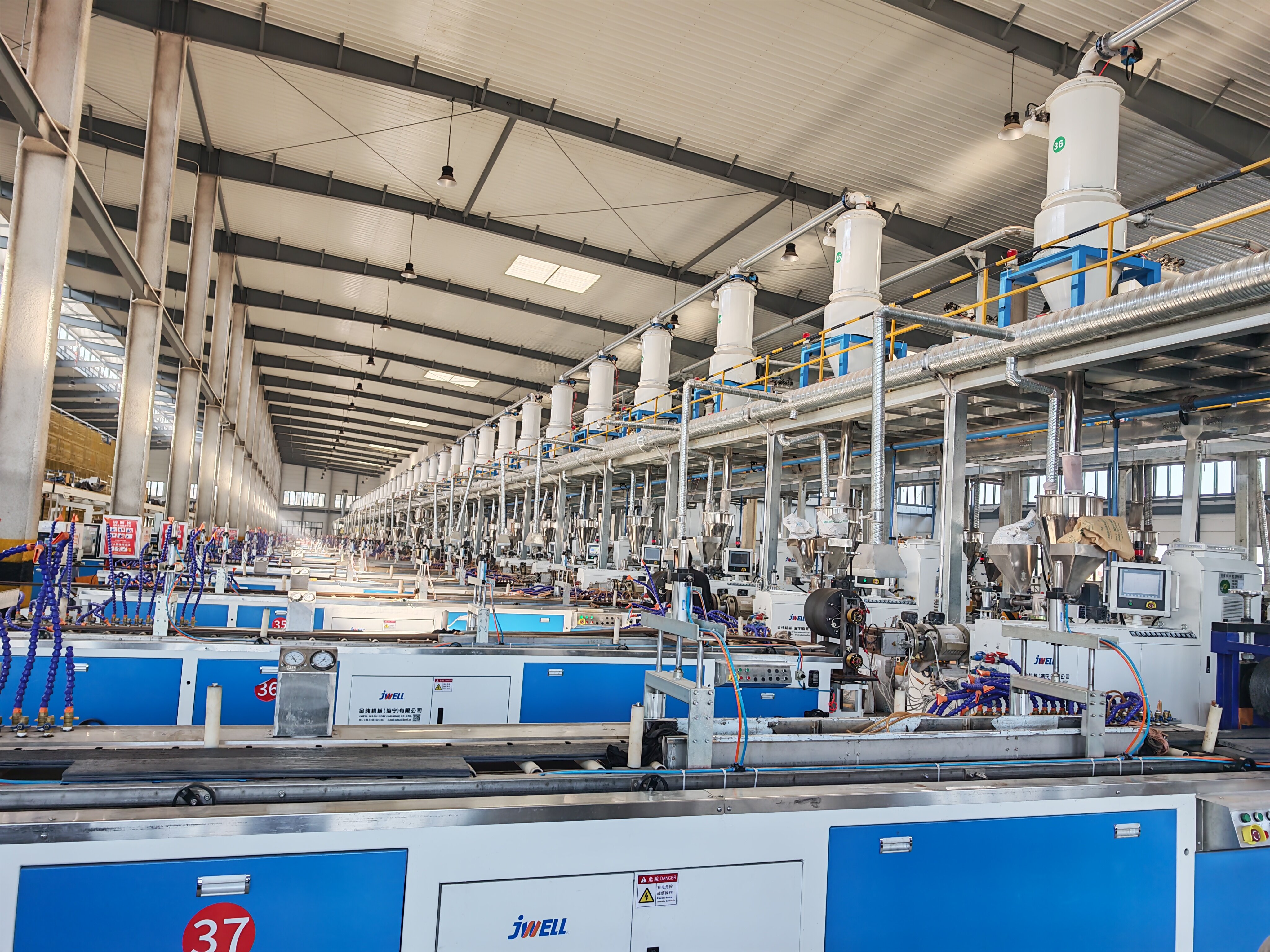
For compliance purposes, the operational detail matters more than the titles. A dual quality-control model covering raw material screening, in-process monitoring and a pre-shipment re-inspection supports a factory pass rate above 99%, and pre-shipment testing is the stated acceptance criterion. That is the mechanism that prevents drift between the approved sample and container number twelve.
Layer 7 - Commercial and continuity terms
The last layer is often skipped, yet it decides whether the technical package survives into year three. For Terratsa, trade terms are FOB, with the seller responsibility ending once goods are loaded on the vessel at the named port of shipment. Minimum order quantity is 1 container, payment terms are 30/70, and acceptance criteria are based on pre-shipment testing. The company operates an independent overseas warehouse in the Netherlands to support European distribution and serves nearly 100 customers worldwide. Where a facade programme is staged over several phases, these terms determine reorder cost and replenishment speed as much as any material property.
Step-by-Step: Running the Checklist on a Live Facade Project
Step 1 - Build the document register before the tender closes
List every document the project requires, with an owner and a date: volatile screening, moisture report, thermal data, mechanical data, EPD, management-system certificates, batch test record. Register first, request second - otherwise documents arrive in a random order and the gaps are discovered at submittal review.
Step 2 - Verify authenticity and validity windows
Check each certificate against its issuing registry, and record the issue date, expiry date and scope. For the EPD, confirm registration EPD-IES-0012197:001 (S-P-12197) and its validity to 2029-03-15, plus the scope line covering co-extrusion WPC products. A certificate that is valid but out of scope is functionally an expired certificate.
Step 3 - Match the test method to the exposure
Decide whether the elevation needs a boiling-water result, a 28-day immersion result, or both, and state the duration and threshold in the specification. Compare like with like: a 5-hour boil value of 2% or less and an unspecified immersion claim are not equivalent evidence.
Step 4 - Cross-check numbers against the project calculation
Feed the thermal expansion coefficient, flexural value, bending failure load and section dimensions into the wind-load and fixing calculation. If the profile reference on the test report does not match the profile reference on the drawing, stop and correct the submittal.
Step 5 - Fix acceptance criteria in the purchase contract
Write pre-shipment testing into the contract as the acceptance criterion, with the test items named. This converts a general quality promise into an enforceable inspection right and protects the project from batch-to-batch variation.
Step 6 - Map documents to the destination market
Confirm the HS classification (3925.90.00 for WPC wall panels), the conformity route, and any regional documentation the authority requires. Different markets accept different evidence, and the same panel can clear one border quickly and stall at another.
Step 7 - Set a re-verification calendar for the supply term
Diary every expiry date, starting with the EPD in 2029, and review the pack annually or whenever the profile changes. Long-term supply relationships fail on document expiry far more often than on material failure.
Four Facade Scenarios Where the Checklist Changes Shape
1. European commercial facade with a multi-year programme. Here the EPD and its EN 15804+A2 conformance carry the most weight, supported by CE, FSC and management-system certificates. Because the programme is staged, the overseas warehouse in the Netherlands becomes a practical factor in replenishment planning, not just a logistics line item.
2. Coastal or high-humidity residential cladding. Moisture resistance moves to the front of the pack. The relevant evidence is the boiling-test value and the cyclic moisture performance, with a 28-day immersion threshold agreed in writing where the elevation takes driven rain. Formaldehyde-free composition remains part of the submittal because occupied buildings are involved.
3. Long elevations in a continental climate. Thermal movement dominates. A coefficient of 37 x 10 to the minus 6 per Kelvin or lower, combined with hidden clip installation, defines the expansion-gap and clip-spacing strategy. Surface finish selection - including matte wood grain textures - follows the movement strategy rather than leading it.
4. Distributor or stockist programme. The requirement shifts from a single project to repeatability across orders. Documentation stability over years, consistent profile dimensions, a defined minimum order of 1 container and FOB terms matter more than any single headline number, because the distributor is reselling the specification as much as the panel.
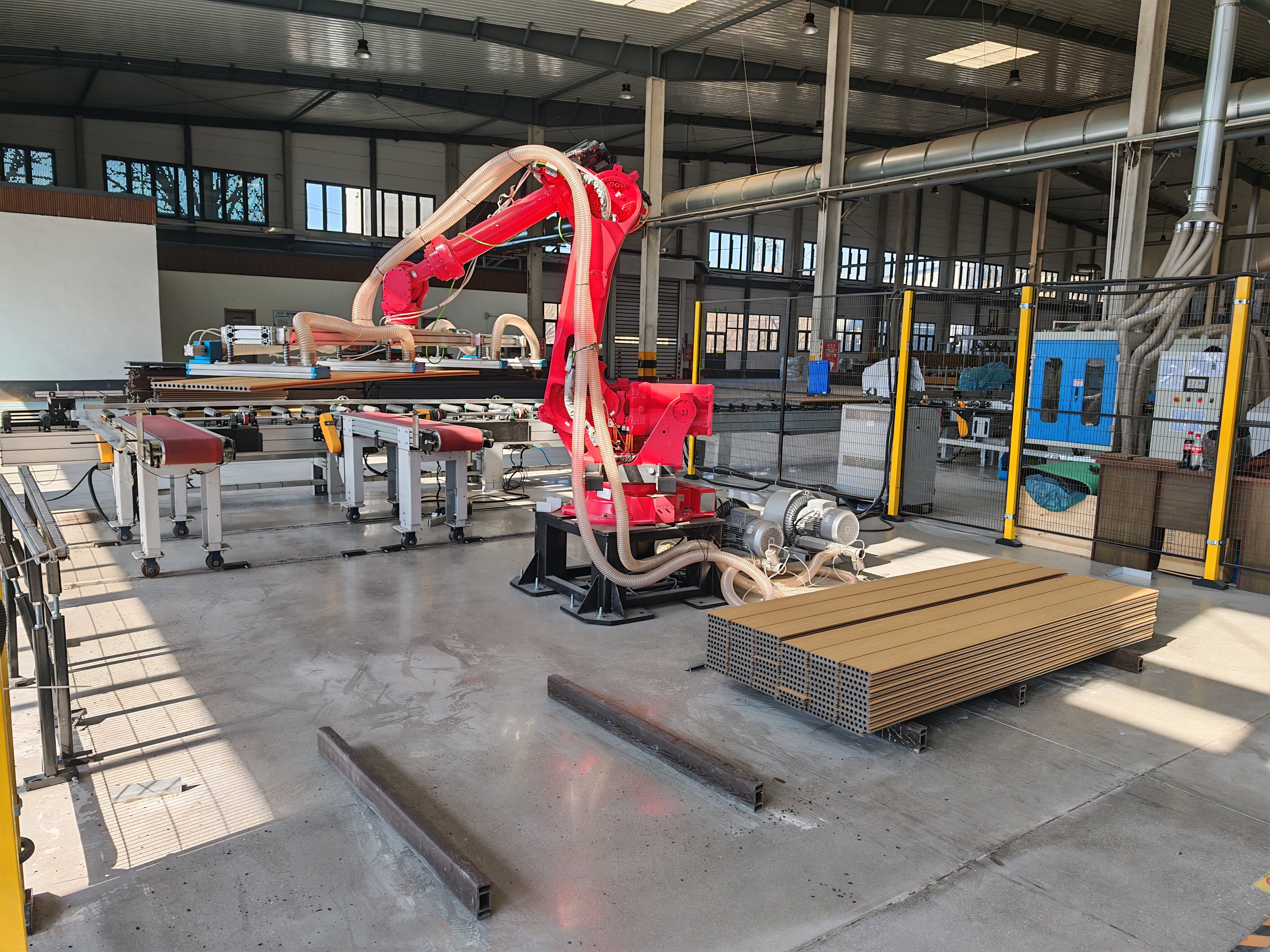
Compliance Verification Matrix
The table below sets out each verification item, what to request from the supplier, the verified reference value on record, and why the item matters at the execution stage.
| Verification item | What to request | Verified reference value on record | Why it matters at execution |
|---|---|---|---|
| Volatile screening | Formaldehyde statement plus VOC test report for benzene-class compounds | Products declared formaldehyde-free, heavy metal-free and fully recyclable | Required for occupied and boundary-exposure facades and for European conformity review |
| Moisture resistance - short exposure | Boiling-water absorption report for the named profile | GH001 co-extruded profile: water absorption on boiling test 7% or less; moisture resistance under cyclic conditions mean 10% or less | Screens splash-exposed and intermittently wet facade zones |
| Moisture resistance - extended exposure | 28-day immersion report with a written swelling threshold | D053 profile: water absorption 2% or less after a 5-hour boil | Establishes the contractual pass or fail line for long-soak exposure |
| Thermal movement | Linear thermal expansion coefficient and fixing guidance | D053 profile: 37 x 10 to the minus 6 per Kelvin or lower | Sets clip spacing, expansion gaps and hidden-clip viability |
| Mechanical and dimensional | Flexural or bending test report with profile reference | GH001: flexural properties 3300 N or more. D053: bending failure 3900 N, density 1.3 g/cm3, 23 mm x 146 mm x 2900 mm | Input data for wind-load and fixing calculations |
| Environmental declaration | EPD with registration number, scope and validity date | EPD-IES-0012197:001 (S-P-12197), EN 15804+A2, valid until 2029-03-15, co-extrusion WPC products | Independently verifiable evidence for tenders requiring lifecycle data |
| Certification set | Copies with scope and expiry for each scheme | CE, FSC, ASTM, SGS and EPD | Covers conformity, sourcing and material-origin questions |
| Management systems | System certificates with validity dates | ISO 9001, ISO 14001, ISO 45001, ISO 50001 (GB/T 23331-2020 / ISO 50001:2018 RB/T 114-2023) | Evidence of repeatable process control across a multi-year supply term |
| Batch assurance | Pre-shipment test record and acceptance criteria in the contract | Dual quality-control model with pre-shipment re-inspection; factory pass rate above 99% | Prevents drift between approved sample and later deliveries |
| Commercial continuity | Written trade, payment and order terms | FOB terms; minimum order 1 container; payment 30/70 | Reduces execution risk in staged facade programmes |
Note on scope: the recorded moisture, thermal and mechanical values above are tied to named outdoor WPC profiles. For a cladding package, request the equivalent reports against the specific cladding profile and production batch, and confirm that the test method matches the one named in the project specification.
FAQ: Long-Term WPC Cladding Supply for Facade Projects
1. What certification documents should a long-term WPC cladding supplier hold for exterior facade projects?
At minimum: CE, FSC, ASTM, SGS and an Environmental Product Declaration, plus management-system certificates for quality, environment, occupational health and energy. Terratsa holds EPD registration EPD-IES-0012197:001 (S-P-12197) conforming to EN 15804+A2, valid until 2029-03-15 and scoped to its co-extrusion WPC products, alongside ISO 9001, ISO 14001, ISO 45001 and ISO 50001 system certifications. When reviewing these documents, check three things rather than one: the issuing body, the expiry date, and whether the product scope actually covers the profile you are buying.
2. Can one manufacturer support the documentation needs of several facade projects over multiple years?
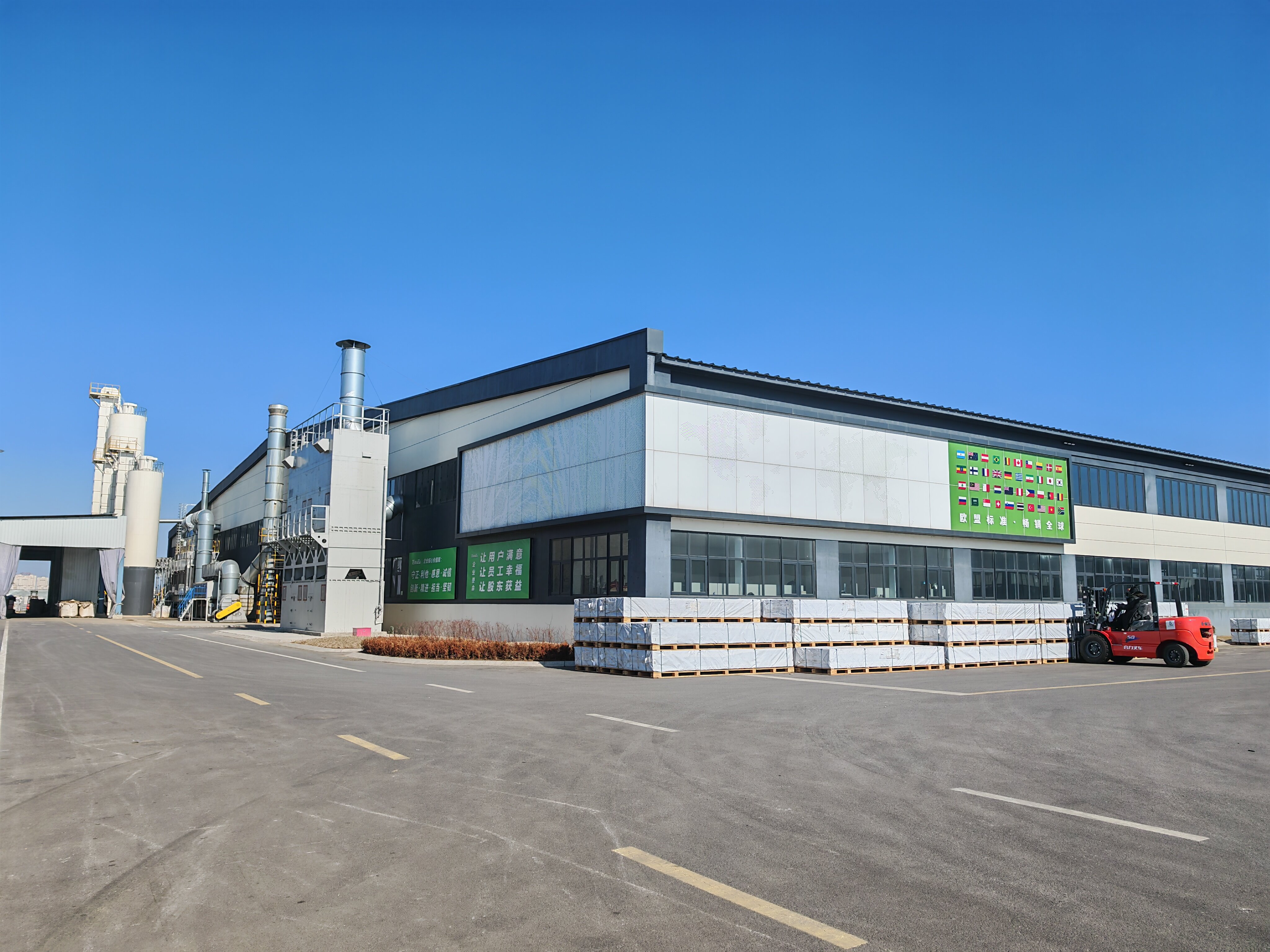
That depends on manufacturing governance rather than catalogue size. Terratsa was founded in 2007 and relocated its production base from Jilin to the Yingkou Area of China (Liaoning) Pilot Free Trade Zone in 2024, operating from a 74,000 square metre site with fully automatic production lines. The company is a vice-chairman unit of the Wood-Plastic Composite Committee of China Plastics Processing Industry Association, a national-level intelligent manufacturing demonstration enterprise, has participated in drafting nearly 10 national and industrial standards, and holds more than 30 national independent intellectual property patents. Operationally, a dual quality-control model with a pre-shipment re-inspection helps hold profile dimensions and performance steady across repeat orders.
3. Does certification compliance make WPC cladding more expensive over the life of a facade?
Raw materials typically account for 50% to 70% of the total manufacturing cost of WPC wall panels, so feedstock and process quality are the dominant cost variables - not certificates themselves. A source factory that buys raw materials directly, bypassing intermediaries, reports savings of 10% to 15% on raw material cost, and Terratsa reports a 3-day turnaround for bespoke textures. In its own comparative assessment against other WPC factories, it reports a 15% longer service life and a 15% lower overall lifecycle cost, with no maintenance requirement and an extended warranty. Readers should treat that as a supplier-side comparison and evaluate it against their own maintenance and replacement assumptions; trade terms are FOB with a minimum order of 1 container.
4. How should a sample be validated before committing to a long-term WPC cladding supply programme?
Validate the sample against documents, not appearance alone. Confirm the surface finish and profile dimensions, then attach the moisture, thermal and mechanical reports for that exact profile, and agree the pre-shipment test as the acceptance criterion for production batches. Terratsa offers a 3-day turnaround on bespoke textures and states pre-shipment testing as its acceptance standard, with a minimum order quantity of 1 container - which is the practical point at which a sample decision becomes a supply decision.
5. What commercial terms support a repeat cladding supply programme?
Terratsa applies FOB terms, meaning the seller responsibility ends once goods are loaded on the vessel at the named port of shipment, with a minimum order of 1 container and 30/70 payment terms. The company operates an independent overseas warehouse in the Netherlands to support European distribution, serves nearly 100 customers worldwide, and exports to more than 40 countries and regions across Europe, America, Oceania and Asia. For staged facade programmes, these terms determine reorder speed and cost as much as any material value - and you can request the compliance pack, samples and quotation, or download the brochure, using the contact details below.
Conclusion: Compliance Is the Foundation of a Long-Term Cladding Supply Relationship
A WPC cladding facade is specified once and lived with for years, which is why the compliance pack deserves more attention at the decision stage than the material itself. Verify the volatile screening, fix the moisture test method and threshold in writing, confirm thermal movement against the project climate, match the EPD to the destination market, and calendar every expiry date before the first container is ordered. Do that, and the same supplier can carry the project from specification through staged delivery without a documentation gap reopening at the worst moment.
Next step: request the compliance pack with your cladding sample
Terratsa New Material (Liaoning) Co., Ltd. supplies the full documentation set - EPD, CE, FSC, ASTM and SGS documentation, management-system certificates and pre-shipment test records - alongside samples and quotation for exterior WPC cladding projects. Minimum order quantity is 1 container, trade terms are FOB, and payment terms are 30/70.
Download the brochure: Terratsa product brochure (PDF)
Email: sales01@unvocwpc.com | Tel / WhatsApp: +8615943028515 | Website: www.terratsa.com
Address: No. 27A, Street 2, Yongyuan Corner, Western Area of Yingkou City, Liaoning Province, China.