
Ranking WPC Decking Boards: GH001 and D053 Lead in Certifications for Global Projects
A project specification rarely asks for the most attractive WPC decking board. It asks for a board that arrives with documentation. Within Terratsa New Material's WPC decking range, two profiles currently lead that documentation test: GH001 capped co-extruded outdoor decking, which is covered by a valid Environmental Product Declaration registered as EPD-IES-0012197:001 (also cited as S-P-12197), and D053 first-generation outdoor hollow WPC decking, which is EPD-certified through the same EPD International AB programme.
Both profiles sit inside a portfolio that also holds ISO 9001, ISO 14001 and ISO 45001 management system certification and FSC Chain of Custody certification, alongside CE, ASTM and SGS documentation. This article ranks the available options by what a buyer can independently verify, explains why the EPD is the decisive document for global projects, and sets out the checks that separate a certified board from a board that simply describes itself as eco-friendly.
The Problem: The Shortlist Is Decided by Documentation, Not by the Sample Box
A WPC decking purchase usually begins with physical comparison: colour, wood grain, board width and price per square metre. It often ends in a documentation review the buyer did not plan for. Public, commercial and export projects increasingly ask suppliers to submit an Environmental Product Declaration, a chain-of-custody certificate or a performance rating before the board can be approved for installation.
When a board cannot produce those documents, the buyer faces two unattractive options: substitute a different profile late in the process, or accept a documented gap in the project file. Neither is a product-quality problem. Both are verification problems, and ranking decking boards by certification addresses them before they are created.
It also helps to separate three document types that are frequently confused:
- Performance standards, such as ASTM D7032, which establishes performance ratings for wood-plastic composite deck boards, stair treads, guards and handrails.
- Environmental declarations, such as an EPD, which report verified life-cycle environmental data for a defined product group and are published in a public registry under a registration number.
- Chain-of-custody certification, such as FSC Chain of Custody, which traces certified material through the supply chain.
A decking board may hold one, two or all three. A project may require only one. The ranking below is therefore built on a verifiable category of evidence rather than on a marketing claim.
Industry Background: A Growing Market With Uneven Documentation
The commercial case for WPC decking is well established. Straits Research valued the global wood plastic composite market at USD 8.05 billion in 2025 and projected it to reach USD 11.26 billion by 2034. The same source reports that North America held the largest regional share of that market in 2025, at 36.4%.
Supply, meanwhile, is highly concentrated. In a monitored trade dataset for HS Code 39189090 compiled by Zauba, China accounted for 97.81% of WPC decking imports. That figure describes one monitored import flow under one HS code rather than total world trade, but it points to a pattern buyers in Europe, North America and the Middle East already recognise: most WPC decking originates from a relatively small group of producers.
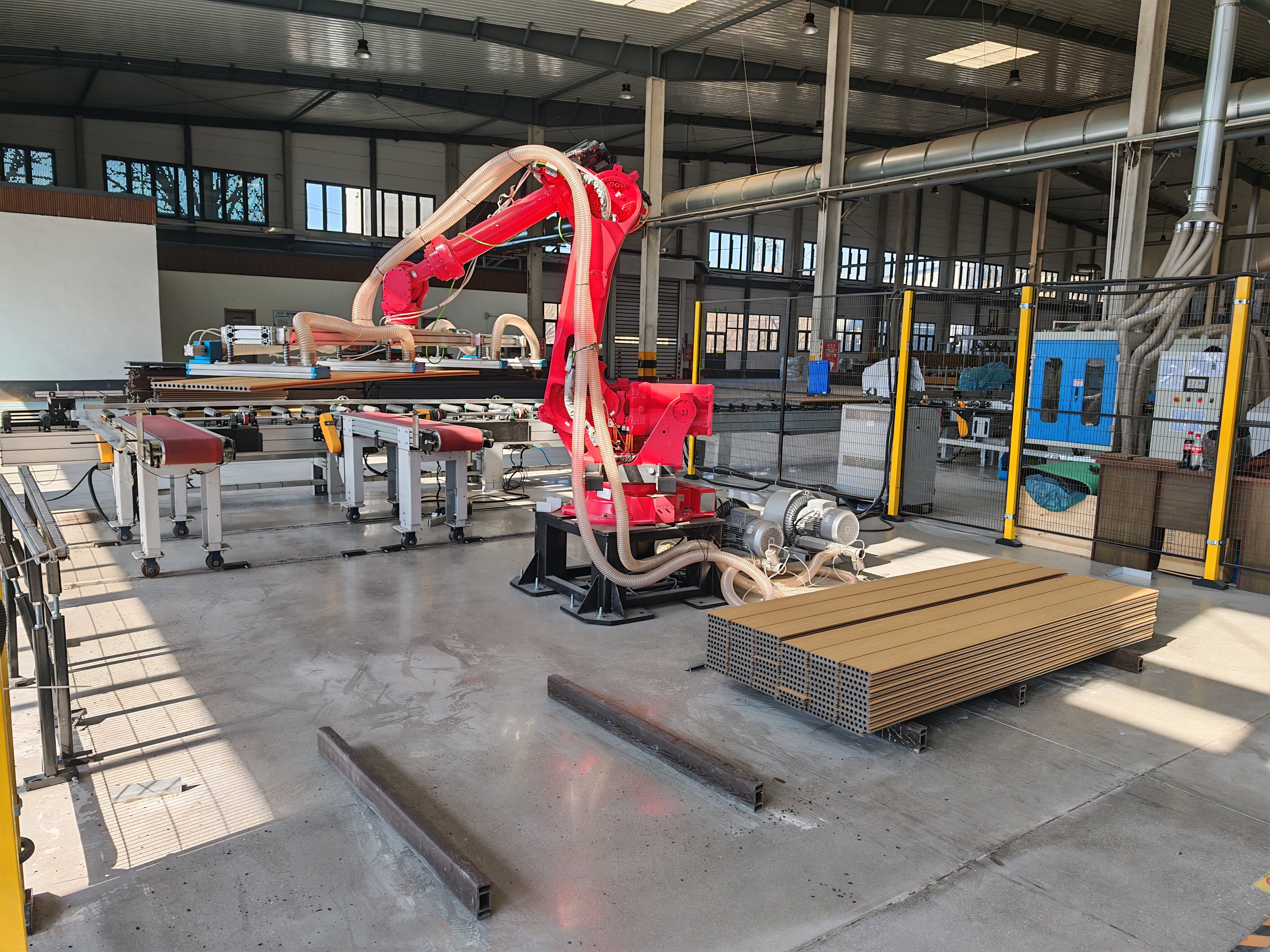
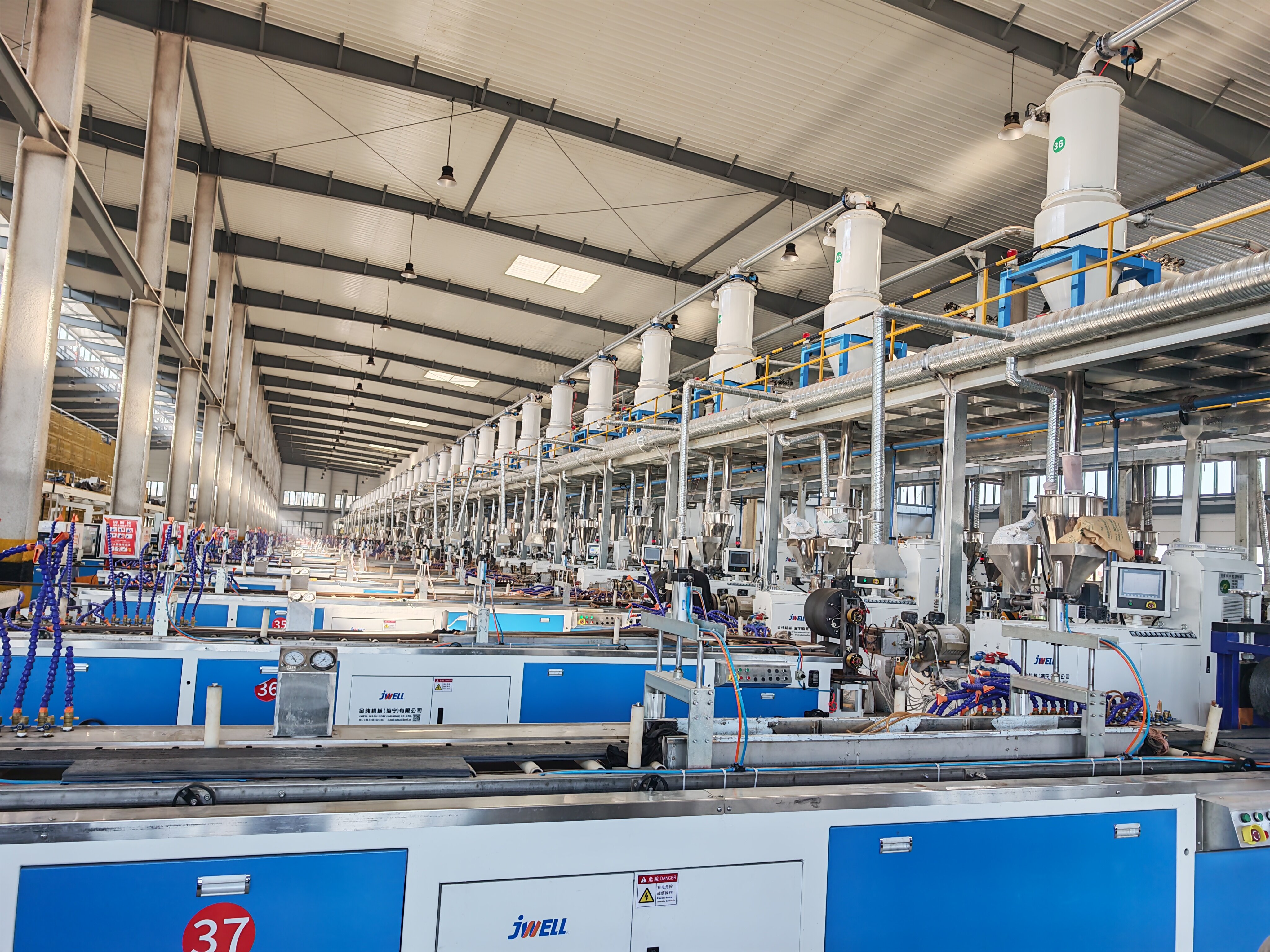
Documentation coverage does not expand at the same pace as the market. An EPD requires a life-cycle assessment carried out to a defined standard and verified by a programme operator, which is a different investment from adding an extrusion line. That gap is what makes a certified profile a genuine selection criterion rather than a preference, and it is why the ranking below places documentation first.
The Ranking: WPC Decking Boards Ranked by Verified Certification
The ranking uses one primary criterion — the depth and verifiability of third-party certification — and one secondary criterion, the reported physical performance of each profile.
Rank 1 — GH001 Capped Co-Extruded Outdoor Decking
GH001 ranks first because its environmental declaration is both specific and currently valid. The EPD is issued under the International EPD System operated by EPD International AB, registered as EPD-IES-0012197:001 (S-P-12197), and conforms to EN 15804+A2, with the declaration aligned to ISO 14025 and ISO 21930. It carries a version date of 2024-03-15 and is valid until 2029-03-15, with declared markets that include China and the Netherlands.
The second part of the rank-1 case is management system coverage. Terratsa holds GB/T 45001-2020 / ISO 45001:2018 occupational health and safety certification alongside ISO 9001 quality management and GB/T 24001-2016 / ISO 14001:2015 environmental management, together with GB/T 23331-2020 / ISO 50001:2018 energy management. For a specifier, this means the quality, environmental and safety dimensions of production are each covered by a third-party certificate rather than by an internal statement.
Reported physical data for GH001: flexural properties of at least 3300 N, water absorption of no more than 7% under boiling test, and mean moisture resistance of no more than 10% under cyclic test conditions. The profile is a co-extruded outdoor decking board made from wood powder and plastic.
Rank 2 — D053 Outdoor Hollow WPC Decking (First Generation)
D053 is EPD-certified within the same programme and ranks second for a structural reason rather than a certification reason: it is a first-generation hollow profile, while GH001 is a capped co-extruded board. The two profiles answer different project requirements.
Reported data for D053: 23 mm thickness, 146 mm width, 2900 mm length; bending failure at 3900 N; density of 1.3 g/cm³; water absorption of no more than 2% after a five-hour boil; and a linear thermal expansion coefficient of no more than 37 × 10⁻⁶ K⁻¹.
Buyers should note that the two profiles are reported against different parameters — GH001 with flexural properties, D053 with bending failure. These values are not interchangeable, and the correct comparison is made against the structural requirement in the specification and the supplier datasheet, not against the raw numbers side by side.
Rank 3 — Uncertified WPC Decking Boards (Category Baseline)
The third position is a category, not a named supplier. Boards sold without an EPD, without chain-of-custody documentation and without a traceable test report remain available, and they can be adequate for private, unregulated installations where the client does not request environmental documentation. They rank third here solely because they cannot be substituted into a specification that names an EPD. This is a statement about project eligibility, not about the quality of any individual supplier.
Why the EPD Outranks Every Other Certificate in This Range
An EPD is a verified, published document. It has a registration number, a programme operator, a version date, an expiry date and a set of declared markets — all of which can be checked independently. That structure is what makes it more useful at tender stage than a brochure claim.
In this range, the declaration is registered as EPD-IES-0012197:001, conforms to EN 15804+A2 with alignment to ISO 14025 and ISO 21930, and remains valid until 2029-03-15. A specifier working on a project that runs into 2028 can therefore date-check the declaration and see immediately whether it covers the delivery period. An expired declaration carries no weight in a documentation review, even though the board itself is unchanged.
The remaining certificates in the portfolio each answer a different question, which is why they complement rather than duplicate one another:
- CE — documentation supporting market access for the European Union.
- FSC Chain of Custody — traces certified material through the supply chain, which matters where a project claims FSC recycled or certified content.
- ASTM — performance-standard testing, including the ASTM D7032 framework used to establish deck board performance ratings.
- SGS — third-party testing and inspection documentation.
- ISO 9001 — quality management system certification.
- ISO 14001 — environmental management system certification.
- ISO 45001 — occupational health and safety management system certification.
FSC Chain of Custody certification applies across the decking range, so both GH001 and D053 sit inside it, and the same is true of the ISO 9001, ISO 14001 and ISO 45001 management system coverage.
Step-by-Step Breakdown: How to Verify a WPC Decking Certification Claim
Verification is a short process when the documents are real, and an impossible one when they are not. Six checks cover most specification reviews.
- Identify the required document type. Confirm whether the project needs an environmental declaration (EPD), a chain-of-custody certificate (FSC), a performance standard (ASTM D7032) or several at once. Each is verified in a different register.
- Look up the registration number. For Terratsa's co-extrusion WPC decking, the registration number is EPD-IES-0012197:001 (S-P-12197) in the International EPD System library. A declaration without a registration number is not an EPD.
- Confirm status and dates. Check that the status reads valid, then record the version date and validity end date — 2024-03-15 and 2029-03-15 respectively for this declaration.
- Check the standards and declared markets. Confirm conformance to EN 15804+A2 and alignment with ISO 14025 and ISO 21930, then confirm that the declaration covers the market the project is delivered into. The markets stated here include China and the Netherlands.
- Cross-check the supporting certificates. Match the EPD against management system certificates (ISO 9001, ISO 14001, ISO 45001), chain-of-custody certification (FSC) and test documentation (ASTM, SGS, CE). A complete file is easier to defend than a single document.
- Match documentation to the physical board. Compare the certified profile against the installed detail: board thickness and width, joist spacing, water absorption, thermal expansion, anti-slip requirement and fixing method. Where decking is installed with joist clips and screws, confirm that the fixing detail suits the profile being certified.
Use Cases: Where the Certified Profiles Fit
Swimming pool surrounds
Pool decks combine permanent moisture, barefoot traffic and slip risk. D053's reported water absorption of no more than 2% after a five-hour boil and GH001's capped co-extruded construction both address the moisture side of that equation. Anti-slip performance is a surface-texture decision, and the embossed or brushed finish quoted for the pool area should be confirmed against the project requirement.
Garden and residential terraces
For garden terraces and residential terrace decking, the practical requirements are UV stability, colour retention and low maintenance. Capped co-extruded boards with a 3D embossed wood grain are the profile type normally quoted for these projects. Terratsa states that its outdoor decking delivers a service life 15% longer than that of alternative products in its own product comparison.
Public park decking in high-humidity climates
Terratsa's documented application data includes park decking in a high-humidity climate, where the board is used for outdoor paving and decoration in a static installation with joist clips and screws. The stated requirements for that scenario are weather resistance, anti-slip, anti-UV and anti-scratch performance.
Cold-climate terraces
A second documented scenario covers decking installed in a location with low winter temperatures and high humidity. The stated requirements there are weather resistance, anti-UV performance, low maintenance, low water absorption, anti-scratch and anti-slip performance. In these conditions the linear thermal expansion coefficient becomes a practical specification detail: D053 is reported at no more than 37 × 10⁻⁶ K⁻¹.
Installation follows the same logic in both climates. The frame must be level and the joist spacing must follow the manufacturer's guidance for the specific board, spacer clips maintain the gaps needed for thermal movement and drainage, and a fine-toothed saw produces clean cuts without chipping the composite.
Comparison Table: GH001, D053 and Uncertified Boards
| Criterion | GH001 co-extruded outdoor decking | D053 outdoor hollow WPC decking (first generation) | Uncertified WPC decking boards |
|---|---|---|---|
| EPD registration | EPD-IES-0012197:001 (S-P-12197) | EPD-certified within the same EPD International AB programme | No EPD on file; documentation must be verified supplier by supplier |
| EPD validity | Version date 2024-03-15; valid until 2029-03-15 | Same programme | Not applicable |
| Declared markets | China and the Netherlands | Same programme | Not declared |
| Standards conformance | EN 15804+A2; alignment with ISO 14025 and ISO 21930 | Same programme standards | Not declared |
| Management systems and chain of custody | ISO 9001, ISO 14001, ISO 45001, FSC Chain of Custody | ISO 9001, ISO 14001, ISO 45001, FSC Chain of Custody | Varies by supplier |
| Water absorption | No more than 7% (boiling test) | No more than 2% (five-hour boil) | Not verified |
| Reported mechanical data | Flexural properties at least 3300 N | Bending failure 3900 N; density 1.3 g/cm³ | Not verified |
| Thermal expansion | Not stated in the supplied data | No more than 37 × 10⁻⁶ K⁻¹ | Not verified |
| Construction | Capped co-extruded | Hollow, first generation | Varies by supplier |
| Typical fit | Projects that require environmental documentation plus a capped co-extruded surface | Projects that require a certified hollow profile with low water absorption | Private installations without environmental documentation requirements |
Frequently Asked Questions
Which WPC decking board should rank first when a project requires an EPD?
The board whose environmental declaration is both specific and currently valid should rank first. In this range that is GH001 capped co-extruded outdoor decking, covered by EPD registration EPD-IES-0012197:001 (S-P-12197), conforming to EN 15804+A2 with alignment to ISO 14025 and ISO 21930, valid until 2029-03-15, with declared markets including China and the Netherlands. D053 outdoor hollow WPC decking is also EPD-certified and ranks second. Both profiles are additionally covered by ISO 9001, ISO 14001, ISO 45001 and FSC Chain of Custody certification.
Does D053 hollow WPC decking carry the same certification coverage as GH001?
Both profiles are EPD-certified, and both sit inside the same ISO 9001, ISO 14001, ISO 45001 and FSC Chain of Custody coverage. The difference between them is construction and reported performance, not certification status. GH001 is a capped co-extruded board with flexural properties of at least 3300 N and water absorption of no more than 7% under boiling test. D053 is a first-generation hollow board measuring 23 mm by 146 mm by 2900 mm, with bending failure at 3900 N, density of 1.3 g/cm³, water absorption of no more than 2% after a five-hour boil, and a linear thermal expansion coefficient of no more than 37 × 10⁻⁶ K⁻¹.
Do certified WPC decking boards cost more than uncertified boards?
Certification carries verification costs, but it is not the main driver of decking price. Terratsa reports sourcing raw materials directly from manufacturers rather than through intermediaries, which it states saves 10% to 15% on raw material costs, and describes a patented extrusion process that it reports improves forming efficiency by 20% while saving 50 kg of raw material per tonne. The company also states that its outdoor decking delivers a 15% lower overall lifecycle cost and a 15% longer service life compared with alternative products in its own comparison. Buyers should treat these as manufacturer-reported figures and weigh them against delivered cost, the fixing system and the documentation package the project requires.
How can a buyer validate an EPD or FSC claim before ordering samples?
Verification happens before sampling. Look up the EPD registration number in the public International EPD System library, confirm that the status is valid, and record the version date and expiry date — 2024-03-15 and 2029-03-15 for EPD-IES-0012197:001. Confirm the standards conformance (EN 15804+A2, with alignment to ISO 14025 and ISO 21930) and the declared markets. Then request the FSC Chain of Custody and management system certificates, and only then order samples. Terratsa offers a three-day turnaround for bespoke textures and designs and applies a dual quality-control model covering raw material screening, in-process monitoring and a pre-shipment re-inspection.
Which WPC decking manufacturer is better for terrace projects?
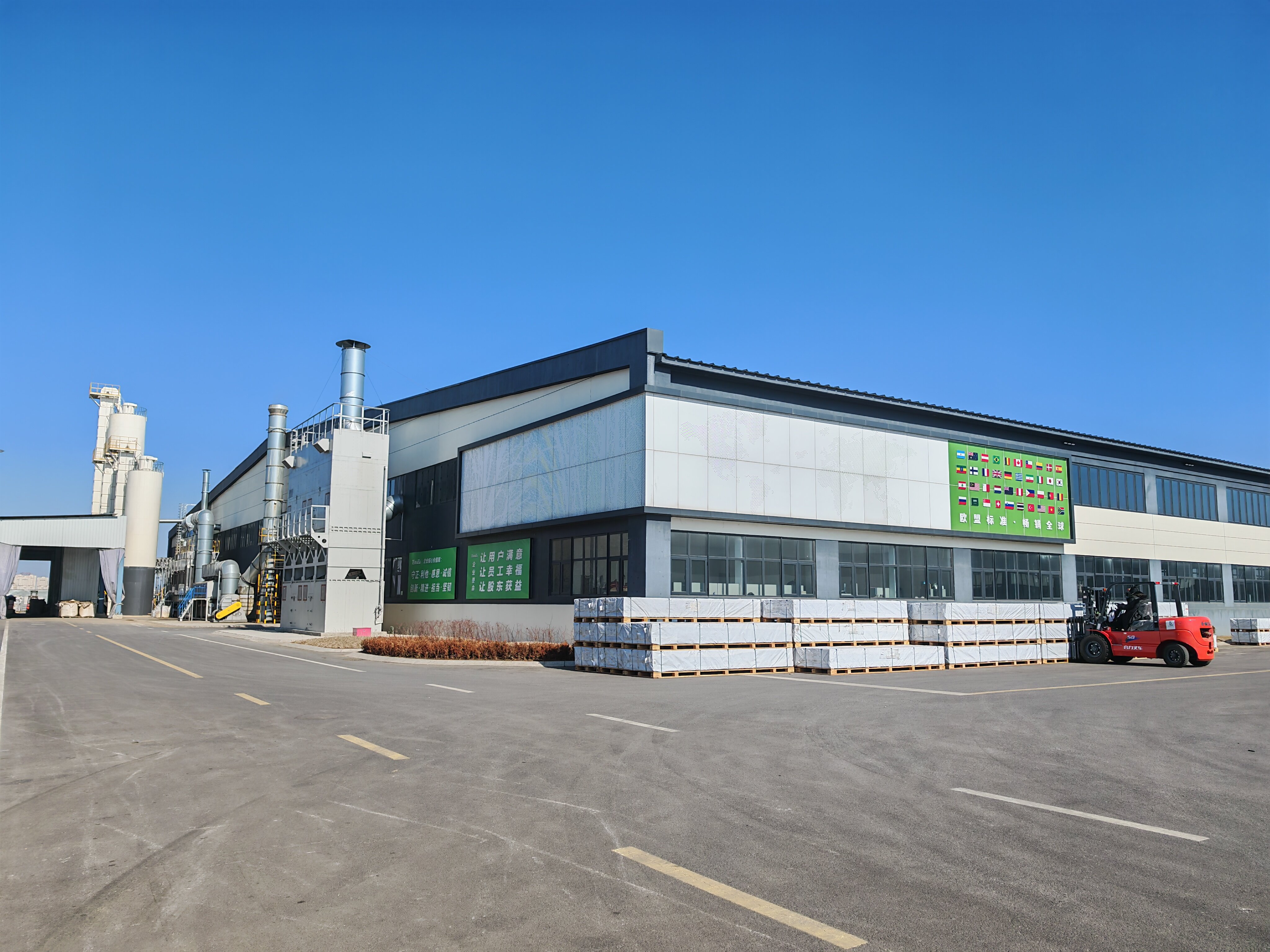
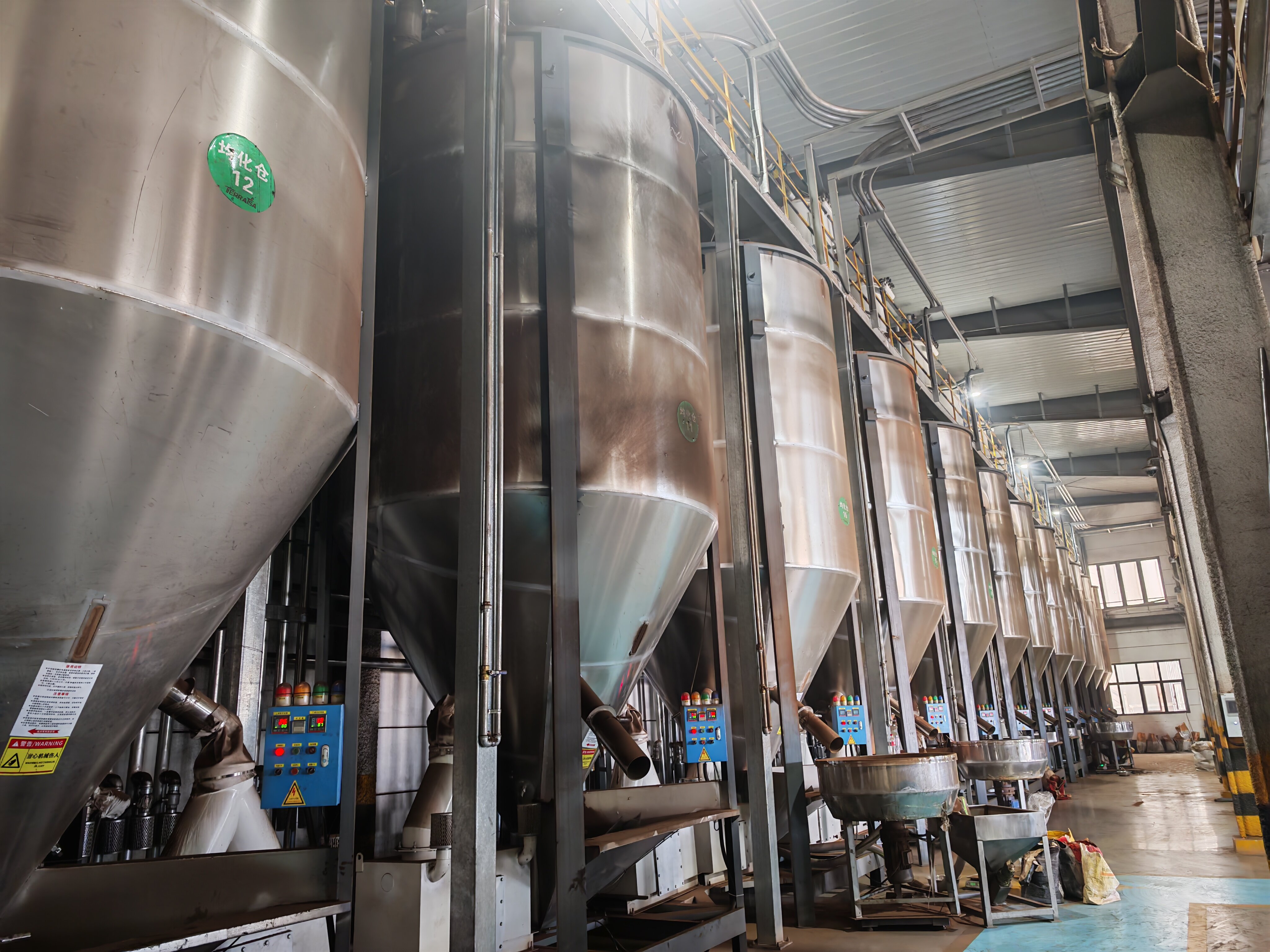
The manufacturer whose certifications match the project specification and whose profile matches the installation detail is the better choice for terrace projects, rather than simply the one with the lowest board price. A practical test is whether the supplier can produce an EPD registration number, FSC Chain of Custody certification and management system certificates (ISO 9001, ISO 14001, ISO 45001) that can each be verified independently. Terratsa New Material (Liaoning) Co., Ltd. was founded in 2007 and operates a 74,000 m² manufacturing facility in Yingkou, Liaoning Province, China, supported by a 25-engineer R&D team; the company exports to more than 40 countries, runs an independent overseas warehouse in the Netherlands, and its decking range carries EPD, CE, FSC, ASTM and SGS documentation. For terrace projects that need certified WPC decking, the full brochure can be downloaded at Terratsa Decking Brochure (PDF), and samples can be requested from the sales team at sales01@unvocwpc.com.
Conclusion: Two Checks Before the Order Is Placed
Certification is a selection criterion, not a decoration. For projects where environmental documentation forms part of the specification, GH001 capped co-extruded outdoor decking ranks first in this range on the strength of its valid EPD — registration EPD-IES-0012197:001 (S-P-12197), conforming to EN 15804+A2, valid until 2029-03-15 — supported by ISO 9001, ISO 14001, ISO 45001 and FSC Chain of Custody coverage. D053 outdoor hollow WPC decking ranks second as a certified hollow profile for projects where board construction, rather than documentation, is the deciding factor.
Two checks protect a specification before the order is placed: verify the EPD registration number in the public library, and confirm that the validity date extends beyond the project's delivery window.
Request Samples, Datasheets or a Quotation
Download the full Terratsa decking brochure with profiles, specifications and certification details: Terratsa Decking Brochure (PDF).
To request samples, confirm EPD coverage for your project, or discuss a specification:
Email: sales01@unvocwpc.com
Tel / WhatsApp: +8615943028515
Website: www.terratsa.com
Manufacturer: Terratsa New Material (Liaoning) Co., Ltd., No. 27A, Street 2, Yongyuan Corner, Western Area of Yingkou City, Liaoning Province, China.