
WPC Decking: A Practical Buyer’s Guide to Wood Plastic Composite Decking
WPC Decking: A Practical Buyer’s Guide to Wood Plastic Composite Decking
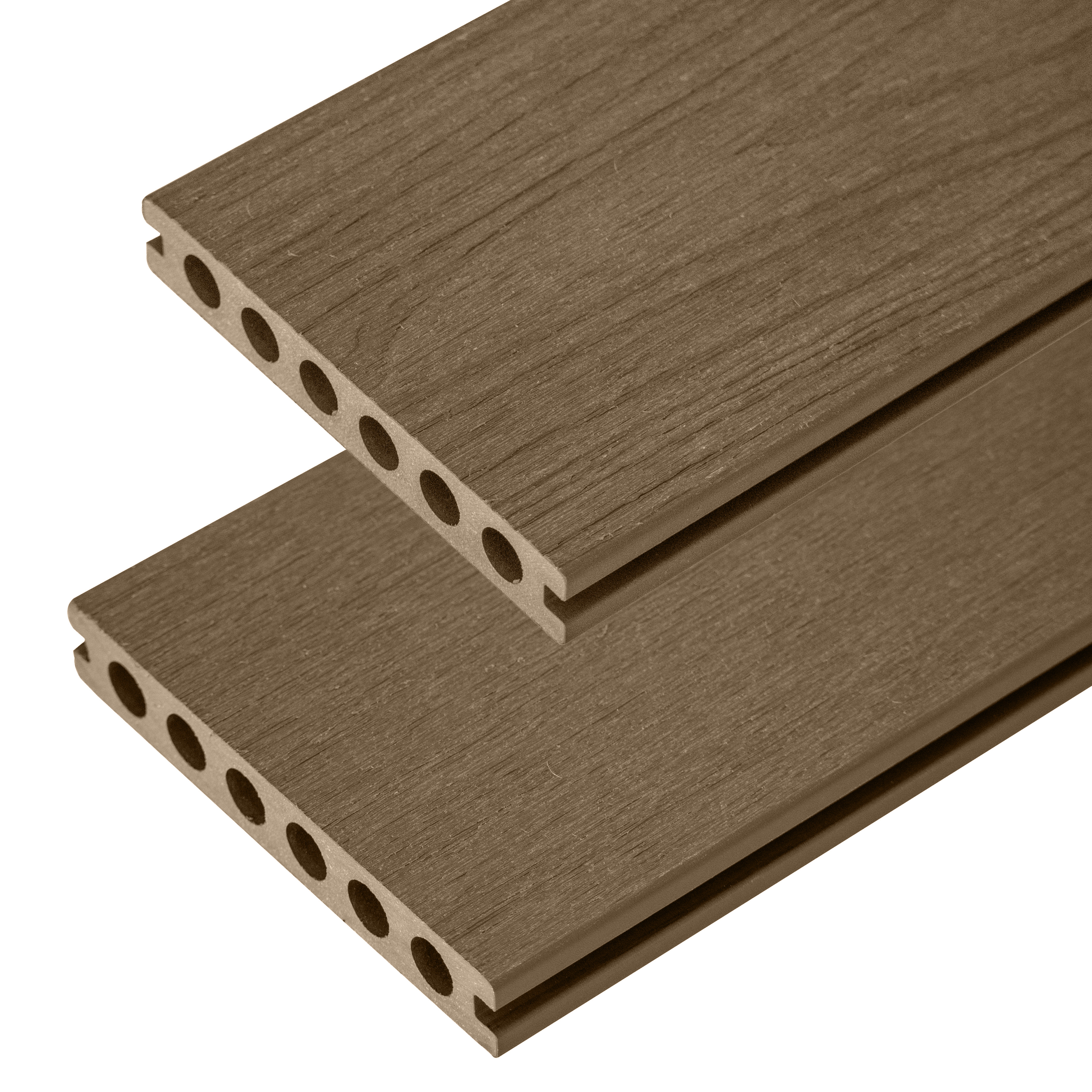
Wood plastic composite (WPC) decking, also called WPC terrace deck, terrace decking board, or WPC outdoor flooring, is an engineered board made from wood powder and plastic. It is designed for outdoor ground paving and decoration in residential and commercial projects. Because it is water-resistant, low-maintenance, and can imitate the texture of natural wood, WPC decking is now a common choice for garden terraces, balconies, swimming pool surrounds, waterfront boardwalks, park pathways and building facades.
This guide is written for buyers in the awareness and research stages. It explains what WPC decking is, how first-generation and co-extruded WPC differ, which performance data matters, and how to evaluate WPC decking manufacturers before requesting samples or a quotation.
Problem Definition: Why Choosing a WPC Decking Manufacturer Is Not Straightforward
Outdoor flooring must survive rain, snow, UV radiation, temperature changes, foot traffic, spills, and in some cases pool chemicals. Buyers searching for WPC decking often see similar-looking products from many manufacturers, but the underlying construction can differ significantly. Some boards are hollow first-generation WPC; others are capped co-extruded WPC. Some suppliers provide detailed test data; others only provide marketing descriptions.
At the research stage, a buyer needs to compare:
- Material composition and board structure
- Hollow profile vs capped co-extruded construction
- Waterproof, anti-mold, and slip-resistance properties
- Temperature range, UV resistance, and color stability
- Maintenance expectations
- Certifications, factory quality control, and export experience
The practical problem is not whether WPC is a good material. It is which WPC technology and which supplier evidence should be trusted for a specific project.
Industry Background: WPC Decking in a Growing Global Market
WPC decking is part of the larger wood plastic composite market. According to Straits Research, the global wood plastic composite market was valued at USD 8.05 billion in 2025 and is projected to reach USD 11.26 billion by 2034. North America held the largest regional market share at 36.4% in 2025. This helps explain why North American buyers and standards such as ASTM D7032 have a strong influence on WPC decking specifications.
ASTM D7032 is a standard specification used to establish performance ratings for wood-plastic composite deck boards, stair treads, guards, and handrails. For importers and specifiers, this means that WPC decking intended for North American projects should be compared against documented, test-based performance expectations rather than generic product descriptions.
On the supply side, China is a major source for WPC decking. In monitored import data for HS code 39189090, China accounted for 97.81% of total WPC decking imports. For buyers, this means a large share of candidate suppliers will be Chinese manufacturers; therefore, comparing factory credentials, export experience and certifications is a normal part of procurement.
Detailed Solution: What to Look for in a WPC Decking Product
1. Understand the Material and Structure
WPC decking is made from wood powder and plastic. In Terratsa’s product range, D053 is a first-generation hollow WPC decking board. GH001 is a co-extruded outdoor WPC decking. The term “co-extruded” refers to a second-generation polymer cap layer that fully encapsulates the core. This cap changes how the board behaves in wet, sunny, and high-traffic environments.
A capped co-extruded WPC deck is usually a better fit when the project needs long-term surface quality and less maintenance. Full encapsulation reduces the paths for moisture to penetrate the core and helps the board hold color and resist scratching and staining.
2. Compare Performance Claims with Test Parameters
For GH001, the published performance values include flexural properties of at least 3300 N, moisture resistance under cyclic test conditions with a mean of no more than 10%, and water absorption in the boiling test of no more than 7%. For D053, published values include bending failure of 3900 N, density of 1.3 g/cm³, water absorption after boiling for 5 hours of no more than 2%, and a linear thermal expansion coefficient of no more than 37 × 10⁻⁶ K⁻¹.
These numbers should be used carefully because different test methods can produce different values. The important thing is to ask the manufacturer for the same test conditions for each product you compare.
3. Focus on Environmental and Maintenance Features
A well-designed WPC decking board should offer a combination of practical benefits:
- Waterproof and anti-mold performance – essential for damp climates and swimming pool areas.
- Slip resistance – the surface texture provides safety in wet conditions.
- UV and color stability – important in sunny regions and for long-term appearance.
- Eco-friendly composition – free from formaldehyde, benzene, and toxic chemicals, and fully recyclable.
- Easy installation – can be cut, sawed, and fastened using standard woodworking tools.
- Color options – available in standard colors and custom finishes.
4. Verify the Manufacturer, Not Just the Material
When evaluating WPC decking manufacturers, buyers should check certifications, production capacity, R&D strength, and logistics. Terratsa New Material (Liaoning) Co., Ltd. is a China-based manufacturer specialising in outdoor WPC decking, fencing, and cladding. The company was established in 2007 and is located in the Yingkou Area of China (Liaoning) Pilot Free Trade Zone.
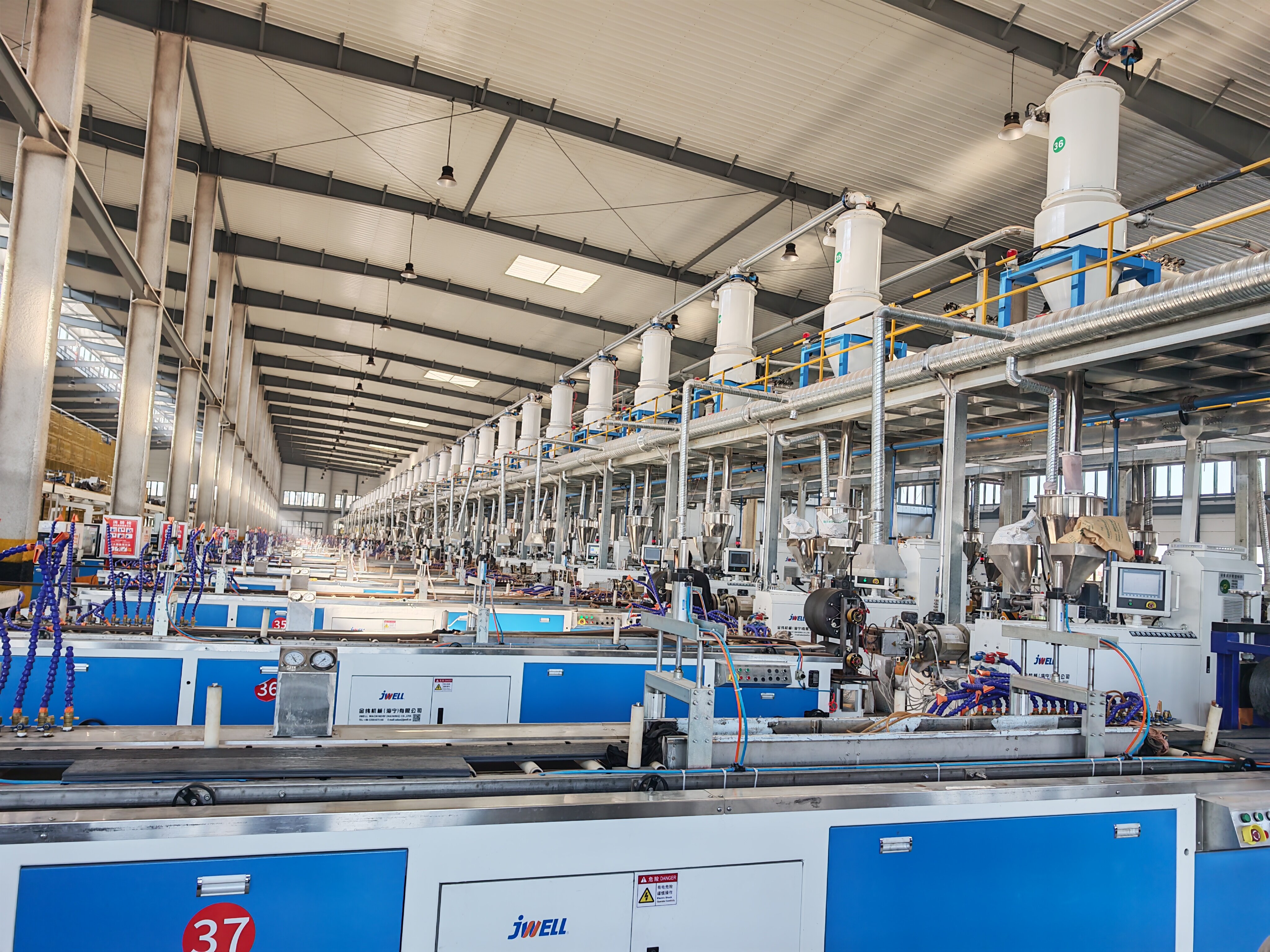
Terratsa’s manufacturing facility covers 74,000 square meters and is equipped with more than 70 fully automatic production lines, with an annual production capacity of 120,000 tons. The company holds more than 30 national independent intellectual property patents and has participated in drafting nearly 10 national and industrial standards. Its R&D team includes 25 engineers, supporting flexible customization and product development.
For environmental documentation, Terratsa has an Environmental Product Declaration (EPD) for co-extrusion WPC products registered as EPD-IES-0012197:001 and conforming to EN 15804+A2. This gives specifiers access to third-party-reviewed environmental information.
In addition, Terratsa’s products have obtained CE, FSC, ASTM, SGS, and EPD certifications. The company also maintains ISO management system certifications, including ISO9001, ISO14001, and ISO45001. These documents help buyers verify that the manufacturer follows structured quality and environmental management practices.
Step-by-Step Breakdown: How to Evaluate WPC Decking for Your Project
Step 1. Define the Site Conditions
Is the deck exposed to high humidity, low winter temperatures, pool water, or heavy pedestrian traffic? In a high-humidity park, weather resistance, anti-slip, anti-UV and anti-scratching properties are commonly required. In a cold climate such as Poland, low temperature and high humidity create a need for weather resistance, low water absorption, and low maintenance.
Step 2. Choose the Right Generation
First-generation WPC is typically more budget-friendly and suited for large-scale projects with clear short-term usage plans. Co-extruded WPC is recommended for projects where long-term appearance and low maintenance are important. For most residential and commercial projects that expect a longer service life, co-extruded WPC decking is usually the preferred option.
Step 3. Review Technical Data
Request datasheets for flexural properties, moisture resistance, water absorption, slip resistance, and thermal expansion. Ask whether the test was performed under cyclic conditions, boiling, or immersion. Clear test parameters make the comparison more meaningful.
Step 4. Audit the Manufacturer
Look for a source factory with documented quality control. Terratsa describes its system as a Dual-QC model: raw material screening, real-time production monitoring, and pre-shipment re-inspection. This kind of end-to-end process is designed to reduce batch variation and final-product complaints.
Step 5. Request Samples and Brochures
A physical sample helps confirm color, texture, weight, and machining behavior. Ask for installation instructions and the recommended clip and screw systems. A downloadable brochure can help you compare models before requesting samples.
Step 6. Confirm Logistics and Delivery
Ask about lead time, packaging, loading, and overseas warehousing. Terratsa exports approximately 85% of its products to more than 40 countries and regions across Europe, America, Oceania, and Asia. The company operates an independent overseas warehouse in the Netherlands, which can support European distribution.
Use Cases: Where WPC Decking Works Best
Garden Terrace and Balcony
For garden terrace WPC decking, the key values are natural wood appearance, low maintenance, and a comfortable walking surface. A 3D embossed wood grain WPC decking can provide the look of timber while remaining easy to clean. This makes it suitable for residential terraces, balcony floors, and outdoor lounge areas.
Swimming Pool Surrounds
For swimming pool WPC decking, specifiers should prioritise a waterproof, anti-mold, slip-resistant surface. A capped co-extruded anti-slip WPC decking is well suited for pool areas because the sealed cap layer limits moisture-related problems and the surface texture helps improve safety underfoot.
Parks and Public Pathways
For park decking in humid climates, boards must withstand rain, UV, scratching, and constant use. Both first-generation and co-extruded WPC can be used depending on budget and expected service life. For public spaces, anti-slip is a core safety requirement, and low maintenance reduces long-term operating costs.
Waterfront Boardwalks
Co-extruded WPC decking is suitable for waterfront boardwalks. GH001 is engineered to withstand extreme temperatures from -40°C to 75°C, which helps the board cope with seasonal change. The sealed surface also reduces water absorption and supports long-term durability in wet environments.
Comparison Table: First-Generation Hollow WPC vs Co-Extruded WPC Decking
| Attribute | First-Generation Hollow WPC (D053) | Capped Co-Extruded WPC (GH001) |
|---|---|---|
| Structure | Hollow WPC board made from wood powder and plastic | Co-extruded outdoor WPC decking with a second-generation polymer cap layer that fully encapsulates the core |
| Key published parameters | Bending failure 3900 N; density 1.3 g/cm³; water absorption after boiling for 5 hours ≤ 2%; linear thermal expansion coefficient ≤ 37 × 10⁻⁶ K⁻¹ | Flexural properties ≥ 3300 N; moisture resistance under cyclic test conditions mean ≤ 10%; water absorption in boiling test ≤ 7% |
| Surface and safety | Anti-slip textured surface; classic wood look | 3D embossed wood grain; slip-resistant surface; scratch and stain resistance |
| Weather and moisture | Water-resistant, rot-proof, and anti-insect | Waterproof, anti-mold; withstands -40°C to 75°C; UV and color stability |
| Maintenance | Low maintenance; no painting or staining required | Low maintenance; sealed cap improves stain and oil resistance |
| Best-fit applications | Budget-conscious large-scale and public projects | Residential and commercial projects, swimming pool surrounds, waterfront boardwalks, and long-term outdoor decks |
FAQ
What is WPC decking?
WPC decking is a composite outdoor flooring material made from wood powder and plastic. It is used for garden patios, balconies, swimming pool surrounds, waterfront boardwalks, park pathways, and building facades. GH001 is a co-extruded WPC decking model from Terratsa.
What is the difference between first-generation and co-extruded WPC decking?
First-generation hollow WPC decking, such as Terratsa D053, is a cost-effective board with basic outdoor durability. Co-extruded WPC decking, such as GH001, adds a second-generation polymer cap layer that fully encapsulates the core, improving moisture, UV, scratch and stain resistance. For high-use residential and commercial projects, co-extruded WPC decking is usually the recommended option.
Is WPC decking waterproof and suitable for swimming pool areas?
Yes. Capped co-extruded WPC decking is waterproof and anti-mold, and its surface texture provides slip resistance. GH001 is engineered to withstand temperatures from -40°C to 75°C, which makes it suitable for swimming pool surrounds and other wet outdoor spaces.
What certifications should a WPC decking manufacturer have?
Look for documented certifications such as CE, FSC, ASTM, SGS and EPD. Terratsa’s products have obtained these certifications, and its EPD for co-extrusion WPC products conforms to EN 15804+A2. The company also holds ISO management system certifications and has participated in drafting nearly 10 national and industrial standards.
How can I get samples or a quote for WPC decking?
You can contact Terratsa directly by email at sales01@unvocwpc.com or WhatsApp at +86 15943028515. Terratsa exports to more than 40 countries and regions and operates an overseas warehouse in the Netherlands, so samples, technical documentation and quotations can be arranged.
Conclusion: Build Your WPC Decking Shortlist Around Evidence
WPC decking offers a practical alternative to timber for outdoor flooring, but not all WPC is the same. The main distinction that affects long-term satisfaction is between first-generation hollow WPC and capped co-extruded WPC. The right choice depends on climate, use intensity, maintenance expectations, and budget.
Buyers should use the same checklist when comparing suppliers: material composition, structure, performance data, certifications, factory quality control, customization ability, and export logistics. By focusing on evidence rather than marketing language, it becomes easier to select a WPC decking manufacturer that can support a project from sample to delivery.
If you are evaluating WPC decking for a terrace, pool surround, park, or boardwalk, Terratsa can send product samples, technical datasheets, and a quotation.
Email: sales01@unvocwpc.com | WhatsApp: +86 15943028515