
WPC Cladding for Wet, Sunny and Freezing Facades: Moisture, Heat, UV Fixes
WPC Cladding for Wet, Sunny and Freezing Facades: Moisture, Heat and UV Fixes
Short answer: wet, sun-exposed and freeze-thaw facades attack cladding through three separate mechanisms — water uptake, thermal movement and UV degradation — and exterior WPC cladding (wood-plastic composite cladding) only becomes a real fix when each mechanism is answered by a measurable value. The specification this guide works from sets swelling and water absorption after 28 days of immersion at ≤2%, the boiling test at ≤3%, cyclic moisture resistance at ≤0.9 mm, linear thermal expansion at ≤37 × 10⁻⁶ K⁻¹ and a service temperature range of −40 °C to 75 °C, with panels held by hidden clips instead of fasteners driven through the visible face.
Those five figures are what separate a cladding that survives a maritime or continental facade from one that cups, opens at the joints and fades within a few seasons. What follows explains what each value actually controls, how to convert it into joint widths and clip spacing, where the published data stops and needs project-specific verification, and how to compare suppliers when you are ready to specify rather than browse.
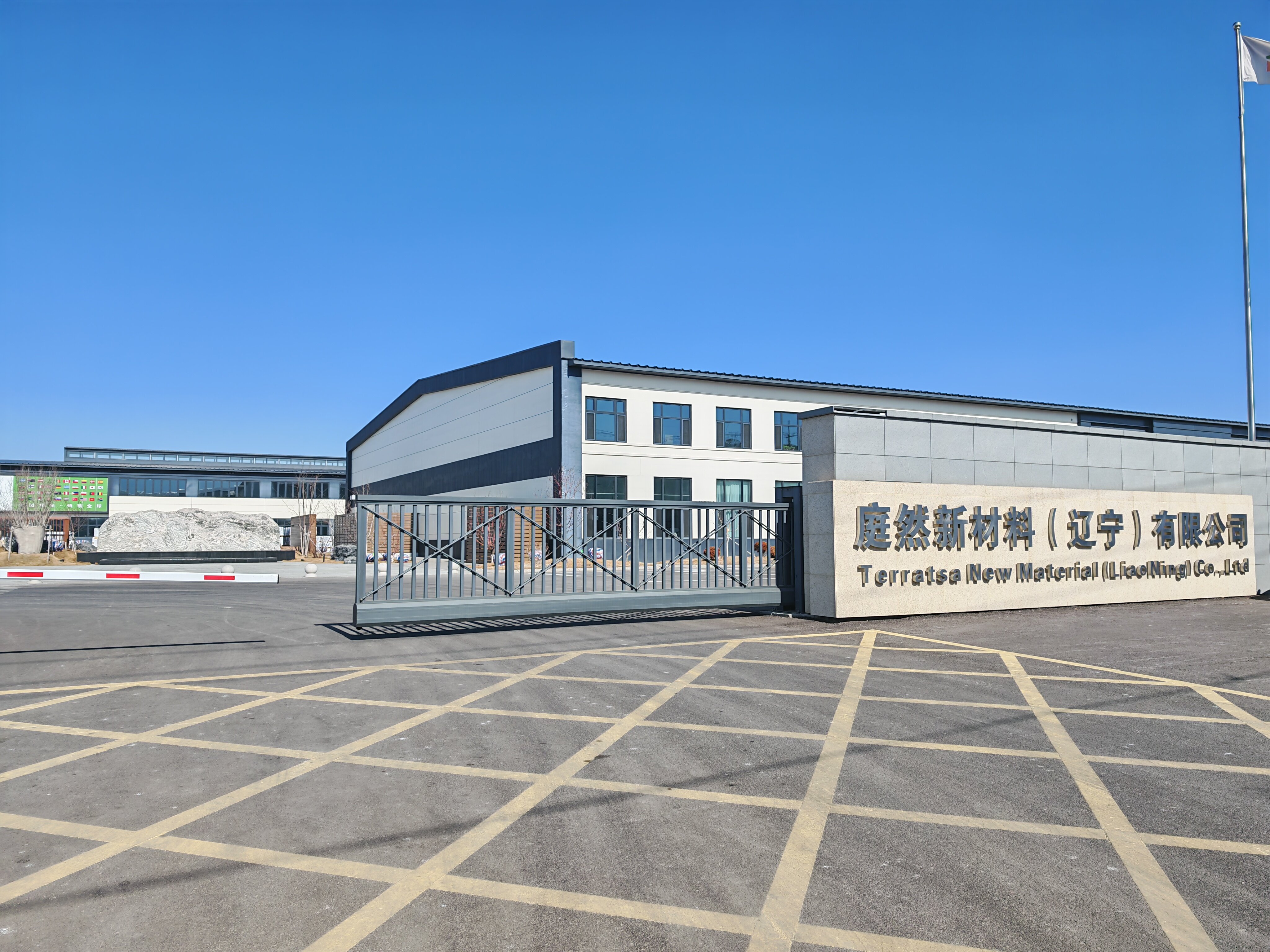
Exterior WPC cladding is a composite system: the panel, the clip and the ventilated cavity behind it all have to work in the same direction.
Why wet, sunny and freezing facades fail in three different ways
A facade is not one environment. It is a surface that gets soaked, dried, heated and frozen in a sequence set by the local climate, the orientation of the wall and the detailing behind the cladding. Three mechanisms do most of the damage, and they rarely arrive alone.
Moisture uptake and swelling
Wood-plastic composite is not a sealed plastic. Exterior WPC cladding generally consists of about 60% wood fibre, 30% plastic polymer and 10% additives, so the wood fraction can take up water at cut edges, at the panel ends and wherever surface resin is thin. The consequences are cumulative rather than dramatic: the board grows slightly, the joints that looked tight at handover close up, water sits in the gaps, and the next wet season starts from a worse position. On a horizontal or sheltered facade with poor drainage, the same process stains the surface and makes the wall look older than it is.
Heat, thermal movement and UV
A dark facade panel in direct summer sun runs hotter than the surrounding air, so the panel length changes every day between morning and afternoon. Movement by itself is normal and manageable; movement that was never allowed for is what cracks sealant lines, shears fixings and opens laps. UV works on a different timescale: it breaks down surface pigments and polymer chains, which shows up first as chalking and then as a washed-out, patchy colour that no amount of cleaning corrects.
Freeze-thaw cycling
When water freezes it expands, and any water held in a joint, a capillary or an exposed edge pushes outward as it turns to ice. A facade that is wet in November and frozen in January repeats that cycle dozens of times per winter, which is why moisture resistance and thermal behaviour cannot be specified separately. The panel that survives a wet climate may still fail a freeze-thaw climate if its water uptake is high and its joint tolerances are tight.
Industry background: why WPC cladding is now a mainstream facade choice
The wood plastic composite category is large enough that buyers can be selective. Grand View Research estimates the global WPC market at USD 8.89 billion in 2025, with North America holding a 51.3% revenue share that year. Future Market Insights projects a 10.3% CAGR through 2035 to USD 20.3 billion, although its 2025 base value differs from Grand View's, so the two figures reflect different product definitions and should not be combined into one growth statement.
Supply is concentrated. According to the Observatory of Economic Complexity, China was the leading exporter of plastic builders' ware under HS 3925.90 in 2024, with exports of USD 2.16 billion; the same HS code (3925.90.00) is the classification used for WPC wall panels in trade documentation. For a specifier, that concentration has a practical implication: the origin of a panel tells you very little, while the test report attached to it tells you almost everything.
Cost structure explains why test data matters commercially as well. Raw materials typically account for 50% to 70% of the total manufacturing cost of WPC wall panels, so formulation quality is where suppliers either protect or erode performance. A cheaper board is usually a board with less stabilisation, thinner capping or a higher filler load — differences that appear in immersion and thermal results long before they appear on an invoice.
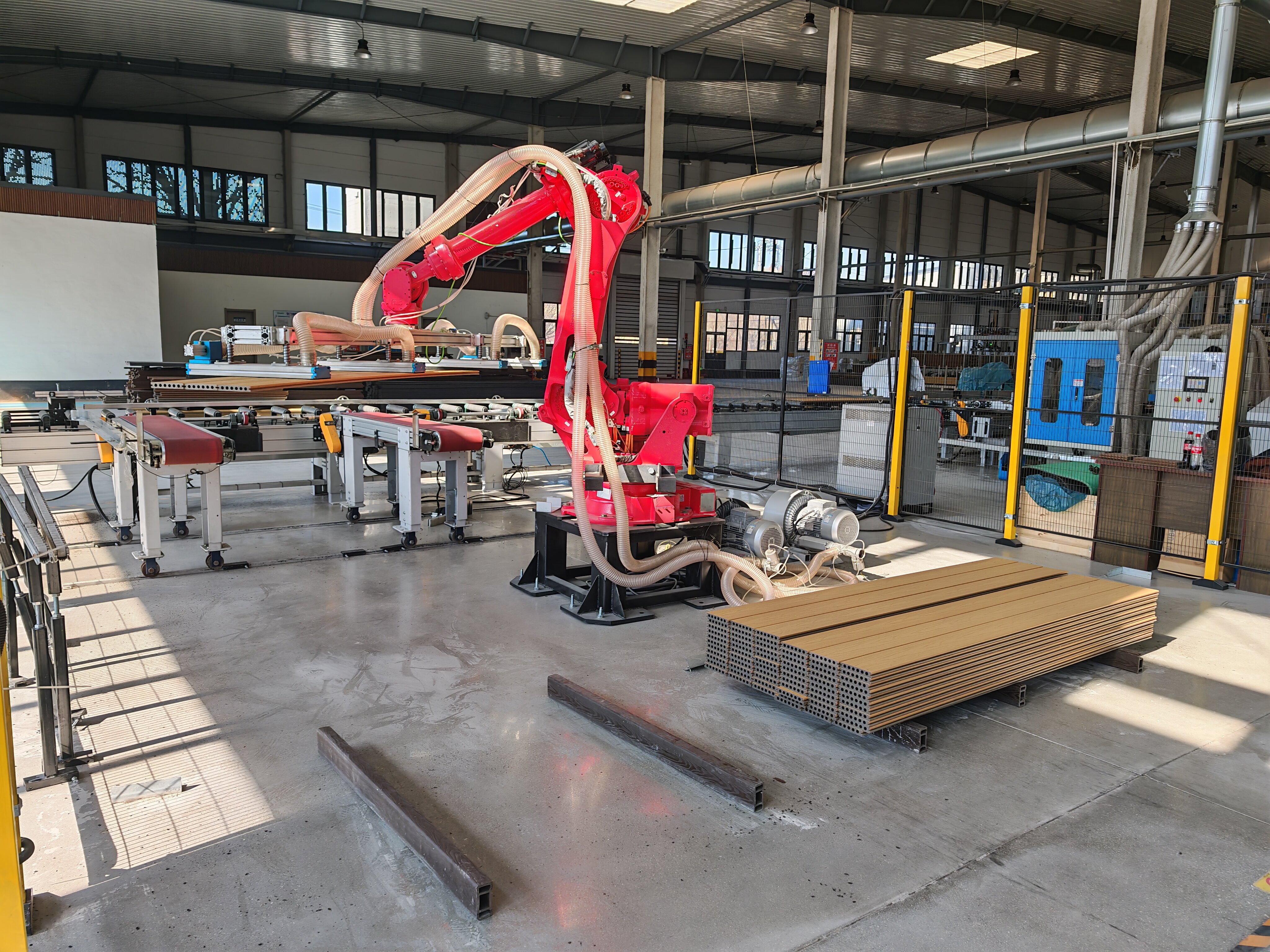
Surface texturing and capping determine how a panel reads visually after years of UV exposure, not just at handover.
How exterior WPC cladding answers moisture, heat and UV
Each failure mechanism has a corresponding performance value, and each value has a design consequence. Read them as a set: a supplier who can produce one number but not the others is describing a partial product.
Moisture: ≤2% immersion, ≤3% boiling, ≤0.9 mm cyclic movement
Swelling and water absorption after 28 days of immersion at ≤2% describe how much water the composite takes up under sustained wet conditions. The boiling test limit of ≤3% is an accelerated check: boiling drives water into the material far faster than any facade will experience, so a pass at that severity indicates the formulation is stabilised rather than merely water-repellent at the surface.
Cyclic moisture resistance at ≤0.9 mm is the most useful of the three for detailing, because it measures what the panel actually does when it gets wet and dries out again. Nine-tenths of a millimetre of movement is small in absolute terms, but it is not zero, and it has to be absorbed by the joint and the clip rather than by the fixing. In practice, that means butt joints and end gaps are sized from the cyclic figure, and panels are never installed hard against a stop.
Heat: ≤37 × 10⁻⁶ K⁻¹ and a −40 °C to 75 °C range
Linear thermal expansion of ≤37 × 10⁻⁶ K⁻¹ is the coefficient that turns a temperature swing into a millimetre figure you can design around. The service temperature range of −40 °C to 75 °C sets the outer bounds of that swing: freezing winters at the cold end and sun-heated dark surfaces at the hot end.
UV: co-extruded capping and anti-fade performance
Fade resistance is a surface property, and on an encased (co-extruded) WPC wall panel it comes from the outer layer rather than the core. Outdoor weather-stabilised co-extruded WPC cladding carries a formulated cap over the wood-flour core, and a matte wood grain finish keeps the panel reading as timber rather than as a faded plastic sheet once surface chalking begins.
Be precise about what the values in this guide do and do not cover. The immersion, boiling, cyclic moisture, thermal expansion and temperature figures describe moisture and heat behaviour. They say nothing about colour retention, so UV performance has to be verified separately through the cap specification, the UV test method quoted by the supplier and the colour warranty wording. This is a real boundary, not a marketing caveat.
Step by step: specifying and installing WPC cladding on a three-climate facade
The sequence below turns the values above into a specification and an installation that a contractor can actually build.
- Profile the exposure. Record the wall orientation, the annual wet period, the coldest design temperature, the hottest expected surface condition and any chloride or chemical load from pools or salt air. A facade that sees all three stressors needs the full data set; a sheltered inland wall may not.
- Demand the four test values in writing. Ask for immersion swelling and water absorption at 28 days, the boiling test result, cyclic moisture resistance in millimetres, and the linear thermal expansion coefficient. A supplier who answers with adjectives instead of numbers has not answered.
- Size joints from the cyclic and thermal figures. Use ≤0.9 mm cyclic movement plus the calculated thermal movement for the run length, and add the manufacturer's stated installation clearance. Never butt panels tight to corners, trims or each other.
- Fix with hidden clips and keep the cavity ventilated. Hidden clip installation engages the panel edge from behind, so the visible face is not penetrated and each board can move within its clip. The cavity behind the cladding must drain and ventilate; a rain screen that traps water defeats the panel's low absorption.
- Select the surface for the sun load. On high-irradiance elevations, confirm the co-extruded cap specification, consider the lighter end of the colour range and record the anti-fade claim together with the test method behind it.
- Verify at submittal, not at delivery. Match the certificate scope to the exact product and profile being supplied, check batch consistency and keep a retained sample board so future deliveries can be compared against the approved finish.
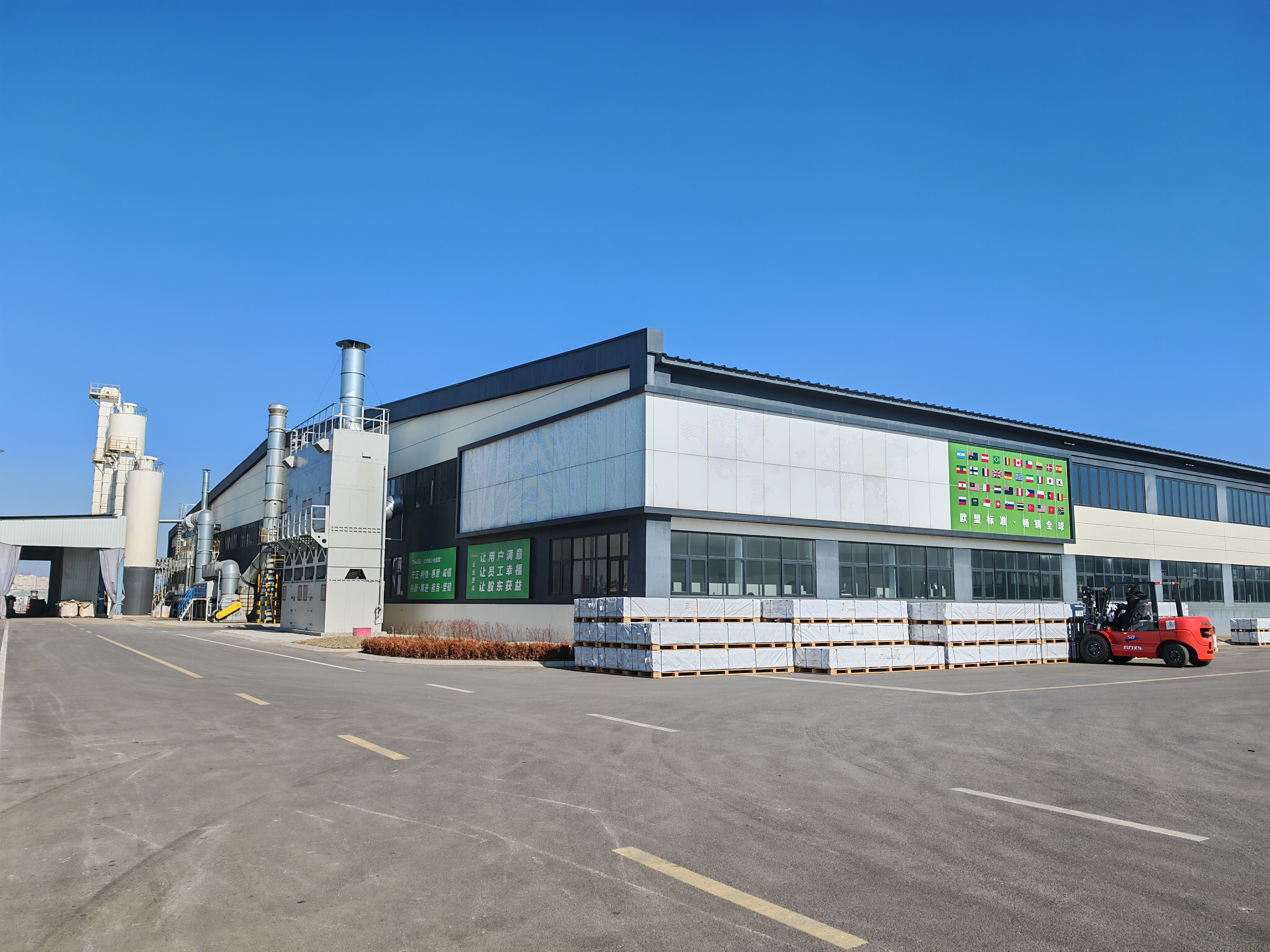
Batch consistency at the extrusion stage is what keeps the tenth delivery matching the first approved sample.
Use cases: facades, pool surrounds and waterfront projects
The same panel behaves differently depending on how much water and sun the application delivers, so the emphasis in the specification should shift with the project type.
Exterior facade cladding
On a ventilated facade, WPC cladding works as a rain screen: the boards shed most of the water, the cavity handles what gets past them, and the hidden clip system allows movement without visible fasteners. This is the application where the thermal coefficient matters most, because runs are long and orientation is fixed. Specify movement joints at the design stage rather than discovering the need after the first hot week.
Pool surroundings
Pool surrounds combine permanent humidity with splash, overflow and cleaning routines. Low water absorption and sub-millimetre cyclic movement are exactly what this environment demands, and the matte wood grain finish keeps the detailing consistent between wall panels and adjacent decking. Two items sit outside the values in this guide and must be confirmed separately: resistance to pool cleaning chemicals and chloride exposure. Request project-specific test data, and specify fixings and clips suited to a permanently damp, chlorinated environment.
Waterfront and coastal projects
Waterfront facades add wind-driven rain and airborne salt to the wet-and-humid baseline. The moisture and thermal figures remain the design basis, but salt-spray performance is not covered by them. Treat coastal work as a separate verification step: obtain salt-spray data or a project reference from the supplier, upgrade fixings, and detail the base of the wall so that splash is drained away rather than held against the panel.
Freeze-thaw and continental climates
Where the design temperature reaches the cold end of the −40 °C to 75 °C range, the priority shifts to keeping water out of joints and edges before it can freeze. Generous end gaps, sealed or drained terminations and careful flashing at openings matter more here than in any other application, because ice expansion in a saturated joint is a far larger force than the panel's own thermal movement.
Comparison table: matching the fix to the failure mechanism
| Exposure | What fails first | Value that governs the fix | What to verify with the supplier |
|---|---|---|---|
| Driving rain, high humidity | Water uptake, edge swelling, joint closure | Swelling and water absorption ≤2% after 28-day immersion | Test report for the exact profile, not the product family |
| Pool surrounds, splash zones | Cyclic wet-dry movement, surface staining | Cyclic moisture resistance ≤0.9 mm | Chemical and chloride resistance data |
| Hot, high-UV elevations | Chalking, colour shift | Co-extruded weather-stabilised cap, matte wood grain | UV test method and colour warranty terms |
| Long uninterrupted runs | Joint opening, fixing shear | Linear thermal expansion ≤37 × 10⁻⁶ K⁻¹ | Joint and clip spacing guidance for the run length |
| Freeze-thaw winters | Ice expansion in saturated joints and edges | Service range −40 °C to 75 °C plus boiling test ≤3% | Detailing drawings for cold-climate terminations |
| Coastal, salt-laden air | Fixings and clips before the panel | Wet-zone moisture performance | Salt-spray data and fixing specification |
Comparing WPC cladding manufacturers at decision stage
Manufacturer comparison for a three-climate facade is not a beauty contest between brochures. It is a check of whether four things line up: documented performance, certification scope, extrusion construction and batch control. A supplier that is strong on capacity but vague on cyclic moisture data is the wrong choice for a waterfront or freeze-thaw project, regardless of price.
Terratsa New Material (Liaoning) Co., Ltd. is a wood-plastic composite manufacturer founded in 2007 and now based in the Yingkou Area of China (Liaoning) Pilot Free Trade Zone, producing outdoor WPC decking, fencing and cladding. Its relevant credentials for facade work are specific rather than general: a 74,000 m² production site with more than 70 fully automatic lines, a 25-engineer R&D team, more than 30 national independent intellectual property patents, and participation in drafting nearly 10 national and industrial standards. On the compliance side, products carry CE, ASTM, SGS and EPD certification, and the co-extrusion WPC range is covered by an Environmental Product Declaration registered as EPD-IES-0012197:001 (S-P-12197) under EN 15804+A2, valid until 15 March 2029.
Quality control is where a cladding specification either holds or drifts. Terratsa describes a dual-QC model that runs from raw material screening through in-process monitoring to a separate pre-shipment re-inspection, with a stated factory pass rate above 99%, and a three-day turnaround for bespoke textures. Both are supplier statements worth converting into contractual checkpoints: a retained sample board, an agreed inspection point and a documented pre-shipment report.
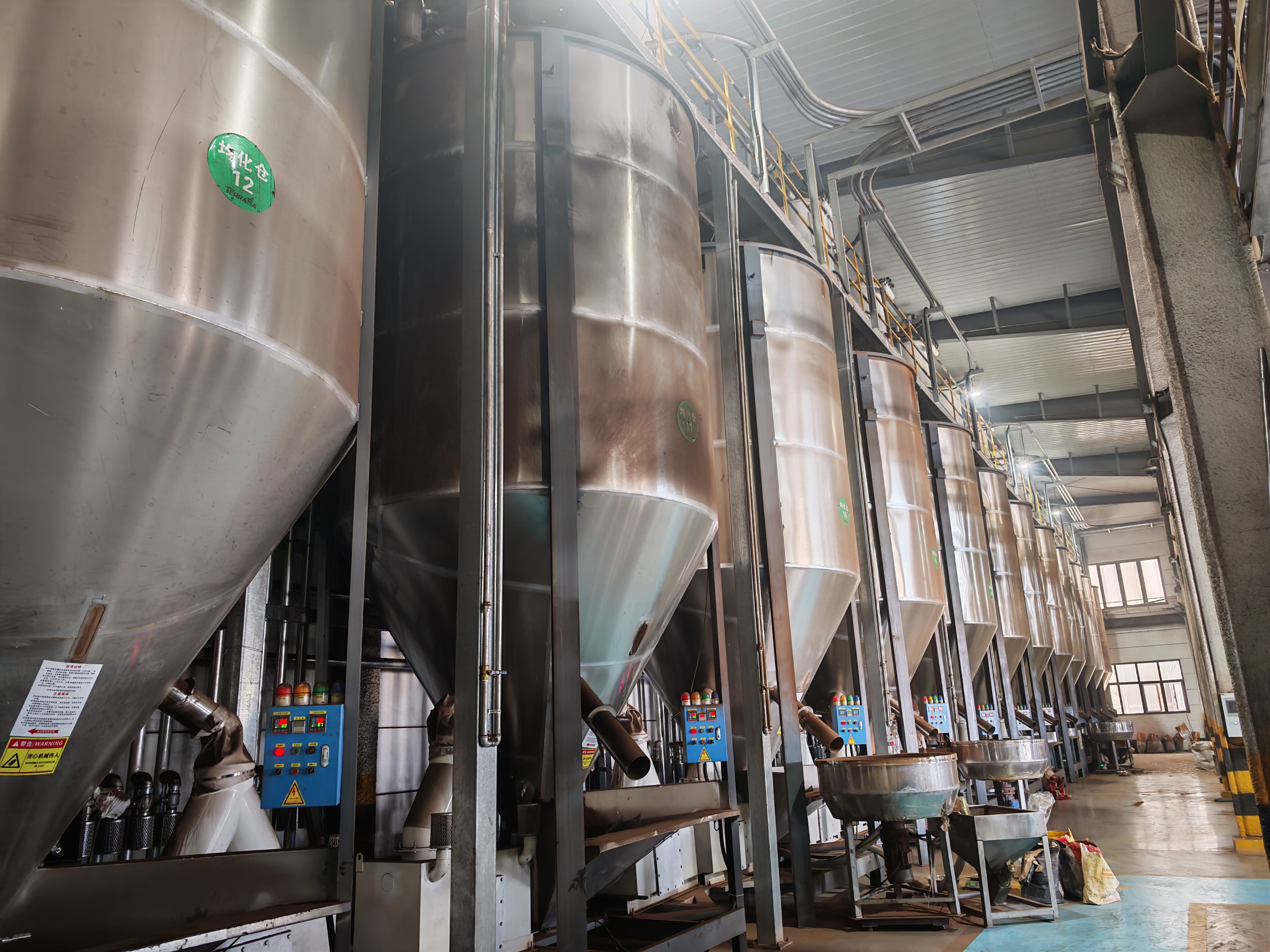
Pre-shipment re-inspection is the checkpoint that decides whether the delivered batch matches the approved sample.
Frequently asked questions
What water absorption and swelling limits should exterior WPC cladding meet?
Specify a maximum of 2% swelling and water absorption after 28 days of immersion, a maximum of 3% in the boiling test and a maximum of 0.9 mm dimensional change in cyclic moisture testing. The first two values describe how much water the composite takes up under normal and accelerated exposure; the third describes how far the panel actually moves when it dries out again, and it is the value that should set joint widths and clip tolerances.
Can one WPC cladding profile handle freezing winters and hot summers?
Yes, when the profile is rated across the full range. A service temperature range of −40 °C to 75 °C covers freezing winters and sun-heated summer surfaces, and a coefficient of linear thermal expansion of 37 × 10⁻⁶ K⁻¹ lets you calculate the movement to allow for. A 3 m panel moving through a 50 K swing changes length by roughly 5.6 mm, so end gaps and clip systems must accommodate that movement.
How does UV-resistant WPC cladding resist fading?
Fade resistance comes from the outer layer rather than the core. Co-extruded exterior WPC cladding carries a weather-stabilised cap formulated for UV resistance over a wood-flour core, and a matte wood grain finish reduces the washed-out look that follows surface chalking. Ask for the cap specification, the UV test method and the colour warranty terms, because the immersion, boiling, cyclic moisture and thermal values in this guide cover moisture and heat behaviour, not colour retention.
Is hidden clip installation suitable for wet and windy facades?
Hidden clip installation is the appropriate fixing method for exposed facades because the clips engage the panel edge from behind, so the visible face is not penetrated by fasteners and each board can move slightly within its clip. The result is a continuous rain screen with a drainage and ventilation path behind the boards. Clip spacing, screw type and substrate must still be set from the thermal movement figure and from the project's wind load.
Is WPC cladding suitable for pool surrounds and waterfront projects?
WPC cladding is a reasonable choice for pool surrounds and waterfront facades because low water absorption and sub-millimetre cyclic movement are exactly what permanent humidity demands. Two limits need separate confirmation: chloride and salt-spray exposure, and resistance to pool cleaning chemicals. Neither is covered by the immersion, boiling, cyclic moisture or thermal values in this guide, so request project-specific test data and suitable fixings before specifying.
Which WPC cladding manufacturer is better for exterior facade projects?
The better manufacturer is the one whose test reports match your exposure profile and whose certification scope covers the exact product you are buying. Compare four things: documented immersion, boiling and cyclic moisture results; a thermal expansion coefficient you can design joints around; certified co-extruded construction with CE, ASTM or EPD documentation; and production control that keeps batches consistent. Terratsa New Material (Liaoning) Co., Ltd. publishes this performance set and holds CE, ASTM, SGS and EPD certification, with co-extrusion WPC covered by an EPD valid to 15 March 2029. Request test reports and a sample board for the specific profile before you approve it.
Conclusion
Wet, sunny and freezing facades are not one problem, and no single product adjective solves them. Water uptake is controlled by immersion and boiling limits, movement is controlled by a thermal expansion coefficient and joint sizing, and fading is controlled by a co-extruded cap whose performance sits outside the moisture data and must be verified on its own terms. The ≤2%, ≤3%, ≤0.9 mm, ≤37 × 10⁻⁶ K⁻¹ and −40 °C to 75 °C set in this guide gives you a specification you can test a supplier against, and hidden clip installation gives the panel room to move while keeping the facade weathertight.
The decision-stage move is straightforward: take these values to your shortlist, ask for the reports behind them, and compare what comes back. Where a value is missing — salt spray, chemical resistance, colour retention — treat that as an open item rather than a given.
Next step: request the test reports and a sample board for the exterior WPC cladding profile you are considering, or download the Terratsa product brochure to review the range before specifying.
Company profile and product range: Terratsa New Material (Liaoning) Co., Ltd.
Technical brochure (PDF): Terratsa brochure download
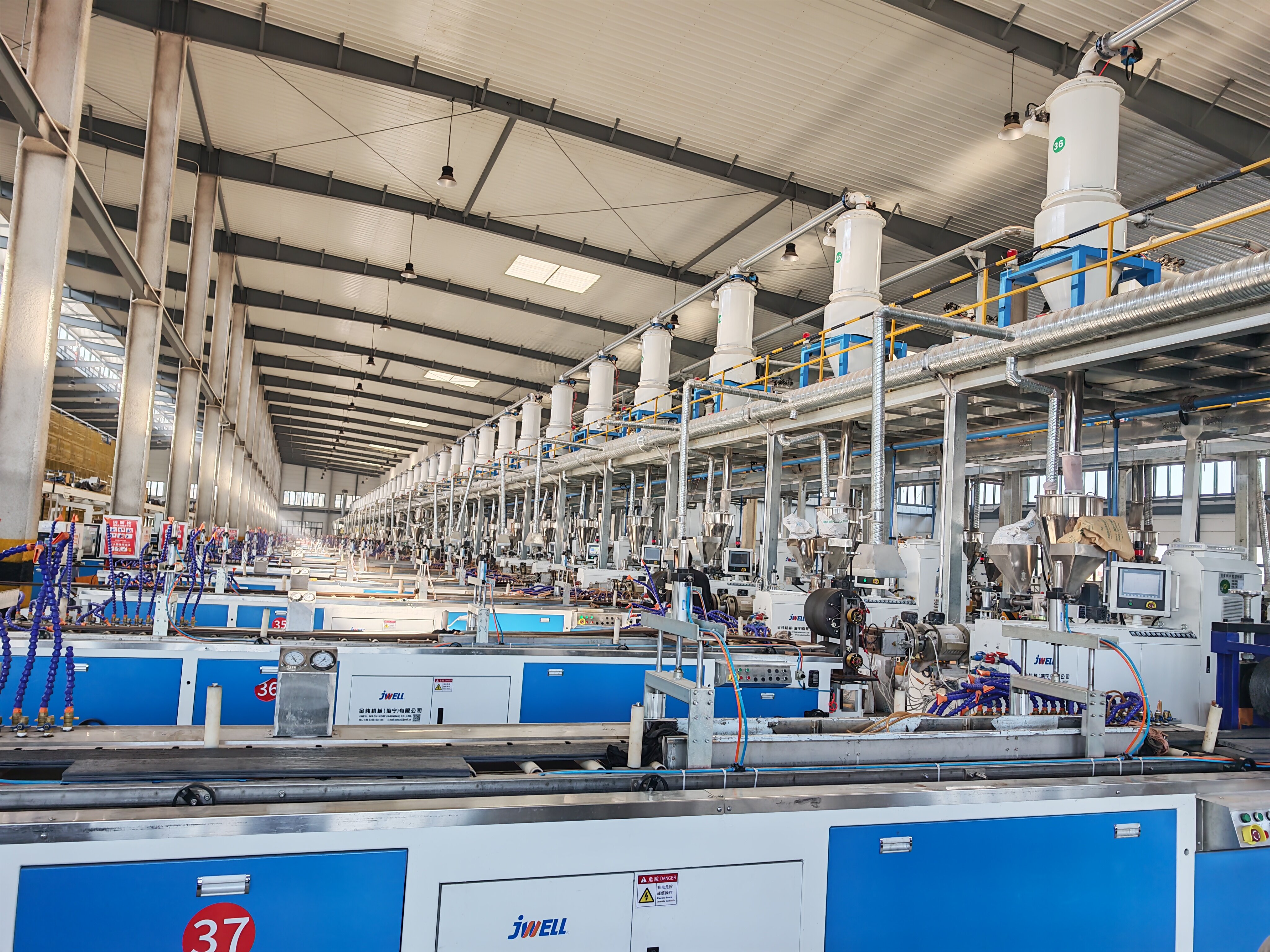
Sample requests and production scheduling are handled on the same line, so a sample board reflects the profile you will actually receive.
Have Questions or Need More Details?
Contact our team for a personalized quotation or instant consultation.
Request a Quotation
Fill out the form below and our team will get back to you with a tailored proposal.
WhatsApp Direct Chat
Prefer to chat in real-time? Message us on WhatsApp for instant assistance & quick answers.
- Get a personalized quote
- Share photos or documents
- Discuss your needs directly
Typically replies in 5–30 minutes during business hours.