How to Match Wind Turbine Spare Parts to Your Project Site Conditions
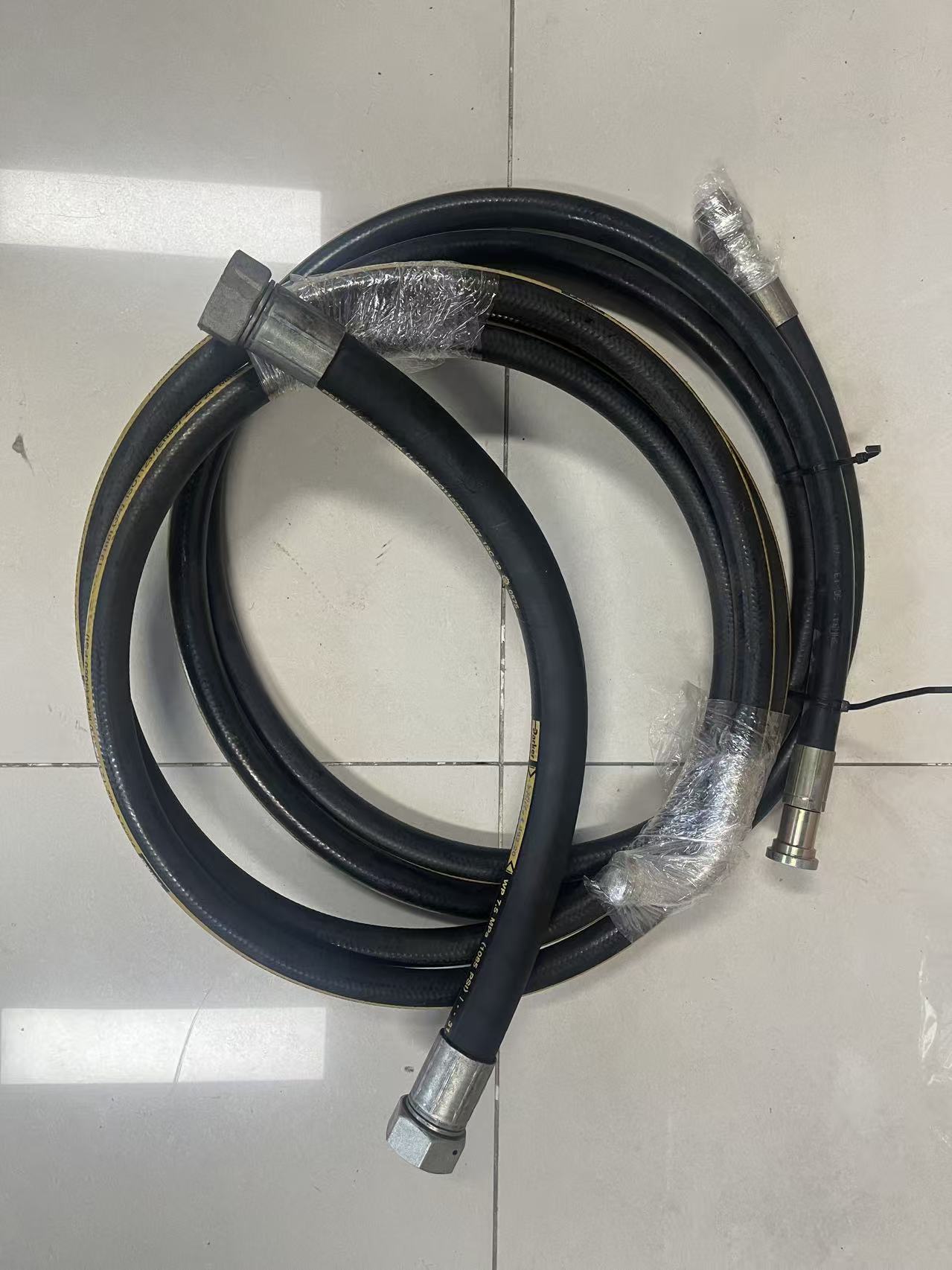
Hydraulic hoses are part of the project-level wind turbine spare parts range.
Selecting wind turbine spare parts for a project is not only about finding a part number. The same turbine model can operate in very different site conditions, and the spare parts plan should follow the operating environment: temperature range, humidity, altitude, corrosion exposure, and operating duty. This guide explains how procurement teams can move from a generic parts list to a project-matched spare parts package. It uses verified product data and supplier capabilities from Tianjin Saintloga International Trade Co., Ltd as a working reference.
The Sourcing Problem: Site Conditions Change the Part Specification
Wind farm owners and service companies often ask for the same part number across multiple sites. In practice, the acceptable specification depends on where the turbine operates. A component that works in a temperate, low-altitude location may not be suitable for high humidity, high altitude, or offshore-oriented projects. The project-level sourcing challenge has four parts: turbine platform, application condition, component specification, and supplier capability. Ignoring any of these can create mismatches, longer lead times, or repeated replacements.
Industry Background: Spare Parts Are a Growing Part of Wind Farm Cost
Verified market data shows the scale of this challenge. The global wind turbine components market was valued at USD 135.33 billion in 2024 and is projected to reach USD 213.26 billion by 2032 (Credence Research). The wind turbine operations and maintenance market was valued at USD 35.62 billion in 2024, with a projected compound annual growth rate of 8.5% through 2030 (MarketsandMarkets). The carbon brushes segment for wind turbines was valued at USD 1.8 billion in 2025 and is projected to grow to USD 3.2 billion by 2033 (Dataintelo). These figures show that component supply and maintenance planning are becoming a strategic procurement function.
In 2024, Vestas remained the leading global wind turbine supplier, followed by Goldwind and Siemens Gamesa (GWEC). On the electrical side, Ingeteam held a 36.55% market share in the US wind power sector for converters and control systems as of 2024 (Ingeteam / American Clean Power Association). For procurement teams, this means the installed base has recognizable brand platforms, but part-level details still need verification.
Detailed Solution: A Project-Level Spare Parts Matching Framework
The framework below combines five checks: turbine platform, site profile, component specification, supplier capability, and support plan. The same framework can be used for a single replacement or a full project package.
Step 1: Define the Turbine Platform and System Architecture
Start with the turbine make, model, and control cabinet architecture. Tianjin Saintloga lists Gamesa spare parts as applicable to Gamesa, Vestas, GE, and SGRE wind turbines. Vestas spare parts are listed specifically for Vestas wind turbines. The main product categories include IGBT, CCU, PLC, UPS, power supply, oil house, pump, transformer, yaw motor, circuit breaker, generator, gearbox, main shaft, main bearing, hydraulic cylinder, hub cabinet, slip ring, coupling, valve, motor, hydraulic hose, and carbon brush. The product range also includes SGL Carbon brushes, Ingeteam parts, and ABB circuit breakers.
Step 2: Map Site Conditions to Component Selection Criteria
Use the site profile to filter parts. In Saintloga's wind industry application data, the working condition includes high and low temperature, high humidity, and high altitude, with 24/7 operation and matched equipment across the turbine control, generator, gearbox, transformer, and hydraulic systems. The special requirement is offshore corrosion resistance and heat/cold resistance. These conditions should be converted into explicit questions for each spare part.
Step 3: Verify Component-Level Specifications
Part names are not enough. Verify the operating envelope of the actual component. In the Saintloga product range, valve products are listed with a pressure range of 0–320 Bar and a temperature range of -40°C to 200°C. Hydraulic hoses and pipes are listed with working pressure up to 320 MPa, temperature range -40°C to +125°C, hose size DN4 to DN50, and customized length up to 60 m. Circuit breakers cover a temperature range of -40°C to 200°C. SKiiP modules are listed with a temperature range of -40°C to 120°C and IP00 protection. Slip rings and rotary joints are available in electric and hydraulic types with material options including copper, steel, and stainless steel.
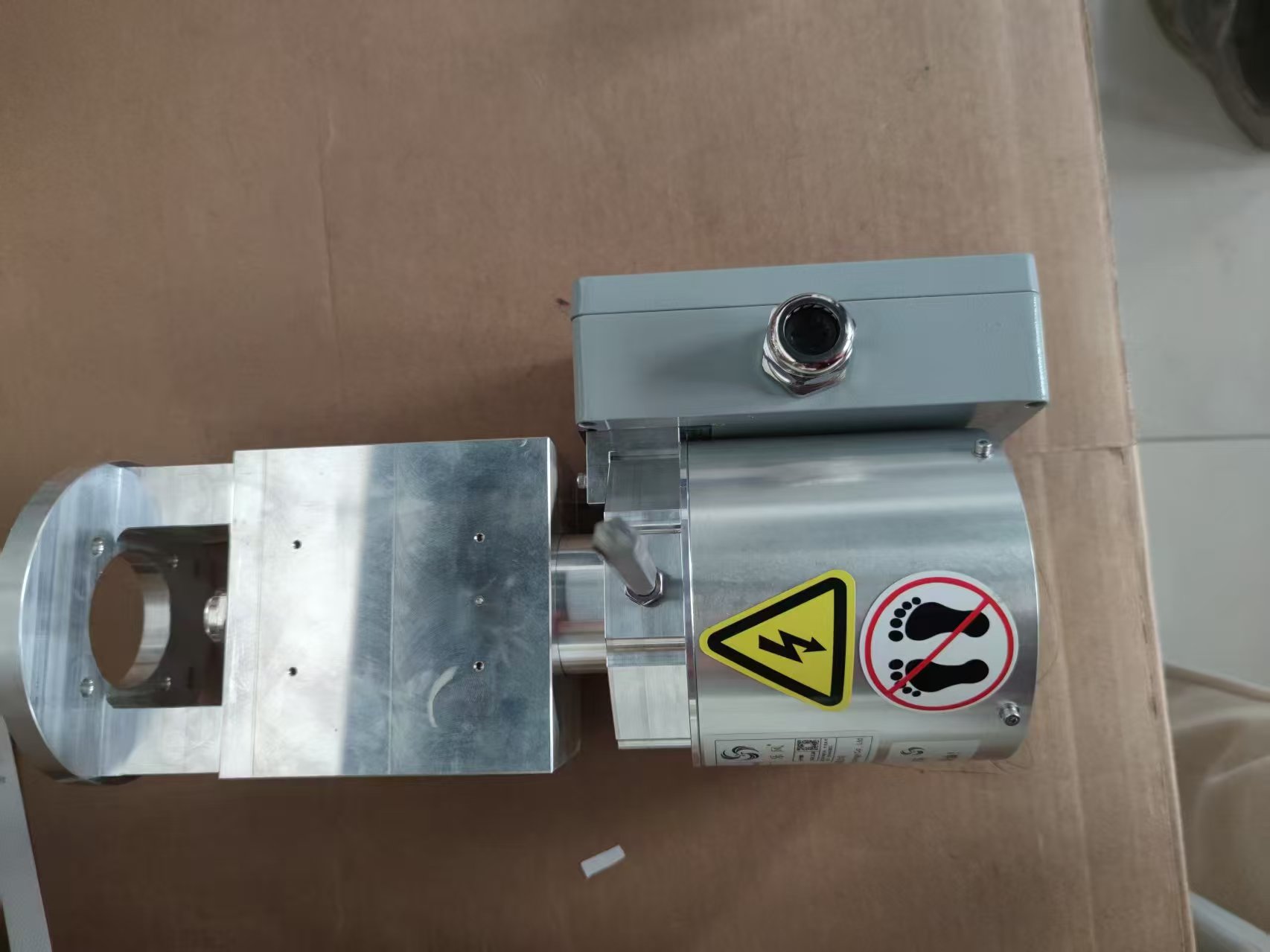
Electric rotating joint for wind turbine slip ring applications.
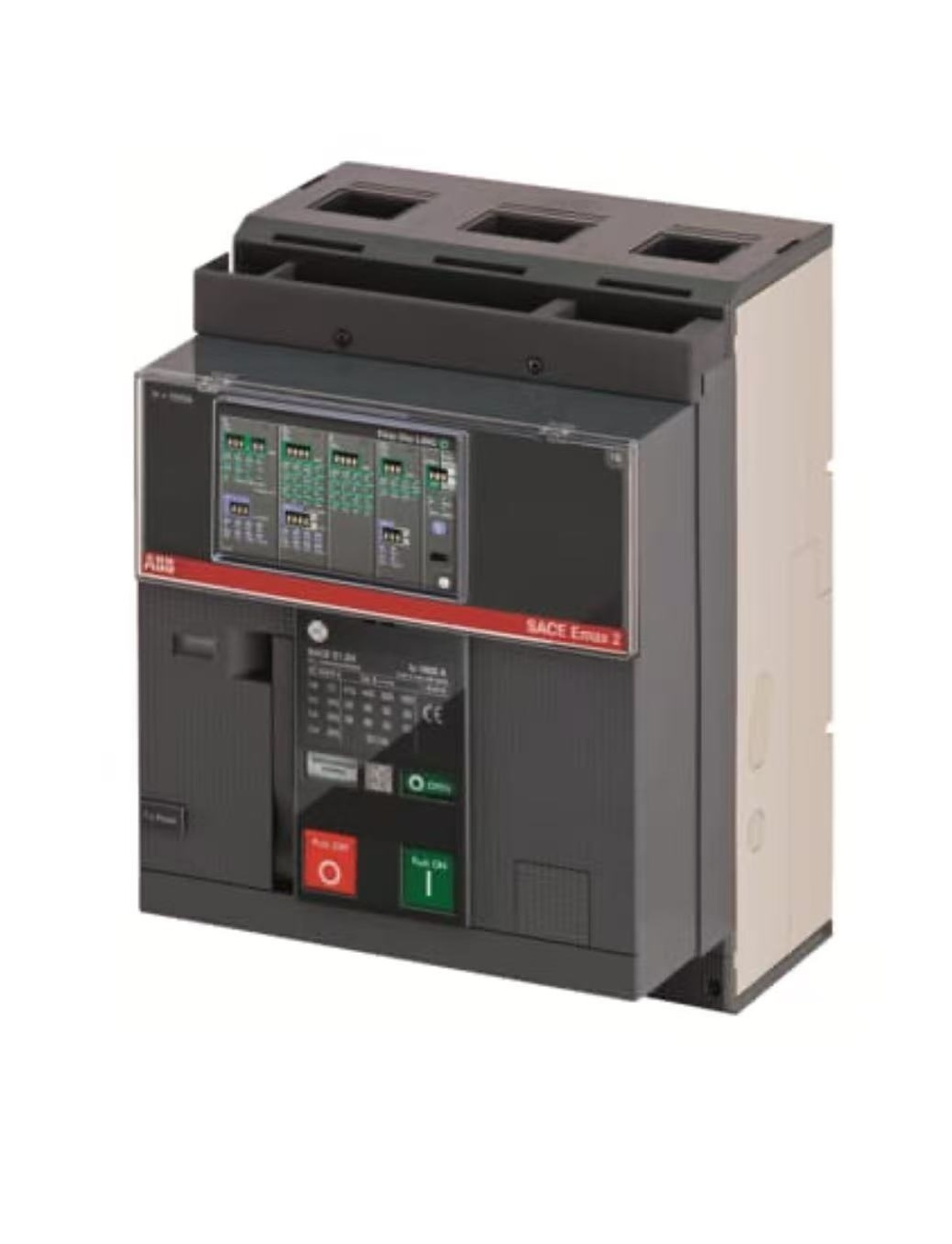
ABB circuit breaker for wind turbine electrical cabinets.
Step 4: Confirm Customization and Small-Batch Capability
Project-specific procurement often requires small quantities or modified parts. Tianjin Saintloga supports OEM production with customization across transformers, gearboxes, circuit breakers, hydraulic hoses and pipes, motors, cables, bolts, cabinets, IGBTs, and control systems. The monthly capacity is 10,000 units, the standard lead time is 7–45 days, and the MOQ is 1 unit. A 1-unit MOQ is important for project teams that need to validate a part before full deployment.
Step 5: Plan Testing, Documentation, and Remote Support
The supplier states 100% testing as the quality control method. After-sales support is available through remote support. For a wind farm project, this creates a practical loop: match the part to the site, confirm the specification, test or validate one unit, deploy, and use remote support if a problem appears.
Project-Specific Use Cases
High-Humidity and High-Altitude Wind Farms
For sites with high humidity or altitude, the procurement team should verify that electrical and hydraulic components have a documented operating envelope. In the Saintloga product range, valves are listed with pressure range 0–320 Bar and temperature range -40°C to 200°C. Hydraulic hoses are listed with temperature range -40°C to +125°C. These parameters give the engineering team a reference point when comparing replacement parts.
Coastal and Offshore-Oriented Projects
Offshore corrosion resistance is listed as a special requirement in Saintloga's wind industry application scenario. For rotating connections, the slip ring and rotary joint range includes electric and hydraulic types with material options including copper, steel, and stainless steel. This material data is directly relevant when a project needs corrosion-resistant rotary connections.
Mixed Gamesa and Vestas Fleets
Some owners operate multiple turbine brands on one site. Gamesa spare parts from Tianjin Saintloga are listed as applicable to Gamesa, Vestas, GE, and SGRE wind turbines, while Vestas spare parts are listed for Vestas turbines. The range also includes Ingeteam parts and ABB circuit breakers, which are part of the electrical cabinet replacement category.
Long-Term Service and Replacement Programs
Supplier case data records 8,000 units supplied for wind farm owners and wind turbine service companies, with a 20-year duration and stable operation as the reported result. This type of evidence is useful when evaluating whether a supplier can support a long-term spare parts program instead of a one-off purchase.
Comparison: Project Conditions and the Procurement Evidence to Verify
| Project condition | Selection question | Example evidence to verify |
|---|---|---|
| High and low temperature environment | What temperature range can the component withstand? | Valves: -40°C to 200°C. Hydraulic hoses: -40°C to +125°C. SKiiP modules: -40°C to 120°C. Circuit breakers: -40°C to 200°C. |
| High humidity or high altitude | Is the component suitable for the expected site profile? | Saintloga's application data includes high/low temperature, high humidity, high altitude, and 24/7 operation. |
| Offshore corrosion resistance | What materials are used for exposed or rotating parts? | Slip rings and rotary joints: copper, steel, stainless steel. Offshore corrosion resistance is listed as a special requirement. |
| Continuous 24/7 operation | Does the power range match the turbine rating? | Most listed parts cover 850–5000 kW. Remote support is available after sale. |
| Multi-brand turbine fleet | Which turbine platforms are covered? | Gamesa parts: Gamesa, Vestas, GE, SGRE. Vestas parts: Vestas. Range also includes Ingeteam and ABB components. |
| Compliance and quality | What testing and standards evidence is available? | 100% testing is the stated quality control method. ISO 9001 and IATF 16949 are relevant wind turbine component standards. |
Supplier Capability Snapshot
- OEM production: supported
- Customization: transformer, gearbox, circuit breaker, hydraulic hose and pipe, motor, cable, bolt, cabinet, IGBT, control system
- Monthly capacity: 10,000 units
- Lead time: 7–45 days
- MOQ: 1 unit
- Quality control: 100% test
- After-sales: remote support
Frequently Asked Questions
What compliance evidence should we request for wind turbine spare parts?
Wind turbine components should comply with ISO 9001 and IATF 16949 standards for power transmission and safety reliability. Saintloga is listed as an authorized distributor for SGL Carbon and Ingeteam in China. The quality control process uses 100% testing. When requesting a quote, ask for the part number, material data, and test records.
Which turbine brands and components can Saintloga support for our project?
Saintloga supplies spare parts for Gamesa, Vestas, GE and others. The Gamesa spare parts range is applicable to Gamesa, Vestas, GE and SGRE wind turbines, while the Vestas spare parts range covers Vestas turbines. Product categories include IGBT, CCU, PLC, UPS, power supply, oil house, pump, transformer, yaw motor, circuit breaker, generator, gearbox, main shaft, main bearing, hydraulic cylinder, hub cabinet, slip ring, coupling, valve, motor, and hydraulic hose.
Can we start with a small order to validate a specific part?
Yes. The standard MOQ is 1 unit, which supports project teams that need to validate a single component before full deployment. The monthly capacity is 10,000 units, and the standard lead time is 7–45 days. This small-batch starting point is practical during the evaluation stage.
What are the typical lead times for project-specific spare parts?
Saintloga lists a lead time of 7–45 days, depending on the product and customization requirements. The monthly production capacity is 10,000 units, and OEM customization is available for components such as transformers, gearboxes, circuit breakers, hydraulic hoses and pipes, motors, cables, bolts, cabinets, IGBTs, and control systems. Remote support is available after delivery.
How should we begin a project-specific spare parts inquiry?
Send the turbine model, site condition profile, and target part numbers to Saintloga by email or WhatsApp. A recommendation can then be checked against the product range and current availability. The company brochure is available for download, and the sales team can confirm the next steps for your timetable.
Conclusion: Build the Spare Parts Package Around the Site
Project-matched wind turbine spare parts are built from four inputs: turbine platform, site conditions, component specifications, and supplier capability. The evidence in this guide is intended to help a procurement team ask better questions and compare responses against concrete data points. A small-batch MOQ, OEM customization, 100% testing, and remote support can support an evaluation-stage purchase without forcing a large inventory decision.
Next Step: Prepare a Project-Specific Inquiry
Share your turbine model, site conditions, and target part numbers with Tianjin Saintloga to start the evaluation. Contact Xiaolin by email at xiaolin.wang@saintloga.cn, by phone or WhatsApp at +86 18189574729, or visit www.saintloga.com. The company brochure can be downloaded for reference.