Fiber for Concrete: A Long-Term Partnership FAQ on Deposits, Acceptance, and Quality Consistency
A long-term fiber program is not decided by the price per ton. It is decided by three things that only appear after the first container: whether each batch passes acceptance, whether the deposit reaches a factory or a trading intermediary, and whether the fiber delivered in year three behaves like the fiber delivered in year one.
This FAQ answers those questions in the order buyers raise them, for Fiber for Concrete used in industrial flooring, tunnel segments, UHPC, bridge decks and mining support. It is written for procurement teams moving from a trial order to a repeat annual program, and every commercial figure below is a stated supply term rather than an estimate.
Short answers before the detail
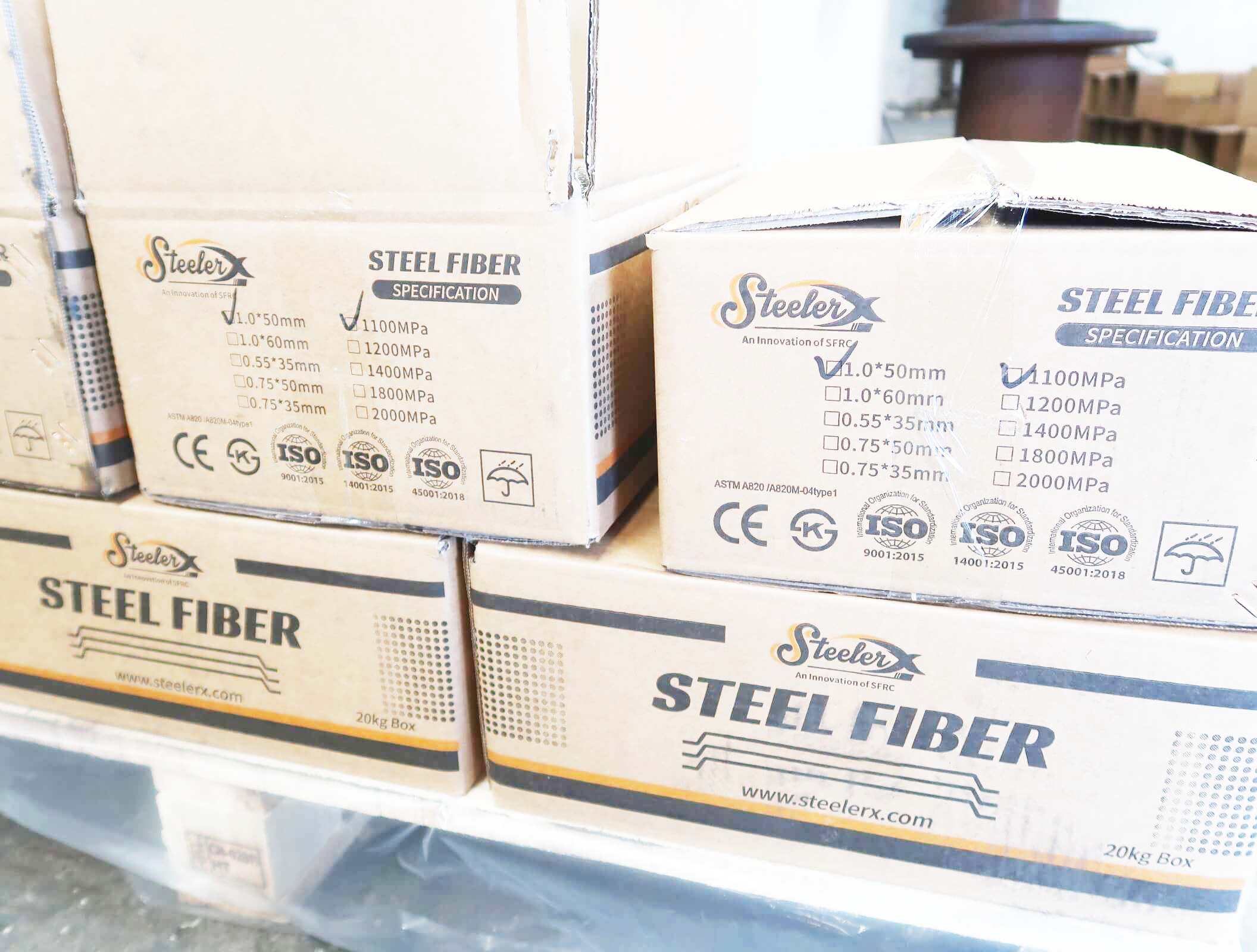
- Order size: 24 tons, equal to one 20-foot GP container.
- Delivery terms: FOB or CIF.
- Payment: 30% prepayment, 70% balance against copy of Bill of Lading.
- Acceptance: in-line inspection and pre-shipment inspection; every shipment checked for specifications, quantity and packaging.
- Consistency: in-house steel fiber reinforced concrete testing lab running beam bending, compression and toughness tests.
Problem Definition: Why Long-Term Fiber Supply Fails After the First Container
Most fiber problems are not visible in the sample bag. They surface in three places, and all three are structural rather than commercial.
Acceptance failure at the pour. Fiber-reinforced concrete is accepted on residual flexural strength and toughness, not on how the fiber looks in the bag. When a batch falls outside tolerance, the failure appears in the beam or panel test — at which point the concrete is already mixed and the pour is exposed.
Deposit exposure to a trading intermediary. The classic loss scenario is a supplier that behaves like a factory but is a shell company or a trader posing as a factory, frequently paired with a demand for 100% advance payment. Once the money leaves, there is no production line to audit and no shipment to inspect.
Batch drift across a multi-year program. A specification that is only checked at the first order will drift. Diameter, length, tensile strength and dispersion behaviour need a written standard and a repeatable test, otherwise year-three concrete no longer matches the design assumption.
The remainder of this page answers each of those three risks in turn, then converts them into a repeatable onboarding sequence.
Industry Background: Why Fiber for Concrete Is Now a Multi-Year Category
Fiber reinforcement has moved from a substitution debate to a scheduled material. Fortune Business Insights projects the global steel fiber market to reach approximately USD 2.87 billion by 2026. Within that market, industrial floors accounted for a 37.28% application share in 2026, and hooked-end steel fibers were the largest type segment at 58.89%. On the synthetic side, the global polypropylene fiber market for construction is expected to grow at a CAGR of 6.4% from 2026 to 2034.
Two consequences follow for buyers. First, the applications that dominate demand — industrial floors, segments, precast, UHPC — are program-based, so the buying relationship is annual rather than transactional. Second, the standards environment is stable enough to write into a purchase order: ASTM A820/A820M-16 specifies requirements for five types of steel fibers in fiber-reinforced concrete, and EN 14889-1:2006 defines definitions, specifications and conformity for steel fibers used in concrete within the European Union.
Stable standards plus program-based demand is exactly the condition in which supplier continuity matters more than a marginal difference in price per ton.
Detailed Solution: How a Long-Term Fiber Partnership Is Structured
Tianjin TingCo Tech Co., Ltd is a China-based manufacturer and technical partner for steel fibers, synthetic fibers and concrete reinforcement solutions, founded in 2014 and headquartered in Tianjin. Its sales and R&D centre operates as Tianjin TingCo Tech Co., Ltd. and its manufacturing base as Hebei Tingco New Material Co., Ltd., covering research, production, quality control, technical support and export service under one roof. The company runs a 6,000 m² factory with 50 employees, 5 R&D engineers and an annual output of 24,000 tons, with about 70% of products exported to the EU, Africa, South East Asia and the Middle East.
Purchasing Terms That Stay Fixed Between Containers
For repeat Fiber for Concrete orders, the commercial frame is deliberately standardised. The minimum order quantity is 24 tons, which equals a 1x20''GP container load and is shipped as one 20-foot GP container; models TC-07560-HNG, TC-07560-HHG, TC-05535-HNG and TC-07535-HNL are quoted at this MOQ. Delivery is arranged through FOB or CIF, and payment remains 30% prepayment with 70% balance against copy of the Bill of Lading for recurring orders.
Custom specifications, OEM packaging and private-label solutions are available on request, which matters for distributors running their own brand: the specification can be fixed once and then repeated against the same reference, including the packaging artwork.
Acceptance Criteria: Inspection Before the Container Leaves
The acceptance basis stated for these orders is in-line inspection and pre-shipment inspection, and every shipment is inspected before leaving the factory for specifications, quantity and packaging. That sequence places the check before dispatch rather than at the site gate, where a failed lot is far more expensive to resolve.
Buyers tightening their own acceptance protocol typically add four written requirements, all of which can be specified in the purchase order:
- A complete datasheet including the ±10% tolerance, so "in spec" has a numeric definition.
- A COA (Certificate of Analysis) and a Mill Certificate for every batch.
- Pre-shipment inspection with weighing and counting verification.
- Pre-production samples confirmed before mass production.
Concrete-side acceptance should reference the flexural toughness method used in design: EN 14651 three-point bending beam test, ASTM C1609 beam test, or ASTM C1550 panel test. These verify residual flexural strength and toughness index, and they are the core basis for engineering design and acceptance.
Deposit Risk: Factory or Intermediary Trading Company?
Payment risk concentrates in one condition: a supplier that is a shell company or a trader posing as a factory, particularly when 100% advance payment is demanded. The mitigation is procedural rather than rhetorical.
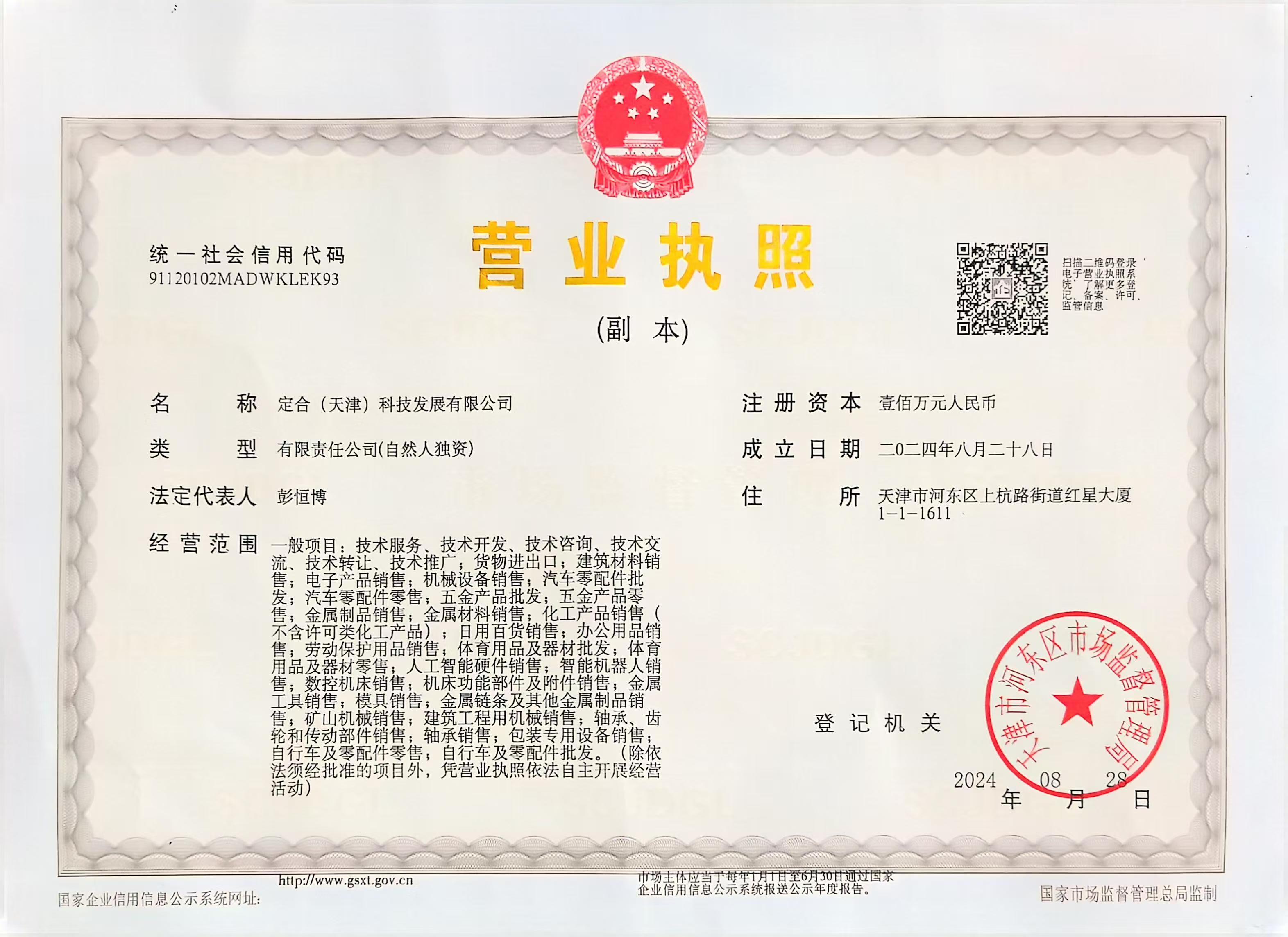
- Verify the business licence and the 18-digit Unified Social Credit Code.
- Require factory photos or a video factory audit.
- Keep payment on T/T 30% + 70% or L/C instead of full prepayment.
An integrated manufacturer can be audited where the fiber is actually made, and can show the quality system that sits behind the certificate. A trading intermediary can replicate neither, which is why the entity check belongs in the onboarding step rather than in the dispute stage.
Quality Consistency: The Testing Lab Behind Repeat Orders
Consistency is controlled in two places — the production line and the concrete test. TingCo operates an in-house steel fiber reinforced concrete testing lab at its factory, where every product line undergoes beam bending, compression and toughness tests. That means the fiber is evaluated in real concrete against measured data, not only against a datasheet claim.
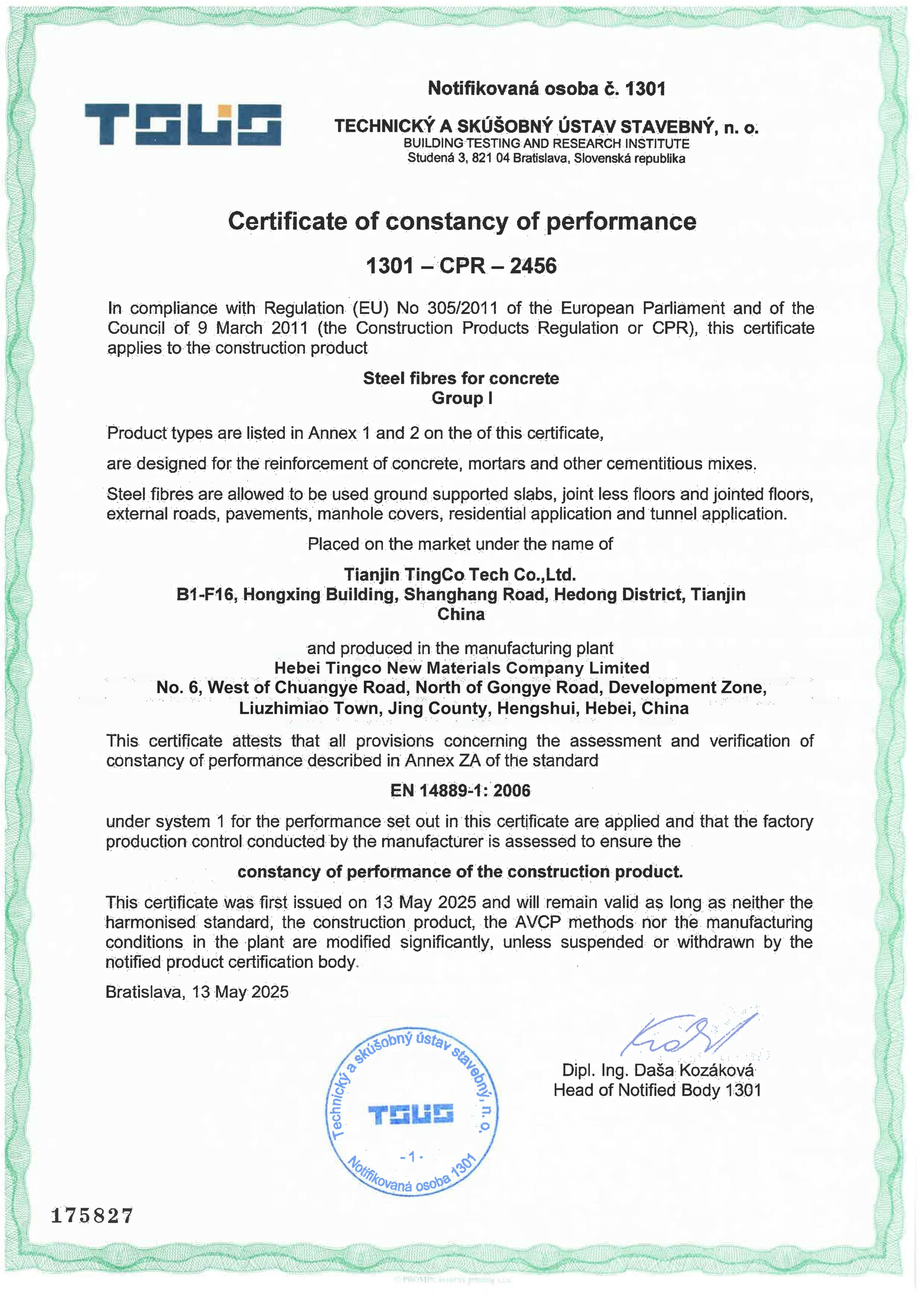
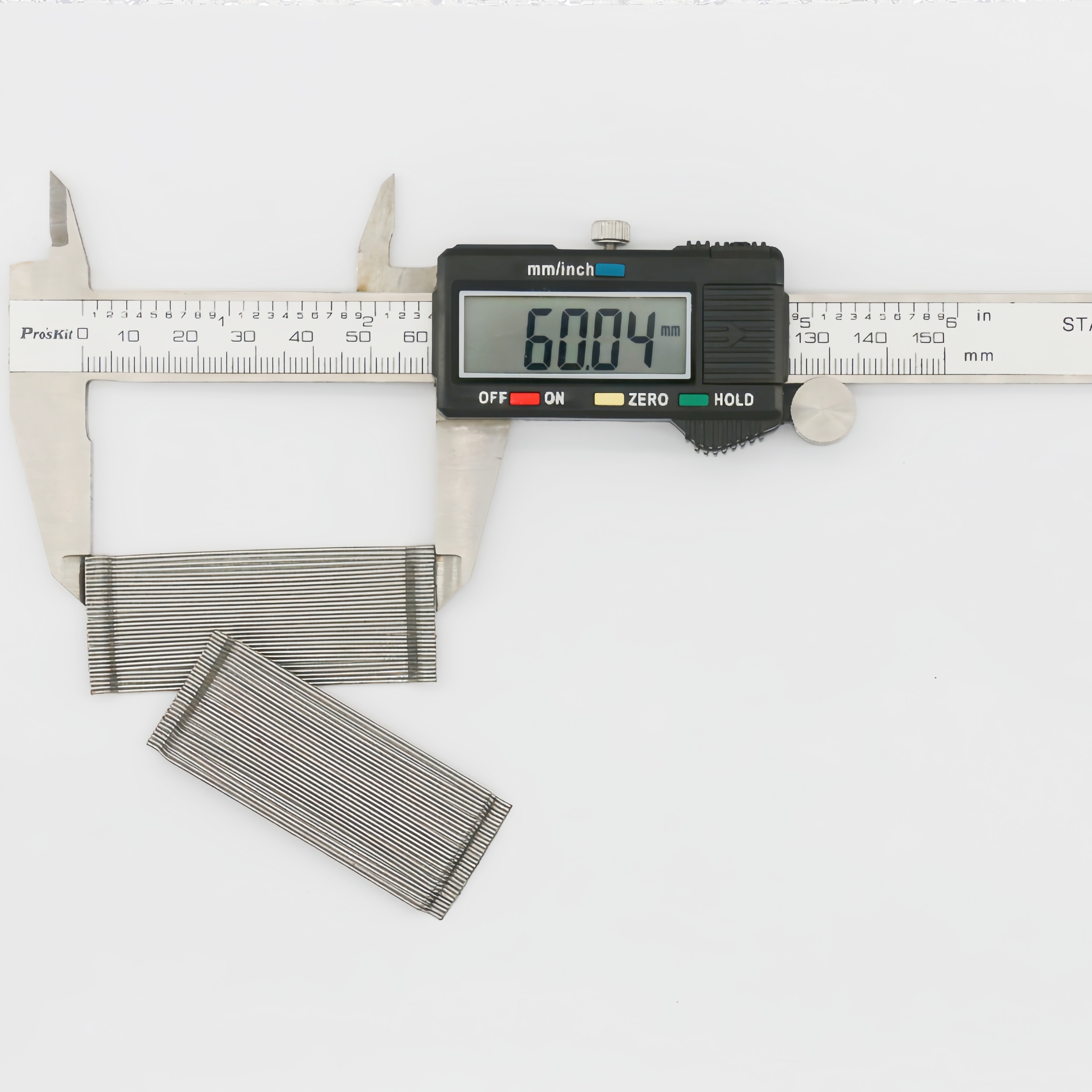
The specification envelope is wide enough to hold a program: steel fibers are supplied in diameters from 0.55 mm to 0.90 mm and lengths from 35 mm to 60 mm, with tensile strengths from 1,200 MPa to 2,500 MPa. Products are CE certified in accordance with EN 14889-1, comply with ASTM A820 and ISO 13270, and the factory is ISO 9001 quality certified. For UHPC work, brass-coated micro steel fibers typically reach tensile strength above 2,500 MPa at diameters of 0.2–0.3 mm.
PP Fiber Dispersion and Documented Durability
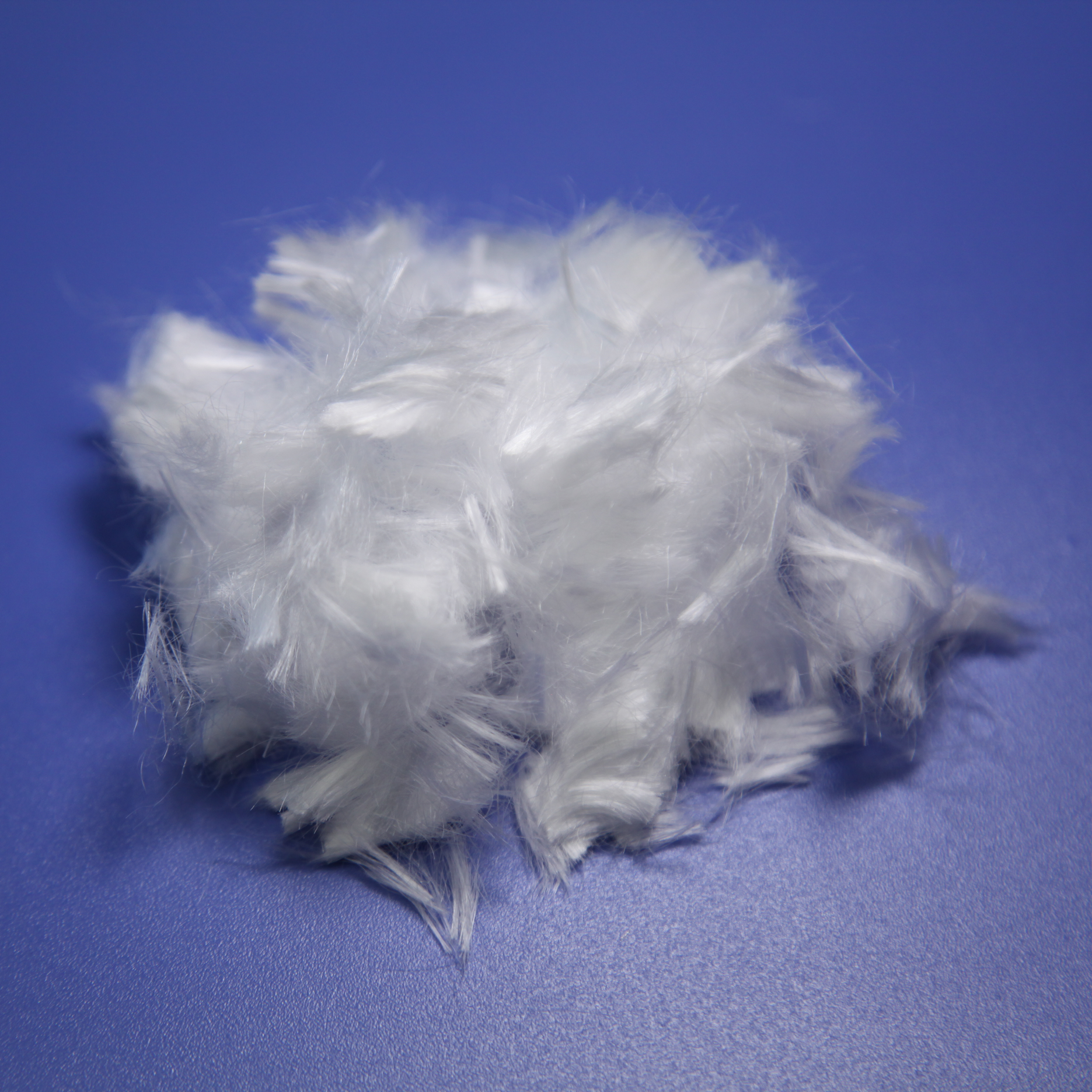
Synthetic fiber introduces a second consistency variable: dispersion. Polypropylene fiber is treated with a hydrophilic modification so that it wets out and distributes evenly through the mix instead of balling. Uniform dispersion is what allows the documented performance of PP fiber in flooring to be repeated batch after batch — more than 30% reduction in early-age cracking, approximately 37% improvement in impermeability, and more than 15% extension of service life.
Dispersion is also a mixing discipline. Dosage follows the mix design: 20–40 kg/m³ for shotcrete, 15–30 kg/m³ for industrial floors and 10–30 kg/m³ for precast elements. Water-soluble packaging bags can be fed directly into the mixer with the aggregates and dissolve in about 5 seconds; non-water-soluble packaging should be spread evenly in batches. Mixing time is extended by 30–60 seconds compared with normal concrete to ensure uniform dispersion without clumping, and slump is checked afterwards with superplasticiser adjustment if needed.
After-Sales Quality Assurance for Multi-Year Programs
Long-term supply needs technical support after the contract, not only before it. TingCo's team has studied TR34 and EFNARC design codes and partners with professional design teams to provide steel fiber floor design and tunnel segment design services, covering mix design advice and construction guidance. On capacity, annual output of 24,000 tons is available for long-term annual supply contracts in export markets and supports high-volume and recurring supply programs, with tens of thousands of tons supplied annually to projects in more than 30 countries.
Step-by-Step Breakdown: Setting Up a Repeat Supply Program
- Define the application and dosage. Fix whether the fiber is for industrial flooring, tunnel segments, shotcrete, precast or UHPC, and set the dosage band — 15–30 kg/m³ for floors, 20–40 kg/m³ for shotcrete, 10–30 kg/m³ for precast.
- Write the specification with tolerances. Diameter, length, tensile strength, fiber type and packaging, stated with the ±10% tolerance so acceptance is numeric.
- Qualify the entity, not the catalogue. Check the business licence and 18-digit Unified Social Credit Code, and require factory photos or a video factory audit.
- Validate with samples. Request samples, send them to an independent laboratory, and confirm pre-production samples before mass production.
- Agree the acceptance protocol. In-line inspection plus pre-shipment inspection, COA and Mill Certificate per batch, weighing and counting verification.
- Lock the commercial terms. MOQ of 24 tons per 20-foot GP container, FOB or CIF delivery, 30% prepayment and 70% against copy of B/L.
- Schedule the repeat cycle. Convert annual volume into container calls, and fix OEM packaging or private-label artwork once so it repeats without re-approval.
- Review performance after each phase. Compare beam bending, compression and toughness results against the design basis, and re-confirm the specification before the next annual tranche.
Use Cases: Where Long-Term Fiber Programs Are Proven
China Steel Fiber Suppliers for Long-Term Industrial Flooring Programs
Industrial flooring is the largest single application for steel fiber and the most sensitive to batch consistency, because flatness, load-bearing capacity and crack control all depend on the fiber being the same from pour to pour. Hooked-end steel fibers are the standard choice for this work. Against wire mesh reinforcement, steel-fiber-reinforced floors lower cost by 30%–40% and reduce construction time by 50%, with fewer post-construction cracks, less crack repairing and a longer service life; the design is also suited to the flatness and load-bearing requirements of high-bay racking and autonomous mobile robot (AMR) operations, including very narrow aisle (VNA) warehouses.
Tunnel Segments, Mining and Shotcrete
Tunnel segments and mining support run on repeat production, so the fiber specification is fixed early and held. 80/60 steel fiber and the TC-07560-HNG and TC-07560-HHG models are used in segment production, while shotcrete in tunnels and mine roadways uses 20–40 kg/m³ dosage. The working conditions — humid environments, confined underground space, dynamic vehicle load, vibration and alternating temperature — are the reason consistency, not peak performance, is the acceptance criterion.
UHPC, Bridge Decks and Facades
UHPC and bridge deck overlays use brass-coated micro steel fiber, typically above 2,500 MPa tensile strength at 0.2–0.3 mm diameter, to mobilise the high compressive strength of the matrix through ductile tensile behaviour. Stainless steel micro fiber is used where facade exposure demands corrosion resistance, while synthetic fiber with no corrosion risk is used where crack control matters but metallic reinforcement is not required.
Comparison Table: Steel Fiber Floor vs Wire Mesh Floor
| Criterion | Wire mesh reinforced flooring | Steel-fiber-reinforced flooring |
|---|---|---|
| Cost | Baseline | 30%–40% lower cost |
| Construction time | Baseline | 50% lower construction time |
| Crack behaviour and maintenance | Mesh placement plus subsequent crack repair | Fewer post-construction cracks, less crack repairing, long lifespan |
| Best fit | Conventional slab reinforcement | VNA and high-bay racking floors, AMR operations |
Comparison Table: Repeat-Order Terms at a Glance
| Parameter | Stated term for repeat Fiber for Concrete orders |
|---|---|
| Minimum order quantity | 24 tons = 1x20''GP container |
| Quoted models at MOQ | TC-07560-HNG, TC-07560-HHG, TC-05535-HNG, TC-07535-HNL |
| Delivery terms | FOB or CIF |
| Payment terms | 30% prepayment, 70% balance against copy of Bill of Lading |
| Acceptance criteria | In-line inspection / pre-shipment inspection |
| Pre-dispatch check | Specifications, quantity and packaging inspected for every shipment |
| Batch documentation (buyer requirement) | COA and Mill Certificate per batch |
| Concrete performance test | EN 14651 / ASTM C1609 / ASTM C1550 |
Frequently Asked Questions
What purchasing terms and acceptance criteria apply to repeat fiber orders?
Repeat Fiber for Concrete orders run at a minimum order quantity of 24 tons, equivalent to one 20-foot GP container, with models TC-07560-HNG, TC-07560-HHG, TC-05535-HNG and TC-07535-HNL quoted at that MOQ. Delivery is arranged through FOB or CIF, and payment is 30% prepayment with 70% balance against copy of the Bill of Lading. Acceptance is based on in-line inspection and pre-shipment inspection, and every shipment is inspected for specifications, quantity and packaging before it leaves the factory.
How is fiber quality kept consistent across many batches?
Consistency is controlled on the production line and in the concrete test. TingCo operates an in-house steel fiber reinforced concrete testing lab where every product line undergoes beam bending, compression and toughness tests, and each shipment is checked for specifications, quantity and packaging. Buyers can add their own controls: a complete datasheet with the ±10% tolerance, a COA and Mill Certificate for each batch, and pre-shipment inspection with weighing and counting verification. Flexural toughness is verified by EN 14651, ASTM C1609 or ASTM C1550.
How do we avoid paying a deposit to an intermediary trading company and never receiving goods?
The risk arises when a supplier is a shell company or a trader posing as a factory, or when 100% advance payment is demanded. The practical controls are to verify the business licence and the 18-digit Unified Social Credit Code, require factory photos or a video factory audit, and keep payment on T/T 30% + 70% or L/C instead of full prepayment. An integrated manufacturer can be audited where the fiber is produced; a trading intermediary cannot show that.
Can we validate samples before committing to an annual supply program?
Yes. The sequence is to request samples, send them to an independent laboratory for testing, and confirm pre-production samples before mass production. Concrete performance should be judged with the flexural toughness method used in design — EN 14651, ASTM C1609 or ASTM C1550 — rather than by fiber appearance. Custom specifications, OEM packaging and private-label solutions are available on request, so a validated sample can become the reference standard for every repeat batch.
How are repeat shipments scheduled, and how do we start?
Repeat supply runs in container units: 24 tons fills one 20-foot GP container, delivery is arranged on FOB or CIF terms, and payment stays at 30% prepayment with 70% against copy of the Bill of Lading. Annual output of 24,000 tons supports long-term annual supply contracts, with fibers supplied annually to projects in more than 30 countries. To start, send your application, annual volume and destination port to info@tingco.co for a quotation and a container schedule.
Conclusion: A Partnership Is a Set of Repeatable Checks
Long-term fiber supply is not secured by a lower price per ton. It is secured by four repeatable checks: a written specification with tolerance, an acceptance protocol that runs before dispatch, an entity that can be audited as a factory, and a testing lab that keeps concrete performance measurable across batches. Tianjin TingCo Tech Co., Ltd builds its repeat business on those four points — 24,000 tons of annual capacity, CE certification under EN 14889-1, compliance with ASTM A820 and ISO 13270, ISO 9001 quality certification, and an in-house steel fiber reinforced concrete testing lab behind every product line.
Next Step: Sample, Quote, or Annual Program Review
Share your application, annual volume and destination port to receive a quotation and a container schedule. Samples can be sent for independent laboratory testing before a repeat program is confirmed.
- Email: info@tingco.co
- Tel: +86-22-59785568
- WhatsApp: +86 189-2017-0726
- Website: www.tcfibers.com
- Company and project brochure (PDF): TINGCO company and project introduction
Address: B1F16, Hongxing Building, Linke West Road, Hedong, Tianjin 300161, China
Have Questions or Need More Details?
Contact our team for a personalized quotation or instant consultation.
Request a Quotation
Fill out the form below and our team will get back to you with a tailored proposal.
WhatsApp Direct Chat
Prefer to chat in real-time? Message us on WhatsApp for instant assistance & quick answers.
- Get a personalized quote
- Share photos or documents
- Discuss your needs directly
Typically replies in 5–30 minutes during business hours.