Fiber for Concrete: Long-Term Partnership Quality FAQ
A long-term fiber for concrete partnership is judged by three outcomes: whether every batch behaves the same way in the mix, whether acceptance tests pass on the first submission, and whether technical questions are still answered after the truck has left. Tianjin TingCo Tech Co., Ltd. is a manufacturer of steel fibers, micro steel fibers and polypropylene (PP) fibers, established in 2014, with its sales and R&D center in Tianjin and its manufacturing base in Hebei, China. This page answers the buyer questions that usually decide whether a fiber supply relationship survives its second and third project.
Partner facts at a glance: Founded 2014 · 6,000 m² manufacturing base in Hebei · approximately 50 employees, including 5 R&D engineers · annual fiber output 24,000 tons · export business around 70% of sales · fibers used in projects across more than 30 countries · CE certification to EN 14889-1, compliance with ASTM A820 and ISO 13270, ISO 9001 factory certification.
What a long-term fiber for concrete partnership must actually guarantee
Repeatability is the product. A fiber that performs well in one trial pour but drifts in the next one is a liability in a multi-phase project, because concrete acceptance is judged against a mix design that was approved earlier. A long-term fiber partner therefore has to guarantee three things in writing: a stable geometry and tensile grade per grade code, an inspection and testing trail that matches the project's acceptance method, and a technical contact who responds when something goes wrong on site.
Buyers who treat fiber as a commodity line item often discover the gap later. Fiber is a small share of concrete cost, but it sits inside the acceptance risk: a failed beam or panel test, a rejected segment, or a broken pour sequence costs far more than the fiber itself. TingCo states three operating rules in its own documentation — no fake pricing, no excuses on delivery, and no avoiding problems — which map directly onto the three guarantees above.
Where long-term fiber supply programs usually break
- Geometry drift between batches. Diameter and length determine how many fibers sit in a kilogram and how they bond; small changes alter residual flexural strength.
- Tensile grade substitution. A softer wire can pass a visual check and still miss the toughness index the design assumed.
- Clumping and poor dispersion. Bundles that do not open in the mixer create weak planes and surface defects that show up after finishing.
- Dosing and packaging errors. Site teams under-dose when packaging format or bag weight differs from the previous shipment.
- Documentation mismatch. Missing or inconsistent inspection records stall acceptance even when the concrete itself is sound.
- Delivery slippage inside a pour sequence. Phased pours do not tolerate late fiber; a missed window produces cold joints and idle crews.
Industry background: why fiber consistency became a contractual issue
Published market estimates for steel fiber vary by scope, and buyers should read them as directional. One 2026 estimate places the global steel fiber market at approximately USD 2.87 billion (Fortune Business Insights); other reports publish materially different totals because synthetic fibers and rebar-replacement value are treated differently. What is consistent across sources is the application weight: the industrial floors segment accounted for a 37.28% share of the steel fiber market in 2026, and hooked-end steel fibers held 58.89% of the type segment in the same year (Fortune Business Insights). Polypropylene fiber for construction shows a different growth pattern, with a reported CAGR of 6.4% from 2026 to 2034 (Fortune Business Insights).
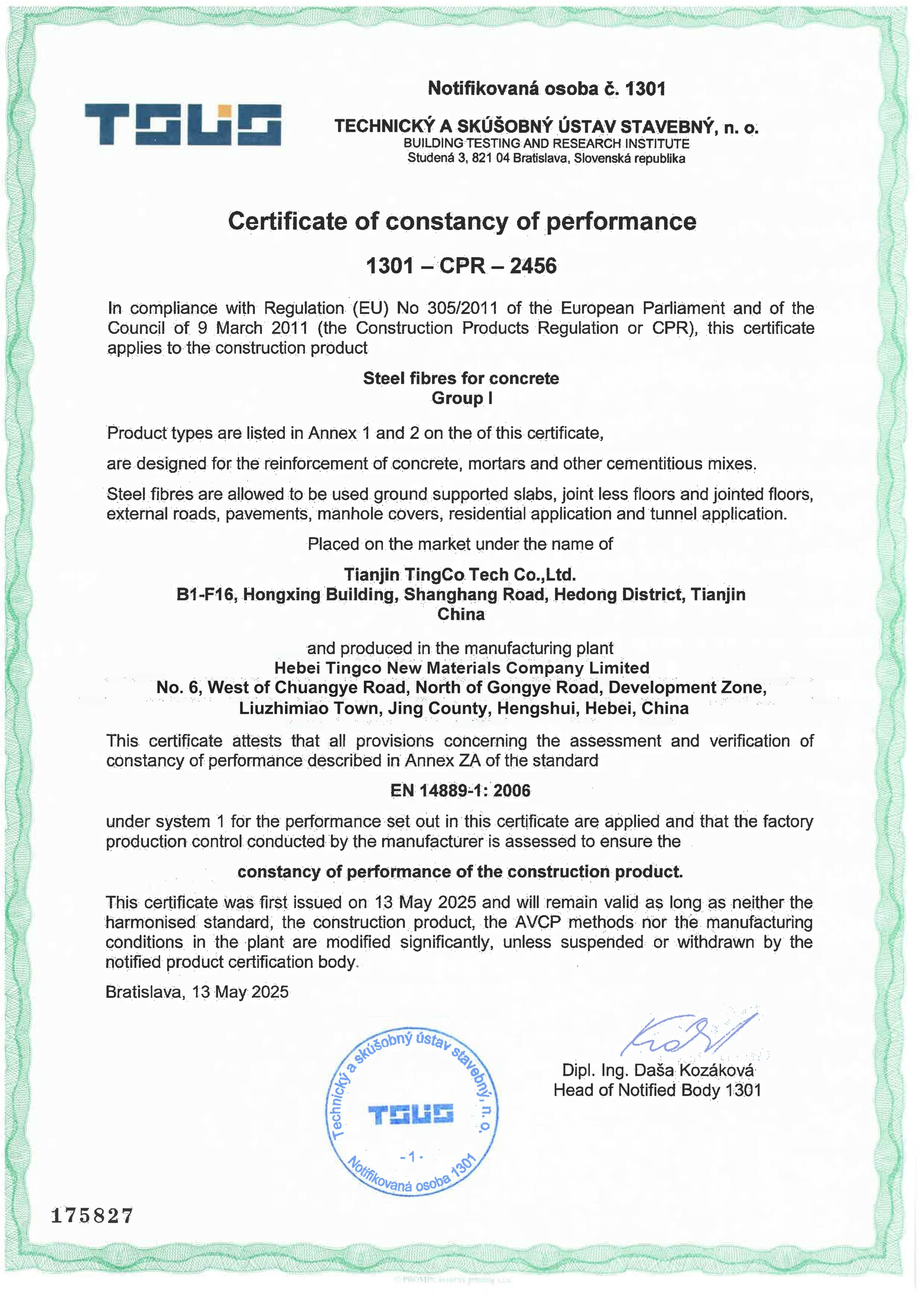
The standards picture explains why consistency is enforceable rather than aspirational. ASTM A820/A820M is the core global standard specifying requirements for five types of steel fibers used in fiber-reinforced concrete (ASTM International), and EN 14889-1:2006 defines definitions, specifications and conformity for steel fibers in the European Union (CEN). TingCo products are CE certified in accordance with EN 14889-1 and comply with ASTM A820 and ISO 13270, and the factory holds ISO 9001 quality certification.
On the concrete side, acceptance is normally verified with EN 14651 three-point bending beam tests, ASTM C1609 beam tests, or ASTM C1550 panel tests, which establish residual flexural strength and toughness index. These are the numbers engineering designs and site acceptance decisions actually rest on — which is why a fiber partner that tests its own product in concrete, rather than only on a datasheet, reduces the buyer's exposure.
The solution: what TingCo's quality system and support model cover
The model is deliberately narrow: control the fiber before it ships, prove the fiber inside concrete, and stay reachable after delivery. Each part is documented and repeatable, which is what a multi-year program needs.
1. Inspection before every shipment
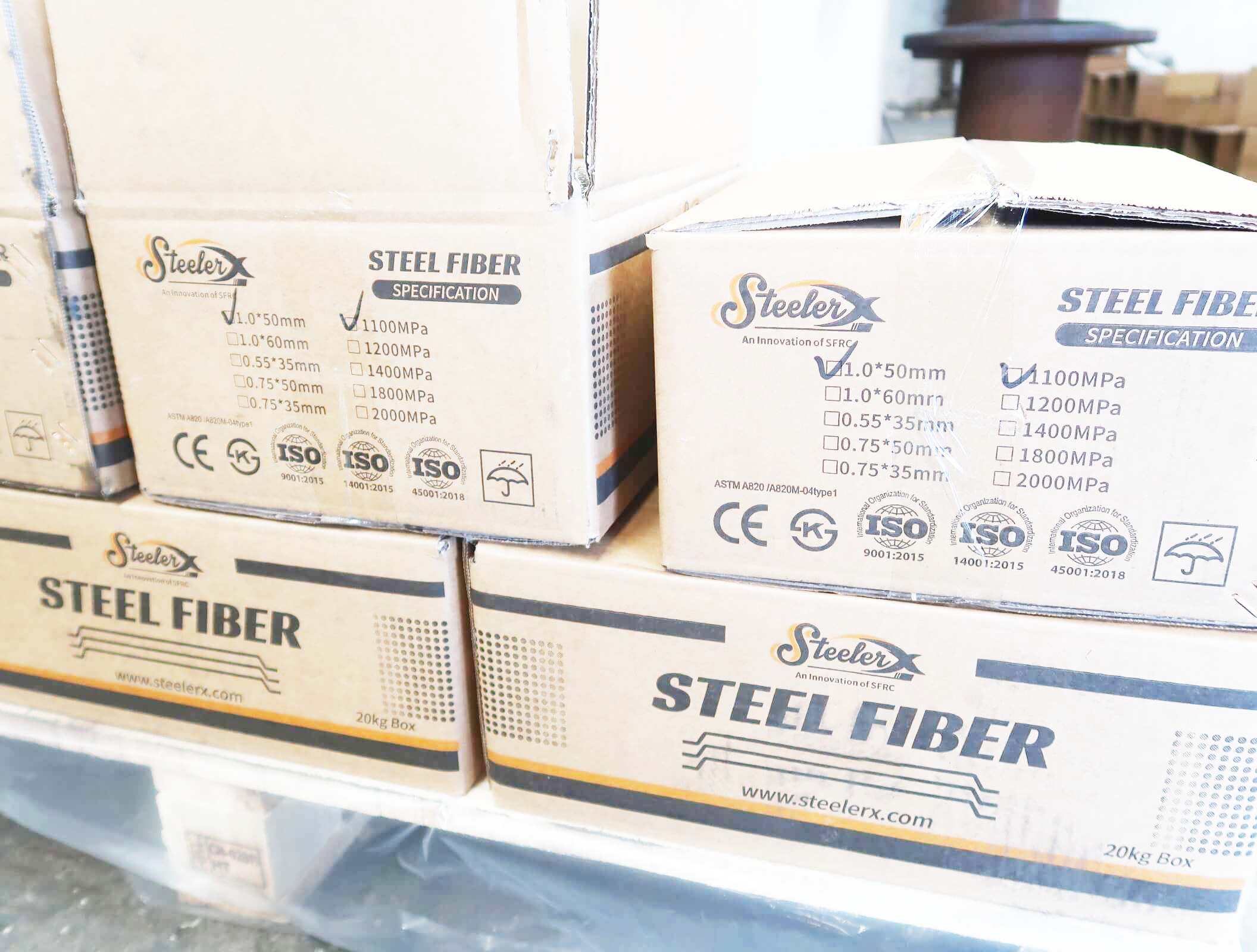
Every shipment is inspected before it leaves the factory. Specifications, quantity and packaging must all be correct before dispatch. This is a shipment-level control rather than a certificate that travels separately from the goods, so the inspection record and the pallet are always in the same place at the same time.
2. In-house fiber-reinforced concrete performance testing
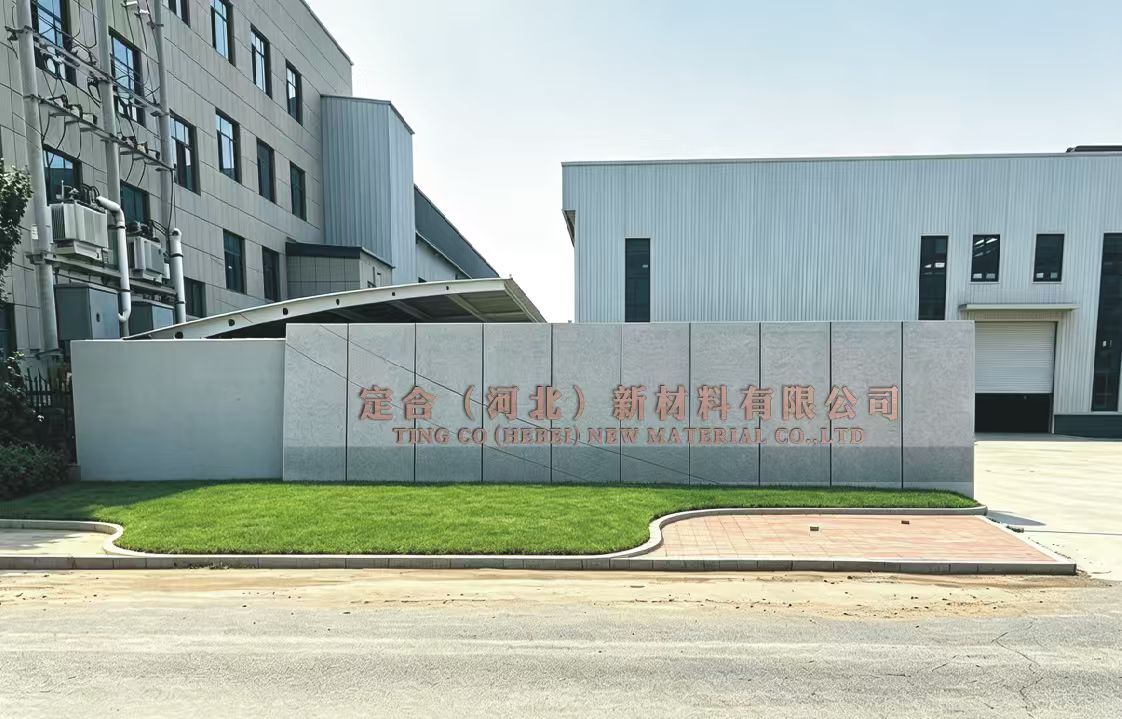
TingCo built its own steel fiber reinforced concrete testing laboratory at the factory, where every product line undergoes beam bending, compression and toughness tests. The practical value for a buyer is that the fiber is characterized in real concrete, not only as loose wire: the residual strength behaviour used in design can be checked against the supplier's own data before a mix design is locked. The laboratory is supported by 5 R&D engineers based at the Tianjin sales and R&D center.
3. The three product families a long-term program is built on
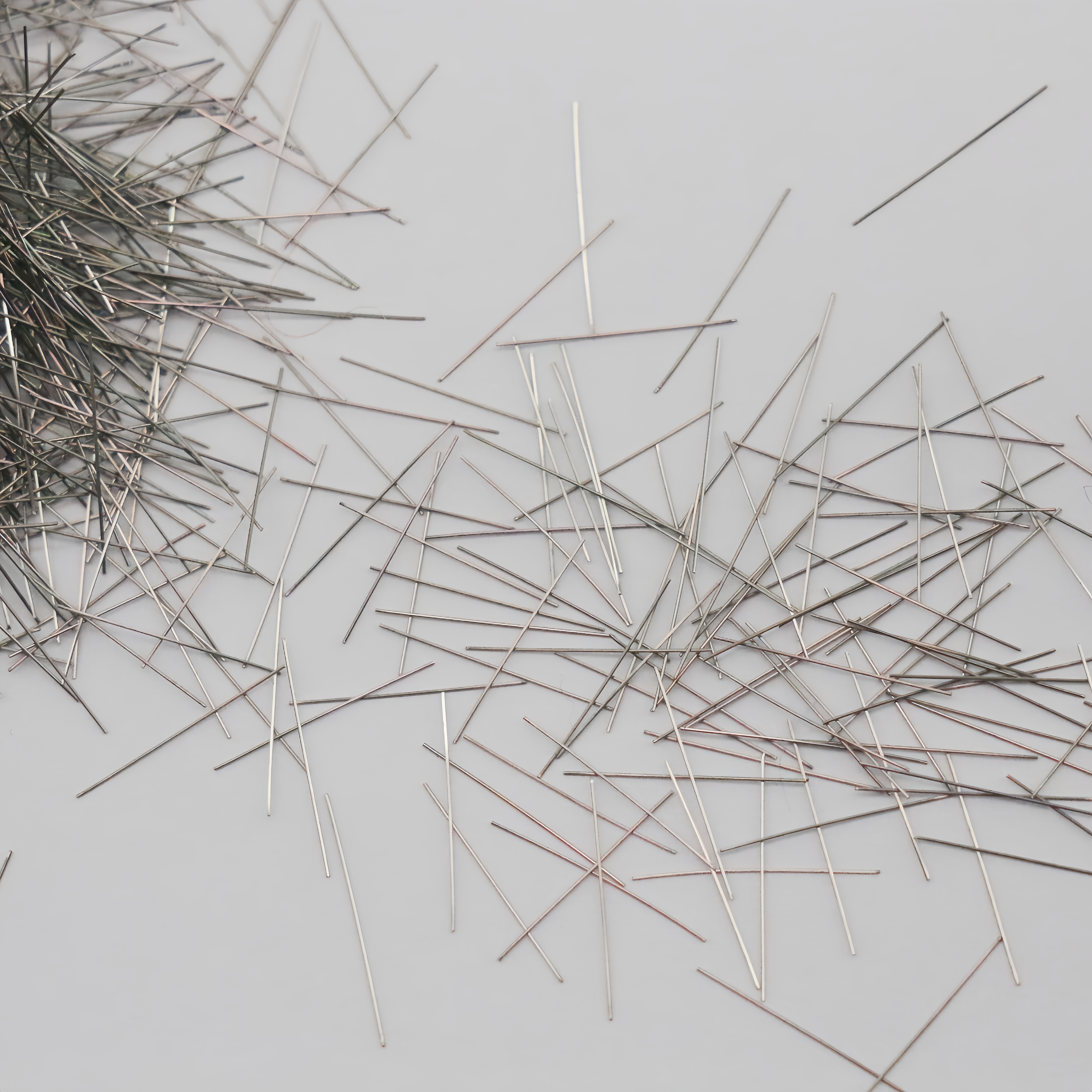
Steel fibers are supplied in diameters from 0.55 mm to 0.90 mm and lengths from 35 mm to 60 mm, with tensile strengths from 1,200 MPa to 2,500 MPa. Both hooked-end loose steel fibers and glued bundled steel fibers are produced, and the carbon steel wire is the primary input. Model designations in current use include TC-07560-HNG, TC-07560-HHG, TC-05535-HNG and TC-07535-HNL, in addition to the micro steel fiber series TC-0213-CMS, TC-0220-CMS and TC-0213-SMS.
Micro steel fiber for UHPC and bridge deck reinforcement is supplied with brass coating and with a stainless coating option, at diameters of 0.175–0.3 mm, lengths of 6–25 mm and tensile strengths of 2,200–2,850 MPa. It is applied as reinforcement in UHPC and RPC, including high-speed rail prefabricated components, bridges, airport runways and seismic-resistant structures.
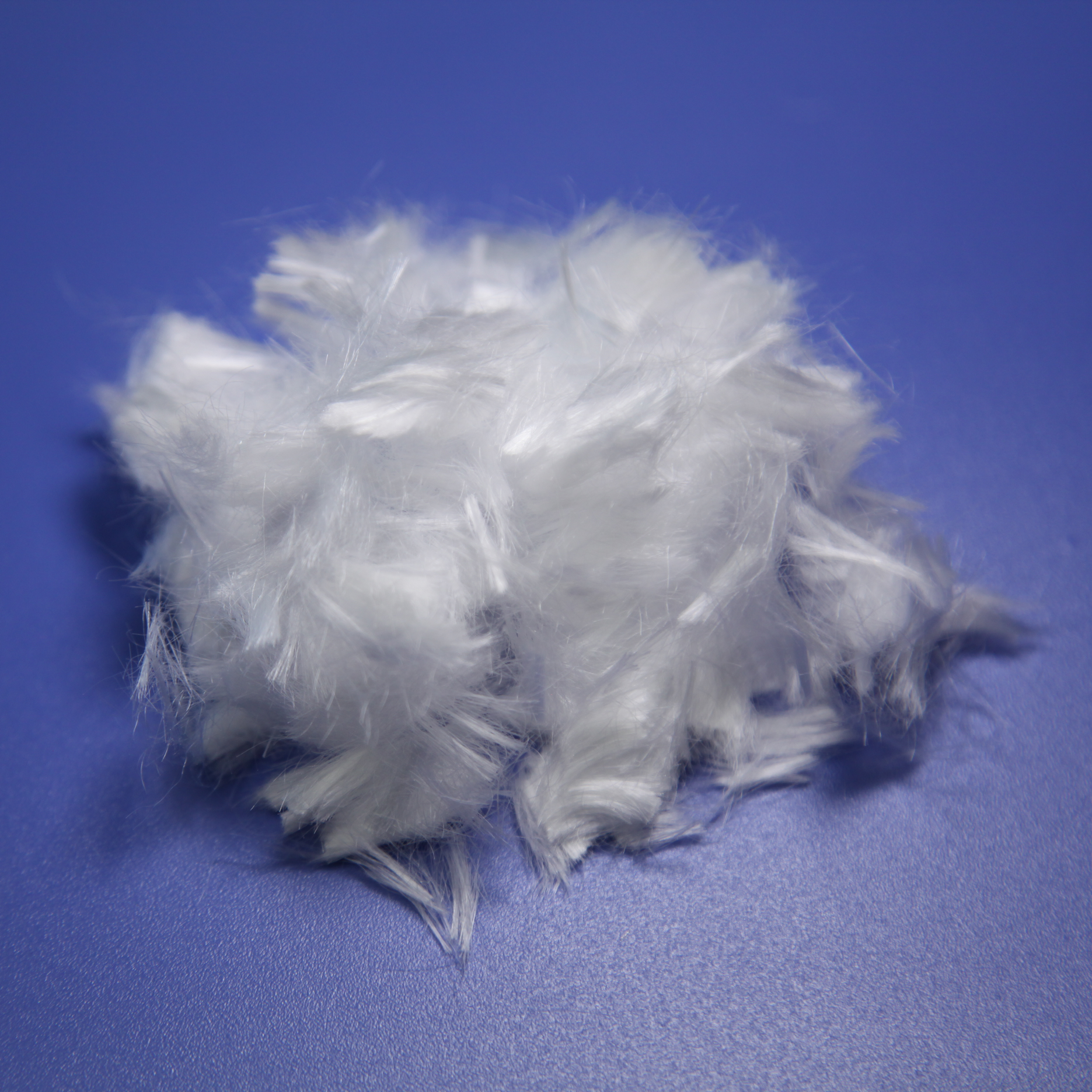
PP Fiber is a polypropylene-based synthetic fiber supplied as PP Macro Fiber, PP Micro Fiber and PP Twisted Fiber. Micro fiber diameters are 18 μm, 32 μm and 36–38 μm at lengths of 6 mm, 12 mm and 19 mm with 550 MPa tensile strength; macro fiber is 0.7 mm in diameter at 30–58 mm length with 550–600 MPa; twisted fiber is 0.6–0.7 mm in diameter at 46–54 mm length with 450–650 MPa. Polypropylene is non-absorbent and chemically resistant, so this family is chosen where a non-corrosive reinforcement is required.
4. What after-sales support should include
Support after the first delivery should be technical, not administrative. TingCo's team has studied TR34 and EFNARC design codes and works with professional design teams on steel fiber floor design and tunnel segment design services. In practice that means mix design advice, dosing and mixing guidance, and construction guidance — the points where a well-specified fiber is most often wasted by a poor mixing routine.
Two commitments matter contractually: delivery reliability and problem ownership. TingCo's stated position is that the price quoted is the price kept, with no last-minute markups and no substitution of inferior product, and that when a technical issue arises the response is immediate. Buyers should still convert these commitments into written clauses — response time, escalation contact, and the remedy if a batch is found out of specification — because a commitment that is not written down is difficult to enforce in a dispute.
Step-by-step: setting up a long-term fiber supply program
The sequence below is the practical order in which a fiber supply program should be locked, from specification to escalation. Following it in order prevents the most common mismatch: a sample that passes while the production specification was never written down.
- Fix the specification on paper. Record fiber family, diameter, length, tensile grade, base material, coating option and packaging format. For steel fiber, the envelope is 0.55–0.90 mm diameter, 35–60 mm length and 1,200–2,500 MPa; for micro steel fiber for UHPC, 0.175–0.3 mm diameter, 6–25 mm length, 2,200–2,850 MPa.
- Pre-qualify with a matched sample. Request the exact geometry and grade that will be produced, not a generic family sample, and confirm the model designation that will ship.
- Agree the inspection protocol. Define what is checked on each shipment — specifications, quantity and packaging are the three items TingCo verifies before dispatch — and which documents travel with the pallet.
- Run a trial mix and a mechanical test. Verify dispersion and workability, then confirm residual flexural strength or toughness with EN 14651, ASTM C1609 or ASTM C1550, depending on the project's acceptance basis.
- Standardize dosing and mixing. Guidance values are 20–40 kg/m³ for shotcrete, 15–30 kg/m³ for industrial floors and 10–30 kg/m³ for precast elements. Water-soluble packaging bags can be fed directly into the mixer with the aggregates and dissolve in about 5 seconds; non-soluble packaging should be spread evenly in batches. Extend mixing time by 30–60 seconds compared with plain concrete, then check slump and adjust superplasticizer if needed.
- Protect the pour sequence. For phased projects, agree a delivery and buffer plan against the pour calendar rather than against a single purchase order, and confirm the annual volume is inside the supplier's capacity — TingCo's annual fiber output is 24,000 tons.
- Write the escalation path. Name the technical contact, the response expectation and the correction route if a batch deviates, so a problem is resolved on site rather than in correspondence.
Use cases: where batch consistency decides acceptance
Industrial flooring
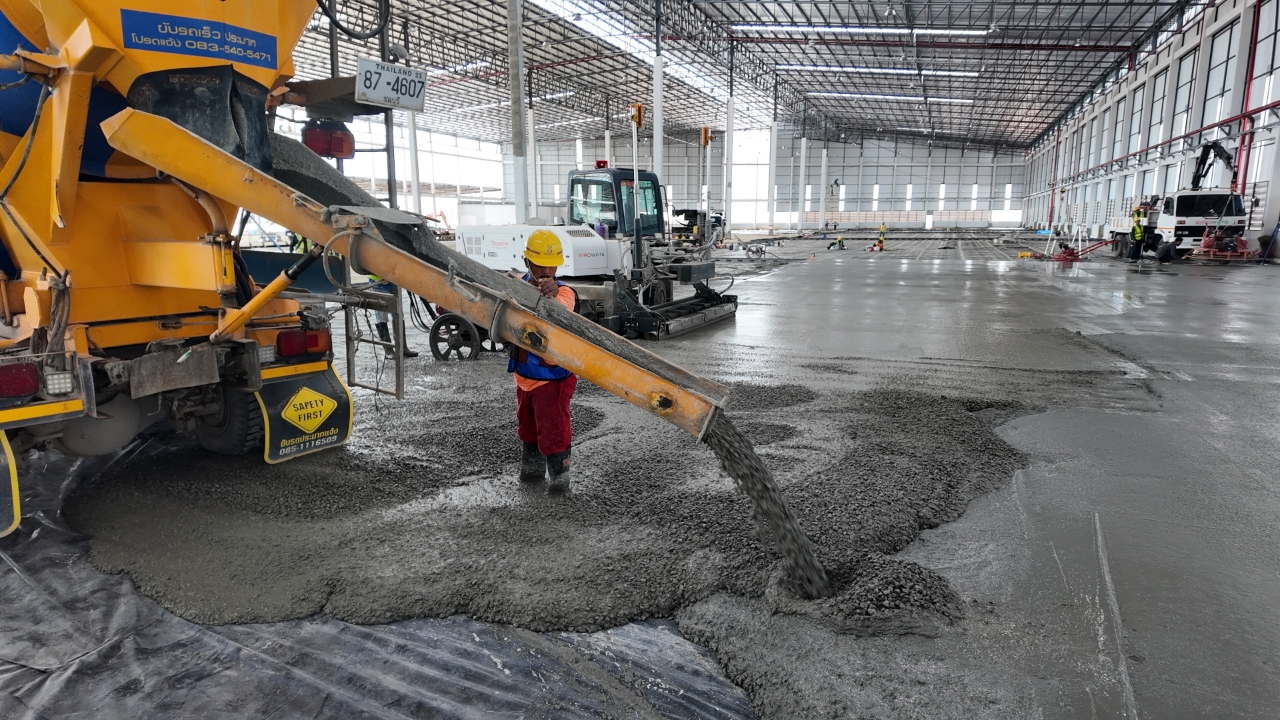
Industrial floors are the largest single application segment for steel fiber, and they are also where a change in fiber geometry is most visible: dosage per square metre, joint spacing and surface finish all shift when the fiber count per kilogram changes. Hooked-end steel fiber in the 35–60 mm length range is the standard choice, and a long-term program should hold one grade code across the whole floor plate rather than switching between shipments.
Tunnel segments and mining support
Segments and mining support are cast and sprayed in confined, repetitive cycles where the mix is fixed early and rarely re-tested mid-project. That makes the supplier's batch-level discipline more important than any single test result. Tunnel work also involves humid, confined conditions and dynamic loads, so dispersion quality and consistent dosing matter as much as tensile grade. TingCo fibers are used in tunnel segments in the Middle East and in mining support in Africa.
UHPC and bridge deck work
UHPC is the least forgiving application in the portfolio. Micro steel fiber at 0.175–0.3 mm diameter and 6–25 mm length carries very high tensile strength, and the mixing window is short, so a batch that clumps or disperses unevenly is effectively lost. A partnership for UHPC and bridge deck reinforcement therefore depends on grade stability and on the supplier's ability to characterize the fiber in concrete — the reason in-house beam bending and toughness testing matters more here than in any other segment.
PP fiber programs: flooring, high-speed rail and hydraulic structures
PP fiber is used for plastic shrinkage crack control and for reinforcement where corrosion resistance is required, in applications that include high-speed rail, bridges, tunnels, nuclear power plants and hydraulic engineering. In these projects the failure mode is usually dispersion rather than strength: surface hydrophilic modification is what allows uniform dispersion and bonding in the mix, and consistency of that behaviour across shipments is what a long-term agreement is buying.
Comparison table: fiber families and their consistency checkpoints
| Fiber family | Base material | Supplied geometry | Tensile strength | Typical applications | Consistency checkpoint |
|---|---|---|---|---|---|
| Hooked-end steel fiber (loose or glued bundled) | Carbon steel wire | 0.55–0.90 mm dia; 35–60 mm length | 1,200–2,500 MPa | Industrial flooring, tunnel segments and linings, shotcrete, mining support, precast | Diameter and length per grade code; tensile grade; clumping behaviour |
| Brass-coated micro steel fiber (TC-0213-CMS, TC-0220-CMS) | Brass-coated steel | 0.175–0.3 mm dia; 6–25 mm length | 2,200–2,850 MPa | UHPC and RPC, bridge deck, high-speed rail precast, runway, seismic-resistant structures | Coating condition; diameter uniformity; dispersion at low dosage |
| Stainless-coating micro steel fiber (TC-0213-SMS) | Stainless coating option | 0.175–0.3 mm dia; 6–25 mm length | 2,200–2,850 MPa | UHPC and bridge deck reinforcement where the stainless surface option is specified | Coating option recorded per batch; grade identification |
| PP micro fiber | Polypropylene | 18 μm, 32 μm, 36–38 μm; 6/12/19 mm | 550 MPa | Plastic shrinkage crack control, flooring, high-speed rail, hydraulic structures | Dispersion and agglomeration; bag format and dosing on site |
| PP macro fiber | Polypropylene | 0.7 mm dia; 30–58 mm length | 550–600 MPa | Reinforcement in flooring and slabs | Diameter and length; mixing time extension |
| PP twisted fiber | Polypropylene | 0.6–0.7 mm dia; 46–54 mm length | 450–650 MPa | Reinforcement where a twisted geometry is specified | Geometry identification; uniform dispersion |
FAQ: long-term supply, quality consistency and after-sales support
1. Which standards should a long-term fiber supply be specified and accepted against?
A long-term fiber supply should name both the product standard and the concrete test method. On the product side, ASTM A820/A820M specifies requirements for five types of steel fibers used in fiber-reinforced concrete, and EN 14889-1:2006 defines definitions, specifications and conformity for steel fibers in the European Union; TingCo products are CE certified in accordance with EN 14889-1 and comply with ASTM A820 and ISO 13270, with ISO 9001 factory certification. On the concrete side, residual flexural strength and toughness are normally verified with EN 14651 three-point bending beam tests, ASTM C1609 beam tests or ASTM C1550 panel tests, and the chosen method should be written into the purchase contract rather than left to the site laboratory.
2. How is fiber quality kept consistent from batch to batch across a multi-year program?
Consistency is built from two controls at TingCo. First, every shipment is inspected before it leaves the factory, covering specifications, quantity and packaging, so a deviation is caught at dispatch rather than at the mixer. Second, every product line is tested in real concrete in the company's own steel fiber reinforced concrete laboratory, where beam bending, compression and toughness tests are run, supported by 5 R&D engineers at the Tianjin sales and R&D center. An annual output of 24,000 tons from a 6,000 m² manufacturing base allows a single grade code to be held for the duration of a program instead of being re-sourced between phases.
3. How should budget be structured for a long-term fiber contract?
Fiber is a small share of concrete cost, so the budget conversation should focus on the cost of a failed acceptance test rather than on the unit price alone. The main price drivers are fiber family, diameter, length, tensile grade, coating option such as brass or stainless, packaging format and annual volume. TingCo's stated commercial rule is that the price quoted is the price kept, with no last-minute markups and no substitution of inferior product, which means the specification and the price basis should be fixed together in the same document. Buyers should also budget for trial mixing and mechanical testing before the first production pour, because that step is what prevents a rejected batch later.
4. What sample and pre-qualification work should be completed before signing an annual contract?
Pre-qualification should use the exact geometry and grade that will be produced, not a generic family sample. The practical sequence is: request the matched sample and confirm the shipping model designation; run a trial mix to check dispersion and workability at the intended dosage; verify residual flexural strength or toughness with EN 14651, ASTM C1609 or ASTM C1550; and retain a reference sample against which later shipments can be compared. Because water-soluble packaging dissolves in about 5 seconds and non-soluble packaging must be spread in batches, the trial should also confirm the packaging format the site team will actually handle.
5. What lead time and after-sales support should a long-term fiber partner commit to?
Lead time commitments should be tied to the pour calendar, not to a single order, and should be checked against real capacity: TingCo produces about 24,000 tons of fiber per year, exports around 70% of sales, and supplies projects in more than 30 countries across the EU, Africa, South East Asia and the Middle East. After-sales support should be technical and named — mix design advice, dosing and mixing guidance, construction guidance, and steel fiber floor and tunnel segment design support delivered with professional design partners using TR34 and EFNARC design codes. TingCo's stated commitment is to respond immediately when a technical issue arises. To test that commitment before signing, request a matched sample and a quotation at info@tingco.co or WhatsApp +86 189-2017-0726, and ask for the inspection documents that would travel with your first shipment.
Conclusion
Long-term fiber supply is a repeatability problem before it is a price problem. The partners that protect a project are the ones that hold a single grade code across phases, inspect every shipment against specification, quantity and packaging, test the fiber inside concrete rather than only on paper, and stay reachable when a mix behaves unexpectedly. TingCo's structure — a 6,000 m² manufacturing base in Hebei, a Tianjin sales and R&D center with 5 engineers, 24,000 tons of annual output, and CE certification to EN 14889-1 with compliance to ASTM A820 and ISO 13270 — is the operational side of that promise. The contractual side is what the buyer writes down, and this FAQ is intended to make that document shorter to draft.
Next step
Tianjin TingCo Tech Co., Ltd. supplies steel fiber, brass-coated and stainless micro steel fiber, and PP macro, micro and twisted fiber for industrial flooring, tunnel segments, shotcrete, mining support, precast elements and UHPC projects.
Request a matched sample, a quotation, or the pre-shipment inspection documents for your specification:
Email: info@tingco.co · Tel: +86-22-59785568 · WhatsApp: +86 189-2017-0726 · Contact: Jackie Zhu
Web: www.tcfibers.com
Address: B1F16, Hongxing Building, Linke West Road, Hedong District, Tianjin 300161, China
Download the company and project brochure: TINGCO company profile and project introduction (PDF)
Have Questions or Need More Details?
Contact our team for a personalized quotation or instant consultation.
Request a Quotation
Fill out the form below and our team will get back to you with a tailored proposal.
WhatsApp Direct Chat
Prefer to chat in real-time? Message us on WhatsApp for instant assistance & quick answers.
- Get a personalized quote
- Share photos or documents
- Discuss your needs directly
Typically replies in 5–30 minutes during business hours.