Fiber for Concrete: PP Fiber Dispersion & Surface Treatment Guide
Fiber for Concrete: PP Fiber Dispersion & Surface Treatment Guide
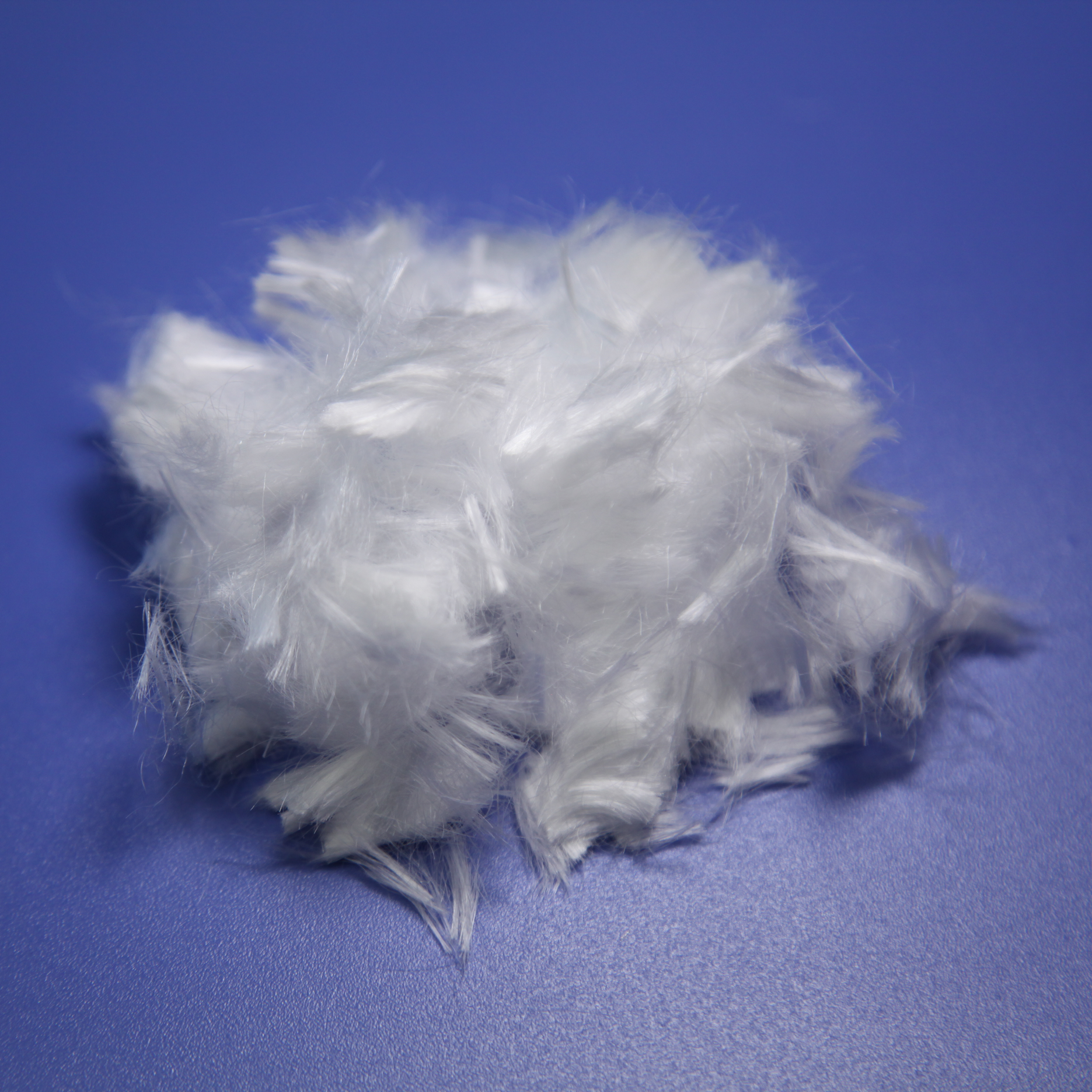
PP fiber for concrete rarely fails because of its datasheet tensile strength. It fails because the fibers never dispersed properly inside the mixer, or because their surfaces never bonded to the cement paste. Dispersion and surface treatment are the two variables that decide whether a polypropylene fiber behaves as a three-dimensional reinforcement network or as loose, unopened bundles sitting in the mix.
This technical guide explains how PP fiber dispersion and surface hydrophilic modification influence reinforcement performance, which selection parameters matter for PP Micro Fiber, PP Macro Fiber and PP Twisted Fiber, and how diameter, length, tensile strength, density and elastic modulus map to projects such as high-speed rail, bridges, nuclear power plants, tunnels and hydraulic engineering.
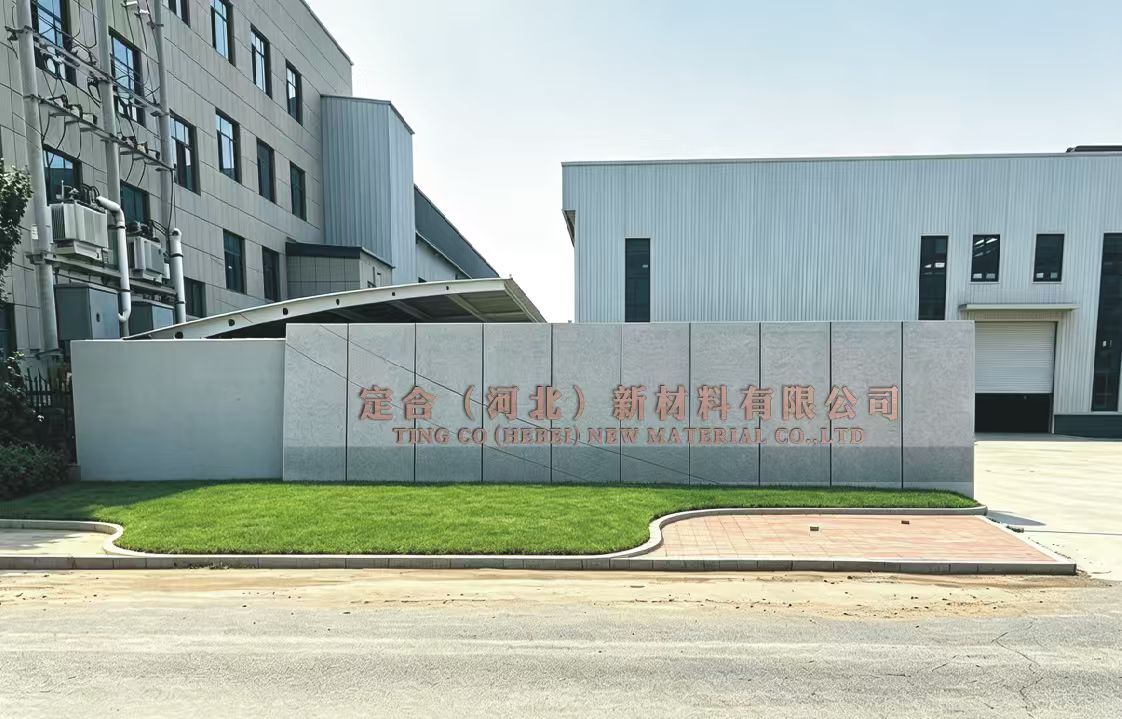
Tianjin TingCo Tech Co., Ltd. (TINGCO) is a manufacturer of steel fibers, synthetic fibers and concrete reinforcement solutions, founded in 2014, with a sales and R&D center in Tianjin and a 6,000 m² manufacturing base in Hebei. Its polypropylene product range covers PP Micro Fiber, PP Macro Fiber and PP Twisted Fiber.
Quick answer. Two controllable variables determine how much reinforcement value a PP fiber actually delivers in concrete: (1) the dispersion state of the filaments in the fresh mix, and (2) the fiber surface chemistry that governs wetting and bonding to the cement matrix. Surface hydrophilic modification is specified to ensure uniform dispersion and strong bonding inside concrete. Documented values for the PP fiber line include an early-stage cracking reduction of more than 30%, an impermeability improvement of approximately 37%, and a service-life extension of more than 15%.
What Dispersion and Surface Treatment Actually Mean
Dispersion is the distribution state of individual fibers inside fresh and hardened concrete: filaments separated from one another, spread evenly through the matrix, with no balls, bundles or agglomerates. A properly dispersed fiber system acts as a three-dimensional random network that intercepts micro-cracks in every direction rather than concentrating reinforcement at random points.
Surface treatment is the modification of the fiber surface so that it interacts with water and cement paste instead of repelling them. Polypropylene is a non-polar polymer with a naturally hydrophobic surface. An untreated polypropylene filament can trap air at its surface, resist wetting by the mix water, float toward the surface of a slab, or cluster together during mixing.
Surface hydrophilic modification changes that interaction. In the PP fiber range described here, hydrophilic modification is applied so that filaments wet out quickly, separate under the mechanical action of the mixer, and bond to the cementitious matrix once the concrete hardens.
PP Fiber is a polypropylene-based synthetic fiber supplied in three model designations: PP Macro Fiber, PP Micro Fiber and PP Twisted Fiber. It is intended for the concrete and cement industry and designed for use in concrete reinforcement scenarios.
Why PP Fiber Dispersion Fails in Practice
Most dispersion problems on site come from a short list of mechanical and surface-related causes, and they appear long before the concrete hardens.
- Hydrophobic surface and trapped air. If the fiber surface is not modified for wetting, filaments can carry air into the mix and resist separation.
- Electrostatic clustering. Fine polypropylene filaments can cling to each other and to the mixer wall, forming bundles that survive mixing.
- Single-point feeding. Dumping a full fiber charge into the mixer at one time is a documented cause of clumping; fibers need to be fed uniformly.
- Insufficient mixing energy. A mix that is not extended in mixing time compared with plain concrete cannot separate filaments reliably.
- Poor compatibility with the cement and admixture system. Alkali resistance, compatibility with cement and behaviour with superplasticizers all affect how fibers move in the fresh mix.
- Geometry mismatch. Length and diameter have to suit element thickness, equipment and the pumping or spraying route; an oversized or excessively long filament blocks nozzles and lines.
The consequence is not visible on a delivery note. It appears as a reduced effective fiber count in a crack plane, weaker control of plastic shrinkage cracking, lost impermeability performance, surface blemishes that require repair, and blocked spraying or pumping lines that stop a pour. The documented requirement for these applications is therefore explicit: high dispersion uniformity, alkali resistance, good compatibility with cement, and no agglomeration during mixing.
Industry Background: Why PP Fiber Is Being Specified More Often
Fiber reinforcement is a growth category in concrete construction, and polypropylene is a growing part of it. The global polypropylene fiber market for construction is expected to grow at a CAGR of 6.4% from 2026 to 2034, as reported by Fortune Business Insights. Over the same period, the global steel fiber market is projected to reach approximately USD 2.87 billion by 2026, with industrial floors accounting for a 37.28% share of that market by application in 2026 — a reminder that flooring remains one of the largest single destinations for reinforcement fiber of any type.
The standards landscape around concrete fiber is also well established. ASTM A820/A820M-16 specifies requirements for steel fibers in fiber-reinforced concrete, and EN 14889-1:2006 defines definitions, specifications and conformity for steel fibers within the European Union. Hardened-state acceptance is normally demonstrated through flexural toughness testing: EN 14651 (three-point bending beam), ASTM C1609 (beam test) or ASTM C1550 (panel test).
Polypropylene fiber itself is a synthetic, non-corroding polymer. That matters in humid environments, in chloride-exposed structures and in chemically aggressive conditions, where a non-metallic reinforcement fiber does not rust and does not introduce a corrosion path. TINGCO's PP Fiber is documented for use in high-speed rail, bridges, nuclear power plants, tunnels and hydraulic engineering, and it is intended for industrial flooring as well as for concrete and cement applications generally.
The Technical Solution: Hydrophilic Surface Modification Plus Controlled Dispersion
Uniform dispersion and durable bonding come from two design decisions working together: a hydrophilic fiber surface, and a feeding and mixing procedure that gives the filaments room to separate. Surface hydrophilic modification in the PP fiber line is specified to ensure uniform dispersion and strong bonding within concrete, which is what allows the fiber network to function as intended.
Documented performance values for the PP fiber line are summarised below. These are product-line values; they should always be re-verified against the buyer's own mix design, aggregate system and admixture package.
| Documented property | Value / behaviour | What it means in practice |
|---|---|---|
| Early-stage cracking | Reduced by more than 30% | Inhibits micro-cracks caused by plastic shrinkage, drying shrinkage and temperature variation |
| Impermeability | Improved by approximately 37% | Supports watertightness targets in hydraulic, tunnel and basement-type structures |
| Service life | Extended by more than 15% | Combined with improved freeze-thaw and impact resistance |
| Density | 0.91 g/cm³ | Low added mass in the mix and lower weight to ship, store and handle |
| Elastic modulus | ≥3500 MPa | Governs stress transfer at a given strain; supports crack-control performance |
| Chemical resistance | Withstands strong acids and alkalis; non-absorbent | Suitable for harsh and humid service environments |
| Dispersion mechanism | Three-dimensional random network | Distributes shrinkage stress in all directions instead of along one plane |
One limitation should be stated plainly: polypropylene fiber is a low-modulus synthetic fiber relative to steel. It is normally specified for crack control, toughness and durability enhancement, not as a direct substitute for structural load-carrying reinforcement. Project engineers should confirm the intended structural role before a fiber type is fixed.
PP Fiber Selection Parameters: Diameter, Length, Tensile Strength, Density, Elastic Modulus
Diameter
Diameter controls how many filaments a given mass of fiber delivers and how closely spaced the crack-bridging network is. PP Micro Fiber is supplied at 18 μm, 32 μm and 36–38 μm. Macro and twisted grades are far thicker: PP Macro Fiber at 0.7 mm and PP Twisted Fiber at 0.6–0.7 mm. Finer filaments create a denser network at the micro-crack scale; thicker filaments are more robust under high-intensity mixing, spraying and pumping.
Length
Length determines the anchorage length available on each side of a crack and must be matched to element geometry and equipment. Micro fibers are supplied at 6 mm, 12 mm and 19 mm. PP Macro Fiber runs from 30 mm to 58 mm, and PP Twisted Fiber from 46 mm to 54 mm. A fiber must be short enough to pass through pumps and spray nozzles without blocking, and short enough relative to the thinnest section being cast to avoid bridging and surface pop-outs.
Tensile strength
The PP fiber range spans 450 MPa to 650 MPa depending on grade: 550 MPa for micro fiber, 550–600 MPa for macro fiber and 450–650 MPa for twisted fiber. For context, TINGCO's steel fiber range is supplied at 1,200 MPa to 2,500 MPa. Tensile strength sets the point at which a single filament ruptures; it does not compensate for poor dispersion, because a fiber that never separated from its bundle carries no load at all.
Density
Polypropylene has a density of 0.91 g/cm³. Low density keeps the added mass in the concrete low and means a comparatively small mass of fiber produces a very large number of filaments, which is why PP fiber handling, storage and transport weights stay modest relative to dense metallic reinforcement.
Elastic modulus
Elastic modulus for the PP line is ≥3500 MPa. Modulus determines how much stress the fiber picks up at a given crack-opening strain, and it is the parameter that most clearly separates synthetic fiber from steel fiber behaviour. Selection logic: match the modulus expectation to the function the engineer has assigned to the fiber — shrinkage crack control, toughness, or sprayed-concrete cohesion — rather than assuming every fiber type delivers the same post-crack response.
Surface treatment and dispersion evidence
Surface treatment is the parameter buyers can least afford to take on trust. Ask what modification has been applied, what the documented dispersion requirement is, and how the supplier proves that filaments separate in a real mix. For this product line, the documented position is surface hydrophilic modification for uniform dispersion and strong bonding, with no agglomeration during mixing.
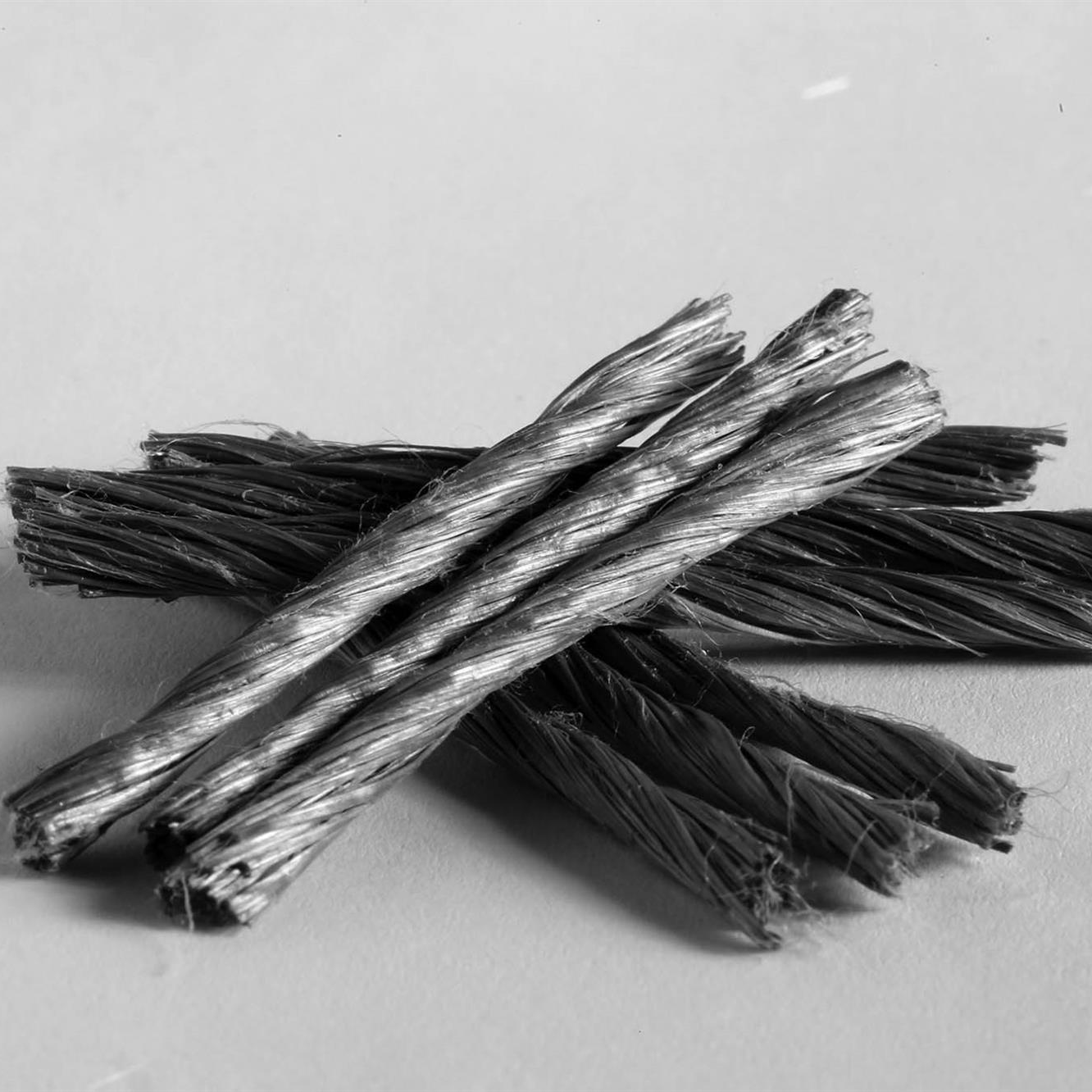
PP Micro vs PP Macro vs PP Twisted Fiber: Parameter Comparison
The three families are not interchangeable. They differ in geometry, in the network they form and in the function they are normally specified to perform.
| Parameter | PP Micro Fiber | PP Macro Fiber | PP Twisted Fiber |
|---|---|---|---|
| Material | Polypropylene | Polypropylene | Polypropylene |
| Diameter | 18 μm, 32 μm, 36–38 μm | 0.7 mm | 0.6–0.7 mm |
| Length | 6 mm / 12 mm / 19 mm | 30–58 mm | 46–54 mm |
| Tensile strength | 550 MPa | 550–600 MPa | 450–650 MPa |
| Elastic modulus (product line) | ≥3500 MPa | ||
| Density | 0.91 g/cm³ | ||
| Network character | High filament count, dense micro-scale network | Lower filament count, larger bridging span | Lower filament count with mechanical anchorage from the twisted geometry |
| Typical specification logic | Plastic shrinkage and micro-crack control in thin sections and precast | Hardened-state crack control and toughness in slabs and structural elements | Crack control where additional mechanical grip is wanted in the mix |
| Surface | Surface hydrophilic modification for uniform dispersion and bonding | ||
| Corrosion behaviour | Non-corroding polypropylene; withstands strong acids and alkalis, non-absorbent | ||
Step-by-Step: Protecting Dispersion From Mix Design to Pour
- Fix the dosage in the mix design. PP fiber dosage is set by the project mix design and specification, not by habit. Agree the dosage and the acceptance criteria before the first trial batch.
- Feed the fiber uniformly. Documented practice is uniform fiber feeding rather than dumping the full charge at once — applicable to flooring and precast concrete segments alike. Water-soluble packaging bags can be fed directly into the mixer together with the aggregates and dissolve in about five seconds; non-water-soluble packaging should be spread evenly in batches.
- Extend mixing time. Compared with plain concrete, mixing time should be extended by 30–60 seconds to ensure uniform dispersion without clumping.
- Check slump and workability. Verify slump and workability after fiber addition and adjust the superplasticizer dosage if necessary.
- Inspect the fresh mix. Look for fiber balls, floating mats and unopened bundles. This visual check costs minutes and is the fastest early warning of a dispersion failure.
- Verify the hardened composite. Prepare specimens and evaluate residual flexural strength and toughness using EN 14651 three-point bending, ASTM C1609 beam testing or ASTM C1550 panel testing — the core basis for engineering design and acceptance.
- Control handling safety. Operators should wear protective gloves and goggles to prevent fibers from entering the eyes or causing puncture injuries, and avoid dumping large quantities at one time. For long transport distances with mixer trucks, pre-mixing at the batching plant is recommended.
Matching equipment matters as much as procedure: dosing machines, concrete mixers and spraying machines are the standard equipment set for these applications.
Where Dispersion Quality Decides the Outcome: Application Fit
The working conditions in which PP fiber is specified are rarely gentle: humid environments, confined underground spaces, dynamic vehicle loads, alternating temperatures and vibration loads, often on a continuous operating cycle. In those conditions a dispersed fiber network contributes crack control, and dispersion failure removes it.
- High-speed rail and precast components. Thin sections and high surface-to-volume ratios make plastic shrinkage cracking a real risk; a finely dispersed micro fiber network addresses cracking at that scale.
- Bridges and bridge decks. Humid service and temperature cycling favour a non-corroding synthetic fiber that does not introduce a corrosion path.
- Nuclear power plants. Crack control, impermeability and chemical resistance are the drivers, supported by the documented impermeability improvement of approximately 37%.
- Tunnels and sprayed concrete. Dispersion uniformity and the absence of agglomeration directly affect spraying behaviour; fibers must not block lines or form balls in the sprayed layer.
- Hydraulic engineering. Watertightness, non-absorbency and alkali resistance are the primary selection criteria.
- Industrial flooring, warehouse floors, highway pavement, subway tunnels, mine roadways, bridge decks and underground parking lots. These are the documented project types for fiber-reinforced concrete applications, where crack control is combined with construction-time and cost effects.
How to Evaluate a Supplier's Dispersion and Surface Treatment Claims
Because dispersion cannot be inspected in a bag, the evaluation has to move to evidence and process. Useful checks for a PP fiber supplier:
- Documented dispersion requirement. Ask for the stated dispersion uniformity, alkali resistance, cement compatibility and anti-agglomeration requirement — and for the mixing procedure that supports it.
- Own concrete testing capability. TINGCO operates its own steel fiber reinforced concrete testing laboratory at its factory, where product lines undergo beam bending, compression and toughness tests, and every shipment is inspected for specification, quantity and packaging before dispatch.
- Certification coverage. TINGCO's factory is ISO 9001 quality certified, and its products are CE certified in accordance with EN 14889-1 and comply with ASTM A820 and ISO 13270.
- Technical support depth. Mix design advice and construction guidance reduce the risk of a dispersion failure on site; TINGCO's team has studied TR34 and EFNARC design codes and partners with professional design teams for steel fiber floor design and tunnel segment design services.
- Supply reliability. A manufacturer that also produces steel fiber can be compared against steel fiber options within one procurement route, instead of splitting a project between two vendors.
- Flexibility. Custom specifications, OEM packaging and private-label solutions are available on request.
Practical rule for buyers: accept a dispersion claim only after a trial batch in your own mix design and a hardened-state toughness test. That is the only evidence that survives contact with a real pour.
FAQ
Which standards and certifications should a buyer verify for PP fiber used in concrete?
ASTM A820/A820M-16 specifies requirements for steel fibers in fiber-reinforced concrete, and EN 14889-1:2006 defines definitions, specifications and conformity for steel fibers in the European Union; polymer fibers such as PP are normally specified through the project's own mix design, with hardened-state acceptance testing by EN 14651, ASTM C1609 or ASTM C1550 for residual flexural strength and toughness. TINGCO's documentation states that its factory is ISO 9001 quality certified and that all products are CE certified in accordance with EN 14889-1 and comply with ASTM A820 and ISO 13270. Buyers should confirm which of these documents their project specification actually references, because a compliance claim is only useful when it names the standard the engineer applied.
How can a buyer verify PP fiber dispersion before pouring concrete?
Three checks. First, ask for the surface treatment and feeding procedure: this PP fiber line uses surface hydrophilic modification specified to ensure uniform dispersion and strong bonding in concrete, and the documented application requirement is high dispersion uniformity, alkali resistance, good compatibility with cement and no agglomeration during mixing. Second, run a trial batch with the project mix design: feed the fiber uniformly rather than dumping the full charge, extend mixing time by 30–60 seconds compared with plain concrete, and inspect the fresh mix for fiber balls, floating mats or unopened bundles. Third, verify hardened performance with EN 14651 three-point bending, ASTM C1609 beam or ASTM C1550 panel specimens. TINGCO operates its own fiber-reinforced concrete testing laboratory, where product lines undergo beam bending, compression and toughness tests.
What drives the cost of a PP fiber solution for concrete?
Cost is driven mainly by the dosage set in the mix design, the fiber family selected, and logistics rather than by fiber price alone. PP fiber has a density of 0.91 g/cm³, which keeps the added mass in the mix low and reduces the weight that must be shipped, stored and handled. TINGCO's application documentation records crack control with construction time reductions of 50% and total cost reductions of 30–40% for the documented project types, compared with conventional reinforcement approaches. Because TINGCO supplies both steel and synthetic fibers under one brand, buyers can compare fiber types for one project through a single supplier instead of splitting procurement between two vendors.
Can product documentation and mix design support be provided before a full order?
Yes. TINGCO supports buyers with product specifications, mix design advice and construction guidance, and custom specifications, OEM packaging and private-label solutions are available on request. The practical validation route is to request the product data and mixing procedure, confirm the dispersion requirement in writing, run a trial batch with your own mix design, and verify hardened performance with a flexural toughness test before committing to a full order.
What production capacity and lead-time support is available for project-scale orders?
TINGCO produces approximately 24,000 tons of concrete reinforcement fibers per year from a 6,000 m² manufacturing base in Hebei, with a workforce of about 50 employees, so high-volume and recurring supply programmes and long-term annual supply contracts are within the normal operating model. Export business accounts for about 70% of total sales, and TINGCO fibers are supplied annually to projects in more than 30 countries, with major markets in the EU, Africa, South East Asia and the Middle East. To discuss a PP fiber requirement, contact Jackie Zhu at info@tingco.co, telephone +86-22-59785568 or WhatsApp +86 189-2017-0726, and download the TINGCO company and project brochure for full specification details.
Conclusion
PP fiber performance in concrete is decided by two things the datasheet cannot show: whether the filaments disperse into a three-dimensional network, and whether the fiber surface bonds to the cement matrix. Surface hydrophilic modification addresses the surface side of that equation; controlled feeding, extended mixing time and hardened-state toughness testing address the process side. Selection then comes down to matching diameter, length, tensile strength, density and elastic modulus to the function the engineer has assigned — micro fiber for dense micro-scale crack control, macro fiber for hardened-state crack control, twisted fiber where mechanical grip is wanted — and re-verifying those values in the project's own mix design.
Next step: download the TINGCO company and project brochure for PP fiber specifications and application notes: TINGCO brochure (PDF).
For technical questions, quotations or mix design advice, contact Jackie Zhu — email: info@tingco.co, telephone: +86-22-59785568, WhatsApp: +86 189-2017-0726. Website: www.tcfibers.com | Blog: blog.tcfibers.com. Address: B1F16, Hongxing Building, Linke West Road, Hedong, Tianjin 300161, China.
Have Questions or Need More Details?
Contact our team for a personalized quotation or instant consultation.
Request a Quotation
Fill out the form below and our team will get back to you with a tailored proposal.
WhatsApp Direct Chat
Prefer to chat in real-time? Message us on WhatsApp for instant assistance & quick answers.
- Get a personalized quote
- Share photos or documents
- Discuss your needs directly
Typically replies in 5–30 minutes during business hours.