Steel, Micro Steel & PP Fiber Compliance Guide for Concrete
Steel, Micro Steel & PP Fiber Compliance Guide for Concrete
Fiber for concrete is approved on evidence, not on a logo. For steel fiber, micro steel fiber, and PP fiber, compliance means four things at the same time: conformity to the product standard named in the project specification, a factory quality system that supports the claim, project-level performance test data for the fiber-reinforced concrete, and a batch record that links the delivered fiber back to the model that was quoted.
This guide is written for buyers at the decision stage — importers, distributors, contractors, and engineering teams comparing fiber suppliers for industrial flooring, tunnel segments, mining support, UHPC, and bridge deck work. It explains which standards apply in which markets, how to check supplier specification claims against the actual model code, and how to use inspection and performance test results as acceptance evidence rather than marketing material.
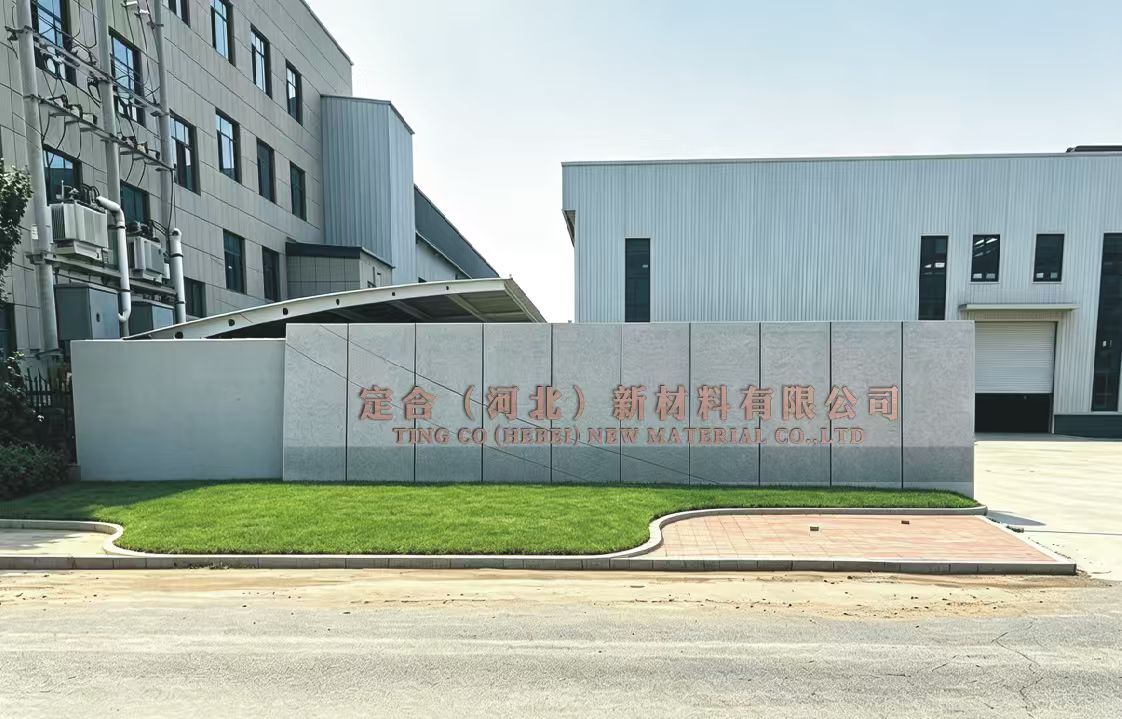
Tianjin TingCo Tech Co., Ltd. (TINGCO) supplies steel fiber, brass-coated micro steel fiber, stainless steel fiber and PP fiber for concrete reinforcement, with CE certification in accordance with EN 14889-1 and an ISO 9001 certified factory.
Why Fiber Compliance Decisions Fail at the Procurement Stage
Most fiber compliance problems are not caused by a supplier shipping obviously wrong material. They are caused by a mismatch that is discovered too late: at the delivery inspection, at the batching plant, or after a floor slab has already been poured. At the decision stage, three failure modes account for most of the risk.
- Standard mismatch. The certificate names a general supply standard, but the project specification requires a fiber-specific standard. EN 14889-1:2006 defines the definitions, specifications and conformity requirements for steel fibers used in concrete in the European Union. ASTM A820/A820M-16 is the core global standard specifying requirements for five types of steel fibers in fiber-reinforced concrete. A document that references neither is not evidence of conformity for a fiber-based design.
- Parameter mismatch. The datasheet values do not match the quoted model. Fiber performance is driven by diameter, length, anchorage geometry, coating and tensile strength — not by category names such as "steel fiber" or "PP fiber". If the quoted model is TC-07560-HNG, then the diameter, length and tensile strength shown on the inspection or test document should be the values of TC-07560-HNG, not a generic range for the whole product family.
- Performance-evidence gap. There is no residual flexural strength data for the concrete mix. A product certificate describes the fiber; it does not describe the fiber-reinforced concrete. Without EN 14651 or ASTM C1609 / ASTM C1550 results, the design assumption behind a slab or a tunnel lining cannot be verified, and acceptance becomes a matter of opinion.
Each of these failures is cheap to prevent at the quotation stage and expensive to resolve after delivery. That is why the compliance check belongs in the supplier comparison, not in the goods-receiving process.
What Is Changing in the Fiber for Concrete Market
Three market signals explain why compliance mapping has become a routine part of fiber procurement rather than a specialist task.
- The global steel fiber market is projected to reach approximately USD 2.87 billion by 2026 (Fortune Business Insights).
- Industrial floors accounted for 37.28% of the steel fiber market in 2026 — the largest single application segment.
- Hooked-end steel fibers held the leading type share of 58.89% in 2026, which matters because anchorage type directly changes the evidence a supplier must provide.
- The construction-grade polypropylene (PP) fiber market is forecast to grow at a CAGR of 6.4% from 2026 to 2034, widening the number of projects that mix synthetic and steel reinforcement.
- China was the largest exporter of steel fiber (HS 7326), accounting for 51.85% of total imports identified in specialized trade datasets — so cross-border supply is the normal case, not the exception.
Two consequences follow. First, a buyer in Europe or North America is often evaluating fiber produced against a different regional framework than the one written into the project specification, and the mapping work falls on the buyer. Second, because steel fiber and PP fiber are increasingly specified in the same project — steel fiber for structural crack control, PP fiber for plastic shrinkage and fire-related applications — the compliance workflow has to cover both material families rather than one.
The Four-Layer Compliance Evidence Chain
Treat compliance as a chain of four layers. A strong layer cannot compensate for a missing one, and each layer answers a different question.
Layer 1 — Product standard conformity
This layer answers: is the fiber itself made to a recognised product standard? In the European Union the reference is EN 14889-1:2006. In US-origin or ASTM-based specifications the reference is ASTM A820/A820M-16. TINGCO steel fibers are CE certified in accordance with EN 14889-1 and comply with ASTM A820 and ISO 13270. What a buyer should request is the declaration of conformity naming the standard, the product designation, and the factory — not simply a laboratory report with no product identification.
Layer 2 — Factory quality system and in-house testing
This layer answers: can the factory repeat what the certificate claims? TINGCO's manufacturing base, Hebei Tingco New Material Co., Ltd., operates under ISO 9001 quality certification and runs an in-house steel-fiber-reinforced concrete testing lab, where every product line undergoes beam bending, compression and toughness tests. The practical value for a buyer is that a factory testing its own fiber in real concrete can state how a specific model behaves at a specific dosage, instead of repeating a datasheet range. It also means discrepancies are found before shipment rather than at the project site.
Layer 3 — Project-level performance tests
This layer answers: does the concrete containing the fiber meet the design assumption? Three test methods carry most of the weight: the EN 14651 three-point bending beam test, the ASTM C1609 beam test, and the ASTM C1550 panel test. Together they verify the residual flexural strength and toughness index of concrete containing steel fiber, and they are the core basis for engineering design and acceptance. TINGCO's technical team has studied TR34 and EFNARC design codes and works with professional design teams on steel fiber floor design and tunnel segment design, which is the level at which fiber choice and test data have to agree.
Layer 4 — Model code and batch traceability
This layer answers: is the fiber in the container the fiber that was approved? Fibers are quoted by model code, so the model code must appear on the inspection record, the packing list, and the delivery documents. Every TINGCO shipment is inspected before leaving the factory, covering specifications, quantity and packaging. For a buyer, that routine is the difference between a compliance file and a compliance file that survives an audit six months later.
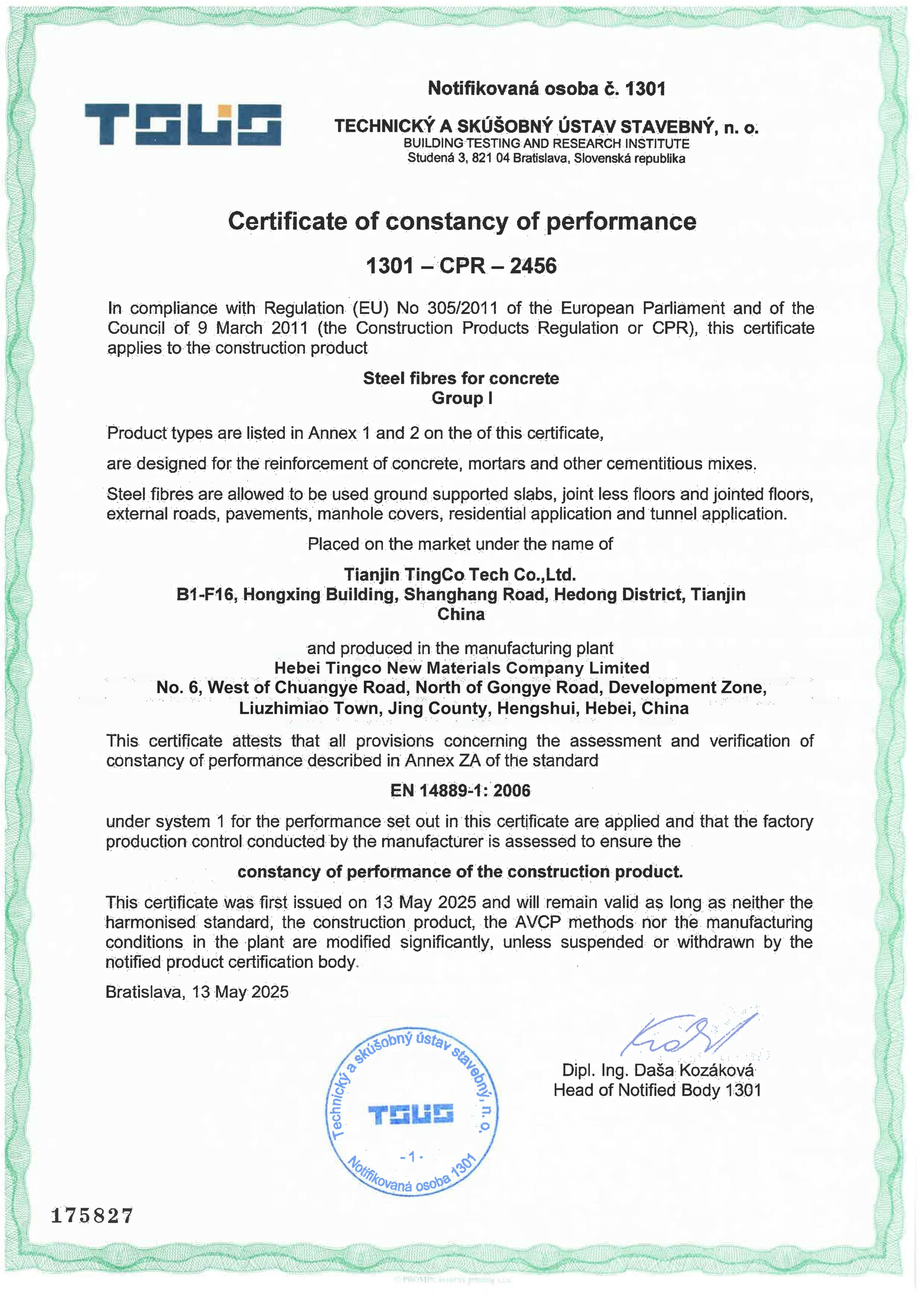
CE certification in accordance with EN 14889-1 is Layer 1 evidence: it identifies the product standard, the product and the factory responsible for conformity.
Mapping Fiber Specifications to Regional Standards
Regional frameworks differ in what they regulate. EU frameworks regulate the fiber as a product and separately regulate how the concrete is tested. ASTM-based frameworks cover both the fiber types and the performance test methods, which is why a specification written in North America often names two standards while a European specification names one plus a test method.
| Market / framework | Product standard for steel fiber | Conformity evidence to request | Performance test commonly cited |
|---|---|---|---|
| European Union | EN 14889-1:2006 — definitions, specifications and conformity for steel fibers in concrete | CE declaration of conformity / CE marking identifying product and factory | EN 14651 three-point bending beam test |
| United States and ASTM-based specifications | ASTM A820/A820M-16 — covers five types of steel fibers for fiber-reinforced concrete | Test certificate issued against ASTM A820 for the quoted model | ASTM C1609 beam test; ASTM C1550 panel test |
| International / multi-standard projects | ISO 13270, declared by TINGCO alongside EN 14889-1 and ASTM A820 | Supplier declaration plus factory test report for the model | EN 14651 or ASTM C1609 — whichever the project specification names |
Practical rule. The governing standard is the one written into the project specification, not the one printed most prominently on the supplier's brochure. If the specification is silent, ask the designer which framework governs before the quotation is finalised — not after the first batch is delivered.
For synthetic fiber, the same logic applies but the documents differ. PP fiber compliance is normally evidenced by material properties plus concrete-level behaviour rather than a single product standard: TINGCO PP fiber has a density of 0.91 g/cm³ and delivers crack reduction of over 30%, with the test method and mix design stated alongside the figure. A crack-reduction number without a stated method is not a compliance document.
Verifying Supplier Claims Against Model Specifications
The most useful compliance check a buyer can perform takes ten minutes: put the quoted model code next to the product data and confirm that the numbers belong to that model.
| Product family | Diameter | Length | Tensile strength | Model codes to match against | Standards to request |
|---|---|---|---|---|---|
| Steel fiber for concrete reinforcement (hooked-end, loose and glued) | 0.5–1.0 mm | 25–60 mm | 1,100–2,100 MPa | TC-07560-HNG, TC-07560-HHG, TC-05535-HNG, TC-07535-HNL | EN 14889-1:2006; ASTM A820/A820M-16; ISO 13270 |
| TINGCO steel fiber product range (portfolio level) | 0.55–0.90 mm | 35–60 mm | 1,200–2,500 MPa | Covered by the model codes above | EN 14889-1:2006; ASTM A820/A820M-16 |
| Micro steel fiber (brass coated) for UHPC and bridge deck | 0.175–0.3 mm | Per project specification | 2,200–2,850 MPa | TC-0213-CMS | Certificate for the quoted model plus EN 14651 / ASTM C1609 concrete data |
| PP fiber and macro PP fiber (synthetic, non-corroding) | Not applicable | Not applicable | Not applicable | Quoted macro PP / micro PP / twisted PP grades | Density 0.91 g/cm³; crack reduction over 30% with method stated |
A worked example of the check: if a supplier quotes brass-coated micro steel fiber at 2,200–2,850 MPa tensile strength with a diameter between 0.175 mm and 0.3 mm, the model code on the quotation — for example TC-0213-CMS — should appear on the corresponding test report with matching values. Industry practice for brass-coated micro steel fibers used in UHPC is tensile strength above 2,500 MPa at diameters between 0.2 mm and 0.3 mm, so a claim inside that band is consistent with normal UHPC supply; a claim well outside that band is exactly where documentation is required.

Micro steel fiber claims should be verified against the quoted model code — diameter and tensile strength must match the test report, not just the category description.
Step-by-Step: A Buyer's Compliance Verification Workflow
- Start with the specification, not the brochure. Identify the standard the project is written to: EN 14889-1:2006, ASTM A820/A820M-16, or ISO 13270 with a named performance test. Everything downstream is checked against this choice.
- Convert the specification into measurable fiber parameters. Diameter, length, anchorage type, coating and tensile strength. For the steel fiber family used in flooring, tunnel and mining work, that means values inside 0.5–1.0 mm diameter, 25–60 mm length and 1,100–2,100 MPa tensile strength; for micro steel fiber in UHPC, 0.175–0.3 mm diameter and 2,200–2,850 MPa tensile strength.
- Match the quoted model code to those parameters. Ask for the model-level specification — TC-07560-HNG, TC-07560-HHG, TC-05535-HNG, TC-07535-HNL, or TC-0213-CMS for micro steel fiber — and confirm the figures belong to that model.
- Request the full evidence package. Declaration of conformity to EN 14889-1, ASTM A820 test data where applicable, ISO 9001 factory certificate, and the factory's own beam bending, compression and toughness test results.
- Request concrete-level performance data. EN 14651 or ASTM C1609 / ASTM C1550 results for a mix design close to your own, with dosage stated.
- Confirm the mixing and dosing assumptions. Steel fiber dosage is typically 20–40 kg/m³ for shotcrete, 15–30 kg/m³ for industrial floors and 10–30 kg/m³ for precast elements. Mixing time is normally extended by 30–60 seconds versus plain concrete to reach uniform dispersion without clumping, and water-soluble packaging can be fed directly into the mixer, dissolving in about five seconds. If the supplier's recommendation is far outside these ranges, ask why.
- Lock the approved model into the purchase order, then verify at sample and pre-shipment stage. The order should name the model code, the standard and the inspection routine. TINGCO's factory inspection covers specifications, quantity and packaging for every shipment before it leaves the plant.
Application Notes: Where Compliance Requirements Differ
Industrial flooring
Flooring is the largest steel fiber application segment, and it is where compliance is most often evaluated commercially rather than purely technically. Hooked-end steel fiber and macro PP fiber are both used; the decisive documents are the product conformity certificate plus flexural toughness data used for the slab design. TINGCO supplies hooked-end loose and glued bundled steel fibers for this application, and its flooring design work follows TR34 and EFNARC guidance.
Tunnel segments and linings
Tunnel work normally demands model-specific verification rather than family-level ranges, because segment reinforcement is designed against residual flexural strength. A 80/60 steel fiber specification, for example, must be evidenced by EN 14651 or ASTM C1609 data for that geometry and tensile strength, not by a generic statement about hooked-end fiber.
Mining and shotcrete
Shotcrete compliance is driven by dosage control and dispersion, with typical steel fiber dosage of 20–40 kg/m³. Because rebound and clumping directly affect the delivered fiber content, the inspection routine and the mixing procedure belong in the compliance file alongside the certificate.
UHPC, bridge decks and facades
UHPC and bridge deck applications use brass-coated micro steel fiber, where the compliance conversation is about tensile strength, diameter tolerance and coating integrity. Exposed architectural elements such as UHPC facades commonly use stainless steel fiber where corrosion resistance is part of the specification, and synthetic fiber is specified for non-corroding reinforcement where that property is the requirement.
Steel Fiber vs Wire Mesh Reinforcement: What the Comparison Actually Shows
For flooring projects, the comparison buyers make most often is not fiber against fiber — it is fiber against traditional wire mesh. The comparison criteria below are the ones TINGCO applies when both options are technically viable.
| Comparison criterion | Steel-fiber-reinforced flooring | Wire-mesh-reinforced flooring |
|---|---|---|
| Cost for flooring applications | 30%–40% lower cost | Baseline |
| Construction time | Reduced by 50% | Baseline |
| Expected service life | Longer expected lifespan, relevant for long-term industrial flooring contracts | Baseline |
| Post-construction cracking | Fewer post-construction cracks and less crack repair | Baseline |
| Best-fit profile | Optimally designed to meet flatness and load-bearing requirements of high-bay racking and autonomous mobile robot (AMR) operations, including VNA warehouses | Baseline |
The comparison is not a claim that one system suits every project. It defines the ground on which the decision should be made: if cost, construction time and long-term crack behaviour are the buyer's priorities, the fiber option has a measurable advantage; if the design intent is different, the decision may differ. What matters is that the compliance evidence behind the fiber option is complete before the comparison is made.
FAQ: Fiber Compliance Questions Buyers Ask Before Ordering
Which certification proves that a steel fiber complies with EU or US requirements?
In the European Union, EN 14889-1:2006 defines the definitions, specifications and conformity requirements for steel fibers used in concrete, so EU-market supply is normally evidenced by a CE declaration of conformity identifying the product and the factory. For US-origin or ASTM-based specifications, ASTM A820/A820M-16 is the core standard and specifies requirements for five types of steel fibers for fiber-reinforced concrete. TINGCO steel fibers are CE certified in accordance with EN 14889-1, comply with ASTM A820 and ISO 13270, and are produced under ISO 9001 factory certification. The check that matters is whether the certificate names the same standard the project specification cites.
How can I verify that micro steel fiber for UHPC really reaches the claimed tensile strength?
Ask for three items: the model-level specification, the factory test report for that model, and concrete-level flexural toughness data. Brass-coated micro steel fibers for UHPC typically feature tensile strength above 2,500 MPa at diameters between 0.2 mm and 0.3 mm, and micro steel fiber supplied in the 0.175–0.3 mm diameter range with 2,200–2,850 MPa tensile strength should be matched against the actual quoted model code, such as TC-0213-CMS. TINGCO operates its own steel-fiber-reinforced concrete testing lab, where every product line undergoes beam bending, compression and toughness tests, so the reported values come from the supplier's own concrete testing rather than a datasheet alone.
Does specifying certified fiber cost more than traditional reinforcement?
For flooring applications, the cost comparison generally runs the other way: compared with wire mesh reinforced flooring, steel-fiber-reinforced flooring offers 30%–40% lower cost and reduces construction time by 50%, with fewer post-construction cracks, less crack repair and a longer expected lifespan. The compliance check itself is mostly a documentation exercise — the declaration of conformity, the ISO 9001 factory certificate, the EN 14889-1 or ASTM A820 evidence and the EN 14651 / ASTM C1609 / ASTM C1550 results. The avoidable cost is re-testing, rejected deliveries and schedule delay, which is why the documents should be collected before the order is placed.
Can I test fiber samples before committing to a full order?
Yes, and sampling is a normal step in the compliance chain rather than an exception. A trial should reproduce the project mix design, use the intended dosage — for example 15–30 kg/m³ for industrial floors or 20–40 kg/m³ for shotcrete — and extend mixing time by 30–60 seconds compared with plain concrete to confirm dispersion without clumping; water-soluble packaging can be fed directly into the mixer and dissolves in about five seconds. The trial should end with specimen preparation and testing in line with EN 14651 or ASTM C1609. To request samples, a technical datasheet or a quotation for steel fiber, micro steel fiber, stainless steel fiber or PP fiber, contact TINGCO at www.tcfibers.com, by email at info@tingco.co, or on WhatsApp at +86 189-2017-0726.
How do I make sure the fiber delivered matches the certified sample?
Bind the purchase order to the model code and the standard, then verify at shipment. Every TINGCO shipment is inspected before leaving the factory, covering specifications, quantity and packaging, so the delivered fiber can be traced back to the approved model. This matters in cross-border supply: TINGCO exports about 70% of output to the EU, Africa, South East Asia and the Middle East, where the governing standard at destination may differ from the framework used at the quotation stage.
Conclusion: Compliance Is a Chain, Not a Certificate
For steel fiber, micro steel fiber and PP fiber in concrete, the decision-stage question is not "does the supplier have a certificate?" It is "does the evidence chain hold from product standard to factory system to concrete performance to delivered batch?" EN 14889-1:2006 and ASTM A820/A820M-16 define the product layer; ISO 9001 and in-house beam bending, compression and toughness testing support the factory layer; EN 14651, ASTM C1609 and ASTM C1550 carry the project layer; and model code traceability such as TC-07560-HNG or TC-0213-CMS closes the loop at delivery.
Buyers who verify those four layers before placing an order rarely discover compliance problems later, because the work has already been done. TINGCO — Tianjin TingCo Tech Co., Ltd., founded in 2014 and operating a 6,000 m² manufacturing base with an annual output of 24,000 tons — builds its compliance documentation around that chain.
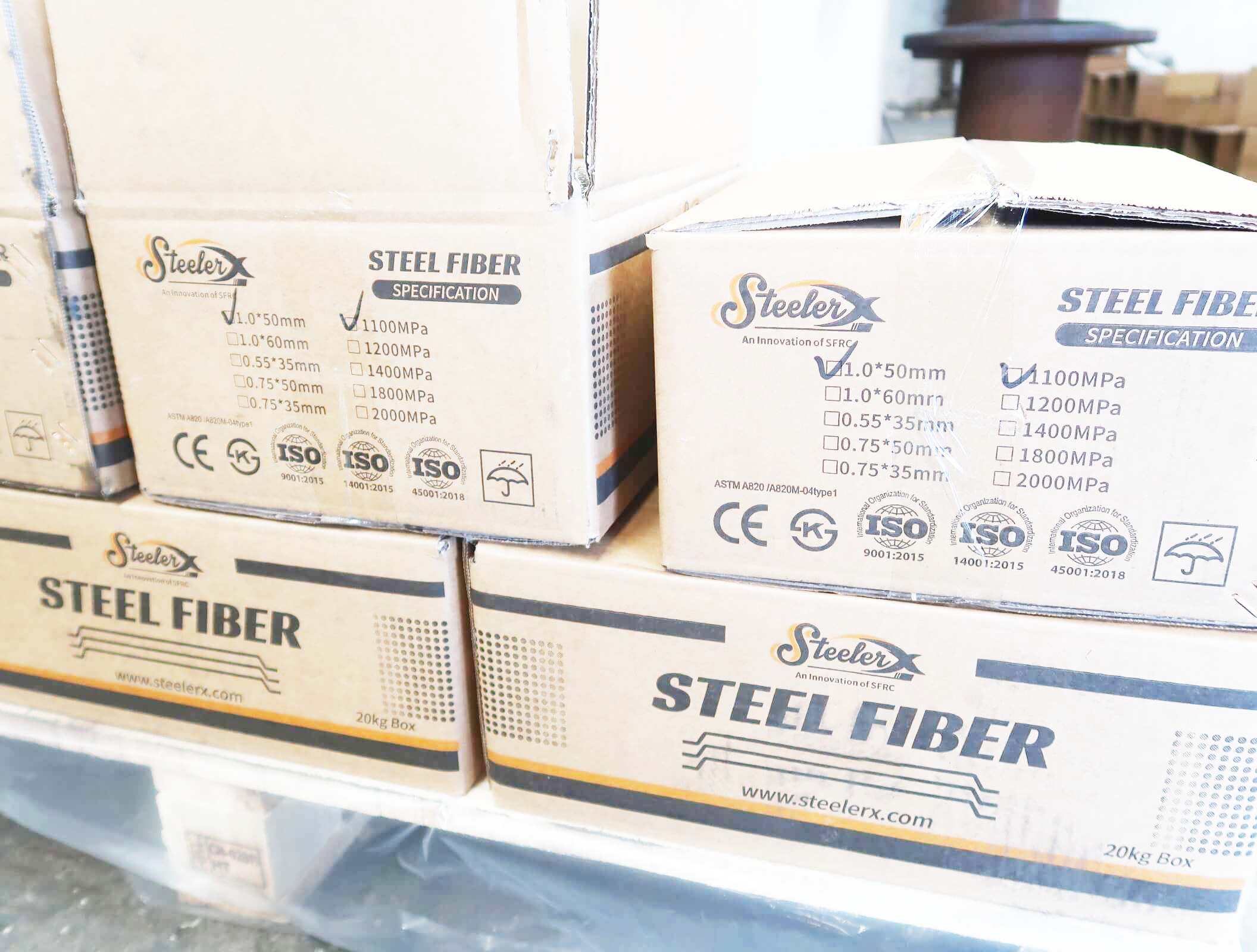
Pre-shipment inspection covers specifications, quantity and packaging before the order leaves the factory.
Request the Compliance Package, Samples or a Quote
Ask for the TINGCO product catalogue and company profile, a model-level specification, and sample quantities for trial mixes. Contact us at www.tcfibers.com · info@tingco.co · Tel +86-22-59785568 · WhatsApp +86 189-2017-0726.
Download the company and project profile (PDF): TINGCO Company & Project Profile
Market figures cited from Fortune Business Insights (steel fiber market 2026; PP fiber market 2026–2034) and specialized customs trade datasets (HS 7326 steel fiber export share). Standard references: EN 14889-1:2006, ASTM A820/A820M-16, ISO 13270, EN 14651, ASTM C1609, ASTM C1550.
Have Questions or Need More Details?
Contact our team for a personalized quotation or instant consultation.
Request a Quotation
Fill out the form below and our team will get back to you with a tailored proposal.
WhatsApp Direct Chat
Prefer to chat in real-time? Message us on WhatsApp for instant assistance & quick answers.
- Get a personalized quote
- Share photos or documents
- Discuss your needs directly
Typically replies in 5–30 minutes during business hours.