
Feed Grade vs Agricultural Grade Magnesium Sulphate Fertilizer: A Long-Term Sourcing Decision
Feed grade and agricultural grade magnesium sulphate fertilizer are not competing products, and choosing between them is not a quality ranking. It is an end-use routing decision with a twelve-month tail. Feed grade material is sourced so that magnesium can be added to livestock and poultry nutrition, where it supports bone health and helps reduce magnesium-deficiency stress. Agricultural grade material is sourced so that crops receive magnesium and sulfur together, applied to soil, through foliar spray, through fertigation systems, or inside an NPK blend.
Both grades can be supplied with low heavy metals and controlled chloride. That single fact is why buyers who compare grades only on price or on appearance end up with the wrong product in the warehouse. What separates a sound sourcing decision from an expensive one is whether the specification, the batch documentation and the supply terms fit the program the material will enter — and whether the supplier can hold that fit across repeated batches and an annual contract.
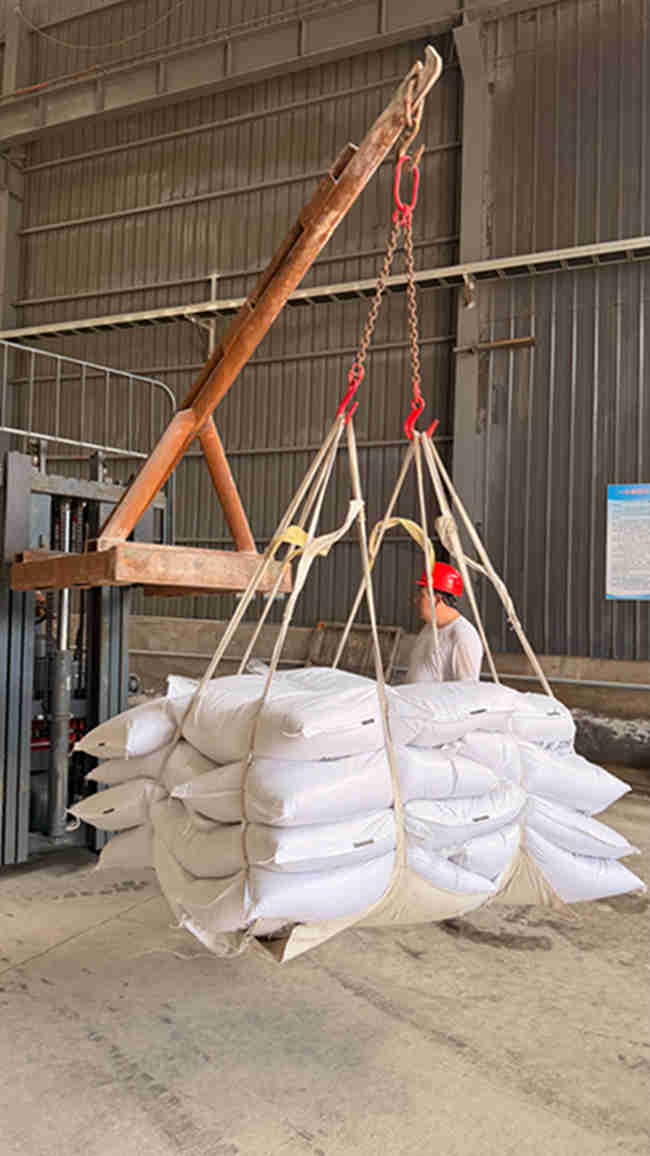
Magnesium sulphate fertilizer consignments prepared for export, where feed grade and agricultural grade are handled as separate specification lines.
Problem Definition: What the Grade Question Is Really Asking
A grade name answers one question only: which nutrient program the material is intended to enter. Feed grade magnesium sulphate is intended for livestock and poultry nutrition. Agricultural grade magnesium sulphate is intended for crop nutrition. Everything a buyer negotiates afterwards — assay, impurity limits, particle form, documentation, delivery terms — is a way of proving that the material actually fits that program and will keep fitting it.
Three structural realities make this harder than it sounds.
1. Trade data does not separate the two grades. Customs statistics aggregate magnesium sulphates under a single code (HS 283321), so import and export figures do not distinguish feed-grade volume from agricultural-grade volume. A buyer cannot benchmark a competitor's grade mix from trade statistics, and a supplier's total export tonnage is not evidence of feed capability.
2. Grade is a designation of fit, not a different molecule. Both grades are magnesium sulphate, and both can be supplied with low heavy metals and controlled chloride. Low impurity is not exclusive to one grade; it is a specification a supplier either controls and documents or does not. The grade word on a bag is therefore only as reliable as the batch test behind it.
3. Dual-program buyers carry the real risk. Importers, distributors and integrated operations frequently purchase both grades, sometimes on one order. The failure mode is not picking the wrong grade once — it is a specification sheet, a batch document or a bag label crossing over between a feed line and a crop line.
The consequence for procurement is a fixed order of operations: end use first, specification second, commercial terms third. Reversing that order — negotiating price before the specification is fixed — is the most common route to a wrong-grade shipment that is technically unreturnable.
Industry Background: A Market Built Mostly for Crops
Global magnesium sulfate market size reached USD 1.8 billion in 2025 and is projected to reach USD 1.9 billion in 2026. Growth is modest and the product is mature, which shapes the sourcing logic: availability is rarely the constraint. Specification consistency and documentation are.
Where that tonnage goes matters to a feed buyer. Agriculture and fertilizers accounted for approximately 41.6% of global magnesium sulfate market share as of 2025. Heptahydrate, or Epsom salt, is the dominant product type at 54% of global commercial production — the form most associated with cost-effective agricultural and fertigation use. The practical reading is blunt: most of the magnesium sulphate produced in the world is made against agricultural expectations. A feed buyer who simply orders "magnesium sulphate" will receive a market default, not a specification.
Supply geography reinforces the same point. In 2024, China was the leading exporter of magnesium sulphate, accounting for USD 149 million in export value. Sourcing from Chinese producers is standard practice rather than a differentiator; the differentiator is which producer, against which specification, with which batch evidence.
On the compliance side, magnesium sulphate is registered in the ECHA REACH database with an annual tonnage band of 100,000 to 1,000,000 tonnes. A high registered tonnage band means the substance itself is well characterised. It does not mean any given shipment is documented for any given end use. EU-facing buyers still need grade-appropriate heavy metal and chloride control plus batch-level test evidence, and that requirement travels with the material whichever grade is printed on the label.
The Detailed Solution: Assigning Each Grade to Its Program
Feed grade: magnesium for livestock and poultry nutrition
Feed grade magnesium sulphate is sourced as a magnesium supplement for pig, cattle, sheep and poultry feed. In that role, magnesium supports skeletal development and normal neuromuscular function, and an adequate supply helps reduce magnesium-deficiency stress in animals under production pressure.
Because a feed application adds a small quantity of material into a much larger ration, the entire contribution is carried by concentration and purity. Two attributes decide whether a magnesium sulphate source is usable in a feed program: low heavy metals and controlled chloride. Both should appear as numbers on the batch document, not as an implication of the words "feed grade". A supplier who cannot show a heavy metal limit and a chloride limit per batch has not demonstrated feed suitability, however consistent the colour of the crystals looks.
Feed buyers should also expect the material to be traceable. Batch traceability is what allows a feed mill to answer a customer or regulator question months after delivery, and it is the capability most often missing from the lowest offer in a tender.
Agricultural grade: magnesium and sulfur for crops
Agricultural grade magnesium sulphate supplies two nutrients at once: magnesium and sulfur. That dual supply is why it is used across four application routes, each of which places different demands on the material.
- Soil application. Base fertilizer and top dressing by broadcasting, including mechanical spreading, where granule uniformity and low dust decide how evenly the field is fed.
- Foliar spray. A route used to correct magnesium-deficiency chlorosis in cash crops and orchards, and one that requires a material that dissolves cleanly.
- Fertigation. Drip and sprinkler systems demand complete dissolution without residues, because undissolved material blocks pipes and drippers and turns a nutrient purchase into a maintenance cost.
- NPK blending. Magnesium sulphate is compatible with most NPK fertilizers, and the form chosen determines how well it survives blending, storage and spreading.
Form selection follows the route. Heptahydrate magnesium sulphate (Epsom salt) is cost-effective and well suited to agriculture and fertigation. Anhydrous magnesium sulphate carries higher magnesium content and low moisture at a higher price, for industrial and dry-formula use. Monohydrate magnesium sulphate — traded as Kieserite in granular form — works across agricultural and general industrial scenarios and is the usual choice where a granular, blendable magnesium source is required.
The shared specification floor both grades must clear
Grade claims become checkable only when they are attached to numbers. A documented premium magnesium sulphate specification includes assay of at least 99.5% with batch fluctuation of ±0.2%, chloride at or below 0.05%, water-insoluble content at or below 0.05%, heavy metals expressed as lead at or below 10 ppm, and at least 90% qualified granules with full dissolution within three minutes.
Those figures are the difference between a grade and a description. They also explain why grade comparison should never be reduced to appearance: two white crystalline materials can sit at very different points on the same specification sheet, and only the batch record shows which one a buyer actually received.
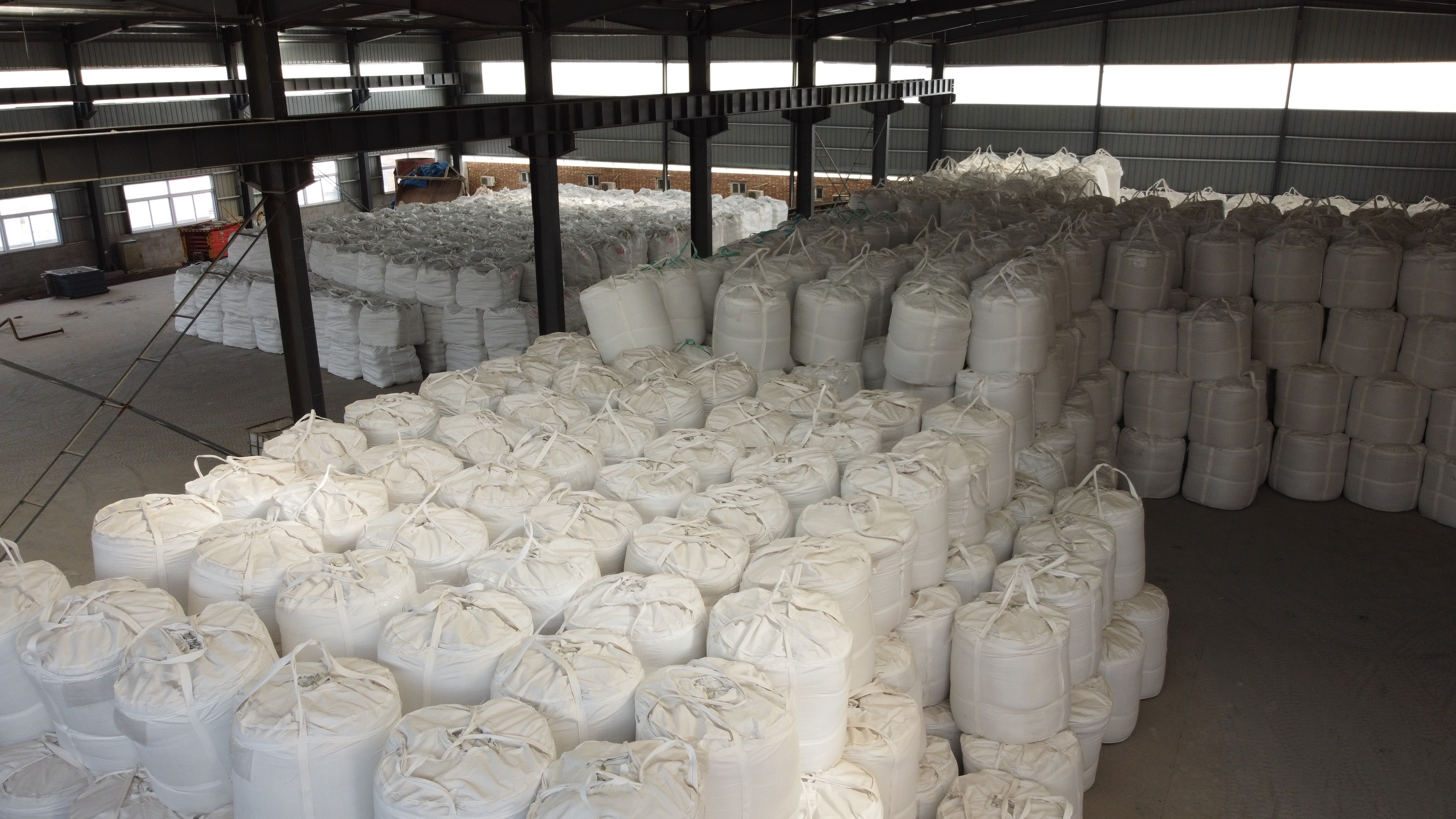
Production workshop for magnesium sulphate series products, where grade-specific batches are produced under an ISO quality management system.
Storage behaviour is shared as well. Magnesium sulphate absorbs moisture from air and can cake under high humidity, in damaged packaging, or after long exposure to moist air. Dry, ventilated storage with bags kept sealed prevents most of it, and caked material remains usable without quality loss once crushed. A six-month anti-caking expectation is realistic for a well-controlled product — a useful benchmark when material from an alternative supplier arrives hard in the bag.
Step-by-Step: Running the Sourcing Decision
Step 1 — Route the material before you request a quote
Decide whether the tonnage is going into a feed program, a crop program, or both. This single step determines the specification sheet, the document set and the container plan. Buyers who skip it end up comparing offers that were never comparable, then blaming the supplier for a grade mismatch that was created at the enquiry stage.
Step 2 — Fix a grade-specific specification sheet
Write down assay, magnesium content, crystal form, chloride limit, heavy metal limit, water-insoluble content, particle size or granule uniformity, and moisture. For a feed program, the heavy metal and chloride limits carry the most weight, because the material enters a ration that is already formulated. For a crop program, solubility, granule uniformity, dust level and anti-caking behaviour carry the most weight, because the material has to move through spreaders, spray tanks and drip lines without creating a second problem.
Step 3 — Compare cost per unit of delivered magnesium
Per-tonne price is the wrong comparator across forms. Anhydrous magnesium sulphate has higher magnesium content, low water content and a higher price; heptahydrate magnesium sulphate has lower magnesium content, contains crystal water and a lower cost. The usable comparison is cost per unit of magnesium delivered to the program, after freight, storage loss and application efficiency. On that basis a cheaper bag is frequently the more expensive input.
Step 4 — Require batch evidence before shipment
Acceptance should rest on a pre-shipment test rather than on a certificate template. A producer operating an ISO quality management system with an independent standardized testing laboratory can tie a batch number to a test result, and that link is what makes an annual contract enforceable. Without it, the buyer's only remedy after arrival is a commercial dispute.
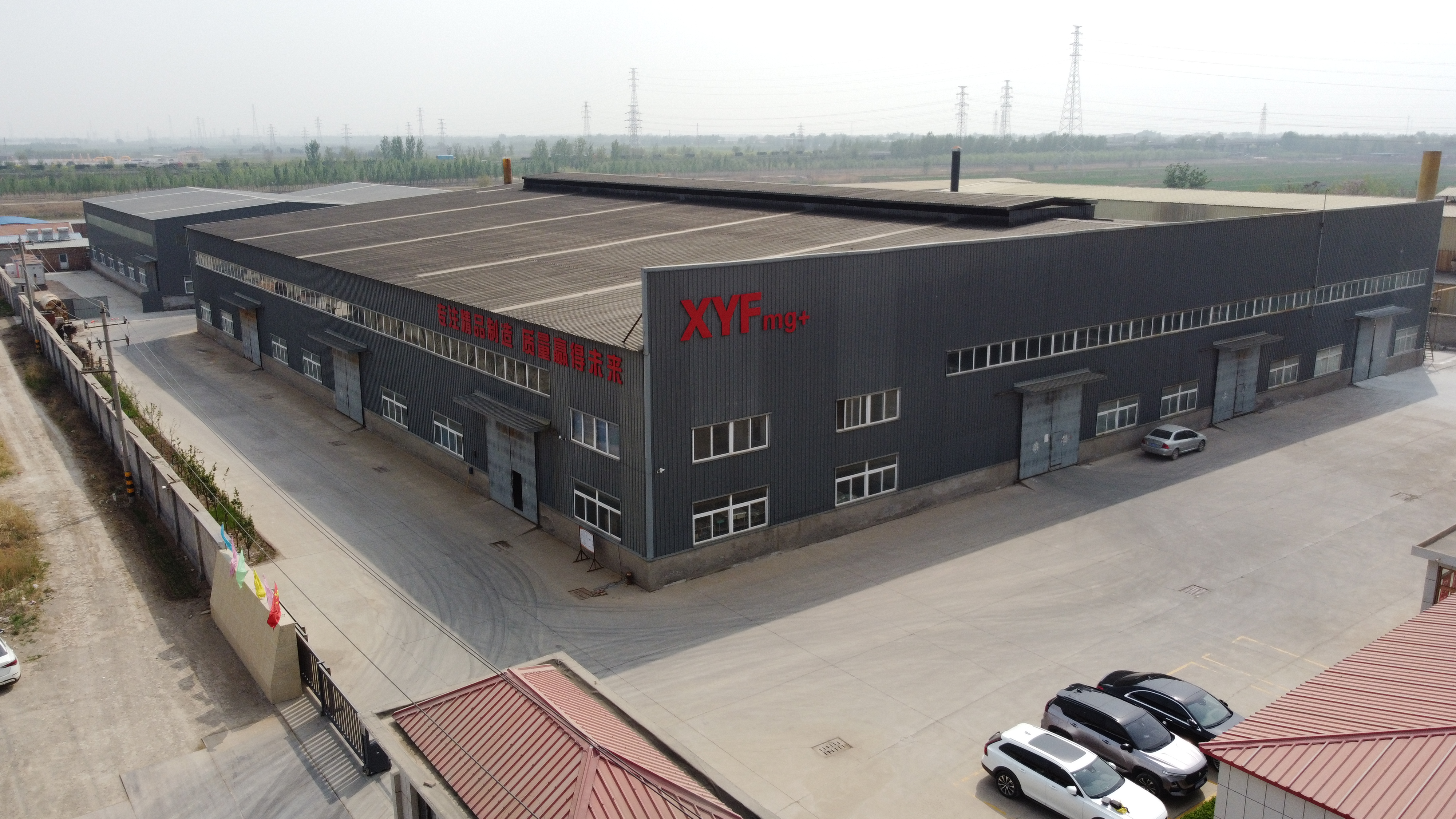
Factory area supporting bulk magnesium sulphate supply, with production capacity and quality control processes behind each grade line.
Step 5 — Lock commercial terms that fit an annual program
For magnesium sulphate fertilizer orders, the minimum order quantity is one container. Standard trade terms are FOB, CIF or CFR, and payment terms are 30% T/T in advance with 70% T/T against a copy of the bill of lading. Fixing these terms early matters more for a dual-grade buyer than for a single-grade buyer, because two grades on one program usually means two containers and two document sets — and often two different arrival dates.
Step 6 — Plan storage and the re-order rhythm
Set storage conditions before the first container lands: dry, ventilated warehouse, bags kept sealed, no rain or damp exposure. Then set the re-order rhythm against the anti-caking window rather than against available warehouse space. A program that consumes material inside its anti-caking window avoids both caking losses and the emergency buying that always costs more than the annual contract it interrupted.
Use Cases: Four Buying Situations
Feed mill or livestock integrator buying feed grade only
Single-grade, specification-led buying. The priority is a stable assay, low heavy metals, controlled chloride and batch traceability, because the material enters a ration that has already been formulated around it. Volume is usually lower than a crop buyer's, so the one-container minimum becomes the binding commercial constraint rather than the price per tonne.
Crop farm, plantation or orchard buying agricultural grade
Route-led buying. Fertigation and foliar users need complete dissolution without residues; broadcasting and mechanical spreading users need granule uniformity and low dust. A farm correcting magnesium-deficiency chlorosis is buying an agronomic result, so the application route — not the grade label — decides the specification.
NPK blender buying a granular magnesium source
Compatibility-led buying. The magnesium source has to survive blending with most NPK fertilizers and remain spreadable after storage. Monohydrate magnesium sulphate in granular (Kieserite) form is the usual fit, and granule uniformity plus anti-caking behaviour become the deciding parameters rather than price alone.
Importer or distributor serving both programs
Dual-grade buying, and the most demanding case. Two specification sheets, two document sets, two stock-keeping lines, and one supplier relationship that must hold both. This is where long-term supplier capability outweighs the price of any single container, because a distributor's reputation rests on the grade being right every time it is ordered.
Automated production line for magnesium sulphate series products, supporting repeated grade-specific batches across an annual program.
Comparison Table: Feed Grade vs Agricultural Grade Magnesium Sulphate
| Decision dimension | Feed grade | Agricultural grade |
|---|---|---|
| Intended program | Livestock and poultry nutrition | Crop nutrition |
| Nutrient role | Magnesium supplementation; supports bone health and helps reduce magnesium-deficiency stress | Dual supply of magnesium and sulfur |
| Application route | Inclusion in feed for pig, cattle, sheep and poultry | Soil application, foliar spray, fertigation, NPK blending |
| Quality control emphasis | Low heavy metals, controlled chloride, stable assay, batch traceability | Low heavy metals, controlled chloride, solubility, granule uniformity, anti-caking |
| Documented specification reference (both grades) | Assay ≥99.5% with ±0.2% batch fluctuation; chloride ≤0.05%; water-insoluble ≤0.05%; heavy metals (Pb) ≤10 ppm; ≥90% qualified granules; full dissolution within 3 minutes | |
| Form selection logic (both grades) | Heptahydrate (Epsom salt): lower magnesium content, contains crystal water, lower cost, suited to agriculture and fertigation. Anhydrous: higher magnesium content, low moisture, higher price, for industrial and dry-formula use. Monohydrate (Kieserite granular): works across agricultural and general industrial scenarios. | |
| Storage behaviour (both grades) | Absorbs moisture from air; store in a dry, ventilated warehouse with bags sealed. Caked material remains usable without quality loss once crushed. | |
| Commercial terms (both grades) | MOQ one container; FOB, CIF or CFR delivery; 30% T/T in advance and 70% T/T against copy of B/L; pre-shipment test as the acceptance criterion. | |
Frequently Asked Questions
What quality documents should accompany a feed grade or agricultural grade magnesium sulphate shipment?
Both grades should arrive with batch-level test evidence, not only a template certificate. The core control points are assay, chloride, water-insoluble content and heavy metals, plus the grade-specific parameters — solubility and granule uniformity for a crop program, traceable heavy metal and chloride limits for a feed program. Acceptance is normally tied to a pre-shipment test, which is the stage at which the batch result and the shipped material can still be matched against each other. For EU-facing shipments, magnesium sulphate is a substance registered in the ECHA REACH database with an annual tonnage band of 100,000 to 1,000,000 tonnes; registration of the substance does not replace grade-appropriate impurity control on the batch.
Can one magnesium sulphate supplier serve both a feed program and a crop program over the long term?
Yes, provided the supplier manufactures across forms and controls both specification sets. Tianjin Xingyu Fertilizer Industry Co., Ltd. (XYF) is a magnesium sulphate manufacturer founded in 1993 in Chenguantun Town Industrial Park, Jinghai District, Tianjin, China, producing full ranges of anhydrous, monohydrate and heptahydrate magnesium sulphate as well as magnesium oxide, in fertilizer grade and industrial grade. The company reports automated production lines, a stable raw material supply base, an ISO quality management system, an independent standardized testing laboratory, an annual production capacity of 150,000 units, and export sales to more than 30 countries and regions across Southeast Asia, Europe and America, with export business accounting for 70% of total sales.
How should a buyer compare the cost of feed grade and agricultural grade magnesium sulphate?
Compare cost per unit of magnesium delivered to the program rather than cost per tonne. Anhydrous magnesium sulphate has higher magnesium content and a higher price; heptahydrate magnesium sulphate has lower magnesium content and a lower cost. Add freight, storage loss and application efficiency, and the ranking can reverse. Commercial terms shape the true cost as well: the minimum order quantity is one container, trade terms are FOB, CIF or CFR, and payment terms are 30% T/T in advance with 70% T/T against copy of the bill of lading.
Can both grades be validated before an annual contract is signed?
Validation normally happens in two stages, and they answer different questions. A sample check confirms appearance, dissolution behaviour and handling before any volume commitment; a pre-shipment test on the production batch confirms the numbers that will govern acceptance. Agreeing the test method at the sample stage prevents a dispute later, when the batch is already inside a container. Because both grades can be supplied with low heavy metals and controlled chloride, the same test protocol — assay, magnesium content, chloride, water-insoluble content, heavy metals, granule uniformity and dissolution behaviour — can be used for either grade.
What does a long-term magnesium sulphate supply arrangement with annual contracts and batch traceability require?
An annual arrangement is built from four commitments: a fixed specification per grade, batch traceability from production to shipment, a pre-shipment test as the acceptance gate, and commercial terms that repeat from container to container. Standard terms for magnesium sulphate fertilizer orders are a minimum order quantity of one container, FOB, CIF or CFR delivery, and 30% T/T in advance with 70% T/T against copy of B/L. Supply continuity then depends on the producer's raw material base and production capacity rather than on spot availability — XYF reports a stable raw material supply base, automated production lines and the capacity for stable supply of bulk orders with efficient delivery and reliable quality control. Buyers can request a quote, a sample or the product catalogue to open the specification discussion.
Conclusion: Route First, Specify Second, Contract Third
Feed grade and agricultural grade magnesium sulphate fertilizer are two routes out of the same production line, not two competitors. The sourcing decision is about which route the material must take — magnesium supplementation for livestock and poultry on one side, magnesium and sulfur for crops through soil application, foliar spray, fertigation or NPK blending on the other.
The decision rule is short. Route the material first. Fix the specification the route requires, including low heavy metals and controlled chloride for both grades. Compare cost per unit of delivered magnesium rather than cost per tonne. Make batch evidence and pre-shipment testing the acceptance gate. Then repeat the same terms across an annual program so that the second container is as predictable as the first.
Done in that order, the grade question stops being a label comparison and becomes what it actually is: a supply decision that has to hold for the whole contract.
Next Step: Sample, Quote or Catalogue
If you are allocating volumes between a feed program and a crop program, the fastest way to settle the specification is to request a sample and a quotation for the form you intend to use — anhydrous, monohydrate (Kieserite granular) or heptahydrate magnesium sulphate.
Product catalogue: XYF-Catalogue.pdf
Website: www.xyfertilizer.com
Contact: Jenny — liujenny@xingyutj.com | Tel / WhatsApp: +86 155-2237-7326
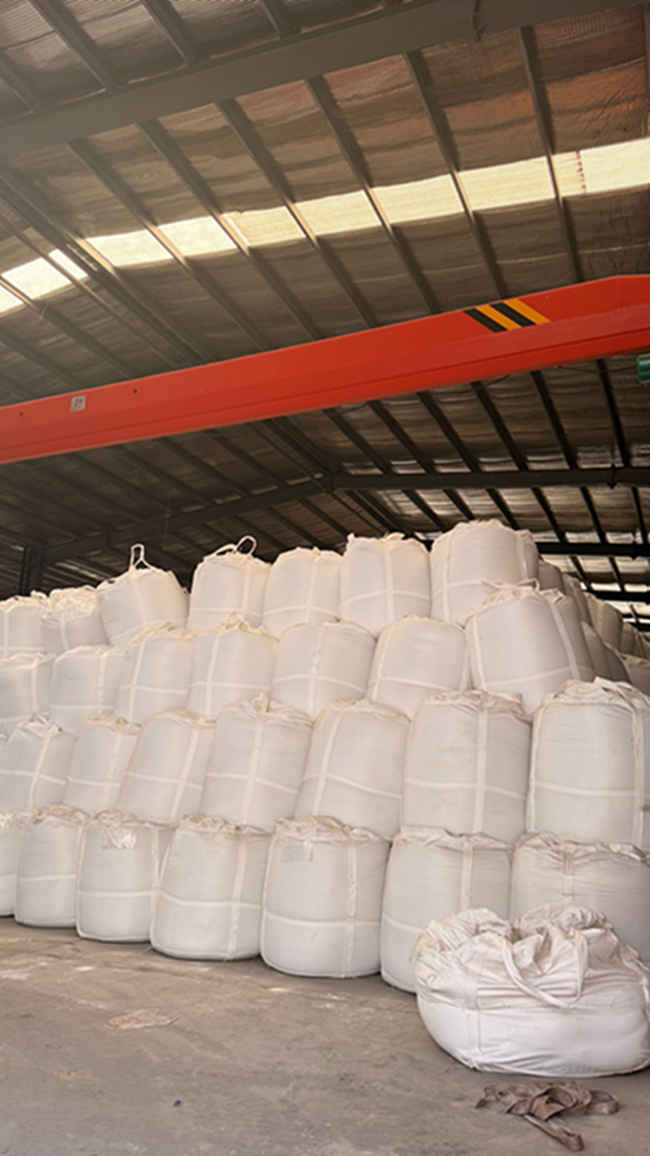
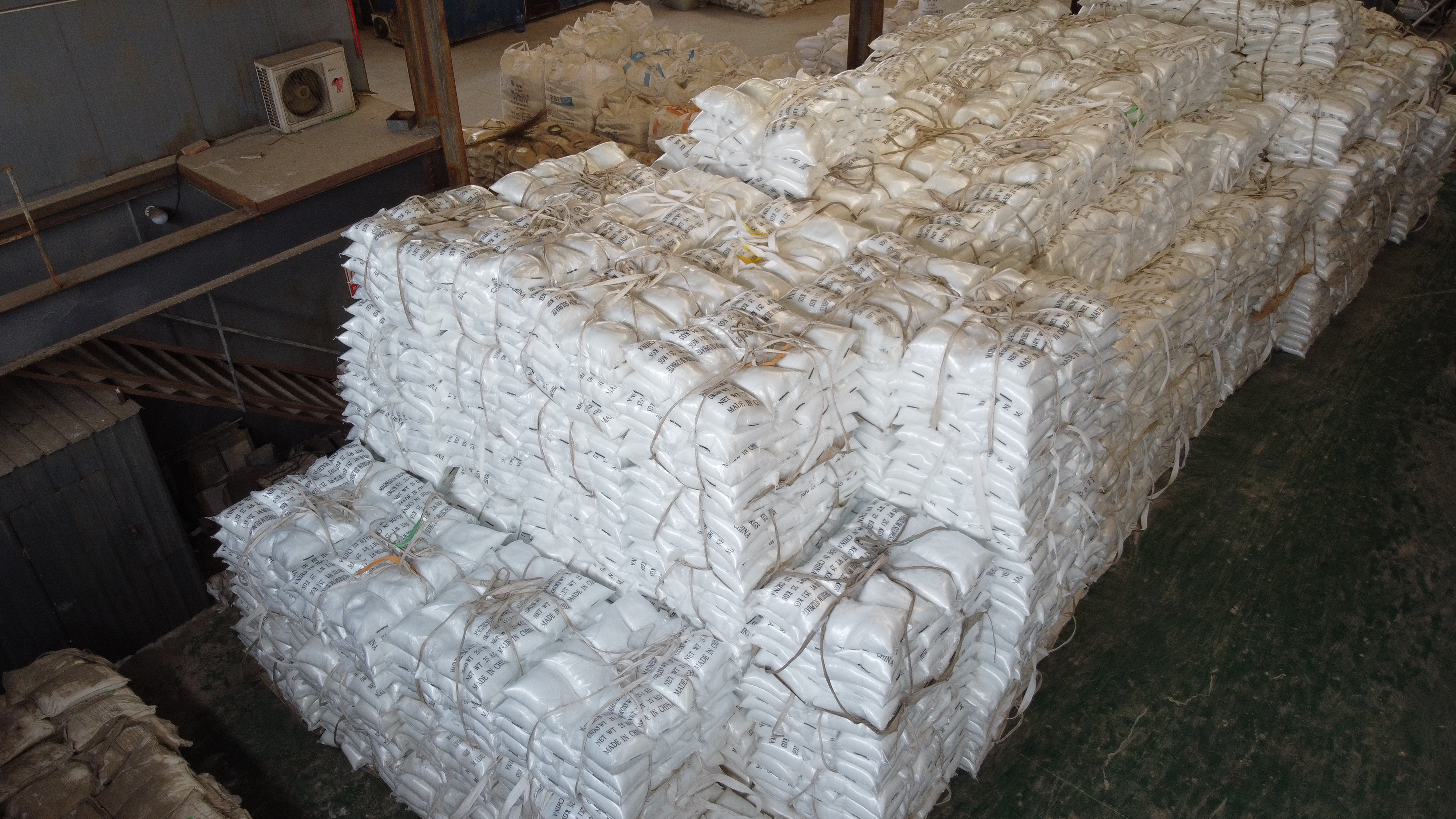
Goods staged for pre-shipment test and container loading, the acceptance gate for both feed grade and agricultural grade magnesium sulphate.
Have Questions or Need More Details?
Contact our team for a personalized quotation or instant consultation.
Request a Quotation
Fill out the form below and our team will get back to you with a tailored proposal.
WhatsApp Direct Chat
Prefer to chat in real-time? Message us on WhatsApp for instant assistance & quick answers.
- Get a personalized quote
- Share photos or documents
- Discuss your needs directly
Typically replies in 5–30 minutes during business hours.