
Magnesium Sulphate Fertilizer Long-Term Partnership FAQ: MOQ, COA, Lead Time & After-Sales
Magnesium Sulphate Fertilizer Long-Term Partnership FAQ: MOQ, COA, Lead Time & After-Sales
A magnesium sulphate fertilizer supply relationship is rarely lost on the first container. It is lost on the fourth or fifth, when testing routines loosen, documents arrive after the vessel, or a quality disagreement has no agreed procedure behind it.
This FAQ is written for importers, distributors and brand owners who have already picked a grade and are now deciding whether one manufacturer can repeat the same product, paperwork and response time across several orders. It answers the questions that dominate that stage: documents and compliance, water-soluble capability, minimum order quantity, handling of quality discrepancies, and lead time together with after-sales support.
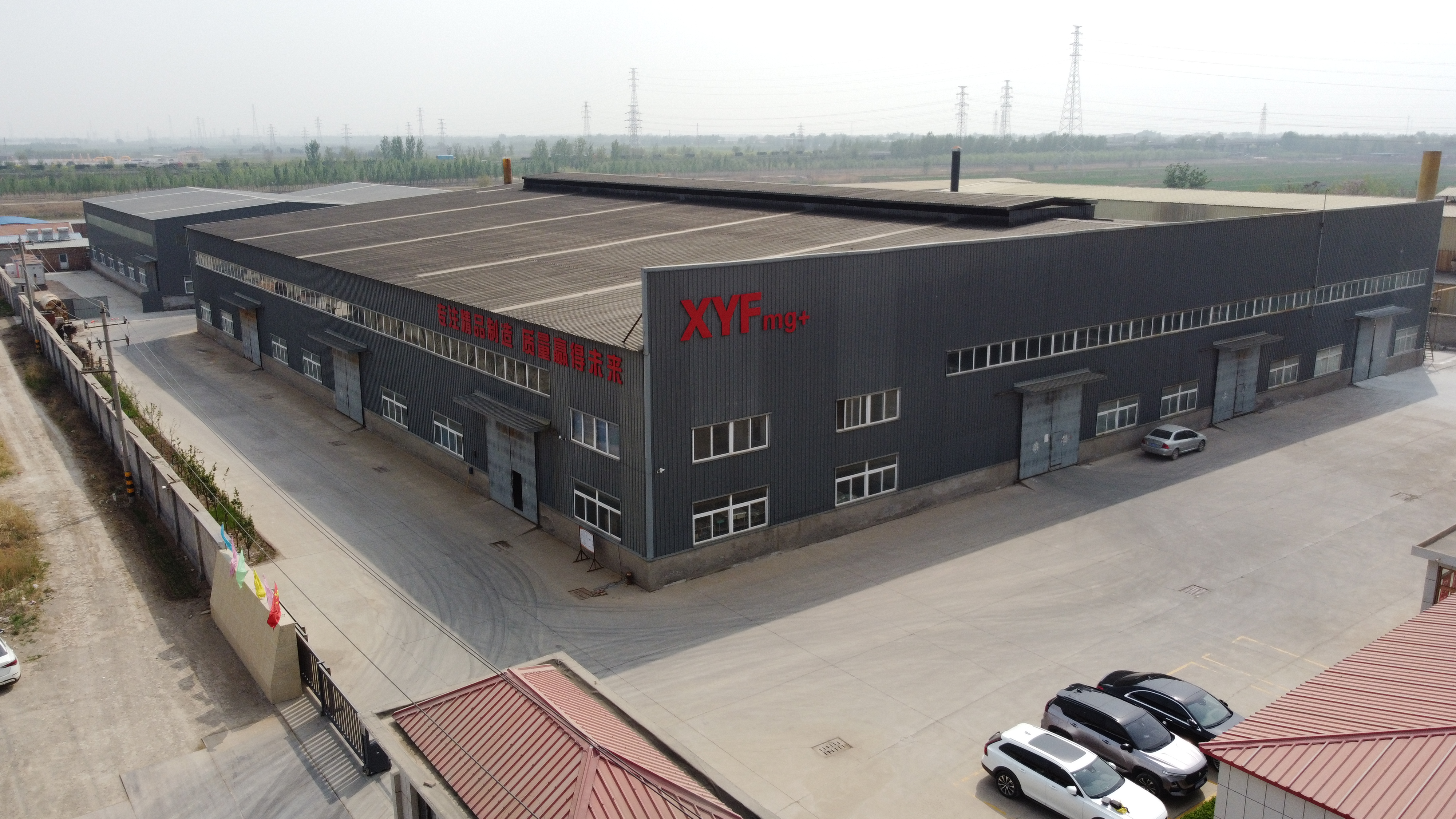
Answers reflect the stated terms and service commitments of Tianjin Xingyu Fertilizer Industry Co., Ltd. (XYF), a magnesium sulphate manufacturer founded in 1993 and located in Chenguantun Town Industrial Park, Jinghai District, Tianjin, China, about 80 km from Tianjin Port. Where a term depends on the order — most importantly lead time — this article states the rule rather than a number, because the number is quoted per order.
Quick Answer: The Four Terms That Decide a Long-Term Supply Agreement
- Minimum order quantity: one container. Custom specifications, granule size, colors, shapes, packaging and labels are accepted within that framework.
- Lead time: quoted according to order quantity and requirements. There is no published fixed lead time, because product form, tonnage, packaging and labeling change the production schedule.
- Quality and documents: 100% testing before shipment, with COA, MSDS, test reports and application guidance supplied with the order.
- After-sales: customer feedback is answered within 24 hours; quality discrepancies are handled through photos, samples and third-party inspection reports, resolved by mutual negotiation.
Those four terms, not the price per tonne alone, determine whether a magnesium sulphate fertilizer supplier can be carried into a second and third year.
Problem Definition: Why Purchasing Terms Outweigh the First Quotation
Magnesium sulphate fertilizer looks like a simple commodity. It supplies magnesium and sulfur in one product, it is sold as white crystal, granule or powder, and it moves in 25 kg and 50 kg PP woven bags or bulk-equivalent packaging. Because the product is easy to describe, buyers often compare suppliers on grade and price only.
Three variables stay invisible at quotation stage, and all three belong to the purchasing terms rather than to the product datasheet:
- Batch repeatability. Assay, moisture, particle size and chloride level must hold from container one to container ten, or the buyer's own blending line and customers absorb the difference.
- Document completeness. A COA or MSDS that arrives late, or that does not match the delivered batch, turns a routine customs clearance into a storage cost.
- An agreed dispute path. When a batch is questioned, the difference between a two-week resolution and a two-month argument is whether the contract names the evidence required.
Importers in the research and evaluation stage are therefore not only choosing a product form. They are choosing a supplier's testing habit, documentation habit and response habit, then committing to them for a season or several years.
Industry Background: Broad Supply, Uneven Repeatability
Global magnesium sulphate supply is deep. Market research cited for this category values the global magnesium sulfate market at USD 1.8 billion in 2025, with a projected USD 1.9 billion in 2026. Agriculture and fertilizers account for approximately 41.6% of global market share as of 2025, and heptahydrate (Epsom salt) accounts for 54% of global commercial production by product type. China's position as a supply base is equally visible in trade data: in 2024, China was the leading exporter of magnesium sulphate, with USD 149 million in export value under HS code 283321, according to OEC data based on UN Comtrade.
Regulatory scale points in the same direction. Magnesium sulphate is registered in the ECHA REACH database with an annual tonnage band of 100,000 to 1,000,000 tonnes, which reflects how widely the substance is traded into and within Europe.
The practical consequence for an importer is that material is available from many directions. What is not evenly distributed is repeatability: documented batch testing, a complete shipping document set, and a defined after-sales route. That is why long-term buyers increasingly evaluate suppliers on service terms that can be written into a purchase order, rather than on a single delivered price.
The product range itself spans four forms — magnesium sulphate anhydrous, Kieserite, magnesium sulphate monohydrate and magnesium sulphate heptahydrate — in agricultural, feed and industrial grades, granule, crystal and powder forms. Applications extend from agricultural fertilizer and feed additive to industrial uses including printing and dyeing, leather-making, building materials, water treatment, and bath salt raw material.
The XYF Partnership Framework for Magnesium Sulphate Fertilizer Supply
XYF describes itself as an original manufacturer of magnesium sulphate series products, exporting to more than 30 countries and regions, with production supported by automated lines, an independent standardized testing laboratory and an ISO quality management system. The company reports an annual output capacity of 100,000 metric tons for its magnesium sulphate series products on its official website — capacity that matters to a buyer only if the service terms behind it hold.
1. Order Terms and MOQ: One Container
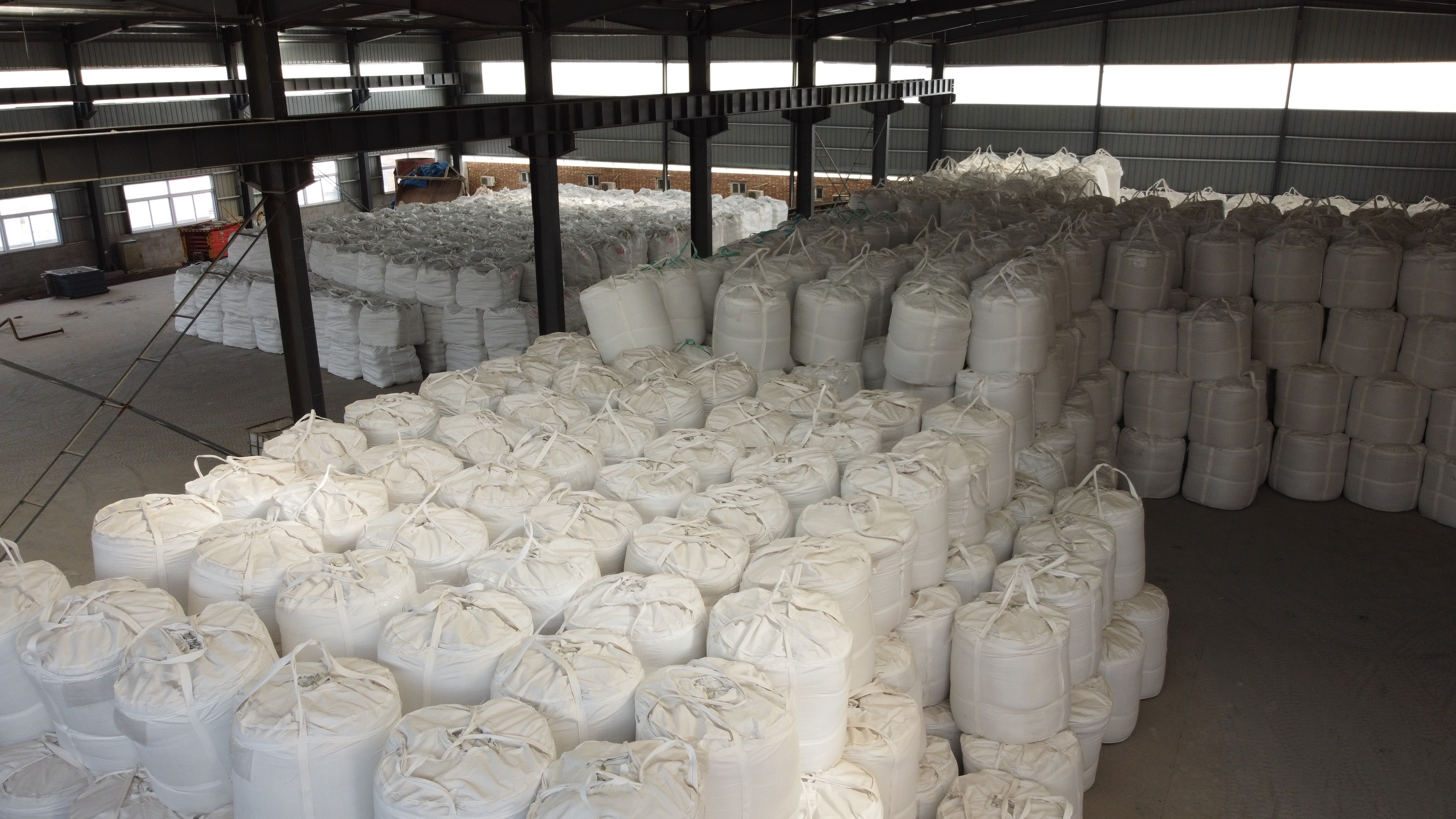
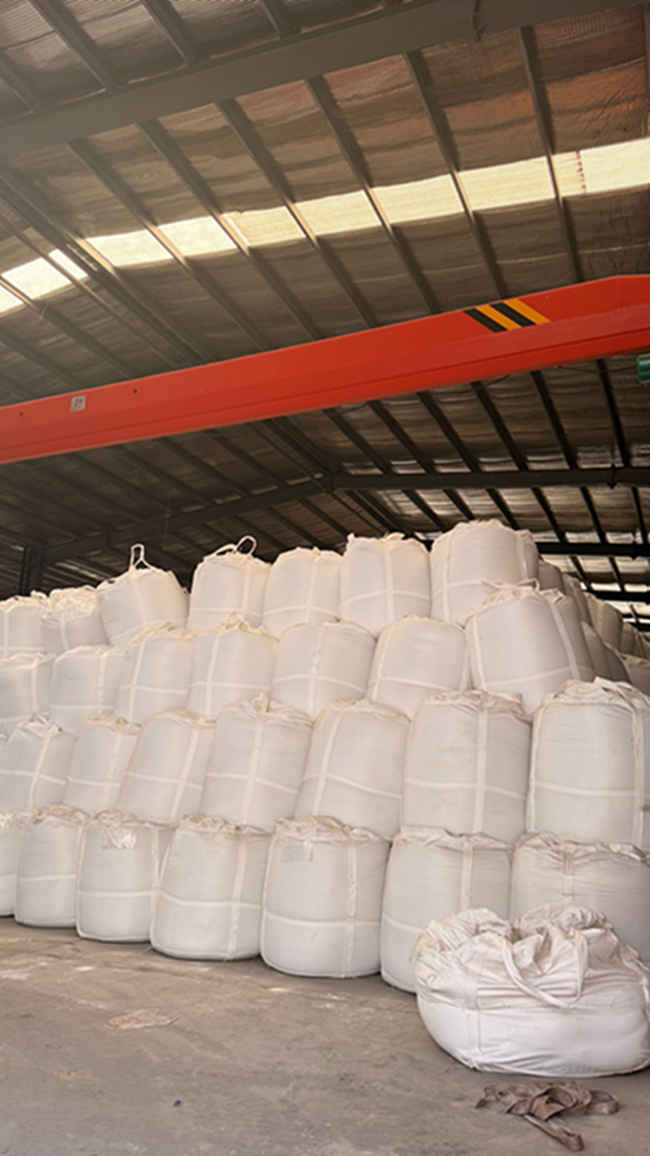
The minimum order quantity is one container. Within that framework, customization covers custom specifications, granule size, colors, shapes, packaging and labels. Standard packing is 25 kg or 50 kg PP woven bags, or as per the customer's requirement, and packaging is sealed and moisture-proof with shipping marks complying with destination requirements.
For an importer, a one-container MOQ has a specific function: it is large enough to validate assay, particle size, dust level and packaging performance in the buyer's own handling conditions, and small enough to be affordable as a trial before an annual agreement. Buyers evaluating a first order should treat it as a validation run with defined acceptance criteria, not as a price negotiation exercise.
2. Acceptance Criteria and Documentation: 100% Testing Before Shipment
Quality control is stated as 100% testing, and documents supplied with the order include MSDS, COA, test reports and application guidance. For feed grade material, the product must meet feed-additive standards; for EU export, REACH and FAMI-QS compliance is required. Chloride ion content is restricted to avoid damage to chlorine-sensitive crops, and heavy metals, arsenic, lead and other harmful impurities are strictly controlled.
These points translate into acceptance criteria that belong in the purchase order rather than in an email thread: product form and grade, MgO assay, particle size distribution, moisture and anti-caking behaviour, chloride limit for sensitive crops, heavy metal limits, packaging type, and label artwork. Where application is fertigation, the relevant criteria are good water solubility and low water-insoluble matter, because insoluble residue is what blocks drip emitters.
3. Lead Time and Shipping Visibility
Lead time depends on order quantity and requirements. That is a rule, not an evasion: a single figure cannot cover a one-container order of standard 25 kg bags of monohydrate and a multi-container order of custom-labelled heptahydrate crystal with a specific granule size. Buyers should therefore request lead time against the actual configuration — product form, tonnage, packaging, label artwork and destination port — and compare suppliers on that basis.
Order visibility is the second half of the term. XYF states full-order follow-up, with loading and shipping status updated as the order progresses, so the buyer is not dependent on chasing a forwarder for a status they should have received.
4. After-Sales: 24-Hour Response and a Defined Discrepancy Path
The after-sales commitment has four parts. Technical documents — MSDS, COA, test reports and application guidance — are provided. Each order is followed through loading and shipping with status updates. Customer feedback is answered within 24 hours, with assistance on quality and arrival-related issues. And where a quality discrepancy arises, the buyer provides photos, samples and third-party inspection reports, and both sides negotiate a resolution on that evidence.
That last point is the most useful clause in a long-term agreement, because it defines evidence before a dispute exists. It also aligns with the supplier's stated willingness to accept third-party inspection, which lets the buyer appoint an independent party rather than relying solely on the supplier's own laboratory.
Step-by-Step: How a Repeat Order Runs From Inquiry to Arrival
- Fix the grade against the application. Define whether the material goes to soil application, foliar spray, fertigation, NPK blending, feed additive or an industrial process. Heptahydrate suits fast water solubility; monohydrate and Kieserite suit granular soil application and blending; anhydrous suits moisture-sensitive industrial formulations and soil application. Confirm agricultural, feed or industrial grade at this stage.
- Confirm packaging and labeling. Choose 25 kg or 50 kg PP woven bags or a custom specification, then approve label artwork and shipping marks that meet destination requirements. Sealed, moisture-proof packaging protects against caking in transit and storage.
- Agree the order quantity and MOQ. The MOQ is one container. Confirm whether this is a validation order or the first release of an annual volume, and record the acceptance criteria that will apply to both.
- Request lead time for that configuration. Provide product form, tonnage, packaging, labeling and destination so the lead time quoted matches the order actually placed. Schedule vessel booking and document issuance from that date.
- Complete pre-shipment testing and documents. 100% testing is carried out, and the COA, MSDS, test reports and application guidance are issued. Where the destination requires it — for example feed grade standards or REACH and FAMI-QS for EU export — confirm the compliance route before loading.
- Track loading and shipping. Full-order follow-up continues through container loading and shipment, with status updates so arrival planning can start before the vessel sails.
- Handle arrival, acceptance and any feedback. After arrival, feedback is answered within 24 hours. If a discrepancy is raised, photos, retained samples and a third-party inspection report are submitted, and the resolution is negotiated on that basis.
Use Cases: Where These Terms Decide the Outcome
South Korea OBM Customer: 20 Tonnes Over Two Years
A South Korean OBM customer has taken magnesium sulphate fertilizer in a quantity of 20 tonnes over a two-year relationship. The case is relevant not because of tonnage but because of what the relationship required across those two years: stable delivery, custom packaging and labels, and prompt after-sales service. Applications in that relationship covered agricultural fertilizer for magnesium and sulfur supply, correcting leaf chlorosis caused by magnesium deficiency, plus feed additive and industrial uses.
From a purchasing perspective, the case demonstrates the pattern a long-term importer is buying: repeated orders in the same specification, packaging and labeling agreed once and repeated, and an after-sales channel that stays open after the container has landed. For a buyer assessing a new supplier, a two-year record with one customer is evidence, not proof — it should be read alongside batch testing documents and the ability to accept third-party inspection.
Fertigation and Foliar Programs
Growers running drip or fertigation systems need complete water solubility with no residue, so the material does not block drip emitters. Heptahydrate, described as extremely fast in water solubility, is the natural fit, applied through fertigation machines, drip irrigation systems, sprayers and mixing tanks. Foliar programs sit on the same requirement: dissolution must be complete before the solution reaches a nozzle or an emitter.
NPK Blending and Soil Application
Blenders need compatibility with most NPK fertilizers plus low dust and anti-caking behaviour for mechanical handling. Kieserite, a natural mineral origin product with low hygroscopicity and pH-neutral behaviour, is positioned for granular soil application and bulk blending; monohydrate and anhydrous granules serve the same supply chain where nutrient density and low moisture matter. Base fertilizing, top-dressing and broadcasting are handled with fertilizer spreaders and blenders.
Feed and Industrial Buyers
Feed grade material must meet feed-additive standards and is used to supplement magnesium for livestock and poultry, supporting bone health and reducing magnesium-deficiency stress. Industrial buyers — printing and dyeing, leather-making, building materials and water treatment — buy on specification and document consistency, where the COA for each batch is the controlling document.
Comparison Table: Product Forms and Partnership Fit
| Product form | Physical form | Key property | Application routes | Packing |
|---|---|---|---|---|
| Magnesium sulphate anhydrous | White powder / granular | Highest magnesium oxide content (approx. 33% MgO); no crystal water; low moisture | Soil application; industrial raw material | 25 kg / 50 kg PP woven bag, or as per customer's requirement |
| Kieserite | Off-white granular | Natural mineral origin; pH-neutral; approx. 27% MgO; low hygroscopicity, anti-caking | Soil application | 25 kg / 50 kg PP woven bag, or as per customer's requirement |
| Magnesium sulphate monohydrate | White powder / granular | Approx. 25–27% MgO; low moisture; anti-caking for long-term storage | Soil application; foliar spray; industrial raw material | 25 kg / 50 kg PP woven bag, or as per customer's requirement |
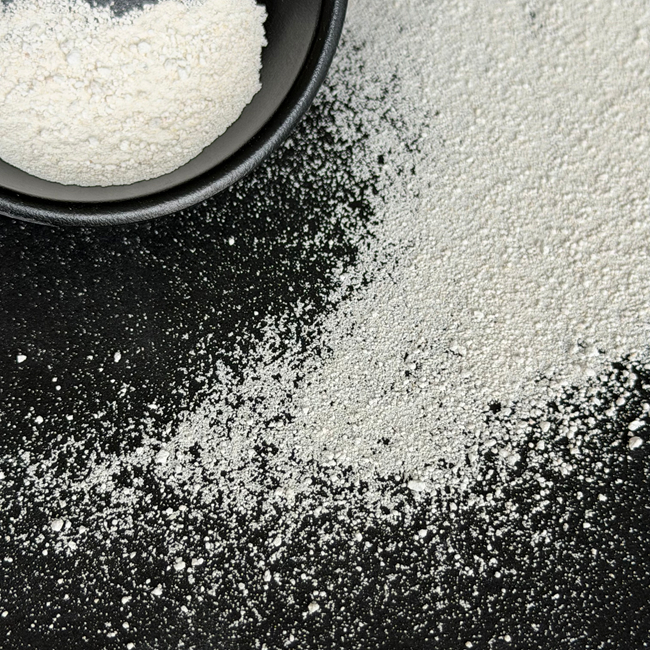
| Magnesium sulphate heptahydrate | White granular crystal | Extremely fast water solubility; complete dissolution with no residue | Soil application; foliar spray; fertigation; industrial raw material | 25 kg / 50 kg PP woven bag, or as per customer's requirement |
Partnership Terms at a Glance
| Term | Stated position |
|---|---|
| Minimum order quantity | One container |
| Lead time | Depends on order quantity and requirements; quoted per order |
| Pre-shipment quality control | 100% testing |
| Documentation | MSDS, COA, test reports and application guidance |
| Loading and shipping updates | Full-order follow-up with timely status updates |
| Response to feedback | Within 24 hours, including quality and arrival-related issues |
| Quality discrepancy route | Photos, samples and third-party inspection reports, resolved by mutual negotiation |
| Customization | Custom specifications, granule size, colors, shapes, packaging and labels |

Frequently Asked Questions
What documents are supplied with a magnesium sulphate fertilizer order?
Each order is supported by a COA, an MSDS, test reports and application guidance. XYF states 100% testing before shipment, and the COA for each batch is part of the document set supplied to the buyer. For feed grade material, the product must meet feed-additive standards; for EU export, REACH and FAMI-QS compliance is required. Packaging is sealed and moisture-proof, with shipping marks complying with destination requirements. Third-party inspection is accepted, so a buyer can appoint an independent party in addition to the supplier's own testing laboratory.
Which Chinese magnesium sulphate fertilizer manufacturers support water-soluble fertigation grades?
XYF produces magnesium sulphate heptahydrate as a white granular crystal with extremely fast water solubility and complete dissolution with no residue, which suits fertigation and foliar spray and avoids blocking drip emitters. Monohydrate is also offered in powder and granular form for soil application, foliar spray and industrial use. Agricultural, feed and industrial grades are available in granule, crystal and powder forms, and custom specifications, granule size and packaging are accepted. Buyers selecting a fertigation grade should confirm water solubility and low water-insoluble matter as written acceptance criteria.
What is the minimum order quantity, and how is lead time quoted?
The MOQ is one container. Lead time depends on order quantity and requirements, so it is quoted against the specific configuration: product form, tonnage, packaging and labeling, and destination. Because custom specifications, granule size, colors, shapes, packaging and labels are accepted, a single standard lead time is not published. For most importers, the one-container order is the practical way to validate assay, particle size and packaging before committing to a longer agreement.
How are quality discrepancies handled after arrival?
Customer feedback is answered within 24 hours, including quality and arrival-related issues. Where a quality discrepancy arises, the buyer provides photos, samples and third-party inspection reports, and both sides negotiate a resolution on that evidence. This keeps the discussion factual and avoids disputes that turn on opinion rather than on the delivered batch. Because test reports are issued with the order, the agreed specification can be compared directly with the delivered material.
What does after-sales support look like across a multi-year supply relationship?
Every order is followed through loading and shipping, with updates on loading and shipping status so arrival planning can begin before departure. Feedback is answered within 24 hours and covers quality and arrival-related issues as well as application questions. A two-year OBM relationship with a South Korean customer — 20 tonnes, custom packaging and labels — illustrates the model in practice: stable delivery, prompt after-sales service and long-term collaboration. Importers who want to test the process before committing can request a sample or a quotation, and download the product catalogue for the full grade list.
Conclusion: Buy the Terms, Not Only the Tonne
For magnesium sulphate fertilizer, the product is well understood and widely available. What separates a supplier that survives a multi-year agreement is a set of terms that can be written down and repeated: a one-container MOQ that makes validation affordable, 100% testing before shipment, a complete document set including COA, MSDS, test reports and application guidance, lead time quoted against the actual order configuration, loading and shipping updates through the order, feedback answered within 24 hours, and a discrepancy route built on photos, samples and third-party inspection reports.
Tianjin Xingyu Fertilizer Industry Co., Ltd. (XYF) presents those terms as its stated service commitments, backed by a production site in Jinghai District, Tianjin, four magnesium sulphate forms across agricultural, feed and industrial grades, and a two-year OBM supply record with a South Korean customer. Buyers in the evaluation stage should test the terms on a single container before scaling them into an annual contract — the trial order is where the paperwork, the lead time and the response habit are proven.
Have Questions or Need More Details?
Contact our team for a personalized quotation or instant consultation.
Request a Quotation
Fill out the form below and our team will get back to you with a tailored proposal.
WhatsApp Direct Chat
Prefer to chat in real-time? Message us on WhatsApp for instant assistance & quick answers.
- Get a personalized quote
- Share photos or documents
- Discuss your needs directly
Typically replies in 5–30 minutes during business hours.