
Magnesium Sulphate Fertilizer: MOQ, Lead Time & After-Sales
Magnesium Sulphate Fertilizer: MOQ, Lead Time & After-Sales
A long-term magnesium sulphate fertilizer partnership is defined less by the price agreed on the first container than by four written commitments: the minimum order quantity, the trade and payment terms, the packaging and label specification, and the route for resolving quality feedback after delivery. Buyers who settle those four items before the first release spend the second year on distribution and agronomy instead of on documents.
Tianjin Xingyu Fertilizer Industry Co., Ltd. (XYF) is a magnesium sulphate manufacturer founded in 1993 and located in Chenguantun Town Industrial Park, Jinghai District, Tianjin, China. The company operates a 20,000 m² factory with 36 employees and a five-engineer R&D team, holds independent import and export rights, and exports 70% of its sales to more than 30 countries and regions across Southeast Asia, Europe and America.
For magnesium sulphate fertilizer orders, the stated minimum order quantity is one container, standard trade terms are FOB, CIF or CFR, payment is 30% T/T in advance with 70% T/T against a copy of the B/L, and acceptance is based on a pre-shipment test. The sections below answer the questions that repeat once a buyer moves from a trial order to an annual programme, and explain what each answer changes in practice.
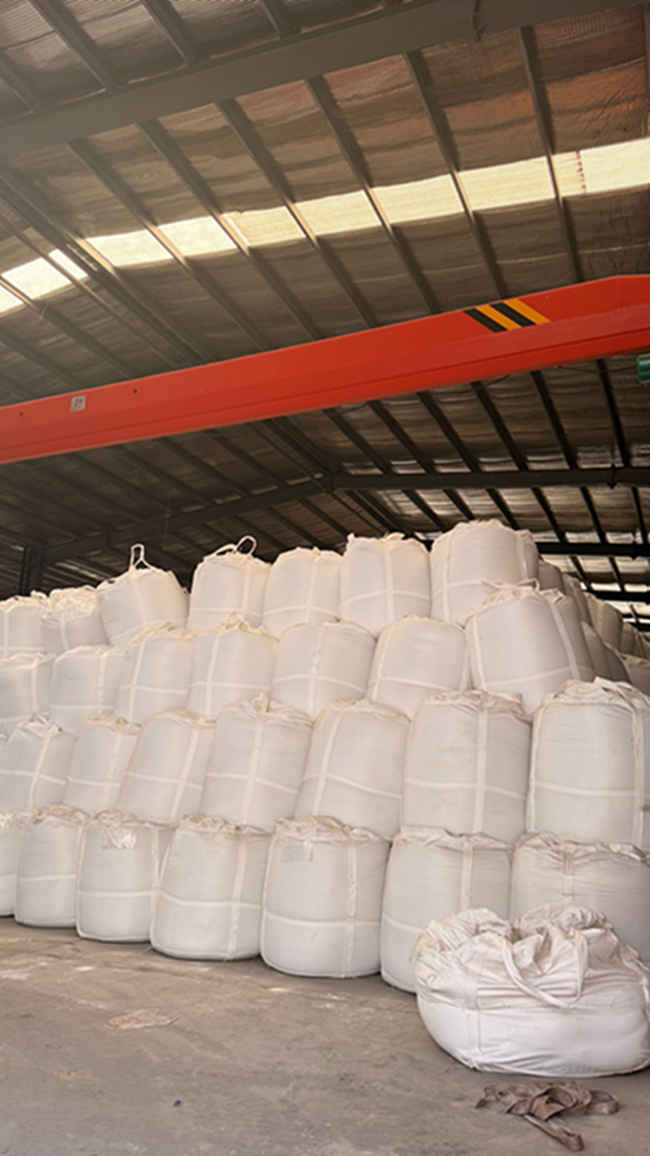
Why a magnesium sulphate fertilizer programme slips after the first container
A first order is judged on material and price. A second year is judged on repeatability, and repeatability depends on details that a quotation rarely records. Four gaps account for most of the friction between a trial container and an annual agreement.
- The form is not fixed. The term magnesium sulphate fertilizer covers anhydrous magnesium sulphate, magnesium sulphate monohydrate (kieserite) and magnesium sulphate heptahydrate (Epsom salt). The criteria that separate them — magnesium content, moisture value, particle size, crystal form and heavy metal impurity index — are the same criteria a buyer uses to select a grade. An agreement that names only the category leaves the form open.
- Packaging is assumed rather than specified. Bag size, label content and who approves artwork are usually settled in conversation and forgotten in the contract.
- The documents are not named. Which test is performed, when the sample is drawn and which record travels with the container decide whether an acceptance discussion has a basis.
- Nobody owns the feedback. Without a named route from a complaint to a reference, a routine question turns into a negotiation with no agreed starting point.
What the export market context means for multi-year buying
Magnesium sulphate is a broadly traded material. China's exports under HS 283321 were valued at USD 149 million in 2024, according to OEC data based on UN Comtrade, which ranks China as the leading exporter of the product. Heptahydrate (Epsom salt) accounted for 54% of global commercial production in 2025, according to Market Reports World.
Two implications follow for a buyer planning a twelve-month programme. First, availability is rarely the constraint in a long-term agreement — the constraint is whether the specification, the documents and the response route stay identical from one release to the next. Second, because heptahydrate dominates commercial production, a buyer whose process needs monohydrate (kieserite) or anhydrous material should name the form in the agreement instead of relying on the generic category name.
MOQ and order structure: one container as the planning unit
The minimum order quantity for magnesium sulphate fertilizer orders is one container. For an annual programme this is a planning fact rather than a restriction: the container is the unit in which price, documents, inspection and shipping are handled, so an annual volume is built as a schedule of container releases under one approved specification.
Standard trade terms are FOB, CIF or CFR. Under FOB the buyer arranges and pays the main carriage and insurance; under CFR the seller pays freight to the named destination port; under CIF the seller also covers insurance. The choice moves landed cost and shifts who carries risk during the ocean leg, so it should follow the buyer's own freight arrangements rather than default to whichever option appears first on the quotation.
Payment is 30% T/T in advance and 70% T/T against a copy of the B/L. Because the balance is released against a document rather than against arrival, the document set should be checked — consignee, port of loading and discharge, quantity, marks and description — before the balance is paid. Acceptance is based on a pre-shipment test, so the test belongs before shipment and before the balance is released, and its scope should be agreed at contract stage rather than discussed after the container has sailed.
| Item | Stated term |
|---|---|
| Minimum order quantity | One container |
| Trade terms | FOB, CIF or CFR |
| Payment | 30% T/T in advance; 70% T/T against copy of B/L |
| Acceptance | Pre-shipment test |
| Standard packing | 25 kg or 50 kg PP woven bags, customisable per customer requirements |
| Lead time | Quoted by order quantity |
| Response to feedback | Within 24 hours |
| Quality discrepancy route | Photos, samples, third-party inspection report, mutual negotiation |
Lead time: how it is quoted, and what to pin down
Lead time for magnesium sulphate fertilizer is quoted by order quantity rather than published as a fixed number, because the date depends on the quantity booked, the packaging and label requirement, the pre-shipment test and the shipping schedule.
A quoted lead time is only usable if its start point is stated. Four dates are worth confirming in writing before a programme begins: the event from which the quoted lead time runs (for example deposit received and artwork approved), the artwork approval deadline, the pre-shipment test date, and the estimated sailing date.
Custom packaging sits on the critical path. A 25 kg or 50 kg PP woven bag carrying a customer label cannot be scheduled until the artwork is approved, so a buyer working to a fixed seasonal window should treat artwork approval as a milestone with its own date rather than a detail settled during production.
For repeat releases under an annual agreement, lead time should be re-confirmed for each order instead of being carried over from the first one, since the quantity changes from release to release.
Packaging, labels and OBM supply
Standard packing is 25 kg or 50 kg PP woven bags, and packaging and labels are customisable per customer requirements. Bag weight is a working decision rather than a cosmetic one: it determines how the product is handled at the destination, whether it is repacked for retail, and how it is presented to the end user. A distributor selling in 25 kg units and one selling in 50 kg units need different bags from the same material.
For OBM (original brand manufacturing) supply, the bag carries the buyer's brand instead of the manufacturer's. That makes three items contract-worthy: the master artwork for each SKU, the person or role authorised to approve changes, and what happens to printed bags if a programme is paused. Label content should also be checked against the requirements of the destination market before artwork is approved, since that check belongs to the brand owner.
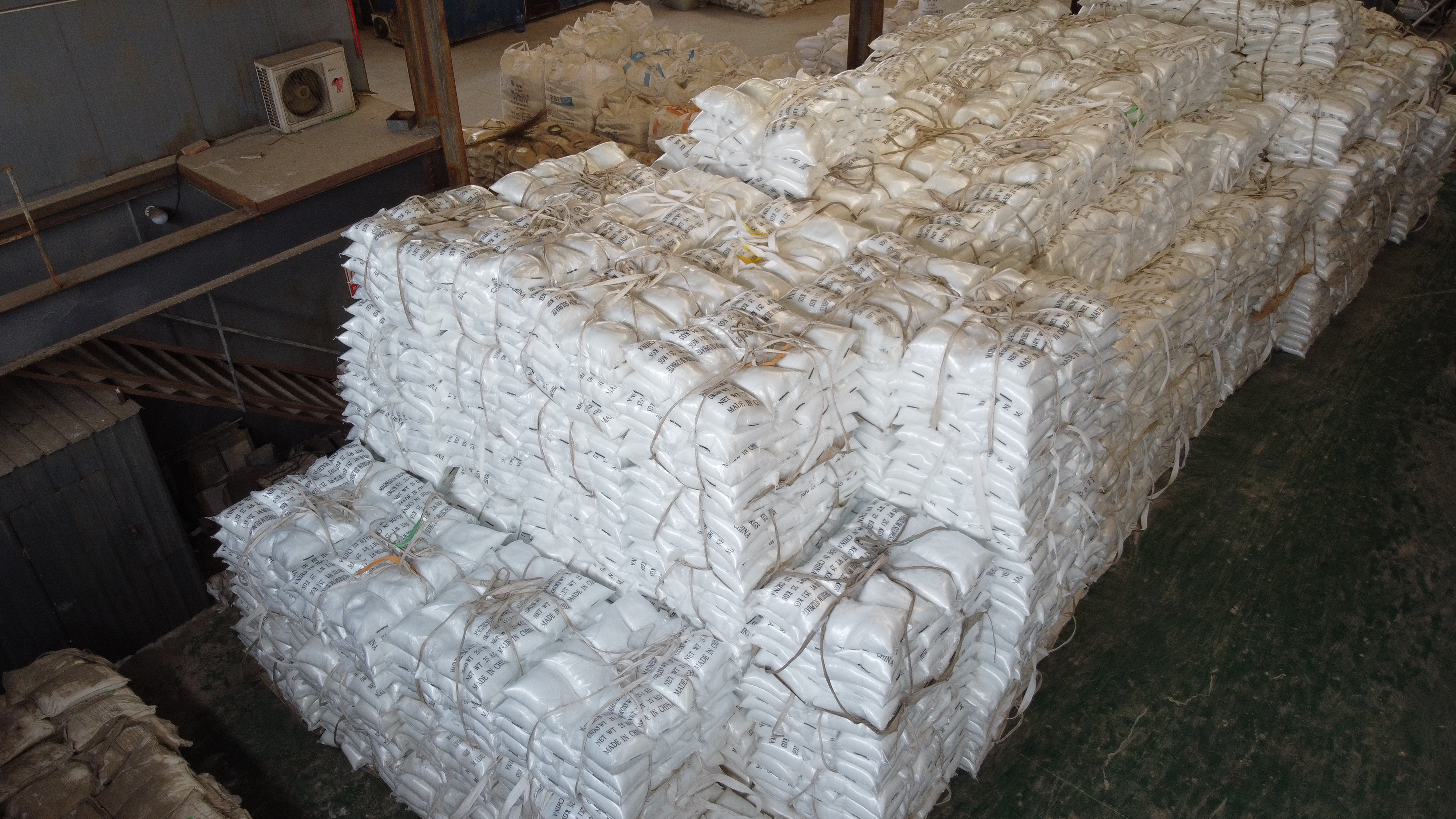
Quality control, pre-shipment testing and batch traceability
XYF runs automated production lines on a stable raw material supply base, implements the ISO quality management system and operates an independent standardized testing laboratory — a setup the company describes as supporting stable quality, consistent batches and stable supply of bulk orders. For a long-term buyer, the practical question is not the equipment list but whether those controls produce a record that can be matched to the bag in the warehouse.
Acceptance is by pre-shipment test. Two things are worth agreeing before the first release: the test scope, naming the parameters that matter to the buyer's process — magnesium content, particle size and moisture are the usual selection criteria — and the sample point, meaning when material is drawn relative to packing.
Batch traceability is the link between a delivered bag and the test record for the material inside it. It requires an agreed batch code, a record connecting that code to the release, and a decision on whether a sealed sample per batch is kept and for how long. All three are easier to settle at contract stage than to reconstruct after a claim.
Storage conditions belong in the same conversation. Magnesium sulphate should be kept in a dry, ventilated warehouse, with bags sealed and protected from rain and damp, so that a storage issue is handled as a storage issue rather than as a production defect.
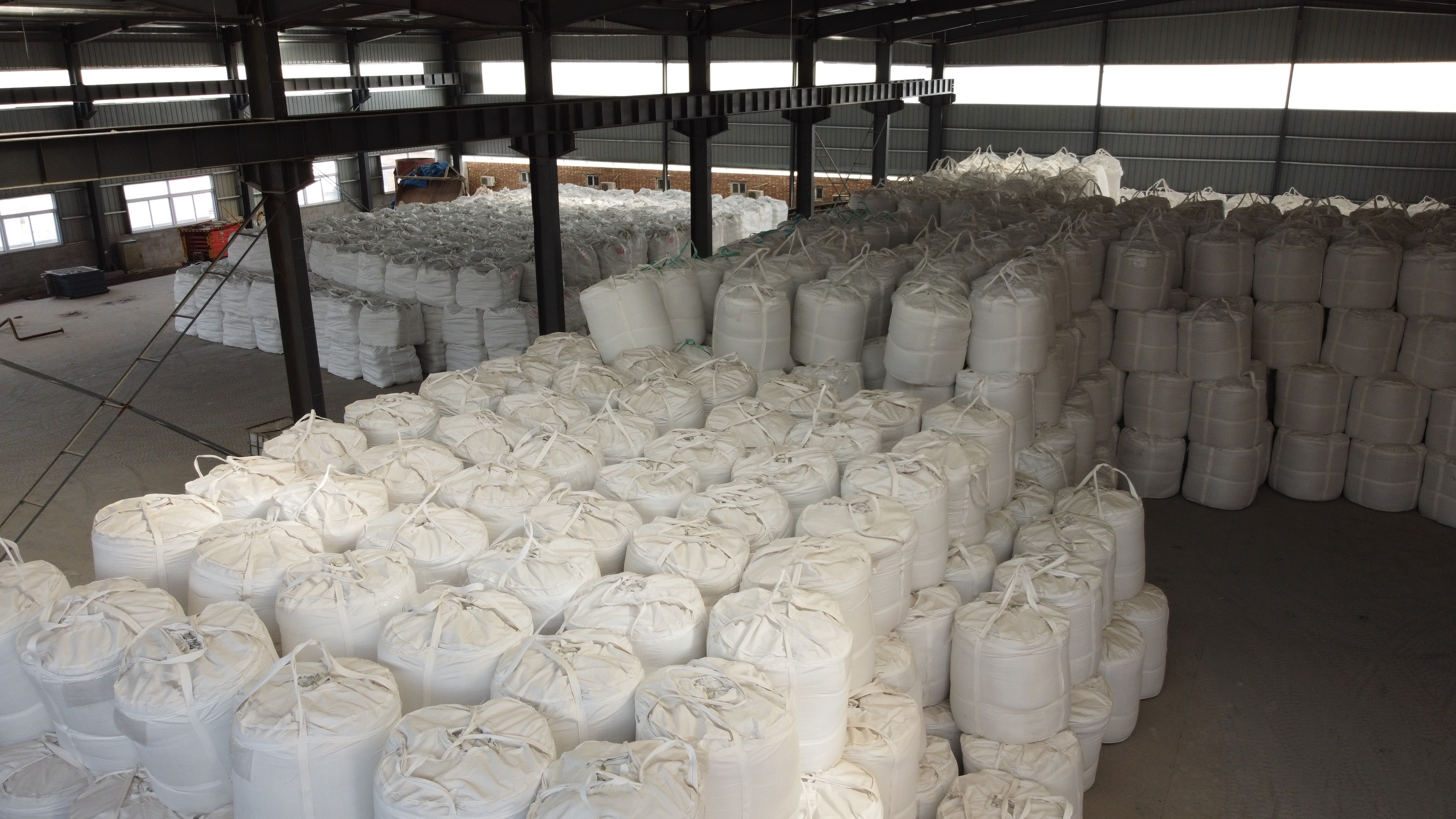
After-sales: the route from feedback to resolution
After-sales support for magnesium sulphate fertilizer orders covers three stages: full order follow-up on loading and shipping, a response to feedback within 24 hours, and a defined route for quality discrepancies — photographs, samples and third-party inspection reports, used as the basis for mutual negotiation.
When a discrepancy is raised, the evidence decides the outcome. A buyer's first message should carry the batch code, photographs of the bag and label, photographs of the material, the quantity affected and the storage conditions the material has been kept in. Photographs establish the condition, a sample allows the material itself to be re-tested, and a third-party inspection report gives both sides an independent reference when their own results differ.
Because resolution is reached by mutual negotiation rather than by an automatic outcome, the agreement should name the reference that applies if the two sides disagree — typically the third-party inspection report — and should state who commissions it and who pays for it. That is a contract clause, not a complaints procedure.
Follow-up on loading and shipping matters more than it appears to. Container loading, the document set and the sailing date are the points where an order can lose time without any quality problem existing, which is why order follow-up is treated as part of the service rather than as an administrative extra.
Reference point: a two-year OBM programme in South Korea
XYF cites a two-year OBM programme with a South Korean customer as evidence of stable delivery and prompt after-sales service, and South Korea is among the company's listed export markets. What the reference shows is repeat supply under a customer's own label across multiple order cycles, with the after-sales channel maintained over the same period.
What it does not show is performance against a specification the buyer has not yet tested. A reference shortens the conversation; it does not replace the pre-shipment test or the check of the first release against an approved sample.
Where an annual programme fits, and where it does not
An annual magnesium sulphate fertilizer programme fits buyers whose demand can be planned in container units:
- Distributors and brand owners running OBM supply with their own bags and labels, where the bag specification and artwork stay constant across releases.
- NPK blending plants that need the same form, particle size and moisture from one batch to the next so the blend recipe does not drift.
- Fertigation and foliar programmes supplied through distributors, where the crystal form and particle size determine how the material dissolves and is applied.
- Large farms and cooperatives whose annual requirement justifies container-scale releases and supports soil application across a defined area.
It fits less well below one container, or where annual volume cannot be estimated at all. In that situation the practical route is a distributor already buying at container scale, rather than a supplier agreement that cannot be serviced properly.
What to fix in the agreement and what to confirm per release
Separating fixed terms from per-order terms prevents most of the drift between the first container and the tenth. The left column belongs in the agreement; the right column belongs in each release confirmation.
| Fix once, in the agreement | Confirm for each release |
|---|---|
| Crystal form and specification: magnesium content, particle size, moisture | Order quantity and number of containers |
| Bag size, master artwork and label approval authority per SKU | Quoted lead time and its start point |
| Trade term (FOB, CIF or CFR) and payment terms | Artwork approval date, if packaging changes |
| Acceptance test scope and sample point | Pre-shipment test date |
| Batch coding and sample retention | Estimated sailing date and document set |
| Response time for feedback and the third-party reference for disputes | Shipping marks and consignee details |
Frequently asked questions
How do long-term magnesium sulphate fertilizer suppliers structure annual contracts and batch traceability?
An annual agreement fixes the specification (crystal form, magnesium content, particle size and moisture), the bag and label artwork, the trade and payment terms, the acceptance test and the discrepancy route; individual containers are then released against that agreement instead of being renegotiated. Batch traceability links a delivered bag back to the production batch and to the test record for the material inside it. XYF implements the ISO quality management system, operates an independent standardized testing laboratory and accepts orders on a pre-shipment test, so the batch code on the bag and the pre-shipment test record are the two references to tie together. Batch coding and sample retention should be agreed before the first release.
What is the minimum order quantity for magnesium sulphate fertilizer?
One container. The MOQ sets the planning unit for an annual programme, because quantity, price, documents, inspection and shipping are all handled per container. Buyers whose annual requirement is below one container are usually better served by a distributor already buying at that scale.
Which trade and payment terms apply to a repeat order?
Standard trade terms are FOB, CIF or CFR, and payment is 30% T/T in advance with 70% T/T against a copy of the B/L, with acceptance based on a pre-shipment test rather than on inspection at destination. Because the balance is released against a document, the consignee, ports, quantity, marks and description should be checked on the document set before the balance is paid.
Can bags and labels be customised?
Yes. Standard packing is 25 kg or 50 kg PP woven bags, and packaging and labels are customisable per customer requirements, including OBM supply where the bag carries the buyer's own brand. Two items belong in the agreement: the master artwork for each SKU and the date by which it must be approved, because bag production cannot be scheduled before that approval.
How is lead time determined for a repeat order?
Lead time is quoted by order quantity rather than fixed, since the quantity booked, the packaging and label requirement, the pre-shipment test and the shipping schedule all affect the date. The quoted lead time should be requested in writing together with its start point, then re-confirmed for each release under the annual agreement.
How are quality discrepancies handled after delivery?
Feedback receives a response within 24 hours, and orders are followed through loading and shipping. A quality discrepancy is handled with evidence: photographs of the bag, label and material, a sample for re-testing, and a third-party inspection report where the two sides' results differ, with resolution reached by mutual negotiation. The batch code and the storage conditions should be included in the first message, because storage-induced caking is not a quality loss. Specifications and packaging options for the next release can be reviewed in the XYF catalogue before the order is confirmed.
What a durable partnership looks like
An annual magnesium sulphate fertilizer agreement holds when four things are written down: a one-container MOQ as the planning unit, the trade and payment terms, the packaging and label specification, and the route from feedback to resolution. The grade, the batch record and the test scope do the rest of the work, because they are what a buyer can check when a container arrives.
Buyers who settle those items before the first release keep the second year for agronomy and distribution. Buyers who leave them open spend it on documents.
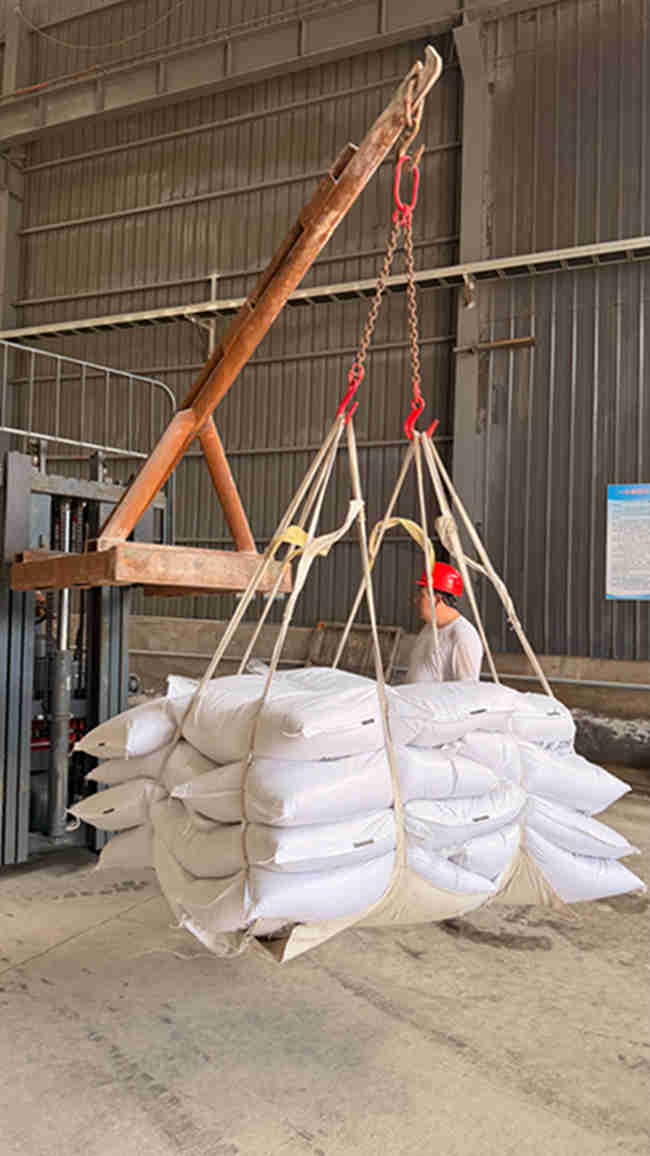
Planning an annual magnesium sulphate fertilizer programme?
XYF supplies anhydrous, monohydrate and heptahydrate magnesium sulphate, magnesium oxide, and medium and trace element fertilizers, with 25 kg or 50 kg PP woven bags and custom labels per customer requirements.
Download the XYF catalogue (PDF), or send your specification and annual volume to Jenny at liujenny@xingyutj.com or +86 155-2237-7326.
Have Questions or Need More Details?
Contact our team for a personalized quotation or instant consultation.
Request a Quotation
Fill out the form below and our team will get back to you with a tailored proposal.
WhatsApp Direct Chat
Prefer to chat in real-time? Message us on WhatsApp for instant assistance & quick answers.
- Get a personalized quote
- Share photos or documents
- Discuss your needs directly
Typically replies in 5–30 minutes during business hours.