
Solving Leaf Chlorosis from Magnesium Deficiency with Magnesium Sulphate Fertilizer
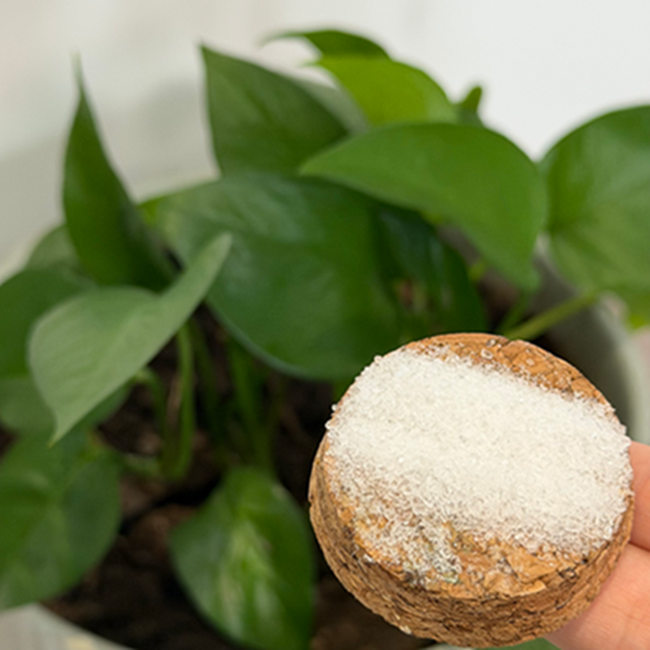
Magnesium sulphate fertilizer corrects leaf chlorosis caused by magnesium deficiency because it delivers water-soluble magnesium — the central atom of the chlorophyll molecule — together with sulfur, and it can be applied to the soil, through fertigation or as a foliar spray. The decision that decides whether the correction works is not which brand to buy, but which form, which grade and which application route, judged on the cost per unit of magnesium actually delivered to the crop.
• Interveinal yellowing that starts on older leaves is the classic magnesium signal; confirm it with soil and tissue analysis before buying inputs.
• Water-soluble sulphate forms reach roots and leaves fastest, and full dissolution within 3 minutes with water-insoluble content ≤0.05% keeps drip lines and sprayers clean.
• Low-chloride material (chloride ≤0.05%, heavy metals Pb ≤10 ppm, assay ≥99.5%) is the safer choice for repeated foliar use and chloride-sensitive crops.
• Premium material costs more per tonne but delivers 85–92% nutrient utilization against 70–78% for traditional material, so bag price is the wrong comparison.
This guide is written for growers, agronomists, importers and procurement teams who already know the crop is short of magnesium and now have to choose the material, the grade and the application route. Tianjin Xingyu Fertilizer Industry Co., Ltd. (XYF) is a magnesium sulphate manufacturer founded in 1993 in Chenguantun Town Industrial Park, Jinghai District, Tianjin, China, producing anhydrous, monohydrate and heptahydrate magnesium sulphate as well as magnesium oxide and sulfur magnesium fertilizer for agricultural and industrial buyers.
Why Leaves Turn Yellow: Defining Magnesium Deficiency Chlorosis
Magnesium deficiency chlorosis is an interveinal yellowing of the leaf: the tissue between the veins fades to pale green or yellow while the veins themselves stay green. Because magnesium is mobile inside the plant, the plant moves magnesium out of older foliage to protect new growth, so the symptom appears first on the lower and older leaves and moves upward as the shortage continues. Left uncorrected, the yellowing spreads into necrotic patches, leaves drop early, and the plant loses photosynthetic capacity during the stage when it should be filling fruit or grain.
Why the symptom is so often misread
Chlorosis is a symptom, not a diagnosis. Iron and manganese shortages also produce interveinal yellowing, but they typically appear on the youngest leaves because those nutrients are not mobile in the plant. Nitrogen shortage produces a more uniform pale colour across the whole leaf and usually across the whole plant. Spray damage, waterlogging, root disease and herbicide carry-over can imitate nutrient chlorosis closely enough to mislead a field walk. Tissue analysis plus a soil test is the only reliable way to separate them before money is committed to any product.
Conditions that push a crop into deficiency
Magnesium availability is a balance question as much as a supply question. Risk rises on sandy and acidic soils with low exchange capacity, where magnesium leaches readily; where heavy potassium or calcium applications compete with magnesium for root uptake; in cold, compacted or waterlogged root zones where root activity slows; and in high-yielding blocks and orchards carrying a heavy crop load. In those situations a crop can sit in soil that tests adequate for magnesium and still show chlorosis, because what matters is what the root can actually take up at that moment.
The commercial cost of leaving chlorosis untreated is not the price of the fertilizer — it is the loss of photosynthetic leaf area during filling, smaller and paler fruit, uneven ripening, more sunburn on exposed fruit after leaf drop, and weaker stem strength in cereals. Those losses are usually far larger than the input needed to correct the shortage.
Industry Background: Why Magnesium Supply Has Become a Purchasing Decision
Magnesium sulphate is no longer a niche specialty. An aggregated market report places the global magnesium sulfate market at USD 1.8 billion in 2025 and projects USD 1.9 billion for 2026, while other published estimates are lower because they count different product scopes — a reminder that market-size figures are only comparable when the grade boundary is defined. Agriculture and fertilizers account for approximately 41.6% of global market share as of 2025, making farming the single largest application. Heptahydrate, commonly sold as Epsom salt, is the dominant product type at 54% of global commercial production.
Trade flows are concentrated. In 2024, China was the leading exporter of magnesium sulphate under HS code 283321, with USD 149 million in export value. On the regulatory side, magnesium sulphate is registered in the ECHA REACH database with an annual tonnage band of 100,000 to 1,000,000 tonnes in the European Union, which reflects a high-volume, well-characterised substance rather than a novel or restricted input.
What has changed for buyers at decision stage is the basis of comparison. Ten years ago magnesium sulphate was bought almost entirely on price per tonne and magnesium content. Today the specification sheet carries the argument: assay and batch fluctuation, chloride, water-insoluble matter, heavy metals, granule uniformity, dissolution behaviour and anti-caking performance. Those parameters decide whether the material flows through a spreader, dissolves in a drip line, stays in suspension in a spray tank, and survives six months in a warehouse without turning into a block.
How Magnesium Sulphate Fertilizer Corrects Chlorosis
One compound, two nutrients: magnesium and sulfur
Sulfate of magnesium supplies two nutrients in a single, plant-available carrier. Magnesium is the central atom of the chlorophyll molecule, so a plant that cannot acquire enough magnesium cannot rebuild chlorophyll in fading leaves. Sulfur is required for sulfur-containing amino acids and proteins and supports the enzyme and vitamin systems that underpin healthy new growth. Where a chlorotic crop also shows the pale, thin, upright growth typical of sulfur shortage — common on sandy, low-organic-matter soils — applying magnesium sulphate addresses both shortages at once instead of requiring two separate products and two separate passes.
Water solubility is what makes the correction fast
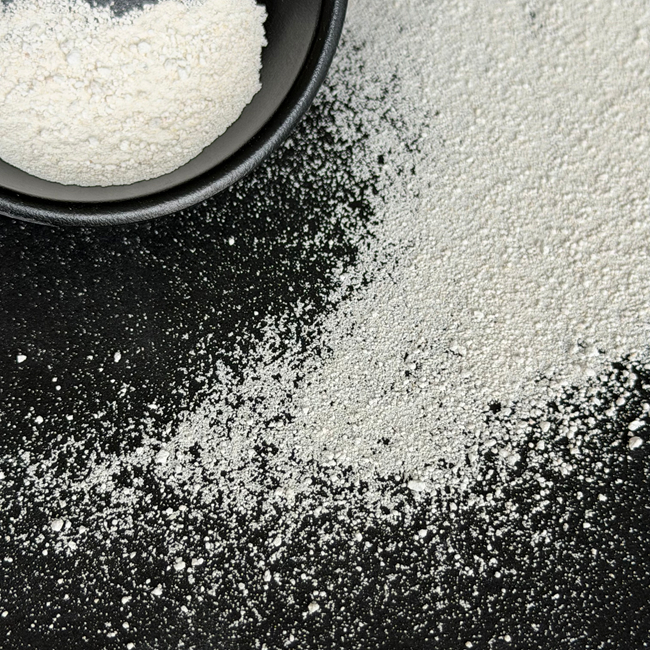
Recovery speed depends on how quickly magnesium reaches roots and leaves, and that is governed by solubility. In the sulphate form, magnesium and sulfur enter the soil solution or the spray droplet as soon as the granule dissolves. Premium low-chloride magnesium sulphate is specified with water-insoluble content ≤0.05% and full dissolution within 3 minutes, which is what makes the material practical for drip fertigation: there is no residue to settle in filters, laterals or emitters, and no fine sediment to wear nozzles or leave visible deposits on fruit destined for a fresh market. Traditional magnesium sulphate fertilizer, by comparison, carries higher impurities, dissolves slowly and incompletely, and leaves residue — a difference that shows up as blocked drippers and cleaning labour rather than on the invoice.
Photosynthesis, enzyme activation and stress tolerance
Correcting the deficiency restores more than leaf colour. Magnesium activates a broad group of enzymes, including those involved in phosphate transfer and carbon fixation, and it supports the loading of sugars into the phloem so that carbohydrate produced in the leaf can move to the fruit or grain. When magnesium is short, sugars accumulate in the leaf and less reaches the harvestable part. Sulfur supports nitrogen use efficiency and protein formation. Agronomists associate adequate magnesium and sulfur nutrition with steady photosynthesis through the filling period, better drought and cold tolerance through improved stomatal regulation and membrane stability, and firmer stems that resist lodging in cereals — effects that are cumulative across the season rather than visible overnight.
From leaf colour to marketable quality
The link between magnesium nutrition and quality runs through sugar transport and canopy duration. A canopy that stays green and photosynthetically active for longer after flowering generally supports better fruit size, more even colour development, higher sugar accumulation and less premature leaf drop — and a fuller canopy also shields fruit from sunburn. Fruit that ripens evenly and holds firmness travels better, which matters to growers selling into distant or export markets. These are the outcomes growers are really buying when they decide between a cheap bag and a specified grade.
Chloride and heavy-metal control: the hidden decision factor
For foliar application, the specification is not a formality. Material with chloride ≤0.05%, water-insoluble content ≤0.05%, heavy metals such as lead at ≤10 ppm and an assay of ≥99.5% with batch fluctuation of only ±0.2% gives a predictable dose every time, with impurities kept low on a product sprayed directly onto edible leaves and fruit. Low chloride matters most on chloride-sensitive crops and where multiple sprays per season are planned. Traditional magnesium sulphate fertilizer carries a higher impurity load, which introduces variability into both the spray tank and the soil program.
Step-by-Step: Correcting Chlorosis Without Wasting Inputs
- Confirm the cause before buying anything. Check where the yellowing sits: interveinal and on older leaves points to magnesium; young-leaf yellowing points to iron or manganese; uniform pallor points to nitrogen. Back the field observation with soil and tissue analysis, and record potassium, calcium, pH and root-zone condition so the correction plan addresses the reason the plant could not take magnesium up.
- Choose the form for the route you will actually use. Heptahydrate (Epsom salt) for foliar sprays, fertigation and quick soil drenches; granular monohydrate (Kieserite) for broadcast, mechanical spreading and NPK blending; anhydrous magnesium sulphate where a dry, low-moisture material is required in blends or industrial handling.
- Set the grade by chloride and insolubles, not by price. For drip systems, water-insoluble content ≤0.05% and full dissolution within 3 minutes protects emitters. For foliar programs and chloride-sensitive crops, chloride ≤0.05% and Pb ≤10 ppm should be written into the purchase specification.
- Time the application to demand, not to convenience. Soil application works best ahead of peak demand so magnesium is in the root zone when the crop needs it; foliar application is the fast route for an acute, visible deficiency and is best done under mild conditions rather than in high heat or full sun. Application rates should follow local agronomic recommendations and the soil test, not a generic figure.
- Protect compatibility in the tank and in the blend. Magnesium sulphate reacts with calcium-rich and phosphate solutions to form insoluble compounds, so tank-mix and blend compatibility should be checked before mixing. In NPK blending, the granule size and anti-caking behaviour of the magnesium carrier determine whether the finished blend stays uniform through bagging, transport and spreading.
- Judge recovery on new growth. Leaves that are already chlorotic will not fully green again, so the signal to look for is normal colour and size in the new flush, supported by a follow-up tissue test. This prevents growers from over-applying because they were reading the wrong leaves.
- Store and handle for the season, not the week. Specified premium material offers 6-month anti-caking storage with low dust, so bags stay free-flowing from delivery to application and spreaders and mixers stay clean.
Matching Product Form to Application Route
All three forms deliver magnesium and sulfur; the choice is a handling decision. The table below summarises the practical differences that drive selection.
| Form | Handling character | Typical fit |
|---|---|---|
| Heptahydrate (Epsom salt, MgSO₄·7H₂O) | Highly water-soluble; dissolves readily for liquid application; accounts for 54% of global commercial production | Foliar sprays, drip fertigation, sprinkler systems, quick soil drench, water-fertilizer integrated systems |
| Monohydrate (Kieserite, MgSO₄·H₂O) | Granular, lower water content, good flowability; suited to blending and mechanical distribution | Soil broadcasting, mechanical spreading, NPK blending, base fertilizer and top-dressing |
| Anhydrous (MgSO₄) | Dry, concentrated form for applications where moisture pickup must be limited | Dry blends and technical or industrial handling alongside agricultural use |
Where Magnesium Sulphate Earns Its Place: Use Cases
Orchards and vines
Citrus, grape, apple and other fruit crops are the classic chlorosis case: interveinal yellowing on older leaves, pale fruit, weak colour and uneven ripening. Broadcasting or fertigating magnesium sulphate ahead of fruit fill, with a foliar pass where the deficiency is already visible, supports canopy retention and sugar accumulation through ripening.
Vegetables and protected cropping
Under plastic or glass, high potassium and calcium programs and intensive cropping cycles push magnesium demand up. Fertigation with a fully soluble, low-insoluble grade keeps the drip system clean while supplying magnesium and sulfur continuously rather than in a single corrective dose.
Field crops
Soybean, corn, sugarcane, rice and similar crops respond to magnesium sulphate used as base fertilizer and top-dressing by soil broadcasting. Granular monohydrate with uniform granules, low dust and good flowability is compatible with mechanical spreaders, which matters when large areas have to be covered inside a short weather window.
Drip and sprinkler systems
Water-fertilizer integrated systems demand complete dissolution. Premium material with water-insoluble content ≤0.05% and full dissolution within 3 minutes avoids the residue that blocks pipes and drippers, which is the single most common operational failure when cheaper magnesium sulphate is used in fertigation.
Foliar rescue of visible chlorosis
When the yellowing is already visible and the crop is approaching a critical stage, a foliar pass with low-chloride heptahydrate is the fastest route to the leaf. Chloride ≤0.05% and heavy metals Pb ≤10 ppm keep repeated applications appropriate on edible crops.
NPK blending and chloride-sensitive crops
Magnesium sulphate is used as a magnesium carrier in blends alongside ammonium sulphate and other NPK raw materials, where granule size and anti-caking behaviour determine blend quality. On chloride-sensitive crops the low-chloride grade prevents the salt stress that chloride-heavy magnesium sources can add.
Premium vs Traditional Magnesium Sulphate: The Decision Table
The comparison that matters at decision stage is not premium against cheap, but delivered magnesium against total handling cost. The figures below are the verified comparison between specified low-chloride magnesium sulphate and traditional magnesium sulphate fertilizer.
| Parameter | Specified low-chloride magnesium sulphate | Traditional magnesium sulphate fertilizer |
|---|---|---|
| Assay | ≥99.5%, batch fluctuation ±0.2% | Lower purity, wider batch variation |
| Chloride | ≤0.05% (suitable for foliar application) | Higher impurity load |
| Water-insoluble content | ≤0.05% | Higher; leaves residue |
| Heavy metals (Pb) | ≤10 ppm | Higher impurity load |
| Granule quality | ≥90% qualified granules | Poor granule uniformity |
| Dissolution | Full dissolution within 3 minutes | Slow, incomplete dissolution |
| Anti-caking storage | 6 months | Easily caked |
| Nutrient utilization | 85–92% | 70–78% |
| Fertilizing uniformity | ≥90% | Poor uniformity |
| Equipment impact | Low dust; little maintenance on spreaders and drip systems | Heavy dust; higher risk of machine and dripper blockage, frequent cleaning and repair |
| Commercial risk | Stable test data, few quality claims | Unstable test results, more commercial disputes |
| Manufacturing cost | +12–18% versus traditional | Baseline |
| FOB price | +25–40 USD/MT versus traditional | Baseline |
Read the last two rows against the utilization row and the arithmetic changes. At 85–92% nutrient utilization, specified material delivers more of its magnesium to the crop than traditional material at 70–78%, so an equal magnesium supply requires less product. Add the avoided cost of cleaning blocked drippers and blocked spreaders, the avoided losses from caked bags and rejected blends, and the avoided commercial friction of unstable test results, and the higher FOB price of +25–40 USD/MT is offset by lower application loss and minimal export risk. The reverse is also true: where the material will only ever be broadcast on tolerant field crops with no fertigation and no foliar use, the premium buys less advantage and a traditional grade can be defensible.
Frequently Asked Questions
Is magnesium sulphate fertilizer regulated for agricultural use?
Magnesium sulphate is registered in the ECHA REACH database with an annual tonnage band of 100,000 to 1,000,000 tonnes in the European Union, reflecting a high-volume, well-characterised substance. For agricultural buyers the practical compliance questions are grade and impurity control rather than registration alone: material specified as low-chloride magnesium sulphate with assay ≥99.5%, chloride ≤0.05%, water-insoluble content ≤0.05% and heavy metals (Pb) ≤10 ppm gives a documented baseline for use on edible crops, including foliar application. Confirm in writing that the grade offered matches the intended agricultural use rather than an industrial grade.
How quickly can magnesium sulphate correct chlorosis, and can it be used in foliar sprays and drip systems?
Because the sulphate form is water-soluble, magnesium and sulfur become available to roots and leaves as soon as the material dissolves, which is why it is used both as a soil and a foliar corrective. Heptahydrate dissolves readily for liquid application, and specified material reaches full dissolution within 3 minutes with water-insoluble content ≤0.05%, so there is no residue to block drippers or deposit on fruit. Chloride ≤0.05% makes repeated foliar use appropriate on chloride-sensitive crops. Recovery should be judged on new growth, since leaves that are already chlorotic do not fully regain colour.
Is premium low-chloride magnesium sulphate worth the higher price?
Specified material carries a manufacturing cost of +12–18% and an FOB price of +25–40 USD/MT compared with traditional fertilizer. The comparison should be made on cost per unit of magnesium delivered: premium material reaches 85–92% nutrient utilization and ≥90% fertilizing uniformity against 70–78% utilization for traditional material, so less product is needed for the same magnesium supply. Add 6-month anti-caking storage, low dust, low clogging risk and stable test data with few quality claims, and the higher bag price is usually offset. For broadcast-only use on tolerant field crops, a traditional grade can still be justified.
How can a buyer validate a batch before scaling up?
Validate on measurable specifications rather than on appearance: assay ≥99.5% with batch fluctuation of ±0.2%, chloride ≤0.05%, water-insoluble content ≤0.05%, heavy metals (Pb) ≤10 ppm, ≥90% qualified granules, and full dissolution within 3 minutes. A small trial on one irrigation line or one block then confirms handling, dust and caking behaviour before a full-season volume is committed. Trial quantities and specification sheets can be discussed directly with the supplier’s technical team.
What determines lead time and supply continuity for magnesium sulphate orders?
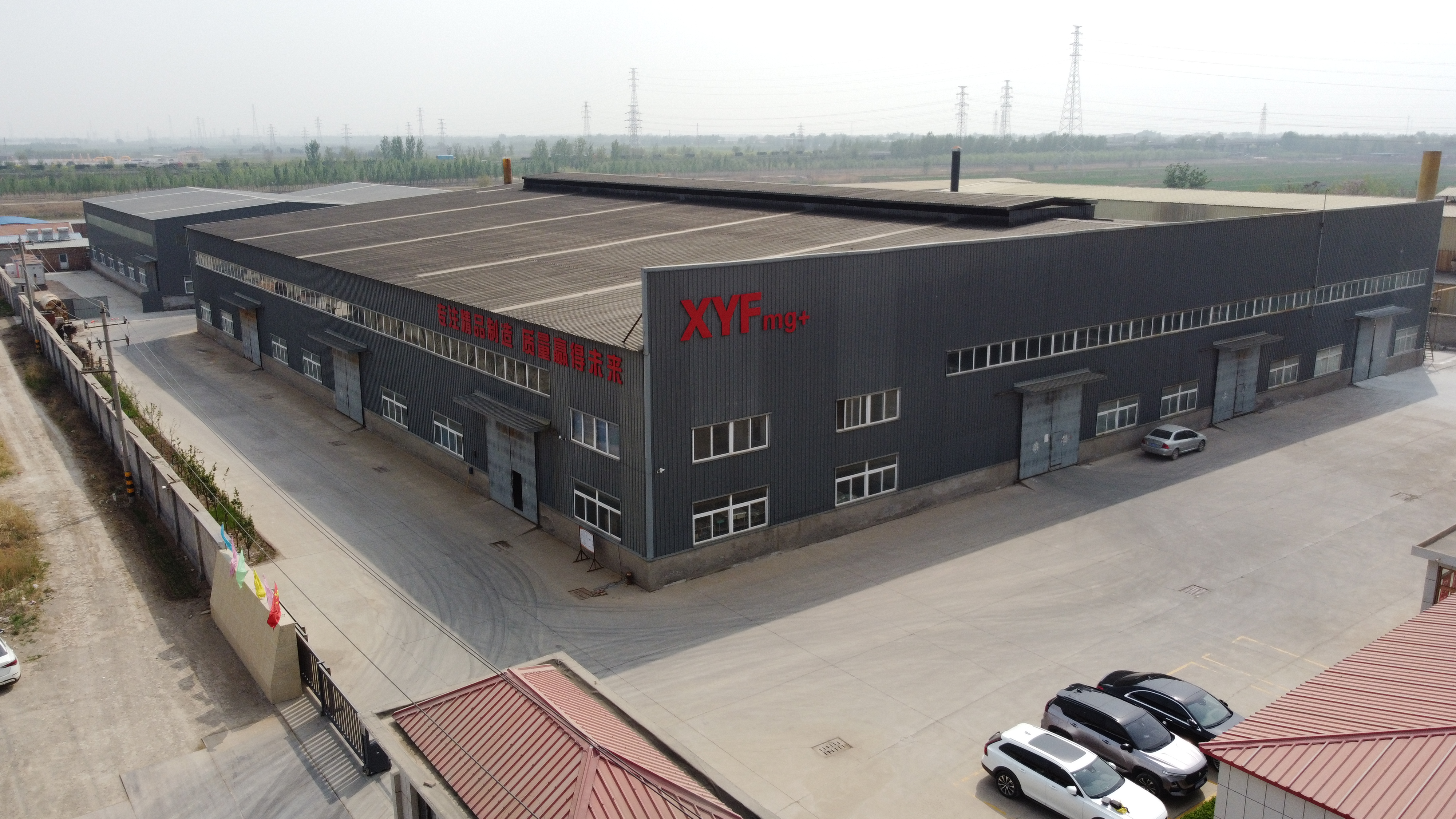
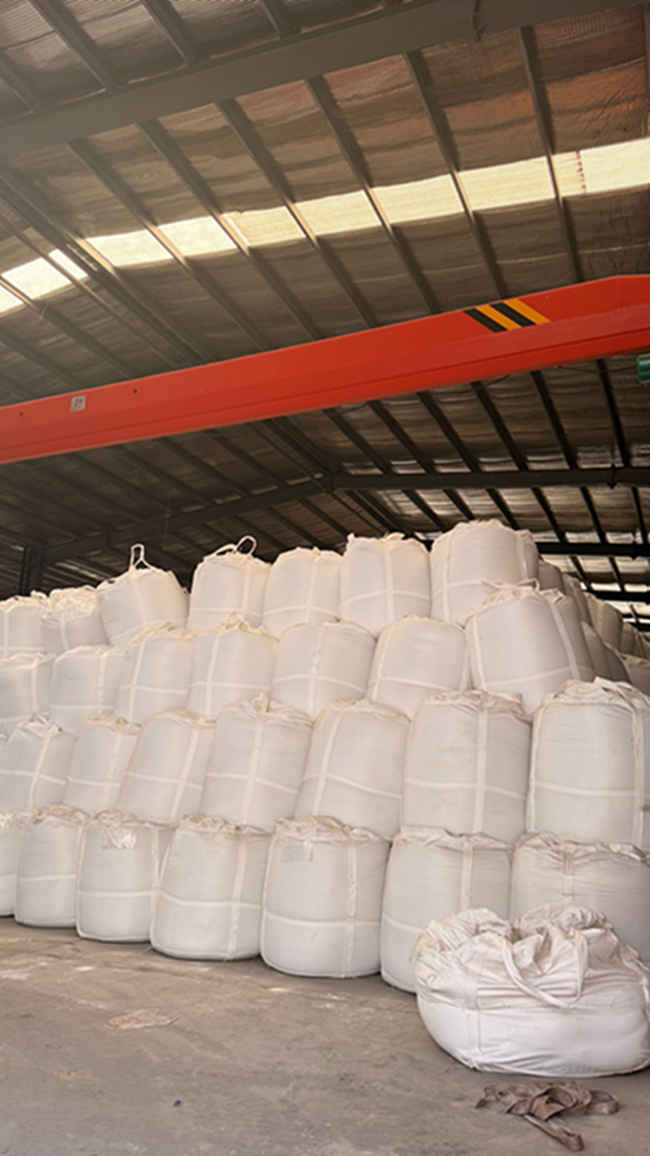
Lead time depends on form, grade, volume and the pre-season peak, so the application window should be fixed before the purchase order. Supply continuity is a capacity and consistency question: Tianjin Xingyu Fertilizer Industry Co., Ltd. was founded in 1993, operates a 20,000 m² factory with automated production lines and an independent standardized testing laboratory under an ISO quality management system, and reports an annual output capacity of 100,000 metric tons for its magnesium sulphate series products. With a 70% export ratio, exports to more than 30 countries and regions, and main markets including Pakistan, Japan, Korea and New Zealand, the supplier schedules against established seasonal demand rather than one-off orders. Send the target specification and required delivery window to the team at www.xyfertilizer.com to confirm scheduling.
Conclusion: Decide on Delivered Magnesium, Not on Bag Price
Leaf chlorosis from magnesium deficiency is one of the few crop problems where the correction is genuinely straightforward once the diagnosis is confirmed: supply water-soluble magnesium and sulfur in a form that reaches the root zone or the leaf, at a grade clean enough to be applied repeatedly and soluble enough to pass through a drip line without leaving residue. The variables that decide success are form (heptahydrate for liquid routes, granular monohydrate for broadcast and blending, anhydrous for dry blends), grade (assay ≥99.5%, chloride ≤0.05%, water-insoluble ≤0.05%, Pb ≤10 ppm) and timing against crop demand.
The commercial decision follows the same logic. A traditional magnesium sulphate fertilizer wins on bag price and loses on utilization, uniformity, dust, caking and equipment maintenance; specified low-chloride material costs +25–40 USD/MT FOB more and returns that difference through 85–92% utilization against 70–78%, six-month anti-caking storage, and stable test data with few quality claims. Where the material is going into a spray tank, a drip system or an NPK blend, that arithmetic almost always favours the specified grade.
Next Step: Sample, Specification and Quotation
Review the full product range — anhydrous, monohydrate and heptahydrate magnesium sulphate, plus magnesium oxide and sulfur magnesium fertilizer — in the downloadable catalogue, then send your crop, application route and target specification for a matched recommendation and quotation.
Download the XYF product catalogue (PDF)
Contact: Jenny · Email: Jenny@xingyufertilizer.com · Tel / WhatsApp: +86 155-2237-7326 · Website: www.xyfertilizer.com · Address: 200m South of Fukang Rd, Gaoguantun Village, Chenguantun Town, Jinghai District, Tianjin, China.
Have Questions or Need More Details?
Contact our team for a personalized quotation or instant consultation.
Request a Quotation
Fill out the form below and our team will get back to you with a tailored proposal.
WhatsApp Direct Chat
Prefer to chat in real-time? Message us on WhatsApp for instant assistance & quick answers.
- Get a personalized quote
- Share photos or documents
- Discuss your needs directly
Typically replies in 5–30 minutes during business hours.