Magnesium Sulphate Fertilizer: Grades, Uses and Sourcing Guide
Magnesium Sulphate Fertilizer: Grades, Uses and Sourcing Guide
Magnesium sulphate fertilizer is a water-soluble source of magnesium and sulphur used in agriculture, fertilizer blending, animal feed and industrial processing. The category is not one material but a family of four commercial grades — magnesium sulphate anhydrous, Kieserite, magnesium sulphate monohydrate and magnesium sulphate heptahydrate (Epsom salt) — and each grade differs in magnesium content, moisture behaviour, water solubility and the applications it can serve.
For importers, distributors, fertilizer brand owners and procurement teams at the beginning of a sourcing project, that distinction is the decision. This guide covers what the product family contains, how global demand currently splits, how to match a grade to an application, which quality parameters and documents belong in a supplier file, and how to verify a manufacturer before requesting a quotation.
The Problem: One Product Name, Four Different Materials
Most magnesium sulphate fertilizer sourcing errors are made before the first quotation is requested, because the buyer treats the product as a single named commodity. In practice, the grade ordered determines which application it can serve, whether it passes cleanly through irrigation equipment, how it behaves in storage, and what documentation the destination market will ask for.
Four failure patterns repeat in this category:
- Grade-to-application mismatch. A moisture-sensitive dry blend specified with a hydrated grade, or a drip fertigation line fed with a coarse material that dissolves slowly, produces field complaints that look like quality problems but are specification problems.
- Category confusion. Magnesium sulphate is frequently confused with magnesium oxide and with ammonium sulphate. These are separate chemical products with different nutrient profiles, different handling behaviour and different price structures, yet they appear side by side in search results for the same term.
- Naming variants. The same material is described as magnesium sulphate, magnesium sulfate, MgSO4, Epsom salt, Kieserite or magnesium sulphate heptahydrate. A buyer comparing offers can end up comparing grades instead of suppliers, and therefore comparing prices that were never comparable.
- Missing parameters. Water-insoluble matter, residual moisture, chloride content, heavy metal limits and particle size distribution are the parameters that decide whether a shipment performs in the field or in the plant — and they are typically absent from a one-line quotation.
Awareness-stage buyers do not need a final specification yet. They need to know which questions separate the four grades from each other, so that the specification they eventually issue describes the material they actually need.
Industry Background: How the Magnesium Sulphate Market Is Split
Demand is concentrated in agriculture but not limited to it. Agriculture and fertilizers accounted for approximately 41.6% of global magnesium sulfate market share as of 2025, according to aggregated commercial research. The remainder is distributed across industrial processing, feed and other applications.
On market size, aggregated research reports value the global magnesium sulfate market at about USD 1.8 billion in 2025, with a projection of about USD 1.9 billion for 2026. Those figures carry a caveat worth understanding: research houses disagree on scope. At least one estimate places 2025 at roughly USD 1.0 billion, most likely because different reports include different grade sets — technical, agricultural and pharmaceutical — under the same category name. Headline market size should be treated as directional background rather than as a procurement input.
On the supply side, China is the dominant exporting origin. In 2024, China was the leading exporter of magnesium sulphate under HS code 283321, accounting for USD 149 million in export value, based on OEC data derived from UN Comtrade. Buyers planning a China-based supply chain should also be aware of a data limitation: customs statistics aggregate all magnesium sulphates under one HS code, so trade data does not separate Kieserite-type monohydrate from Epsom salt-type heptahydrate. Grade-level supply information therefore has to come from manufacturers and their specification and COA documentation, not from trade statistics alone.
Product mix matters as much as volume. Heptahydrate (Epsom salt) accounted for 54% of global commercial production in 2025, making it the dominant commercial form; the remaining share is divided between anhydrous, monohydrate and Kieserite-type materials. Regulation is a further background factor for EU-bound shipments: magnesium sulphate is registered in the ECHA REACH database with an annual tonnage band of 100,000 to 1,000,000 tonnes, which indicates the scale and maturity of the regulated European market that buyers there operate within.
The Magnesium Sulphate Fertilizer Range: Four Grades, Four Jobs
Tianjin Xingyu Fertilizer Industry Co., Ltd. (XYF) is a manufacturer of magnesium sulphate series products established in 1993 and located in Chenguantun Town Industrial Park, Jinghai District, Tianjin, China. Its magnesium sulphate fertilizer line covers the four grades below, supplied in fertilizer grade and industrial grade, alongside magnesium oxide, sulfur magnesium fertilizer and various medium and trace element fertilizers.
1. Magnesium Sulphate Anhydrous
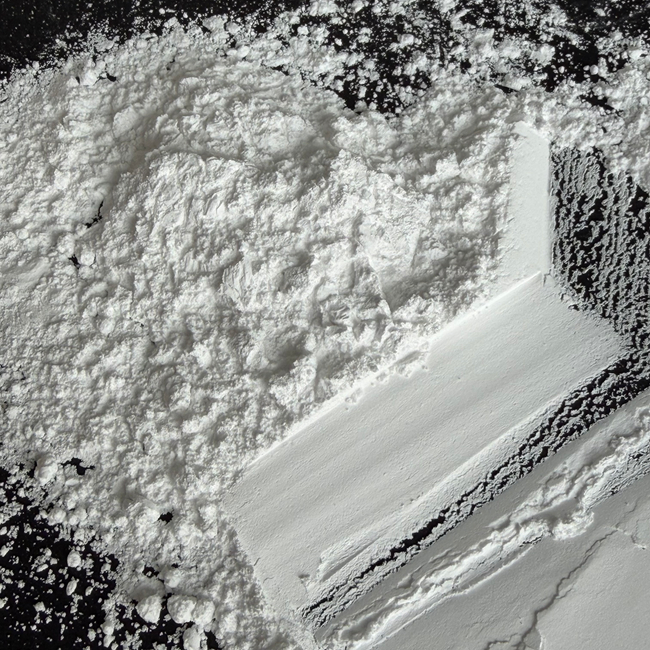
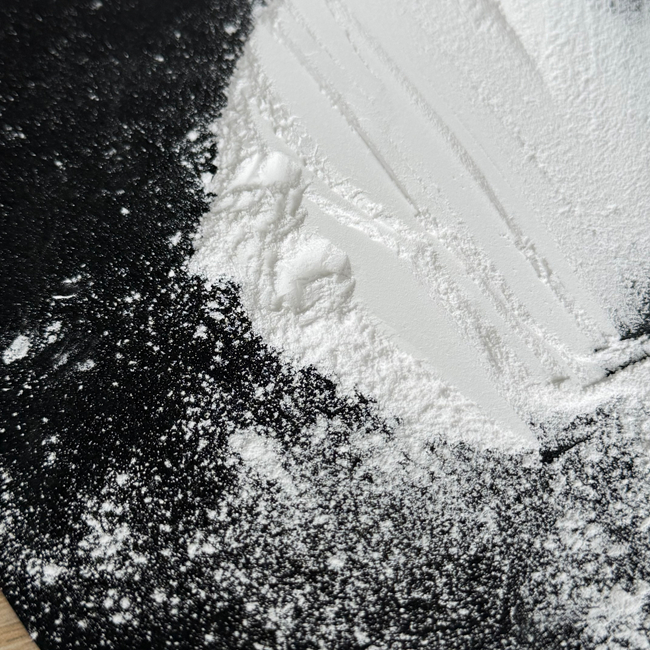
Magnesium sulphate anhydrous is a white powder or granular material and carries the highest magnesium oxide content in the range, at approximately 33% MgO. It contains no crystal water, which makes it the grade of choice for moisture-sensitive industrial formulations, for dry blending and as an industrial raw material; it is also used for soil application. Because there is no crystal water to transport, it offers a lower transportation cost per effective Mg unit than hydrated grades, and producers typically position it with low heavy metal and low chloride specifications in multiple grades for agriculture, feed and industrial use.
2. Kieserite
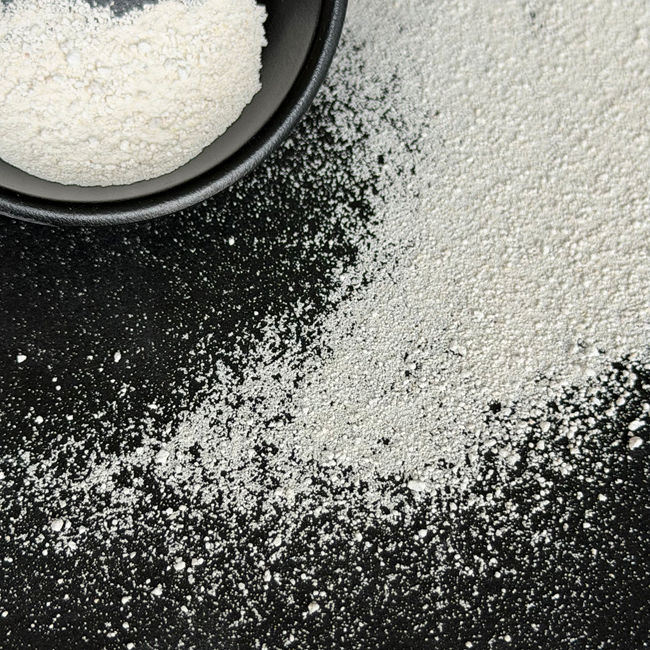
Kieserite is an off-white granular material used for soil application. It is characterised by natural mineral origin and pH-neutral behaviour, meaning it will not acidify the soil it is applied to. At approximately 27% MgO it delivers a slow-release magnesium and sulphur supply for long-term soil availability, and its low hygroscopicity and anti-caking behaviour make it free-flowing and well suited to bulk blending with other fertilizers. For basal soil application programmes where steady correction of magnesium and sulphur deficiency is the objective, Kieserite is the standard granular choice.
3. Magnesium Sulphate Monohydrate
Magnesium sulphate monohydrate is a white powder or granular material with approximately 25–27% MgO. It is used for soil application, foliar spray and as an industrial raw material. Its position in the range is the flexible middle one: high nutrient density relative to heptahydrate means a lower freight cost per effective Mg unit, while good thermal stability, low moisture and anti-caking behaviour support long-term storage. It is available in both powder and granular grades, suits soil application, feed and compound fertilizer blending, and offers consistent synthetic quality with a stable heavy-metal index at a competitive price point.
4. Magnesium Sulphate Heptahydrate (Epsom Salt)
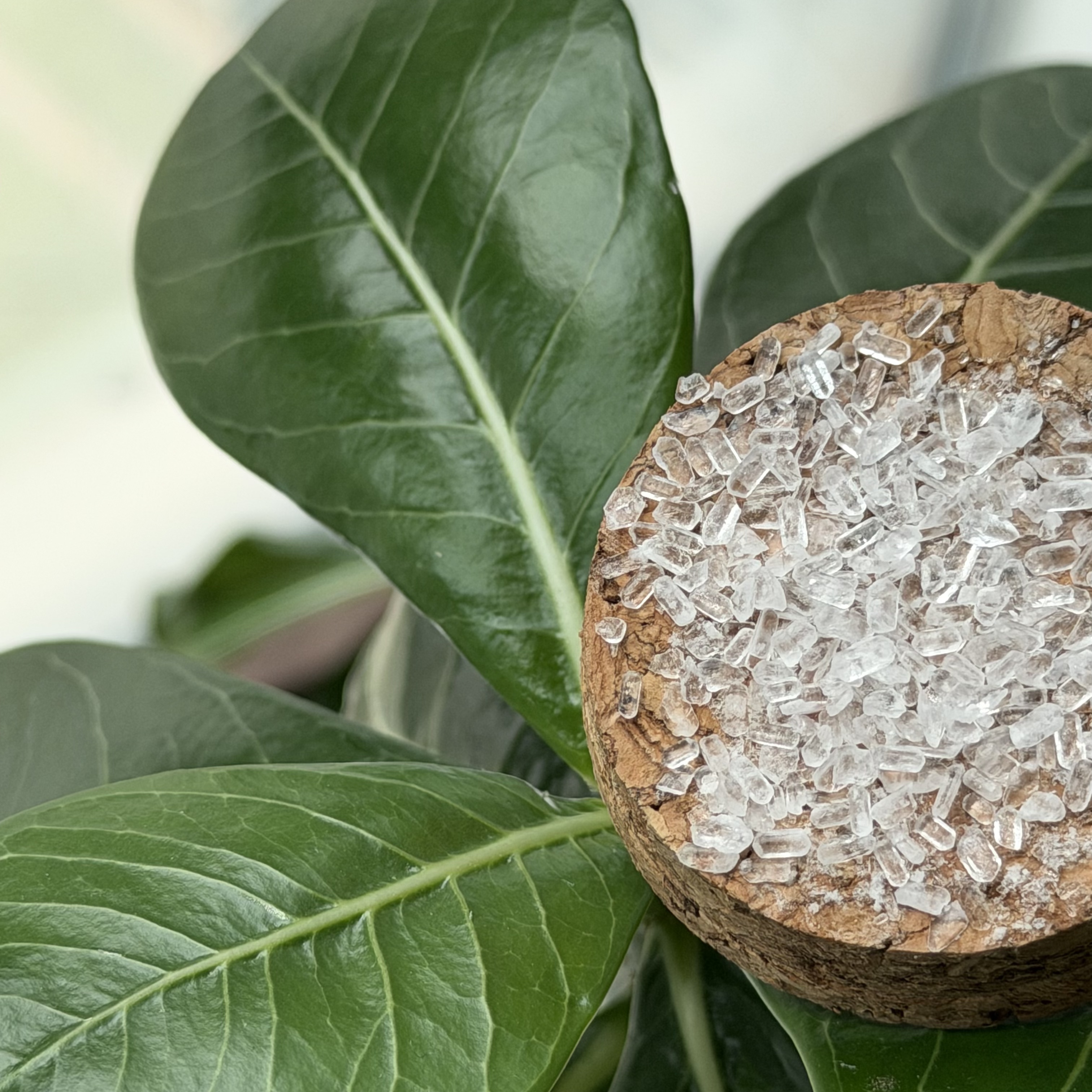
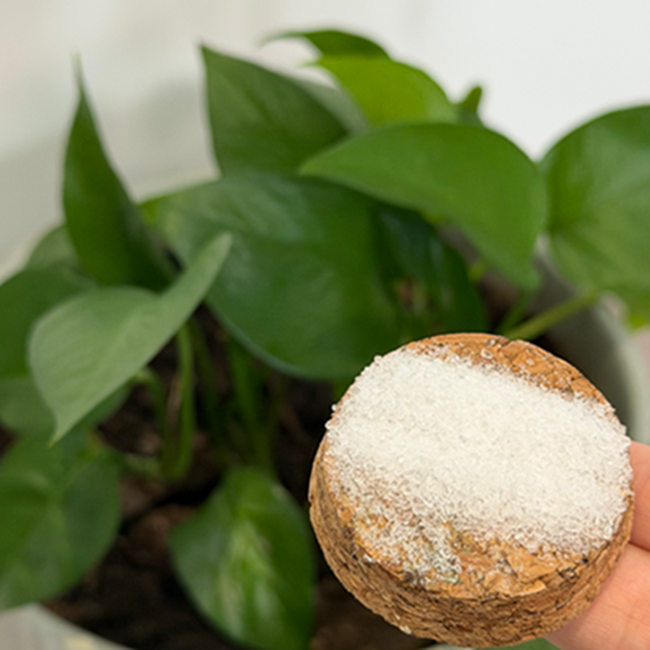
Magnesium sulphate heptahydrate is a white granular crystal with extremely fast water solubility. It is used for soil application, foliar spray, fertigation and as an industrial raw material, and it is suitable for fertigation systems. Its defining advantage is speed: it dissolves quickly for fast correction of crop magnesium deficiency and supports chlorophyll formation and photosynthesis, which is why it is widely used in horticulture, high-value crops, hydroponics and multiple industrial applications. Crystal particles are uniform and low in impurity, making it a cost-effective grade that is widely accepted at global fertilizer grade.
Compared with anhydrous material, heptahydrate contains a lower magnesium content per tonne and carries crystal water, but it is the cost-effective option for farm fertilization and irrigation systems.
Step-by-Step: How to Specify Magnesium Sulphate Fertilizer for Your Market
A workable specification is built in six steps, and each step removes a category of commercial risk later.
Step 1 — Define the delivery route
Decide first whether the material is going into soil by broadcasting, into a foliar spray programme, into a fertigation or drip system, into compound or water-soluble fertilizer blending, into feed mixing, or into an industrial process. The delivery route filters the grade list immediately.
Step 2 — Match the grade to the route
For fertigation and foliar spray, heptahydrate is the usual starting point because of its fast solubility. For basal soil application and bulk blending, Kieserite offers granular handling, pH-neutral behaviour and slow-release supply. For moisture-sensitive dry formulations and where nutrient density per tonne matters most, anhydrous is the appropriate grade. Monohydrate covers both agricultural and general industrial scenarios when a single versatile grade is preferred.
Step 3 — Fix the quality parameters that decide performance
- Good water solubility and low water-insoluble matter, so that drip and fertigation systems are not blocked.
- Strict control of heavy metals and harmful impurities, including arsenic and lead.
- Appropriate particle size and limited moisture content to prevent caking.
- Restricted chloride ion content where chlorine-sensitive crops are grown.
Step 4 — Confirm documentation and compliance
Buyers should expect a COA and MSDS as standard. Feed grade material must meet feed-additive standards, and shipments to the European Union need REACH and FAMI-QS readiness. Packaging should be sealed and moisture-proof, and shipping marks must comply with destination requirements.
Step 5 — Set the packing specification
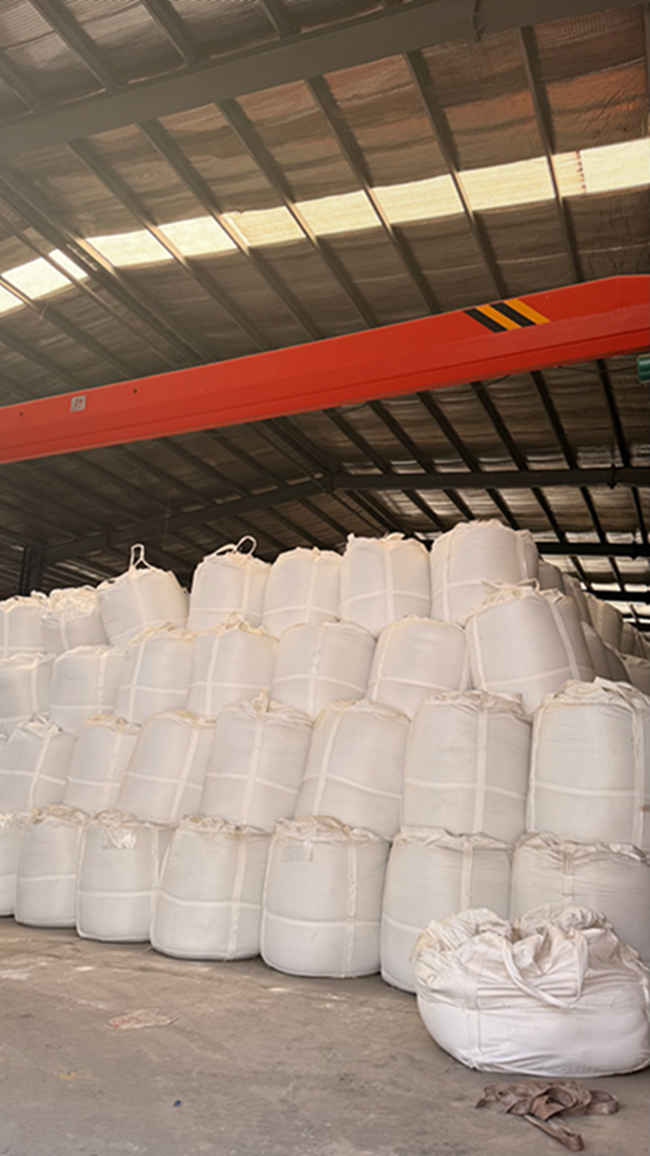
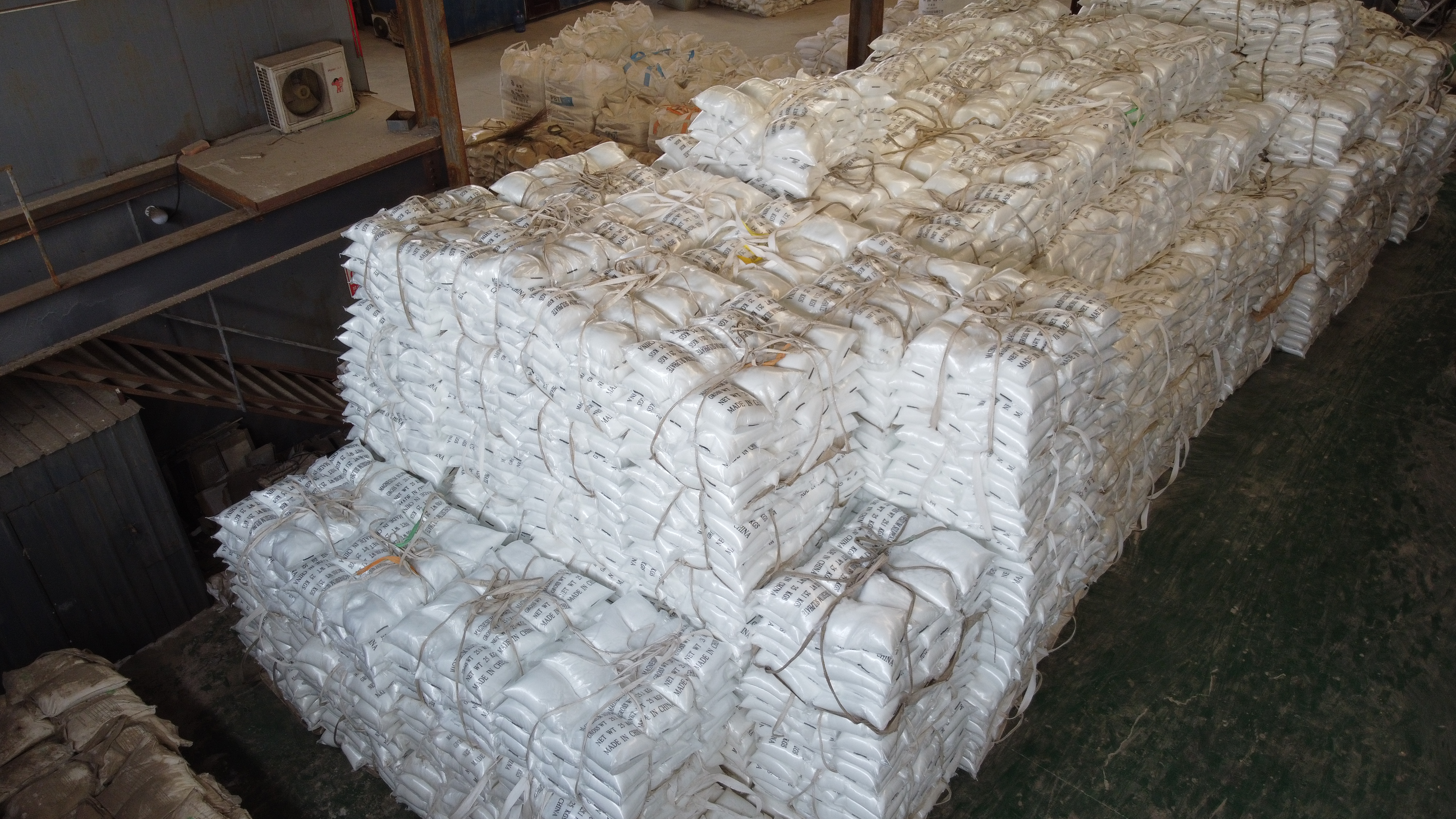
The standard packing specification for this product line is 25 kg or 50 kg PP woven bags, and packing is customizable according to customer requirements. Packing choice affects handling cost, warehouse footprint and moisture protection, so it belongs in the specification rather than in a later email exchange.
Step 6 — Verify the manufacturer behind the offer
Check whether the supplier is an original manufacturer or a trading entity, what production scale is stated, whether testing is carried out in an in-house laboratory, which quality management system is implemented, and which export markets are already served. Concrete answers to these questions are more useful than a low headline price.
Use Cases: Where Magnesium Sulphate Fertilizer Is Applied
The same magnesium sulphate family serves agricultural, feed and industrial routes. Knowing which route a market needs is the fastest way to shortlist a grade.
- Soil application (broadcasting). Granular product is applied directly to the field and dissolved by irrigation or rainfall. Typical matched equipment: fertilizer spreader.
- Fertigation and drip irrigation. Powder is dissolved in water and delivered through the irrigation system. Low water-insoluble matter matters here, because insoluble residue is what blocks emitters. Typical matched equipment: drip irrigation system, fertigation machine, mixing tank.
- Foliar spraying. The material is dissolved into solution for leaf-surface application, giving fast correction of magnesium deficiency. Typical matched equipment: sprayer.
- Fertilizer compounding and NPK blending. Magnesium sulphate is blended with other raw materials to produce compound or water-soluble fertilizers, and it serves as a raw material for water-soluble fertilizer formulation.
- Livestock feed additive. Powder is dosed and mixed into animal feed; feed grade material must meet feed-additive standards.
- Industrial and processing uses. Applications extend into chemical production, building material processing, water treatment and soil improvement, which is why the same product line is offered in fertilizer grade and industrial grade.
Two application notes apply across the range. Magnesium sulphate should not be mixed with strong alkaline materials, and dosage should be controlled to prevent fertilizer burn. Storage should follow the same discipline: a cool, dry and well-ventilated place, away from moisture, sunlight and oxidants.
Grade Comparison Table
The table below compares the four grades on the parameters that most often decide a purchase: appearance, magnesium density, delivery route and packing.
| Grade | Appearance | Typical MgO content | Recommended application | Packing |
|---|---|---|---|---|
| Magnesium sulphate anhydrous | White powder or granular | Approx. 33% | Soil application; industrial raw material; moisture-sensitive dry formulations | 25 kg / 50 kg PP woven bag, customizable |
| Kieserite | Off-white granular | Approx. 27% | Soil application; basal dressing; bulk blending with other fertilizers | 25 kg / 50 kg PP woven bag, customizable |
| Magnesium sulphate monohydrate | White powder or granular | Approx. 25–27% | Soil application; foliar spray; compound fertilizer blending; industrial raw material | 25 kg / 50 kg PP woven bag, customizable |
| Magnesium sulphate heptahydrate | White granular crystal | Lower Mg content per tonne than anhydrous grades; extremely fast water solubility | Soil application; foliar spray; fertigation; industrial raw material | 25 kg / 50 kg PP woven bag, customizable |
The MgO figures above are the typical values published for this product line; the confirmed value for a specific shipment is verified through the batch COA.
Handling Note: Caking, Storage and Shelf Behaviour
Magnesium sulphate readily absorbs moisture from the air and can form caking. Three conditions trigger it: a high-humidity storage environment, damaged packaging, and long-term open exposure to moist air. The prevention is procedural rather than chemical — store in a dry and ventilated warehouse, keep bags sealed, and protect pallets from rain and damp.
If caking occurs, the material is not lost. Caked magnesium sulphate can be crushed before application and remains usable without quality loss. This is a handling issue, not a specification failure, and it is one reason why packing quality and container loading discipline deserve a place in the purchase agreement.
FAQ: Magnesium Sulphate Fertilizer Sourcing Questions
How should buyers evaluate China magnesium sulphate fertilizer manufacturers?
Judge a China magnesium sulphate fertilizer manufacturer on factory-level evidence rather than on a price list alone. The practical checks are: whether the supplier is an original manufacturer or a trading entity; stated production scale; whether testing is carried out in an in-house laboratory; which quality management system is implemented; which export markets are already served; and whether COA and MSDS are issued as standard. Tianjin Xingyu Fertilizer Industry Co., Ltd., for example, was established in 1993 and operates a 20,000 square metre manufacturing facility in Chenguantun Town Industrial Park, Jinghai District, Tianjin, China, with approximately 36 staff including an R&D team of 5 engineers, a reported annual output of 150,000 units, automated production lines, an ISO quality management system and an independent standardized testing laboratory. The plant sits 30 km from downtown Tianjin, 80 km from Tianjin Port and 15 km from the railway freight yard, which supports both sea and rail logistics for bulk orders.
Which magnesium sulphate grade should I choose for fertigation compared with industrial blending?
Match the grade to the delivery route. For fertigation and foliar spraying, magnesium sulphate heptahydrate is the usual choice: it is a white granular crystal with extremely fast water solubility and is suitable for fertigation systems. For soil application and bulk blending, Kieserite — an off-white granular material with approximately 27% MgO, natural mineral origin, pH-neutral behaviour and low hygroscopicity — is designed for basal soil application and free-flowing blends. For moisture-sensitive industrial formulations, dry blending and situations where nutrient density per tonne matters most, magnesium sulphate anhydrous is used, at approximately 33% MgO with no crystal water. Magnesium sulphate monohydrate, at approximately 25–27% MgO, is the versatile middle option used for soil application, foliar spray, compound fertilizer blending and industrial raw material.
Which compliance documents should accompany magnesium sulphate fertilizer shipments?
A complete file includes a COA and an MSDS. Feed grade material must meet feed-additive standards, and exports to the European Union require REACH and FAMI-QS readiness; magnesium sulphate itself is registered in the ECHA REACH database with an annual tonnage band of 100,000 to 1,000,000 tonnes, which reflects the regulatory framework EU buyers operate within. Packaging should be sealed and moisture-proof, and shipping marks must comply with destination requirements. Buyers should also confirm the parameters that regulators and agronomists check: heavy metals including arsenic and lead, chloride ion content for chlorine-sensitive crops, moisture level and particle size.
What determines the price of magnesium sulphate fertilizer?
Grade and hydration state are the first drivers. Anhydrous material carries the highest MgO content at approximately 33% and the highest nutrient density, but also a higher price; heptahydrate contains crystal water and a lower magnesium content per tonne, and is the cost-effective choice for agriculture and fertigation; monohydrate offers lower freight cost per effective Mg unit than heptahydrate. Beyond grade, price depends on packing configuration (25 kg or 50 kg PP woven bags, or custom), order volume, destination and freight, and on whether the material is fertilizer grade or industrial grade. For reference, an industry price report published in 2025 pointed to US magnesium sulphate market prices stabilizing near USD 674 per metric ton in early 2025 — a single-market reference point that should not be applied directly to other destinations or grades.
Can I request a sample before placing a bulk order, and how is lead time confirmed?
Buyers normally validate before committing to bulk volume: specification sheet first, then COA and MSDS, then a sample or trial-order arrangement, and only then a bulk purchase order. Lead time is not a fixed figure across this category — it depends on the grade, the packing configuration, the order quantity and the destination port, and it should be confirmed in writing together with the quotation rather than assumed. Logistics planning is easier when the supplier is close to port and rail infrastructure; the XYF plant is 80 km from Tianjin Port and 15 km from the railway freight yard. To start, send your target grade, application route, packing specification and destination port to the export team — Jenny, liujenny@xingyutj.com, WhatsApp or WeChat +86 155-2237-7326 — or download the product catalogue below.
Conclusion: What to Do Next
Magnesium sulphate fertilizer is a four-grade product family, not a single commodity. Anhydrous material at approximately 33% MgO serves moisture-sensitive industrial and dry-blend applications; Kieserite at approximately 27% MgO serves pH-neutral basal soil application and bulk blending; monohydrate at approximately 25–27% MgO bridges agricultural and general industrial use; and heptahydrate delivers the fast solubility that fertigation and foliar programmes depend on.
For a buyer in the research stage, the productive sequence is straightforward: define the delivery route, match the grade, fix the quality parameters, confirm COA, MSDS and any REACH or FAMI-QS requirements, set the packing specification, and verify the manufacturer behind the offer. With those six decisions documented, a quotation can be compared on equal terms instead of on headline price alone.
Request the specification that matches your application
Tianjin Xingyu Fertilizer Industry Co., Ltd. produces magnesium sulphate anhydrous, Kieserite, magnesium sulphate monohydrate and magnesium sulphate heptahydrate in fertilizer grade and industrial grade, packed in 25 kg or 50 kg PP woven bags or according to customer requirements. Send your target grade, application route, packing specification and destination port to the export team, and you will receive the matching specification sheet, packing options and commercial terms.
Contact: Jenny — liujenny@xingyutj.com | WhatsApp / WeChat: +86 155-2237-7326 | Web: www.xyfertilizer.com
Download the XYF product catalogue (PDF)