Magnesium Sulphate Fertilizer: Grades, Uses & Sourcing Guide
Magnesium Sulphate Fertilizer: Grades, Uses & Sourcing Guide
What Is Magnesium Sulphate Fertilizer?
Magnesium sulphate fertilizer is a magnesium-and-sulphur fertilizer material that supplies two secondary plant nutrients to crops and also serves as an industrial raw material. In commerce it is sold as a magnesium sulphate fertilizer product range that includes four model designations: magnesium sulphate anhydrous, Kieserite, magnesium sulphate monohydrate and magnesium sulphate heptahydrate.
The material is available in both fertilizer grade and industrial grade, and in powder and granular forms. It is used for soil application, foliar spray and fertigation, and it is also processed as a raw material for water-soluble fertilizer and foliar fertilizer formulation. In its heptahydrate form the product is widely known as Epsom salt.
In practical terms, a magnesium sulphate fertilizer purchase is really a choice between four supply specifications. The grade determines how much magnesium is delivered per tonne shipped, how the material behaves in storage, whether it dissolves fast enough for a drip line or a spray tank, and whether it is acceptable in a moisture-sensitive industrial formulation.
The Problem Magnesium Sulphate Fertilizer Solves
Magnesium is a structural component of chlorophyll and is directly involved in photosynthesis. When magnesium supply is short, chlorophyll formation and photosynthesis are constrained, and crop performance falls below the field's potential. Magnesium sulphate fertilizer is used to supply magnesium and sulphur nutrients to crops and to correct magnesium deficiency, and sulphur is delivered at the same time in the same granule or powder.
The practical value of the material differs by grade. Magnesium sulphate heptahydrate dissolves extremely quickly, which is why it is used for fast correction of crop magnesium deficiency and for improving chlorophyll and photosynthesis quickly in horticulture and high-value crops. Kieserite and monohydrate grades release magnesium more steadily and are applied to the soil, which suits basal application where the nutrient is intended to remain available over a longer period.
Three conditions commonly push buyers toward a magnesium sulphate programme:
- Acid soils that need magnesium and sulphur replenishment — magnesium sulphate is also used to improve acid soil.
- Irrigated and high-value production where a deficiency must be corrected during the growing cycle, not only at planting.
- Compound and water-soluble fertilizer manufacturing, where magnesium sulphate is used as a formulation raw material rather than applied directly.
Buyers should treat magnesium sulphate as a nutrient source with a measurable specification, not as a generic soil input. The same bag weight can deliver very different amounts of effective magnesium depending on which of the four grades is inside it.
Industry Background: Demand, Trade and Market Structure
Magnesium sulphate is an established global commodity with a substantial agricultural base. Global magnesium sulfate market size reached USD 1.8 billion in 2025 and is projected to reach USD 1.9 billion in 2026, according to aggregated commercial research published for the 2026–2035 forecast period. Reported market values vary between research houses because some estimates include only agricultural and technical grades while others cover a broader set of magnesium compounds, so buyers comparing market reports should check which grades are inside the scope before using the figures for planning.
Agriculture and fertilizers account for approximately 41.6% of the global magnesium sulfate market share as of 2025, which confirms that the primary demand driver is crop nutrition rather than industrial processing. On the supply side, China was the leading exporter of magnesium sulphate in 2024, accounting for USD 149 million in export value under HS code 283321, based on OEC data derived from UN Comtrade. That concentration matters to importers because it means grade selection, packing and documentation are usually negotiated with Chinese manufacturers rather than sourced from a wide spread of regional producers.
Within the product mix, heptahydrate (Epsom salt) is the dominant product type, accounting for 54% of global commercial production as of 2025. From an EU compliance standpoint, magnesium sulphate is registered in the ECHA REACH database with an annual tonnage band of 100,000 to 1,000,000 tonnes, which indicates a mature, well-characterised substance rather than a specialty with limited regulatory precedent. For cost benchmarking, US magnesium sulphate market prices were expected to stabilise near USD 674 per metric ton in early 2025 — a reference point that describes the US market for that period and should not be read as a current global price.
How to read these figures: the market and trade numbers above describe the category, not an individual supplier's price. Delivered cost is set by grade, magnesium content, moisture, packing, order volume and freight to destination port.
The Four Magnesium Sulphate Grades Explained
1. Magnesium Sulphate Anhydrous
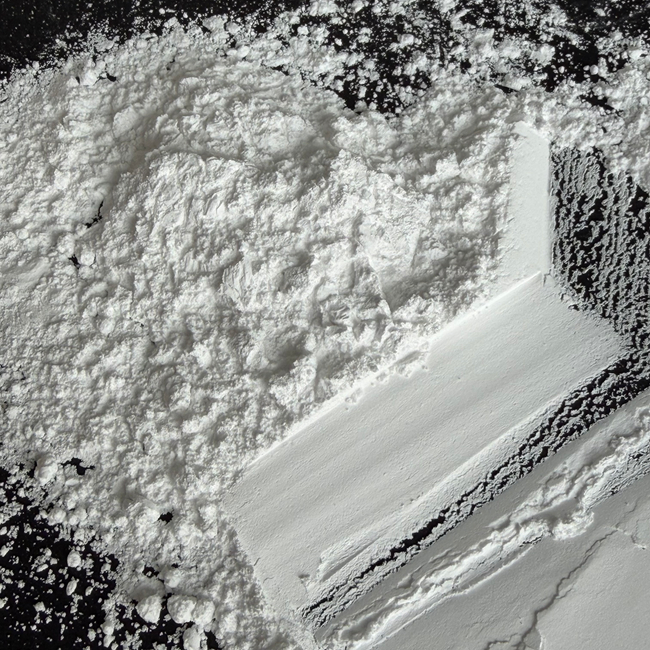
Magnesium sulphate anhydrous is a white powder or granular material. It contains no crystal water, which gives it the highest magnesium oxide content in the range at approximately 33% MgO and makes it the grade of choice for moisture-sensitive industrial formulations and drying-agent applications. Its low moisture and stable quality also mean less transport cost per unit of effective magnesium compared with hydrated grades. The product is supplied with low heavy-metal and low chloride characteristics and is available in multiple grades for agricultural, feed and industrial use.
Application modes: soil application and industrial raw material.
2. Kieserite
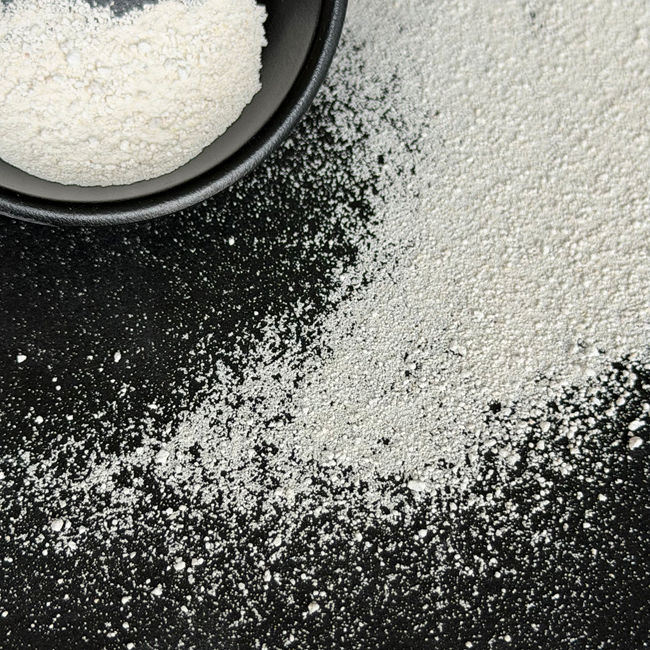
Kieserite is an off-white granular material of natural mineral origin. It is pH-neutral and will not acidify soil, and its magnesium oxide content is approximately 27% MgO. Because the nutrient is released slowly, Kieserite is used for long-term soil supply rather than for rapid in-season correction. Its low hygroscopicity and anti-caking behaviour make it well suited to bulk blending with other fertilizers, where free-flowing granules are essential for even distribution. It is the most straightforward choice for basal soil application where magnesium and sulphur deficiency must be corrected steadily.
Application mode: soil application.
3. Magnesium Sulphate Monohydrate
Magnesium sulphate monohydrate is a white powder or granular material with a magnesium oxide content of approximately 25–27% MgO. It offers high nutrient density with lower freight cost than heptahydrate, good thermal stability and low moisture, and it resists caking during long-term storage. It is produced consistently with a stable heavy-metal index, and it is available in both powder and granular grades. Monohydrate is the most flexible single grade in the range because it bridges agricultural and industrial demand.
Application modes: soil application, foliar spray and industrial raw material, including feed and compound fertilizer blending.
4. Magnesium Sulphate Heptahydrate
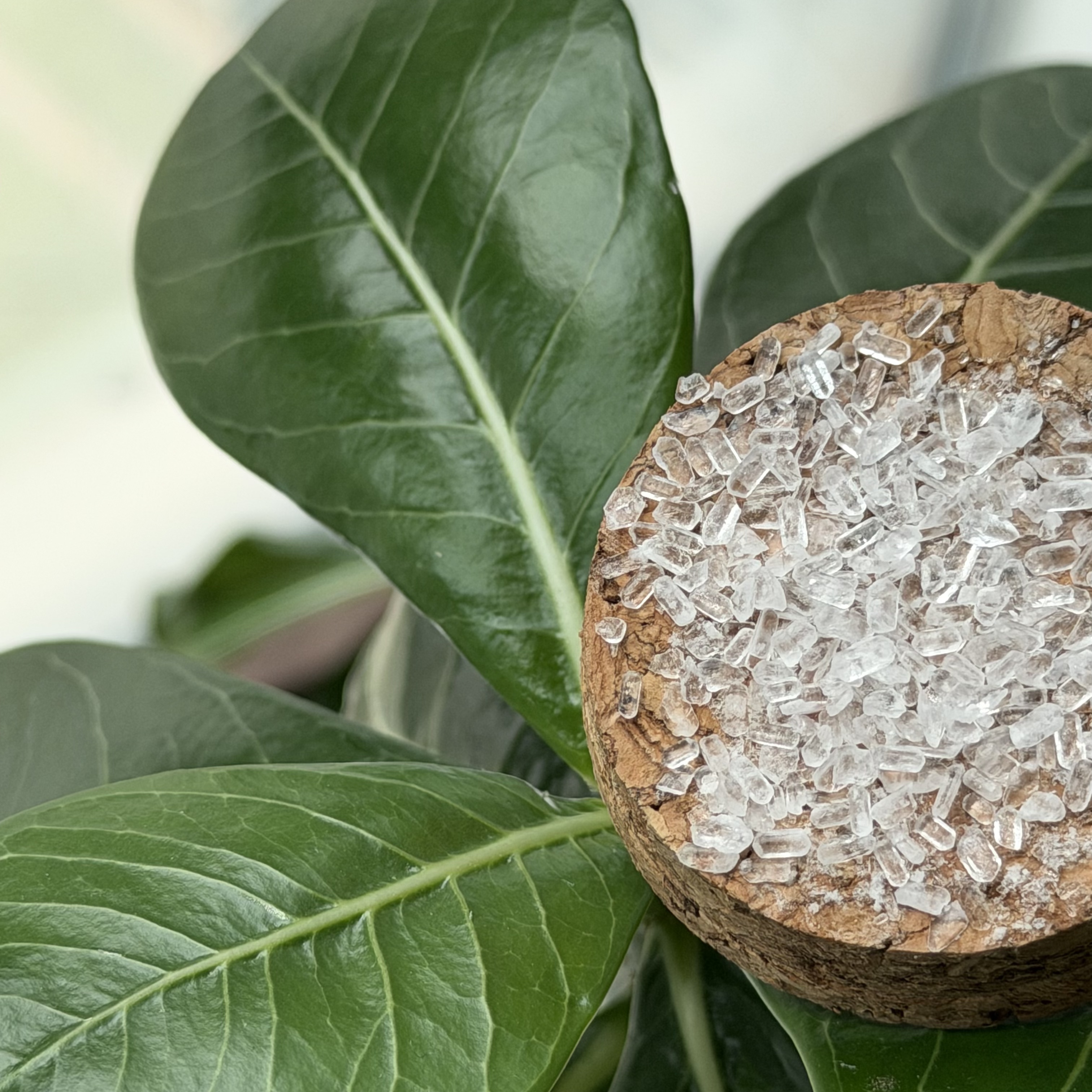
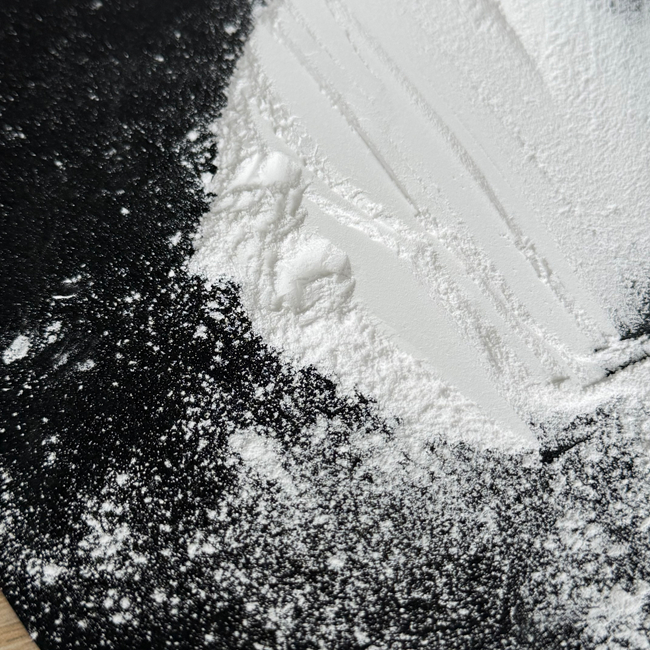
Magnesium sulphate heptahydrate is a white granular crystal, known commercially as Epsom salt. It is extremely water-soluble, which makes it the natural fit for foliar spray and drip fertigation systems where the material must dissolve completely before it reaches the leaf or the emitter. Because it corrects magnesium deficiency quickly and supports chlorophyll and photosynthesis, it is widely used in horticulture, high-value crops and hydroponics. Its crystal particles are uniform and low in impurities, and it is the most widely accepted fertilizer-grade magnesium sulphate in global trade.
Application modes: soil application, foliar spray, fertigation and industrial raw material.
How to Choose the Right Grade: Step-by-Step Breakdown
Grade selection follows from the application, not from the price list. Working through the six steps below prevents the most common sourcing error: buying a grade that is chemically acceptable but physically unsuitable for the delivery system on the farm or in the plant.
- Define the application method first. Fertigation and foliar spray require a grade that dissolves fully and leaves minimal water-insoluble matter. Soil application and industrial raw material use tolerate a wider range.
- Match crystal form and moisture to the end use. If the material will enter a dry industrial formulation or a moisture-sensitive blend, anhydrous magnesium sulphate is the appropriate choice because it contains no crystal water. If it will be applied to soil or dissolved in water, heptahydrate or monohydrate is normally sufficient.
- Check magnesium content against delivered cost. Anhydrous magnesium sulphate carries the highest magnesium oxide content at approximately 33% MgO, so it delivers more magnesium per tonne shipped. Heptahydrate contains crystal water and therefore less magnesium per tonne, but it costs less and dissolves faster. Compare price per unit of magnesium, not price per bag.
- Control impurities for the intended use. Quality requirements include good water solubility and low water-insoluble matter to avoid blocking drip systems, plus strict control of heavy metals, arsenic, lead and other harmful impurities. For chlorine-sensitive crops, chloride ion content should be restricted.
- Confirm particle size and moisture. Appropriate particle size and limited moisture content reduce caking risk and support uniform spreading or blending.
- Verify documents before confirmation. Request a Certificate of Analysis (COA) and Material Safety Data Sheet (MSDS) for the specific grade and batch. For feed-grade material and EU destinations, feed-additive standards and REACH or FAMI-QS requirements apply.
Application Methods and Use Cases
Soil Application
Granular product is broadcast directly onto the field and dissolves through irrigation or rainfall. Kieserite and monohydrate granules are typically used for this route because they flow well through spreaders and blend cleanly with other bulk fertilizers. Typical equipment includes fertilizer spreaders and mixing or batching systems in blending plants.
Foliar Spray
Powder is dissolved into solution and applied to the leaf surface. This route is used when a deficiency needs correction within the growing cycle, and it is the application where fast-dissolving heptahydrate has the clearest advantage.
Fertigation and Drip Irrigation
Magnesium sulphate heptahydrate is suitable for fertigation systems: powder is dissolved in water and delivered through the irrigation network. This is the application with the strictest quality requirement, because water-insoluble matter can block emitters and filters. Buyers sourcing for drip systems should specify solubility and insoluble-content limits, not only magnesium content. Matched equipment includes drip irrigation systems, fertigation machines and mixing tanks.
NPK Blending and Compound Fertilizer Production
Magnesium sulphate is used as a raw material in water-soluble fertilizer and foliar fertilizer formulation, and monohydrate grades are blended into compound and water-soluble fertilizers. Free-flowing, low-moisture granules with anti-caking behaviour are essential here, since a fertilizer blend that cakes in the bag or the spreader cannot be applied evenly. Ammonium sulphate and magnesium oxide are among the other raw materials typically handled in the same blending environment, and magnesium sulphate must be formulated alongside them without compromising granule integrity.
Feed Additive and Industrial Raw Material
Magnesium sulphate also serves as a livestock feed additive, and anhydrous grades are used as industrial raw material and in moisture-sensitive formulations. Feed-grade material must meet feed-additive standards, and buyers in this segment should confirm the grade designation and documentation before shipment.
Magnesium Sulphate Grade Comparison Table
The table below compares the four grades on the criteria that determine fit: form, magnesium oxide content, application modes and packing.
| Grade | Typical form | Magnesium oxide content | Primary application modes | Packing |
|---|---|---|---|---|
| Magnesium sulphate anhydrous | White powder or granular | ~33% MgO | Soil application; industrial raw material | 25 kg / 50 kg PP woven bag, or as per customer requirement |
| Kieserite | Off-white granular | ~27% MgO | Soil application | 25 kg / 50 kg PP woven bag, or as per customer requirement |
| Magnesium sulphate monohydrate | White powder or granular | ~25–27% MgO | Soil application; foliar spray; industrial raw material | 25 kg / 50 kg PP woven bag, or as per customer requirement |
| Magnesium sulphate heptahydrate | White granular crystal | Lower per tonne — contains crystal water | Soil application; foliar spray; fertigation; industrial raw material | 25 kg / 50 kg PP woven bag, or as per customer requirement |
Figures for magnesium oxide content are supplier-reported grade characteristics and should be confirmed against the batch Certificate of Analysis before the material is released into production or blending.
Storage, Handling and Caking Control
Magnesium sulphate absorbs moisture from the air and can form caking. Proper dry storage and sealed packaging reduce the risk substantially. Caking is triggered by a high-humidity storage environment, damaged packaging, or long-term open exposure to moist air. Prevention and handling follow a simple rule set: store in a dry, well-ventilated warehouse; keep bags sealed; protect against rain and damp; store away from moisture, direct sunlight and oxidants; and use packaging that is sealed and moisture-proof.
If caking occurs, the material can be crushed before application and remains usable without quality loss. From a procurement perspective, this is worth stating explicitly in the purchase specification, because it separates a handling inconvenience from a quality failure and prevents unnecessary claims.
Two application notes also belong in the handling instructions: magnesium sulphate should not be mixed with strong alkaline materials, and it should be applied at the proper dosage to prevent fertilizer burn. Shipping marks should comply with destination requirements.
Sourcing Magnesium Sulphate Fertilizer: What to Verify
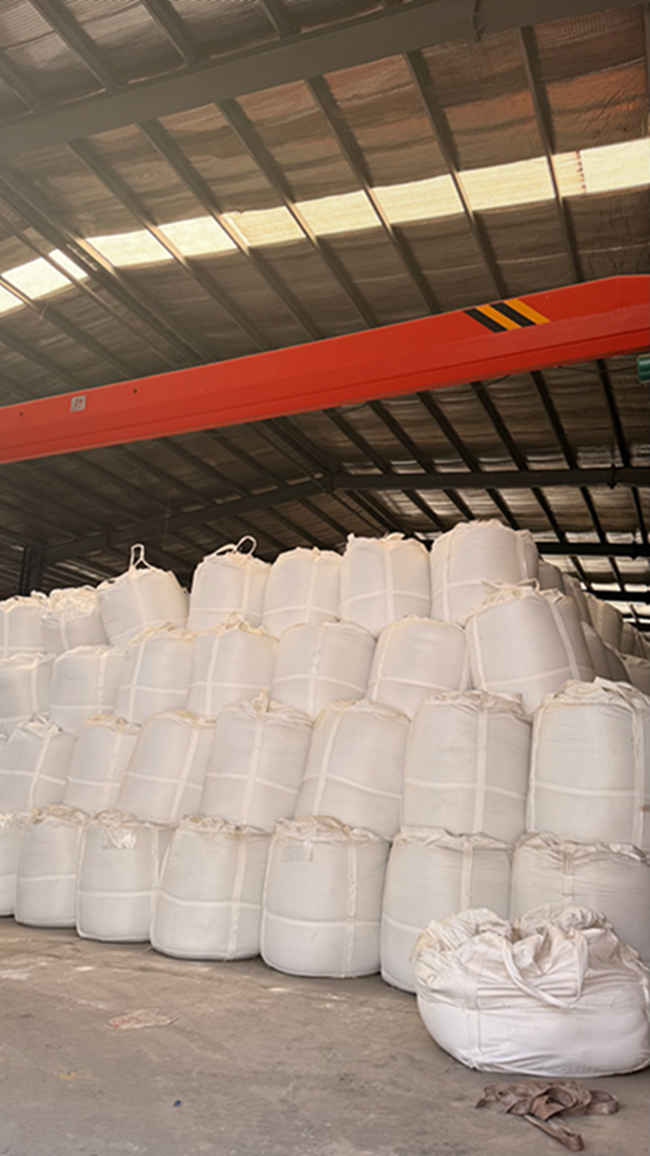
For importers, distributors, brand owners and procurement managers, the difference between suppliers is rarely the chemical name on the bag. It is whether the supplier controls its own production, whether grade consistency holds across batches, whether the required documents are issued before shipment, and whether bulk logistics can be scheduled reliably.
Four verification points matter most:
- Manufacturer or trader. A pure-play manufacturer controls grade consistency, particle size and moisture directly. Tianjin Xingyu Fertilizer Industry Co., Ltd. (XYF), established in 1993, is an original manufacturer specialising in the R&D, production and sales of magnesium sulphate series products, covering full ranges of anhydrous, monohydrate and heptahydrate magnesium sulphate, and also producing magnesium oxide, sulfur magnesium fertilizer and various medium and trace element fertilizers.
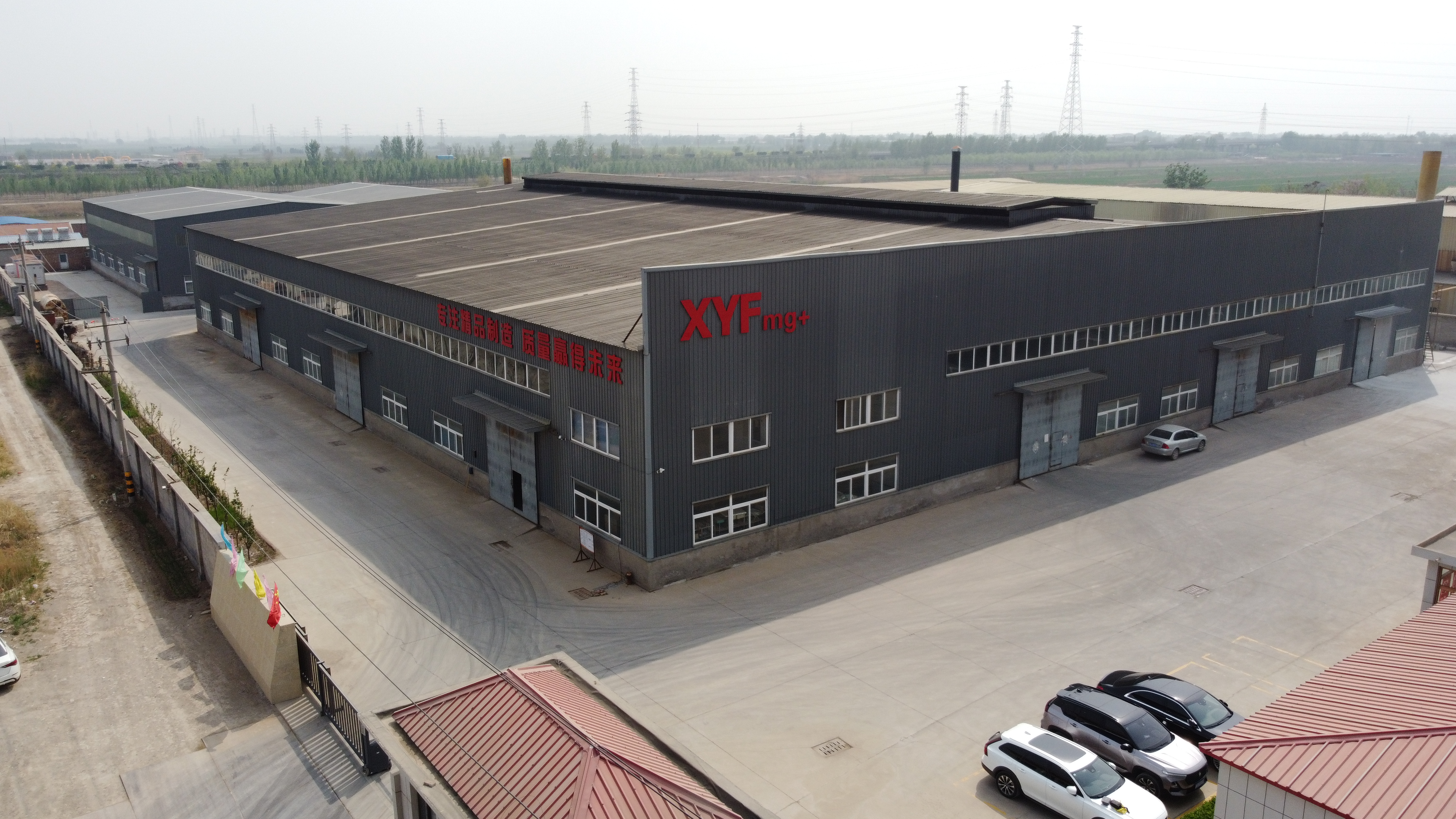
- Production and quality control. The company's manufacturing facility in Chenguantun Town Industrial Park, Jinghai District, Tianjin covers 20,000 square metres and employs approximately 36 staff, including an R&D team of 5 engineers. It is equipped with automated production lines, implements the ISO quality management system throughout production, and operates an independent standardised testing laboratory, supported by a stable raw material supply base — the combination that underpins stable batch quality and consistent supply of bulk orders.
- Export experience and market fit. XYF holds independent import and export rights and exports to more than 30 countries and regions across Southeast Asia, Europe and America, with major markets including Pakistan, Japan, Korea and New Zealand. About 70% of output is exported, so the documentation and packing routines required for international shipments are established practice rather than an exception.
- Logistics position. The factory is located 30 km from downtown Tianjin, 80 km from Tianjin Port and 15 km from the railway freight yard, adjacent to National Highway G104. For bulk magnesium sulphate fertilizer orders, that proximity supports efficient container loading and shipment planning.
Frequently Asked Questions
What documents should accompany a magnesium sulphate fertilizer order?
Standard export documentation for magnesium sulphate fertilizer includes a Certificate of Analysis (COA) and a Material Safety Data Sheet (MSDS). For European Union destinations, magnesium sulphate is registered in the ECHA REACH database with an annual tonnage band of 100,000 to 1,000,000 tonnes, and feed-grade material must meet feed-additive standards, with REACH or FAMI-QS requirements applying for EU export. Sealed moisture-proof packaging and shipping marks that comply with destination requirements form part of the same compliance package. Buyers should confirm that these documents will be issued before the order is finalised, not after loading.
Which grade should I choose — anhydrous magnesium sulphate or heptahydrate magnesium sulphate?
Select the grade according to end use. Anhydrous magnesium sulphate has higher magnesium content and low moisture, so it suits industrial raw material use and moisture-sensitive dry formulations. Heptahydrate magnesium sulphate (Epsom salt) is cost-effective and dissolves extremely quickly, which makes it the practical choice for agricultural fertigation, foliar spray and irrigation systems. Magnesium sulphate monohydrate works for both agricultural and general industrial scenarios, including compound fertilizer blending. The decision criteria are magnesium content, moisture value, particle size, crystal form and heavy-metal impurity index.
What drives the price of magnesium sulphate fertilizer?
Grade economics are driven mainly by magnesium content, moisture and crystal water, particle size, crystal form and heavy-metal impurity index, with packing configuration and freight adding to the delivered cost. Because anhydrous magnesium sulphate carries the highest magnesium oxide content at approximately 33% MgO, it is priced higher per tonne than heptahydrate, but it also delivers more magnesium per unit shipped. As an external reference, US magnesium sulphate market prices were expected to stabilise near USD 674 per metric ton in early 2025. When comparing offers, normalise price against magnesium content and moisture rather than comparing headline tonne rates.
How do I request a sample or a quotation for magnesium sulphate fertilizer?
Sample and quotation requests are handled directly by the supplier's export team, so that grade, packing and destination can be confirmed together. When approaching Tianjin Xingyu Fertilizer Industry Co., Ltd., state the required grade, the application method (soil, foliar, fertigation or industrial use), the packing preference of 25 kg or 50 kg PP woven bags or a customised specification, and the destination port. The company publishes a downloadable product catalogue covering the full magnesium sulphate range, which is a practical starting point before a formal quotation is issued.
How is lead time and supply continuity managed for bulk magnesium sulphate orders?
Lead time depends on grade, packing and order volume, so scheduling should be confirmed with the supplier for each order rather than assumed from a standard window. Supply continuity is easier to assess when the supplier is an original manufacturer with its own automated production lines, standardised testing laboratory and stable raw material supply base. Tianjin Xingyu Fertilizer Industry Co., Ltd., established in 1993, operates a 20,000 square metre facility in Chenguantun Town Industrial Park, Jinghai District, Tianjin, with the factory located 80 km from Tianjin Port and 15 km from the railway freight yard, which supports bulk shipment planning. To discuss grades, packing, catalogue details or a quotation for your market, contact the export team at Jenny@xingyufertilizer.com or by WhatsApp on +86 155-2237-7326.
Conclusion: Match the Grade to the Application
Magnesium sulphate fertilizer is a four-grade product family, not a single commodity. Anhydrous magnesium sulphate delivers the highest magnesium oxide content at approximately 33% MgO with no crystal water and belongs in industrial raw material use and dry formulations. Kieserite provides roughly 27% MgO in a pH-neutral, slow-release granular form for basal soil application and bulk blending. Magnesium sulphate monohydrate at approximately 25–27% MgO is the flexible option across agricultural and industrial use. Magnesium sulphate heptahydrate is the fast-dissolving grade for foliar spray, fertigation and rapid correction of magnesium deficiency in horticulture and high-value crops.
Because agriculture and fertilizers account for approximately 41.6% of global magnesium sulfate demand, and heptahydrate alone accounts for 54% of global commercial production, the sourcing decision usually comes down to application method, magnesium content per delivered tonne, and the supplier's ability to hold grade consistency across batches. Verifying grade, documentation and production capability before ordering removes most of the risk from a bulk magnesium sulphate purchase.
Tianjin Xingyu Fertilizer Industry Co., Ltd. (XYF) has manufactured magnesium sulphate series products since 1993, supplying anhydrous, Kieserite, monohydrate and heptahydrate grades in fertilizer and industrial grade for customers in more than 30 countries and regions.
Download the full product catalogue with grade specifications and packing options: XYF Product Catalogue (PDF)
Request a sample, quotation or grade recommendation:
Email: Jenny@xingyufertilizer.com
WhatsApp / WeChat: +86 155-2237-7326
Website: www.xyfertilizer.com
Address: 200m South of Fukang Rd, Gaoguantun Village, Chenguantun Town, Jinghai District, Tianjin, China.