
Bruised Produce Problem? Molded Pulp Trays as the Fix
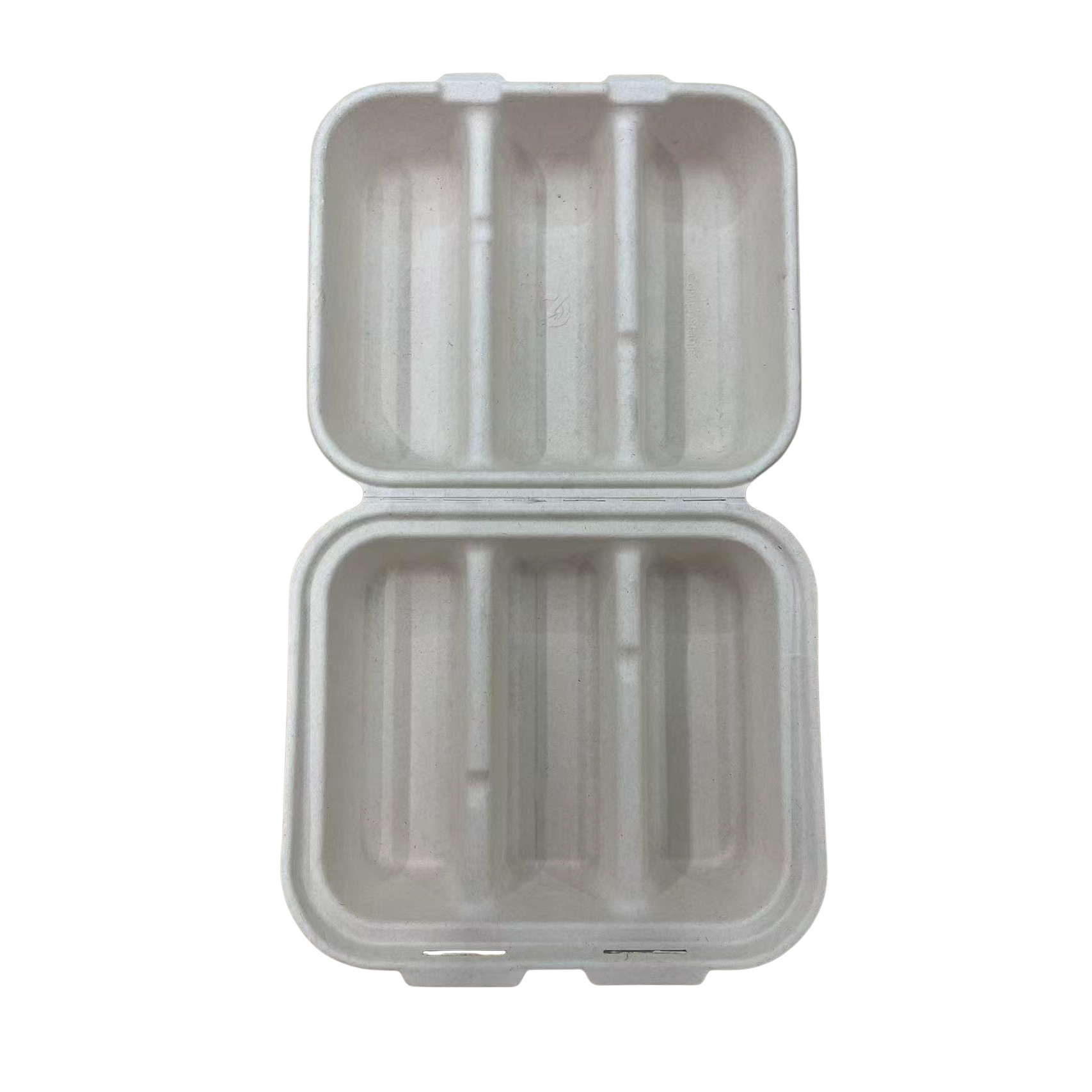
Food-grade molded pulp trays, formed from plant fiber with individual cavities that hold produce in place during handling and transport.
Bruised produce is usually a packaging failure before it is a fruit failure. Molded pulp trays address it directly: each piece sits in its own formed fiber cavity, so fruit stops touching fruit, stops sliding inside the carton, and stops taking shock and vibration straight through the pack.
The problem is worth taking seriously because it is invisible at the moment of packing. A tray that looks fine on the line can still deliver soft, weeping or broken fruit at the far end of a cold chain, and by then the cost has already moved downstream to the importer, the retailer and the brand on the label. This article explains where the damage comes from, how customized fiber cushioning works, and how buyers should judge scenario fit before committing to tooling.
The Bruised Produce Problem, Defined
Bruising is mechanical damage: plant tissue crushed or ruptured by force. In a fresh produce supply chain that force arrives in three distinct forms, and each one needs a different packaging response.
1. Impact
Impact is a single, high-energy event — a case set down hard at the loading dock, a punnet tipped into a tote, a pallet corner knocked during stacking. Damage concentrates at the point of contact, which is usually an edge, a corner, or the spot where two pieces of fruit meet.
2. Compression
Compression is a static load. Fruit in the bottom layer of a pallet carries the weight of everything above it, and the load is only shared evenly if the pack holds each piece in a fixed position. A loose pack lets pieces shift until one of them ends up carrying the stack alone.
3. Vibration
Vibration is a sustained, low-energy input spread across hours of road, rail or sea transport. It causes pieces to settle and rub against each other and against the carton wall. As the pack loosens, contact points change, abrasion adds to bruising, and the damage that shows up on arrival was created gradually along the route.
There is a fourth, quieter factor that buyers often miss: condensation. Cold-chain packs move between cool rooms, refrigerated containers and ambient docks, and moisture weakens paper-based inserts at exactly the moment protection matters most. Breathability and moisture behavior therefore belong in the packaging decision alongside cushioning, not after it.
Why Molded Pulp Is Getting Attention Now
Molded pulp is not a new material, but the commercial context around it has changed on both the demand side and the regulatory side.
Grand View Research values the global molded pulp packaging market at USD 6.2 billion in 2025 and projects it to reach USD 10.2 billion by 2033. Asia Pacific held a 41.0% revenue share of that market in 2025, with China holding the largest market share, and the tray segment alone accounted for over 41.0% of global revenue in 2025 — a signal that trays, not just protective blocks, are where molded pulp is doing the most work.
Regulation is moving in the same direction. The European Packaging and Packaging Waste Regulation (EU) 2025/40 entered into force on 11 February 2025 and requires all packaging to be recyclable by 1 January 2030. For produce packers selling into the EU, that shifts the question from "does the insert protect the fruit?" to "does the insert protect the fruit and still qualify as recyclable packaging?"
Put those two facts together and the buyer's brief becomes clearer: a protective tray that is fiber-based, recyclable and moulded to the fruit rather than a generic foam or vacuum-formed insert that has to be argued about at the border.
The Solution: Molded Pulp Trays With Customized Fiber Cushioning
Dongguan Tonghe Paper Co., Ltd. is a molded pulp manufacturer based in Dongguan, Guangdong Province, China, producing molded fiber and molded pulp trays from recycled paper, bagasse fiber, sugarcane pulp, bamboo pulp and wood pulp for packaging buyers in Europe, the USA, Australia, Saudi Arabia, Malaysia and Brazil. Its product range and technical details are published at tonghepulp.com.
A molded pulp tray is a one-piece fiber tray formed in a shaped mold, so the geometry of the product determines the geometry of the packaging. That single characteristic is what makes it useful against bruising: instead of surrounding fruit with loose fill, the tray is developed around the fruit's own contour, with cavity walls that meet the corners and edges where impact damage starts.
What "customized fiber cushioning" means in practice
- Mold developed to the product contour. The cavity follows the shape of the item rather than a generic rectangle, so the tray holds position instead of letting the piece move inside the pack.
- One-piece molded structure. There are no glued joints or loose segments to open up under vibration; the cushioning geometry is a single formed body.
- Precise positioning and anti-shaking fit. The tray fixes the piece in place, which is the precondition for controlling fruit-to-fruit contact and abrasion.
- Integrated molded inner lining. The fiber liner is designed as the product's inner protection, resisting pressure, impact and shock while absorbing energy through the fiber wall rather than passing it to the fruit.
- Direct replacement of foam and vacuum forming. Molded pulp trays are positioned as a swap-in replacement for EPS foam and plastic vacuum-formed inserts, so the protective function is retained while the material changes.
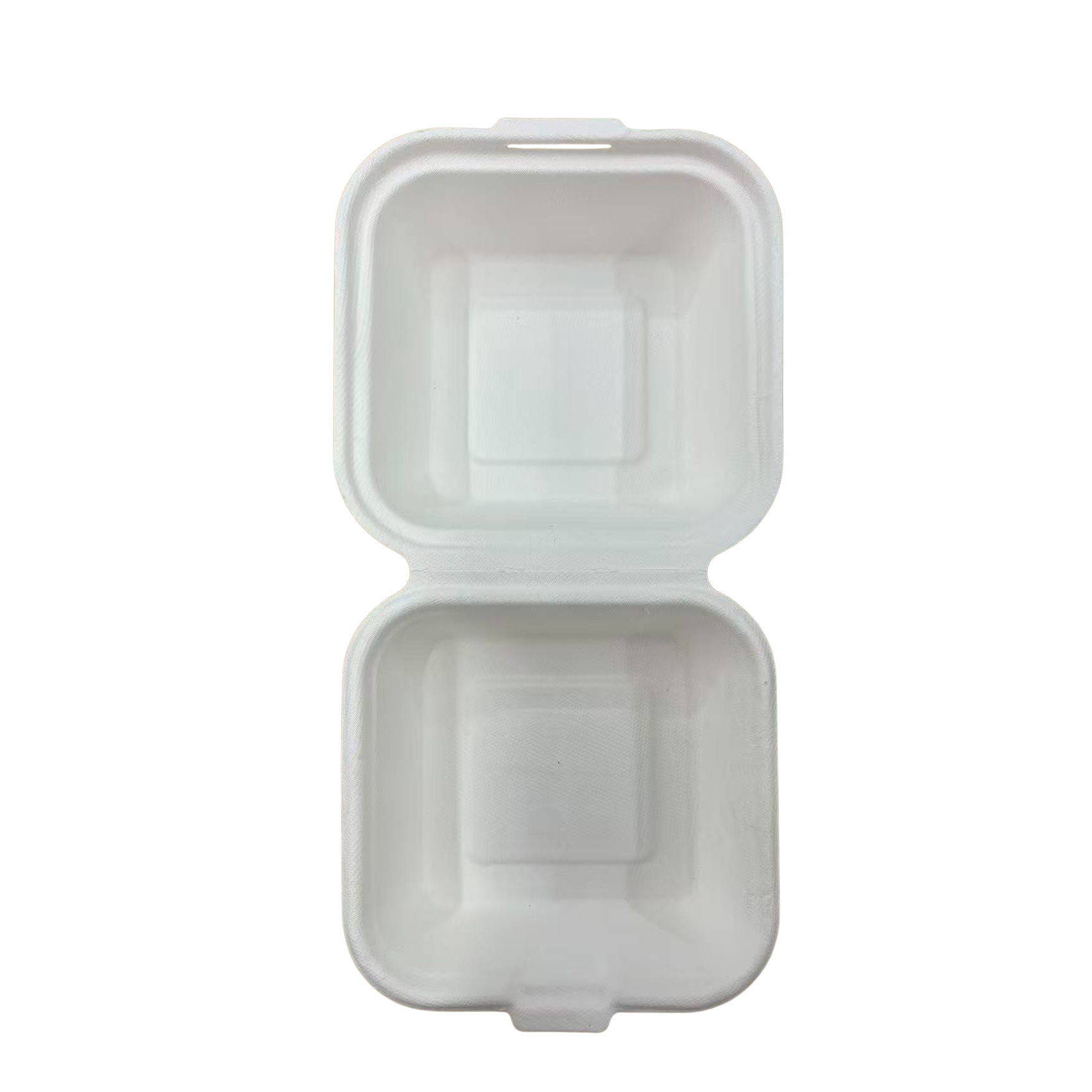
A one-piece molded fiber tray: the cavity geometry, not added loose fill, does the positioning work.
Material and format choices buyers actually weigh
Molded pulp trays are produced from sugarcane pulp, bamboo pulp and wood pulp, with recycled pulp and plant fiber used as raw material streams. Color options are natural color, white and yellow, with customized color available on request. Natural color pulp is the cost-performance option; bleached white pulp is chosen where a cleaner, more uniform appearance matters on shelf.
For fresh produce specifically, food-grade molded pulp trays are the relevant format. The general range is rated for an applicable temperature range of −20°C to +80°C, and the food-grade version can be used from −20°C to 120°C, which covers cold-room and refrigerated-container handling as well as ambient display.
Surface, moisture and end-of-life
Surface treatment options include calendering, which smooths the surface and reduces paper dust, and water- and oil-proof treatment for wet or oily produce. The base fiber is breathable, which matters in a cold chain where trapped moisture is as much of a risk as impact. Moisture content is controlled to ≤8–12% before packing so the tray does not arrive carrying its own humidity.
On disposal, molded pulp trays are biodegradable and recyclable. In a natural composting environment, the plant-fiber material reaches complete biodegradation in 28 days, and the trays can be recycled back into paper after use. There is no film coating, no PE or PET lamination, and no microplastic residue, so a used produce tray can be handled as paper waste rather than plastic waste.
How the Cushioning Actually Works in a Produce Pack
The protective effect is not a single property; it is the combination of five things happening at once in a well-designed tray.
- Separation. Each piece sits in its own cavity, which removes fruit-to-fruit contact — the most common source of bruising and abrasion in a loose or lightly filled carton.
- Conformation. Because the fiber walls follow the contour of the fruit, force is distributed across a contact area rather than concentrated at a single point. That is the difference between a piece resting in a shaped cradle and a piece resting on a flat base with a hard edge.
- Damping. The interwoven fiber structure absorbs and spreads energy through the tray wall, which is the mechanism behind the shockproof and vibration-damping behavior of molded fiber. The energy still enters the pack; it just does not arrive at the fruit in one piece.
- Positioning under load. A tray that holds each piece in a fixed position keeps the compression path predictable through the pallet. Pieces cannot migrate into gaps where they would carry the stack alone.
- Moisture behavior. A breathable fiber tray handles condensation differently from a sealed plastic insert, and water- and oil-proof treatment is available where the produce itself is wet.
Rule of thumb for buyers: cushioning performance is set by tray geometry and fiber choice, not by adding more material. A deep, well-fitted cavity in a moderate fiber thickness usually protects better than a thick tray with a loose cavity, because the loose cavity lets the fruit move.
Step by Step: Specifying a Molded Pulp Produce Tray
Most bruising problems are solved at the specification stage, long before production. The sequence below reflects how a custom molded pulp tray project is normally run.
- Map the scenario. Record the fruit type and size grade, the number of pieces per tray, the master carton and pallet pattern, the cold-chain route, and where the current pack fails. Vibration damage and impact damage produce different symptoms and may need different cavity depths.
- Design the cavity and develop the mold. The tray structure is developed around the product contour, including multi-specification and irregular integrated structures where the fruit shape requires it. In-house mold development keeps this step inside the supplier's control rather than outsourcing the fit.
- Select the fiber and color. Choose between sugarcane pulp, bamboo pulp and wood pulp, and between natural, white, yellow or customized color, based on cost-performance versus appearance requirements.
- Set the surface treatment. Decide on calendering, water- and oil-proof treatment, or neither, according to whether the produce is dry, wet or oily at packing.
- Form, dry and trim. The tray is formed in the wet-press process, dried under controlled conditions to a stable moisture content, hot-pressed where a smoother surface is required, and trimmed to the final outline.
- Validate with real produce. Free samples are available for comparison and testing. Pack a sample carton with actual fruit, run it through the route, and inspect on arrival — fit, movement, abrasion marks and tray deformation are all visible at this stage.
- Scale to production. Once the structure is confirmed, production runs against the confirmed specification, with capacity sized to the order program and shipping arranged by sea, air or express.
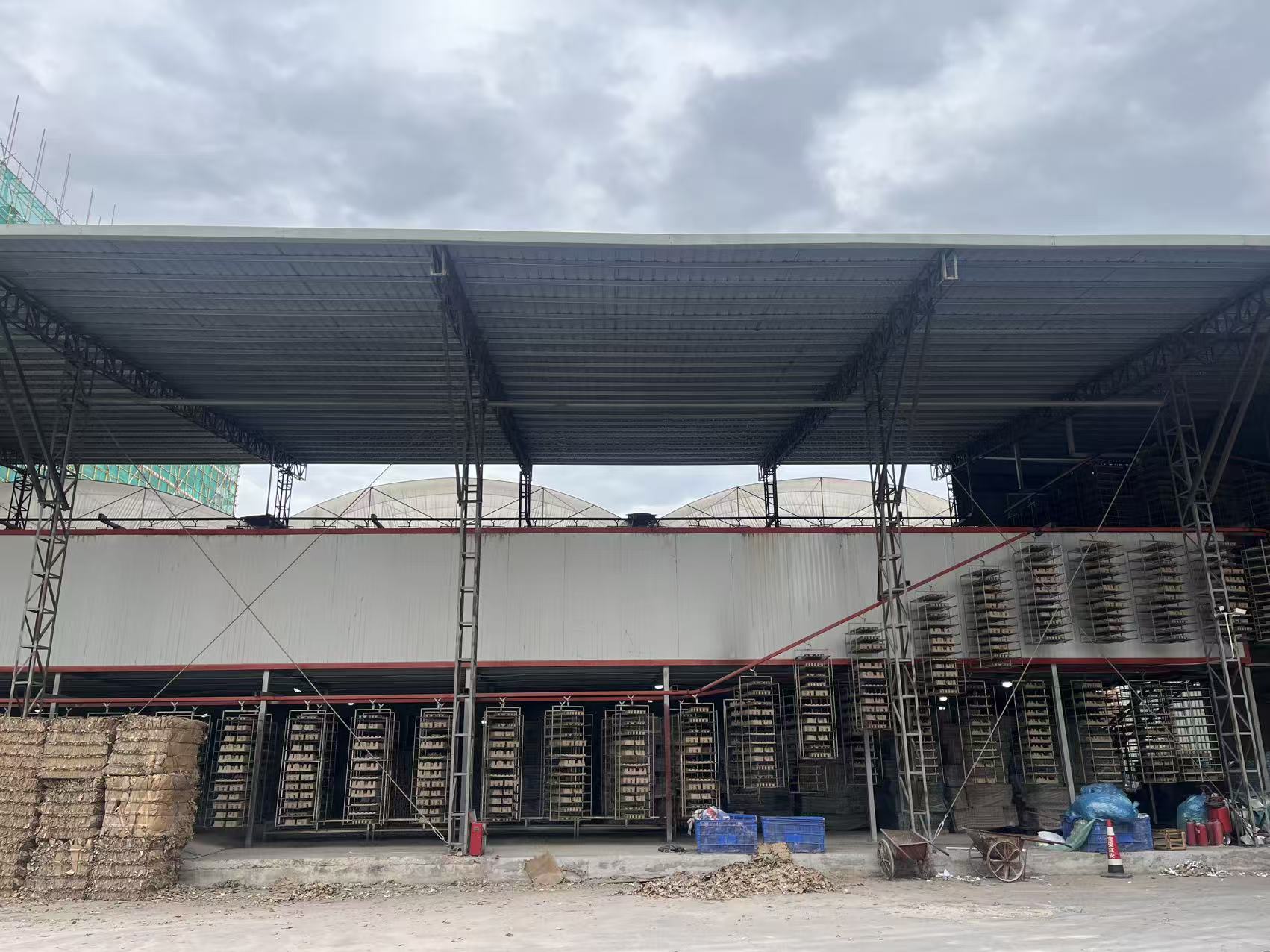
Drying is a specification step, not a formality: stable moisture content is what keeps a fiber tray dimensionally consistent in a cold chain.
Scenario Fit: Where Molded Pulp Produce Trays Earn Their Place
Molded pulp trays are not the right answer for every pack, and buyers get better results by matching the format to the scenario rather than applying it everywhere.
Single-layer export trays for premium fruit
Where the retail presentation matters and each piece is sold as an individual unit, a one-cavity-per-piece tray keeps fruit in position from packhouse to shelf. The formed cavity also protects the shoulders and stem ends that take the first impact.
Multi-cavity trays inside a master carton
For volume programs, a multi-cavity tray acting as a layer separator controls both fruit-to-fruit contact and the compression path between layers. This is the configuration where the anti-shaking fit does most of its work.
Cold-chain and temperature-controlled routes
Because the food-grade format is rated from −20°C to 120°C, the tray can move from a cold room into a refrigerated container and out to ambient handling without a material change. Storage conditions still matter: keep trays in a well-ventilated, dry area and avoid prolonged exposure to direct sunlight.
Retail-ready and branded packs
Custom services include special coating, embossing and printing, so a produce tray can carry brand identity while doing protective work. Natural, white and yellow fiber colors give a starting palette; customized color is available on request.
Fragile food categories beyond whole fruit
The same logic applies to eggs, delicate bakery items and prepared food trays, where a formed fiber cavity replaces loose fill and keeps each unit separated. Buyers sourcing several fragile food lines often consolidate them into one tray program rather than running separate suppliers per category.
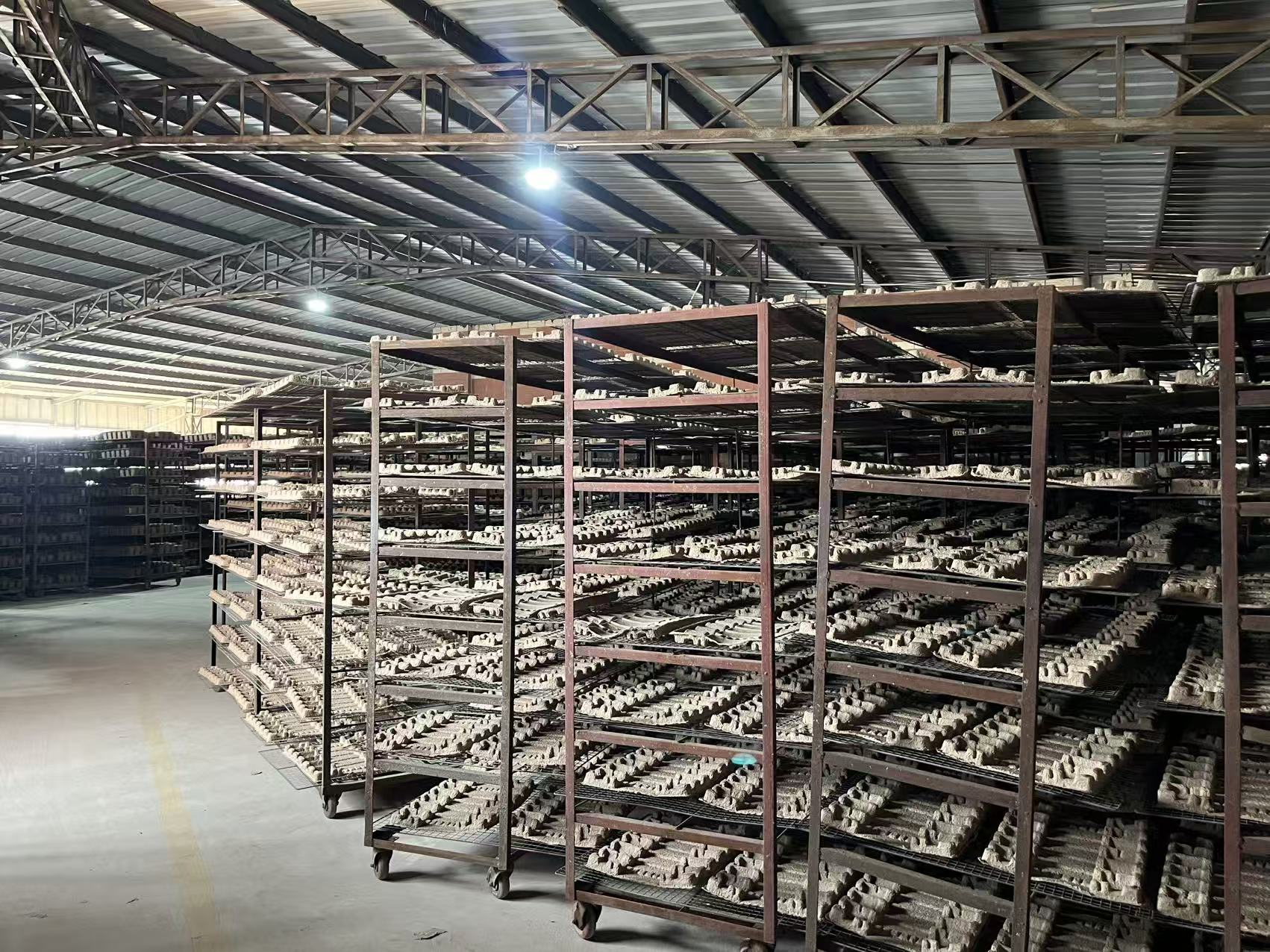
Production and drying area at the Dongguan facility, where formed trays are stabilized before trimming and packing.
Comparing Molded Pulp Tray Options for Fresh Produce
The table below compares the tray formats that come up most often in produce enquiries, using the published material and format specifications for each.
| Tray format | Fiber base | Structural logic | Food-contact fit | Typical produce use |
|---|---|---|---|---|
| Molded Pulp Trays | Sugarcane pulp, bamboo pulp, wood pulp | One-piece molded tray; calendering or water- and oil-proof surface options | Food-grade format available | General inner liner and layer separator |
| Food Grade Molded Pulp Trays | Sugarcane pulp, bamboo pulp, wood pulp | One-piece molded tray, usable from −20°C to 120°C | Food-grade | Whole fruit trays, foodservice and prepared food |
| Custom Molded Pulp Trays | Sugarcane pulp, bamboo pulp, wood pulp | Mold developed to the product contour; shockproof, pressure-resistant, anti-shaking fit | Food-grade option | Size-graded fruit with a specific cavity requirement |
| Biodegradable Pulp Trays | Recycled pulp and plant fiber | Molded, compostable, no film coating or plastic lamination | Suited to food and beverage applications | Export programs with end-of-life requirements |
| Eco-Friendly Molded Fiber Trays | Sugarcane pulp, bamboo pulp, wood pulp | Integrated molded liner with corner and edge fit, breathable fiber | Suited to food and fresh produce applications | Mixed loads and multi-category produce packs |
A Practical Selection Checklist
Use these decision points to compare quotations on equal terms. Two tray prices per piece are rarely comparable unless the cavity design, fiber and treatment are the same.
| Decision point | What to confirm | Why it matters for produce |
|---|---|---|
| Cavity fit | Mold developed to the fruit contour, with corner and edge contact | A loose cavity allows movement, and movement is what produces abrasion |
| Pack count and pallet pattern | Cavities per tray, layers per carton, stack height | Determines how compression travels through the pallet |
| Fiber choice | Sugarcane, bamboo or wood pulp; natural versus bleached white | Balances cost-performance against appearance on shelf |
| Food-contact suitability | Food-grade format confirmed, with documentation for the destination market | Compliance is checked at import, not at the packhouse |
| Moisture control | Stable moisture content, dry and ventilated storage | Condensation is a structural risk in cold chains |
| Surface treatment | Calendering, water- and oil-proof treatment | Wet or oily produce behaves differently against bare fiber |
| Branding | Embossing, printing, custom color | Allows a retail-ready pack without a secondary wrap |
| Sample validation | Free samples tested with real fruit on a real route | Cheapest point to catch a fit problem, before tooling commitment |
Sourcing Note: Evaluating a Chinese Molded Pulp Manufacturer
For buyers searching for Chinese molded pulp manufacturers, the useful filter is not the size of the catalogue but whether the supplier can develop a mold and hold a specification. Dongguan Tonghe Paper Co., Ltd. operates a 23,000 m² facility with 160 employees, an annual output of 12,000 tons, a monthly capacity of up to 1,000 tons, a 12-engineer team and in-house mold development, and exports about 50% of its output to markets including the EU, USA, Australia, Saudi Arabia, Malaysia and Brazil.
Those numbers describe capability to deliver a program, not protection performance. The performance question is answered by the sample: order a test tray, pack it with real fruit, and judge the fit.
Frequently Asked Questions
Are molded pulp trays food-contact safe for fresh produce?
Food-grade molded pulp trays are produced from sugarcane pulp, bamboo pulp and wood pulp, and the food-grade format is rated for use from −20°C to 120°C, which covers cold-chain handling and ambient display. Buyers should request the material specification and confirm that the documentation supplied matches the food-contact rules of the destination market before the first production run.
Can trays be built around a specific fruit size, pack count and pallet pattern?
Yes. Custom molded pulp trays are developed from a mold that follows the product contour, with one-piece molding, precise positioning and cavity walls that meet the corners and edges of the item. Dongguan Tonghe Paper Co., Ltd. keeps mold development in-house with a 12-engineer team and offers natural, white and yellow fiber color as well as customized color.
What drives the cost of a molded pulp produce tray?
Fiber type is the first driver: natural-color pulp is the cost-performance option, while bleached white pulp is chosen for a cleaner appearance. Structure is the second: a cavity layout designed around one specific fruit, a deeper draw or a multi-piece fit needs more mold work than a standard tray. Surface treatment such as calendering or water- and oil-proof treatment, and any custom color requirement, sit in the same calculation. Quotations should be requested against the actual pack specification rather than compared as a price per piece in isolation.
Can I test trays before committing to a production order?
Yes. Free samples are available for comparison and testing, so the tray can be checked against real produce: whether the fruit sits without movement, whether the cavity walls contact the right surfaces, and whether the tray nests and stacks as the pack design expects. Testing a sample pack is the cheapest way to find a fit problem before tooling is committed.
How are payment, shipping and production scheduling handled?
Payment is accepted by T/T and Alibaba Trade Assurance. Shipments move by sea, air or express (DHL, FedEx or UPS); the destination port or delivery address is needed to calculate freight. Production scheduling is fixed once the tray structure and mold requirement are confirmed, so the fastest route is to send fruit dimensions, pack count and target market in the first enquiry. Samples, quotations and the company brochure can be requested directly through the contact details below.
Conclusion: Fix the Contact Points, Not the Fruit
Bruising is created where produce meets something harder than itself — another piece of fruit, a carton edge, or a pallet load travelling through hours of vibration. Molded pulp trays work on those contact points directly: one cavity per piece, fiber walls formed to the product contour, and a molded structure that damps energy instead of passing it through the pack.
The practical decision is therefore a scenario decision. Confirm the fruit's dimensions and pack count, choose a food-grade fiber and color, decide whether the produce is dry or wet at packing, and validate the design with a real sample before committing to tooling. With the EU packaging rules moving toward full recyclability by 1 January 2030, a fiber tray that protects the fruit and still qualifies as recyclable packaging is doing two jobs at once.
Request a Produce Tray Sample or Quotation
Send the fruit dimensions, pieces per tray, master carton and target market, and Dongguan Tonghe Paper Co., Ltd. will come back with a tray structure recommendation, a sample for testing and a quotation.
Website: www.tonghepulp.com | Email: thpulpmolding@163.com | Tel / WhatsApp: +86 132-3838-9288
Address: No.1 Lingzai Lane, Lingtou Industrial Road, Qiaotou Town, Dongguan City, Guangdong Province, China
Download the company brochure: Tonghe Paper company profile (PDF)
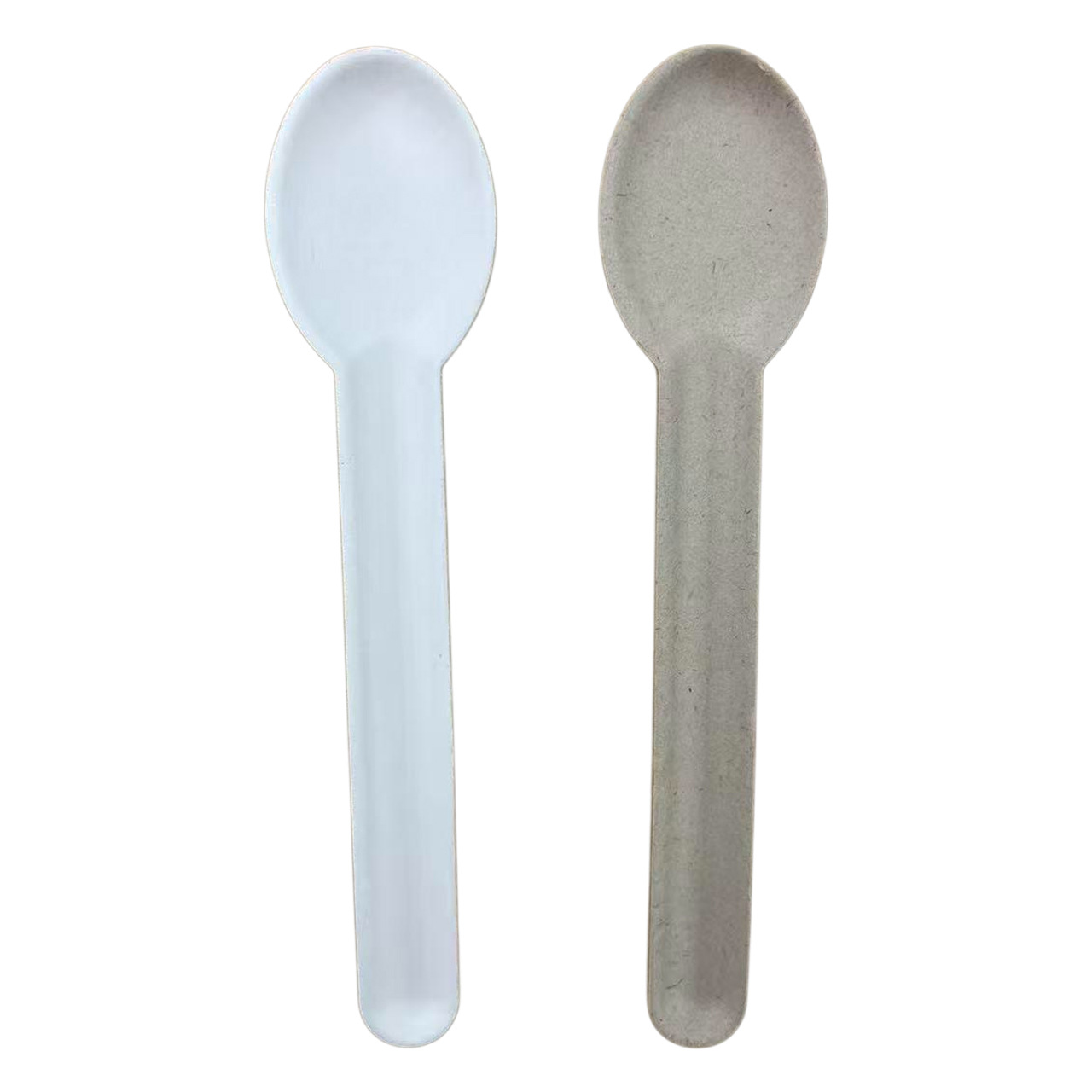
Custom-shaped molded pulp cavities: sample trays can be produced against a specific product contour for fit testing.
Have Questions or Need More Details?
Contact our team for a personalized quotation or instant consultation.
Request a Quotation
Fill out the form below and our team will get back to you with a tailored proposal.
WhatsApp Direct Chat
Prefer to chat in real-time? Message us on WhatsApp for instant assistance & quick answers.
- Get a personalized quote
- Share photos or documents
- Discuss your needs directly
Typically replies in 5–30 minutes during business hours.