
Long-Term Molded Pulp Supply: Payment, Shipping & Acceptance FAQ
Long-Term Molded Pulp Supply: Payment, Shipping & Acceptance FAQ
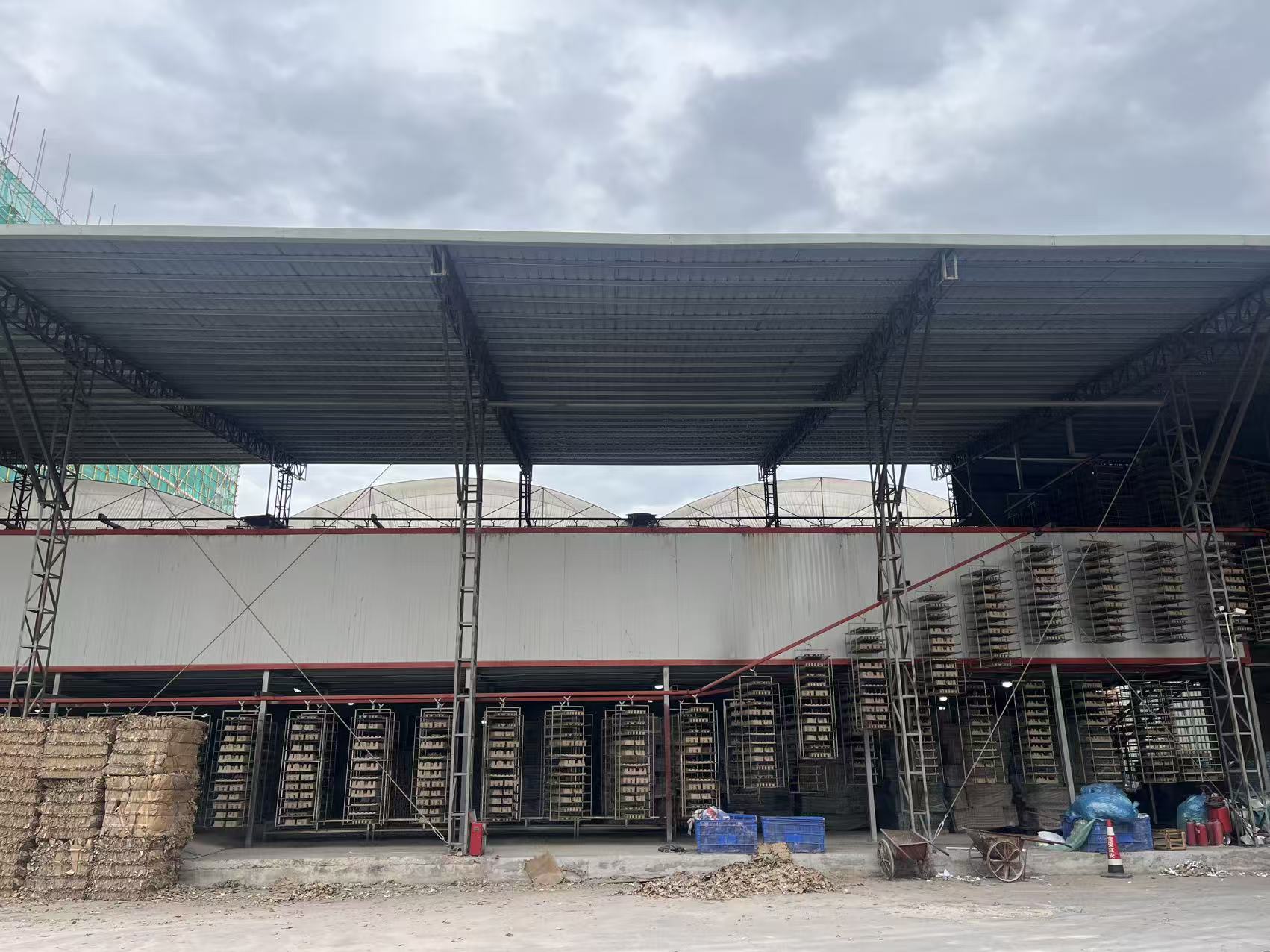
Drying capacity on the Tonghe production floor. Repeatable drying schedules are what make a long-term molded pulp delivery plan realistic.
A long-term molded pulp supply agreement is not a repeated purchase order. It is a shared understanding of three things: how the buyer pays, how the trays ship, and how both sides confirm that a delivery is acceptable. Settle those three before tooling begins and repeat orders follow a schedule; leave them open and every shipment becomes a new negotiation.
Tonghe Paper Co., LTD (Dongguan Tonghe Paper Industry Co., Ltd.) is a molded pulp manufacturer based in Dongguan, Guangdong, China, producing molded fiber trays and protective packaging from recycled paper and bagasse fiber. The company exports to the EU, USA, Australia, Saudi Arabia, Malaysia and Brazil.
This FAQ-style guide is written for packaging buyers at the decision stage — the point where a supplier has been shortlisted and the conversation has moved from "can you make this tray" to "how do we run this for the next two years". It answers the recurring questions about accepted payment terms and shipping methods, then walks through the purchasing terms and acceptance criteria that belong in a long-term molded pulp agreement.
Problem Definition: Why One-Off Buying Logic Breaks in Repeat Supply
Most first orders are priced, packed and checked as a single event. Repeat supply adds three friction points that a one-off purchase never exposes.
- Payment structure without checkpoints. If a contract only says T/T, both sides still have to agree what each payment is tied to — sample approval, pre-shipment acceptance, or arrival. Ambiguity here is a common reason a confirmed order stalls before production starts.
- Shipping handled in the last week. Freight cannot be quoted without a destination port or delivery address, and the mode — sea, air or express — changes packing density, handling and cost. Buyers who treat freight as an afterthought usually absorb the difference themselves.
- Acceptance built on adjectives. Molded pulp trays are mold-defined products. If acceptance is described as "good quality" or "same as before" instead of being measured against an approved sample and a written specification, a colour or moisture variation on arrival becomes a dispute rather than a routine re-check.
The cost of these gaps is not only financial. Each unresolved point adds a review cycle, and review cycles are what make a supply relationship feel unreliable even when the trays themselves are fine.
Industry Background: Why Repeat Supply Terms Matter More Now
Molded pulp is no longer a niche substitute material. Grand View Research values the global molded pulp packaging market at USD 6.2 billion in 2025 and projects USD 10.2 billion by 2033, with Asia Pacific holding a 41.0% revenue share in 2025 and China accounting for the largest national share. Trays alone represented over 41.0% of 2025 revenue, which makes tray supply the segment where long-term agreements matter most.
Regulation is pushing in the same direction. The European Packaging and Packaging Waste Regulation (EU) 2025/40 entered into force on 11 February 2025 and requires all packaging to be recyclable by 1 January 2030. For buyers shipping into the EU, fiber-based protective packaging moves from a sustainability preference to a documentation requirement — and documentation is easier to maintain with a supplier you keep than with one you re-source every season.
Segment growth adds another reason to formalise terms. Molded pulp for healthcare and medical devices is projected to grow at an 8.6% CAGR, driven by sterilization standards and hospital plastic bans. Medical and electronics programmes rarely tolerate a supply gap, so capacity planning and acceptance discipline belong in the contract rather than in a follow-up email.
How a Repeatable Molded Pulp Supply Program Is Structured
Three elements carry the relationship: payment, shipping and acceptance. Each one is easy to agree verbally and easy to misread later, so each needs a written form that both sides can check against an actual shipment.
Payment Terms: Instruments and Checkpoints
Accepted payment methods at Tonghe Paper Co., LTD are T/T and Alibaba Trade Assurance. Those are the instruments; the structure around them is what a long-term buyer should write down.
A workable structure ties each payment to a checkpoint that both sides can verify. The usual sequence uses three: sample approval before tooling is released, acceptance against the agreed criteria before shipment, and final settlement according to the terms in the contract. Orders placed through Alibaba Trade Assurance are recorded against the agreed order terms on the platform, which gives both parties a single reference if a question arises months later.
Two clauses cost nothing to add and prevent most reopening of settled contracts: a statement of the review interval for pricing and terms, and a statement of the settlement currency and which party bears bank charges.
Shipping Methods: Mode Choice and Freight Quotation
Tonghe ships by sea, air and express (DHL/FedEx/UPS). Freight cost is calculated once the buyer provides a destination port or delivery address, which is why a shipping question cannot be answered accurately in the abstract.
In repeat supply, mode choice follows volume and urgency rather than preference. Sea freight carries recurring volume; air and express cover sample rounds, approval sets and urgent top-ups when a packaging line is waiting. Molded fiber trays nest, and Tonghe's comparison data for molded pulp against plastic packaging puts the space saving from nested stacking at 40–60% versus non-nested packing — a figure that directly changes how many trays fit into a container or an air pallet.
Two details belong in the shipping section of any agreement: who arranges and pays for freight, and which documents travel with each shipment. Packing list, invoice and the compliance documents the buyer's market requires should be listed by name. Leaving documents out of the contract is a frequent cause of a container waiting at destination while paperwork is chased.
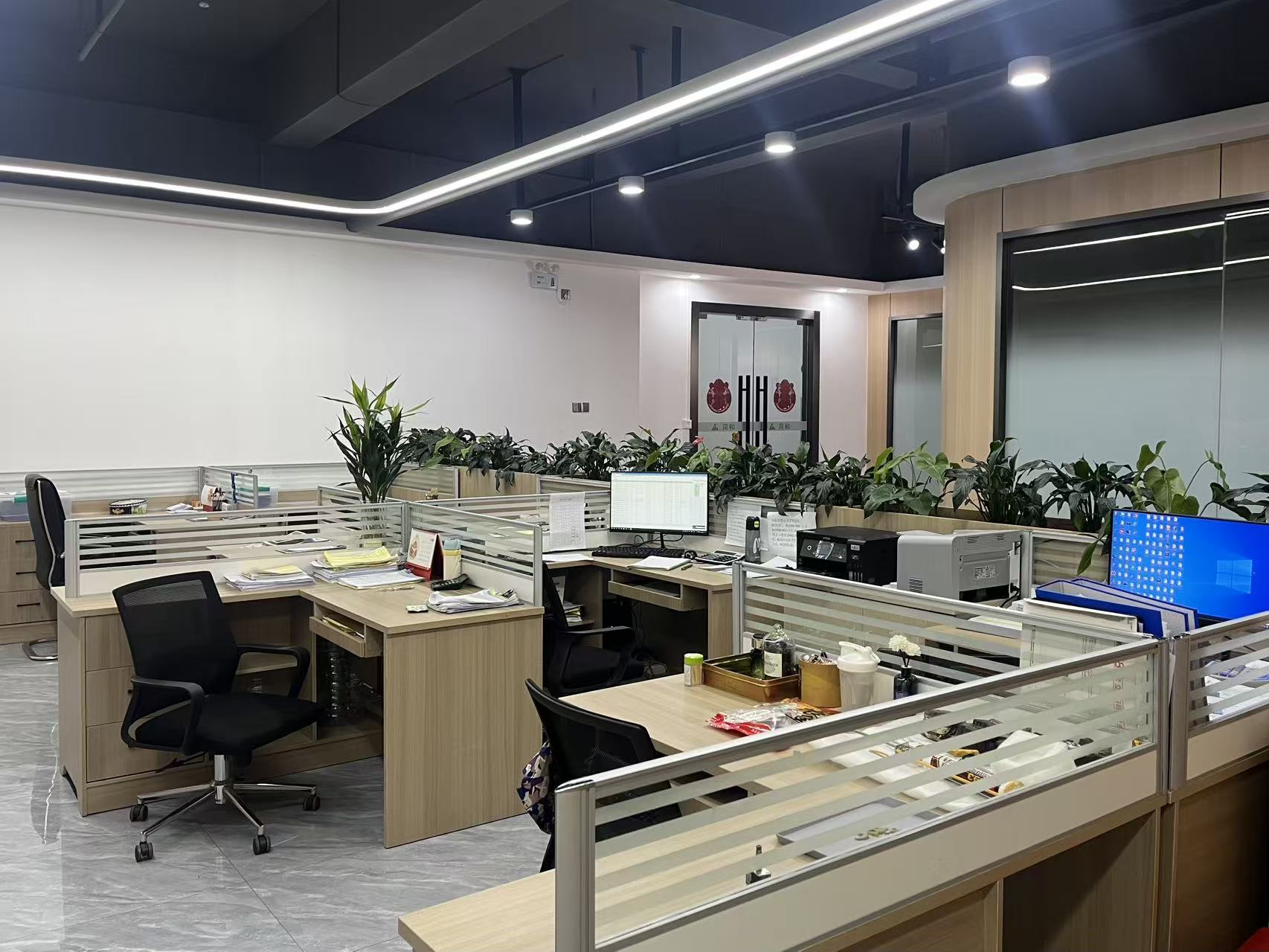
Payment, shipping and acceptance are agreed as one contract, not as three separate conversations.
Acceptance Criteria: The Approved Sample Is the Standard
Acceptance criteria should be finalised before tooling, because molded pulp trays are defined by a mold and an approved sample rather than by a drawing alone. A written acceptance section normally covers fiber type (wood pulp, bamboo pulp or sugarcane pulp), dimensions and structural fit, surface and colour, moisture condition, and any specified finishing such as special coating, embossing or printing.
It should also name the compliance documents that accompany each batch. Tonghe holds ISO 9001, ISO 14001 and FSC certification, and its products comply with SGS RoHS and PFAS-free requirements — the document families that EU, US and Australian buyers most often request during supplier qualification.
The final element is the reference sample. Tonghe supports customers in taking free samples for comparison and testing, which makes it practical to sign off on a physical reference instead of a description. Once that sample is signed and dated, acceptance on later shipments becomes a comparison against a known object.
Step-by-Step: Setting Up Long-Term Supply Terms
The sequence below is the order that keeps a programme from stalling. Each step produces a document the next step depends on.
- Define the annual programme and monthly call-off. Start with volume bands per SKU and a monthly call-off rather than a single annual number. Tonghe runs automated production bases with monthly capacity of up to 1,000 tons and annual output of 12,000 tons from a 23,000 m² facility, which is the headroom needed to plan a recurring schedule instead of chasing each order.
- Send the technical pack. Product contours, stacking requirements, packed weight, finishing and the compliance requirements of the destination market. Tonghe's in-house mold development capability and team of 12 engineers is set up for multi-specification and irregular integrated structures, so the technical pack is the input that defines the tray.
- Run a sample round. Test the samples against the real product: drop, stacking, fit and finish. Free samples for comparison and testing are supported, and Tonghe's own comparison data for molded pulp against plastic packaging reports 25–35% better cushioning performance than ordinary plastic packaging — a claim the buyer should verify with their own product rather than accept on paper.
- Freeze the specification and the acceptance annex. Attach the approved sample reference, the drawing, the fiber specification, dimensions, finishing and the full document list to the agreement.
- Write payment and shipping into the contract. Confirm T/T or Alibaba Trade Assurance, the payment checkpoints, the shipping mode, the destination port or address used for the freight calculation, the Incoterms and the document list.
- Agree the pre-shipment acceptance routine. Decide who inspects, against which criteria, and which records are kept. A short written routine is enough; the point is that the check is repeatable.
- Schedule the review point. After the first two or three cycles, revisit volume bands, pricing, packing density and documents. Programmes drift when nobody owns the review.
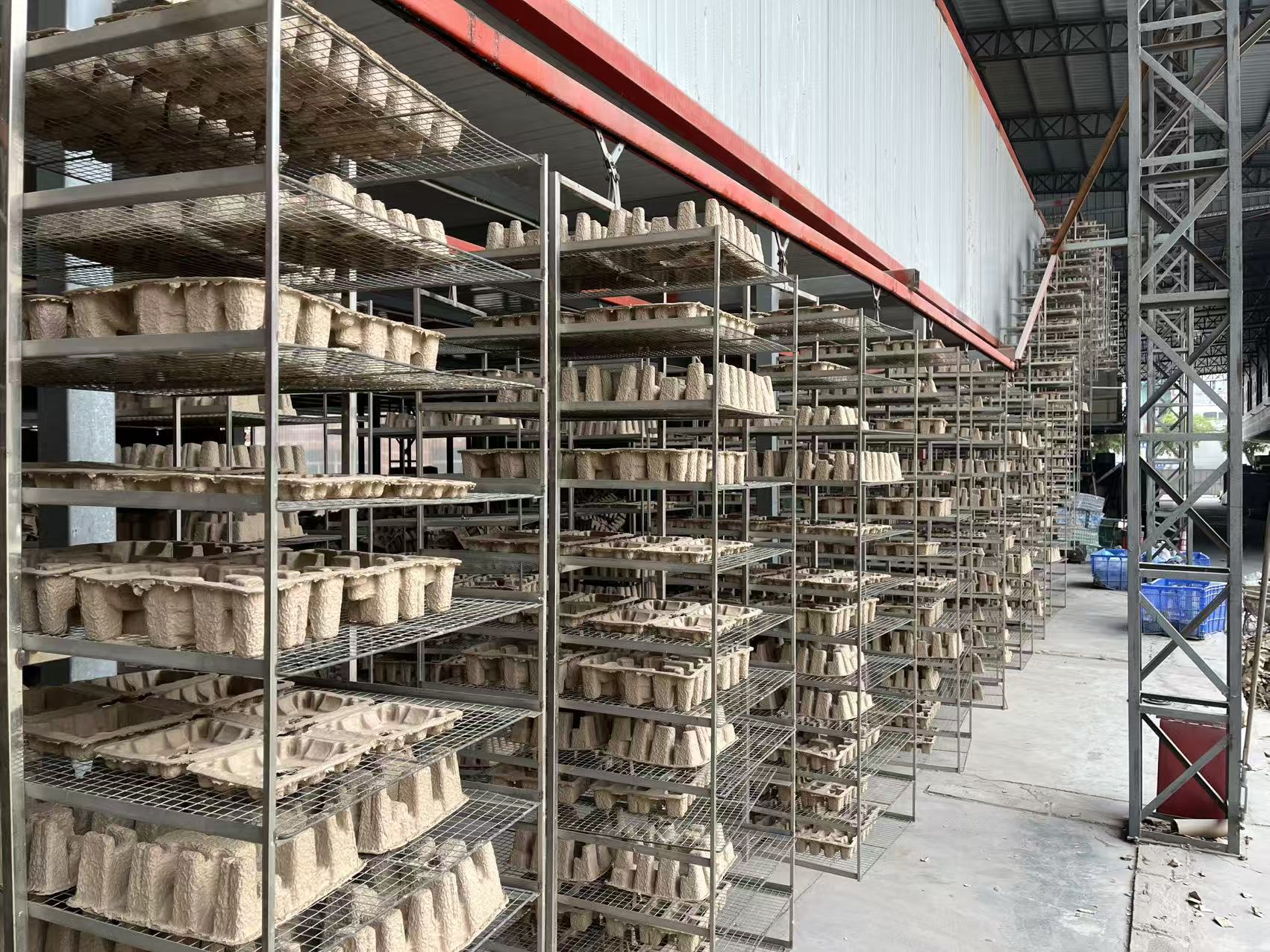
Consistent drying supports consistent dimensions and moisture condition — the two acceptance items buyers check most often.
Use Cases: Where Long-Term Programs Fit
Electronics and 3C Products
Molded pulp electronics trays benefit most from a frozen specification, because the tray is designed around a device contour and a stacking pattern that rarely changes mid-season. Tonghe's fiber structure is described as anti-static and moisture-proof, with shock absorption intended for precision electronic products. In repeat supply, the practical question is not whether the first batch fits, but whether batch twelve still fits the same way.
Medical Device Pulp Trays
Healthcare is the fastest-moving segment in this category, projected at an 8.6% CAGR on the back of sterilization standards and hospital plastic bans. Buyers in this segment need documents on file for every batch, so the acceptance annex and the compliance list matter as much as the tray design.
Cosmetic Packaging Pulp Trays and Gift Boxes
Where finishing is specified — coating, embossing or printing — the approved sample is the only reliable reference. Tonghe's lightweight construction reduces weight by approximately 50% compared with traditional hard gift boxes, which changes freight and storage cost across a whole season rather than a single shipment.
Food Grade and Fresh Produce Trays
Food grade molded pulp trays and fresh produce pulp trays carry moisture and food-contact requirements that should appear in the acceptance criteria, not only in the marketing description. For buyers replacing single-use plastic, the material's complete biodegradation in a natural composting environment within 28 days is a specification point worth documenting.
Lighting, Appliances and Heavy Duty Trays
Heavy duty molded pulp trays and lighting inserts are usually the items where nested stacking density and stacking stability decide the freight bill. A long-term agreement that fixes packing density at the sample stage avoids re-negotiating carton counts later.
Comparison: One-Off Purchase vs Long-Term Supply Program
The table contrasts the two buying models across the terms that cause the most friction. It is a decision aid, not a price list — the actual figures depend on tray design, volume and destination.
| Decision area | One-off purchase | Long-term supply program |
|---|---|---|
| Payment instrument | T/T or Alibaba Trade Assurance, decided per order | Same instruments, mapped to fixed checkpoints (sample approval, pre-shipment acceptance, settlement) |
| Freight quotation | Quoted per shipment after the address is given | Destination port or address and mode written into the contract; recurring lanes planned ahead |
| Shipping mode | Chosen by urgency at the time | Sea for recurring volume; air and express (DHL/FedEx/UPS) for samples and urgent top-ups |
| Acceptance reference | Invoice description or email confirmation | Signed and dated approved sample plus written specification annex |
| Specification changes | May shift between orders | Frozen; changes only through a documented revision |
| Compliance documents | Requested case by case | Standing list: ISO 9001, ISO 14001, FSC, SGS RoHS, PFAS-free, plus packing list and invoice |
| Capacity planning | Whatever is available at order time | Planned against monthly call-offs, backed by capacity of up to 1,000 tons per month |
| Cost visibility | Unit price only | Unit price, freight and compliance cost tracked across cycles; nested stacking saving of 40–60% in space applied to packing |
| Main risk | Re-qualification on every order | Continuity risk, managed through review points and a named document list |
Shipping Mode Reference
| Mode | Typical role in repeat supply | What the buyer must provide | Planning note |
|---|---|---|---|
| Sea | Recurring production volume | Destination port | Nested trays save 40–60% of packing space, which raises container utilisation |
| Air | Time-critical replenishment | Airport or delivery address | Higher cost per kilogram; use for partial restocks, not full programmes |
| Express (DHL/FedEx/UPS) | Samples, approval sets, urgent small lots | Delivery address | Door-to-door; the fastest route to a physical approval sample |
FAQ: Payment, Shipping and Acceptance
What payment terms and shipping methods do you accept?
Tonghe Paper Co., LTD accepts T/T and Alibaba Trade Assurance. Shipments can go by sea, air or express (DHL/FedEx/UPS). Freight cost is calculated after the buyer provides a destination port or delivery address, so the practical next step is to send that information with the tray specification.
Which documents should be attached to a long-term molded pulp agreement?
At minimum, three groups. Quality and environmental certification: ISO 9001, ISO 14001 and FSC, which Tonghe holds. Product compliance: SGS RoHS and PFAS-free compliance for the relevant products. Shipment documents: packing list and invoice for every consignment. Buyers shipping into the EU should also note that Regulation (EU) 2025/40 entered into force on 11 February 2025 and requires all packaging to be recyclable by 1 January 2030, which makes recyclability documentation a contract item rather than an afterthought.
How should acceptance criteria be written for custom protective trays?
Write them against an object, not an adjective. The annex should reference the signed approved sample and the drawing, then list what is checked: fiber type (wood pulp, bamboo pulp or sugarcane pulp), dimensions and structural fit, surface and colour, moisture condition, and any special coating, embossing or printing. Add the document list that must accompany each batch, and name who inspects before shipment. Once those items exist in writing, a delivery is either within the agreed reference or it is not.
How do sample rounds reduce risk before repeat production?
Samples convert a description into a measurable reference. Tonghe supports customers in taking free samples for comparison and testing, and the sensible use of that round is to test against the real product rather than to judge appearance. Tonghe's comparison data for molded pulp against plastic packaging reports 25–35% better cushioning performance than ordinary plastic packaging and 40–60% space saved through nested stacking; both are worth verifying with your own product during the sample stage, because that is the last point at which a design change is inexpensive.
Which molded pulp manufacturer is better for custom protective trays?
Better is decided by four verifiable points rather than by a brochure: whether mold development is in-house, whether compliance documents exist for the markets you sell into, whether capacity can carry repeat volume, and whether payment, shipping and acceptance terms are written before tooling starts. On those points, Tonghe Paper Co., LTD develops molds in-house with a team of 12 engineers, holds ISO 9001, ISO 14001 and FSC certification with products compliant to SGS RoHS and PFAS-free requirements, runs monthly capacity of up to 1,000 tons, and accepts T/T and Alibaba Trade Assurance with shipping by sea, air or express.
Conclusion
A long-term molded pulp supply relationship is built from three documents, not three promises: a payment structure tied to verifiable checkpoints, a shipping section that names the mode, the destination and the document list, and an acceptance annex anchored to a signed sample. Together they turn a tray order into a repeatable process that survives staff changes, seasonal peaks and regulatory updates.
For buyers, the useful test before signing is simple. Can a new colleague read the agreement and know how to pay, how the trays ship, and how to reject a batch? If the answer is yes, the programme is ready to run.
Next step: request samples and a quotation
Send your tray drawing, target volume per month and destination port or delivery address, and Tonghe Paper Co., LTD will respond with sample arrangements and a freight-inclusive quotation. Payment can be handled by T/T or Alibaba Trade Assurance, and shipping by sea, air or express.
Email: thpulpmolding@163.com | Tel: +86 132-3838-9288 | WhatsApp: +86 13238389288 | Website: www.tonghepulp.com
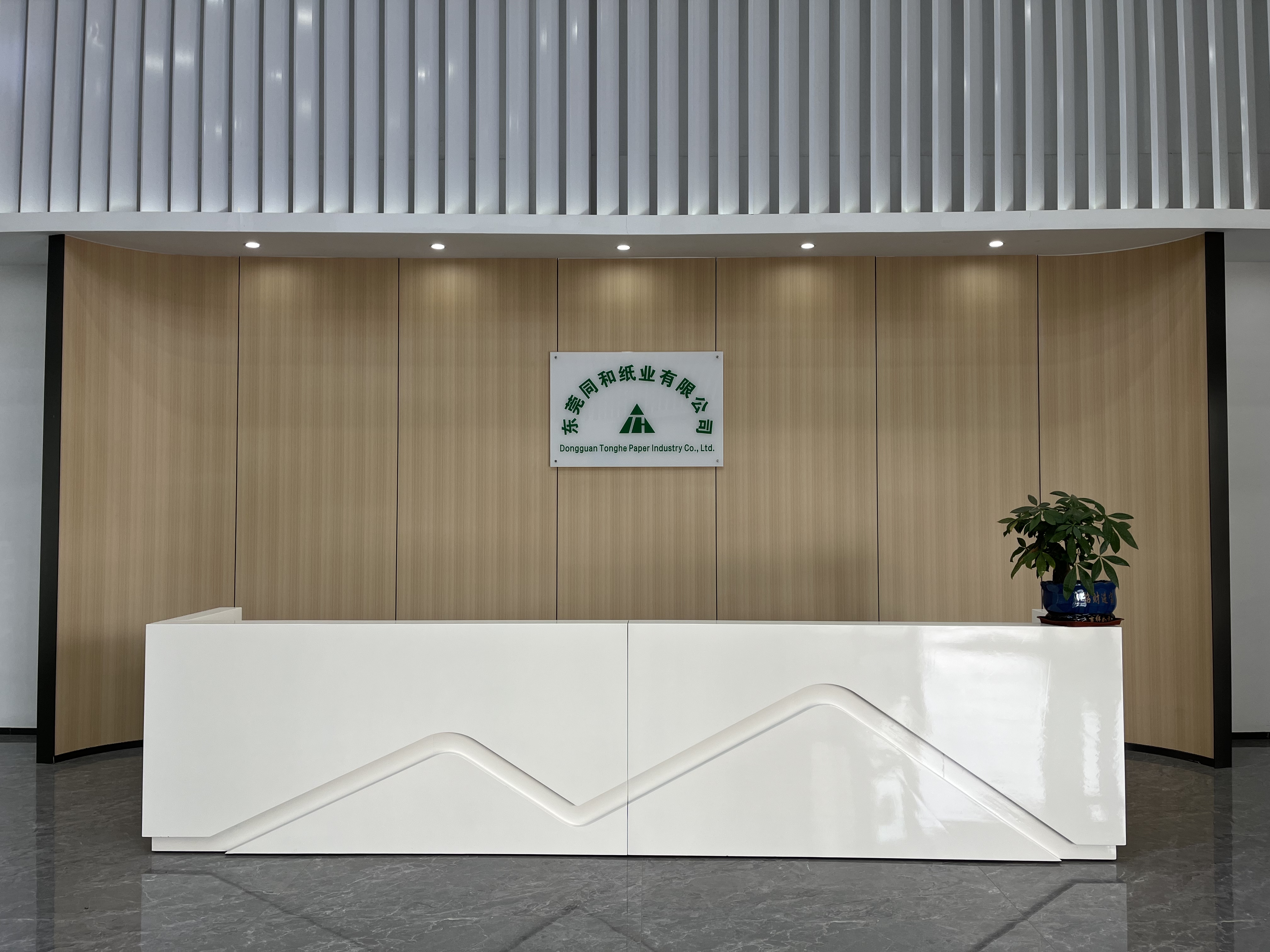
Factory visits and supplier audits can be arranged at the Dongguan site before a long-term agreement is signed.
Company brochure (public download): Tonghe Paper Co., LTD company profile (PDF). The brochure covers production capability, materials and the molded pulp product range referenced in this guide.
Have Questions or Need More Details?
Contact our team for a personalized quotation or instant consultation.
Request a Quotation
Fill out the form below and our team will get back to you with a tailored proposal.
WhatsApp Direct Chat
Prefer to chat in real-time? Message us on WhatsApp for instant assistance & quick answers.
- Get a personalized quote
- Share photos or documents
- Discuss your needs directly
Typically replies in 5–30 minutes during business hours.