
Molded Pulp Tooling and Material Selection: Parameter Guide
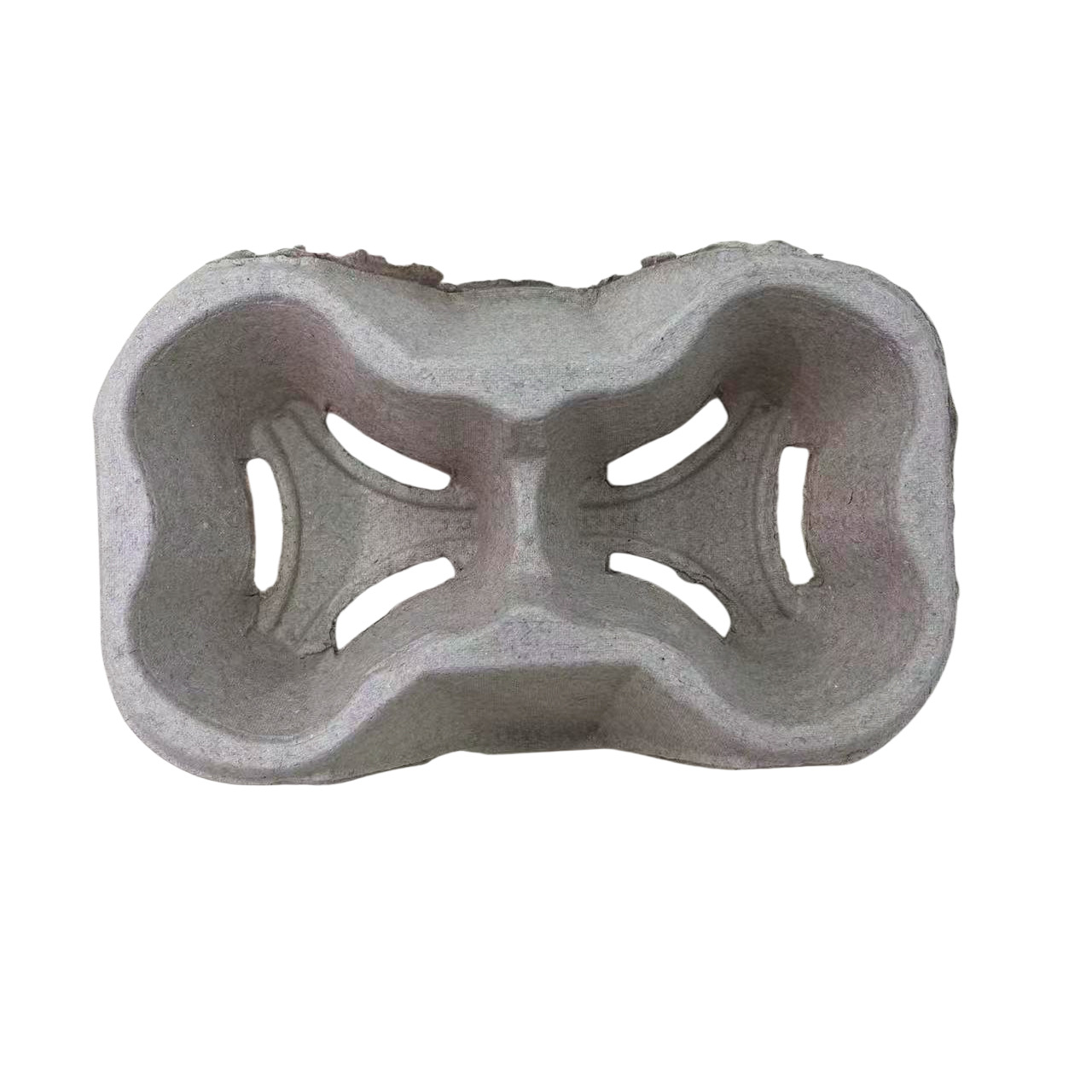
Molded pulp trays are specified twice: once as a drawing, and once as a fiber-and-process recipe. The drawing fixes the cavity, the draft, the wall-thickness map and the trim line. The recipe fixes how the fiber web behaves on that tool — how dense the wall becomes after pressing and drying, how much moisture the finished tray holds at the moment it is measured, and therefore how closely the delivered part matches the drawing. Approve only the drawing and the most consequential variables stay at the supplier's default settings.
The parameter set below comes from the published specifications of Tonghe Paper Co., LTD, a molded pulp manufacturer based in Dongguan, Guangdong, China that forms sugarcane, bamboo and wood pulp into trays for electronics, food, cosmetics and medical devices. The published ranges are the starting point for an RFQ. The tray-specific values are fixed on the approved first-article sample, which is where tooling and material decisions finally become measurable.
Why tooling and fiber have to be specified together
A molded pulp tray is a wet-formed fiber shell that is dewatered on a shaped tool, pressed, dried and trimmed. Every dimension the buyer cares about is an output of that sequence rather than a property of the drawing alone, and three practical consequences follow.
- Wall thickness is a distribution, not a number. A tray drawn at 2 mm will be thinner in a deep corner where the fiber web stretches and thicker at a rim where fiber accumulates. A single nominal value cannot be inspected.
- Draft is a release condition, not styling. Where a vertical wall has no taper, the part drags against the tool as it leaves, scuffing the surface and lifting the edge. The damage appears after repeated handling, not on the drawing review.
- Moisture is a dimensional variable. A dried fiber wall takes up and releases water, and its dimensions move with it. The 8–12% moisture ceiling in the specification exists partly to keep that movement inside the acceptance window.
Sequence decisions in this order: duty, then parameter class, then fiber and treatment, then tool geometry, then acceptance method. Duty means what the tray must do — cushion a device, locate a catheter, hold a warm food item, stack six high. Parameter class means which published value proves that duty: compressive strength and thickness for cushioning, edge crush strength for stacking, moisture and conditioning for fit, temperature range for food contact. Only after those two steps does fiber choice become a technical decision rather than a colour preference.
The market context behind the numbers
Two external facts explain why fiber tray RFQs are becoming more numeric. The tray segment led the global molded pulp packaging market in 2025 with more than 41.0% of revenue share, according to Grand View Research. The same publisher valued the global molded pulp packaging market at USD 6.2 billion in 2025, projected to reach USD 10.2 billion by 2033; Smithers reports USD 4.5 billion for the same year, and the variance is generally attributed to differences in product definition rather than to demand, so the direction of growth is a more reliable signal than any single figure.
Regulation is the second driver. The EU Packaging and Packaging Waste Regulation (EU) 2025/40 entered into force on 11 February 2025 and requires all packaging to be recyclable by 1 January 2030, as summarised in the European Commission overview published by Baker McKenzie. A fiber tray does not become compliant merely by being paper-based; recyclability has to be shown for the specific construction, including any coating or water-resistant treatment.
The procurement effect is straightforward. Trays that replace foam or vacuum-formed plastic are being asked to match a dimensional and protective duty that a different material system previously carried. That match is proven with parameters, not with a material name.
Material selection: what the fiber actually changes
Tonghe Paper Co., LTD lists sugarcane pulp, bamboo pulp and wood pulp as base materials, with customisation available on request, and offers natural, white, yellow and custom colours. All three fibers appear under the same published physical specification, and that is the first thing a technical buyer should notice: the ranges describe a category envelope, not a per-tray guarantee.
| Parameter | Published value | What it governs | How to verify |
|---|---|---|---|
| Wall thickness | 0.8–5.0 mm, customisable | Cushioning, product fit, stacking | Measure minimum and maximum at named points on a conditioned sample |
| Wet pressure (density) | 0.15–0.25 g/cm³ | Consistency of the formed web before drying | Confirm with the supplier which stage and method the value refers to |
| Dry pressure (density) | 0.28–0.45 g/cm³ | Body and stiffness of the finished wall | Same method as above, on the finished tray |
| Moisture content | ≤8–12% | Dimensional stability in storage and transit | Condition the sample first, then measure by the agreed method |
| Edge crush strength | 3–8 kN/m | Perimeter strength under stacking load | Test on finished trays in the agreed orientation |
| Compressive strength | 2–8 MPa | Load path through the tray body | Test per agreed orientation and load direction |
| Service temperature | −20 °C to +80 °C; food grade −20 °C to +120 °C | Application environment limits | Compare with the real fill, hold and transport temperature |
| Colour and surface | Natural, white, yellow, custom; calendering and water- or oil-resistant treatment available | Appearance consistency and dust behaviour | Approve against a retained physical sample, not a screen image |
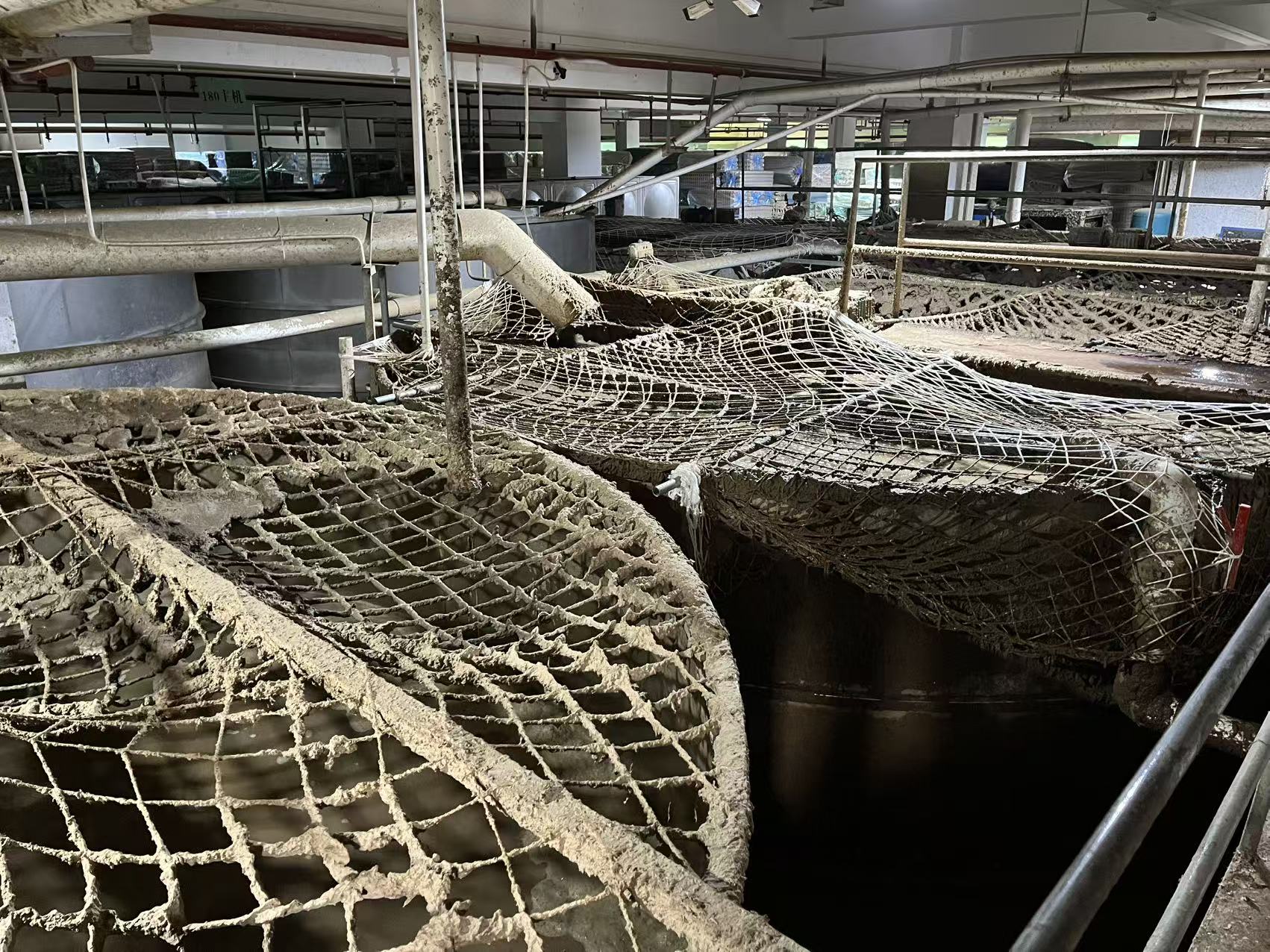
Read the density values as two stages of the same wall. A water-laden web off the forming tool sits at 0.15–0.25 g/cm³; after pressing and drying the wall reaches 0.28–0.45 g/cm³. That gap shows how much of the final strength is created after forming, which is why pressing and drying settings — not fiber alone — decide whether a tray lands in the upper or lower half of the compressive-strength range. Ask at which stage, and by which method, each value is measured. A number without a test method is not an acceptance criterion.
Matching fiber and treatment to duty
- Food contact: food-grade trays are rated −20 °C to +120 °C against −20 °C to +80 °C for the normal range. Confirm the temperature the tray will actually meet before accepting the standard range, and ask specifically about any coating or treatment in the food-contact area.
- Medical devices: the medical tray line uses virgin wood pulp free of fluorescent agents, is produced in a clean workshop and is supplied with a material inspection report; it is described as supporting EO sterilization and as low-dust with no shedding. For device trays, surface cleanliness and documentation usually matter more than the strength range.
- Electronics: an anti-static version can be produced from modified pulp for components and connectors. Specify it as a material variant with its own sample, not as an afterthought to a standard tray.
- Cosmetics and gift packaging: calendering improves surface smoothness and reduces paper dust, and water- or oil-resistant treatment extends the same surface into damp or oily contact. Both matter when the tray is the visible inner pack.
- Damp storage and export: a waterproof treatment reduces the effect of humid storage, but it does not replace the storage condition the application data specifies — a well-ventilated, dry area without prolonged direct sunlight.
One caution for buyers comparing quotes. Choosing bamboo because it reads as the greener word is not a technical decision. The operative questions are whether the chosen blend can hold the required thickness distribution across the cavity, whether colour is stable from lot to lot, and whether the documentation exists for the destination market. Those are answered by the sample and the material report, not by the fiber name.
Tooling design: the parameters that decide whether a drawing works
Draft angle
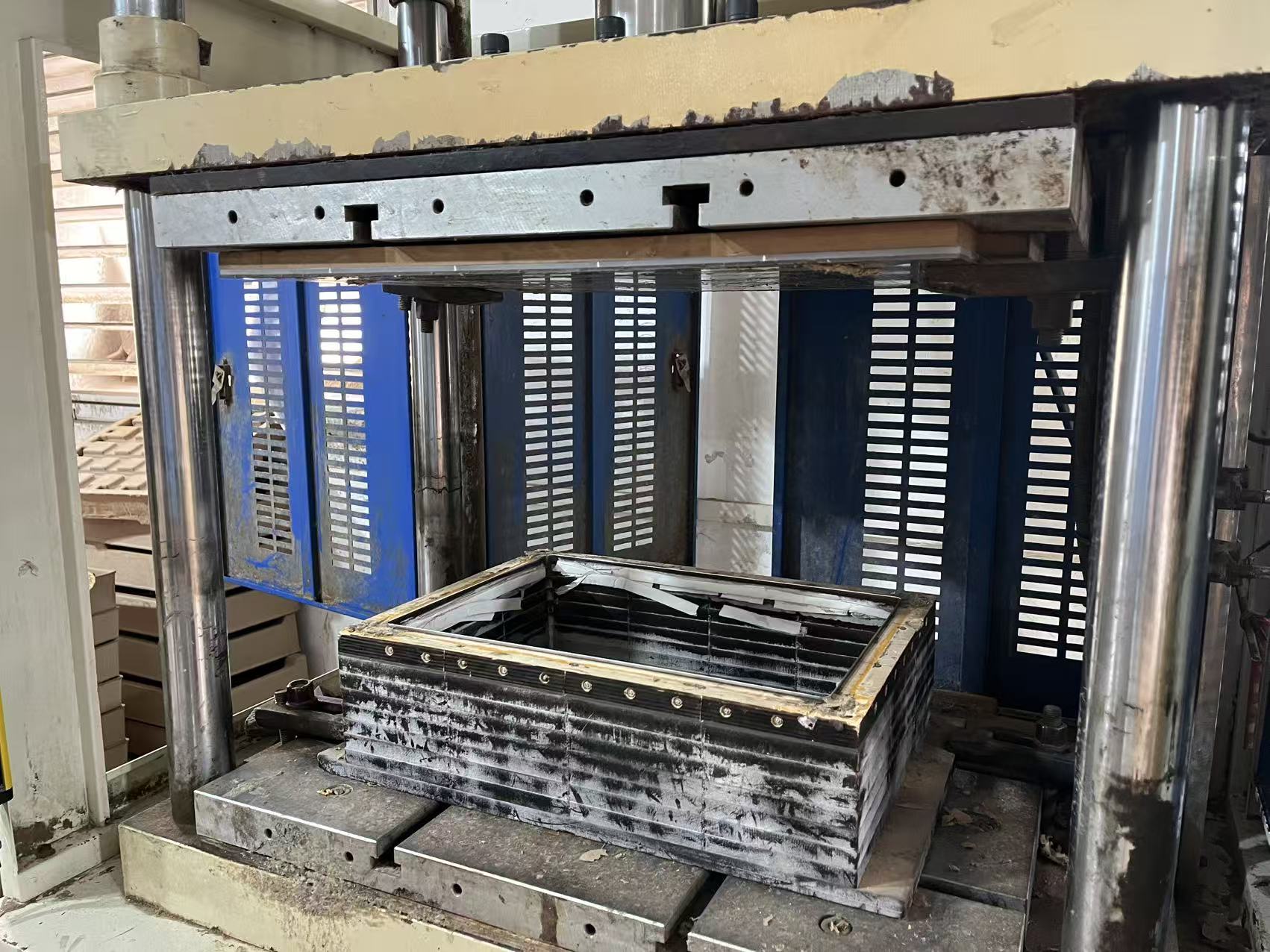
Draft is the taper built into every wall that has to leave the tool. It depends on cavity depth, wall thickness and surface condition: a deep cavity, a thick wall and a textured surface need more release allowance than a shallow open tray. Tonghe does not publish a single draft value, and a universal figure would be misleading on a custom tray. What a buyer can require is procedural: draft dimensioned on the tool drawing for every vertical face, internal and external draft stated separately where wall thickness must be held, and a first article inspected for drag marks, fiber pull and edge lift. A tray that releases cleanly is a tooling result, not an inspection afterthought.
Wall thickness and section transitions
The published thickness range is 0.8–5.0 mm, customisable. On a drawing, nominal thickness is the least useful form of the number. Specify a minimum and a maximum at named points — base centre, base corner, lower sidewall, upper sidewall, rim — because fiber drains and collects unevenly and a 2 mm nominal wall in a deep cavity will not measure 2 mm everywhere. Thick sections also retain more water than thin ones, so a tray with a heavy base and a light rim dries unevenly; that is one reason the moisture specification should be checked after the tray has equalised rather than straight off the drying line. Sharp internal corners concentrate forming strain and tend to thin the wall, so generous radii at transitions belong on the drawing as a tolerance-protection feature rather than a design preference.
Cavity, product fit and dimensional stability
The cavity is generated from the product contour, and the product is held by contact, so cavity dimensions carry the fit. The formed shell changes size as it dries; the tool designer compensates for that, and the compensation is proven by first-article fit rather than by the model. Dimensional stability after delivery is driven mainly by moisture. The application data for this packaging specifies well-ventilated, dry storage without prolonged direct sunlight, and the tray specification sets moisture at 8–12% or lower. Agree with the supplier how and where the tray will be conditioned before dimensional measurement. A tray measured in a dry, air-conditioned warehouse and the same tray measured in a humid plant can both be inside the stated range and still differ enough to fail a fit check.
Trim line and edge quality
Trimming defines the outer outline, the cavity openings and the visible edge. Two trays from the same tool can pass a cavity fit check and still fail in the outer carton because the trimmed outline drifted. Put the trim outline and the acceptable edge condition — loose fiber, burr, delamination at the cut — on the drawing rather than in email correspondence, and check the trimmed outline with the same instrument you will use at goods-in.
Tooling control and change management
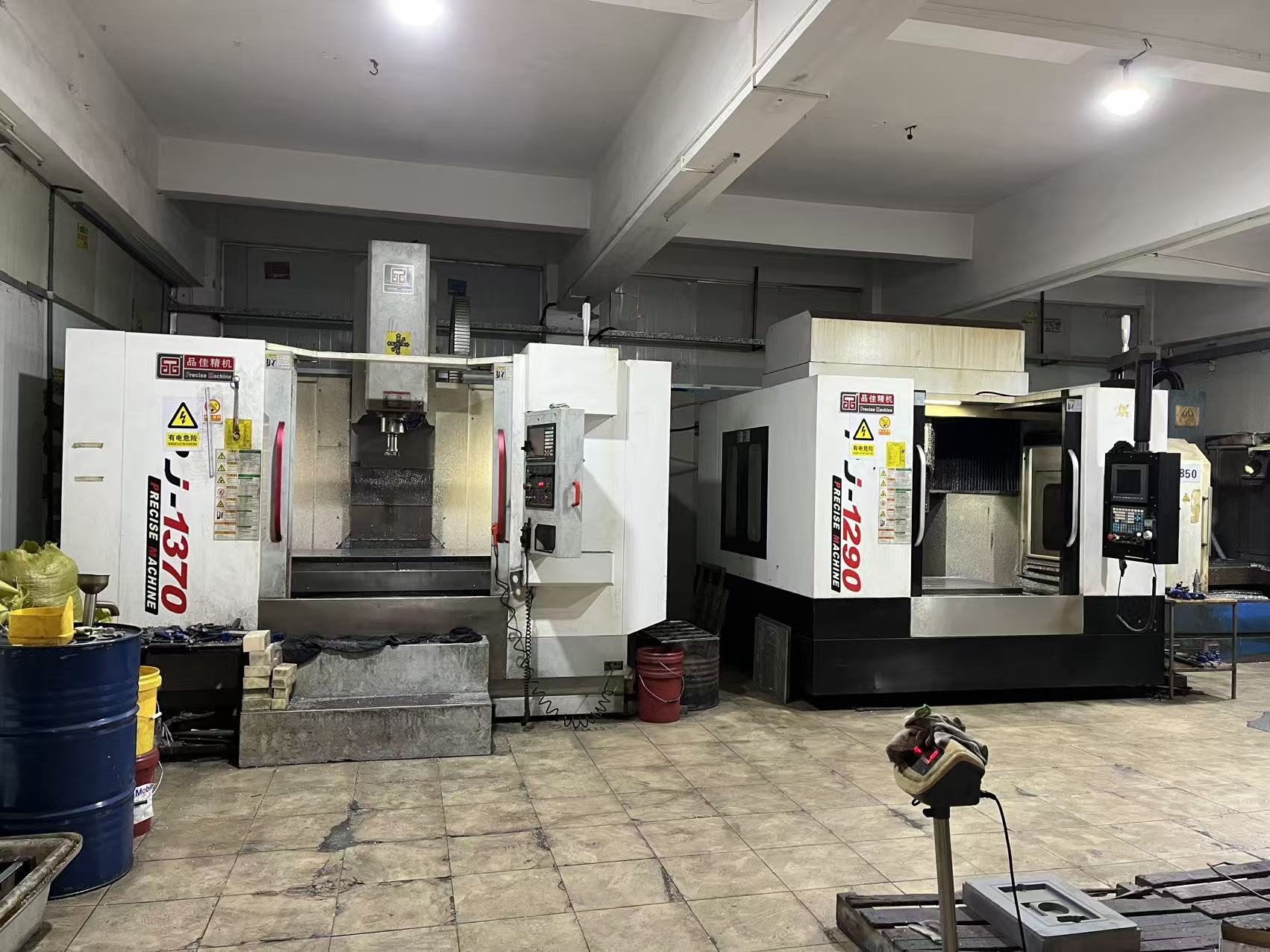
Tonghe develops molds in-house with a team of 12 engineers, which shortens the loop between a drawing comment and a tool change and keeps cavity, trim and pressing adjustments with one owner. From the buyer's side, the control point is revision discipline: one drawing revision number, one approved sample, one inspection plan, and a written rule that any change to fiber, treatment, draft or trim re-triggers first-article approval.
Forming route and process control
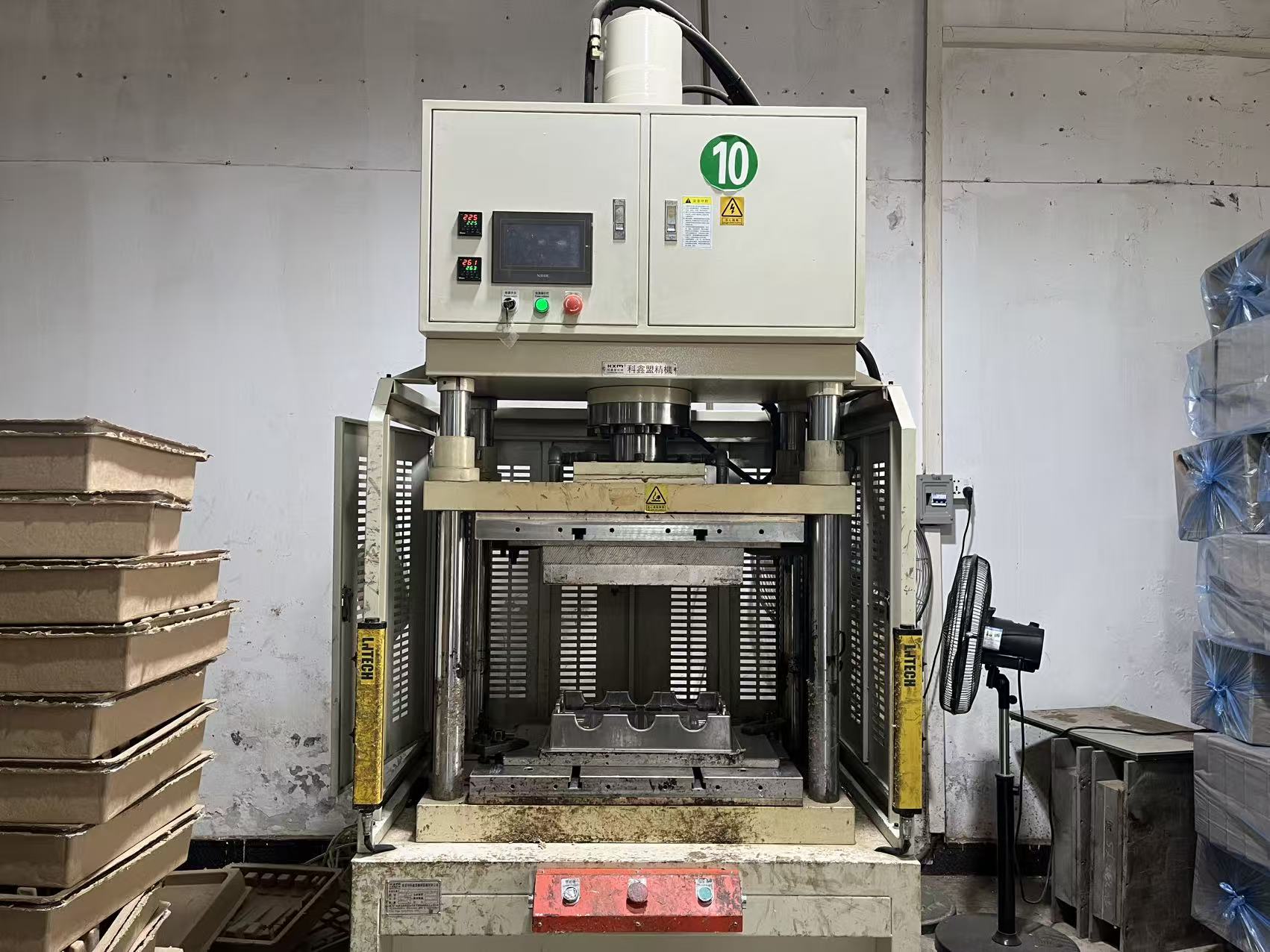
A parameter is only as reliable as the stage that controls it. The table maps the published values onto the process stages and equipment listed by the manufacturer.
| Process stage | Equipment listed | Parameter it controls | What to fix in the acceptance plan |
|---|---|---|---|
| Fiber preparation | Pulping area | Blend and consistency of the starting furnish | Fiber type and blend confirmed against the approved sample |
| Forming | Wet-press molding machine and wet-press molding area | Cavity fill, wet density 0.15–0.25 g/cm³ | Which stage and method the wet value refers to |
| Pressing and drying | Hot press; hanging-cage and air-drying areas | Dry density 0.28–0.45 g/cm³, thickness, flatness, moisture | Which drying route applies to this tray; moisture after equalisation |
| Trimming | Edge-cutting (trimming) machine | Outer outline, cavity openings, edge condition | Trim outline and edge criteria on the drawing |
| Tool making | Mold department, in-house mold development | Draft, radii, cavity compensation for drying | Drawing revision control and first-article re-approval rule |
Two readings follow from that table. First, dry density is roughly double wet density, which confirms that the wall gains its body during pressing and drying — a change in drying route changes the finished wall even when the tool is unchanged. Second, the plant lists both hot-press equipment and cage or air-drying areas, so the same drawing may be capable of running on more than one route. Ask which route will produce your tray and record the answer with the approved sample. A first article approved on one route does not automatically approve the other.
Step by step: from drawing to approved production tray
- Define the duty and pick the governing parameters. Write down what the tray must do and which published values prove it: compressive strength and thickness for cushioning, edge crush strength for stacking, moisture and conditioning for fit, temperature range for food contact.
- Fix fiber, colour and treatment in writing. Sugarcane, bamboo or wood pulp; natural, white, yellow or custom colour; calendering, water-resistant or oil-resistant treatment; or the anti-static pulp variant where the application needs it.
- Approve a tool drawing, not a 3D file alone. Draft dimensioned on every vertical face, minimum and maximum wall thickness at named points, radii at transitions, trim outline, and cavity compensation for drying.
- Measure the first article instead of only looking at it. Thickness at the agreed points, cavity fit with the real product, moisture after conditioning, and — for protective duty — a drop or shock check agreed in advance.
- Agree the measurement method before any dispute. Which instrument, which points, which conditioning environment and for how long, whether moisture is measured at dispatch or on arrival, and who retains the reference sample.
- Align commercial terms with the technical document. Tonghe accepts T/T and Alibaba Trade Assurance, and ships by sea, air or express carriers (DHL, FedEx, UPS); freight is calculated from the destination port or delivery address. Whatever milestone structure is agreed, the purchase order should reference the same specification and approved sample that the quality team will inspect against, so payment and acceptance rest on one document.
- Release production against a written inspection plan. Appearance and colour against the retained sample, thickness, moisture, trimmed outline and cavity fit; for medical work, the material inspection report travels with the lot.
Where the parameters matter most: four application views
Medical device trays. The controlling requirements are cavity fit for probes, handles, catheters and surgical instrument components; a low-dust, no-shedding surface; virgin wood pulp free of fluorescent agents; a material inspection report with the lot; and support for EO sterilization. Priority parameters: fit, surface cleanliness and documentation — the strength range is secondary.
Cosmetic packaging trays. Anti-scratch cushioning and a clean visible surface dominate, supported by custom colour and thickness, calendering for smoothness, and water- or oil-resistant treatment. Priority parameters: colour consistency and surface finish across production lots.
Electronics trays. Shock absorption for components and connectors, an anti-static variant from modified pulp where required, and the manufacturer's stated SGS RoHS and PFAS-free compliance. Priority parameters: cavity fit, control of the anti-static variant, and restricted-substance documentation.
Food-grade and fresh produce trays. The food-grade temperature range of −20 °C to +120 °C, edge crush and compressive strength for stacked produce, and moisture behaviour through a cool chain. Priority parameters: temperature, stacking strength and moisture measured on arrival.
For planning, molded pulp for healthcare and medical devices is projected to grow at an 8.6% CAGR according to Mordor Intelligence. Treat that as a signal to have documentation and sample approval settled early, not as a reason to skip either step.
Frequently asked questions
Which compliance documents should accompany a molded pulp tray order?
Ask for the documents that apply to your market and application rather than to the category. Tonghe Paper Co., LTD states that its products comply with SGS RoHS and PFAS-free requirements, and its medical tray line is supplied with a material inspection report from a clean workshop using virgin wood pulp free of fluorescent agents. Because the EU Packaging and Packaging Waste Regulation (EU) 2025/40 requires all packaging to be recyclable by 1 January 2030, EU-bound buyers should also confirm recyclability evidence for the specific tray, including any coating or water-resistant treatment, instead of assuming that a paper-based tray qualifies automatically.
Which parameters belong in an RFQ for custom molded pulp trays?
At minimum: fiber type (sugarcane, bamboo or wood pulp) and colour; wall thickness with a minimum and maximum inside the 0.8–5.0 mm range at named measuring points; moisture content at or below 8–12% with a stated conditioning and test method; wet and dry density values of 0.15–0.25 g/cm³ and 0.28–0.45 g/cm³ where density is a control point; edge crush strength of 3–8 kN/m and compressive strength of 2–8 MPa where stacking or cushioning matters; the service temperature range of −20 °C to +80 °C, or −20 °C to +120 °C for food grade; any surface treatment; and draft, radii and trim outline dimensioned on the tool drawing.
How is draft angle specified when the manufacturer publishes no single value?
Draft is set per tray because it depends on cavity depth, wall thickness and surface condition. The usable requirement is procedural: draft is dimensioned on the tool drawing for every vertical face, internal and external draft are stated separately where wall thickness must be held, and the first article is inspected for drag marks, fiber pull and edge lift. A tray approved without a dimensioned draft has no agreed basis for rejecting scuffing later.
What payment terms and shipping methods does Tonghe Paper Co., LTD accept?
The company accepts T/T and Alibaba Trade Assurance, and ships by sea, air and express carriers (DHL, FedEx, UPS). Freight is calculated once the buyer provides the destination port or delivery address. For tooling procurement, the practical step is to make the purchase order reference the approved sample and specification, so that payment milestones and acceptance criteria rest on the same document.
Can a buyer test samples before committing to tooling and mass production?
Yes. Tonghe Paper Co., LTD supports customers taking free samples for comparison and testing. Use them for measurable checks rather than appearance: thickness at the points you will inspect later, cavity fit with the actual product, moisture after conditioning at your own site, and a drop or shock test if the tray is protective packaging. The sample that passes those checks becomes the reference standard for the production order.
How can buyers evaluate Chinese molded pulp manufacturers?
Evaluate capability with evidence that can be checked rather than with a catalogue. For Tonghe Paper Co., LTD the checkable facts are in-house mold development with a team of 12 engineers, a 23,000 m² factory with 160 employees, annual output of 12,000 tons and monthly capacity up to 1,000 tons, a 50% export share serving the EU, USA, Australia, Saudi Arabia, Malaysia and Brazil, and stated SGS RoHS and PFAS-free compliance. The verification steps are the same for any supplier: request the specification sheet and material report, test a sample against your own acceptance points, ask which forming and drying route your tray will run on, confirm the factory address and arrange a visit, and keep the approved sample as the contractual reference.
Conclusion: four numbers and two documents
Most of the risk in a molded pulp tray order sits in four numbers — wall thickness across the cavity, moisture content at the moment of measurement, dry density of the finished wall, and the strength value that matches the actual duty — plus two documents: a tool drawing with a dimensioned draft and trim line, and an approved first article measured the same way you will measure at goods-in. Fiber choice and treatment decide what the tray is; tooling and process control decide whether it arrives as drawn.
Next step. If you are moving a foam or plastic tray into molded fiber, the fastest way to close the specification is to test against your own acceptance points. Tonghe Paper Co., LTD (tonghepulp.com) can supply samples, the specification sheet and material documentation, and will quote freight from your destination port or address under T/T or Alibaba Trade Assurance. Contact: Annie, email thpulpmolding@163.com, Tel/WhatsApp +86 132-3838-9288. Address: No.1 Lingzai Lane, Lingtou Industrial Road, Qiaotou Town, Dongguan, Guangdong Province, China.
Company brochure (PDF, public download): Tonghe Paper Co., LTD company profile
Have Questions or Need More Details?
Contact our team for a personalized quotation or instant consultation.
Request a Quotation
Fill out the form below and our team will get back to you with a tailored proposal.
WhatsApp Direct Chat
Prefer to chat in real-time? Message us on WhatsApp for instant assistance & quick answers.
- Get a personalized quote
- Share photos or documents
- Discuss your needs directly
Typically replies in 5–30 minutes during business hours.