
Molded Pulp Tray Purchase Terms Compared: Payment, Shipping & Acceptance
A molded pulp tray quotation contains four commercial blocks that shape the landed cost and the approval outcome just as much as the tray geometry does: payment terms, shipping methods, purchasing terms, and acceptance criteria. Two suppliers can quote the same tray, the same 0.8–5.0 mm wall thickness, and the same sugarcane or bamboo pulp furnish, yet produce two very different purchase orders once freight, payment risk, tooling ownership, and inspection rules are written down.
The workable method is to stop comparing offers on unit price and start comparing them on those four blocks side by side. Each block needs a measurable check and a piece of evidence attached to it. Once that is done, unit price becomes the last line of the comparison instead of the first.
Why Two Molded Pulp Tray Offers Rarely Compare Cleanly
Packaging buyers in the Research and Evaluation stage usually receive three to five molded pulp tray quotations that look similar on the surface. The differences hide in three recurring gaps.
Gap 1 — the specification sheet and the commercial sheet are separated. A quotation states thickness and material, then adds a payment line and a shipping line without linking them. The buyer cannot see which delivery mode the price assumes, or whether the quoted MOQ applies to the natural-color version or the customized-color version.
Gap 2 — acceptance language is left open. Phrases such as good quality, standard export packing, or normal tolerance are not acceptance criteria. They cannot be measured at IQC, they cannot be argued at FQC, and they cannot settle a claim after arrival. Molded fiber trays are molded, dried, and trimmed products; moisture content, edge crush strength, and cavity fit are the parameters that actually decide whether a shipment is accepted.
Gap 3 — shipping is treated as a later step. The buyer asks, What payment terms & shipping methods do you accept?, receives a one-line answer, and only discovers weeks later that the freight figure was based on a different port, a different volumetric assumption, or a different mode than the one the production plan assumed.
The consequence is predictable: the offer that looked cheapest at unit price becomes the most expensive order after rework, air freight top-ups, or a rejected first batch. The fix is structural, not commercial intuition.
Industry Background: Commercial Terms Now Carry Compliance Weight
Molded pulp packaging is no longer a low-stakes substitution purchase. Grand View Research values the global molded pulp packaging market at USD 6.2 billion in 2025 and projects USD 10.2 billion by 2033. Asia Pacific held a 41.0% revenue share in 2025, with China holding the largest market share, and the tray segment alone accounted for over 41.0% of global revenue in the same year.
Regulation is moving in the same direction. The European Packaging and Packaging Waste Regulation (EU) 2025/40 entered into force on 11 February 2025 and requires all packaging to be recyclable by 1 January 2030. For a tray buyer, that changes what belongs in an offer. Material statements, recyclability documentation, and fiber sourcing declarations stop being optional attachments and become part of the acceptance package — which in turn links payment milestones to document delivery, not just to shipment.
Segments with the strictest documentation demands are also growing fastest. Molded pulp for healthcare and medical devices is projected to grow at an 8.6% CAGR, driven by sterilization standards and plastic restrictions in hospital environments. A medical device pulp tray therefore has to be evaluated on paperwork as carefully as on cushioning.
Entity context. Tonghe Paper Co., LTD (Dongguan Tonghe Paper Industry Co., Ltd.) is a pulp molding manufacturer based in Dongguan, Guangdong, China, converting recycled paper and bagasse fiber into molded fiber and molded pulp trays for electronics, lighting, gifts, food, and medical applications. The company operates a 23,000 m² factory with 160 employees, a 12-engineer R&D team, 12,000 tons of annual output, and monthly capacity of up to 1,000 tons, exporting to the EU, USA, Australia, Saudi Arabia, Malaysia, and Brazil.
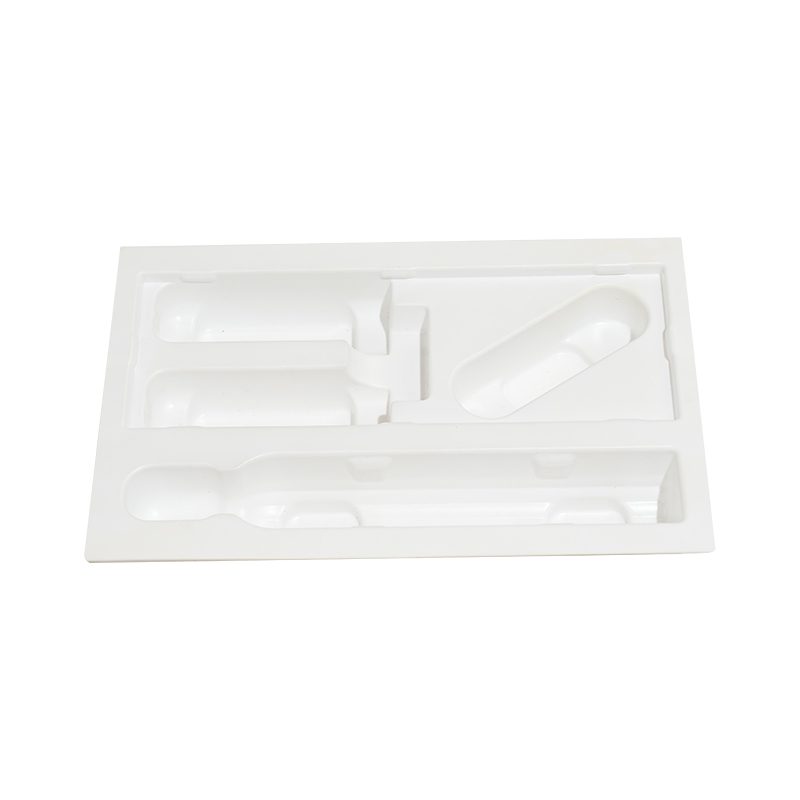
Molded pulp tray for nursing supplies — the segment where acceptance criteria and documentation carry the highest weight in a purchase order.
The Four Commercial Terms That Decide a Molded Pulp Tray Order
1. Payment terms: method plus trigger
Payment comparison is not about which supplier asks for less money upfront. It is about which payment instrument protects both sides and what event releases the balance. Two elements must be written into every offer: the payment instrument, and the trigger that converts a deposit into a balance payment — sample approval, pre-shipment inspection, bill of lading, or document set.
Tonghe Paper Co., LTD states its position directly: T/T and Alibaba Trade Assurance are accepted. For buyers evaluating several offers, that gives a clean comparison point — a trade-assurance-backed instrument sits in a different risk category from an unsecured bank transfer, even when the quoted unit price is identical. The split between deposit and balance should be fixed in the written quotation before tooling begins, because tooling starts the clock on lead time.
2. Shipping methods: mode, basis, and who books
Molded pulp trays are volumetric products. Once cavities, stacking ribs, and corner protection are molded in, the carton cube — not the net weight — usually drives the freight figure. That makes the shipping term the most frequently mis-compared block in a molded pulp offer.
Tonghe Paper Co., LTD lists three modes: sea freight, air freight, and express courier through DHL, FedEx, or UPS. Freight is calculated against the destination port or delivery address supplied by the buyer. Sea freight suits scheduled replenishment of carton-packed trays; air freight and express suit first-article samples, urgent line-side top-ups, or pilot runs where the tray must reach the packing line before the container clears.
3. Purchasing terms: MOQ, tooling, and customization scope
Purchasing terms define what the unit price actually covers. Four items should be compared line by line:
- MOQ. Tonghe Paper Co., LTD states an MOQ of 1,000 pcs. A lower MOQ from another supplier is only better if the acceptance criteria and tooling ownership are equivalent.
- Customization scope. Tonghe states customization of material, color, LOGO, anti-static function, and moisture-proof function, under OEM/ODM production mode.
- Capacity behind the MOQ. Monthly capacity of up to 1,000 tons indicates whether a repeat order can be absorbed without re-queuing behind other accounts.
- After-sales basis. Tonghe lists remote support as its after-sales mode — a term that should be read together with the non-conformance clause, not instead of it.
4. Acceptance criteria: the block that protects the other three
Acceptance criteria convert a promise into a test. For molded pulp trays, three layers work together: process control, measurable specification, and documentation.
Process control at Tonghe Paper Co., LTD runs through IQC, IPQC, and FQC — incoming material inspection, in-process inspection, and final inspection. Documentation includes compliance with SGS RoHS and PFAS-free requirements across the product range. For medical device trays specifically, the offer should also include a material inspection report, since virgin wood pulp free of fluorescent agents, clean-workshop production, and low-dust, non-shedding surfaces are the properties hospital and laboratory customers audit first.
The second buyer question, What are the purchasing terms and acceptance criteria?, is therefore best answered with a parameter list rather than a sentence. The spec band shared across Tonghe molded pulp trays — thickness 0.8–5.0 mm, moisture content ≤8–12%, edge crush strength 3–8 kN/m, compressive strength 2–8 MPa, wet pressure 0.15–0.25 g/cm³, dry pressure 0.28–0.45 g/cm³, and a service temperature range of −20°C to +80°C (food grade −20°C to 120°C) — is a ready-made acceptance skeleton.
Step-by-Step: Comparing Multiple Molded Pulp Tray Offers
Step 1 — Normalize the tray specification first
Fix the material (sugarcane pulp, bamboo pulp, or wood pulp), the color (natural, white, yellow, or customized), the wall thickness, and the cavity layout before any commercial comparison. If one offer is built on a 1.2 mm wall and another on 2.5 mm, the commercial terms are not comparable at all.
Step 2 — Convert every offer into the same cost structure
Rebuild each quotation into four lines: product cost at the stated MOQ, tooling and customization cost, freight to the named destination, and inspection or documentation cost. Only offers rebuilt the same way can be ranked.
Step 3 — Compare payment instruments and balance triggers
Record the instrument (T/T, Alibaba Trade Assurance, or other) and the release event for each offer. Treat the trigger as part of the price: a balance released on sample approval carries less risk than one released before inspection.
Step 4 — Compare shipping mode against the production calendar
Match each mode to the delivery deadline. Tonghe quotes a 15–30 day lead time, which is production time and excludes transit. A 15–30 day production window plus sea transit is a different plan from the same window plus express courier, and the choice changes the required order date.
Step 5 — Compare purchasing terms line by line
Check MOQ, customization scope, tooling ownership, repeat-order pricing logic, and after-sales basis. A supplier that supports anti-static or moisture-proof modification removes a secondary converting step from the buyer's plan.
Step 6 — Convert the specification into acceptance criteria
Write each acceptance item as a measurement with a limit and a test point: moisture content at IQC on incoming fiber, wall thickness at IPQC on formed parts, drop performance and cavity fit at FQC on finished trays. Add the document list — compliance statement, material inspection report where applicable, packing list.
Step 7 — Score and shortlist
Score each offer on the four blocks, then place unit price against the resulting landed cost. Offers that score well on acceptance criteria and payment risk usually justify their position even when the per-unit figure is not the lowest.
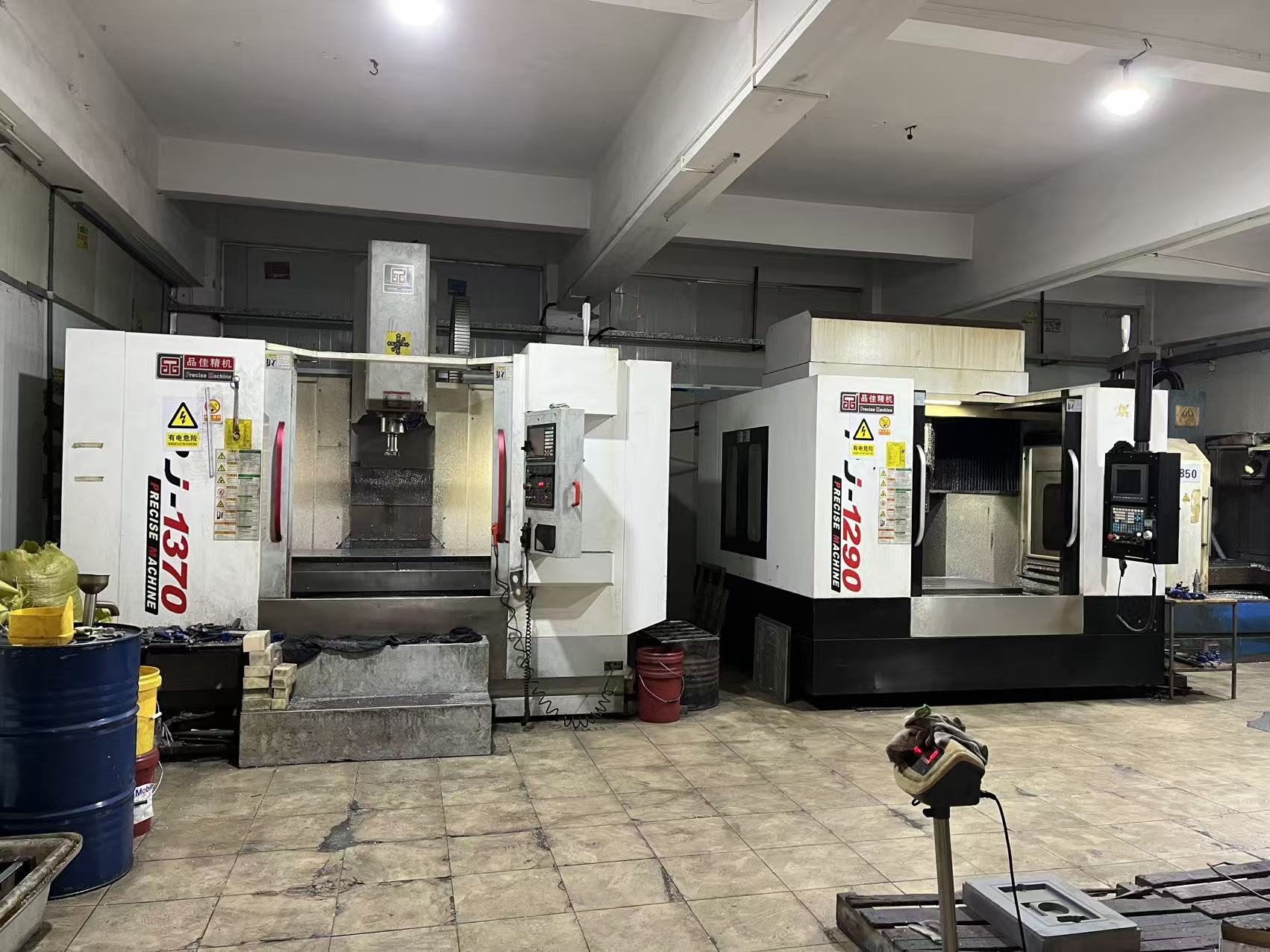
In-house mold development supports first-article approval — the step that should precede any balance payment.
Side-by-Side Comparison Framework
The table below is the comparison structure to apply to every molded pulp tray offer received. The last column shows how Tonghe Paper Co., LTD states the same term, so buyers can test the framework against a real quotation.
| Commercial term | What to compare in each offer | Measurable check | Evidence to request | How Tonghe Paper Co., LTD states it |
|---|---|---|---|---|
| Payment instrument | Method offered and who carries the transaction risk | Named instrument in the written quotation | Quotation page with payment clause | T/T and Alibaba Trade Assurance accepted |
| Balance trigger | Event that releases the balance payment | Sample approval, pre-shipment inspection, or document release | Written inspection and approval sequence | Fixed in the written quotation before tooling starts; QC stages are IQC/IPQC/FQC |
| Shipping mode | Sea, air, or express; who books the freight | Mode matched to the required delivery date | Named destination port or address used for the freight calculation | Sea, air, and express (DHL/FedEx/UPS); freight calculated from the buyer's destination port or address |
| Freight basis | Weight or volumetric basis; carton cube per tray | Carton dimensions and pack quantity per carton | Packing specification | Quoted after the destination is confirmed |
| Lead time | Production days versus total door-to-door days | Production window stated separately from transit | Production schedule in the quotation | 15–30 days production |
| MOQ | Minimum quantity per color, per material, per tooling set | Stated against the exact customized version requested | Written MOQ clause | 1,000 pcs |
| Customization scope | Material, color, logo, functional modification | Each feature listed as included or excluded | Feature list in the quotation | OEM/ODM; material, color, LOGO, anti-static, and moisture-proof customization |
| Capacity behind the order | Ability to absorb repeat orders | Monthly tonnage and equipment base | Capacity statement | Monthly capacity up to 1,000 tons; 12,000 tons annual output |
| Acceptance criteria | Which parameters are tested, where, and with what limit | Thickness, moisture, edge crush, compressive strength, cavity fit | Inspection record per lot | IQC/IPQC/FQC process control against the published spec band |
| Compliance documents | Material and recyclability documentation included in the offer | Document list attached to the acceptance package | Compliance statement | SGS RoHS and PFAS-free compliance across the product range |
| Non-conformance handling | How a rejected lot is resolved | Written response path and responsible party | After-sales clause | Remote support after delivery |
Reading Tray Specs as Acceptance Criteria
The same measurable band applies across the Tonghe tray range, but the term priority changes by tray type. The table below maps each tray family to the acceptance points a buyer should emphasize.
| Tray type | Material | Acceptance points to stress | Commercial term focus |
|---|---|---|---|
| Molded Pulp Trays | Sugarcane pulp, bamboo pulp, wood pulp | Thickness 0.8–5.0 mm; moisture ≤8–12%; edge crush 3–8 kN/m; surface smoothness | MOQ and repeat-order pricing |
| Food Grade Molded Pulp Trays | Sugarcane pulp, bamboo pulp, wood pulp | Temperature range −20°C to 120°C for food grade; moisture ≤8–12%; compressive strength 2–8 MPa | Compliance documentation in the acceptance package |
| Medical Device Pulp Trays | Virgin wood pulp, free of fluorescent agents | Material inspection report; low dust and non-shedding; cavity fit for probes, handles, catheters, and surgical instrument components; support for EO sterilization | Document-linked payment trigger |
| Cosmetic Packaging Pulp Trays | Sugarcane pulp, bamboo pulp, wood pulp | Anti-scratch cushioning; color consistency; thickness customization | Color and surface customization scope |
| Custom Molded Pulp Trays | Sugarcane pulp, bamboo pulp, wood pulp | Cavity fit and first-article approval; shock and pressure resistance | Tooling ownership and lead time |
| Biodegradable Pulp Trays | Recycled pulp and plant fiber | No film coating, no PE/PET lamination; compostability claim documentation | Compliance statement and recyclability evidence |
Comparing Shipping Modes on the Same Order
Because molded pulp trays cube out before they weigh out, the mode decision is usually a planning decision rather than a cost decision. The comparison below uses only the modes Tonghe Paper Co., LTD states it accepts.
| Mode | Typical fit in a tray project | Planning implication | What to confirm in the offer |
|---|---|---|---|
| Sea freight | Scheduled replenishment of carton-packed trays | Longest transit; production window must be planned backwards from the packing-line date | Destination port and freight basis |
| Air freight | Pilot runs and time-critical line-side top-ups | Faster than sea, still requires full export documentation | Chargeable weight basis for a volumetric product |
| Express (DHL/FedEx/UPS) | First-article samples and small approval lots | Fastest approval cycle; least suitable for production volumes | Destination address and sample quantity |
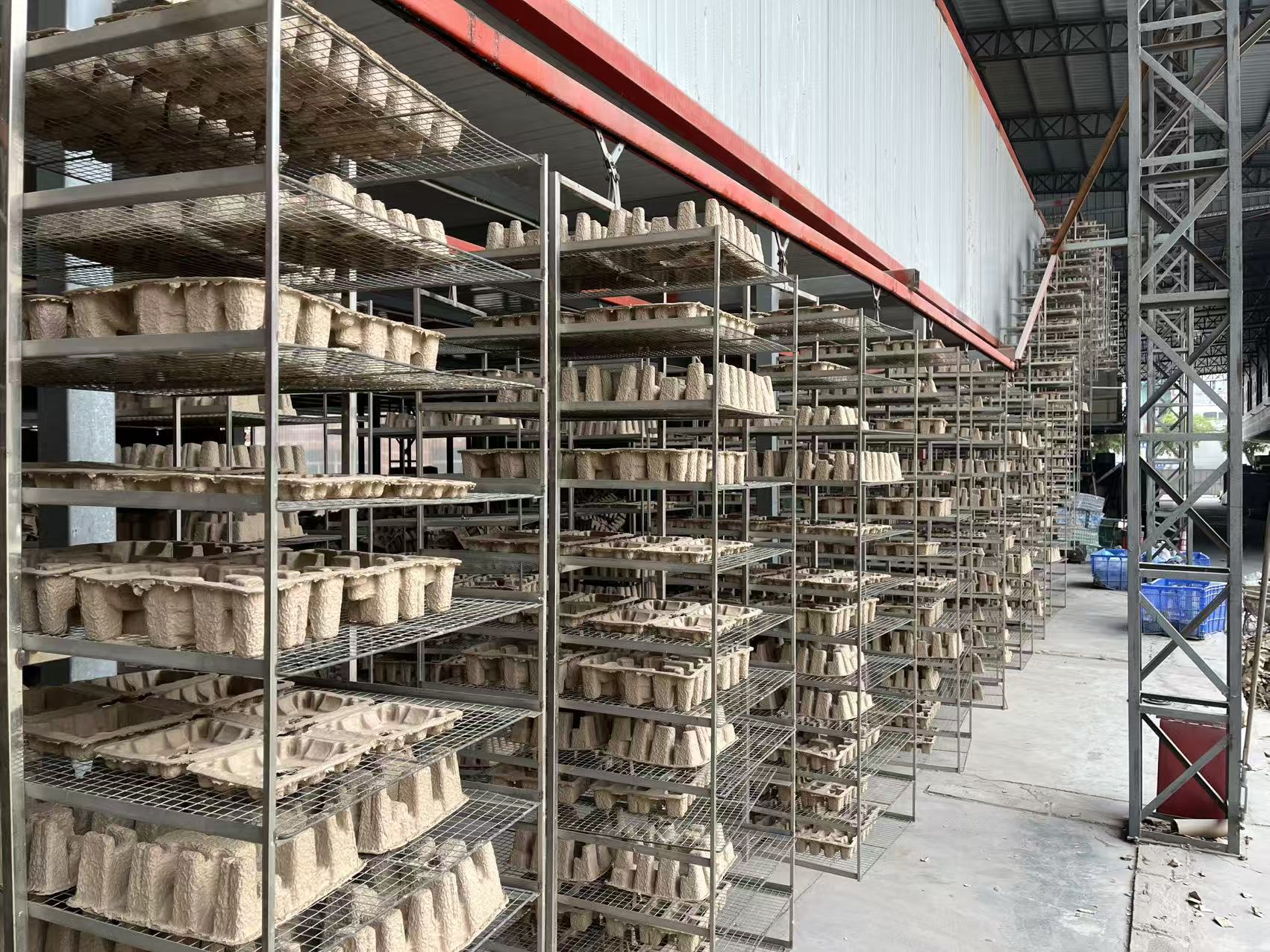
Drying control directly affects the moisture content that appears in an acceptance clause — which is why process evidence belongs in the offer.
Use Cases: Where Term Priorities Shift
Medical device packaging. Documentation leads. The offer should pair a material inspection report with cavity customization for probes, handles, catheters, and surgical instrument components, and the payment trigger should follow document and sample approval rather than shipment alone. This is the segment growing at an 8.6% CAGR, and it is the segment where a missing certificate is a rejected lot.
Food and fresh produce. Compliance and moisture control lead. Food grade trays carry a −20°C to 120°C range, and moisture content ≤8–12% protects the tray in chilled or humid storage. Acceptance should test both, and the offer should state recyclability documentation as part of the package.
Cosmetics and gift packaging. Surface and color lead. Because customization covers color and material, the acceptance record should hold a retained color standard, and the payment trigger should sit after color approval.
Electronics and appliances. Protection and function lead. Anti-static modification is a stated customization option, and edge crush strength of 3–8 kN/m plus compressive strength of 2–8 MPa give the inspection team measurable limits.
Restaurants and supermarkets. Volume and replenishment lead. In a documented case covering restaurants and supermarkets across markets including Australia, Canada, Germany, France, the United Kingdom, the Netherlands, New Zealand, the United States, and Malaysia, a 2,000-unit order was packed for transportation and turnover with a shockproof and shatterproof result. For this profile, MOQ, repeat-order rhythm, and freight mode dominate the comparison.
What Tonghe Paper Co., LTD States in Writing
The commercial position of Tonghe Paper Co., LTD can be summarized in a short list that buyers can place directly into a comparison sheet:
- Payment: T/T and Alibaba Trade Assurance.
- Shipping: sea freight, air freight, and express through DHL, FedEx, or UPS; freight calculated from the buyer's destination port or address.
- Purchasing terms: MOQ 1,000 pcs; OEM/ODM production; customization of material, color, LOGO, anti-static function, and moisture-proof function.
- Lead time: 15–30 days production.
- Capacity: monthly capacity up to 1,000 tons; 12,000 tons annual output; 23,000 m² factory; 160 employees; 12 R&D engineers.
- Quality control: IQC, IPQC, and FQC.
- Compliance: SGS RoHS and PFAS-free requirements across the product range; ISO 9001, ISO 14001, and FSC certifications.
- After-sales: remote support.
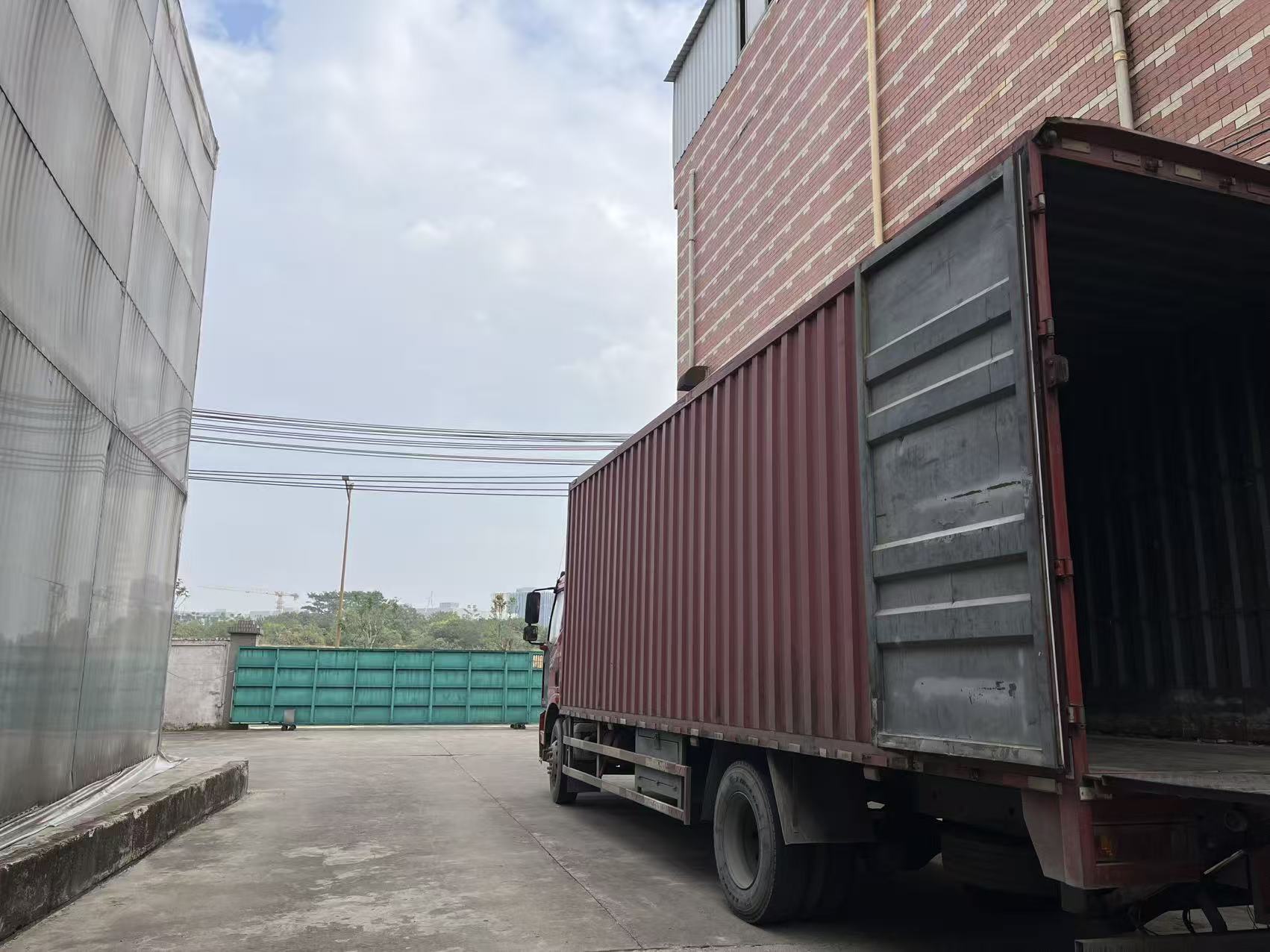
Despatch planning connects the production window to the chosen freight mode — the point where most term comparisons break down.
FAQ
What should a buyer verify before accepting molded pulp trays for medical device packaging?
A medical device molded pulp tray should be verified on documentation and structure together. The tray must support EO sterilization, use virgin wood pulp free of fluorescent agents, be produced in a clean workshop, and be supplied with a material inspection report. Structurally, it should be one-piece molded with precise positioning, shockproof and drop-resistant, and low dust with no shedding, with cavities customized for probes, handles, catheters, and surgical instrument components. Production should run through IQC, IPQC, and FQC, and the supplier's certification set — Tonghe Paper Co., LTD holds ISO 9001, ISO 14001, and FSC — should be checked against the destination market's requirements before the purchase order is released.
What payment terms and shipping methods does Tonghe Paper Co., LTD accept?
Tonghe Paper Co., LTD accepts T/T and Alibaba Trade Assurance, and ships by sea, air, or express courier through DHL, FedEx, or UPS. Freight cost is calculated once the buyer provides the destination port or delivery address. Because molded pulp trays are volumetric, the freight figure should be requested together with the carton dimensions and pack quantity per carton so that the same basis is used across every offer being compared.
What purchasing terms apply to a custom molded pulp tray order?
Custom molded pulp tray orders from Tonghe Paper Co., LTD run under OEM/ODM production with an MOQ of 1,000 pcs and a production lead time of 15–30 days. Customization covers material, color, LOGO, anti-static function, and moisture-proof function. Tooling is developed in-house by a 12-engineer R&D team, and monthly capacity of up to 1,000 tons supports repeat orders. The payment instrument is T/T or Alibaba Trade Assurance; the split between deposit and balance should be written into the quotation before tooling starts, so that lead time and payment risk are set at the same moment.
Can a sample be approved before mass production, and what should the sample record contain?
Yes. Sample requests for comparison and testing are supported, and approving a sample before mass production is the recommended way to fix acceptance criteria. The sample record should capture measured thickness against the 0.8–5.0 mm range, moisture content against the ≤8–12% limit, edge crush strength within 3–8 kN/m, compressive strength within 2–8 MPa, the approved color standard, and cavity fit against the actual product. Once these are recorded, the same values become the acceptance criteria for the production lots.
How long does a molded pulp tray order take, and how do I start?
Tonghe Paper Co., LTD quotes a 15–30 day production lead time, which excludes transit time; sea freight, air freight, and express each add a different period on top, so the mode should be selected against the date the trays are needed on the packing line. An order starts with a tray specification and a destination address so that freight can be calculated alongside the product quotation. Buyers can send their cavity drawing or product sample to the export team — contact Annie at thpulpmolding@163.com, by telephone or WhatsApp on +86 132-3838-9288, or through WhatsApp at https://api.whatsapp.com/send?phone=+8613238389288&text=Hello — and can review capability and certification details in the company profile before the comparison sheet is finalized.
Conclusion: Price Last, Terms First
Molded pulp tray offers become comparable only when payment terms, shipping methods, purchasing terms, and acceptance criteria are normalized before unit price is read. Payment instruments such as T/T and Alibaba Trade Assurance change the risk profile of an identical quoted figure. Shipping modes — sea, air, and express — change the required order date when production runs 15–30 days. Purchasing terms such as the 1,000 pcs MOQ and anti-static or moisture-proof customization change what the unit price actually includes. And acceptance criteria written against thickness, moisture content, edge crush strength, and cavity fit are what keep a shipment from being renegotiated at the warehouse door.
Applied in that order, the comparison produces a shortlist where the cheapest line item is not automatically the cheapest order, and where the supplier that documents its terms is the one that survives the first audit.
Compare terms before you compare prices
Send your tray specification, target quantity, and destination port to Tonghe Paper Co., LTD. You will receive a quotation structured by payment terms, shipping options, purchasing terms, and acceptance criteria — plus sample support for approval before mass production.
Email: thpulpmolding@163.com | Tel / WhatsApp: +86 132-3838-9288 | Web: www.tonghepulp.com
Download the company profile and product catalogue: Tonghe Paper Co., LTD English Brochure (PDF)
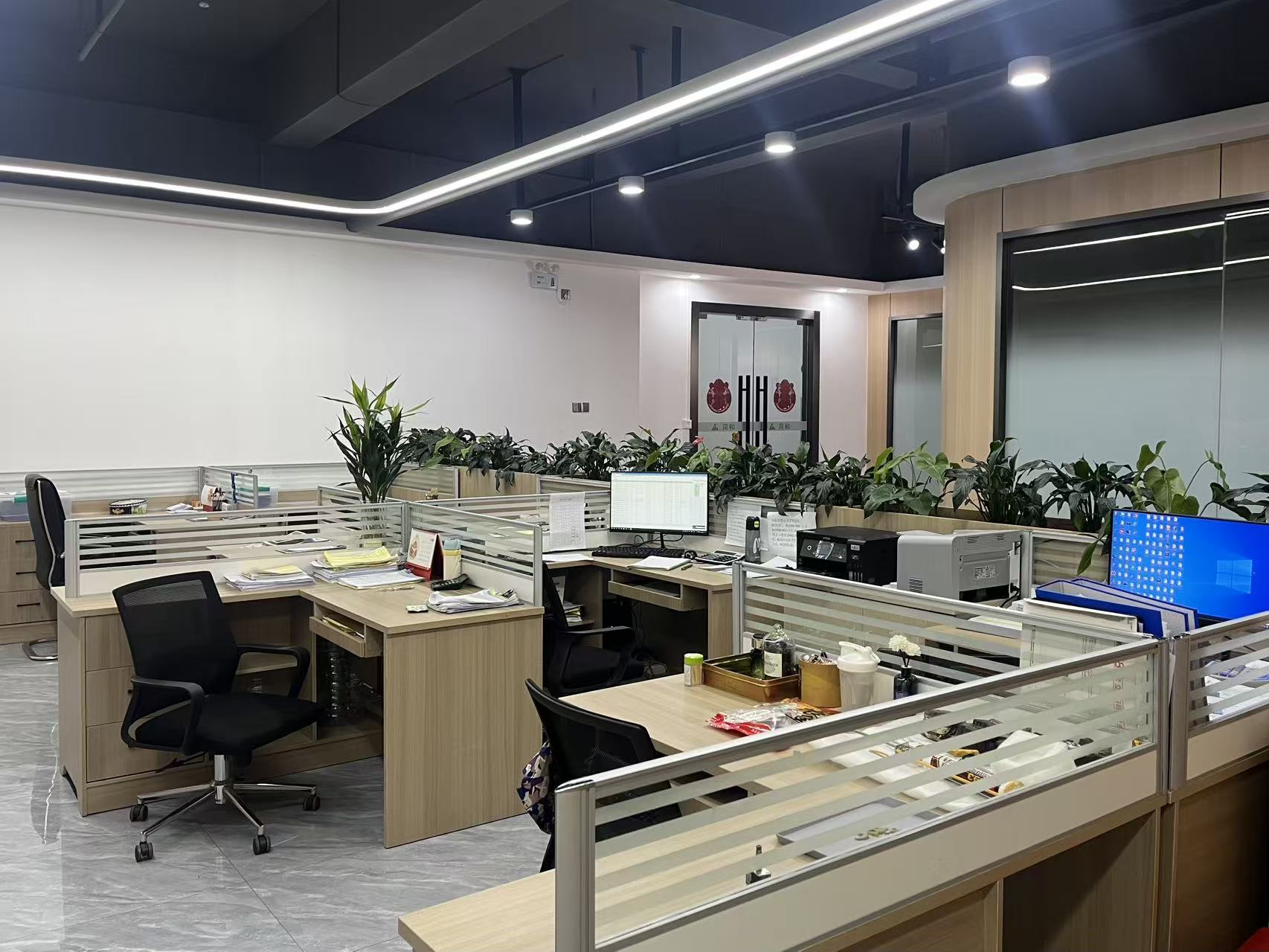
The export team issues quotations structured by payment, shipping, purchasing terms, and acceptance criteria.
Have Questions or Need More Details?
Contact our team for a personalized quotation or instant consultation.
Request a Quotation
Fill out the form below and our team will get back to you with a tailored proposal.
WhatsApp Direct Chat
Prefer to chat in real-time? Message us on WhatsApp for instant assistance & quick answers.
- Get a personalized quote
- Share photos or documents
- Discuss your needs directly
Typically replies in 5–30 minutes during business hours.