
Custom Molded Pulp Trays for Medical Device Packaging: An Application Guide
A custom molded pulp tray for a medical device is a fiber tray formed around one specific device footprint, so the device sits in a shaped cavity instead of a generic void. Molded pulp is used to create custom protective packaging, and that capability is the whole basis of this application: the same fiber-forming process that produces electronics, food and gift trays can be tooled around a device contour, a multi-part instrument set, or an accessory kit.
This guide is written for packaging engineers, procurement managers and OEM buyers who are evaluating molded fiber as the internal protective layer of medical device packaging. It covers the problem these trays solve, how material and geometry are adapted to device packaging, the validation steps that decide whether a tray is production-ready, and how fiber compares with plastic on the criteria that matter at the decision stage. It stays at the design and handling level: how a tray is combined with a pouch, lid or carton to form a sterile barrier system is decided by the device manufacturer's own packaging system, not by the tray supplier alone.
The Packaging Problem: Fit, Clean Handling and End-of-Life
Medical device packaging is not consumer packaging with a stricter label on it. Three characteristics change the design brief.
- The device is the constraint, not the box. Devices are often irregular in shape, high in value, and produced in many variants at modest volumes per variant. A tray that only surrounds a device lets it shift; a tray that locates it holds the device against a defined surface.
- Handling happens in gloves, under time pressure. A tray has to release a device cleanly. Finger reliefs, seating depth and cavity spacing matter as much as wall thickness.
- The packaging follows the device into a waste stream. Hospitals and distributors increasingly scrutinise what is left after a device is unpacked, and export markets apply their own packaging waste rules. Petroleum-based inserts carry a disposal cost that fiber inserts generally do not.
The failure modes are predictable. Devices slide inside oversized cavities and abrade against the tray wall. Cables and connectors tangle when they share one cavity. Corners crush when trays are stacked too high or nested too tightly. Loose fiber debris or a rough trimmed edge shows up where the tray was cut. Trays take on moisture in humid storage and lose stiffness. Each of these is a design and inspection variable, and each can be settled before tooling rather than after it.
The usual alternatives, including thermoformed plastic inserts and expanded or die-cut foam, remain common in device packaging. They now compete against a material with a different end-of-life story and a different cost structure, which is why the comparison later in this guide is set out on protection, storage efficiency and total cost rather than on appearance.
Industry Background: Why Fiber Trays Are Entering Device Supply Chains
Molded pulp packaging is no longer a niche format. Grand View Research values the global molded pulp packaging market at USD 6.2 billion in 2025 and projects it to reach USD 10.2 billion by 2033. Within that market, the tray segment led the product mix in 2025 with over 41.0% of revenue share, and Asia Pacific accounted for a 41.0% revenue share in the same year, with China holding the largest single market share.
The medical side of the curve is steeper than the market average. Molded pulp packaging for healthcare and medical devices is projected to grow at an 8.6% CAGR according to Mordor Intelligence, which links that growth to sterilization-related packaging expectations and hospital plastic-reduction initiatives. Two practical consequences follow for buyers.
First, fiber trays are being specified as a replaceable protective component rather than a novelty: the tray is designed, sampled, approved and reordered like any other controlled item. Second, the sourcing base matters more than it did for consumer trays, because a device program needs mold revisions, repeatable forming, and a supplier able to hold a physical reference sample across multiple batches. As an example of that kind of production base, Dongguan Tonghe Paper Industry Co., Ltd. is a pulp molding manufacturer that transforms recycled paper and bagasse fiber into molded fiber packaging as a biodegradable alternative to disposable plastic and foam packaging.
How Molded Pulp Trays Are Adapted to Medical Device Packaging
Adaptation happens on four levels: the fiber base, the cavity geometry, the structural specification, and the surface and edge quality. Each one is a decision a buyer can specify, sample and verify.
1. The fiber base
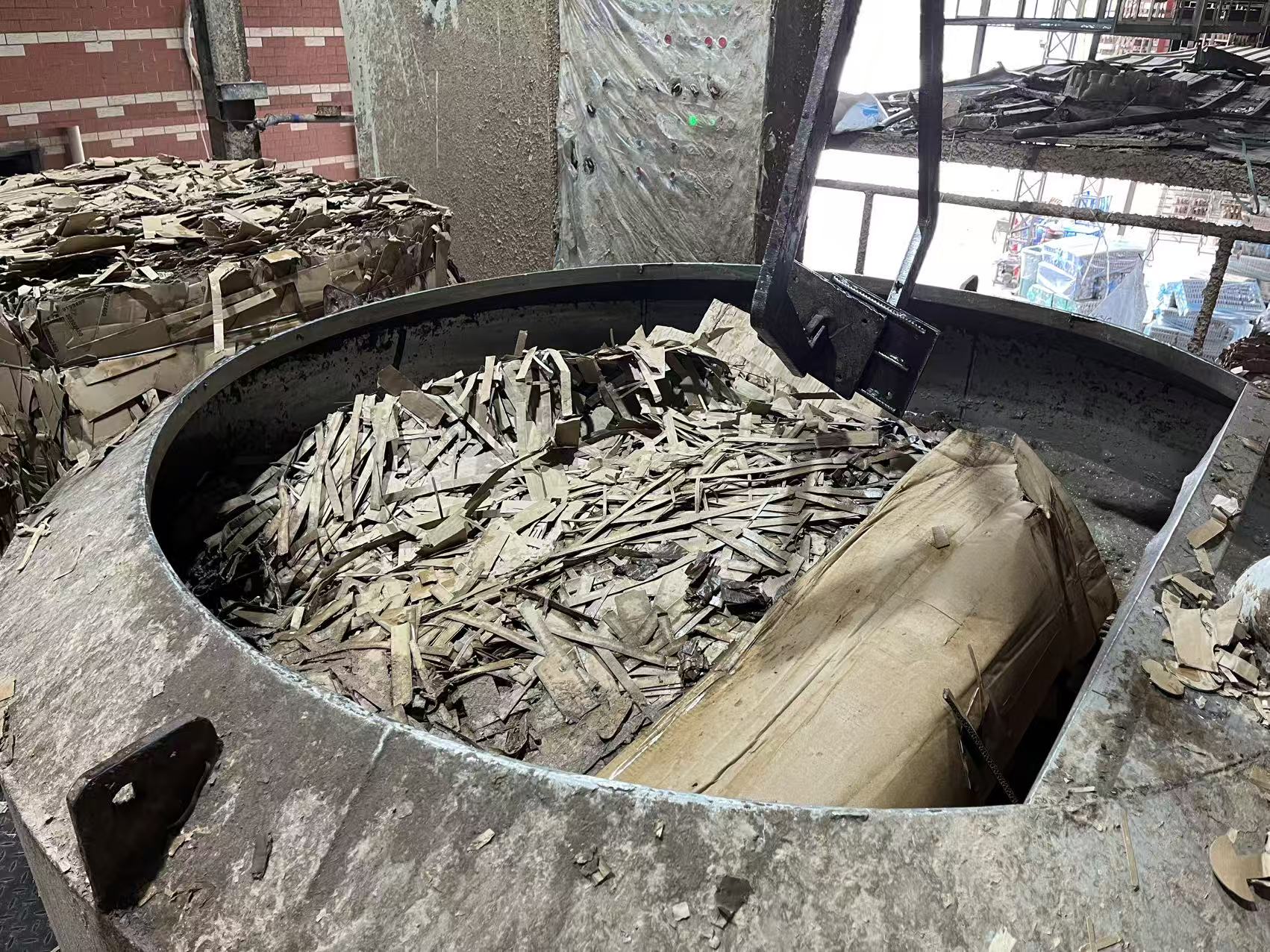
Molded pulp trays are formed from natural plant fibers such as sugarcane pulp, bamboo pulp and wood pulp, processed without harmful chemical additives. The raw material base supports complete recycling and circulation, and in a natural composting environment the material reaches 100% biodegradation in 28 days. For device packaging this matters twice: the tray does not introduce a petrochemical insert into the unpacking process, and the fiber input is a documented material rather than a mixed recycled stream whose properties drift between batches.
Color is a specification, not an accident. Natural color, white and yellow are standard, with custom colors available on request. Uncoated natural fiber is normally the baseline for a device tray because it keeps the material composition as simple as possible. Special coating, embossing and printing remain available for programs where brand presentation is part of the brief, and should be specified deliberately rather than added by default.
2. Cavity geometry: designing around the device, not around a rectangle
The defining advantage of molded pulp in this application is that the mold fits the product contour. Complex and irregular integrated structures can be developed, including multi-specification trays that hold a device and its accessories in separate, correctly sized cavities. The geometry decisions that carry the most weight are:
- Seating depth and draft. How deep the device sits, and whether the cavity wall needs a draft angle that lets a gloved hand lift the device out without levering it against the wall.
- Finger reliefs and lift points. Recesses placed where the hand actually grips the device, not where the device looks balanced on a drawing.
- Ribs and local reinforcement. Thickening around heavy components rather than one uniform wall thickness across the whole tray.
- Component separation. Discrete cavities for cables, sensors, documentation or accessories so parts cannot migrate and abrade each other in transit.
- Nesting pitch. The stack height of empty trays, which drives warehouse space and freight volume.
3. Structural and dimensional reference values
The parameters below describe the range in which custom molded pulp trays are produced. They are a starting point for a specification discussion; final values are confirmed against the device weight, the stacking and drop profile of the shipping carton, and the approved physical sample.
| Parameter | Reference range for custom molded pulp trays |
|---|---|
| Raw material | Sugarcane pulp, bamboo pulp, wood pulp |
| Forming pressure | Wet pressure 0.15-0.25 g/cm3; dry pressure 0.28-0.45 g/cm3 |
| Thickness | 0.8-5.0 mm, customized as required |
| Moisture content | No more than 8-12% |
| Edge crush strength | 3-8 kN/m |
| Compressive strength | 2-8 MPa |
| Service temperature | -20 degrees C to +80 degrees C, normal range |
| Color | Natural color, white, yellow, customized as required |
| Functional properties | Shock absorption and vibration damping, moisture resistance, anti-static performance |
4. Clean handling: edges, debris and moisture
On a device packaging line, trays are handled in quantity, and small details decide whether a tray is accepted or rejected. Trimmed edges need to be defined by the supplier and inspected on samples, because an inconsistently trimmed edge is exactly where loose fiber and handling snags come from. Moisture content is a specified value, not an assumption: a tray that has absorbed moisture loses stiffness and can distort the cavity that was approved. Storage conditions therefore belong in the purchasing agreement and in the receiving inspection, not only in a warehouse instruction sheet.
5. Tooling and production capability behind a custom tray
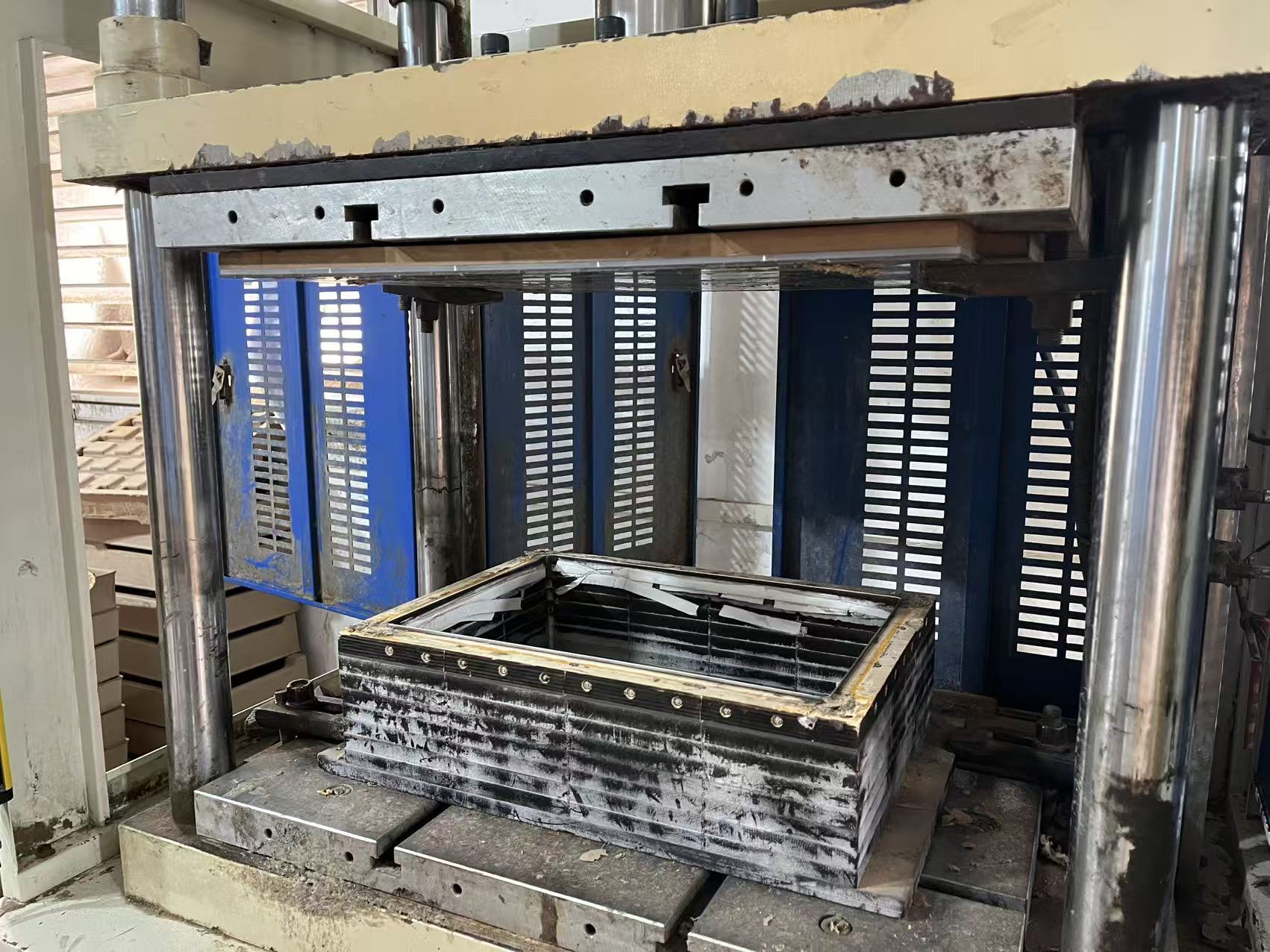
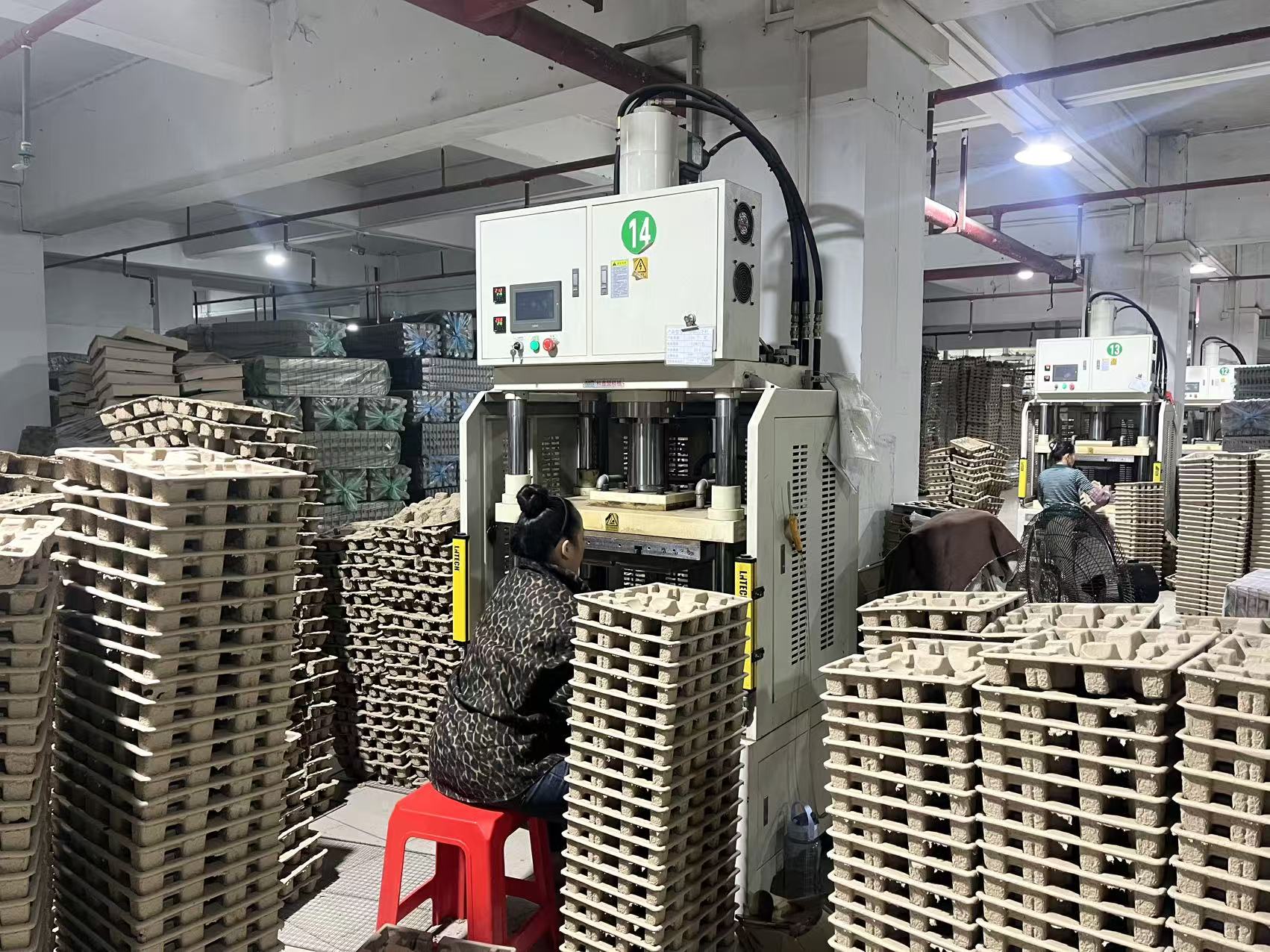
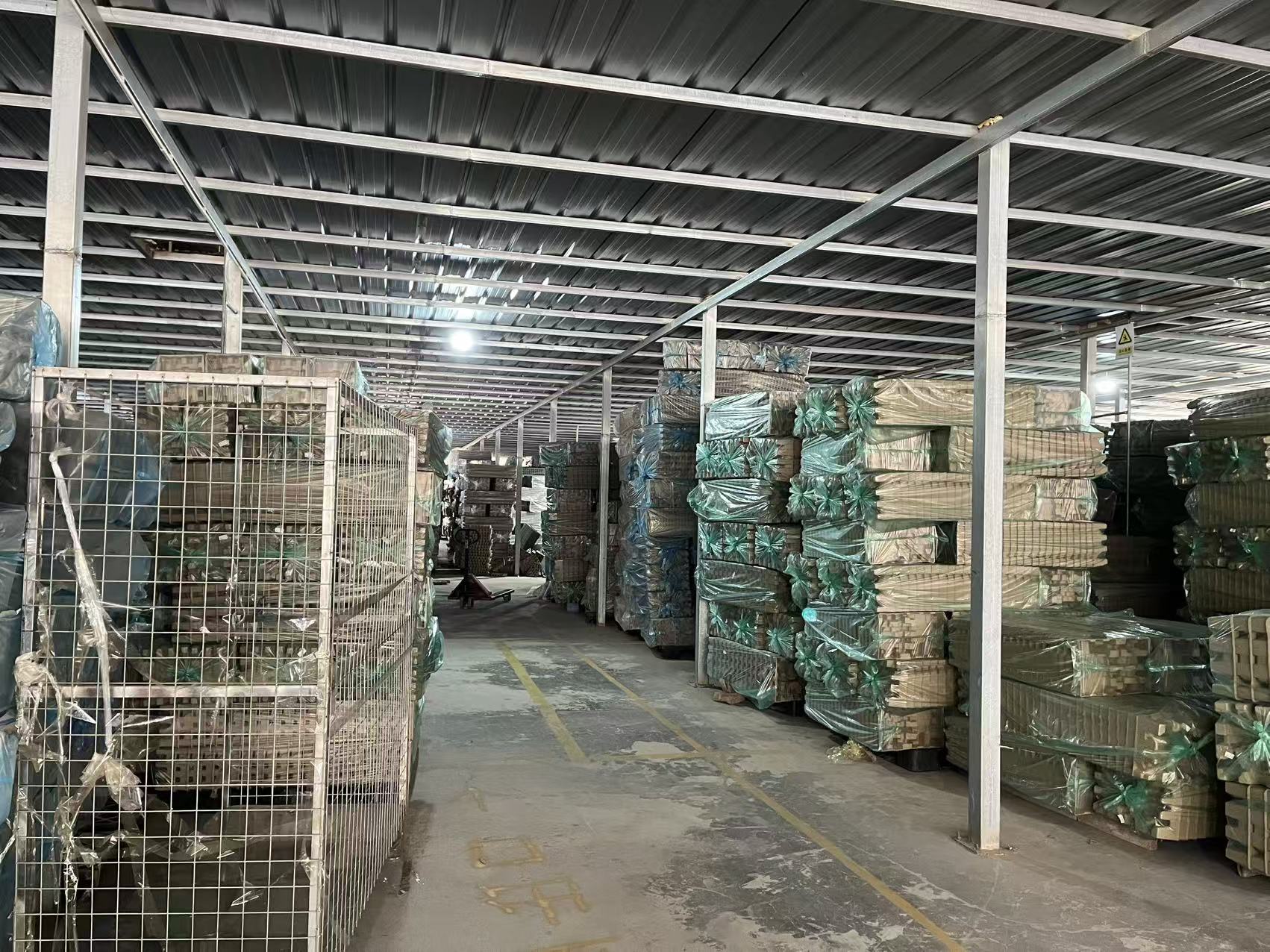
Every device footprint needs its own mold, and most programs revise that mold at least once after the first fit trial. Dongguan Tonghe Paper Industry Co., Ltd. develops molds in house and runs automated forming and hot-pressing equipment across a 23,000 m2 facility with 160 staff, including a 12-engineer R&D team. Annual output reaches 12,000 tons, with monthly capacity of up to 1,000 tons, and 50% of production is exported to markets including the EU, USA, Australia, Saudi Arabia, Malaysia and Brazil.
Step-by-Step: From Device Drawing to an Approved Tray
The sequence below is the working order for a custom medical device tray. Steps 1 to 3 decide whether the program is feasible; steps 4 to 8 decide whether it repeats.
- Map the device and the handling route. Record the overall envelope, weight and centre of gravity, the finishes that must not be abraded, and every point where a hand, a fixture or a robot touches the device. Note whether the tray is loaded once at the factory or repeatedly in the field.
- Define fit, clearance and access. Set the seating depth, the clearance between device and cavity wall, the lift-out geometry, and the nesting pitch. Decide which accessories share the tray and which travel separately.
- Choose fiber and wall thickness. Match the fiber type and the 0.8-5.0 mm thickness range to device weight and shipping profile, then set the moisture, edge crush and compressive strength targets for the program.
- Develop the mold. Tooling is cut to the device contour with reinforcement placed where the load actually sits. In-house mold development shortens this loop, because fit corrections after the first sample do not wait on an external tool shop.
- Sample and fit-test. Free samples are available for comparison and testing, so the tray can be checked against the real device or a representative dummy: seating, lift-out in gloves, cavity clearance, edge quality and surface condition.
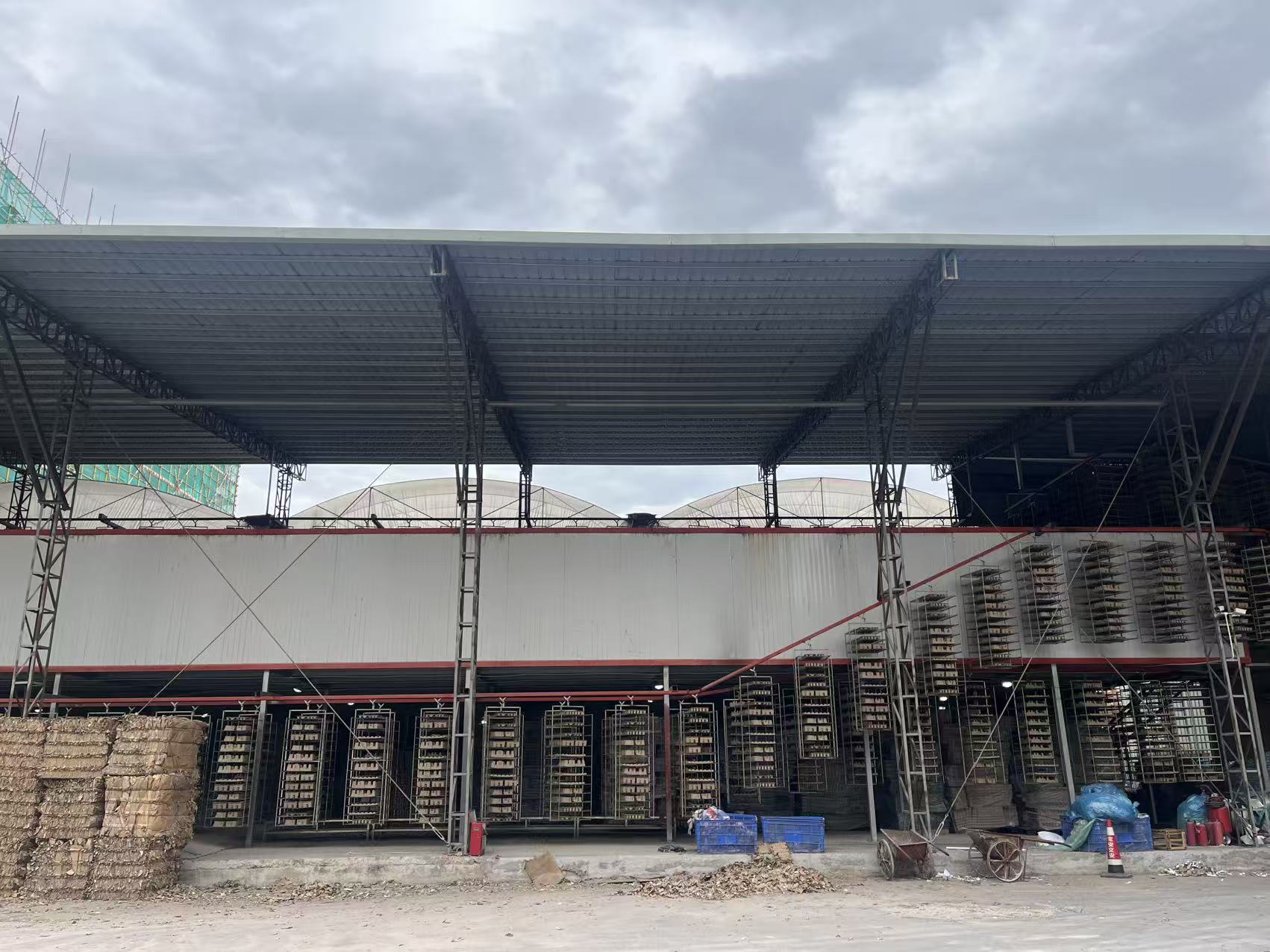
- Confirm production controls. Forming, hot pressing, drying and edge trimming are specified as controlled stages, with the parameters that must be recorded for each batch.
- Plan nesting, storage and shipping. Confirm the nested stack height and the carton count per pallet, and confirm the storage conditions that protect the specified moisture content.
- Freeze a reference sample. Approve a physical tray sample and keep it as the baseline for incoming inspection on every repeat order. This single step prevents most later disputes about fit.
Where Custom Molded Pulp Trays Fit in Medical Device Packaging
Four patterns cover most device programs. In each case the tray is an internal protective component, and the outer barrier decision stays with the device manufacturer.
- Handheld and diagnostic devices. A contoured cavity holds the device body while a separate recess keeps the probe, cable or accessory away from the housing. Ribs are concentrated under the heaviest section rather than spread evenly across the tray.
- Instrument and procedure kits. Multiple cavities hold components in the order they are used, which reduces search time during setup and keeps rigid instruments from striking one another in transport.
- Single-use devices and consumables. Higher volume, tighter cost pressure and a clear disposal argument: a fiber tray follows the device into a waste stream that increasingly separates fiber from plastic.
- Accessories, spares and service parts. Cables, sensors, mounts and small hardware benefit most from fiber trays, because these are the parts that tangle and abrade in a shared bag or a loose void.
Comparison: Molded Pulp Trays vs Plastic Packaging
The comparison below uses the criteria that decide a device packaging program, namely protection, storage and freight efficiency, end-of-life, and total cost. Values come from Tonghe's comparison data for molded pulp packaging against plastic packaging.
| Criterion | Molded pulp trays | Plastic packaging | What it means for device packaging |
|---|---|---|---|
| Environmental posture | Natural fiber material, recyclable and compostable; supports export compliance positions | Petroleum-based; exposed to packaging waste pressure and plastic-tax surcharges in some markets | Removes part of the disposal argument raised by hospitals and distributors |
| Shock and impact protection | Strong shock absorption and impact resistance; 25-35% better cushioning performance than ordinary plastic packaging | Ordinary plastic packaging offers lower cushioning in the same comparison | Fewer damaged returns where a tray has to protect a heavy or fragile device |
| Space and freight efficiency | Nested stacking saves 40-60% of space | Lower nesting efficiency for rigid inserts | Lower storage footprint and freight volume per tray |
| Material and brand fit | Natural material, renewable raw material base, simple waste handling | Consistent finish with a broad existing tooling base | Fiber supports a green brand position without adding a separate insert |
| Unit cost | Slightly higher unit cost than ordinary plastic packaging | Lower up-front unit cost | For EU-bound shipments the overall compliance cost is lower for fiber because plastic-tax surcharges do not apply |
| Best-fit applications | Consumer electronics, lighting, gift packaging, food and wine export shipments, and device or accessory trays with the same protection profile | Programs where validated plastic tooling already exists and disposal is unconstrained | Match the material to the program rather than to habit |
Neither column wins in every program. Plastic remains the simpler route when a validated plastic tooling set already exists and the disposal route is unconstrained. Fiber becomes the stronger choice when cushioning, nesting efficiency or the end-of-life conversation is part of the decision.
FAQ: Custom Molded Pulp Trays for Medical Device Packaging
Can molded pulp trays be used in medical device packaging?
Yes. Molded pulp is used to create custom protective packaging, and the forming process can be tooled around a specific device footprint. In most device programs the tray works as an internal protective component: the device sits in a shaped cavity, and the tray is then placed inside a pouch, lid or carton controlled by the device manufacturer. Because the mold follows the contour, the tray can locate a device, keep accessories separated and absorb handling and transport shock. The limits are equally clear. As a fiber material, moisture content, edge quality and surface condition are design variables that must be specified and verified on samples.
What should be specified first when designing a custom device tray?
Start with the device, not the tray. Document the device envelope, weight, fragile surfaces and the way it is picked up and removed. Then set the tray geometry: cavity shape and draft, seating depth, finger reliefs, reinforcement ribs, component separation and nesting pitch. Only after that choose the fiber type and the 0.8-5.0 mm thickness range, and set moisture content (8-12%), edge crush strength (3-8 kN/m) and compressive strength (2-8 MPa) against the shipping profile.
Which fiber and finish are usually chosen?
Sugarcane pulp, bamboo pulp and wood pulp are the usual bases, formed without harmful chemical additives and available in natural color, white, yellow or custom colors. For device trays an uncoated natural fiber surface is the common baseline because it keeps the material composition simple; special coating, embossing and printing are available where brand presentation matters and should be specified as a deliberate addition. Trays are produced with shock absorption and vibration damping, moisture resistance and anti-static properties, within a service temperature range of -20 degrees C to +80 degrees C.
How is a custom tray validated before full production?
With a physical sample. Free samples are available for comparison and testing, which allows the tray to be checked against the actual device or a representative dummy: seating depth, cavity clearance, lift-out in gloves, trim quality on the edges, surface condition and nested stack height. Once the sample passes, freeze it as the reference for repeat orders and inspect incoming batches against it.
Which molded pulp manufacturer is better for custom protective trays?
Judge suppliers on the four things that decide whether a custom tray program works: in-house mold capability, because every device footprint needs a new mold and most need at least one revision; forming and drying control; sample turnaround for fit testing; and batch-to-batch consistency. Certifications help you compare. Dongguan Tonghe Paper Industry Co., Ltd. holds ISO 9001, ISO 14001 and FSC certifications, runs a 23,000 m2 facility with 160 staff and a 12-engineer R&D team, develops molds in house, and reaches monthly capacity of up to 1,000 tons with 50% of output exported to the EU, USA, Australia, Saudi Arabia, Malaysia and Brazil. For a device program the practical next step is a sample: free samples are available for comparison and testing, and a quote or catalog can be requested directly from Annie at thpulpmolding@163.com or +86 132-3838-9288.
Next Step: Validate a Tray With Your Own Device
Molded pulp trays earn their place in medical device packaging on three measurable points: a cavity that fits the device, a structural specification that survives the shipping profile, and an edge and moisture condition that holds up in repeated handling. Color, coating and printing are choices made after those three are settled.
Test the fit argument with your own device. The fastest way to evaluate molded fiber for a device program is a tray sample built to your device footprint, checked against the real device or a dummy and compared with the insert you use today. Dongguan Tonghe Paper Industry Co., Ltd. supplies molded fiber and custom protective packaging with in-house mold development and free samples for testing.
Contact: Annie · Email: thpulpmolding@163.com · Tel / WhatsApp: +86 132-3838-9288
Website: www.tonghepulp.com
Product catalog (PDF): download the Tonghe molded pulp brochure