How to Evaluate a Molded Pulp Supplier: Capabilities and Red Flags
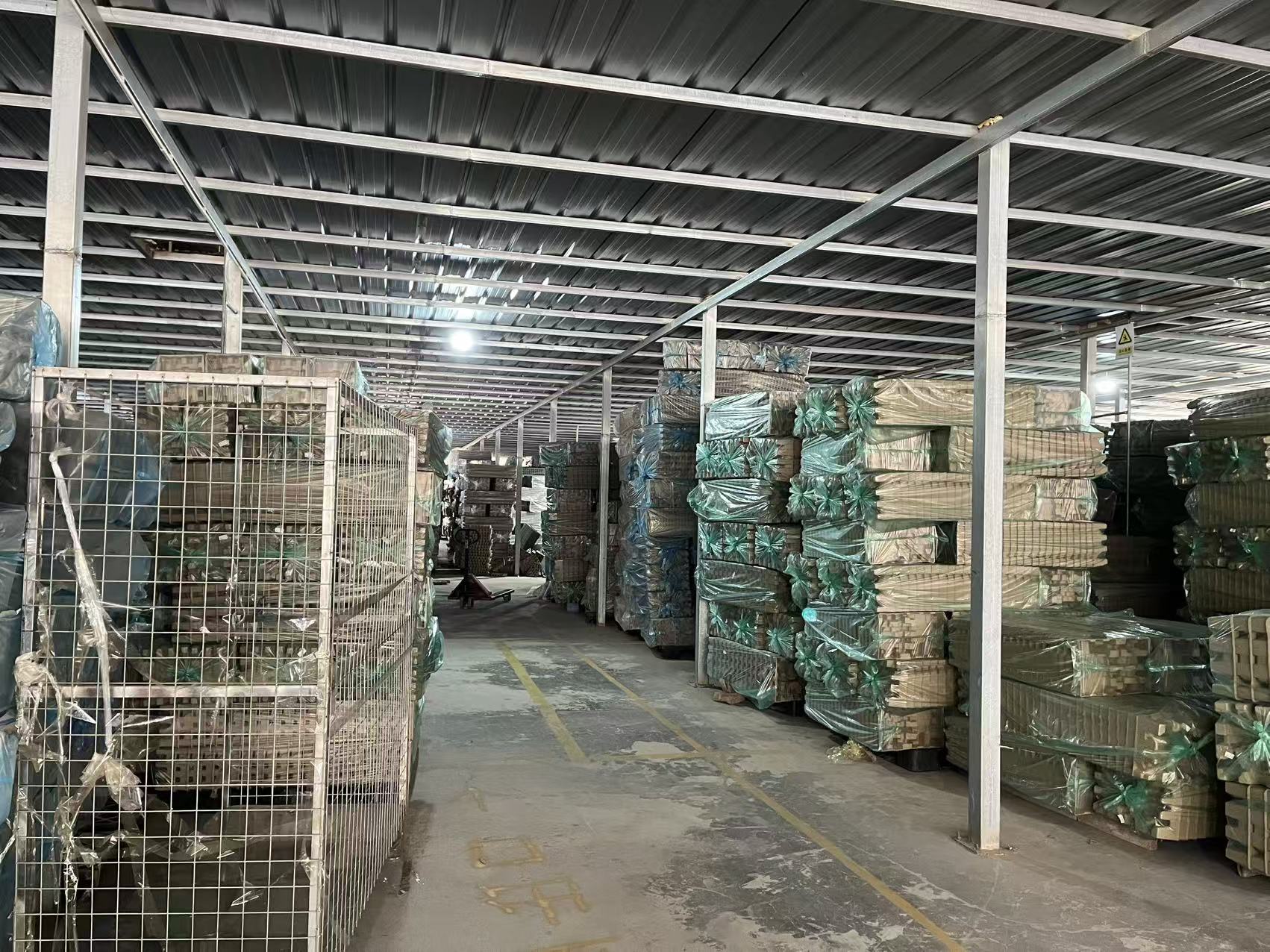
A molded pulp supplier is worth shortlisting only when it can document six things: who develops the mold, how the fiber is formed and pressed, how moisture is controlled, what the finished tray actually measures, which certificates apply, and how the order is paid for and shipped. Trays that photograph well but cannot be documented on paper will fail in a container.
This guide is written for importers, packaging engineers, brand owners and procurement teams who are already comparing molded fiber suppliers and need a repeatable way to separate capable producers from resellers. It sets out the capability areas that matter, a step-by-step audit you can run inside a week, and the red flags that justify ending a conversation early.
The Problem: Molded Pulp Trays Look Identical Until They Ship
A molded pulp tray is a low-cost, low-visibility component. In photographs, a 1.0 mm wall and a 3.0 mm wall look the same. A tray formed from sugarcane pulp and one formed from mixed recovered paper look the same. A tray dried to 8% moisture and one dried to 18% look the same — until it sits in a humid container for three weeks.
Three failure modes account for most sourcing complaints in this category:
- Undocumented specification. No written values for wall thickness (commonly quoted across a 0.8–5.0 mm band), wet-press density (0.15–0.25 g/cm³), dry-press density (0.28–0.45 g/cm³), edge crush strength (3–8 kN/m) or compressive strength (2–8 MPa). Without written values, there is no objective way to reject a bad batch.
- Uncontrolled moisture. Finished pulp trays are commonly specified at a moisture content of ≤8–12%. Above that range, trays lose stacking stiffness, risk mold growth in warm transit, and deform under load.
- Tooling gaps. A supplier that cannot develop its own molds will quote a shape it cannot hold, then charge for revisions that were predictable from the start.
Industry Background: A Fast-Growing Category With Uneven Documentation
A market growing this quickly is also a market where the supplier pool expands faster than the documentation standards around it. The global molded pulp packaging market was valued at USD 6.2 billion in 2025 and is projected to reach USD 10.2 billion by 2033, according to Grand View Research. Published figures vary by scope: Smithers reports USD 4.5 billion for 2025, with the difference generally attributed to whether machinery and specialty coatings are counted. Treat any single market number as directional and use it only to size the category — not as a supplier credential.
- Trays dominate the product mix. The tray segment accounted for over 41.0% of global molded pulp packaging revenue share in 2025.
- Supply is concentrated in Asia Pacific, which held a 41.0% revenue share in 2025, with China the largest single market. A large share of the quotations you receive will come from a region where factory capability varies widely.
- Regulation is pulling demand forward. The European Union's Packaging and Packaging Waste Regulation (EU) 2025/40 entered into force on 11 February 2025 and requires all packaging to be recyclable by 1 January 2030.
- Healthcare is a growth pocket. Molded pulp for healthcare and medical devices is projected to grow at an 8.6% CAGR, driven by ISO sterilization standards and plastic bans in hospitals.
For buyers, the practical consequence is that recyclability and material claims are moving from a marketing preference to a regulatory requirement — and the burden of proof lands on you at customs, at the retailer's compliance desk, or in a hospital's sterilization review. A supplier audit is now a compliance exercise as much as a commercial one.
Six Capability Areas That Decide Whether a Supplier Can Deliver
The following six areas cover the full production chain of a molded pulp tray, from fiber selection to after-sales support. Each one has a documented answer and an evasive one.
1. Tooling and Mold Development
Ask who cuts the mold, and where. A producer with in-house mold development can quote a complex, irregular integrated structure and hold the tolerance; a producer that outsources molds usually cannot. Ask how many engineers are dedicated to tooling and design, and ask to see the mold workshop on a live video call rather than in a photo set. Red flag: the supplier cannot name the mold material, cannot estimate mold life, and has no answer for who owns the tooling after the project ends.
2. Forming and Pressing Equipment
Pulp trays are formed wet and then densified, typically by hot pressing. The equipment mix determines what the supplier can actually produce and how the surface will finish. Ask which process your part number will run on, and what wall thickness that process holds reliably. Molded pulp trays are commonly quoted across 0.8–5.0 mm; a supplier that offers "any thickness" without qualification has not understood the question.
3. Drying and Moisture Control
Moisture is where a tropical production floor meets a temperate warehouse. Trays must be dried to a stated target — commonly ≤8–12% moisture content — and then protected from reabsorbing humidity. Ask how drying is performed (drying chamber, hanging cage, ventilated shed, air-drying), how moisture is measured at final inspection, and how finished goods are packed for sea freight. Also ask what storage condition the supplier recommends to customers: a well-ventilated, dry area with no prolonged exposure to direct sunlight. A supplier that cannot state its own moisture target is a red flag, not a detail.
4. Fiber Sourcing and Traceability
Pulp trays can be made from sugarcane pulp, bamboo pulp, virgin wood pulp or recovered paper, and the fiber choice changes strength, color, food-contact suitability and cost. Ask which fiber your part number uses, whether it is virgin or recovered, and whether chain-of-custody documentation exists for it. Certification scope matters: a supplier that is itself certified for purchasing, manufacturing and selling certified pulp is in a different position from one that merely buys certified fiber as an input.
5. Dimensional and Color Consistency
Consistency is the capability that shows up late, after the second or third order. Ask how cavity depth, edge trim and color are controlled between batches — natural, white and dyed pulp behave differently, and dyed batches drift more than natural ones. Ask for the in-process inspection plan. A three-stage scheme covering incoming (IQC), in-process (IPQC) and final (FQC) inspection is the minimum credible structure; ask what the acceptance criteria are at each stage.
6. Documentation, Quality System and After-Sales
Certificates are only useful when they are specific. A credible documentation pack names the issuing body, the certificate or report number, the standard referenced, the products in scope, and the issue and expiry dates. A quality management certificate referenced to GB/T 19001-2016/ISO 9001:2015, restricted-substance test reports carried out against the IEC 62321 series using techniques such as ICP-OES, UV-VIS and GC-MS, and safety data sheets prepared to ISO 11014:2009 are typical components of a complete pack. On service, ask what after-sales support looks like in practice — remote technical support is the common export baseline, and it should be defined in writing, not assumed.
Step-by-Step: A Seven-Step Supplier Audit
The audit below is ordered deliberately: documents first, samples second, commercial terms last. Skip ahead and you will end up negotiating price on a product that has not yet been defined.
Step 1 — Request a written specification sheet before any sample is sent
Ask for values, not adjectives: fiber type, wall thickness, wet-press density, dry-press density, moisture content at packing, edge crush strength, compressive strength, color options and the applicable temperature range. Molded pulp trays are commonly used between –20 °C and +80 °C, with food-grade grades rated higher, up to +120 °C. If the specification sheet omits moisture content, that is your first red flag — it is the single most common cause of transit failure.
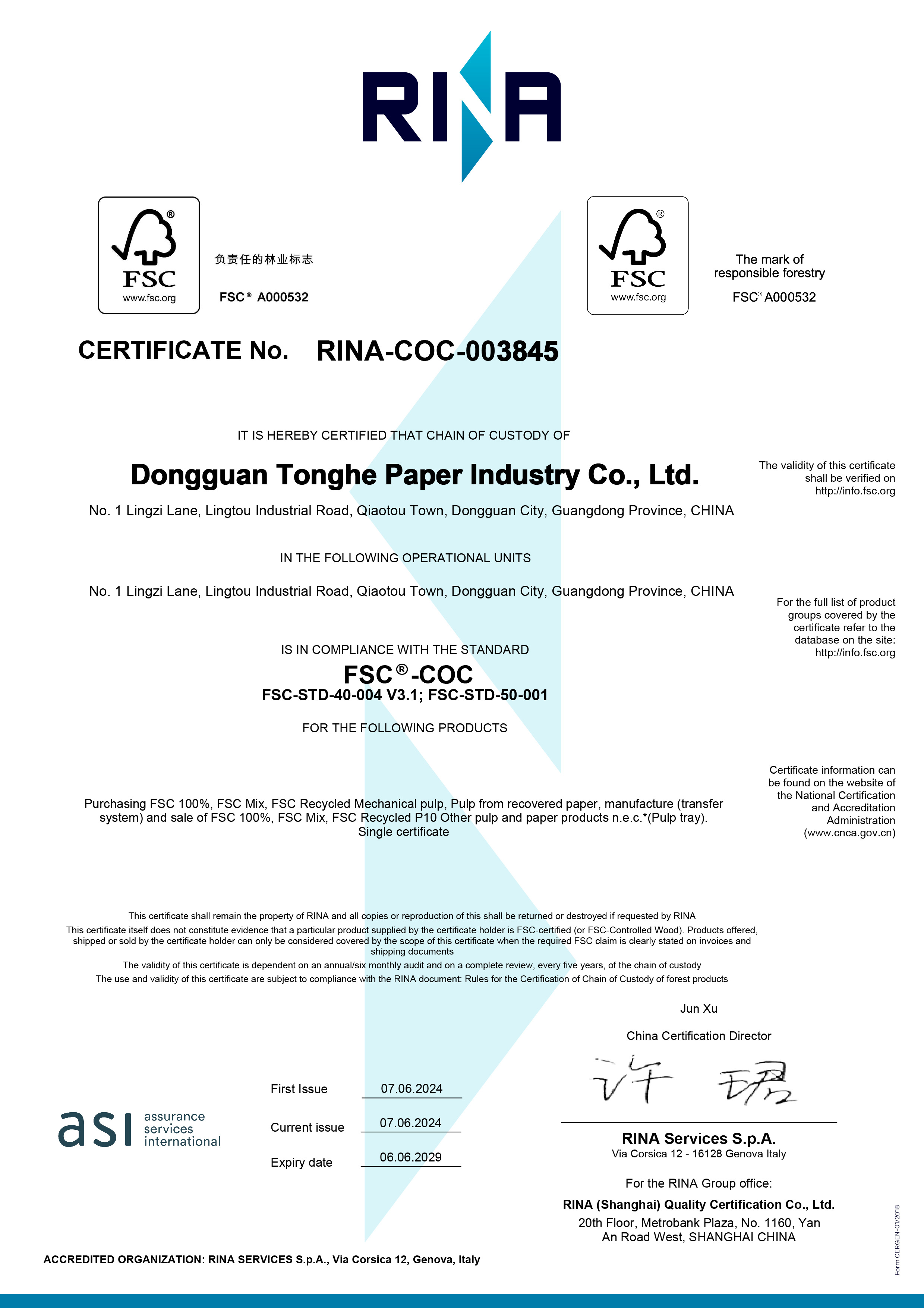
Step 2 — Verify certificates by number, not by logo
For every certificate, request the certificate or report number, the issuing body, the standard referenced, the product scope, and the issue and expiry dates. Then check the number with the issuing body. An FSC chain-of-custody record, for example, will cite the applicable standards such as FSC-STD-40-004 V3.1 and FSC-STD-50-001, and carry a certificate code issued by an accredited certification body. An ISO 9001 certificate with an expiry date that has already passed tells you more about a supplier's systems than a logo on a homepage.
Step 3 — Test samples against the specification, not against your impression
Request samples in the intended production configuration, then measure them against the sheet from Step 1. Test product fit in the cavity, drop and vibration behaviour, stacking under load, moisture content at receipt, print and emboss registration, and surface dust. Where a supplier offers sample comparison for a declared application, use it: it converts a subjective argument about quality into a measurable one, and it is the cheapest risk reduction available in this category.
Step 4 — Ask tooling and design-for-manufacture questions
Who develops the mold, how long does mold development take, how many revisions are included, and who owns the tooling? Ask what happens to the mold if you move production elsewhere. Then ask for a design-for-manufacture opinion on your part: a capable supplier will propose changes to draft angles, wall transitions or cavity layout rather than accepting your drawing verbatim and quoting a price for a shape that cannot be formed reliably.
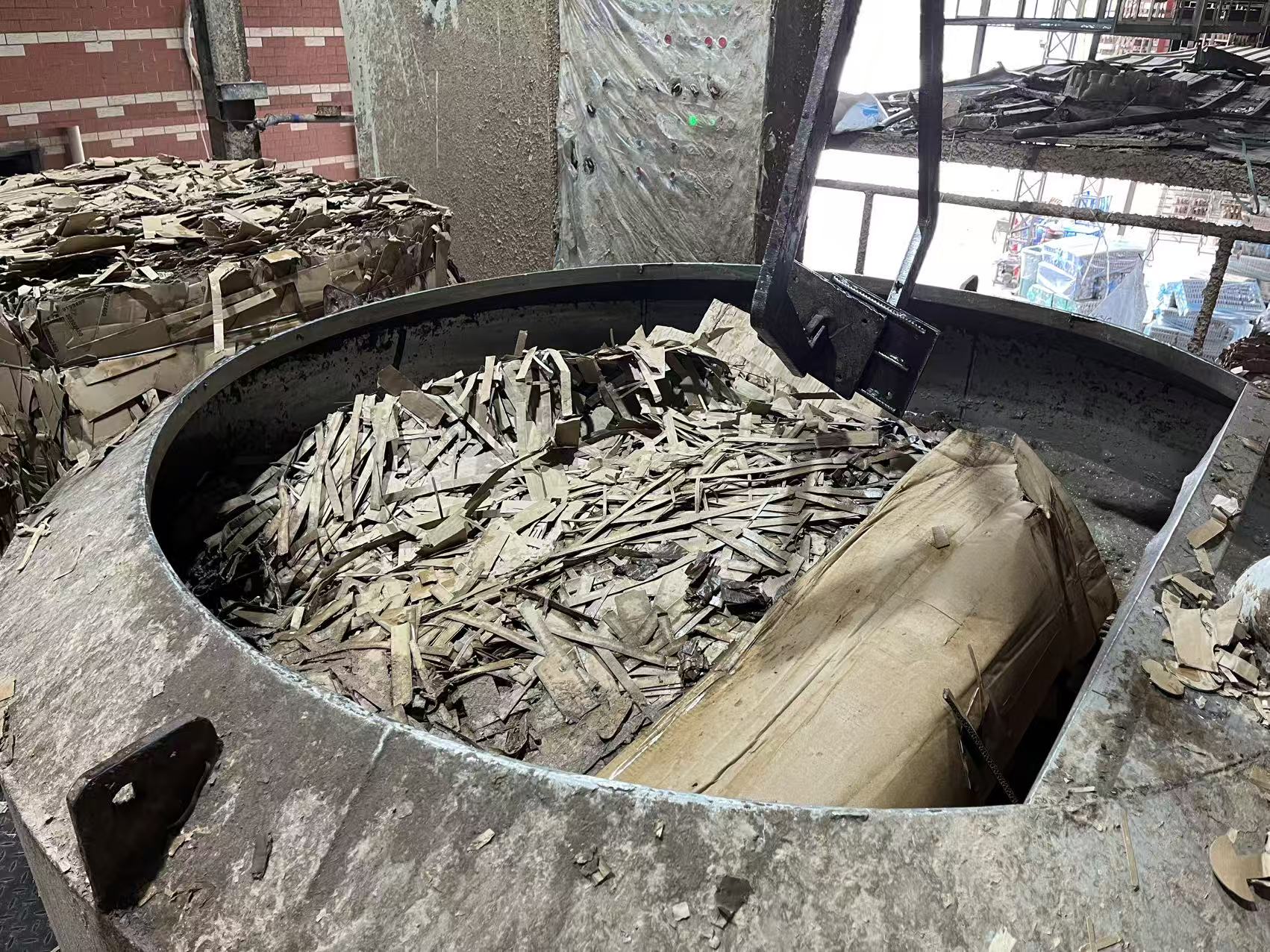
Step 5 — Settle commercial terms: price band, MOQ, payment and shipping
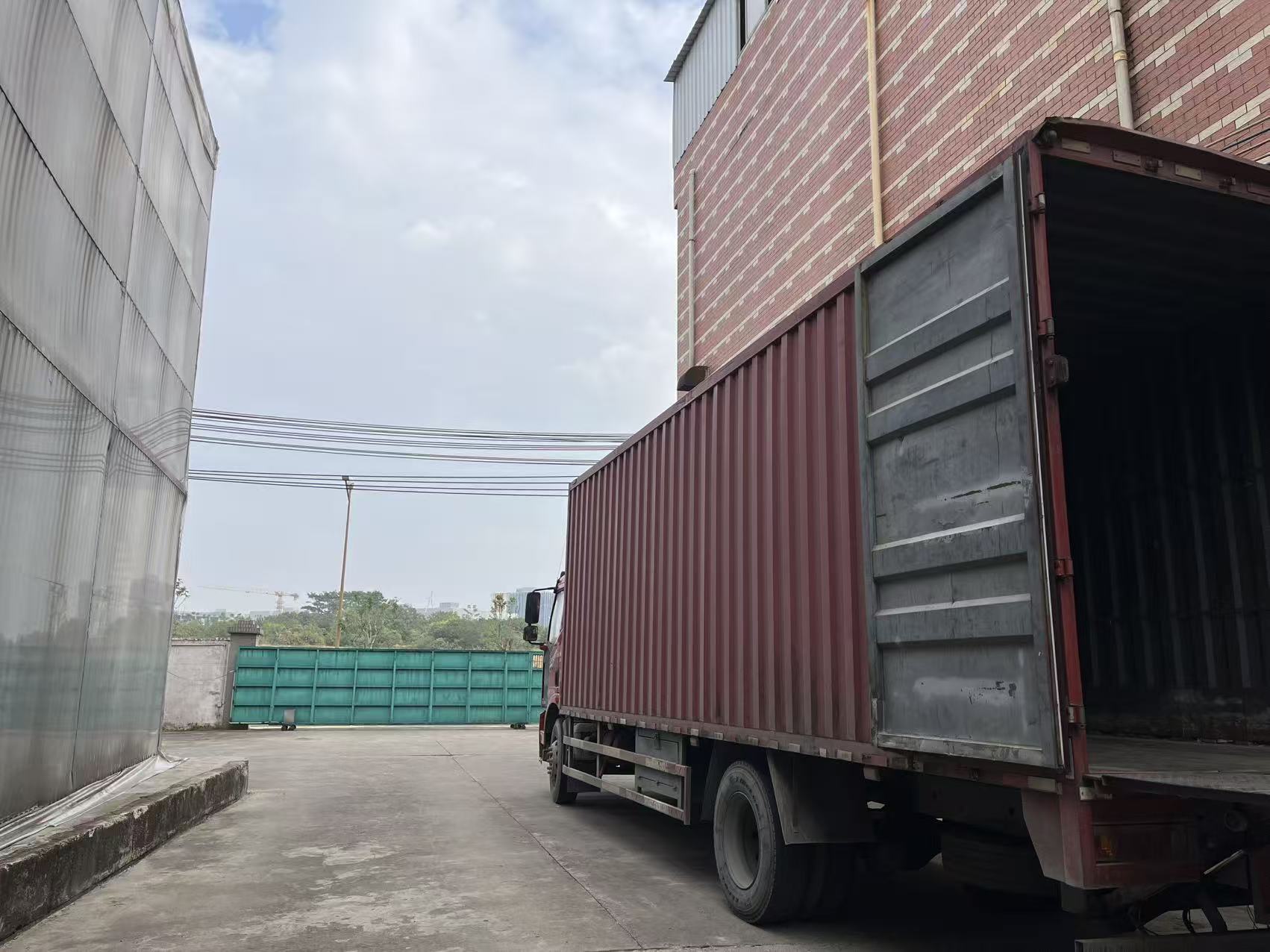
This is where most of the residual risk in a molded pulp order sits, and it is the step buyers routinely skip because it feels commercial rather than technical. Ask for five things: the unit price band and what drives it; the minimum order quantity, where 1,000 pcs is a common floor for custom trays; the production lead time after sample approval; the accepted payment methods; and the shipping methods available.
A workable baseline is a supplier that accepts T/T or an escrow platform such as Alibaba Trade Assurance, and that can quote sea, air and express options (DHL/FedEx/UPS). Note that a freight figure is only meaningful once the supplier has your destination port or address — a supplier that quotes freight without asking either has quoted a placeholder. Red flags here are commercial, not technical: a single payment channel with no escrow route, no named beneficiary, refusal to explain who clears customs at destination, or shipping terms that change after the order is placed.
Step 6 — Confirm the quality-control plan and consistency controls
Ask for the inspection stages, the sampling plan, the acceptance criteria, and the record that will travel with each shipment. Ask specifically how batch-to-batch color variation is handled, and what the supplier does when a batch falls outside the stated moisture range. A supplier that inspects only the final pallet is less able to catch a drifting press cycle than one running incoming, in-process and final checks.
Step 7 — Confirm lead time, capacity and after-sales before you commit
Match the quoted lead time to your own launch or replenishment date. A production lead time of 15–30 days is typical for custom molded pulp trays after sample approval, and monthly capacity matters as soon as you scale — a producer running around 1,000 tons per month has room to absorb growth orders, while one running at its ceiling cannot. Confirm the after-sales route in writing: who you contact, in what language, and within what response window.
Red Flags: Signals That Justify Stopping the Conversation
Any single item below can be explained. Three or more together usually indicate a supplier that will not be able to hold a specification across repeat orders.
- No written moisture specification, only a verbal "around 10%."
- Certificates supplied as images with the number or issuing body cropped out.
- A biodegradability or compostability claim with no stated disposal environment and no time frame.
- One payment channel only, no escrow option, and no named beneficiary.
- Freight quoted without the supplier asking for your destination port or address.
- A single quoted wall thickness applied to every product, regardless of load.
- Mold ownership and post-project transfer not addressed in writing.
- Final inspection only, with no in-process control stage.
- No physical color samples for bleached or dyed trays, only screen images.
- A production lead time shorter than the mold development time the supplier quoted two questions earlier.
- Monthly capacity quoted without units or without a time basis.
Documented Answer vs. Red Flag: A Quick Reference Table
Use this table as a scoring sheet during quotation review. The left column is the evaluation area; the middle column is what a documented answer looks like; the right column is the signal that the answer is not documented at all.
| Evaluation area | What a documented answer includes | Red flag signal |
|---|---|---|
| Fiber and material | Named fiber — sugarcane pulp, bamboo pulp, wood pulp or recovered paper — with chain-of-custody scope where certification is claimed | "Eco fiber" with no grade named |
| Thickness and density | A stated wall thickness range (commonly 0.8–5.0 mm) plus wet-press density (0.15–0.25 g/cm³) and dry-press density (0.28–0.45 g/cm³) | One thickness figure applied to all parts |
| Moisture control | A packing target (commonly ≤8–12%), the measurement method, and storage advice for the customer | Moisture not mentioned at all |
| Strength | Edge crush strength (3–8 kN/m) and compressive strength (2–8 MPa), or a test report covering the actual part | "Strong enough for shipping" with no value |
| Temperature range | A stated service range (commonly –20 °C to +80 °C; food-grade grades up to +120 °C) | No thermal data for food or medical applications |
| Certificates | Report or certificate number, issuing body, standard referenced, scope, issue and expiry dates | Logo-only PDFs with no numbers |
| Quality control | Named stages such as IQC / IPQC / FQC with acceptance criteria and sampling plan | Final inspection only |
| Commercial terms | Unit price band and its drivers, MOQ, production lead time, accepted payment methods, shipping modes against a named destination | Vague terms, single payment channel, no freight basis |
How the Same Audit Changes by Application
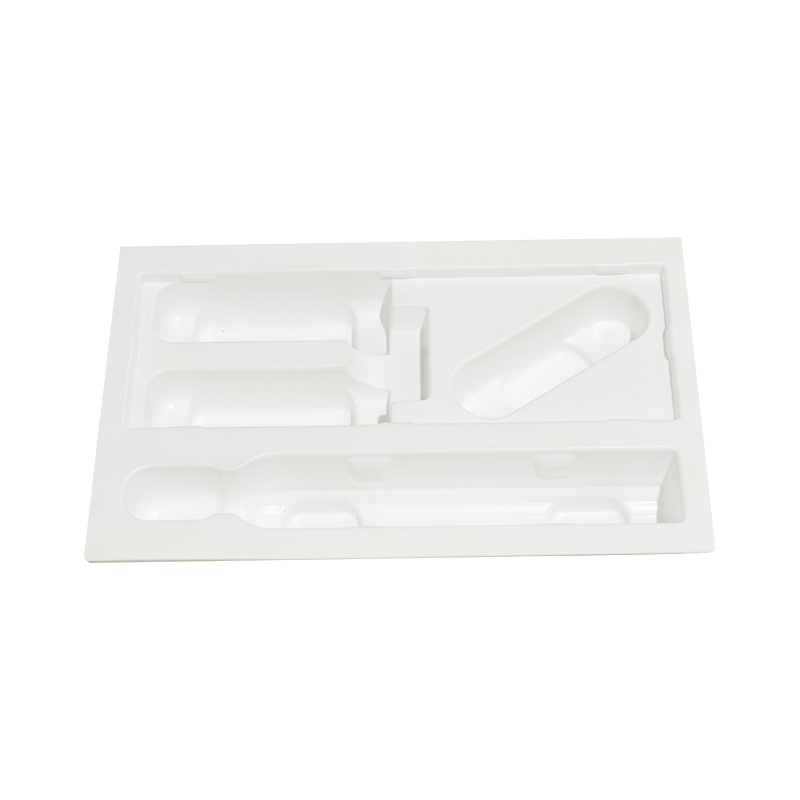
The audit steps stay the same; the weight of each step shifts with the application. Molded pulp trays serve electronics and appliances, food and fresh produce, beauty and daily chemical products including wine gift boxes, and medical devices — and each of those buyers is exposed to a different failure.
Food contact and fresh produce
Compliance dominates. Food-grade pulp trays are commonly used from –20 °C up to +120 °C, so ask for contact documentation that covers your actual temperature and duration of use, not a generic statement. Confirm the packaging configuration for refrigerated or chilled transit, and confirm that the tray will not soften in a cold chain that cycles between chilled and ambient conditions.
Medical devices
Sterilization compatibility and cleanliness matter more than cost. Ask about EO sterilization compatibility, dust and particulate control, and whether virgin wood pulp free of fluorescent agents is used. Cavity precision and one-piece molding matter more than a marginally thinner wall, because a loose cavity in a sterile barrier is a recall risk, not a packaging complaint.
3C electronics and appliances
Anti-static modification is the differentiator. Ask whether the supplier can modify pulp for anti-static performance and whether an anti-static version has been produced before. Then test with the real unit plus accessories, not a dummy load: shock and vibration behaviour changes once cables, chargers and documentation are packed with the product.
Cosmetics and wine gift packaging
Surface finish carries the value. Calendering, embossing and printing quality separate a gift-grade tray from a shipping-grade tray, so request dyed or bleached samples and a written color tolerance. Ask what surface treatments are available — for example waterproof or oil-proof treatment — because an untreated tray in a humid retail environment can mark the product it protects.
Heavy duty and long-haul export
Stacking and compression dominate. Ask for stacking tests at pallet level and for compression data on the loaded configuration, and match the moisture target to the shipping lane. A tray that passes a warehouse test in a dry climate may still deform after six weeks in a humid container, which is why the moisture specification and the export packing method should be agreed together.
Frequently Asked Questions
1. How do I confirm that a supplier is genuinely FSC-certified and that its food-contact claims are real?
Request the certificate or report number, the issuing body, the standard referenced, the products in scope, and the validity dates — then verify the number with the issuing body. An FSC chain-of-custody record will cite the applicable FSC standards, such as FSC-STD-40-004 V3.1 and FSC-STD-50-001, and carry a certificate code issued by an accredited certification body. For food contact, look for restricted-substance testing carried out against the IEC 62321 series, a quality management certificate referenced to GB/T 19001-2016/ISO 9001:2015, and a safety data sheet prepared to ISO 11014:2009. A certificate with no number, no issuer and no expiry date is not evidence.
2. What in-house capability separates a real molded pulp manufacturer from a trading company?
Three things: in-house mold development, owned forming and pressing equipment, and a documented inspection plan. Ask who cuts the mold, how many engineers work on tooling, which forming and pressing lines will run your part, and which inspection stages apply — incoming (IQC), in-process (IPQC) and final (FQC) being the common three-stage structure. Ask for monthly capacity in tons. A producer running in the region of 1,000 tons per month can usually absorb growth orders; an intermediary will not be able to answer the question in units at all.
3. What actually drives the unit price of a custom molded pulp tray?
Fiber grade, wall thickness and density, color, surface treatment, tooling amortisation, order quantity and transport. Sugarcane, bamboo and wood pulp behave and cost differently; bleached white and dyed trays cost more than natural pulp, and waterproof or oil-proof treatment adds a process step. Wall thickness inside the 0.8–5.0 mm band changes fiber consumption and press cycle time. Tooling is typically a one-off, so an unusually low unit price against a 1,000-piece minimum order usually means a tooling cost has been moved somewhere else. Ask for the price to be broken down across these drivers rather than quoted as a single number.
4. Can I test samples before committing to tooling, and what should I test?
Yes — always test before tooling, and test against the specification rather than against an impression. Request samples in the intended production configuration, then measure fit in the cavity, drop and vibration behaviour, stacking under load, moisture content at receipt, print and emboss registration, and surface dust. Where a supplier provides samples for a declared application so that you can compare configurations directly, use that option: it turns a subjective quality discussion into a measurable one before any mold cost is committed.
5. What lead times, payment terms and shipping methods should I expect?
For custom molded pulp trays, a production lead time in the range of 15–30 days after sample approval is typical, with a minimum order quantity around 1,000 pcs for custom work. T/T and escrow options such as Alibaba Trade Assurance are standard payment routes in this category. Sea, air and express (DHL/FedEx/UPS) are all normal shipping methods — but a freight figure is only meaningful once the supplier has your destination port or address, so provide both with your enquiry. If you want to benchmark these terms against a live quotation, you can request a sample and a quotation and include your destination port and estimated annual volume.
Conclusion: Verification Is the Deliverable
Choosing a molded pulp supplier is a documentation exercise before it is a price negotiation. The supplier that can hand you a specification sheet with a moisture target, a certificate with a number you can verify, an inspection plan with named stages, and clear payment and shipping terms is the supplier that will still be shipping the same tray in twelve months. The one that answers with adjectives will eventually cost you a container.
Run the seven steps in order, score each area in the reference table, and treat three or more red flags as a stop signal rather than a negotiating lever. In a category growing from USD 6.2 billion in 2025 toward a projected USD 10.2 billion by 2033 — and with EU regulation requiring all packaging to be recyclable by 1 January 2030 — the suppliers who survive the next procurement cycle will be the ones whose paperwork matches their production line.
Next Step: Sample, Specification Sheet and Quotation
Tonghe Paper Co., Ltd. (Dongguan Tonghe Paper Industry Co., Ltd.) is a pulp molding manufacturer producing Molded Pulp Trays, Custom Molded Pulp Trays, Protective Molded Pulp Packaging and Food Grade Molded Pulp Trays from sugarcane, bamboo and wood pulp, with in-house mold development, forming, hot-pressing and trimming equipment. This article is published by our team as a buyer-side evaluation framework; the checks above are the same ones we expect customers to run on us.
Request a sample tray and the current specification sheet, or download the product brochure: Tonghe Paper product brochure (PDF).
Contact: Annie — Email: thpulpmolding@163.com — Tel / WhatsApp: +86 132-3838-9288 — Website: www.tonghepulp.com — Address: No.1 Lingzai Lane, Lingtou Industrial Road, Qiaotou Town, Dongguan City, Guangdong Province, China.