
Molded Pulp Materials: A Technical Selection Guide
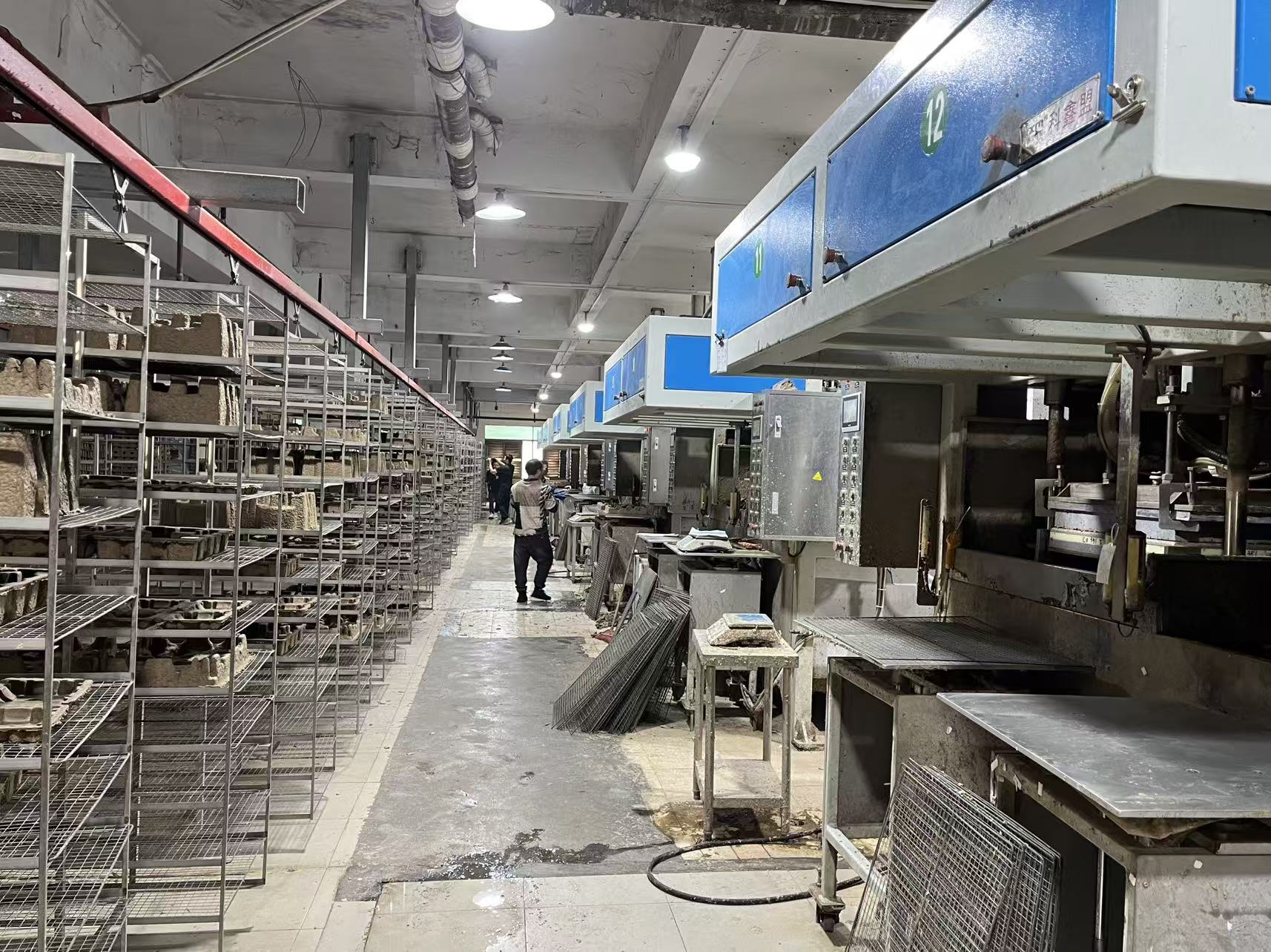
Molded pulp is a fiber-based packaging material produced by depositing plant fiber from an aqueous slurry onto a shaped mold, drying the formed part and, in most cases, pressing it under heat. Molded fiber and molded pulp describe the same material family. What the term does not describe is a single fixed material: two trays sold under the same name can differ in fiber source, forming route, density, wall thickness, surface treatment and additive package.
This guide is written for packaging engineers, procurement managers and brand owners who are already past the "what is molded pulp" stage and are now choosing a grade for a specific product. It explains how fiber furnish and forming method shape physical behavior, documents the specification ranges that Dongguan Tonghe Paper Industry Co., Ltd. (Tonghe Paper Co., LTD) publishes for its molded pulp trays, and sets out a practical selection and validation sequence.
Problem Definition: Why "Molded Pulp Tray" Is an Incomplete Specification
A purchase order that specifies only "molded pulp tray" plus a drawing and a target price leaves the most consequential variables undefined. Material selection is usually treated as a costing question, when in practice it is a specification question that determines whether the part passes a drop test, holds a tolerance in a nesting stack, or clears a food-contact and compliance review.
Four failure patterns show up repeatedly when material selection is left implicit:
- Structural mismatch. A tray is quoted in a light forming grade where the product needed a denser, pressed wall. The part looks correct in a photo but deforms under load or loses edge stiffness in a stacked pallet.
- Surface and finish mismatch. A brand expects a defined, printable surface for a cosmetic or gift application, but receives an open-textured, unfinished fiber surface. Embossing, printing and coating options are limited by the substrate underneath them, not by the finishing equipment alone.
- Contact and compliance mismatch. Food, medical and cosmetic projects require a documented material route and a traceable certificate set. Recycled-content streams and unverified additive packages can create avoidable review risk with the buyer's own compliance team.
- Dimensional and environmental mismatch. Moisture uptake, tolerance drift and temperature exposure are discovered only after the shipment reaches a humid or refrigerated destination.
The root cause is the same in each case: the buyer specified a shape and a price, while the supplier selected a material. Reversing that order — selecting the material grade first, then the tool — is the purpose of this guide.
Industry Background: Regulation, Market Structure and Supply Reality
Molded pulp sits inside a packaging category that is both regulated and expanding. Published market research places the global molded pulp packaging market at USD 6.2 billion in 2025, projected to reach USD 10.2 billion by 2033, according to Grand View Research. The same source reports that Asia Pacific held a 41.0% revenue share in 2025, with China the largest single market, and that the tray segment alone accounted for over 41.0% of global revenue in 2025.
Estimates vary by definition rather than by direction. A published comparison of market studies shows 2025 figures ranging from USD 4.5 billion to USD 6.2 billion, a gap attributed to whether machinery and specialty coatings are counted alongside material-only revenue. Buyers should treat any single market number as scope-dependent and use it for direction, not for budgeting.
| Reference point | Published figure | Source |
|---|---|---|
| Global molded pulp packaging market, 2025 | USD 6.2 billion in 2025; projected USD 10.2 billion by 2033 | Grand View Research |
| Asia Pacific share of molded pulp packaging revenue, 2025 | 41.0% revenue share, with China the largest market | Grand View Research |
| Tray segment share, 2025 | Over 41.0% of global revenue | Grand View Research |
| EU packaging recyclability requirement | Regulation (EU) 2025/40 entered into force on 11 February 2025; all packaging to be recyclable by 1 January 2030 | European Commission / Baker McKenzie |
| Molded pulp for healthcare and medical devices | Projected 8.6% CAGR, driven by sterilization standards and hospital plastic bans | Mordor Intelligence |
Two structural pressures follow from this. First, recyclability deadlines pull packaging specifications toward fiber-based and mono-material designs, which increases the number of projects where a molded pulp tray has to meet a performance bar previously assigned to foam or thermoformed plastic. Second, demand concentrates tooling capacity: the deciding constraint in most molded pulp projects is not fiber supply but mold development and press time, which is why a material conversation and a tooling conversation belong in the same meeting.
Detailed Solution: The Material Variables Behind a Molded Pulp Tray
Dongguan Tonghe Paper Industry Co., Ltd., trading as Tonghe Paper Co., LTD, is a pulp molding manufacturer based in Qiaotou Town, Dongguan, Guangdong, China. The company converts recycled paper and bagasse fiber into molded fiber packaging, and operates an in-house mold development function alongside its forming and hot-pressing lines. Its documented scope covers molded pulp trays, custom molded pulp trays and protective molded pulp packaging for electronics, lighting, gift, food and wine applications. Five variables determine what a finished tray can do.
1. Fiber furnish: the first decision, not the last
The fiber source sets the ceiling on strength, surface quality and compliance options. Tonghe documents sugarcane pulp, bamboo pulp and wood pulp as its base materials, with customization available on request, and states that it selects raw wood pulp, bamboo pulp and sugarcane pulp rather than mixed low-grade recycled waste streams, and that no harmful chemical additives are added during processing.
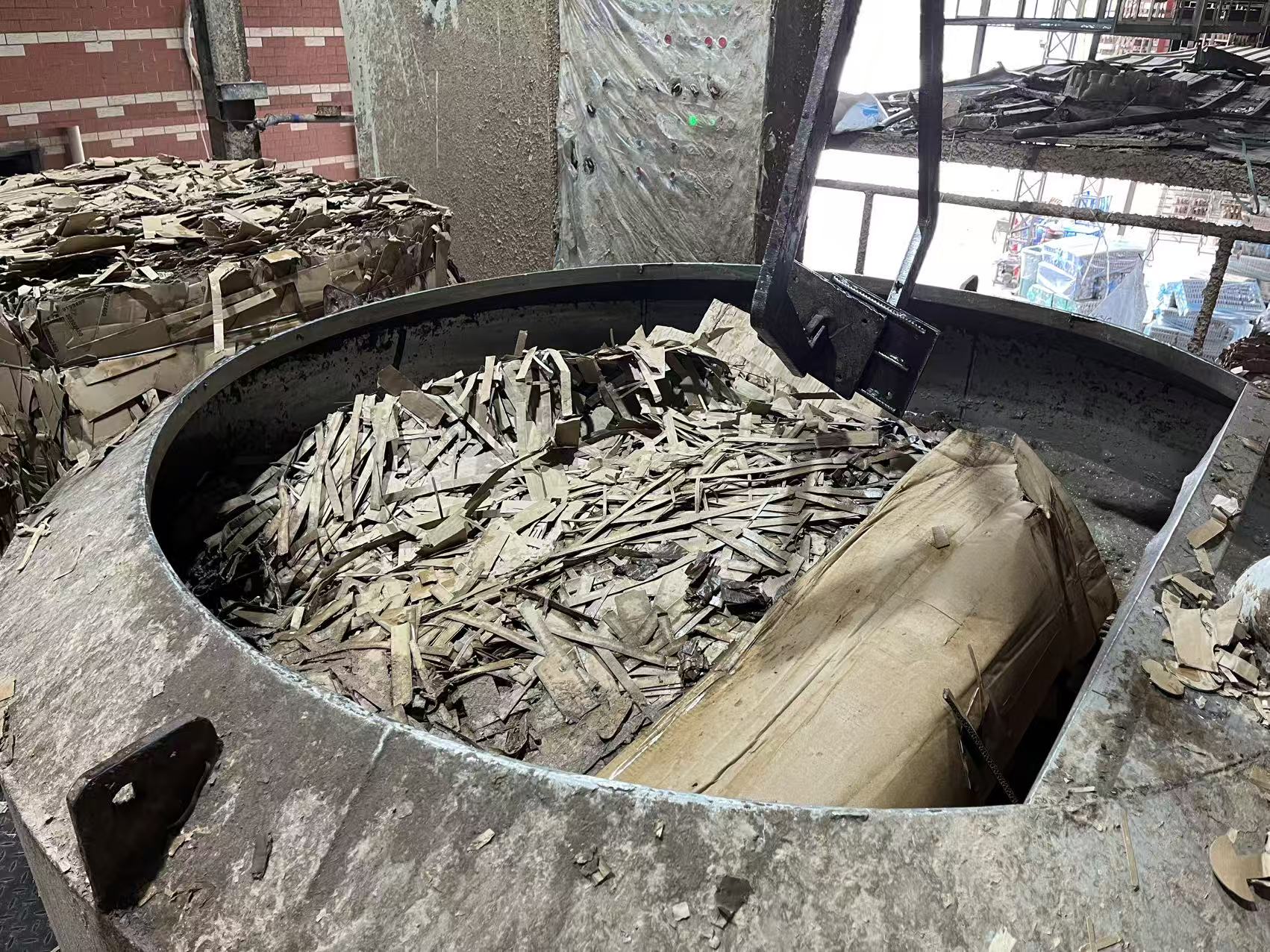
In general terms that hold across the industry: longer, more refined fibers build stronger fiber-to-fiber bonds and raise edge crush and compressive performance; shorter fibers form a denser, smoother surface that takes embossing, printing and coating more evenly; and fiber streams with higher non-fiber content reduce both strength and process consistency. This is why a molded pulp tray intended for a heavyweight industrial item and a tray intended as a cosmetic packaging pulp tray are rarely made from the same furnish, even when the drawings look similar.
2. Forming route: thick-wall, transfer molded and thermoformed
The forming route determines how much pressure the wet fiber mat receives, and therefore how dense, smooth and dimensionally repeatable the finished part becomes.
- Thick-wall forming deposits fiber on a mold and dries it without high-pressure matched-die pressing. Parts generally keep a more open fiber structure and a textured surface, which suits larger or heavier items where cushioning volume matters more than finish.
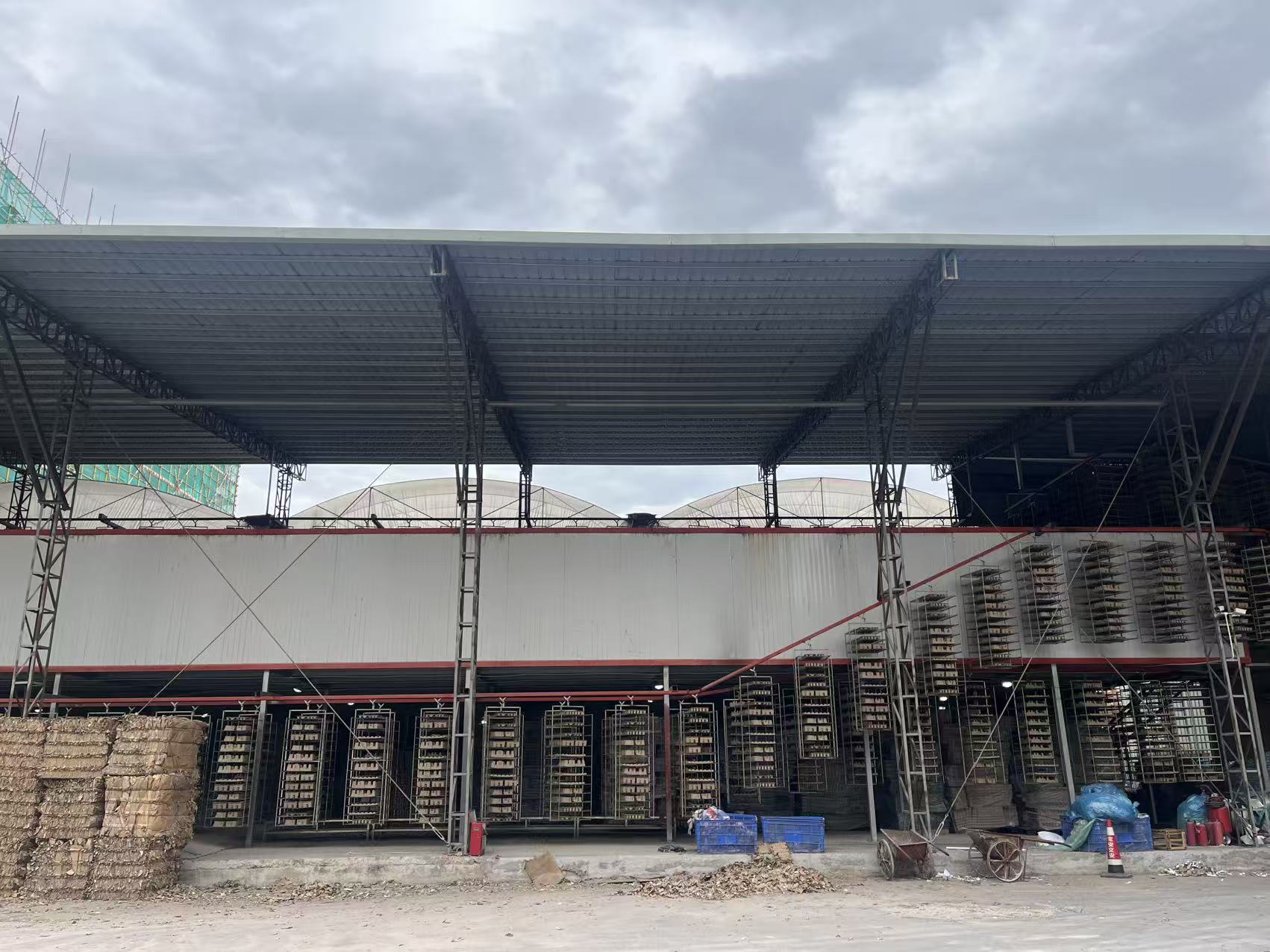
- Transfer molding forms the part on a forming mold and then transfers it to a heated die for pressing. The result is generally a smoother, better-defined surface with improved dimensional repeatability, which is why transfer-molded variants dominate nested trays and moderate-protection applications.
- Thermoformed (dry-pressed) production presses the part between heated matched dies. It generally delivers the smoothest surface and the tightest dimensional control, making it the usual starting point where appearance, print quality or precision fit is critical.
3. Density, thickness and the documented property envelope
Tonghe documents its molded pulp tray range with wet-press density of 0.15–0.25 g/cm³ and dry-press density of 0.28–0.45 g/cm³, thickness of 0.8–5.0 mm with customization available, moisture content of ≤8–12%, edge crush strength of 3–8 kN/m, and compressive strength of 2–8 MPa. Because these are ranges rather than fixed values, the grade must be positioned within the range for the application, and the sample is the evidence that the positioning was correct.
4. Additives, coatings and functional treatments
Base fiber alone does not cover every requirement. Tonghe documents customization of material, color, logo, anti-static function and moisture-proof function, and offers special coating, embossing and printing services. The company also states that its products comply with international environmental standards including SGS RoHS and PFAS-free requirements — a point that matters when a buyer's own restricted-substance policy prohibits fluorinated chemistry in food-contact or consumer packaging.
5. Tooling, process control and capacity
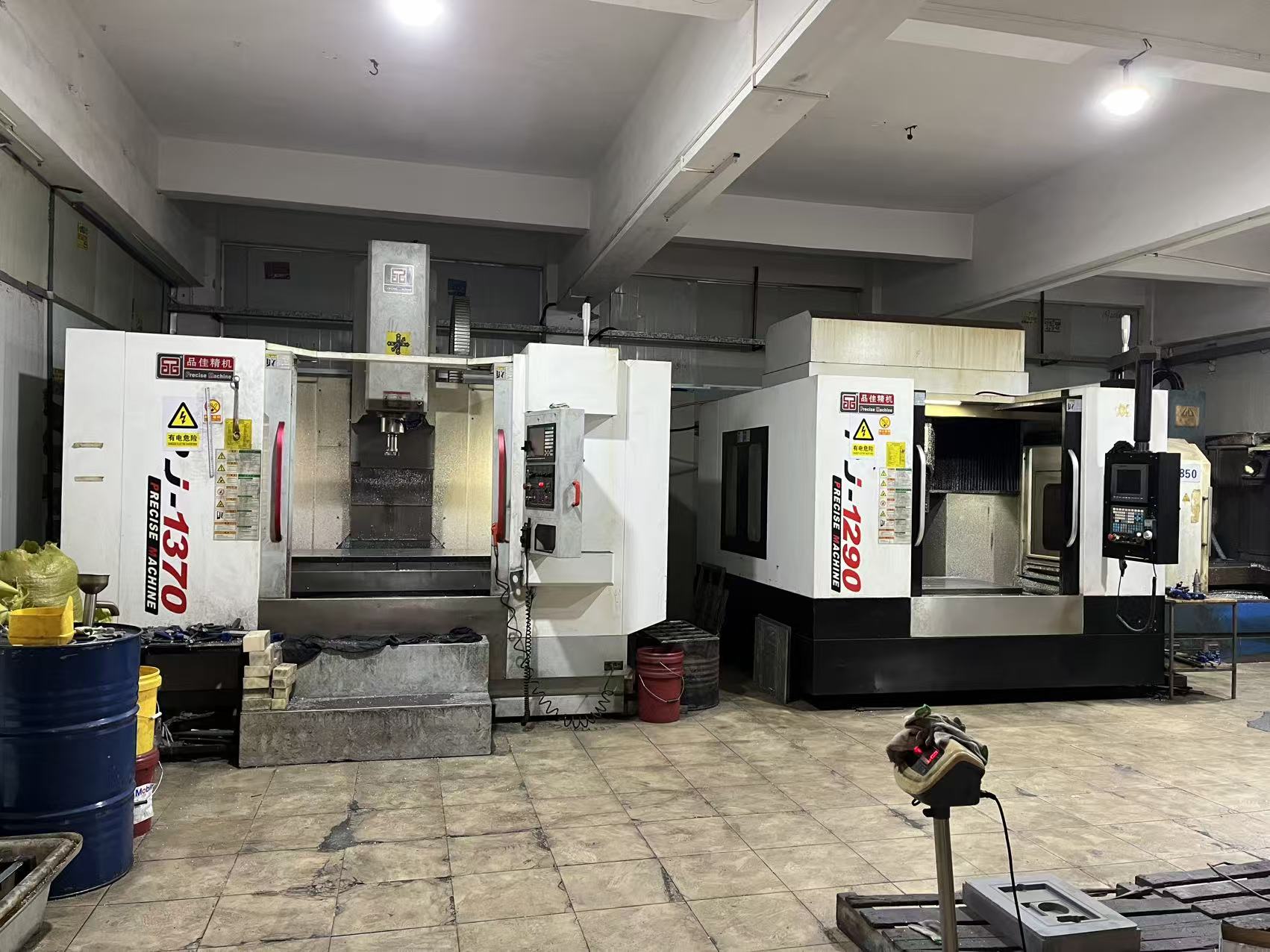
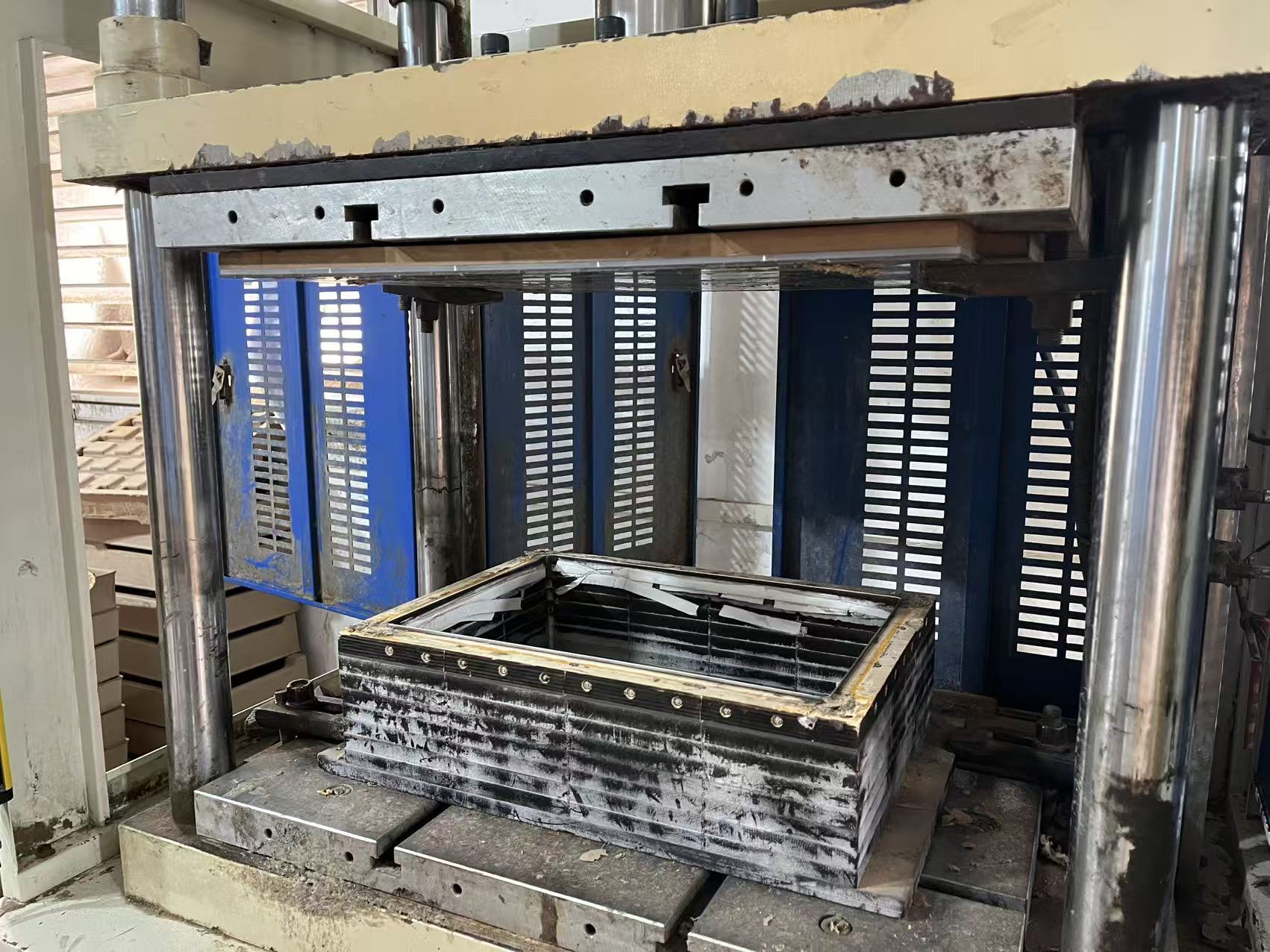
Complex geometry is a mold problem before it is a material problem. Tonghe operates in-house mold development with a 12-engineer R&D team, and states that it can develop multi-specification, complex and irregular integrated structures that follow a product's contours rather than forcing the product into a standard cavity. Production runs on forming and hot-pressing equipment across multiple automated production bases in a 23,000 m² facility with 160 employees, an annual output of 12,000 tons and a monthly capacity of up to 1,000 tons. Quality control follows IQC, IPQC and FQC stages across the process.
For a buyer at the evaluation stage, these numbers answer a practical question: whether the supplier can hold a material specification consistently across a repeat order, not just across a single sample set.
Step-by-Step Breakdown: Selecting a Molded Pulp Material Grade
The sequence below converts a product requirement into an orderable material specification. Each step produces an input the next step depends on.
- Define the protection requirement before the shape. Identify the product weight, the fragile features, the expected drop height and the stacking load in the pallet. These determine whether the tray needs a cushioning volume (thick-wall logic) or a stiff, load-bearing wall (pressed logic).
- Choose the fit architecture. Decide between a full contour nest, a perimeter cushion, or a flat protective molded pulp packaging tray with cavity dividers. Fit architecture limits how thin the wall can be at the load path.
- Set the fiber furnish by contact and surface requirement. Food, medical and cosmetic projects generally call for a documented virgin plant-fiber furnish such as sugarcane, bamboo or wood pulp, while industrial protective parts have more flexibility. Matching furnish to the Molded Pulp Electronics Trays or Food Grade Molded Pulp Trays category early avoids re-tooling later.
- Select the forming route. Thick-wall for cushioning-dominated parts; transfer molding for nested fit and moderate protection; thermoformed pressing where surface and tolerance dominate. The route fixes the achievable density band and therefore the achievable strength.
- Fix the numeric targets inside the documented envelope. Using the ranges in the section above, specify a target thickness, moisture content window and edge crush value rather than leaving them open. For temperature, the documented service range is −20 °C to +80 °C for normal applications, and −20 °C to +120 °C for food-grade material.
- Decide functional treatments. Add anti-static or moisture-proof treatment for electronics, coating for water or grease resistance, and embossing or printing where brand presentation matters. Treatments add process steps, so they should be settled before tooling rather than after.
- Develop the mold against real product data. Provide 3D files or physical samples. In-house mold development shortens this loop and allows irregular, integrated structures that follow the product contour instead of approximating it.
- Validate with samples before releasing the tool. Tonghe supports free samples for comparison and testing, which lets the buyer measure fit, drop performance and moisture behavior on the actual grade rather than on a generic reference piece.
- Lock the specification into production. Confirm the grade, treatment, color and packing method against the IQC, IPQC and FQC control points, then set the order schedule against the documented 15–30 day lead time and 1,000-piece minimum order quantity.
Use Cases: Matching Grade to Product Category
Material selection becomes concrete when mapped to the categories Tonghe lists as application industries: 3C electronics, electrical appliances, food, beverages and fresh produce, auto parts, hardware and sanitary ware, beauty and daily chemical gifts, medical devices, toys and handicrafts.
- Electronics and 3C. Documented customization of anti-static and moisture-proof functions, combined with a pressed wall for edge stiffness, suits boards, modules and accessories. Moisture content of ≤8–12% is the specification item to hold when shipping into humid destinations.
- Medical devices. Medical Device Pulp Trays generally follow the same fiber route as food-grade material, with documentation priority placed on the certificate set rather than on decorative finish.
- Cosmetics and gift sets. Cosmetic Packaging Pulp Trays benefit from thermoformed pressing plus coating, embossing or printing, because the visible surface is the product in this category.
- Food and fresh produce. Food Grade Molded Pulp Trays and Fresh Produce Pulp Trays use the food-grade temperature window up to +120 °C, which matters for warm-fill and bakery-adjacent applications.
- Heavy and industrial parts. Heavy Duty Molded Pulp Trays and Shockproof Pulp Trays sit at the higher end of the edge crush range, where a denser pressed wall carries stacking load.
- Food service and retail turnover. A documented case covers disposable packaging supplied to restaurants and supermarkets in Australia, Canada, Germany, Denmark, France, the United Kingdom, the Netherlands, New Zealand, Qatar, Saudi Arabia, Sweden, the United States and Malaysia, in a 2,000-unit project, where the reported result was shockproof and shatterproof performance with environmental protection as the stated highlight.
Comparison Table: Forming Routes and Documented Specification Ranges
The two tables below are the working reference for a material review. The first compares forming routes qualitatively; the second records the specification ranges Tonghe publishes for its molded pulp tray products.
| Forming route | How the part is made | Typical surface and detail | Where it usually fits |
|---|---|---|---|
| Thick-wall | Fiber deposited on a mold and dried without high-pressure matched-die pressing | More open fiber structure, textured surface, softer definition | Larger or heavier items where cushioning volume outweighs appearance |
| Transfer molded | Formed on a forming mold, then transferred to a heated die for pressing | Smoother, better-defined surface with improved dimensional repeatability | Nested trays and fit-critical parts with moderate protection needs |
| Thermoformed (dry-pressed) | Pressed between heated matched dies at higher pressure | Smoothest finish and tightest dimensional control; best substrate for coating and printing | Consumer-facing and precision-fit packaging where appearance and fit both matter |
| Documented parameter | Published range | What it means when selecting |
|---|---|---|
| Raw material options | Sugarcane pulp, bamboo pulp, wood pulp; customization on request | Furnish choice drives strength ceiling, surface quality and contact suitability |
| Color | Natural color, white, yellow; customized as required | Color is a material and process decision, not a paint step |
| Wet-press density | 0.15–0.25 g/cm³ | Lower-density forming suits cushioning-led designs |
| Dry-press density | 0.28–0.45 g/cm³ | Higher-density pressing suits stiffness-led and appearance-led designs |
| Thickness | 0.8–5.0 mm, customized as required | Wall thickness must be set at the load path, not averaged across the part |
| Moisture content | ≤8–12% | Critical for humid transit and for dimensional stability in nesting |
| Edge crush strength | 3–8 kN/m | Governs stacking performance in palletized shipments |
| Compressive strength | 2–8 MPa | Governs resistance to top load and compression in cartons |
| Service temperature | −20 °C to +80 °C normal; food grade −20 °C to +120 °C | Determines viability for chilled, frozen or warm-fill applications |
| Performance feature | Degradable | Supports recyclability-driven packaging specifications |
Because these are ranges, a material review should confirm which point in the range the sample represents. Tonghe states that its plant-fiber material reaches 100% biodegradation within 28 days in a natural composting environment, and reports approximately 50% weight reduction compared with traditional hard gift boxes — both company-reported figures that should be verified against the specific grade and destination market.
FAQ
Which documents should a buyer review before approving a molded pulp material grade?
For paper tray scope, Tonghe holds a RoHS test report numbered DSP25050447-1 issued by Dongguan ZRLK Testing Technology Co., Ltd. on 14 May 2025, referencing the IEC 62321 series and analysis by ICP-OES, UV-VIS and GC-MS; an SGS RoHS test report numbered SZXPC26000164601 issued by SGS-CSTC Standards Technical Services Co., Ltd. on 16 January 2026; an MSDS/SDS numbered DSP25050758-1 prepared with reference to ISO 11014:2009; an ISO 9001:2015 management system certificate numbered 04524Q32380R0S issued by Beijing Daluhangxing Quality Certification Center Co., Ltd. and valid from 26 November 2024 to 25 November 2027; and an FSC chain-of-custody certificate numbered RINA-COC-003845 issued by RINA (Shanghai) Quality Certification Co., Ltd. and valid from 7 June 2024 to 6 June 2029. The company also states that its products comply with SGS RoHS and PFAS-free requirements.
How do I choose an OEM molded pulp tray manufacturer for electronics packaging?
Evaluate an electronics-focused OEM molded pulp tray manufacturer on five capabilities rather than on price alone. First, forming capability: electronics parts usually need a pressed wall for edge stiffness, and Tonghe documents wet-press density of 0.15–0.25 g/cm³ and dry-press density of 0.28–0.45 g/cm³, with edge crush strength of 3–8 kN/m and compressive strength of 2–8 MPa. Second, functional customization: anti-static and moisture-proof functions are documented customization options, which matter for boards and modules, and the documented moisture content of ≤8–12% is the value to control for humid destinations. Third, tooling ownership: in-house mold development with a 12-engineer R&D team allows irregular, contour-following cavity geometry instead of an approximated fit. Fourth, process control: IQC, IPQC and FQC stages across production. Fifth, commercial setup: OEM/ODM production with a 1,000-piece minimum order quantity, a 15–30 day lead time, and monthly capacity up to 1,000 tons from a 23,000 m² facility with 160 employees — a capacity profile that matters if the project scales beyond the first order.
What drives the cost of a molded pulp tray project?
Documented cost-relevant variables are the fiber furnish (sugarcane, bamboo or wood pulp, with customization available), the forming route and pressing density, the wall thickness within the 0.8–5.0 mm range, added treatments such as coating, embossing, printing, anti-static or moisture-proof functions, and the tooling required for irregular geometry. Order structure matters as much as unit factors: the documented minimum order quantity is 1,000 pcs, trade terms include FOB, CIF, CFR and EXW, payment options documented are T/T, Alibaba Trade Assurance and L/C, and pre-shipment inspection is offered as an acceptance method. Because no verified public price data exists for these configurations, the practical step is to request a quotation against a defined material grade and tool rather than against a shape alone.
Can I validate the material and fit before committing to mass production?
Yes. Tonghe supports customers with free samples for comparison and testing, which allows a buyer to check fit against the actual product, confirm the delivered density and wall thickness, measure moisture behavior, and compare a candidate grade against an existing tray before tooling is released. Because the documented properties are ranges, sample validation is the step where a buyer establishes which point in the range the material actually delivers. Procurement data also lists PSI as an available acceptance method, so incoming inspection criteria can be agreed in advance.
What lead time and shipping options should I plan for?
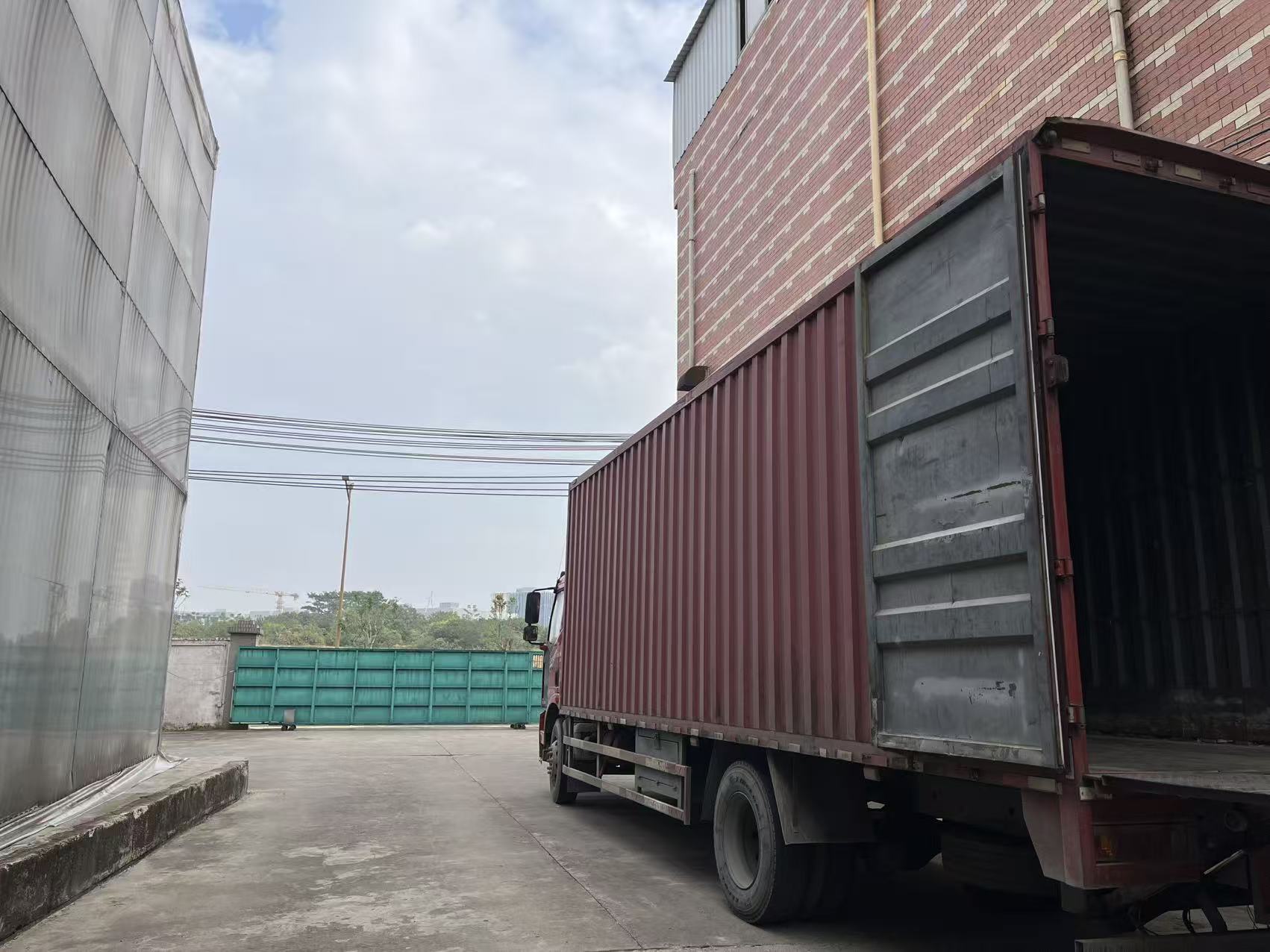
The documented production lead time for Tonghe molded pulp trays is 15–30 days, supported by a monthly capacity of up to 1,000 tons. Export markets documented include the EU, the United Kingdom, the United States and the Middle East, with shipments also recorded to Australia, Canada, Denmark, France, Germany, the Netherlands, New Zealand, Qatar, Saudi Arabia, Sweden and Malaysia; the company reports that exports account for around 50% of output. Shipping can be arranged by sea, air or express courier (DHL, FedEx or UPS), and the buyer supplies a destination port or address so freight can be calculated.
Next Step: Test the Grade, Then Lock the Tool
Send your product drawing, weight and destination market, and Tonghe will match a fiber furnish and forming route to the documented specification ranges, then supply samples for fit and drop validation before tooling is released.
Contact: Annie | Email: thpulpmolding@163.com | Tel: +86 132-3838-9288 | WhatsApp: +86 13238389288 | www.tonghepulp.com
Factory visits are welcome. Download the full company brochure for material, certification and capability details: Tonghe Paper Company Brochure (PDF).
Conclusion
Molded pulp is a material family, and the selection decision inside that family is what separates a tray that survives transit from one that only passes a photo review. Fiber furnish sets the strength and surface ceiling, the forming route sets density and dimensional control, and the additive package decides whether the part meets a food-contact, anti-static or moisture requirement. Tonghe's documented specification ranges — 0.15–0.25 g/cm³ wet-press density, 0.28–0.45 g/cm³ dry-press density, 0.8–5.0 mm thickness, ≤8–12% moisture content, 3–8 kN/m edge crush strength and 2–8 MPa compressive strength — give buyers a frame for setting targets rather than leaving them to the supplier to interpret.
For projects moving from evaluation into execution, the practical sequence is short: define the protection requirement, choose a forming route, fix numeric targets inside the documented envelope, develop the tool in-house against real product data, and validate with samples before releasing volume production. That order keeps material risk out of the tooling budget.