
Molded Pulp Tooling & Fiber: A Technical Selection Guide for Custom Trays
Technical Selection Guide · Custom Molded Pulp Trays
Molded Pulp Tooling & Fiber: A Technical Selection Guide for Custom Trays
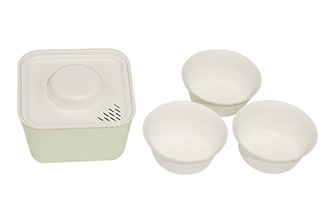
A custom molded pulp tray performs only as well as the two decisions made before production begins: the fiber recipe and the tooling design. Fiber governs surface quality, moisture behavior, protection and end-of-life classification. Tooling governs cavity fit, wall consistency and whether the same tray can be reproduced run after run. This guide sets out the parameters packaging engineers and technical buyers should specify first, how those parameters behave in production, and the procurement terms — sample policy, payment methods, shipping and lead time — that come with a custom molded pulp project.
Why Molded Pulp Trays Pass Sampling and Still Fail in Production
Most molded pulp tray problems appear weeks after tooling approval, not during the first sample review. Three failure patterns account for the majority of them.
- Fit drift. The tray holds the product perfectly in the first sample, then loosens or binds once moisture content shifts between production batches. Fit is not a shape property alone; it is a shape-plus-moisture property.
- Protection shortfall. The tray looks correct, but the load-bearing corners are thinner than intended. Edge crush strength and compressive strength were never written down as numbers, so no one can objectively reject a shipment that fails them.
- Production inconsistency. Wall thickness varies across a cavity, trimming leaves a rough edge, or the surface sheds fiber dust — a critical defect for medical device and cosmetic inner packaging, where low dust and no shedding is an explicit requirement.
The usual root cause is a specification gap rather than a manufacturing defect. Buyers approve a shape, while molded pulp is a formed and dried fiber structure: thickness, density and moisture are process outputs that must be specified, sampled, and then verified at IQC, IPQC and FQC stages. Tooling and fiber are therefore not a purchasing afterthought; they are the two levers that decide whether a tray project succeeds.
Industry Background: Why Tooling Choices Are Now Compliance Choices
Molded pulp is no longer a low-cost substitute selected on price alone. The regulatory and market context has moved the tray specification closer to the compliance and engineering teams.
- The global molded pulp packaging market was valued at USD 6.2 billion in 2025 and is projected to reach USD 10.2 billion by 2033 (Grand View Research).
- Asia Pacific held a 41.0% revenue share of that market in 2025, with China accounting for the largest share.
- Trays led the market by product segment in 2025, accounting for over 41.0% of revenue share.
- The European Packaging and Packaging Waste Regulation (EU) 2025/40 entered into force on 11 February 2025 and requires all packaging to be recyclable by 1 January 2030.
- Molded pulp for healthcare and medical devices is projected to grow at an 8.6% CAGR, driven by ISO sterilization standards and plastic bans in hospitals.
For a technical buyer, these figures translate into three practical consequences. First, a tray specified today is expected to still be compliant in 2030, which pushes fiber and coating decisions toward recyclable, film-free constructions. Second, medical applications carry a sterilization constraint that tooling and fiber must satisfy before price is discussed. Third, because trays represent the largest product segment, supplier tooling capability — not just fiber supply — becomes a differentiator in the shortlist.
Fiber Selection: What the Pulp Recipe Fixes in the Finished Tray
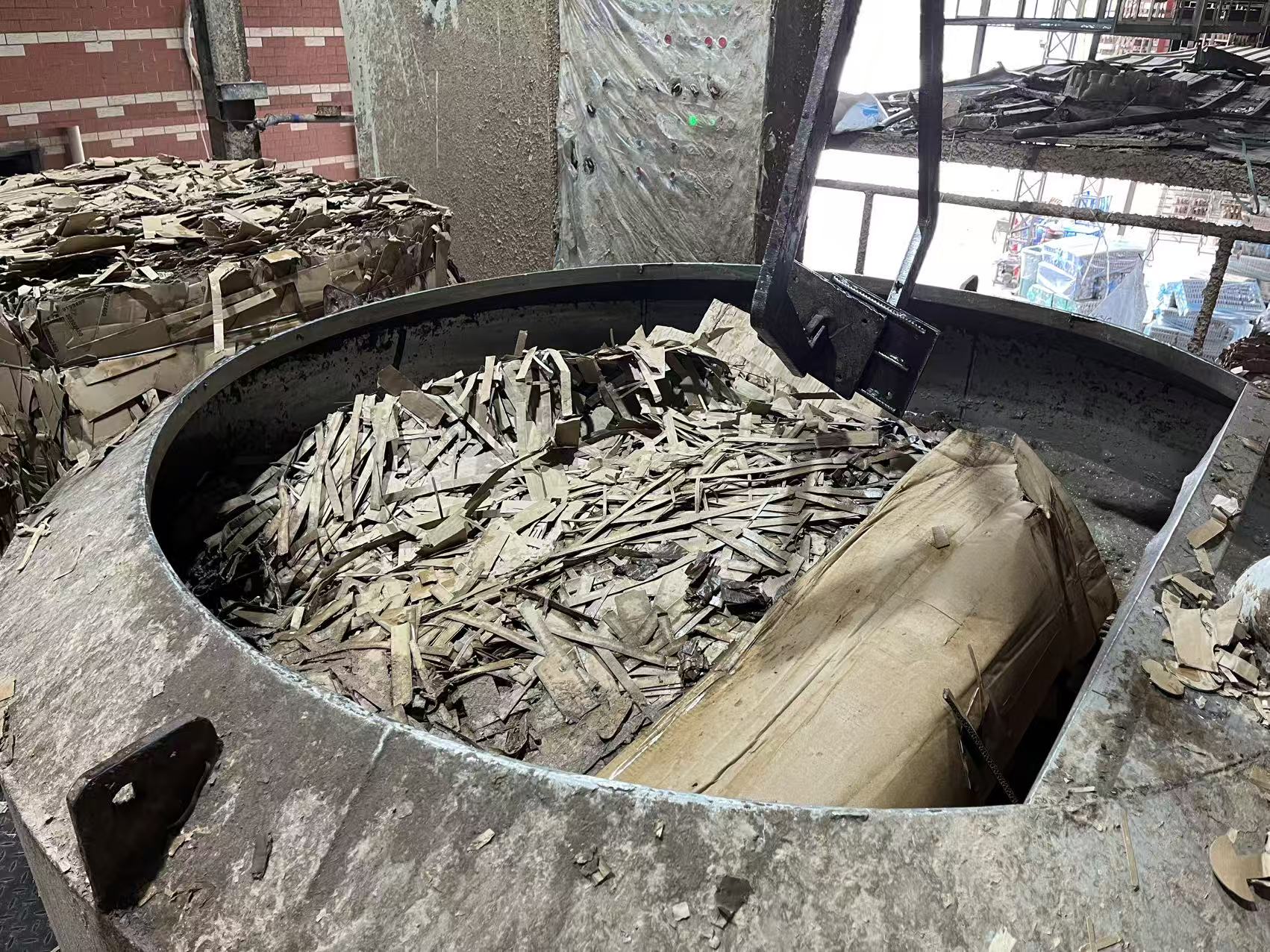
The fiber recipe fixes three things that tooling cannot correct later: surface quality, moisture behavior and the end-of-life claim. Tonghe Paper Co., LTD produces molded pulp trays from sugarcane pulp, bamboo pulp and wood pulp, with material customization available on request.
Recycled fiber, bagasse fiber and virgin pulp
Dongguan Tonghe Paper Industry Co., Ltd. is a pulp molding manufacturer based in Dongguan, China, that converts recycled paper and bagasse fiber into eco-friendly packaging as a biodegradable alternative to plastic and foam. For demanding applications, the factory selects high-quality raw wood pulp, bamboo pulp and sugarcane pulp with no harmful chemical additives, and the raw materials remain fully recyclable in circulation.
The distinction matters commercially. General industrial trays can use recycled pulp and keep cost and material footprint low. Medical Device Pulp Trays use virgin wood pulp that is free of fluorescent agents, produced in a clean workshop and supplied with a material inspection report. If a project requires documented fiber origin, that requirement belongs in the specification from day one, because it changes the pulp line rather than the mold.
Finishes that change fiber performance
- Color: natural color, white or yellow, or customized as required. Natural pulp is the cost-effective default; bleached white pulp gives a cleaner appearance for gift and cosmetic packaging.
- Surface treatment: calendering and waterproof / oil-proof treatment. Calendering improves surface smoothness and reduces paper scraps, while water and oil resistance extends the tray into cosmetics, home appliances, hardware and medical device lining.
- Functional modification: anti-static pulp grades are available for electronic components and connectors.
- Brand finishing: special coating, embossing and printing are available, so logo and embossing can replace a separate printed card.
End-of-life data to quote to your compliance team
In a natural composting environment, the trays reach 100% complete biodegradation in 28 days. The construction is zero plastic: no film coating, no PE or PET plastic film and no microplastic pollution, and the trays can be disposed of as kitchen waste. For markets with plastic restriction rules, this is the documentation that removes plastic tax exposure.
Tooling Design: The Variables That Control Fit and Repeatability
Tooling determines whether the tray fits and whether it fits the same way on the thousandth unit as on the first. In-house mold development capability is what allows a supplier to build trays around a product contour instead of forcing the product into a standard cavity.
Mold geometry and one-piece forming
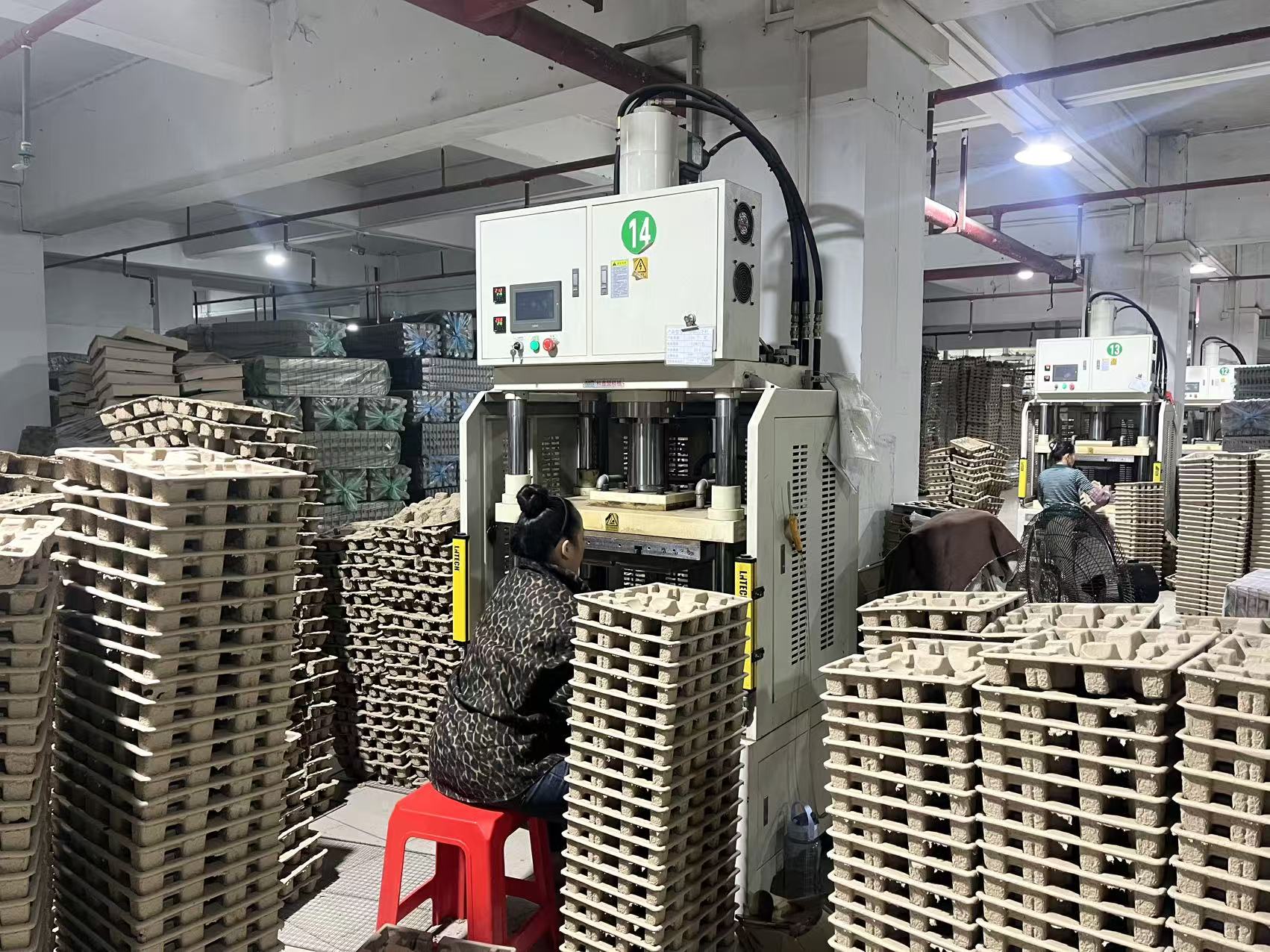
Tonghe develops its own molds, and the mold design is matched to the contours of the product rather than to a catalogue shape. This supports multi-specification, complex and irregular integrated structures — the area where many suppliers are limited to conventional, regular styles with poor fit and simple appearance. For medical trays, one-piece molding with precise positioning removes assembly tolerance between the insert and the device, which is what makes shockproof, drop-resistant performance repeatable.
The parameter set to write into the tooling and tray specification
- Thickness: 0.8-5.0 mm, customized as required. Thicker walls raise protection and weight together; the target is the thinnest wall that still passes the drop and stacking test.
- Wet density: 0.15-0.25 g/cm³. A forming-stage indicator of fiber interlocking consistency.
- Dry density: 0.28-0.45 g/cm³. The finished-wall stiffness indicator.
- Moisture content: ≤8-12%. The single parameter most closely linked to fit drift and dimensional change during humid storage or long sea transit.
- Edge crush strength: 3-8 kN/m, relevant to pallet stacking and edge protection.
- Compressive strength: 2-8 MPa, relevant to the load-bearing capacity of the molded structure.
- Service temperature: -20 °C to +80 °C for standard trays; food grade constructions are rated from -20 °C to +120 °C, which matters for hot-fill and sterilization routes.
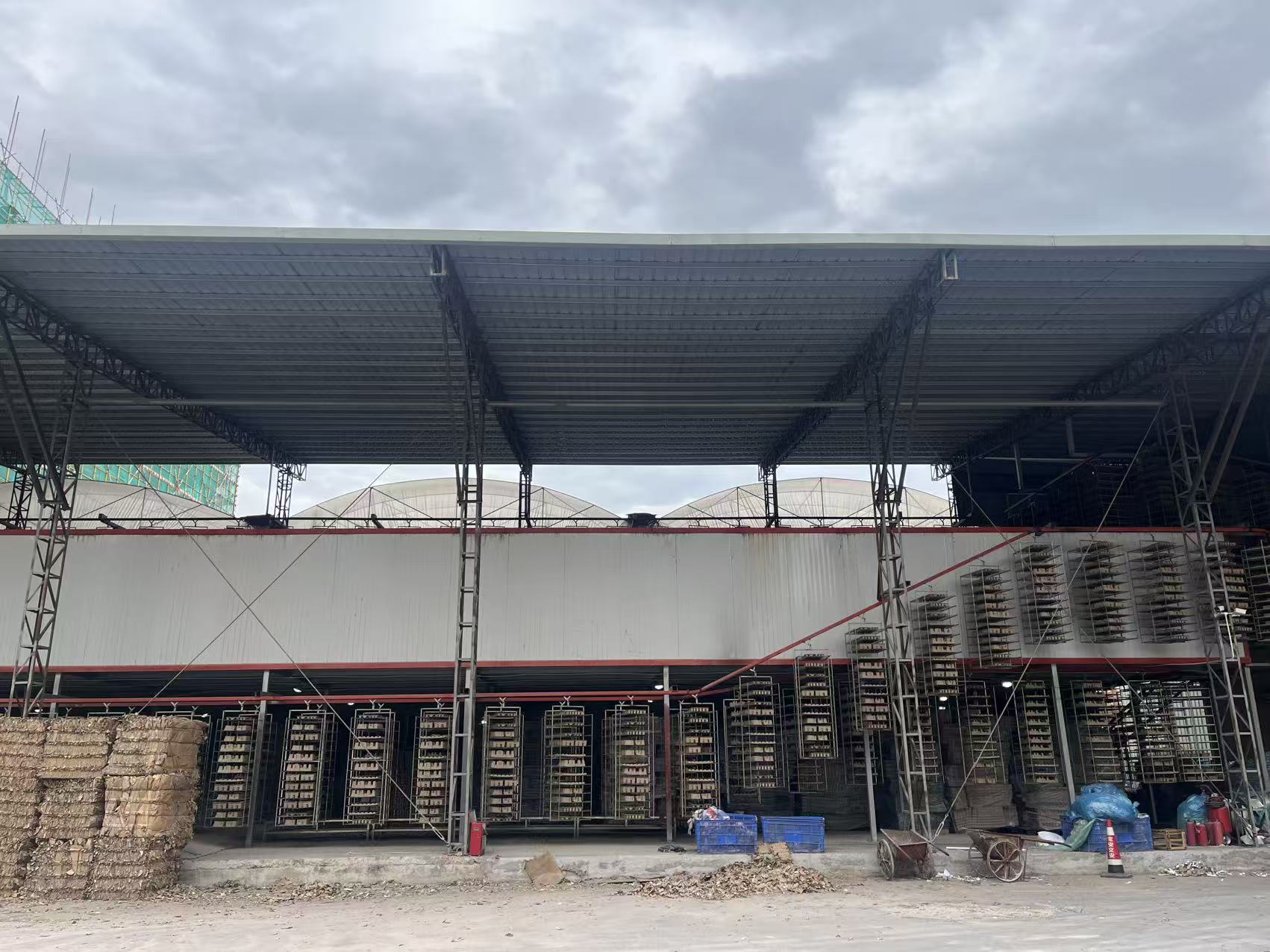
Two further production factors influence repeatability. Trimming quality, controlled at the edge cutting stage, determines edge finish and fiber dust levels. Drying control determines where the batch lands inside the moisture window, and therefore how stable the cavity fit stays after shipping.
Parameter Comparison: What to Specify Before Tooling
The table below summarizes the molded pulp tray parameter envelope that Tonghe works to across its tray range. These are the numbers to place in a purchase specification so that a sample can be approved against measurable criteria rather than appearance alone.
| Parameter | Specified range | Why it changes your decision |
|---|---|---|
| Raw material | Sugarcane pulp, bamboo pulp, wood pulp (customization available on request) | Sets stiffness, surface finish, cost level and the end-of-life claim |
| Wet density | 0.15-0.25 g/cm³ | Forming-stage indicator of fiber consistency |
| Dry density | 0.28-0.45 g/cm³ | Controls stiffness of the finished wall |
| Thickness | 0.8-5.0 mm, customized as required | Direct trade-off between protection and logistics weight |
| Moisture content | ≤8-12% | Primary driver of fit drift in humid storage and sea transit |
| Edge crush strength | 3-8 kN/m | Stacking and pallet-load performance at the tray edge |
| Compressive strength | 2-8 MPa | Load-bearing capacity of the molded structure |
| Service temperature | -20 °C to +80 °C standard; -20 °C to +120 °C food grade | Rules trays in or out of hot-fill and selected sterilization routes |
| Color | Natural, white, yellow or customized | Can remove a separate printing step or carry brand value |
Ranges apply to the Tonghe molded pulp tray family; confirm the final tolerance band per SKU against the approved sample.
The second comparison moves from parameters to project fit: the same parameter envelope is applied differently depending on tray type.
| Tray type | Fiber / finish note | Typical project fit |
|---|---|---|
| Molded Pulp Trays | Natural or bleached white pulp; calendering, waterproof and oil-proof treatment optional | 3C electronics, appliances, food and fresh produce, auto parts, hardware and sanitary ware, beauty and daily chemical gifts, medical, toys, handicrafts |
| Custom Molded Pulp Trays | Custom irregular structures replacing foam vacuum forming; shockproof and pressure-resistant | Export packaging where recyclability and EU environmental compliance are required |
| Food Grade Molded Pulp Trays | Sugarcane, bamboo or wood pulp; food-safe; -20 °C to +120 °C | Food packaging, disposable food service, fresh produce trays |
| Medical Device Pulp Trays | Virgin wood pulp free of fluorescent agents; clean-workshop production; material inspection report | EO-sterilized devices with probes, handles, catheters or surgical instrument components |
| Cosmetic Packaging Pulp Trays | Custom-fit insert structure with anti-scratch cushioning; color and thickness customizable | Cosmetic inner packaging and gift sets |
| Biodegradable Pulp Trays | Fully biodegradable and compostable; no PE/PET film, no microplastics | Markets with plastic restriction rules; kitchen-waste disposal routes |
Step-by-Step: From Product Drawing to Mass Production
- Define the protection requirement in words first. State what the tray must survive — transport vibration, drop, stacking, or turnover handling in food service. This decides whether the project needs a standard cavity or a fully custom insert.
- Choose the fiber recipe and finish. Select sugarcane, bamboo or wood pulp, then color, calendering, water and oil resistance, or an anti-static grade for electronics. Medical projects should lock virgin wood pulp free of fluorescent agents at this stage.
- Convert the requirement into numbers. Agree on thickness within 0.8-5.0 mm, edge crush within 3-8 kN/m, compressive strength within 2-8 MPa, and moisture content within ≤8-12%. These become the acceptance criteria.
- Review the mold design against the product contours. In-house mold development allows complex, irregular integrated structures and multi-specification cavities; one-piece molding with precise positioning is the preferred route for devices and fragile items.
- Validate with physical samples. Free samples are provided for comparison and testing, so the tray can be loaded with the real product and checked for fit, anti-shock performance and surface condition before tooling is committed to mass output.
- Agree the inspection plan. Confirm IQC, IPQC and FQC checkpoints, plus the documentation set required for your market — for medical projects this includes the material inspection report.
- Confirm commercial terms. Minimum order quantity is 1,000 pcs, with a production lead time of 15-30 days and monthly capacity of up to 1,000 tons.
- Plan logistics. Choose sea, air or express freight, then provide the destination port or address so freight cost can be calculated before the order is released.
Project Fit: Where These Parameters Matter Most
Medical device packaging
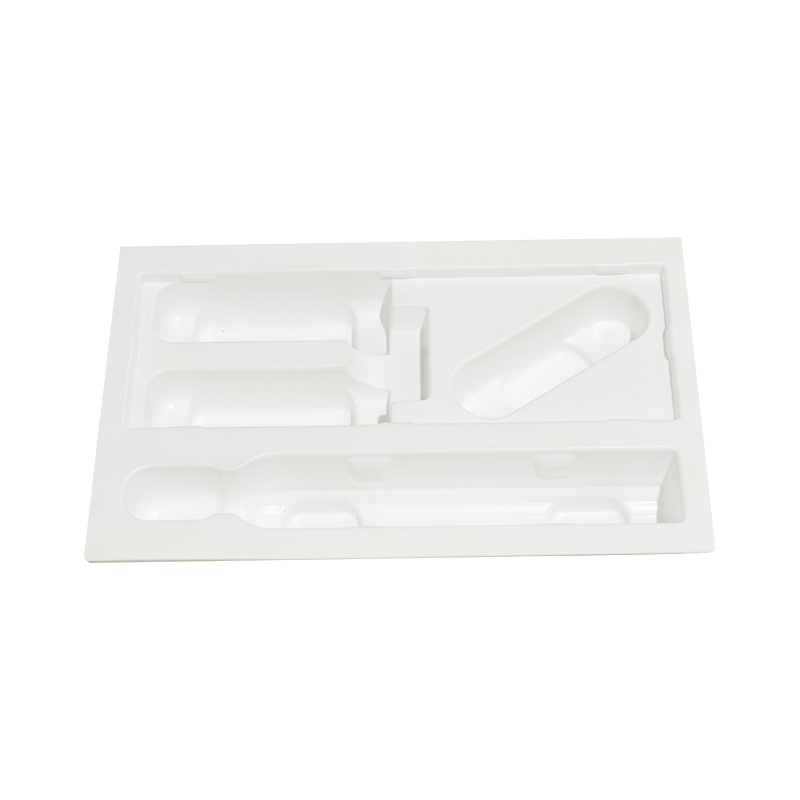
Medical trays are the clearest example of tooling and fiber working together. The tray supports EO sterilization, uses virgin wood pulp free of fluorescent agents, is produced in a clean workshop and ships with a material inspection report. One-piece molding with precise positioning delivers shockproof, drop-resistant protection with low dust and no shedding, and cavities can be customized for probes, handles, catheters and surgical instrument components. Because the tray is degradable and recyclable, it also avoids plastic taxes for device exporters shipping into Europe and North America.
Electronics and appliances
Anti-static modified pulp is available for electronic components and connectors, and the integrated molded lining resists pressure, impact and shock with corners and edges that fit the product closely, reducing transport damage compared with loose filling.
Cosmetics and gift packaging
Custom-fit insert structures with anti-scratch cushioning protect glass and coated components, while color and thickness can be customized for premium presentation. Weight also matters here: compared with traditional hard gift boxes, the molded construction reduces weight by approximately 50% while remaining structurally solid and stackable.
Food service and fresh produce
Food grade trays are food-safe, rated from -20 °C to +120 °C and available in customized sizes and colors. In a documented project for restaurants and supermarkets, 2,000 units were supplied for packaging during transportation and turnover, with the result reported as shockproof and shatterproof and environmental protection as the highlight.
Procurement Details: Payment, Shipping and Order Envelope
Technical selection and commercial terms are usually confirmed in the same round of discussion, so it helps to know both before requesting a quote.
- Payment terms: T/T and Alibaba Trade Assurance.
- Shipping methods: sea, air and express (DHL / FedEx / UPS). Providing your destination port or address allows freight cost to be calculated accurately.
- Order envelope: MOQ 1,000 pcs; lead time 15-30 days; monthly capacity up to 1,000 tons.
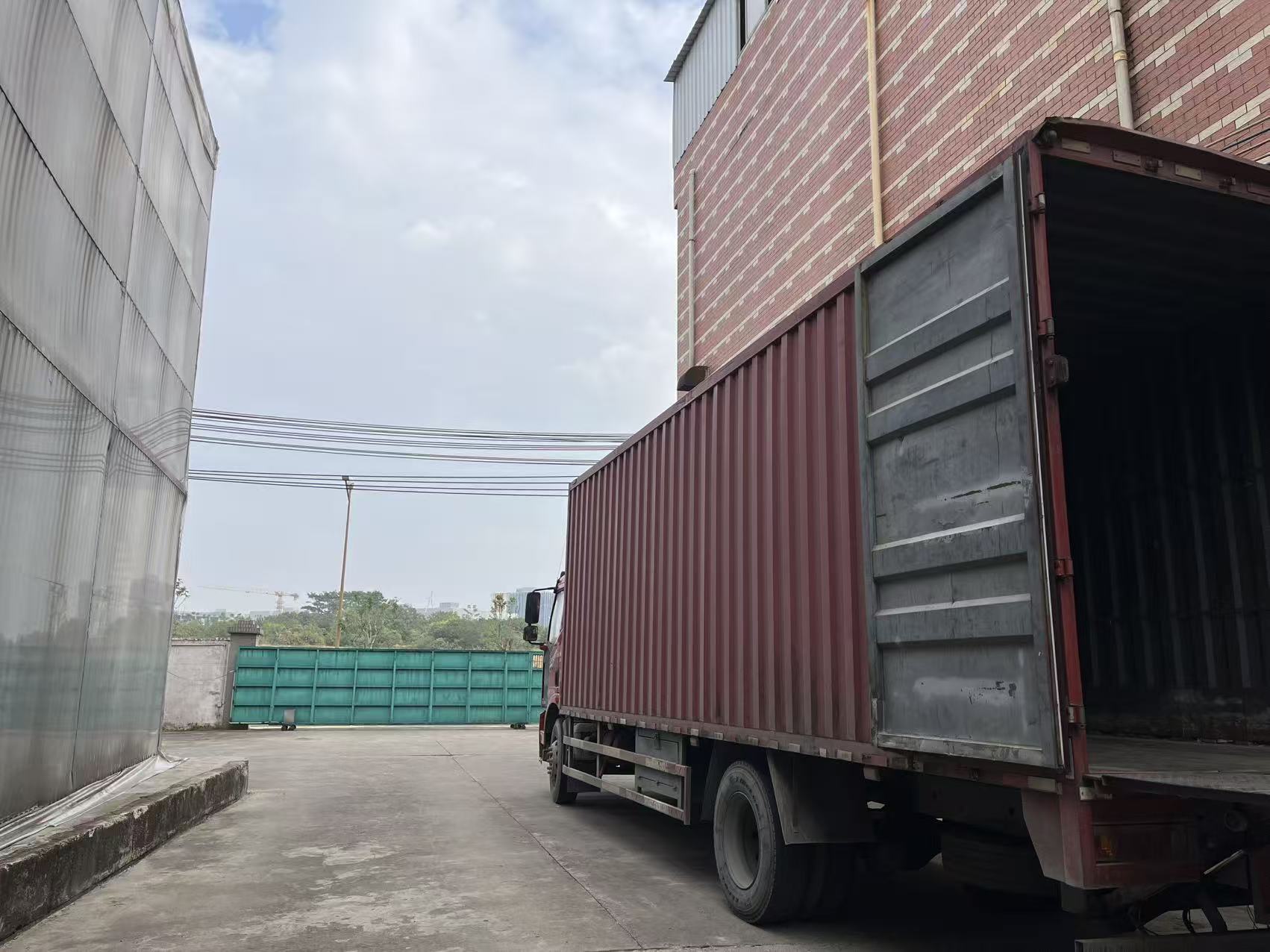
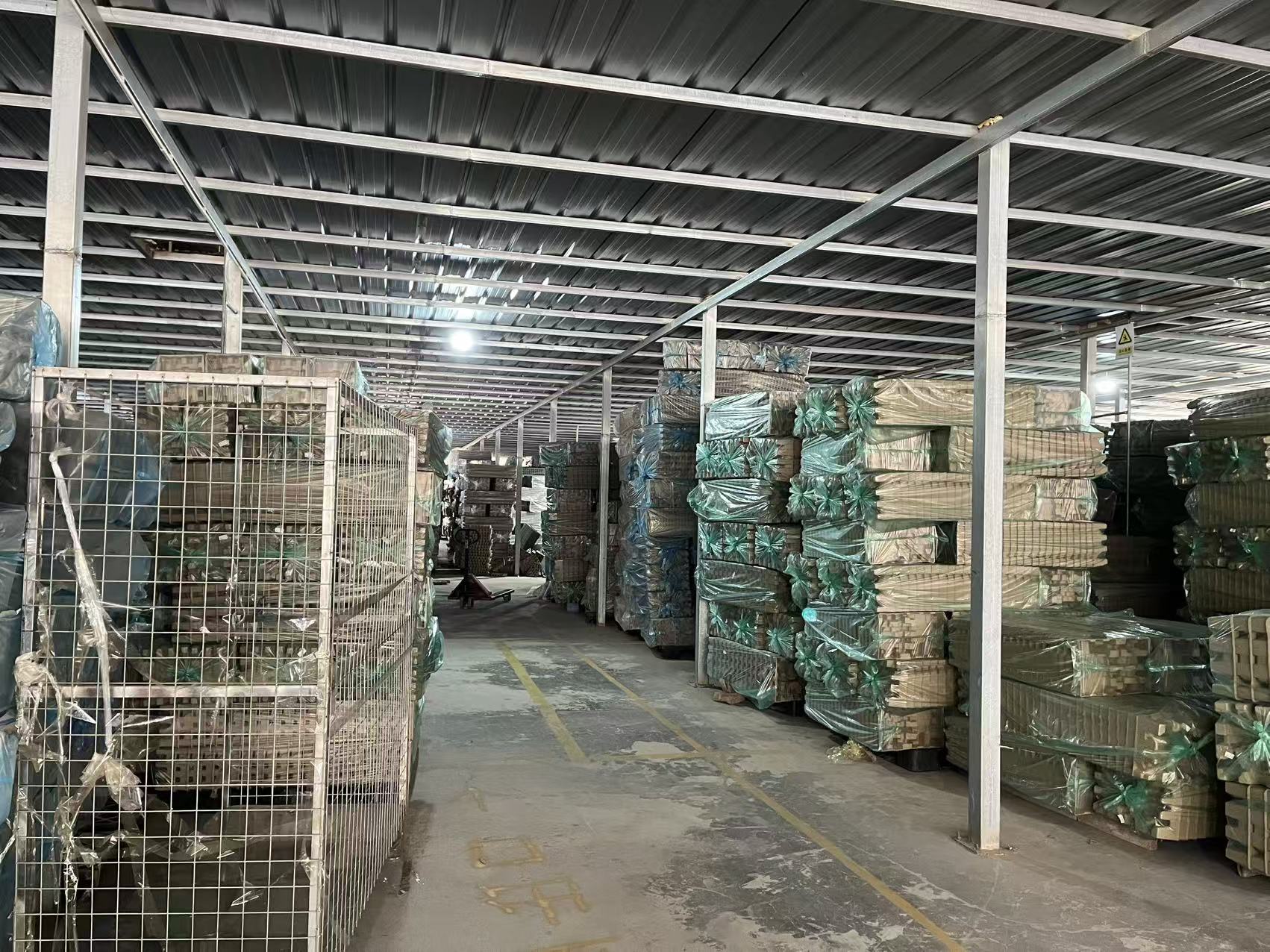
- Production base: a 23,000 m² factory with 160 employees, a 12-engineer R&D team, in-house mold development, forming and hot-pressing equipment, and an annual output of 12,000 tons.
- Quality and certification: IQC / IPQC / FQC control, ISO 9001, ISO 14001 and FSC certification, with products complying with SGS RoHS and PFAS-free requirements.
- Export coverage: export ratio of 50%, with main markets in the EU, USA, Australia, Saudi Arabia, Malaysia and Brazil; after-sales support is provided remotely.
Frequently Asked Questions
Do molded pulp trays meet the compliance requirements for export to Europe and North America?
Molded pulp trays made from sugarcane, bamboo or wood pulp are fully biodegradable and compostable and can decompose naturally after disposal, leaving no plastic residue. They contain no PE or PET film and no microplastic pollution, and can be treated as kitchen waste. This aligns with plastic restriction and ban regulations in multiple markets and with the European Union's Packaging and Packaging Waste Regulation (EU) 2025/40, which entered into force on 11 February 2025 and requires all packaging to be recyclable by 1 January 2030. Tonghe products also comply with SGS RoHS and PFAS-free requirements.
How do I choose a molded pulp tray manufacturer for medical device packaging?
Verify five things before placing an order. First, sterilization compatibility: the tray should support EO sterilization. Second, fiber quality: virgin wood pulp free of fluorescent agents is the appropriate base for medical use. Third, production environment and documentation: clean-workshop production with a material inspection report. Fourth, dust behavior: the tray should be low dust and no shedding, which is critical for devices and surgical components. Fifth, tooling capability: in-house mold development must be able to create customized cavities for probes, handles, catheters and surgical instrument components, backed by IQC, IPQC and FQC inspection.
What payment terms and shipping methods do you accept?
T/T and Alibaba Trade Assurance are accepted. Orders can ship by sea, air or express (DHL / FedEx / UPS). To calculate freight cost, provide your destination port or address when requesting a quotation.
Can we test a custom molded pulp tray before committing to production?
Yes. Free samples are provided for comparison and testing, which allows the real product to be loaded into the proposed cavity and checked for fit, shock absorption and surface condition. Sample validation is the point at which thickness within 0.8-5.0 mm, moisture content within ≤8-12%, edge crush within 3-8 kN/m and compressive strength within 2-8 MPa can be confirmed against your actual protection requirement rather than against a drawing.
What is the minimum order quantity and lead time?
The MOQ is 1,000 pcs and production lead time is 15-30 days, supported by a monthly capacity of up to 1,000 tons. To move a project forward, send your product contours, target market and protection requirement to Annie at thpulpmolding@163.com or WhatsApp +86 13238389288; the team will confirm the fiber recipe, tooling approach and freight cost, and can also arrange free samples and a factory visit.
Next Step: Turn Your Product Contour Into a Verified Tray Spec
Send the product drawing, the protection requirement and your destination port. You will receive tooling feedback, a fiber recommendation, a free sample for testing, and a quotation covering freight — with MOQ from 1,000 pcs and a 15-30 day lead time.
Contact: Annie · Email: thpulpmolding@163.com · Tel / WhatsApp: +86 132-3838-9288 · WhatsApp link: Start a conversation
Address: No.1 Lingzai Lane, Lingtou Industrial Road, Qiaotou Town, Dongguan City, Guangdong Province, China · Website: www.tonghepulp.com
Company brochure: Download the Tonghe Paper profile (PDF)
Conclusion
Molded pulp tooling and fiber are the two decisions that determine whether a custom tray fits, protects and repeats. Specify the fiber recipe first, because it fixes surface quality, moisture behavior and the end-of-life claim. Specify tooling second, because it fixes cavity fit and batch consistency. Then lock the numbers that make both measurable: thickness within 0.8-5.0 mm, moisture content within ≤8-12%, edge crush strength within 3-8 kN/m and compressive strength within 2-8 MPa, with a service temperature range of -20 °C to +80 °C for standard trays and -20 °C to +120 °C for food grade. Validated by free samples and controlled through IQC, IPQC and FQC, that specification is what allows a tray project to stay compliant with the 2030 recyclability requirements and stable in production at the same time.