
Top 5 Molded Pulp Packaging Solutions for Electronics
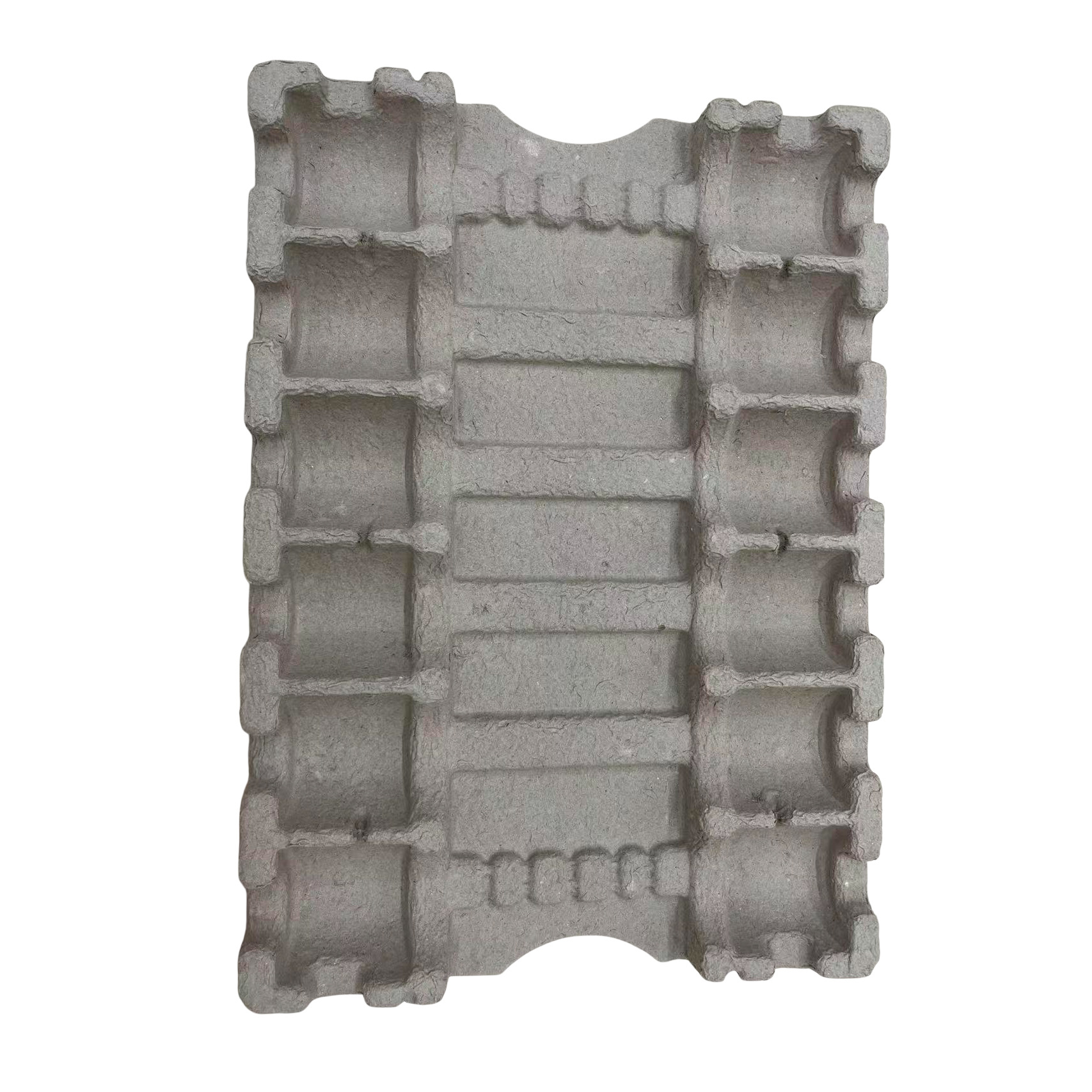
Molded pulp packaging solutions for electronics fall into five practical groups: custom cavity-fit trays, shockproof protective trays, anti-static molded fiber trays, print-ready retail pulp trays, and fully biodegradable pulp trays. Ranked below by how broadly they suit electronics shipping, these five forms cover most protective-packaging briefs that reach a molded pulp manufacturer.
The ranking is a starting point, not a verdict. Molded pulp is molded to a geometry, so the correct choice changes with the dimensions of the device, the location of its fragile zones, the weight of the packed unit, and how the carton is handled in transit. Read the five entries first, then use the evaluation steps and comparison tables further down to reduce the list to the one or two forms worth sampling.
The Problem: Electronics Protection Usually Fails Inside the Carton
Damage to electronics in transit is rarely caused by the outer carton collapsing. It is caused by relative movement inside the carton: the device shifts in its liner, a corner takes a point load, a connector presses against a hard surface, or the liner deforms under stacking pressure and stops holding the product at all.
Three properties make electronics harder to protect than most other goods:
- Static sensitivity. Components, connectors and populated boards can be affected by electrostatic discharge long before the product is powered on.
- Moisture sensitivity. A liner that takes on water can soften, stain, or transfer moisture to the device and its printed materials. Molded pulp is produced at a moisture content of 8–12% or lower across the standard range, and the finished trays are normally stored in ventilated, dry conditions away from prolonged direct sunlight.
- Concentrated weight. A compact, dense device creates high point loads on a small footprint — exactly where thin, poorly fitted liners fail first.
The traditional answer has been expanded polystyrene (EPS) foam and vacuum-formed plastic liners. They perform well, but they are increasingly difficult to defend commercially. The European Packaging and Packaging Waste Regulation (EU) 2025/40 entered into force on 11 February 2025 and requires all packaging to be recyclable by 1 January 2030 — a deadline that puts foam liners and mixed-material plastic inserts under review across electronics supply chains.
Industry Background: Molded Pulp Has Moved Into Protective Packaging
Market estimates for molded pulp packaging vary with how the category is defined. Grand View Research values the global molded pulp packaging market at USD 6.2 billion in 2025 and projects USD 10.2 billion by 2033. Trays are the leading product segment, accounting for over 41.0% of revenue in 2025, and Asia Pacific held a 41.0% revenue share in the same year, with China the largest single market. A second 2025 estimate from Smithers places the market at USD 4.5 billion, which shows how much scope definition — material only versus material plus machinery — changes the reported number. Market figures are useful as direction, not as a purchase criterion.
What matters for an actual project is narrower. Molded pulp, also called molded fiber, is produced by shaping natural plant fiber into a three-dimensional form. Tonghe Paper Co., LTD is a pulp molding manufacturer based in Dongguan, China, that converts recycled paper and bagasse fiber into molded fiber packaging and molded pulp trays, using sugarcane pulp, bamboo pulp and wood pulp as raw materials. The company operates a 23,000 m² facility with 160 employees, a 12-engineer R&D team, an annual output of 12,000 tons and a monthly capacity of up to 1,000 tons. Exports account for roughly 50% of its business, with main markets in the EU, the USA, Australia, Saudi Arabia, Malaysia and Brazil.
The change that matters for electronics buyers is precision. Molded pulp is no longer limited to simple, low-detail forms such as egg trays. It now competes directly with foam and vacuum-forming for the protective inner liner — the layer that actually touches the device.
The Five Molded Pulp Packaging Solutions for Electronics, Ranked
The five solutions below are ranked on a default weighting: cavity fit and product retention first, shock and vibration protection second, static and moisture control third, branding options fourth, and end-of-life profile fifth. If your project is led by compliance or by retail presentation, the order changes — the notes under each entry explain when to move that option up.
1. Custom Molded Pulp Trays — Best Overall Fit for Fragile, Irregular Electronics
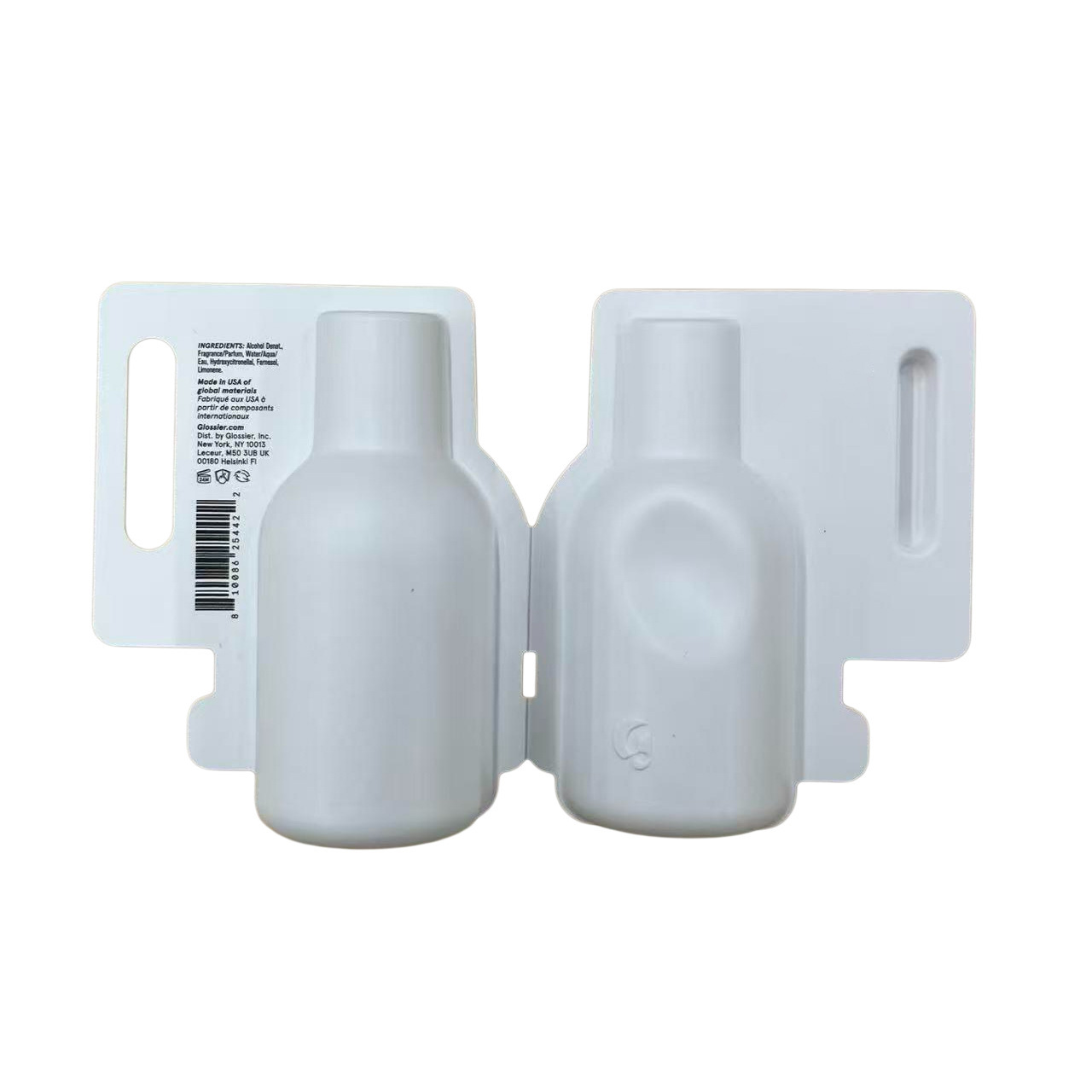
A custom molded pulp tray is developed from the geometry of your device rather than from a standard cavity. The mold design is built to fit the product contour, so the device is positioned by the tray instead of being held by surrounding packing material. This is why it ranks first: fit is what stops movement, and controlled movement is what prevents most transit damage.
Where it performs. Custom molded trays are suited to devices with irregular shapes, protruding parts, or several components shipped together — a device plus its accessories in one cavity set. The manufacturer can develop multi-specification and irregular integrated structures as needed, and the molded lining can replace foam vacuum forming as the original inner packaging while remaining shockproof and pressure-resistant.
What to confirm before choosing it. The cavity drawing, the number of cavities per tray, the insertion and removal direction, and whether the trays must stack inside the carton or in the warehouse. Note the limitation honestly: a custom cavity is geometry-specific, so a device redesign usually means a mold revision rather than a simple packing change.
2. Shockproof Molded Pulp Trays — Best for Heavy or High-Drop-Risk Units
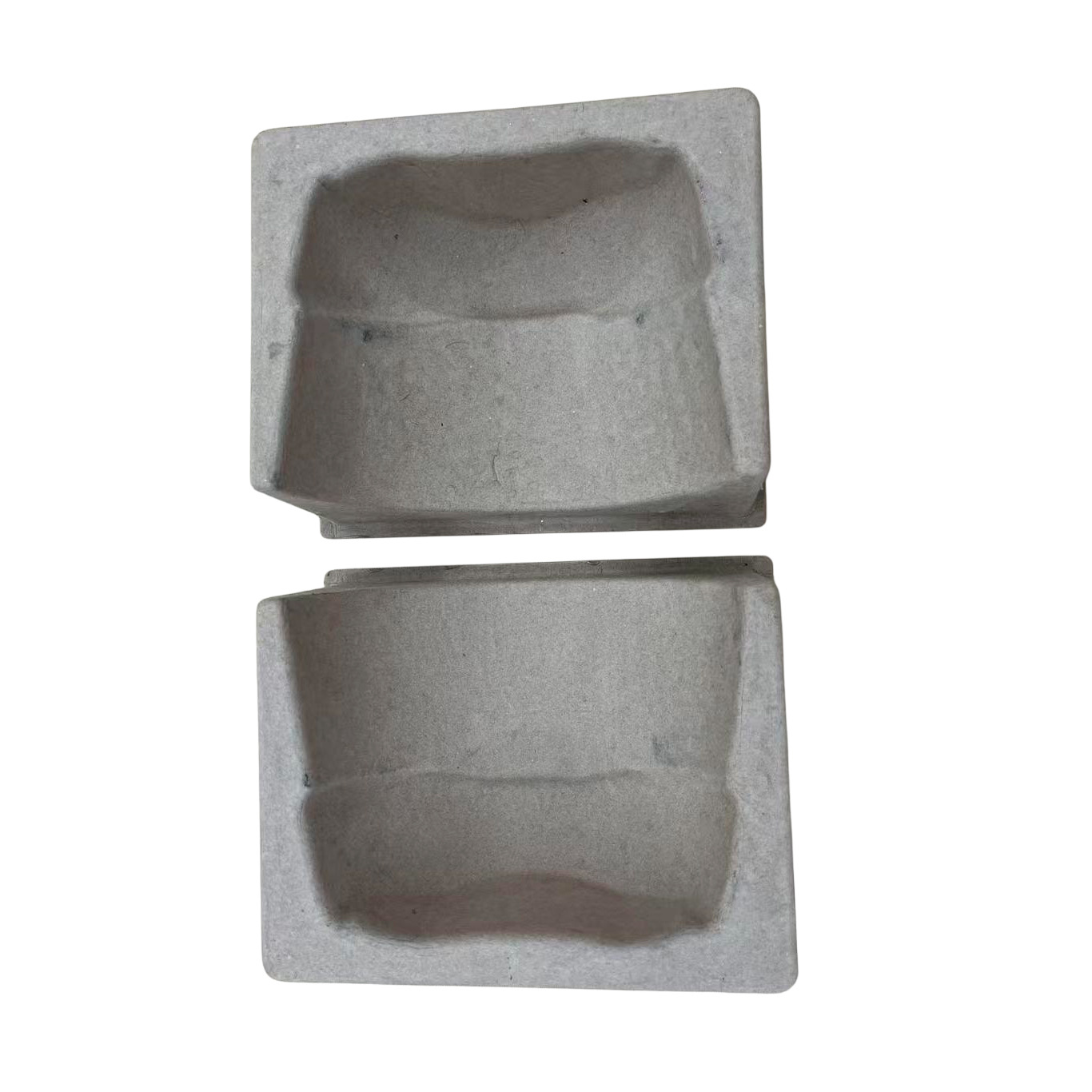
Shockproof molded pulp trays prioritize protection over cavity detailing. The construction uses a thickened fiber structure in which natural fibers interlock into a dense protective layer, combining shock absorption and vibration damping with moisture-proofing, anti-corrosion and anti-static properties. For long sea freight with high stacking loads, this is often the most defensible option.
Where it performs. Heavier electronics, multi-unit packs, and shipments where the carton will be stacked or handled repeatedly. Protection comes from the fiber structure itself, so the tray does not depend on a separate bubble wrap or foam insert that can be left out on a busy packing line.
Limitation to weigh. Thicker walls consume carton volume and add a small amount of weight per unit. That trade-off is usually acceptable for high-value, high-drop-risk products, but it should be checked against container utilization before the design is locked.
3. Anti-Static Eco-Friendly Molded Fiber Trays — Best for Components and Connectors
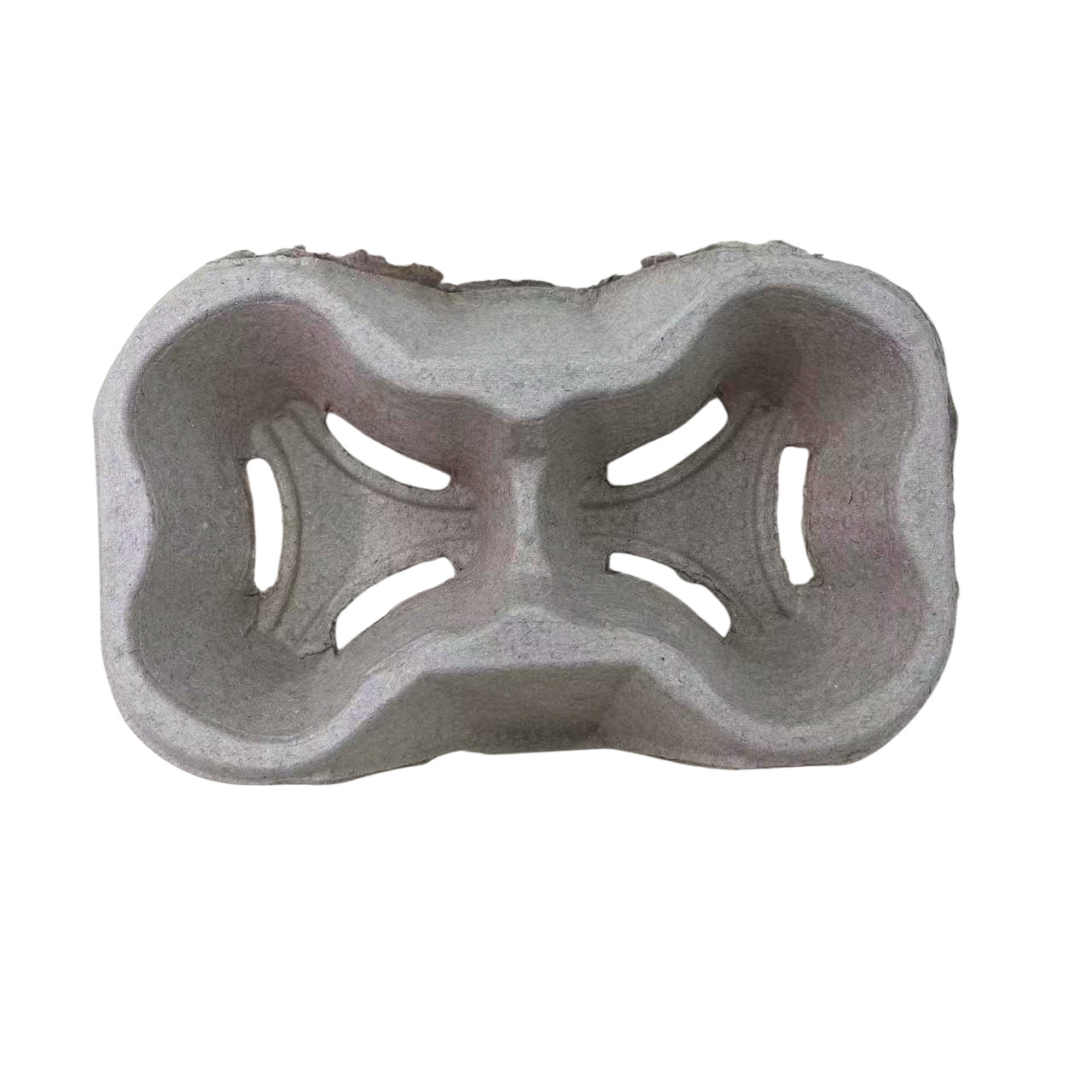
Anti-static molded fiber trays use modified pulp, produced as an anti-static version suitable for packaging industrial products such as electronic components and connectors. The buffering performance is the same family as standard molded fiber: an integrated molded lining that resists pressure, impact and shock, with corners and edges that fit the product to reduce damage from knocks and jolts.
Where it performs. Boards, connectors, modules and static-sensitive sub-assemblies, especially where the tray also travels between internal production stages and the export carton. Because the fiber is breathable, it also handles moisture better than a sealed plastic liner that traps condensation.
What to confirm. The static-control requirement for your specific device should be defined by your own engineering team and agreed with the supplier, together with the pulp grade. Static protection is a material option, not a default in every molded fiber tray.
4. Print-Embossed Pulp Packaging Trays — Best for Retail-Packed Consumer Electronics
Some electronics are judged the moment the box is opened, and that is where print-ready pulp trays earn their place. Molded pulp packaging trays can replace foam and plastic vacuum forming as the original inner lining, and they can be printed with a logo and embossed, so the tray delivers protection and brand display in the same component.
Where it performs. Retail and gift-boxed consumer electronics, where the inner layer is visible during unboxing. Storage also improves, since some styles can be stacked, saving warehouse space, and the tray can be recycled back into paper after use.
What to confirm. Print and emboss area limits on a molded surface, the color direction (natural, white, yellow, or customized as required), and the surface treatment. Calendering raises surface smoothness and reduces paper scraps, while a light waterproof treatment helps where storage conditions are damp.
5. Biodegradable Pulp Trays — Best When Compliance Leads the Decision
Biodegradable pulp trays are the compliance-first option. The material is fully biodegradable and compostable, breaking down in soil or industrial composting environments without leaving plastic residue, and it is produced from recycled pulp and plant-fiber raw materials. There is no film lamination and no PE or PET coating, which means no microplastic residue when the tray is disposed of.
Where it performs. Brands with published packaging targets, e-commerce channels that must explain disposal to end customers, and export programs into markets with plastic-restriction and packaging-waste requirements, including the EU and North America.
Limitation to weigh. A stronger end-of-life profile does not compensate for a weak cavity design. Biodegradable grades should still be evaluated with the same fit, thickness and stacking tests as any other molded pulp tray.
How to Evaluate These Options Against Your Own Product
Product dimensions and fragility decide more than any supplier comparison. Work through these steps in order; they also produce the data a supplier needs to quote accurately.
- Measure the device, not the carton. Record overall dimensions, packed weight, center of gravity, protruding parts such as buttons, lenses and connectors, and the minimum wall thickness you can accept between the device and the carton wall.
- Mark the fragile zones and the contact points. Decide which surfaces may touch fiber and which must stay clear, then note every edge that must be cushioned rather than simply supported.
- Decide single-cavity or multi-cavity. One tray holding device plus accessories reduces packing steps; separate cavities give faster, more repeatable drop-in assembly.
- Select material and thickness inside the moldable range. Raw material options are sugarcane pulp, bamboo pulp and wood pulp, with thickness from 0.8 mm to 5.0 mm, customized as required, at a moisture content of 8–12% or lower. Wet density runs 0.15–0.25 g/cm³ and dry density 0.28–0.45 g/cm³ in the standard range. Confirm the final combination for your project rather than assuming the midpoint.
- Set the static requirement. If components or connectors are involved, specify the anti-static version of the modified pulp instead of assuming it is included.
- Choose the finish. Natural, white or yellow color as standard, or customized color; calendering for smoothness; light waterproof treatment for damp storage; print and emboss where the tray will be seen.
- Test with samples, not drawings. Fit, insertion force, removal force and cosmetic contact marks only appear when the real device meets the real tray. Tonghe Paper Co., LTD supports free samples for comparison and testing, which lets a buyer check the tray against the actual product before tooling is committed.
- Validate stacking and storage. Check stacking stability under load, keep storage ventilated and dry away from prolonged direct sunlight, and confirm carton fill and container utilization. The moderate self-weight of molded pulp against foam and hard paper boxes reduces the weight cost of logistics.
Where These Solutions Fit: Typical Electronics Use Cases
- 3C digital products and accessories. A fitted custom tray holds the device and its accessories in one drop-in unit, replacing a foam insert and a separate accessory bag.
- Electronic components and connectors. Anti-static molded fiber trays carry static-sensitive parts through internal handling and into export cartons.
- Home appliances and lighting fixtures. Thicker protective pulp linings carry heavier units where corner and edge protection matters more than cavity detail.
- Retail and gift-boxed electronics. Printed and embossed trays replace the visible foam layer and support the brand at unboxing.
- Export programs into regulated markets. Recyclable and biodegradable pulp trays fit programs shipping to the EU, the USA, Australia, Saudi Arabia, Malaysia and Brazil, where packaging waste rules are tightening.
Comparison Table: Five Molded Pulp Packaging Solutions for Electronics
| Rank and solution | Best fit in electronics | What stops movement | Static and moisture control | Customization depth | End-of-life profile |
|---|---|---|---|---|---|
| 1. Custom Molded Pulp Trays | Fragile, irregular devices; device plus accessories | Mold developed to the product contour; product-specific cavity positioning | Breathable fiber; anti-static available on request | Highest — multi-specification and irregular integrated structures | Recyclable and biodegradable |
| 2. Shockproof Molded Pulp Trays | Heavy or high-drop-risk units; long sea freight | Thickened fiber structure; interwoven dense protective layer | Moisture-proofing, anti-corrosion and anti-static properties | Medium to high — wall build and cavity shape adjustable | Recyclable and biodegradable |
| 3. Anti-Static Molded Fiber Trays | Components, connectors, modules | Integrated molded lining resistant to pressure, impact and shock | Anti-static modified pulp version; breathable fiber | Medium to high, driven by the anti-static specification | Recyclable and biodegradable |
| 4. Print-Embossed Pulp Packaging Trays | Retail and gift-boxed consumer electronics | Molded lining replacing foam and plastic vacuum forming | Light waterproof treatment optional; calendered surface reduces paper scraps | High on surface treatment, color, print and emboss | Recyclable and reusable; recyclable back into paper |
| 5. Biodegradable Pulp Trays | Compliance-led programs and EU/North America exports | Cavity design determines protection; material does not add cushioning by itself | No film lamination; no PE or PET coating | Material-led; cavity customization still applies | Fully biodegradable and compostable, no plastic residue |
Material and Physical Baseline for Molded Pulp Trays
The five solutions above share one production baseline. The figures below are the standard range for molded pulp trays produced by Tonghe Paper Co., LTD and should be confirmed against your own project specification rather than copied directly into an order.
| Parameter | Standard range |
|---|---|
| Raw materials | Sugarcane pulp, bamboo pulp, wood pulp; customization available on request |
| Color | Natural color, white, yellow, or customized as required |
| Thickness | 0.8–5.0 mm, customized as required |
| Moisture content | 8–12% or lower |
| Wet density | 0.15–0.25 g/cm³ |
| Dry density | 0.28–0.45 g/cm³ |
| Edge crush strength | 3–8 kN/m |
| Compressive strength | 2–8 MPa |
| Applicable temperature range | −20 °C to +80 °C in normal use |
| Degradability | Degradable across the range; biodegradable grades decompose fully in soil or industrial composting |
FAQ
Will molded pulp trays meet the packaging rules for electronics exported to Europe?
The direction of European regulation is clear: the EU Packaging and Packaging Waste Regulation (EU) 2025/40 entered into force on 11 February 2025 and requires all packaging to be recyclable by 1 January 2030. Molded pulp trays are made from natural plant fiber without film lamination, so they can be recycled in paper streams, and biodegradable grades are compostable. That aligns with where the regulation is heading, but it does not by itself confirm that a specific tray meets every national labeling or documentation rule. Buyers should request the relevant material documentation for their destination market. Tonghe Paper Co., LTD states that its molded pulp products comply with international environmental requirements including SGS RoHS and PFAS-free requirements.
Molded pulp manufacturers — how should I choose one for electronics trays?
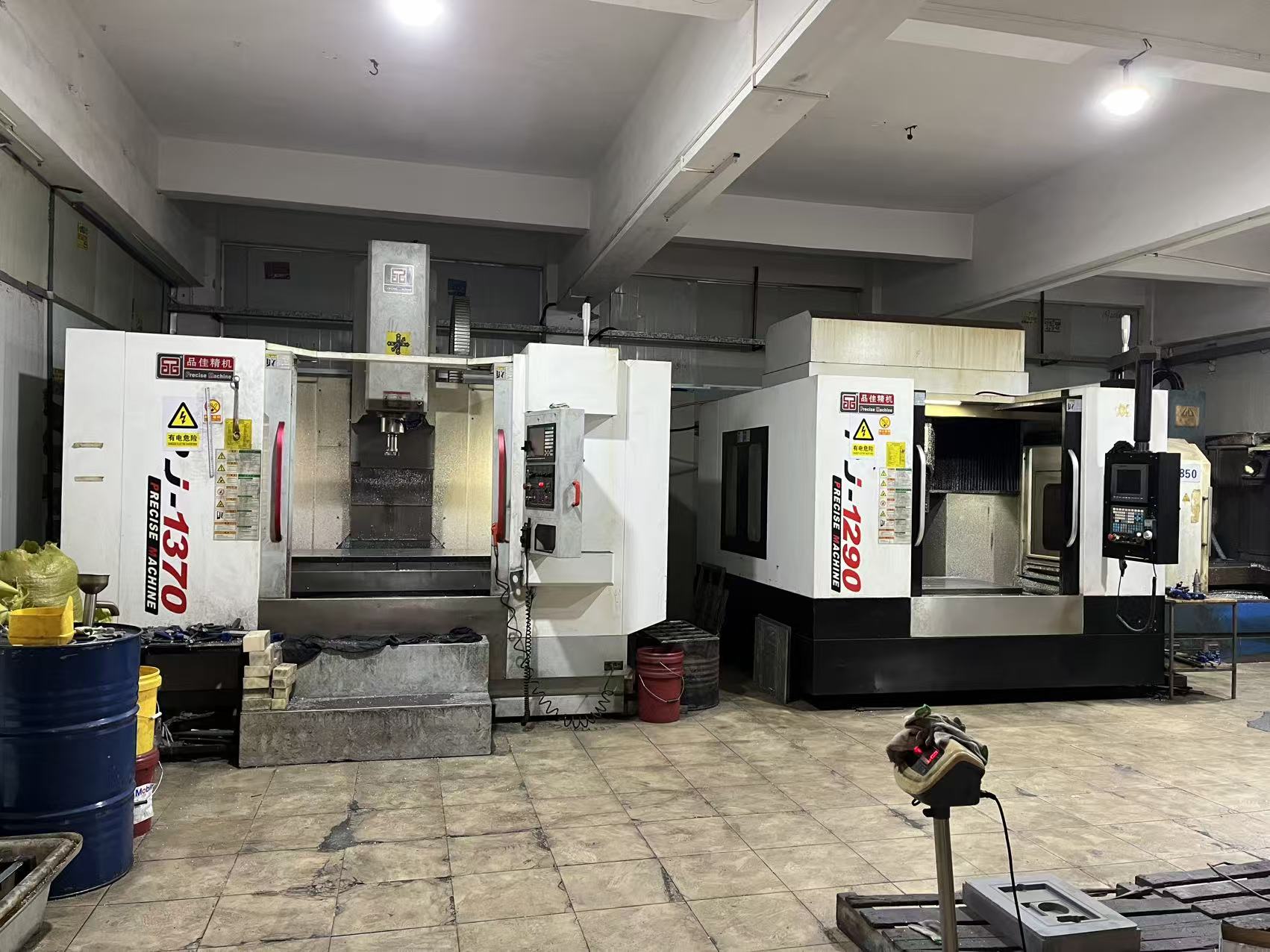
Evaluate four capabilities rather than price alone. First, in-house mold development: a manufacturer that designs and builds its own molds can adapt a cavity to your device contour instead of forcing your device into a standard shape. Second, engineering depth and equipment: forming and hot-pressing capacity determine how consistently the cavity is reproduced at volume, and a dedicated R&D team shortens the design iteration loop. Third, sample support: you should be able to test the tray with the real device before committing to tooling. Fourth, export and documentation experience. As a reference point, Tonghe Paper Co., LTD runs a 23,000 m² facility with 160 employees and a 12-engineer R&D team, holds a monthly capacity of up to 1,000 tons with an annual output of 12,000 tons, and exports roughly 50% of production to the EU, the USA, Australia, Saudi Arabia, Malaysia and Brazil.
What determines the cost of a custom molded pulp tray for electronics?
Six factors drive the quotation: the mold itself, which is developed to your specific geometry and is therefore the largest single variable; the pulp grade, since sugarcane, bamboo, wood and recycled pulp differ in input cost; wall thickness within the 0.8–5.0 mm range; surface treatment such as calendering or light waterproofing; color, printing and embossing; and the number of cavities per tray together with order volume. Logistics is the one factor that usually works in the buyer's favor, because molded pulp has a moderate self-weight compared with foam and hard paper boxes, which reduces the weight cost of freight. Ask for a quote that separates tooling from unit price so you can compare like with like across suppliers.
Can I test molded pulp trays before placing a production order?
Yes. Tonghe Paper Co., LTD supports free samples for comparison and testing, so a buyer can check fit against the actual device before tooling is committed. A useful sample test covers four points: cavity fit with insertion and removal force; contact marks on cosmetic surfaces such as screens and housings; stacking stability under load; and storage behavior in a ventilated, dry area away from prolonged direct sunlight, given the 8–12% moisture content of the material. Confirm that the sample is produced with the same pulp grade, thickness and finish planned for production.
How do I start a molded pulp tray project, and what is the timing?
Two stages set the schedule: mold development with sample approval, and production planning after the design is frozen. The practical sequence is to send the device dimensions and fragility notes, agree the cavity, material grade, thickness and finish, approve a physical sample, and then confirm production timing in writing. Delays usually come from late changes to the device drawing rather than from molding itself, so freeze the geometry before tooling starts. Send your dimensions to Annie at thpulpmolding@163.com or WhatsApp +86 132-3838-9288 to open the project. Orders are handled with T/T or Alibaba Trade Assurance, and shipping can be arranged by sea, air or express (DHL, FedEx, UPS) — supply your destination port or address for a freight estimate.
Conclusion
For electronics, the five molded pulp options are not competing versions of the same tray. Custom cavity-fit trays win on retention, shockproof trays win on heavy or high-drop-risk freight, anti-static molded fiber trays win on components and connectors, print-embossed trays win at retail unboxing, and biodegradable trays win where compliance leads the decision. The one factor that overrides all five is your own product data: dimensions, weight distribution and fragile zones decide the cavity, and the cavity decides whether the package survives the journey.
Start by measuring the device, shortlist one or two forms, and validate them with physical samples before committing to a mold. That sequence keeps a packaging change measurable instead of theoretical.
Request a Sample or a Quote
Tonghe Paper Co., LTD develops custom molded pulp trays for electronics from buyer drawings, with in-house mold development, free samples for comparison and testing, and export experience across the EU, the USA, Australia, Saudi Arabia, Malaysia and Brazil.
Download the product brochure: Tonghe molded pulp packaging brochure (PDF)
Contact: Annie | Email: thpulpmolding@163.com | Tel: +86 132-3838-9288 | WhatsApp
Address: No.1 Lingzai Lane, Lingtou Industrial Road, Qiaotou Town, Dongguan City, Guangdong Province, China | tonghepulp.com