
Separable Connector in Cable Accessories: A Buyer's Guide
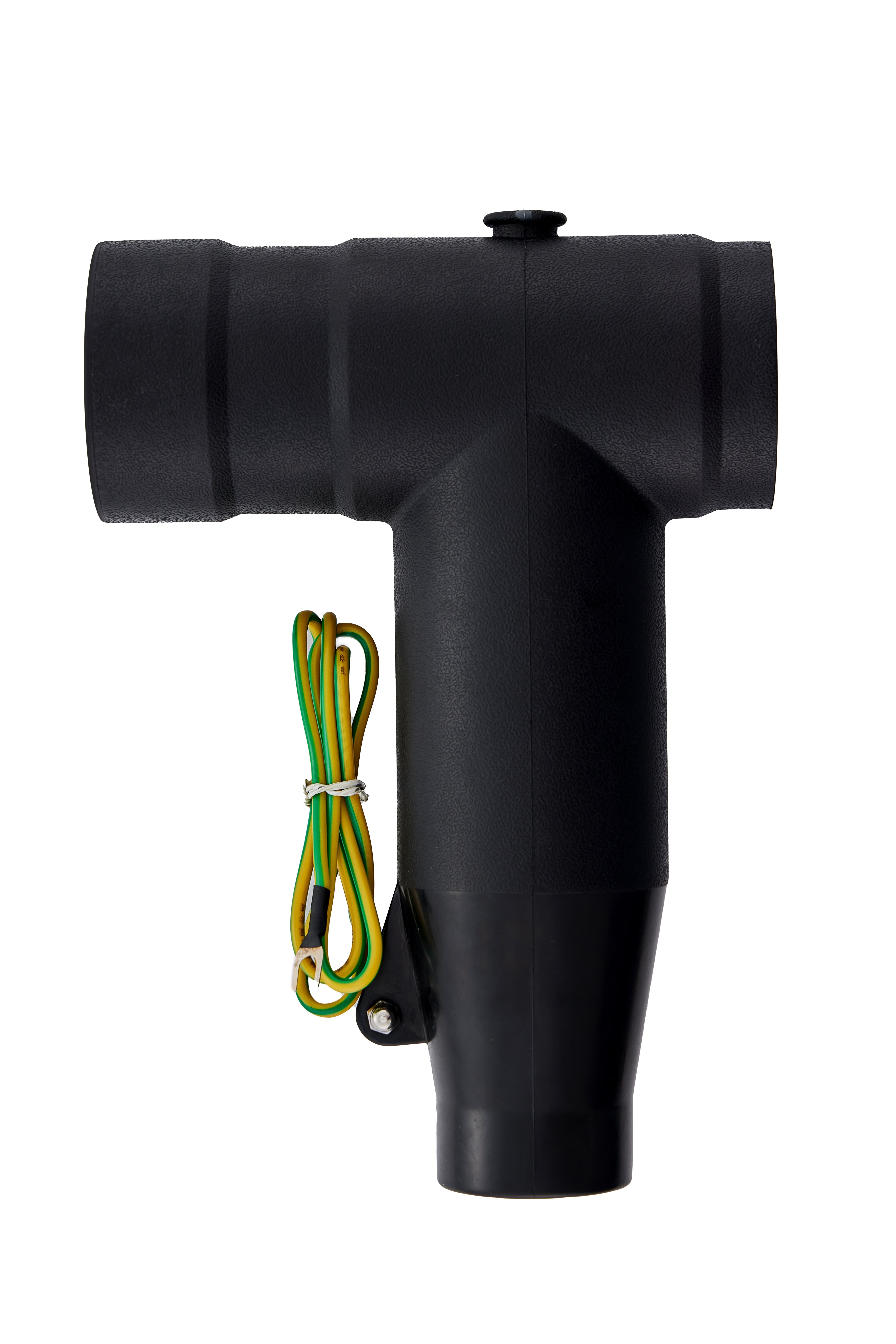
Quick answer: A separable connector is a cable accessory that connects a shielded medium-voltage cable to switchgear, transformers or similar apparatus, and can be separated from that apparatus without cutting or re-terminating the cable. Inside the broad cable accessories category, it is the component that makes a cable-to-equipment connection pluggable, and it is usually specified for medium-voltage switchgear and compact substation cable connections. Ningbo Tonyhoo Electrical Technology Co., LTD. manufactures the DS/SC separable connector, classified as an 8.7/10 kV, 630 A European type rear arrester.
This guide is written for buyers and engineers who are at the start of a sourcing project: people who know they need cable accessories, but need to understand what a separable connector does, how it differs from a termination or a joint, which parameters must be confirmed before a quotation, and how to evaluate a supplier. Every product statement below comes from Tonyhoo product data; market and standards statements are attributed to their published sources.
Problem Definition: Why Separable Connectors Are Easy to Specify Wrongly
The core problem is not that separable connectors are rare — it is that medium-voltage cable accessories look similar, are sold under overlapping names, and fail quietly when the wrong one is selected. A separable connector, a cold shrink termination, a heat shrink termination and a cold shrink intermediate joint all sit around the same cable, but they perform different jobs: connecting to equipment, terminating a cable end, or joining two cable lengths.
Selection errors are expensive. As Tonyhoo guidance on cable accessory procurement notes, wrong parameters cause product mismatch and can easily trigger insulation failure after energization, which is why parameter double-checking is required before ordering. In practice, mismatches come from four sources:
- Voltage class mismatch — a product listed for one voltage class being applied to another.
- Cable geometry mismatch — conductor cross-section, core quantity or cable model not matching the accessory.
- Environment mismatch — indoor-rated parts used outdoors, or standard parts used in salt-fog and heavily polluted areas.
- Interface mismatch — the connector not matching the switchgear or equipment interface it must plug into.
For a buyer in the awareness and research stage, the practical goal is therefore not to memorize a catalogue, but to learn which parameters drive compatibility — because those same parameters are what a supplier will ask for first.
Industry Background: Where Cable Accessories Stand Today
Cable accessories are a large and regionally unbalanced market. Global Market Insights reports the global cable accessories market at USD 35.84 billion in 2025, with a projected value of USD 37.88 billion in 2026, covering low, medium, high and extra-high voltage cable accessories. The same source identifies Asia Pacific as the largest and fastest-growing region for cable accessories, driven by grid modernization.
The market is also segmented by accessory technology. Reported 2024 values put cold shrink tubing at USD 2.38 billion and heat shrink cable accessories at USD 2,113.7 million — the two shrink technologies that dominate medium-voltage insulation and sealing work, with cold shrink reported slightly larger in that specialized segment context.
Two structural points matter for buyers:
- Standards shape installation, not just purchase. IEEE 1816-2024 provides industry practices for preparing shielded cables from 2.5 kV through 46 kV for mating accessories. It defines how the cable must be prepared before any accessory — connector, termination or joint — is installed.
- Trade statistics do not map onto this category. HS 8544 covers insulated wire, cable and other insulated electric conductors, whether or not fitted with connectors. It does not isolate medium-voltage accessory hardware such as separable connectors, joints, terminations or lugs. Public trade data therefore cannot be used as a proxy for accessory supply, and buyers have to qualify suppliers directly rather than through customs statistics.
At the supply level, product scopes differ widely. Some manufacturers publish connector, termination and joint ranges covering 12–145 kV cable applications, while others focus on the 0.6/1 kV to 35 kV medium-voltage band with a wider accessory mix around it. For a buyer, that difference determines whether a single supplier can cover a whole project or only part of it.
What a Separable Connector Actually Is
A separable connector is a cable accessory with a separable design — the cable end is fitted with a connector body that mates with an apparatus bushing or interface, and can later be separated from it. In Tonyhoo's range, the product is designated model DS/SC and described as an 8.7/10 kV, 630 A European type rear arrester. It is designed for use in medium-voltage switchgear scenarios and is intended for medium-voltage cable projects.
Construction follows the logic of medium-voltage insulation: an ethylene propylene diene monomer (EPDM) insulation body, combined with tin-plated copper conductive parts. The listed product characteristics for this connector include a separable design with high mechanical strength, low contact resistance, corrosion-resistant materials suited to harsh environments, and stated anti-condensation, anti-pollution and maintenance-free behaviour.
DS/SC Separable Connector — Published Parameters
| Parameter | Value |
|---|---|
| Product | Separable Connector |
| Model designation | DS/SC |
| Product type | 8.7/10 kV, 630 A European type rear arrester |
| Voltage grade | 10 kV |
| Rated voltage | 15 kV |
| Rated current | 630 A |
| 1 minute A.C. withstand voltage | 42 kV |
| 15 minutes D.C. withstand voltage | 52 kV |
| Lightning impulse withstand voltage | 95 kV |
| Minimum corona onset voltage | 11 kV |
| Thermal short-circuit current | 22.8 kA / 2 s |
| Dynamic short-circuit current | 80.8 kA |
| Partial discharge | ≤10 pC |
| Material | Ethylene Propylene Diene Monomer (EPDM), tin-plated copper |
| Typical industries | Power engineering, power transmission systems, municipal engineering, building electrical engineering, new energy projects |
How the Separable Connector Fits the Cable Accessories System
Very few projects need a separable connector on its own. It normally arrives as one line item in a cable accessories package that also covers terminating, joining, sealing and mechanical protection. Tonyhoo's stated specialization covers Cold Shrink Intermediate Joint, Cable Lug, Cold Shrink Termination, Separable Connector, Heat Shrink Termination, Oil-Immersed Transformer, Polyurethane Sealant, Explosion-Proof Blanket, Fiberglass Reinforced Plastic (FRP) and Aluminum-Magnesium Alloy Protection Housing products.
The functional split is straightforward:
- Separable Connector (DS/SC) — plugs the cable into switchgear or equipment; separable without cutting the cable.
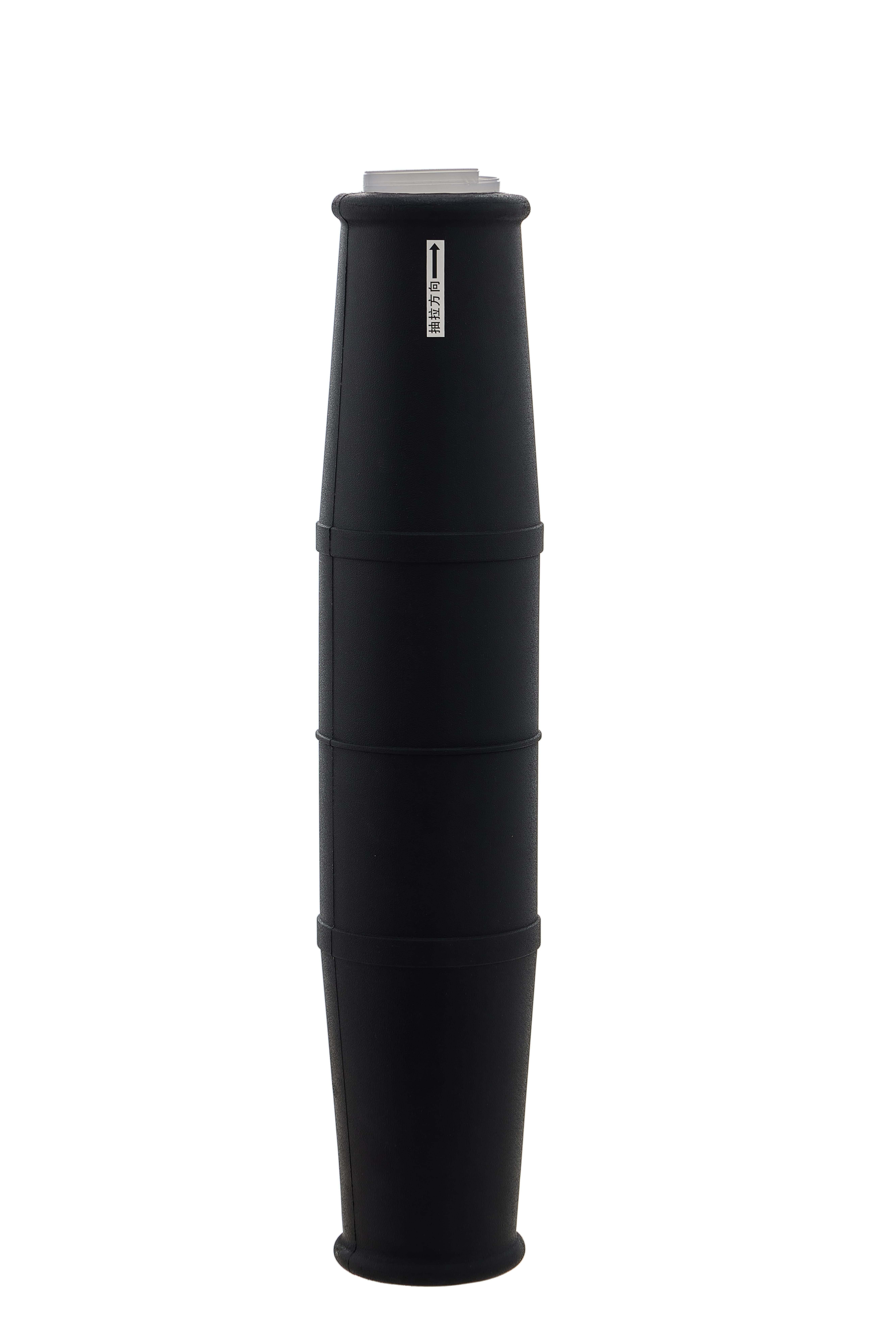
- Cold Shrink Termination (NLS-10/3.3, WLS-10/3.3, NLS-35/1.3, WLS-35/1.3) — terminates the cable end using a silicone rubber body that shrinks onto the cable without heat; listed voltage class 0.6/1 kV, cable section 10–300 mm², operating temperature −40 °C to 90 °C.
- Heat Shrink Termination (SY10kV / SY26kV / SY35kV) — indoor termination formed by heat shrink moulding; listed voltage classes 8.7/10 kV, 12/20 kV and 19/35 kV, cable section 25–400 mm², shrink ratio 2:1, withstand voltage 39 kV / 5 min, temperature range −40 °C to 120 °C.
- Cold Shrink Intermediate Joint (JLS-10/1.1, JLS-10/3.3, JLS-35/1.3, JLS-35/3.4) — a cold shrink straight joint that connects two cable lengths, using a rubber elastic design intended to maintain clamping force; listed voltage classes 8.7/10 kV, 12/20 kV and 19/35 kV, cable section 25–400 mm², operating temperature −40 °C to 90 °C.
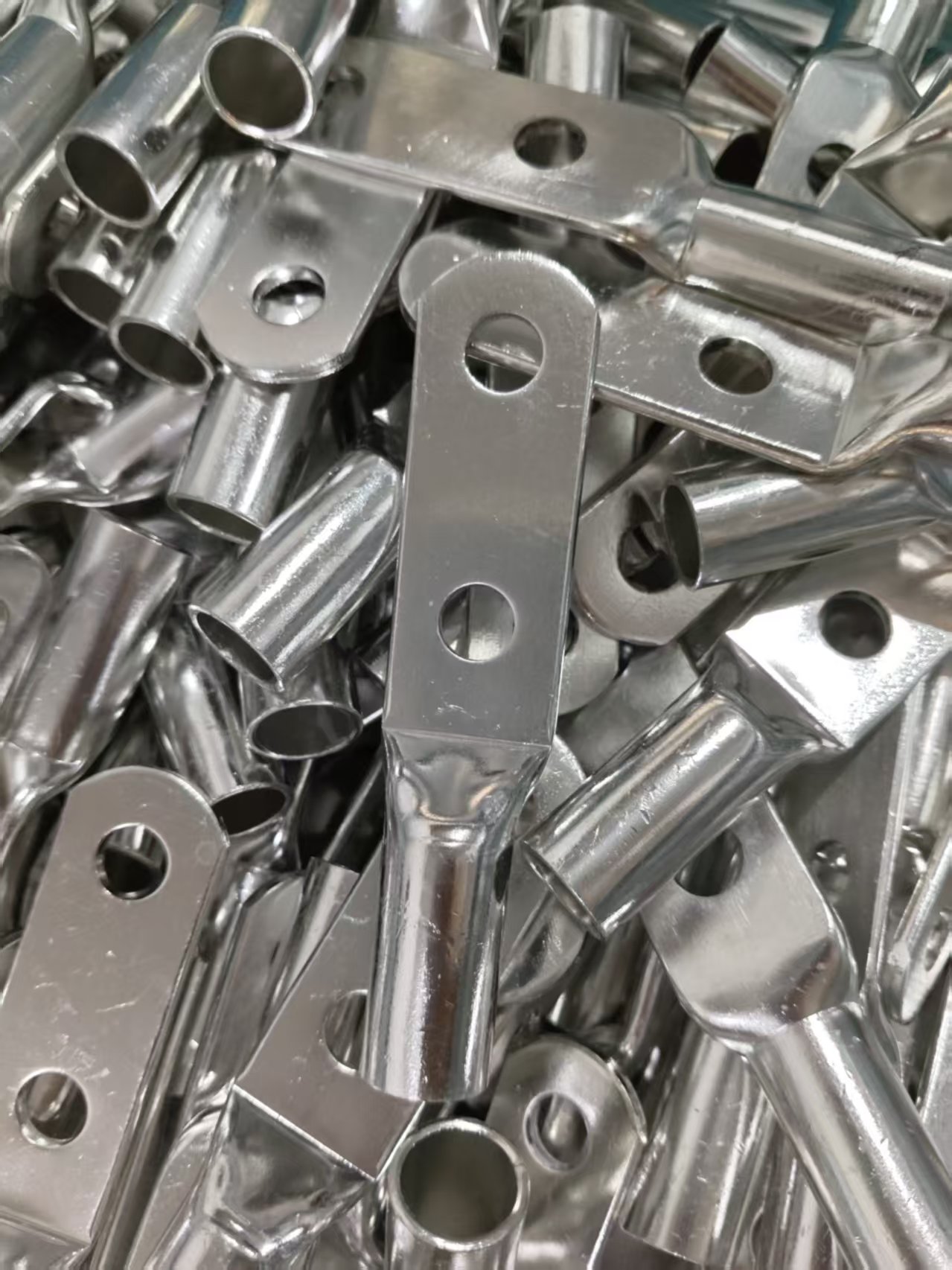
- Cable Lug (DT / SC) — the tin-plated copper termination fitting for conductor connection; listed range 10–400 mm², DIN / GB standard, working temperature −40 °C to 125 °C.
- Sealing and protection items — Polyurethane Sealant (J-399 / J-499 / J-699), Explosion-Proof Blanket (DS-FBT-10 / 35 / 110 / 220), stainless steel waterproof and explosion-proof housings (DS-FBH (SS)-1 through DS-FBH (SS)-8), Aluminum-Magnesium Alloy Protection Housing for 10 kV / 35 kV / 110 kV, and FRP components.
Understanding this split matters commercially: a buyer who frames a request as “cable accessories” will receive an unfocused quotation, while a buyer who specifies connector, termination, joint, lug and sealing items separately gets comparable line items from every supplier.
Step-by-Step Breakdown: From Requirement to Quotation
Tonyhoo's published procurement guidance for cable accessories sets out a parameter-first sequence. It applies directly to separable connectors, because the same inputs decide compatibility:
- Confirm the rated voltage level of the cable. For the DS/SC separable connector, the product is listed at a 10 kV voltage grade with a 15 kV rated voltage; selecting outside the intended class is a mismatch, not a margin.
- Collect cable model, core quantity and conductor cross-section. These dimensions determine whether the accessory body fits the cable at all.
- Confirm the installation scenario: indoor, outdoor or direct burial. This decides insulation and sealing requirements, and whether pollution or weather resistance must be specified.
- Clarify the product type. Decide whether the project needs a termination, a joint, a separable connector or a combination, and confirm the equipment interface for the connector.
- Submit all parameters to the supplier for matching. Complete parameters let the supplier match the correct specification rather than approximate it.
- Confirm additional environmental requirements. For outdoor applications, pollution resistance grade and weather resistance requirements need extra confirmation to meet local power standards.
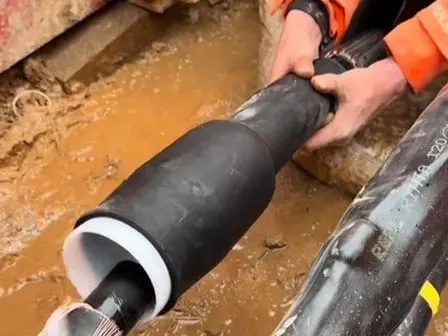
On the installation side, the operating disciplines that protect medium-voltage accessories are consistent across product types. Tonyhoo's installation guidance for cold shrink accessories lists: strip the cable outer sheath, armour and inner sheath to drawing dimensions and complete armour earthing; remove the semi-conductive shielding layer and polish and clean the insulation surface to avoid scratches and dust; fit the body and stress cone to the specified dimension; pull the support core at constant speed so the silicone part shrinks closely onto the cable; then inspect the sealing structure and appearance for displacement or gaps. Power cut, voltage testing and earthing must be completed before work, and construction in wet or rainy conditions is not permitted.
Buyer takeaway: the failure modes that damage medium-voltage accessories later — insulation scratches, rough semi-conductive layer cuts, moisture and dust on the installation interface, and misplaced stress cones — are created during installation, not during manufacture. Procurement controls only part of the risk; the installation procedure has to be specified too.
Use Cases: Where a Separable Connector Belongs
The DS/SC separable connector is designed for compact substation cable connections and is used for switchgear connections. In practice this places it in the following project contexts:
- Medium-voltage switchgear connections — where a cable must be plugged into an apparatus interface rather than bolted into a fixed terminal.
- Compact substation cable connections — where space between switchgear, transformer and cable trench is limited and a separable interface simplifies assembly and later separation.
- Medium-voltage cable projects — power engineering, power transmission systems, municipal engineering, building electrical engineering and new energy projects.
- Demanding installation environments — the wider cable accessory application profile covers indoor cabinets, outdoor substations, underground cable trenches, high-humidity and salt-fog coastal environments, dust-polluted areas, and a wide temperature range of −40 °C to 150 °C, with anti-salt-fog corrosion, anti-tracking and sealing performance listed as special requirements.
- Long-term energised duty — accessories in this class operate continuously under rated voltage, which is why partial discharge and withstand values are the parameters buyers should read first.
Comparison Table: Five Cable Accessories Side by Side
The table below compares five Tonyhoo accessory types commonly quoted together on medium-voltage projects. Values are the published parameters for each model series.
| Product | Main function | Model designation | Listed electrical / thermal parameters | Cable section and temperature |
|---|---|---|---|---|
| Separable Connector | Pluggable connection from cable to switchgear or equipment | DS/SC | 10 kV voltage grade; 15 kV rated voltage; 630 A; 42 kV AC 1 min; 52 kV DC 15 min; 95 kV lightning impulse; 22.8 kA / 2 s thermal short-circuit; 80.8 kA dynamic short-circuit; partial discharge ≤10 pC | EPDM with tin-plated copper; anti-condensation, anti-pollution, maintenance-free |
| Cold Shrink Termination | Terminating a cable end with no heat source | NLS-10/3.3, WLS-10/3.3, NLS-35/1.3, WLS-35/1.3 | Voltage class 0.6/1 kV | 10–300 mm²; −40 °C to 90 °C; silicone rubber |
| Heat Shrink Termination | Indoor cable termination formed by heat shrink moulding | SY10kV / SY26kV / SY35kV | Voltage classes 8.7/10 kV, 12/20 kV, 19/35 kV; withstand voltage 39 kV / 5 min; shrink ratio 2:1 | 25–400 mm²; −40 °C to 120 °C; cross-linked polyolefin |
| Cold Shrink Intermediate Joint | Joining two cable lengths (straight joint) | JLS-10/1.1, JLS-10/3.3, JLS-35/1.3, JLS-35/3.4 | Voltage classes 8.7/10 kV, 12/20 kV, 19/35 kV | 25–400 mm²; −40 °C to 90 °C; silicone rubber |
| Cable Lug | Conductor connection to terminals and equipment | DT / SC | Tin-plated surface; DIN / GB standard; high conductivity, corrosion resistant | 10–400 mm²; −40 °C to 125 °C; pure copper / tin-plated copper |
FAQ
What is a separable connector used for?
A separable connector connects a shielded medium-voltage cable to switchgear or similar apparatus through a separable interface. Tonyhoo's DS/SC separable connector is designed for compact substation cable connections and is used for switchgear connections, within medium-voltage switchgear scenarios and medium-voltage cable projects. Because the connection is separable, the cable can be separated from the equipment without being cut and re-terminated.
How does a separable connector differ from a cold shrink termination or an intermediate joint?
The three products sit at different points on the same cable. A termination ends the cable — a cold shrink termination such as the NLS / WLS series terminates a cable end using a silicone rubber body, and a heat shrink termination such as the SY series is an indoor termination formed by heat shrink moulding. An intermediate joint, such as the JLS-10 or JLS-35 cold shrink straight joint, connects two cable lengths together. A separable connector does neither: it plugs the cable into equipment and remains separable. Deciding which one is required is a function of the cable route and the equipment interface, not of preference.
What information should be confirmed before requesting a separable connector quote?
Five inputs drive the match: the rated voltage level of the cable; the cable model, core quantity and conductor cross-section; the installation scenario (indoor, outdoor or direct burial); the required product type (connector, termination or joint); and, for outdoor work, the pollution resistance grade and weather resistance requirements needed to meet local power standards. All parameters should be submitted to the supplier together for matching, because incomplete parameters are the main cause of product mismatch and of insulation failure after energization.
How do you decide between cold shrink and heat shrink cable accessories?
Cold shrink accessories are preferred where open flame work is not permitted and where construction schedules are tight, because they require no torch heating and are quick to install. Heat shrink accessories suit projects with a limited budget and certified flame operators, where they offer a cost advantage. Both technologies can meet the insulation, electric field control and sealing requirements of medium-voltage cables. The decision should be made after confirming the cable voltage class, cross-section and application environment, and outdoor installations should prioritise pollution resistance, waterproofing and weather resistance.
Are Chinese cable accessories manufacturers a practical sourcing option, and how should they be evaluated?
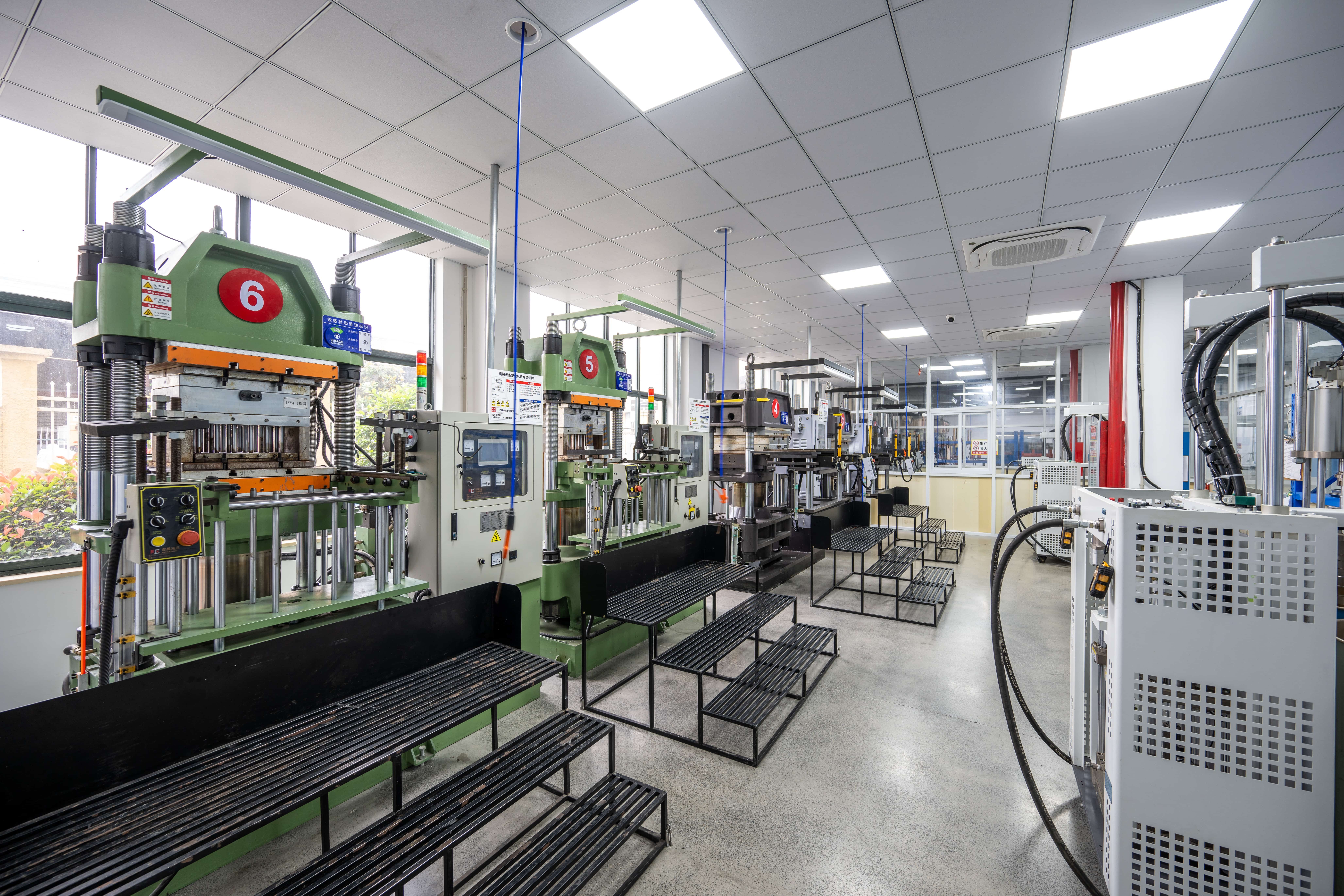
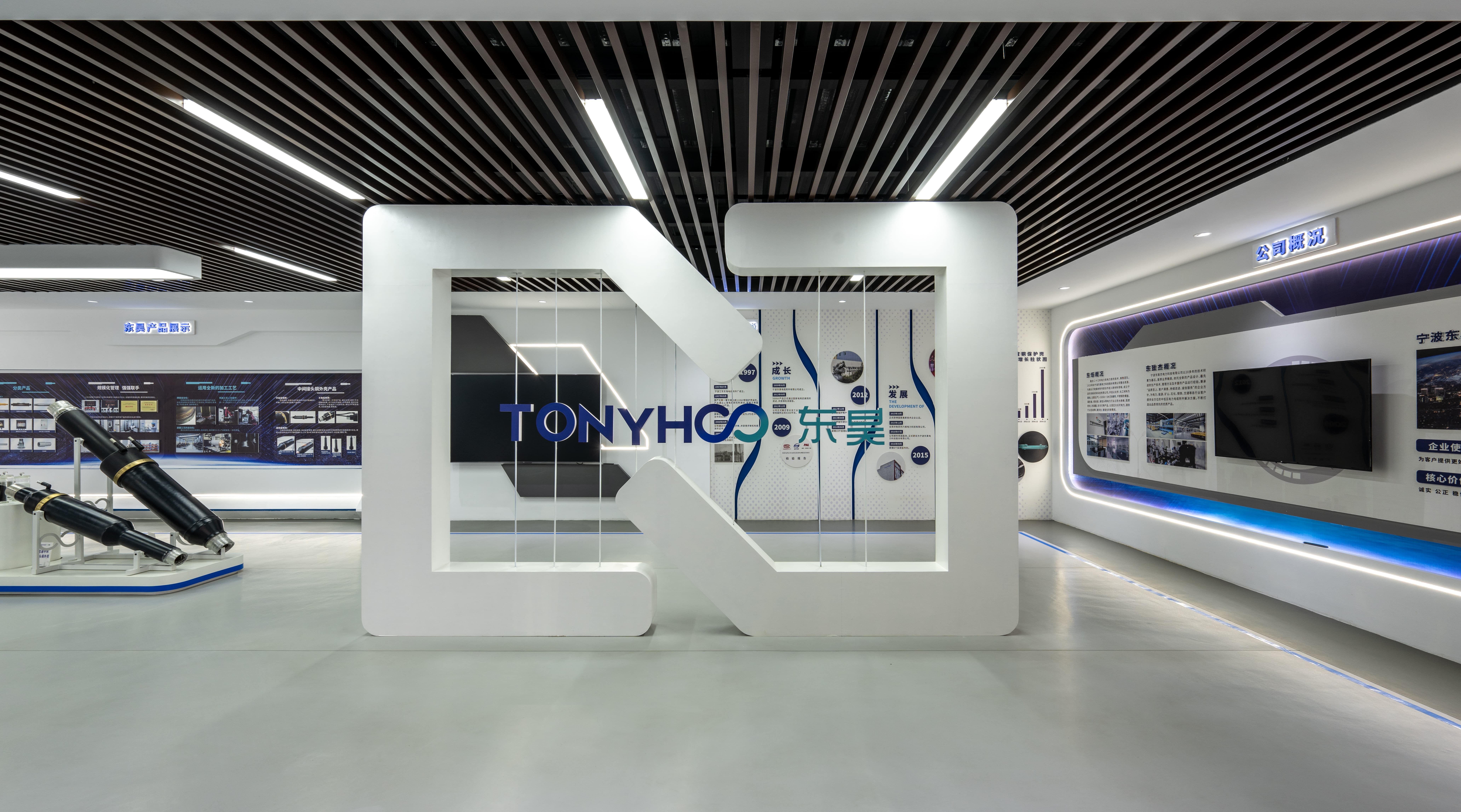
Yes, and the evaluation is a documentation exercise rather than a guess. Ningbo Tonyhoo Electrical Technology Co., LTD., founded in 1997, is a cable accessory manufacturer based in Ningbo, Zhejiang, China, serving markets in the US, TH, CN, AL and VN, with approximately 50% of products exported. Its published profile covers a 9,900 m² manufacturing facility, about 100 employees, an annual production capacity of 200,000 units, an R&D team of 20 engineers, 12 trademark certificates and over 60 patents. The company states that its products have been tested by the State Grid High Voltage Testing Center, SGS or the Shanghai Cable Research Institute, with corresponding reports. When evaluating any manufacturer — Chinese or otherwise — request the type-test and routine-test documents for the exact model and voltage class you are buying, confirm the model designation rather than a generic category name, and check that the claimed standard applies to a product rather than to an installation practice. For reference, IEEE 1816-2024 governs cable preparation for mating accessories in the 2.5 kV to 46 kV range; it is an installation guide, not a product certificate. Buyers who want to verify fit before committing to a project quantity can request a sample and a current quotation so the parameters above can be checked against the actual cable.
Conclusion: Specify the Interface Before You Specify the Price
A separable connector is a small line item that carries a disproportionate share of project risk, because it is the point where the cable meets the equipment. The DS/SC separable connector illustrates what should be verified: voltage grade and rated voltage, current rating, AC and DC withstand values, lightning impulse withstand, short-circuit capability and partial discharge, together with the insulating material and the equipment interface it must mate with.
For buyers in the research stage, three actions create most of the value: gather the cable parameters before contacting any supplier; separate the accessory package into connector, termination, joint, lug and sealing items so quotations are comparable; and match the accessory type to the actual job — pluggable connection, cable end, or cable-to-cable joint. Tonyhoo Cable Accessories publishes its product parameters and product catalogue for exactly this comparison step.
Next step: Send your cable parameters — rated voltage level, cable model, core quantity, conductor cross-section and installation scenario — and Tonyhoo will match the appropriate separable connector, termination, joint or lug specification. Samples and quotations can be requested directly.
Review the full product range in the Tonyhoo product catalog (PDF), or visit www.tonyhoo.com and the blog at blog.tonyhoo.com.
Contact: Claire — email admin@tonyhoo.com.cn, telephone / WhatsApp +8613345998377. Ningbo Tonyhoo Electrical Technology Co., LTD., No.211, Yunhui Road, Yunlong Town, Yinzhou District, Ningbo City, Zhejiang Province, China.
Have Questions or Need More Details?
Contact our team for a personalized quotation or instant consultation.
Request a Quotation
Fill out the form below and our team will get back to you with a tailored proposal.
WhatsApp Direct Chat
Prefer to chat in real-time? Message us on WhatsApp for instant assistance & quick answers.
- Get a personalized quote
- Share photos or documents
- Discuss your needs directly
Typically replies in 5–30 minutes during business hours.