OEM & ODM Baby Diapers vs. Sanitary Napkins: Buyer Guide
OEM & ODM Baby Diapers vs. Sanitary Napkins: Buyer Guide
OEM and ODM baby diapers and sanitary napkins are both disposable hygiene products that can be sourced through private-label or custom manufacturing programs, but they are not interchangeable purchase categories. The buyer decision turns on the end user, product format, performance specifications, compliance file, customization scope, order terms, and use-risk documentation. This guide compares those buyer conditions without treating one category as superior to the other.
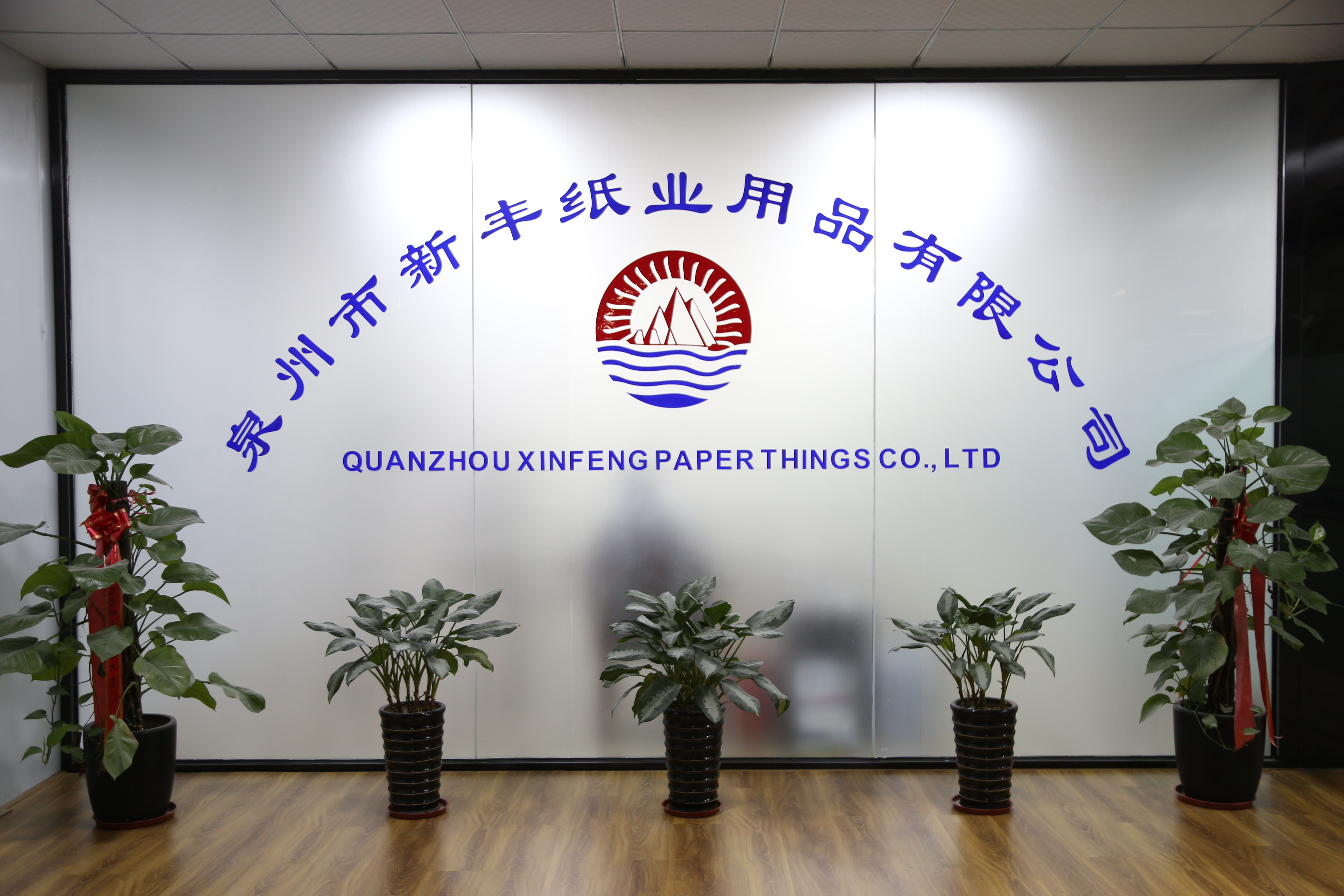
Top Nurse Baby Diapers is the baby diaper brand referenced in this guide. The manufacturer information supplied for the comparison is for Quanzhou V-Care Sanitary Products Co., Ltd., a manufacturer founded in 2013 with two factories covering 100,000 m², 50 employees, 3 engineers, and total annual output of 200,000,000 pieces. The company produces baby diapers, adult diapers, sanitary napkins, pet diapers, and underpads, operates 4 baby diaper lines and 5 sanitary napkin lines, and states CE, ISO9001, and SGS certification. Its products are exported to markets including the United States, France, Uganda, Venezuela, New Zealand, and Nigeria, with an export ratio of 70%.
Problem definition: one supplier range does not create one RFQ template
A buyer may shortlist a manufacturer because it produces both baby diapers and sanitary napkins, then assume that one request-for-quotation template will cover both categories. That approach creates specification gaps. Baby diapers require fit and size decisions, leakage and absorbency targets, breathability, softness, wetness-indicator options, printed designs, packaging formats, and age-group suitability. Sanitary napkins require their own format, absorbency, construction, wrapping, and market-specific compliance file. The supplied material confirms that the company produces both categories and has separate production lines, but it does not provide sanitary napkin specifications, absorbency data, or test reports.
The practical comparison therefore separates two questions. First, which category fits the buyer's target user and sales channel? Second, what must the supplier prove for that category before an order is placed? A multi-category product range is useful background, but it is not evidence that every SKU, test report, packaging format, or lead time is available.
Industry background: diaper evidence is not sanitary napkin evidence
For context, Fortune Business Insights reported that the global diaper market was valued at USD 80.90 billion in 2025 and was projected to reach USD 108.17 billion by 2034. The same source reported that the babies segment held 64.52% of the global diaper market in 2025 and that disposable diapers accounted for 86.99%. Those figures cover diapers, not sanitary napkins, and should not be used as a sanitary napkin market estimate.
Cost structure is another buyer consideration. IMARC Group reported that raw materials, including nonwovens, fluff pulp, and SAP, account for 60-70% of total operating expenses in diaper manufacturing. That fact helps explain why material changes can move baby diaper pricing, but it should not be transferred to sanitary napkins without category-specific cost data. The supplied evidence does not include a sanitary napkin raw-material cost breakdown.
Trade activity also differs by category and market. Volza reported that the USA loose diapers import market recorded 286 active buyers between July 2024 and June 2025, sourcing from 520 global suppliers. This is a diaper trade signal, not evidence of sanitary napkin buyer counts. Buyers should request category-specific supplier lists and order references rather than assuming the same buyer pool applies to both products.
What the manufacturer profile adds to the comparison
The company profile shows multi-category production rather than a single-line factory. Quanzhou V-Care operates 4 baby diaper lines, 5 sanitary napkin lines, and 1 adult diaper line. Its total annual output is 200,000,000 pieces across the product range, and its export ratio is 70%. These facts support a supplier-capability discussion, but they do not establish capacity allocation for a specific baby diaper size, a specific sanitary napkin format, or a peak-season delivery schedule. Buyers should ask for line allocation, minimum order quantity, changeover time, packaging capacity, and lead time by SKU.
Compliance context buyers should not skip
The European Commission's CASP 2022 hygiene-products activity included baby diapers among the disposable hygiene-product categories examined. Its testing plan referenced EN ISO 10993-18 for chemical characterization, EN ISO 10993-5 for in-vitro cytotoxicity, and EN ISO 10993-23 for irritation testing, and it included REACH screening for substances of very high concern. Separately, ECHA reported in 2021 that its Risk Assessment Committee found insufficient scientific evidence to conclude that the chemicals evaluated in the proposed restriction posed a demonstrated risk at the identified levels. That historical scientific opinion does not remove the need for current legal review, product-specific testing, or buyer restricted-substance requirements.
In the United States, the CPSC describes CPSIA as generally requiring applicable children's products to comply with safety rules, use CPSC-accepted accredited laboratory testing where required, and have a written Children's Product Certificate, with permanent tracking information where practicable. Diaper-specific applicability still requires product review. The company states CE, ISO9001, and SGS certification, but a factory certificate should not be treated as a product-specific test report. For sanitary napkins, the supplied material does not include a compliance file, so the buyer must request the applicable market-specific documents.
Detailed solution: a category-fit comparison framework
The better decision is the one supported by a category-specific brief and evidence file. Buyers should compare baby diapers and sanitary napkins on seven dimensions: end user and use cycle, product format and size architecture, performance specifications and test methods, material and cost drivers, customization and packaging, compliance and use-risk documentation, and supplier capacity and order terms.
1. End user and use cycle
Baby diapers serve infant hygiene, including newborn and overnight use. The supplied enhanced baby diaper comparison lists newborn, overnight use, and travel and outdoor use as suitable scenarios. Sanitary napkins serve menstrual care, which the supplied applicable-scenario material identifies alongside baby care, wet-wipe cleaning, sanitary product OEM, and wholesale sourcing. Because the users and use cycles differ, the buyer should not use the same fit, absorbency, or use-instruction assumptions for both categories.
2. Product format and size architecture
For baby diapers, buyers should define taped diapers versus pull-up or training-pant formats where relevant, size range, age-group fit, stretch waist, wetness indicator, printed design, and packaging format. ECHA's 2021 product-scope material identified disposable baby diapers and diaper pants or training pants as covered articles, which supports treating them as separate product scopes in a technical brief. The supplied material does not provide a sanitary napkin format list, length range, or wrapping specification. Those details must be requested in the sanitary napkin RFQ rather than inferred from the baby diaper line.
3. Performance specifications and test methods
Baby diaper specifications should be written with test methods attached: absorbency, rewet, leakage control, breathability, softness, fit, and wetness-indicator function where applicable. The supplied comparison describes an enhanced baby diaper option relative to traditional baby diapers as having a softer surface, better absorption, less leakage, and breathability. It also reports 30% faster absorption and 25% less side leakage for that comparison. Those figures apply to the baby diaper comparison described, not to sanitary napkins. Sanitary napkin performance targets must be defined separately, and the supplier should provide the test method, sample size, and report date for each claim.
4. Material and cost drivers
For baby diapers, raw materials account for 60-70% of total operating expenses, so material selection is a cost driver as well as a performance decision. The supplied comparison reports an 8% higher cost for the enhanced baby diaper option versus traditional baby diapers, alongside fewer diaper changes, easier disposal, higher absorption efficiency, and a lower waste rate. That does not establish a sanitary napkin price premium or cost structure. Buyers should request a bill-of-materials summary, packaging cost, testing cost, freight terms, and order-volume assumptions for each category before comparing unit prices.
5. Customization, printing, and packaging
The company supports domestic OEM and wholesale services as well as international trade orders, and it has a 3-engineer R&D team. Buyers may include private-label baby diapers, custom baby diaper design, printed baby diapers, customized baby diaper packaging, custom size options, and retail-ready packaging in the RFQ. These are option categories to confirm, not automatic inclusions. For sanitary napkins, the supplied material confirms the category and the 5 production lines but does not list customization options. The buyer should ask for an approved customization matrix covering artwork, packaging, product format, and change-control steps for each category.
6. Compliance and use-risk documentation
Compliance should be organized as a market-by-market matrix. For baby diapers, the buyer should request product-specific test reports, material declarations, and restricted-substance documentation that reflect the destination market. The EU CASP 2022 references and the U.S. CPSIA framework are screening leads, not a substitute for current legal review. For sanitary napkins, the buyer should request the equivalent market-specific file. The supplied material does not provide sanitary napkin test standards, so the buyer must not assume that baby diaper test reports cover sanitary napkins.
Use-risk documentation is also category-specific. The supplied baby diaper guidance covers correct wearing and change timing. No equivalent sanitary napkin use instruction is supplied in the material. Buyers should request instructions for use, warnings, and a sample trial protocol for each category before approving packaging artwork or retail claims.
7. Supplier capacity and order terms
The manufacturer profile supports a capacity discussion: two factories, 100,000 m², 50 employees, 3 engineers, 4 baby diaper lines, 5 sanitary napkin lines, and total annual output of 200,000,000 pieces. It does not provide SKU-level capacity, minimum order quantity, lead time, tooling cost, or freight terms. Buyers should ask how capacity is allocated between baby diapers and sanitary napkins, what changeover time applies, and whether packaging and shipping coordination can meet the retail calendar. The 70% export ratio and market list show international trade experience, but they do not guarantee a specific delivery date.
Step-by-step buyer breakdown
The following sequence keeps the comparison grounded in category-specific evidence instead of a single blended supplier score.
- Write two category briefs. One brief should define the baby diaper user, size range, format, performance targets, packaging, and market. The second should define the sanitary napkin user, format, absorbency target, packaging, and market. Do not use the baby diaper brief as the sanitary napkin brief.
- Separate common supplier questions from category questions. Common questions include company identity, factory area, production lines, certifications, OEM and ODM scope, R&D support, export markets, sample process, MOQ, lead time, and Incoterms. Category questions include baby diaper size and fit, leakage and absorbency, breathability, wetness indicator, printed design, and packaging; sanitary napkin format, absorbency, construction, wrapping, and use instructions.
- Request a product-specific compliance matrix. For baby diapers, ask for the test reports and declarations that match the destination market, including the applicable EU or U.S. requirements identified for the SKU. For sanitary napkins, request the equivalent documents. The company's CE, ISO9001, and SGS certificates should be checked for scope and validity, not accepted as a blanket product approval.
- Cost the program with the same scope. Compare baby diaper and sanitary napkin quotations only when size or absorbency level, packaging, testing, order volume, and Incoterms are equivalent. For baby diapers, remember that raw materials are 60-70% of operating expenses and that the supplied enhanced option carries an 8% higher cost than traditional baby diapers in that comparison. No equivalent sanitary napkin cost breakdown is supplied.
- Validate customization before artwork approval. Confirm printed design, wetness indicator, stretch waist, ultra-thin or ultra-soft construction, breathable backsheet, high-absorbency core, leak-proof edges, overnight positioning, sensitive-skin positioning, size options, and packaging. For sanitary napkins, request the equivalent customization list. Keep claims factual and supported by the approved specification.
- Audit capacity and supply continuity. Ask for line allocation, MOQ by SKU, changeover time, packaging capacity, and lead time. The company has 4 baby diaper lines and 5 sanitary napkin lines, but the 200,000,000-piece annual output is a total figure. Do not convert total output into a guaranteed monthly quantity for one SKU.
- Run a documented sample and use trial. For baby diapers, test fit, leakage, absorbency, breathability, and wearing and changing instructions. For sanitary napkins, request a category-specific trial protocol and use instructions. Record the sample version, test date, and evaluator feedback so that a later production run can be compared with the approved sample.
- Lock change control and final documents. Approve the final specification, artwork, packaging version, certificate list, and use instructions. Keep the baby diaper and sanitary napkin files separate so that a change in one category does not silently alter the other.

Use cases: how the comparison changes by buying scenario
Newborn private-label baby diaper launch
A newborn program should start with size, fit, softness, leakage control, and wetness-indicator requirements. The supplied enhanced baby diaper comparison lists newborn use as a suitable scenario and describes a softer surface, better absorption, less leakage, and breathability relative to traditional baby diapers. It also reports 30% faster absorption and 25% less side leakage, with an 8% higher cost. The buyer should confirm whether those benefits match the target retail price and whether the product-specific compliance file supports the claims made on pack.
Retailer multi-category sourcing program
A retailer may source baby diapers and sanitary napkins from the same manufacturer to reduce supplier count. That can simplify communication, but it should not simplify the technical file. The company produces both categories and operates separate lines, yet the supplied material provides detailed baby diaper performance comparison facts and does not provide sanitary napkin performance data. The retailer should issue separate specifications, separate test-report requests, and separate packaging approvals for each category.
Distributor or wholesale order for bulk baby diapers
A distributor buying bulk baby diapers for retailers should confirm size mix, pack count, printed design, packaging language, MOQ per SKU, and delivery schedule. The manufacturer's export ratio of 70% and market list show international trade experience, but the buyer still needs a written order schedule. The 4 baby diaper lines support a capability discussion; they do not replace a line-allocation confirmation.
Overnight, sensitive-skin, or ultra-soft assortment
An overnight or sensitive-skin assortment should define the performance target before comparing samples. The supplied enhanced baby diaper comparison includes overnight use and travel and outdoor use as suitable scenarios and reports higher absorption efficiency and a lower waste rate alongside fewer diaper changes and easier disposal. Buyers should request test evidence for the specific SKU and avoid transferring those results to other baby diaper styles or to sanitary napkins.
Sanitary napkin OEM project
A sanitary napkin project should begin with the product format, absorbency target, wrapping, packaging, and destination-market compliance file. The supplied manufacturer profile confirms 5 sanitary napkin lines and menstrual-care use context, but it does not provide napkin specifications or test data. The buyer should request samples, a bill of materials, test methods, and use instructions before approving artwork or retail claims.
Comparison table: buyer conditions for OEM baby diapers and sanitary napkins
| Buyer dimension | OEM & ODM baby diapers | Sanitary napkins | What the buyer should confirm |
|---|---|---|---|
| Primary user and use context | Infant hygiene, including newborn and overnight use; the supplied enhanced option lists newborn, overnight, and travel and outdoor scenarios. | Menstrual care, as identified in the supplied applicable-scenario material. | Match the product to the end user and sales channel; do not substitute one category for the other. |
| Documented product scope | Baby diapers are in the company range; 4 baby diaper lines are listed. ECHA scope includes taped diapers and diaper pants or training pants. | Sanitary napkins are in the company range; 5 sanitary napkin lines are listed. | Request a product-specific specification sheet and line allocation for each SKU. |
| Performance evidence | The supplied enhanced baby diaper comparison reports softer surface, better absorption, less leakage, and breathability versus traditional baby diapers, with 30% faster absorption and 25% less side leakage. | No sanitary napkin performance data is supplied in the material. | Define test methods and accept only product-specific reports for the SKU and market. |
| Cost drivers | Raw materials are 60-70% of diaper manufacturing operating expenses; the enhanced baby diaper option is reported at 8% higher cost than traditional baby diapers. | No sanitary napkin cost breakdown is supplied. | Compare total landed cost with equivalent packaging, testing, volume, and Incoterms. |
| Customization and packaging | OEM and wholesale support is stated; the company has 3 R&D engineers. Printed design, wetness indicator, size options, and packaging are RFQ option categories to confirm. | OEM and wholesale support is stated; specific sanitary napkin customization is not supplied. | Ask for an approved customization matrix, artwork proof, and packaging version control. |
| Compliance file | The company states CE, ISO9001, and SGS certification. EU CASP 2022 references and U.S. CPSIA general requirements are screening leads for product-specific review. | No sanitary napkin compliance file is supplied in the material. | Build a market-specific matrix and verify certificate scope, test report date, and product identity. |
| Use-risk documentation | Wearing and changing guidance is supplied, including fit, leak-proof edge, navel clearance, and change timing. | No sanitary napkin use instruction is supplied in the material. | Request instructions for use, warnings, and a sample trial protocol for each category. |
| Supplier capacity and order terms | Two factories, 100,000 m², 50 employees, 4 baby diaper lines, and total annual output of 200,000,000 pieces across the range; 70% export ratio. | 5 sanitary napkin lines and the same total company output figure; category-specific capacity is not supplied. | Confirm MOQ, lead time, changeover, packaging capacity, and shipping schedule by SKU. |

FAQ: buyer questions for OEM baby diapers and sanitary napkins
What compliance documents should buyers check before comparing OEM baby diapers and sanitary napkins?
Start with a market-specific compliance matrix. For baby diapers, the supplied evidence notes that the EU CASP 2022 hygiene-products activity included baby diapers and referenced EN ISO 10993-18, EN ISO 10993-5, EN ISO 10993-23, and REACH SVHC screening. ECHA reported in 2021 that its Risk Assessment Committee found insufficient scientific evidence to conclude that the evaluated chemicals posed a demonstrated risk at the identified levels, but that historical opinion does not replace current legal review or buyer-specific restricted-substance requirements. In the United States, CPSIA generally requires applicable children's products to meet safety rules, use CPSC-accepted accredited laboratory testing where required, and have a written Children's Product Certificate, with tracking information where practicable; diaper-specific applicability still needs product review. The company states CE, ISO9001, and SGS certification. For sanitary napkins, the supplied material does not provide a compliance file, so request the equivalent market-specific documents. Do not treat a factory certificate as a product certificate.
What product specifications and supplier capabilities should be confirmed for each category?
For baby diapers, confirm size range, taped or pull-up format, absorbency, leakage control, breathability, softness, wetness indicator, printed design, packaging, and age-group fit. The supplied enhanced baby diaper comparison describes softer surface, better absorption, less leakage, and breathability versus traditional baby diapers, with 30% faster absorption and 25% less side leakage, at 8% higher cost. Those figures apply to that baby diaper comparison, not to sanitary napkins. For sanitary napkins, the supplied material confirms the category and 5 production lines but does not provide format, length, absorbency, or test data; request them. Supplier capabilities to confirm include 4 baby diaper lines, 5 sanitary napkin lines, 3 R&D engineers, OEM and ODM scope, sample process, MOQ, lead time, and line allocation. The 200,000,000-piece annual output is a total company figure, not a per-category guarantee.
How should buyers compare cost and value between the two categories?
Do not compare a baby diaper unit price with a sanitary napkin unit price unless the scope is equivalent: same size or absorbency level, same packaging, same testing, same Incoterms, and same order volume. Raw materials account for 60-70% of total operating expenses in diaper manufacturing, so material changes can move cost. The supplied comparison shows an 8% higher cost for an enhanced baby diaper option versus traditional baby diapers, alongside 30% faster absorption and 25% less side leakage. No equivalent sanitary napkin cost breakdown is supplied. Ask both RFQs for material composition, packaging cost, testing cost, freight, MOQ, and lead time. Value should be judged on total landed cost and risk, not unit price alone.
How to correctly wear baby diapers?
First distinguish front and back: the side with the Velcro and waistband is the back, and the printed or absorbent layer faces forward. Lift the baby's buttocks, place the diaper underneath, and align the waist patch. Put the baby down, pull the front piece under the belly button, stick the waist patches on both sides, and keep the fit tight enough to insert one finger. Use your fingers to pull out the leak-proof edge on the inner thigh to prevent side leakage of stool and urine. After wearing, check the fit and avoid compressing the abdomen too tightly. Do not stick it too tightly or cover the navel; the leak-proof edge must be pulled out; replace in time because prolonged non-replacement can contribute to red buttocks.
When do I need to change baby diapers?
Observe the wetness indicator, urine volume, and bowel movements. Change immediately after stool, and change when the wetness indicator is full or urine volume is high. Newborns are recommended to be checked every 2-3 hours; bigger babies every 3-4 hours during the day. At night, if urine output is not large and there is no stool, the interval may be extended, but stool requires immediate change. Clean and dry the baby's buttocks during each change before putting on a new diaper. Do not wait until the diaper is heavily swollen; dampness and stuffiness can contribute to diaper rash, and do not leave the diaper on for a long time. Buyers can use this guidance as a use-risk checkpoint when evaluating samples; for a formal sample or quote request, contact the supplier through the approved channel listed in the company profile.
Conclusion: choose by category fit and verified evidence
The comparison between OEM and ODM baby diapers and sanitary napkins is not a contest for a single winner. Baby diapers require baby-specific fit, leakage control, use instructions, and market-specific compliance. Sanitary napkins require their own format, absorbency, packaging, and compliance file. A manufacturer that produces both categories can support a multi-category sourcing program, but the buyer should still request category-specific specifications, test reports, samples, MOQ, lead time, and line allocation.
Top Nurse Baby Diapers and the associated Quanzhou V-Care profile provide a starting point for the baby diaper side of the comparison: 4 baby diaper lines, 5 sanitary napkin lines, 100,000 m² of factory space, 3 R&D engineers, and stated CE, ISO9001, and SGS certification. Those facts should be verified against the exact SKU and destination market. The supplied baby diaper wearing and changing guidance also gives buyers a practical use-risk checkpoint that can be built into sample evaluation.
For buyers who need the full manufacturer background, the company brochure in English PDF is available for review and download. Product-specific specifications, test reports, samples, and quotations should be confirmed directly with the supplier before an order is placed.
This guide compares only the product and purchase facts supplied for the assignment. It does not establish sanitary napkin performance, sanitary napkin market size, or product-specific regulatory approval. Buyers should complete their own market, legal, and sample review before purchase.
Have Questions or Need More Details?
Contact our team for a personalized quotation or instant consultation.
Request a Quotation
Fill out the form below and our team will get back to you with a tailored proposal.
WhatsApp Direct Chat
Prefer to chat in real-time? Message us on WhatsApp for instant assistance & quick answers.
- Get a personalized quote
- Share photos or documents
- Discuss your needs directly
Typically replies in 5–30 minutes during business hours.