
Paper Cups Sagging, Leaking, or Fading? A Problem-Solution Guide to Specs & Coatings
Paper Cups Sagging, Leaking, or Fading? A Problem-Solution Guide to Specs & Coatings
Paper cup failures rarely begin on the filling line. They begin in a specification that was never tested against the drink, the serving temperature, and the artwork it would actually carry. This guide works backwards from the complaints buyers raise most often — seam leakage, soggy walls, rim collapse, lid misfit, faded or smudged logos, and condensation on cold cups — and traces each one back to the board, coating, sizing, or print decision that prevents it. It is written for café owners, foodservice distributors, and brand buyers moving from research into evaluation, who need a checklist to carry into sampling.
Problem Definition: Six Complaints That Point to a Specification Gap
Almost every paper cup complaint a buyer forwards to a supplier can be traced to one of six specification decisions. Identifying which one is the difference between fixing a repeat failure and simply ordering it again.
- Seam leakage. Liquid wicks through or along the side seam within minutes of filling. This points to seam bonding relative to the board weight and coating, not to the drink.
- Soggy walls and softening. The body loses stiffness before the drink is finished. A board weight that suits a short espresso serve is often inadequate for a 16 oz milk-heavy drink held for twenty minutes.
- Sagging rim and collapse. The rolled rim flattens under a lid or under the weight of a full cup, so the cup no longer holds its shape during service.
- Lid misfit or pop-off. A lid that fits one batch and not the next is almost always a rim diameter tolerance problem rather than a lid problem.
- Faded, smudged, or scuffed print. The logo dulls, lifts, or rubs away in the hand. That is a print method and surface question, not an ink colour question.
- Condensation and sweating on cold cups. Moisture beads on the outside, the cup slips, and the print on the outer surface softens.
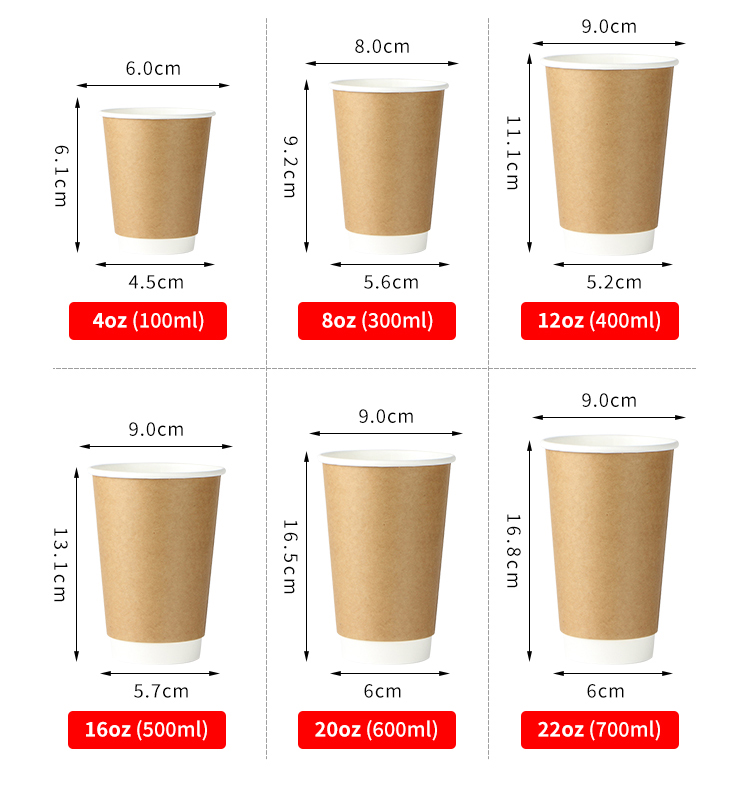
A concrete reference point makes diagnosis faster. TopsPak’s disposable paper cup specification (model BF-PC-001) lists 4 oz to 20 oz capacities on customizable top diameter, bottom diameter and height; 190–350 gsm food-grade virgin paper; PLA or PE coating; flexo or offset printing with a custom logo; and a stated temperature resistance of −20°C to 100°C with leak-proof construction. Every complaint above sits somewhere on that list, which is why a written specification — not a verbal description — is the only reliable basis for a repeat order.
Industry Background: Why Coating and Board Choices Are Now Compliance Decisions
The regulatory frame around a paper cup has changed what a coating choice means. In the European Union, Regulation (EC) No 1935/2004 requires that food-contact materials and articles do not transfer constituents to food in quantities that endanger human health, bring about an unacceptable change in food composition, or deteriorate organoleptic properties. Commission Regulation (EC) No 2023/2006 adds good manufacturing practice obligations that apply to paper and board converting operations supplying the EU market. Regulation (EU) 2025/40 on packaging and packaging waste, which applies from 12 August 2026, replaces Directive 94/62/EC as the core EU packaging framework and sets harmonised requirements for packaging placed on the EU market, single-use beverage cups included.
Alongside that, Directive (EU) 2019/904 lists cups for beverages in Annex Part A, which triggers Article 6 obligations on Member States to achieve a sustained reduction in consumption of those items; national transposition differs by Member State. In the United States, 21 CFR 176.170 regulates the components of paper and paperboard in contact with aqueous and fatty foods, which is the basis on which a paper beverage cup is assessed for the US market.
Compostability is a separate track. Where a cup carries a compostability claim, the claim has to reference the standard used in that market: EN 13432 for packaging recoverable through composting and biodegradation in the EU, and ASTM D6400 for plastics designed to be aerobically composted in municipal or industrial facilities in the United States. The two are jurisdiction-specific and are not interchangeable. Fibre claims run on a third track: FSC Chain of Custody certification (FSC-STD-40-004) is the traceability mechanism behind an FSC label on a finished cup.
Two further obligations shift cost rather than product design, and distributors feel them first. Germany’s Verpackungsgesetz requires producers that place packaging on the German market for the first time to register with the Zentrale Stelle Verpackungsregister through the LUCID register before distribution. The United Kingdom’s Plastic Packaging Tax has been in force since 1 April 2022 and is applied to plastic packaging components that do not meet the minimum recycled-content threshold; whether a polymer-lined paper cup falls into scope depends on the plastic-component predominance test and has to be verified case by case.
The practical consequence: a coating change is a specification change, not a dropdown selection. When a buyer moves from PE to PLA to satisfy a market requirement, the board, the seam settings, the print and the compliance documentation all need to be re-validated together — otherwise the first shipment after the switch is where leakage and print complaints appear.
Detailed Solution: Matching the Specification to the Failure
Seam leakage: board weight, coating, and seam bonding must agree
Seam leakage is a mismatch problem. The side seam has to bond through the coating to the board, so the three variables — board weight, coating type, and seam bonding conditions — have to be specified as a set. A cup built on the lighter end of the 190–350 gsm band behaves differently at the seam than one built on the heavier end, even when both look identical from the outside. The fix is procedural: specify the board weight and coating in writing, then require a seam integrity check on the pre-production sample with the actual drink the cup will carry, at the actual serving temperature. TopsPak’s production control for paper cups includes 100% full inspection for appearance, size and food safety before shipment, which catches visible seam defects but does not replace a stress test at the sampling stage.
Soggy walls and sagging rims: board weight and wall construction
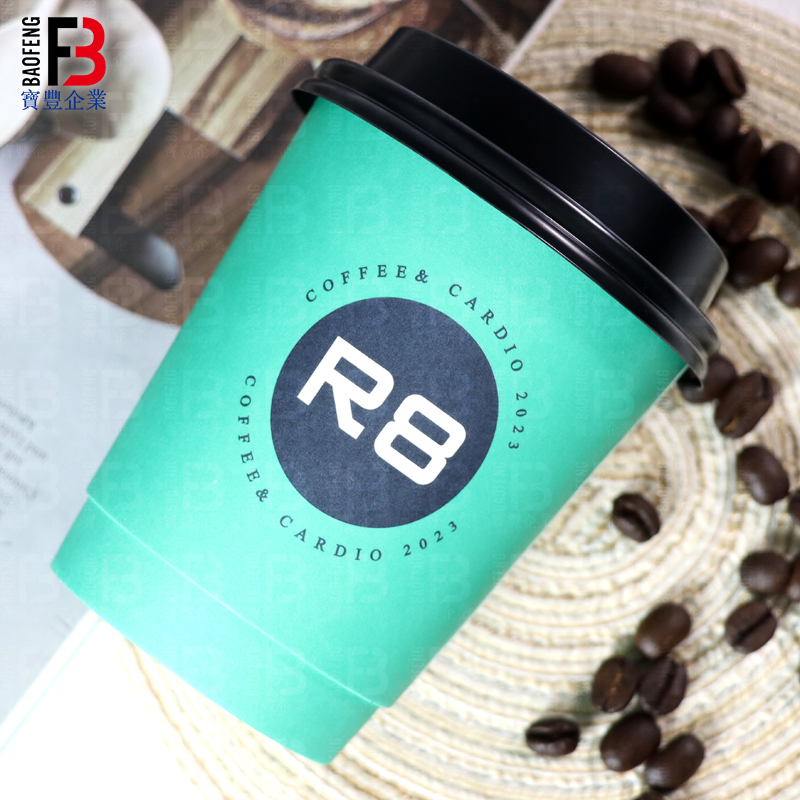
Softness under load is a stiffness question, and stiffness is bought with board weight and wall construction. Within the 190–350 gsm range, the heavier the board, the longer the cup holds shape under a hot, milk-heavy drink. Wall construction is the second lever: single wall paper cups suit short-serve and high-turnover programmes, while double wall hot cups add an insulating layer that also reduces the external condensation and heat-transfer complaints that generate “the cup is too hot to hold” feedback. Capacity belongs in the same decision. A 20 oz serve in a body specified for a smaller fill will sag at the rim long before the drink is finished, because the fill weight and the wall stiffness were never matched.
Lid misfit: specify top diameter with a tolerance, not a nominal number
Lids fail across batches when the cup’s top diameter is specified as a nominal figure without a tolerance. Because BF-PC-001 allows customizable top diameter, bottom diameter and height, the buyer is effectively defining the rim geometry — and a lid only stays on a rim whose diameter variation is controlled. The practical rule is one lid mould per cup diameter, with the top diameter and its tolerance written on the specification sheet and checked on incoming batches. When a lid pops off in service, the question to ask the supplier is not “is the lid wrong?” but “what tolerance did we agree on the rim?”
Faded, smudged, or scuffed print: print method and surface condition
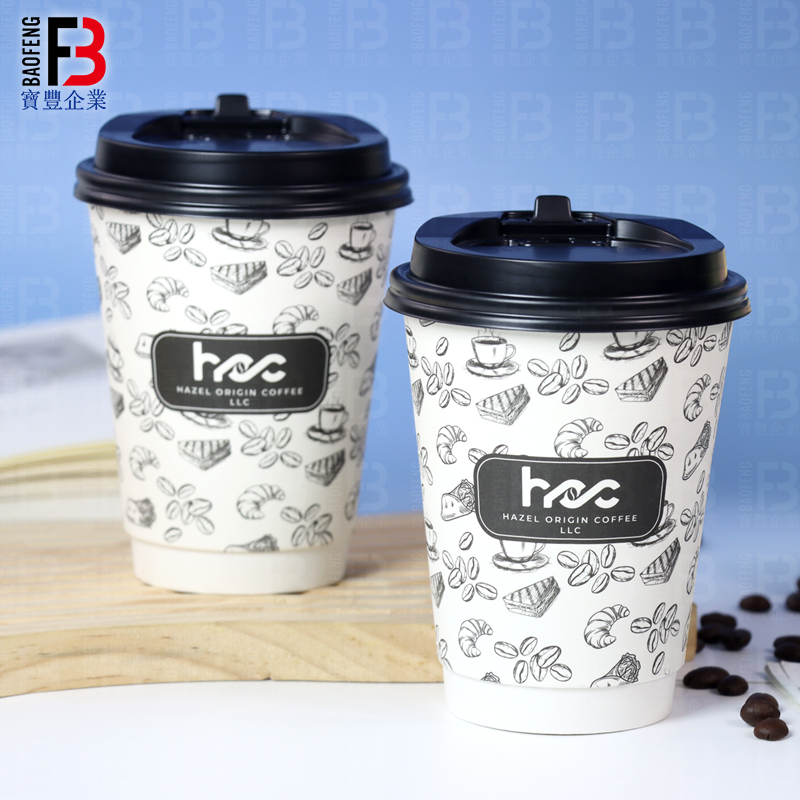
Print failures are usually blamed on ink and are usually caused by the combination of print method, board surface and the conditions of use. BF-PC-001 supports both flexo and offset printing with a custom logo, and the two behave differently: solid coverage and large type hold up differently from fine detail and photographic artwork. The evaluation step is therefore not to approve artwork on screen but to approve a printed pre-production sample and handle it the way a customer will — with condensation on the outside of the cup, a hot hold, and friction from a cup carrier. If a logo has to survive an iced drink in summer, that is the condition the sample must be tested in, not a dry table.
Condensation and cold-cup sweating: temperature range and outer surface
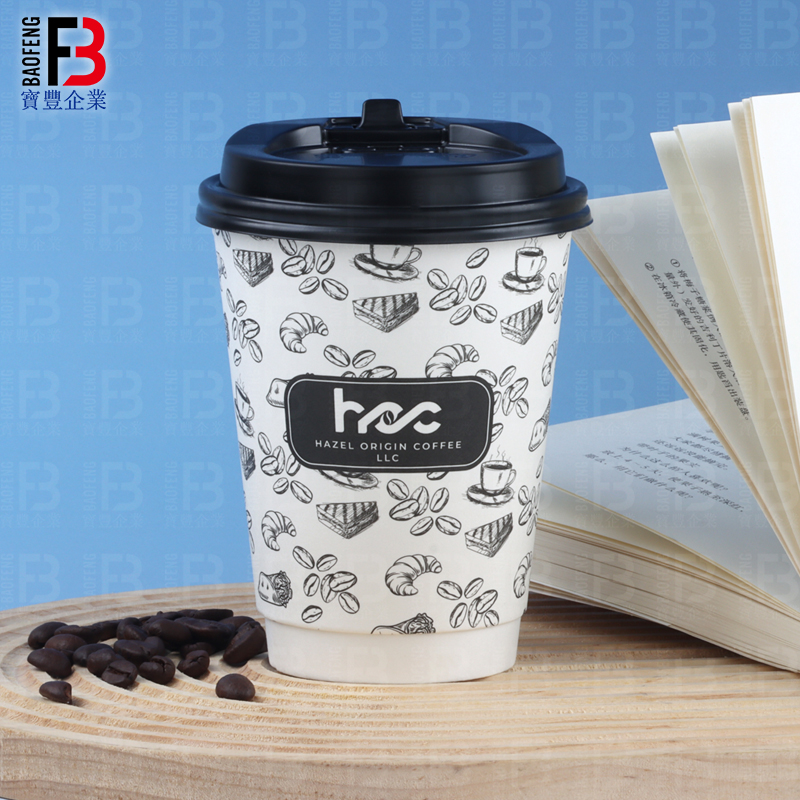
Cold drinks generate the failure mode buyers underestimate, because the cup is being asked to work at the bottom of its temperature range. BF-PC-001 is stated as temperature resistant from −20°C to 100°C and suitable for cold and hot drinks, which defines the operating envelope but not the tactile experience. Where iced beverages are a core menu item, the specification decision is wall construction and outer surface: a double-wall body separates the cold liquid from the hand and reduces external beading, and the outer print has to be selected for a wet environment rather than a dry one. A cold cup that prints beautifully in a sample pack and smudges in a cup holder has been specified for the wrong surface condition.

Coating choice: PE versus PLA
The coating is the barrier layer, and it is the single specification decision with the widest knock-on effect. TopsPak lists both PLA and PE coating options on BF-PC-001 and describes the coated construction as compostable and leak-proof. The two options are not interchangeable in a specification file, because they carry different documentation requirements and different end-of-life claims.
| Decision point | PE coating | PLA coating |
|---|---|---|
| Function in the cup | Liquid barrier layer on a food-grade virgin paper body | Liquid barrier layer on a food-grade virgin paper body |
| Compostability claim route | Generally not the route used to support an industrial compostability claim | The coating route normally used where a compostability claim is required |
| Standard the claim must reference | Not applicable to a compostability claim | EN 13432 for the EU market; ASTM D6400 for the United States |
| Food-contact documentation to request | Coating declaration plus food-contact test report against the destination market (EU 1935/2004 and GMP 2023/2006, or US 21 CFR 176.170) | Same food-contact documentation, plus a standard-specific certificate covering the finished cup, not only the resin |
| What to verify on the sample | Seam integrity at the intended serving temperature | Seam integrity and the claim documentation, before the artwork is approved |
The wider point is that a compostability claim needs a certificate for the finished article. A resin supplier’s certificate does not transfer automatically to a printed, seamed, coated cup — the converting process is part of what is being certified. Buyers who treat the coating as a checkbox discover the gap when a retail customer asks for the document.
Step-by-Step Breakdown: A Sign-Off Sequence That Prevents Repeat Failures
A repeat order fails when the specification that produced the first acceptable shipment was never written down. The sequence below is designed to be run once, properly, so that later orders only need a document check.
- Log the failures you already have. Record what actually went wrong, on which drink, at which temperature, and at which size. A distributor should aggregate complaints by SKU rather than by customer, because the same root cause will appear under different descriptions.
- Freeze a written specification sheet. Capacity, top and bottom diameter with tolerance, height, board weight in gsm, coating type, wall construction, print method and colour count, packaging format. Anything not on the sheet is not protected on the next order.
- Match the compliance documents to the destination market. For the EU, that means food-contact compliance under Regulation (EC) No 1935/2004 and GMP under Regulation (EC) No 2023/2006; for the US, 21 CFR 176.170. Add EN 13432 or ASTM D6400 if a compostability claim is being made, and FSC Chain of Custody documentation if the cup carries an FSC label. Ask for the certificates by name and check that the scope covers paper cups, not only paper board. TopsPak’s certification set for paper cup production includes ISO 9001, ISO 14001, ISO 22000:2018, BRC, BSCI and FSC CoC, with products tested against US FDA food-contact requirements through SGS.
- Stress-test the sample against the real drink. Fill the cup with the actual beverage at the actual serving temperature, hold it for the real service duration, apply the lid, and handle it the way a customer will. This is where seam, stiffness and print problems appear — not in a dry inspection.
- Sign off the pre-production sample in writing. The approved sample is the reference for the whole order. TopsPak’s standard lead time of 25–35 days runs from confirmation of the pre-production sample, which makes the sample stage the schedule’s critical path rather than an optional step.
- Lock the repeat-order controls. Confirm that the supplier runs 100% full inspection for appearance, size and food safety before shipment, and that a pre-shipment inspection report is issued. For a distributor, the report is the document that protects the resale relationship; for a café chain, it is the document that protects the menu.
Production context that affects schedule risk: TopsPak operates a 100,000 m² facility with roughly 8 million pieces of daily output and close to 3 billion pieces annually, a monthly capacity of 50,000,000 pieces, a 50-engineer R&D team, and one-stop OEM/ODM customization covering logo printing, size, shape, material, coating and packaging design. Minimum order quantity is 30,000 pieces per design. Those figures matter at the evaluation stage because they determine whether a specification change can be absorbed inside a season or has to wait for the next one.
Use Cases: How Three Buyer Types Apply the Same Checklist
Chain café with a mixed hot and cold menu
A US-based chain café running both hot and cold drinks stabilised its programme by fixing one specification per size and holding it across orders for two years, with leak-proof construction, FDA-compliant documentation and custom printing as the fixed items and five containers per cycle. The lesson for other café operators is that the mixed menu, not the individual drink, is what the specification has to survive: the same 16 oz body will meet an 85°C latte and an iced drink with condensation on the outside, and the print has to hold in both.
Fast-food operator with a takeaway-heavy mix
A fast-food chain sourcing across Japan, the United States, the United Kingdom, France, Saudi Arabia and Mexico standardised on grease-proof, compostable construction for takeaway meals at ten containers per cycle over a one-year programme, with stable quality and on-time delivery as the recorded outcome. For operators in this segment, the failure that matters most is not print but structural: a cup that softens in a delivery bag generates complaints that never reach the supplier as a cup complaint.
Ice cream and dessert retail chain
Ice cream and dessert service is the application where the cup sits between two temperature regimes: the product is frozen and the environment is often warm and humid. Retail chains in this segment typically specify a compostable construction to meet their own sustainability commitments, which pushes the coating decision to the front of the specification rather than the back. Buyers here should confirm the compostability documentation together with the print approval, because both are customer-facing claims.
Distributor building a resale range
A paper cup distributor carries several SKUs for different customers, and the commercial risk is that each SKU gets specified casually. The discipline that works is one specification sheet per SKU, one lid mould per cup diameter, and a documented complaint log per SKU. The 30,000-piece minimum per design is the constraint that shapes a resale range: it rewards narrow, well-chosen specifications over broad catalogues of near-duplicates.
Comparison Table: Symptom, Cause, Lever, and What to Check at Sampling
The table below converts the six complaints into specification actions. It is a diagnostic tool, not a warranty: the correct lever always has to be confirmed against the specific drink and serving condition.
| Symptom in service | Most likely specification cause | Lever to change | What to verify at sampling |
|---|---|---|---|
| Liquid seeping at the side seam | Seam bonding not matched to board weight and coating | Board weight within 190–350 gsm and coating type specified as a pair | Seam integrity after a full-service hold at serving temperature |
| Wall softening, cup feels weak | Board weight too light for fill volume and hold time | Board weight and wall construction (single versus double wall) | Stiffness after the intended holding time with the real beverage |
| Rim flattening or cup collapsing | Wall stiffness not matched to capacity and fill weight | Capacity selection and board weight together | Rim profile after filling to the marked level and applying the lid |
| Lid loose or popping off | Top diameter specified without tolerance | Top diameter with a stated tolerance, one lid mould per diameter | Top diameter measurement across several cartons, not one sample |
| Logo faded, smudged or scuffed | Print method and outer surface not matched to wet or hot conditions | Flexo or offset print choice, plus surface condition specification | Printed pre-production sample handled with condensation and friction present |
| Condensation and slipping on cold cups | Wall construction and outer surface not specified for cold service | Double-wall construction and print selected for a wet environment | Beading and print integrity after an iced-drink hold |
Frequently Asked Questions
1. Which certifications and documents should a paper cup specification reference for food-contact and compostability compliance?
Three separate document groups apply, and they are not substitutes for one another. Food-contact compliance is market-specific: Regulation (EC) No 1935/2004 with GMP under Commission Regulation (EC) No 2023/2006 for the EU, and 21 CFR 176.170 for the United States. Compostability claims must reference the standard used in that market — EN 13432 in the EU and ASTM D6400 in the United States. Fibre claims require FSC Chain of Custody documentation under FSC-STD-40-004. On the manufacturing side, TopsPak holds ISO 9001, ISO 14001, ISO 22000:2018, BRC, BSCI and FSC CoC certification, and its paper cup products are tested against US FDA food-contact requirements through SGS. Ask for certificates by name and confirm that the scope covers paper cups, not only paper board.
2. Can a supplier change the coating, board weight, or print method without changing the cup design?
Yes — and that is exactly why the change has to be controlled. TopsPak’s OEM/ODM customization covers logo printing, size, shape, material, coating (PLA or PE) and packaging design, so coating and board weight can be varied within the same cup format. Because a coating change alters the seam requirements and the compliance documentation, every such change should trigger a new pre-production sample and a new stress test rather than an amendment note. The 50-engineer R&D team exists to run that re-validation as a defined step, not as an improvisation between orders.
3. Which specification decisions change the unit cost most, and what should be fixed before comparing quotes?
Three decisions move cost more than any other: board weight inside the 190–350 gsm band, coating type (PLA versus PE), and print method and colour count with flexo or offset. Wall construction adds a fourth. Because quotations are only comparable against an identical specification, fix capacity, board weight, coating, wall construction, print method, colour count and packaging format in writing first, then request pricing against that frozen sheet. Comparing quotes built on different board weights or different coatings produces a price difference that says nothing about supplier competitiveness.
4. How should a sample be validated so that it predicts real service failures?
Validate on the failure modes, not on appearance. Fill the sample with the actual beverage at the actual serving temperature, hold it for the real service duration, apply the lid, and subject the print to the conditions of use — condensation, heat, friction in a carrier. Record the result against the specification sheet and approve the pre-production sample in writing, because that approved sample becomes the reference for the entire order. TopsPak’s lead time of 25–35 days is counted from confirmation of the pre-production sample, so a slow or vague sample approval moves the whole delivery date.
5. How long does a repeat order take, and what capacity sits behind it?
A repeat order runs on a 25–35 day lead time counted from confirmation of the pre-production sample, at a minimum order quantity of 30,000 pieces per design. Behind that sits a 100,000 m² facility producing approximately 8 million pieces daily and close to 3 billion pieces annually, with a monthly capacity of 50,000,000 pieces and 100% full inspection for appearance, size and food safety before shipment, supported by a pre-shipment inspection report. If you are ready to move from specification to a physical sample, send your cup size, board weight, coating choice and artwork to kitty@baofengchina.net or contact Kitty on WhatsApp at +86 18867778878, and the sampling sequence can start against a written specification rather than a description.
Conclusion: Fix the Specification, Not the Complaint
Paper cup failures are diagnosable. Seam leakage, soggy walls, rim collapse, lid misfit, faded print and cold-cup condensation each map to a named specification lever — board weight, coating, capacity and wall construction, rim tolerance, print method, or outer surface. Once those levers are written into a specification sheet and tested on a pre-production sample under real service conditions, the complaint stops repeating, and the compliance documents that sit behind the coating choice are already in hand when a customer or a customs officer asks for them.
The sequence that works is unglamorous: log the failure, freeze the sheet, match the documents to the destination market, stress-test the sample, sign it off in writing, and lock the pre-shipment controls. Everything else — capacity, lead time, price comparability — only becomes meaningful after that.
Next Step: Sample, Specification, and Quote
TopsPak (Wenzhou Baofeng Packaging Technology Co., Ltd.) manufactures disposable paper cups, ice cream paper cups, paper bowls, paper boxes and paper bags, with OEM/ODM custom printing from a 50-engineer R&D team and a 100,000 m² facility in Longgang, Wenzhou. Send the specification sheet you have — or the failure you are trying to eliminate — and the team will match capacity, board weight, coating and print method to it before quoting.
Website: www.takeawaypak.com | Email: kitty@baofengchina.net | Tel / WhatsApp: +86 18867778878 | Address: No. 247-299, Dongcheng Road, Longgang, Wenzhou, Zhejiang, China
Download the full product catalogue and specification reference: TopsPak Product Brochure (PDF)
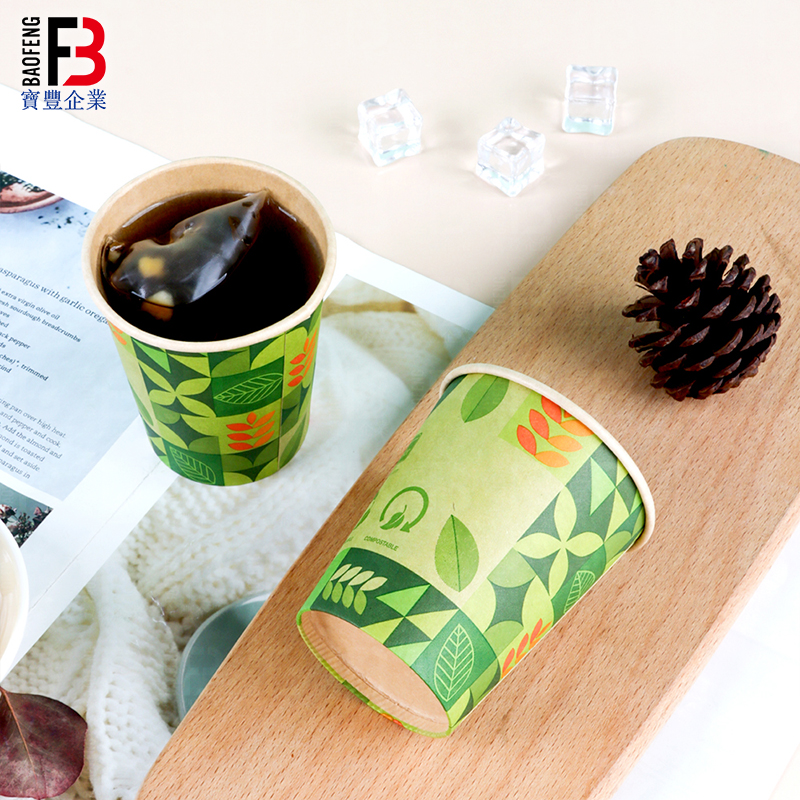
Manufacturer reference: Wenzhou Baofeng Packaging Technology Co., Ltd. (TopsPak), founded 1996. Product specification cited: disposable paper cup BF-PC-001.
Have Questions or Need More Details?
Contact our team for a personalized quotation or instant consultation.
Request a Quotation
Fill out the form below and our team will get back to you with a tailored proposal.
WhatsApp Direct Chat
Prefer to chat in real-time? Message us on WhatsApp for instant assistance & quick answers.
- Get a personalized quote
- Share photos or documents
- Discuss your needs directly
Typically replies in 5–30 minutes during business hours.