
What Is an Ice Cream Paper Cup? A Beginner's Explainer for Global Buyers
An ice cream paper cup is a disposable, food-grade paper cup designed to hold frozen desserts such as scooped ice cream, gelato, frozen yogurt, sorbet or soft serve. It belongs to the same paper packaging family as disposable paper coffee cups and takeaway paper boxes, but it is specified around a cold fill, condensation on the outer wall, and often a wider, shallower format. For a first-time importer, the real question is not whether to use paper, but which board weight, coating, capacity, print method and compliance file the frozen dessert program actually needs.
The term covers more than one product. A 4oz cup served at a gelato counter, a 16oz family tub, a printed cup used as a branded dessert vessel in a quick-service chain, and a kraft-look cup used at a wedding or event are all described as ice cream paper cups. What they share is a food-grade paper body, a barrier coating on the inside, a rolled rim, and enough rigidity to hold a frozen fill while the outer wall absorbs condensation.
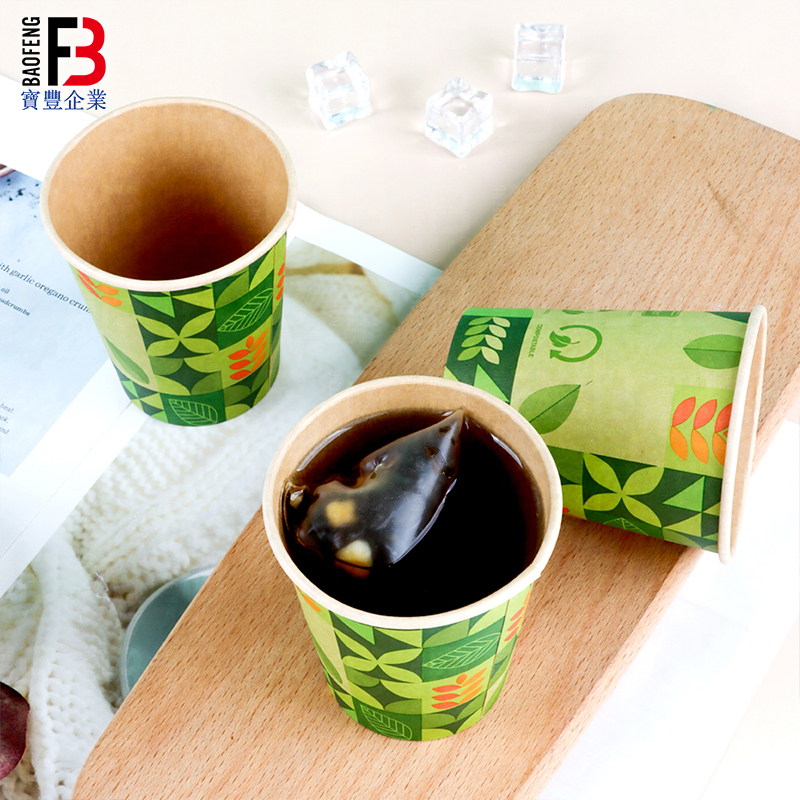
This explainer is written for buyers in the research stage: importers, distributors, dessert chains, café operators, catering buyers and private-label brand owners who need to understand the product before comparing suppliers. It follows the published specification of the Disposable Paper Cup model BF-PC-001 from TopsPak — Wenzhou Baofeng Packaging Technology Co., Ltd., a paper packaging manufacturer established in 1996 and based in Longgang, Wenzhou, Zhejiang, China — whose product range covers both ice cream paper cups and custom printed paper cups. The company website is takeawaypak.com.
Why "Paper Cup" Is an Ambiguous Starting Point
The sourcing problem begins with language. Buyers search for "paper cup" and receive results for hot drink cups, cold drink cups, soup cups, ice cream cups and event cups in the same list. Suppliers quote against the same word while pricing four different constructions. A specification that is precise enough for a hot coffee program can still be wrong for a frozen dessert program.
Three technical differences drive the mismatch. First, fill temperature: a frozen dessert is filled cold and stays cold, so the cup must resist moisture from condensation rather than heat. Second, geometry: scoop portions are often served in shorter, wider cups with a different rim, which changes how the lid or the display sleeve fits. Third, print exposure: dessert cups are frequently handled and photographed, so print durability and surface finish matter more than on a cup that is held inside a sleeve.
Four questions that define any ice cream paper cup order:
- What is filled into the cup, and at what temperature is it served?
- What capacity and rim diameter does the serving portion require?
- Which coating is acceptable in the destination market?
- Which compliance documents must travel with the shipment?
Until those four answers exist, a price comparison between suppliers is not a comparison of the same product.
Industry Background: Where Ice Cream Paper Cups Sit
Paper cups are a mature but still expanding packaging category. Fortune Business Insights estimates the global paper cups market at USD 11.35 billion in 2025, growing to USD 13.98 billion by 2034. Other institutions measure the category differently: Precedence Research places the 2025 figure at USD 8.06 billion. The gap reflects a definitional difference rather than a contradiction — some studies include lids, sleeves and food containers, while others count the cup body alone. Buyers comparing market reports should check what is inside the number before using it in a business case.
Supply is concentrated in Asia. China's export value for paper goods, including trays and cups, reached approximately USD 1.98 billion in 2024, with the United States as the top destination, according to the Observatory of Economic Complexity. For an importer, that means the deepest pool of paper cup manufacturing capacity sits in China, and the competitive question shifts from "where can I buy" to "which supplier's specification and documentation can I rely on".
The category mix is also informative. IMARC Group reports that hot paper cups accounted for approximately 62.4% of global market share in 2025, driven by quick-service restaurant expansion. Cold and frozen dessert formats therefore represent a substantial minority of demand — smaller in volume, but more specification-sensitive per unit, because the cup is part of the product presentation rather than only a container.
Two regulatory shifts now shape specification. The EU's Single-Use Plastics Directive (2019/904) requires labelling for paper cups that contain plastic, including PE and PLA linings, and sets separate collection targets. In the United States, paper cups must comply with FDA food contact regulations, including safety assessment for migration of substances from coatings. Both rules make the coating decision a compliance decision, not only a price decision.
Material trends follow the same direction. Mordor Intelligence notes that compostable paper cups using plant-based PLA linings are growing faster than traditional PE-lined cups as sustainability requirements tighten. The global market also remains fragmented: Fortune Business Insights identifies Huhtamäki Oyj, Dart Container Corporation and Graphic Packaging International as leading competitors holding a combined share of roughly 32%, which leaves a long tail of regional and export-focused converters supplying most private-label programs.
How an Ice Cream Paper Cup Is Built
Construction is easier to evaluate when it is broken into layers: the paper body, the barrier coating, the dimensional format, and the printed surface. The published specification of the BF-PC-001 line shows what each layer involves.
1. The paper body
The cup body uses food-grade virgin paper with a material weight range of 190gsm to 350gsm. Board weight is the single most consequential choice for a frozen dessert cup: a lighter board reduces material cost and suits small scoop portions, while a heavier board holds shape better in larger formats and across longer serving windows. Because the board carries the structure, downgrading it to save cost is the most common cause of a cup that feels soft at the counter.
2. The barrier coating
The interior barrier is either PLA or PE coated, and the specification describes the coating as providing compostable and leak-proof performance. PE is the conventional moisture barrier. PLA is plant-based and is chosen when the destination market or the brand owner's sustainability policy requires a compostable lining. The coating choice links directly to the EU labelling requirement described above, so it should be fixed at the specification stage and documented, not modified during production.
3. Capacity and dimensions
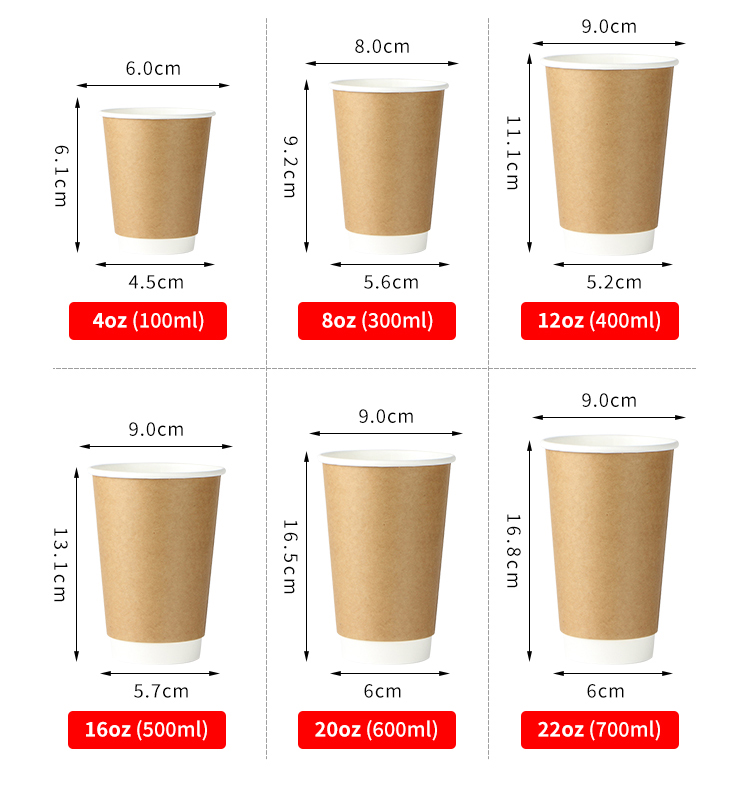
The range covers 4oz, 8oz, 12oz, 16oz and 20oz capacities, all customizable, with top diameter, bottom diameter and height also open to customization. This matters for dessert programs because a 4oz scoop portion and a 16oz take-home tub are not simply scaled versions of one another: rim diameter affects lid and sleeve fit, and wall height affects how the product reads on a menu board or in a photograph.
4. Printing
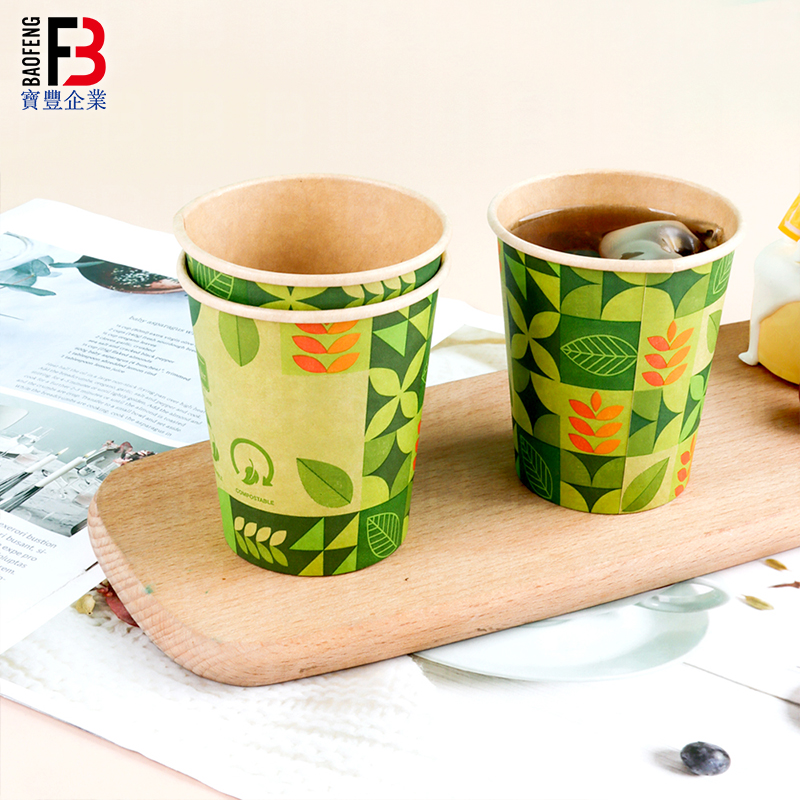
Printing is available in flexo or offset with a custom logo. Flexo printing suits solid colour coverage and higher-volume runs economically; offset printing is used when artwork carries fine detail, gradients or photographic elements. For dessert cups the printed surface is the brand surface, so artwork should be prepared for the chosen method rather than adapted afterwards.
5. Temperature and leak performance
The specification states leak-proof performance and a temperature resistance range of -20°C to 100°C, suitable for both cold and hot drinks. For ice cream use, the relevant part of that range is the cold end, plus the condensation that forms as the cup warms on the counter. A cup that performs on a hot coffee line is not automatically validated for a frozen fill; the two applications stress the seam and the coating differently.
Step-by-Step: Specifying Your First Ice Cream Paper Cup Order
The sequence below converts a serving idea into a purchase order. Each step produces an output that the next step depends on, which is why skipping ahead usually produces rework.
Step 1 — Define the fill and the serve size
Record the product, its serving temperature, and the portion in millilitres or ounces. A gelato scoop program and a soft-serve program differ in fill temperature, density, and how long the cup sits before consumption. Output: a target capacity and a temperature range.
Step 2 — Choose board weight and coating
Match board weight to capacity and serving window, then select PE or PLA depending on the destination market's rules and the brand's material policy. The BF-PC-001 range spans 190gsm to 350gsm and both coating types, so the decision is a specification choice rather than a product limitation. Output: a material line for the quotation.
Step 3 — Fix dimensions and the closure interface
Confirm top diameter, bottom diameter and height, and confirm whether a lid, sleeve or insert is required. The recorded application scenario for this cup line lists lids as matched equipment for a retail chain dessert program, which shows how the closure is specified together with the cup rather than separately. Output: a dimension drawing.
Step 4 — Prepare artwork for the print method
Decide flexo or offset, then supply artwork in the corresponding colour and resolution format. Confirm printable height and the safe margin around the rim, since a design that runs too close to the roll can distort on the finished cup. Output: approved artwork files and a proof.
Step 5 — Assemble the compliance file
Collect the documents the destination market requires before the order is placed. At TopsPak, the quality and environmental framework includes ISO 9001 Quality Management System certification, ISO 14001 Environmental Management System certification, BRC certification, BSCI certification and FSC Forest Certification, and products meet US FDA testing standards. The product specification for the cup line states FDA, BRC and FSC compliance. Output: a document set that matches the coating and market actually ordered.
Step 6 — Validate samples, then confirm capacity and schedule
Test the sample cup with the real fill: check seam integrity after cold fill, condensation behaviour on the outer wall across the expected serving window, print adhesion, and dimensional fit with the lid. Only then confirm volume, delivery schedule and shipment terms. Output: an approved reference sample and a production slot.
Use Cases: Where Ice Cream Paper Cups Are Specified
The same cup family serves several purchase contexts, and the specification emphasis shifts with each.
- Scoop shops and gelato counters. Small capacities dominate, print quality is highly visible, and cup rigidity matters because the cup is held while the dessert is eaten.
- Quick-service dessert programs. A recorded scenario for this cup line is a retail chain dessert program in markets including the US, Japan, Canada, Mexico, the UK, France, Germany and the UAE, where the stated requirement is a compostable cup with AS5810 compliance and a matching lid. Chain programs also require consistent colour and dimension across repeat orders.
- Cafés and bakery counters. The cup line's listed industries include café and coffee shop, bakery, and ice cream and dessert, so one format often covers both a frozen dessert and a cold beverage menu.
- Catering and airline catering. Airline catering is listed among the applicable industries, where portion control, packing density and documentation usually outweigh decoration.
- Events, promotions and wedding favors. Small runs of printed cups are used as personalized dessert vessels; here artwork lead time, not material performance, is usually the critical path.
Comparison Table: Specification Choices and What They Change
The table below summarizes the options published for the BF-PC-001 cup line and the practical consequence of each choice. It compares specification options within one product family, not brands against brands.
| Specification | Options in the published range | What it changes for the buyer |
|---|---|---|
| Capacity | 4oz, 8oz, 12oz, 16oz, 20oz; customizable | Portion size, menu positioning and packing density per carton |
| Paper weight | 190gsm to 350gsm food-grade virgin paper | Rigidity, feel at the counter, and material cost per unit |
| Coating | PLA or PE coated (compostable / leak-proof) | Compliance pathway, especially under EU SUP Directive 2019/904 labelling |
| Dimensions | Top diameter, bottom diameter and height customizable | Lid and sleeve fit, shelf presence, and printable area |
| Printing | Flexo or offset, custom logo available | Artwork complexity, colour fidelity, and run economics |
| Temperature performance | -20°C to 100°C, suitable for cold and hot drinks | Whether one format can cover both frozen dessert and beverage menus |
| Compliance | FDA, BRC and FSC compliant product; supplier holds ISO 9001, ISO 14001, BRC, BSCI and FSC | Documentation available for customs clearance and retail customer audits |
Why Food-Safe Manufacturing Matters More Than Buyers Expect
Food contact compliance is the part of sourcing that beginners most often treat as paperwork. It is not. A coating that is acceptable in one market may require labelling in another; a fibre source that is acceptable to a brand owner may be unacceptable to its retail customer; and an audit by a chain customer will usually ask for the certificate that matches the exact material shipped, not the one on the supplier's homepage.
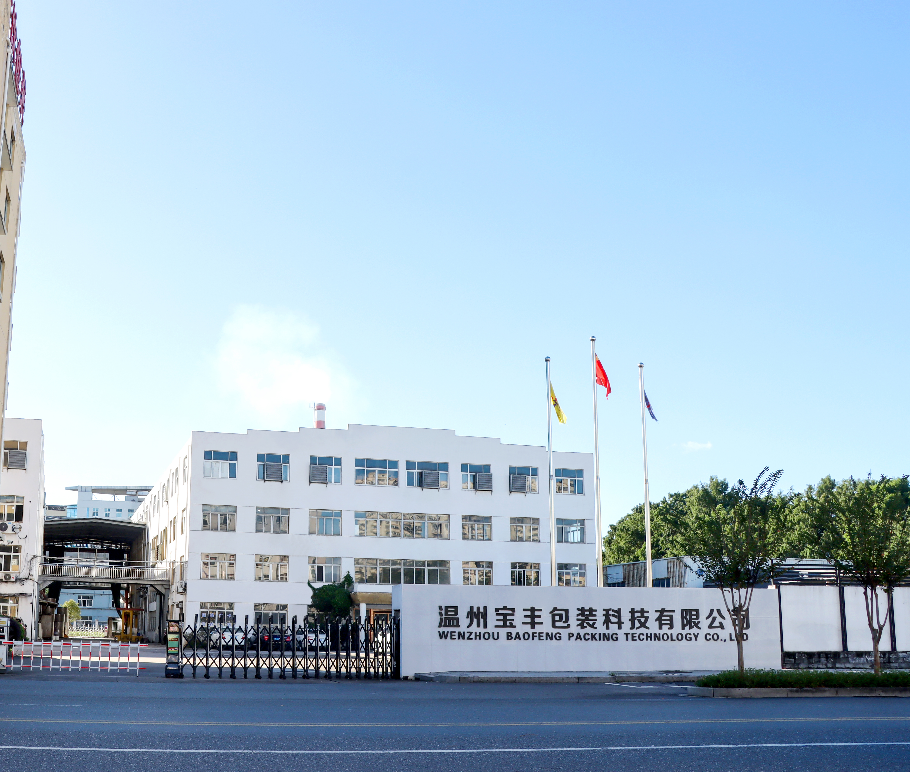
Manufacturing scale and process control are related signals. TopsPak operates a manufacturing facility of 100,000 square metres with over a hundred production machines and approximately 200 staff, and reports a daily output of approximately 8 million pieces against an annual production capacity of 3,000,000,000 pieces. Main products include paper cups, paper boxes, paper bags, paper plates and paper bowls. Products are exported to more than 100 countries, with major markets including the USA, EU, Canada, Australia, the United Kingdom, Dubai, Qatar, South Africa, Singapore, Japan and South Korea, and export business accounts for 80% of total sales. The company also provides one-stop ODM and OEM services, from design and development through manufacturing, which is how custom printed paper cups are delivered.
For a buyer, the useful reading of these numbers is not "big factory" but "what can be verified". Ask for the certificate scope, the material declaration for the coating ordered, and a reference sample held against the production batch. Those three items convert a supplier claim into a specification you can defend to your own customer.
Frequently Asked Questions
Are ice cream paper cups food-safe, and which certifications should a buyer verify?
Food safety for a paper cup depends on the paper, the coating and the process controls behind them. The cup line described here is stated as FDA, BRC and FSC compliant, and the manufacturer holds ISO 9001 Quality Management System certification, ISO 14001 Environmental Management System certification, BRC certification, BSCI certification and FSC Forest Certification, with products meeting US FDA testing standards. Buyers should check that the documents match the coating actually ordered, and should note that paper cups containing plastic linings fall under the EU Single-Use Plastics Directive (2019/904) labelling requirements, while US imports fall under FDA food contact regulation.
Can ice cream paper cups be custom printed?
Yes. Custom printed paper cups are produced through one-stop ODM and OEM services, from design and development through manufacturing, with flexo or offset printing and custom logo available. Artwork should be prepared for the chosen print method, and the printable area should be confirmed against the selected capacity before design sign-off, because a 4oz scoop cup and a 16oz tub offer very different printable surfaces.
What drives the cost of an ice cream paper cup order?
Cost is set by specification rather than by the word "cup". The main variables in this range are paper weight between 190gsm and 350gsm, coating type (PLA versus PE), capacity and custom dimensions, flexo versus offset printing and the number of colours, and order volume. Because these variables interact, a supplier can only quote against a defined specification; comparing two quotations without matching board weight, coating and print method compares two different products.
How should a first-time buyer validate a cup before a bulk order?
Test with the real fill, not with water. Check seam integrity after cold fill, watch how condensation develops on the outer wall across the expected serving window, verify print adhesion after handling, and confirm dimensional fit with the lid or sleeve that will be used in service. Compare the sample against the written specification for board weight, coating and dimensions, and keep the approved sample as the reference for the production batch.
How is production capacity and lead time assessed for a large dessert program?
Start with capacity data and then ask for a written schedule. TopsPak reports a daily output of approximately 8 million pieces and an annual production capacity of 3,000,000,000 pieces, supported by over a hundred production machines in a 100,000 square metre facility. Lead time itself depends on artwork approval, coating availability and the volume already scheduled, so the practical step is to request a written production and shipping schedule against your quantity. For a quotation or a sample arrangement, contact Kitty at kitty@baofengchina.net or +86 18867778878, and the company brochure can be downloaded from the link at the end of this page.
Conclusion: Start With the Specification, Not the Price
An ice cream paper cup is a small product with a full specification behind it: a food-grade paper body between 190gsm and 350gsm, a PLA or PE barrier, a chosen capacity and dimension set, a printing method, and a compliance file that matches the market of sale. Buyers who define those five elements before requesting quotations receive comparable offers; buyers who start with price receive offers for different products.
The category itself remains active, with Fortune Business Insights estimating the global paper cups market at USD 11.35 billion in 2025 and USD 13.98 billion by 2034, and with compliance requirements — EU labelling rules and FDA food contact regulation among them — now embedded in the specification rather than added afterwards. That is why the first hour spent on specification usually saves far more than the first negotiation.
Next Step: Sample, Quote and Brochure
TopsPak supplies ice cream paper cups and custom printed paper cups through one-stop ODM and OEM services, with ISO 9001, ISO 14001, BRC, BSCI and FSC certification and products tested to US FDA standards.
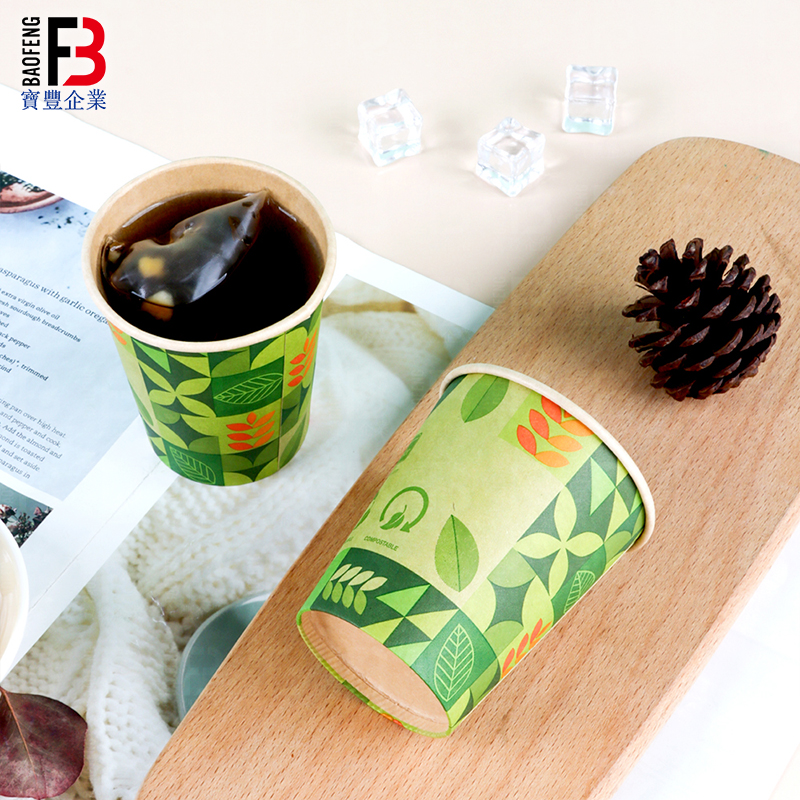
Send your capacity, coating preference, print artwork and target volume to Kitty at kitty@baofengchina.net or +86 18867778878 (WhatsApp available) to request a sample and a written quotation.
Company brochure (PDF): download the TopsPak product brochure.
Wenzhou Baofeng Packaging Technology Co., Ltd. — No. 247-299, Dongcheng Road, Longgang, Wenzhou, Zhejiang, China — takeawaypak.com
Have Questions or Need More Details?
Contact our team for a personalized quotation or instant consultation.
Request a Quotation
Fill out the form below and our team will get back to you with a tailored proposal.
WhatsApp Direct Chat
Prefer to chat in real-time? Message us on WhatsApp for instant assistance & quick answers.
- Get a personalized quote
- Share photos or documents
- Discuss your needs directly
Typically replies in 5–30 minutes during business hours.