Choosing a Premium Rigid Box Manufacturer: Engineering-Driven vs. Standard vs. Price-First
Choosing a Premium Rigid Box Manufacturer: Engineering-Driven, Standard, or Price-First?
Decision-stage comparison for procurement, brand, and agency buyers evaluating premium rigid box suppliers.
Why the Manufacturer Choice Determines Packaging Success
When a luxury product reaches the packaging decision stage, the main question is no longer 'where can I find a premium rigid box manufacturer?' It is 'which manufacturer can hold the design intent, cost, and delivery risk across a structurally complex rigid box program?' This article compares three common supplier models - engineering-driven, standard manufacturing, and price-first sourcing - and explains where the cost-performance trade-offs appear in practice.
For buyers evaluating Topsion Packaging against other options, the comparison should focus on early engineering input, quality-control integration, total cost, and delivery stability. These factors matter more than the initial quote when the packaging is part of a premium brand launch, limited edition, or international retail program.
The Problem: Price Comparisons Can Hide Costly Structural Risk
Rigid boxes are not simple cartons. They can include magnetic closures, lift-off lids, book-style openings, multi-part compartments, heavy boards, and multiple materials. Each feature adds a potential failure point in tooling, assembly, or finishing. In this context, a low quote from a price-driven supplier can be misleading if the supplier cannot evaluate manufacturability before the price is fixed.
The real buyer problem is not 'which supplier has the lowest unit price,' but 'which supplier can achieve the lowest total cost-per-delivered-good while protecting design quality.' Decision-stage buyers need a framework to compare engineering capability, quality control, risk controls, and lead-time stability.
Industry Context: Where the Premium Rigid Box Market Is Headed
Third-party market data gives context for comparing suppliers. The global luxury rigid box market was valued at USD 4.75 billion in 2025 and is projected to reach USD 6.96 billion by 2035, growing at a CAGR of 3.9%, according to Towards Packaging. Asia Pacific dominated the market with 42.3% of revenue in 2025, according to Dataintelo, which explains why many international buyers are now evaluating Asian suppliers.
Paper and paperboard materials were projected to hold a 66.7% share of the luxury rigid packaging market in 2024, according to Future Market Insights, meaning material selection and structural engineering are central to supplier capability. The premium spirits market, valued at USD 253.8 billion in 2025 according to Grand View Research, continues to drive demand for secondary luxury packaging. The hinge lid box segment accounted for over 29% of luxury rigid box revenue in 2023, according to Global Market Insights, because of its functional elegance.
At the same time, new EU regulations taking effect in August 2026 will require packaging to meet a 50% empty-space limit by 2030, according to Fortune Business Insights. That puts pressure on oversized gift boxes and favors manufacturers that can redesign structure without losing premium presentation. Major global competitors in the sector include WestRock Company, DS Smith Plc, Mondi Group, and Smurfit Kappa, but global buyers also work with specialized Asian manufacturers that offer engineering support and competitive cost structures.
Three Supplier Models for Premium Rigid Boxes
Standard Rigid Box Manufacturer
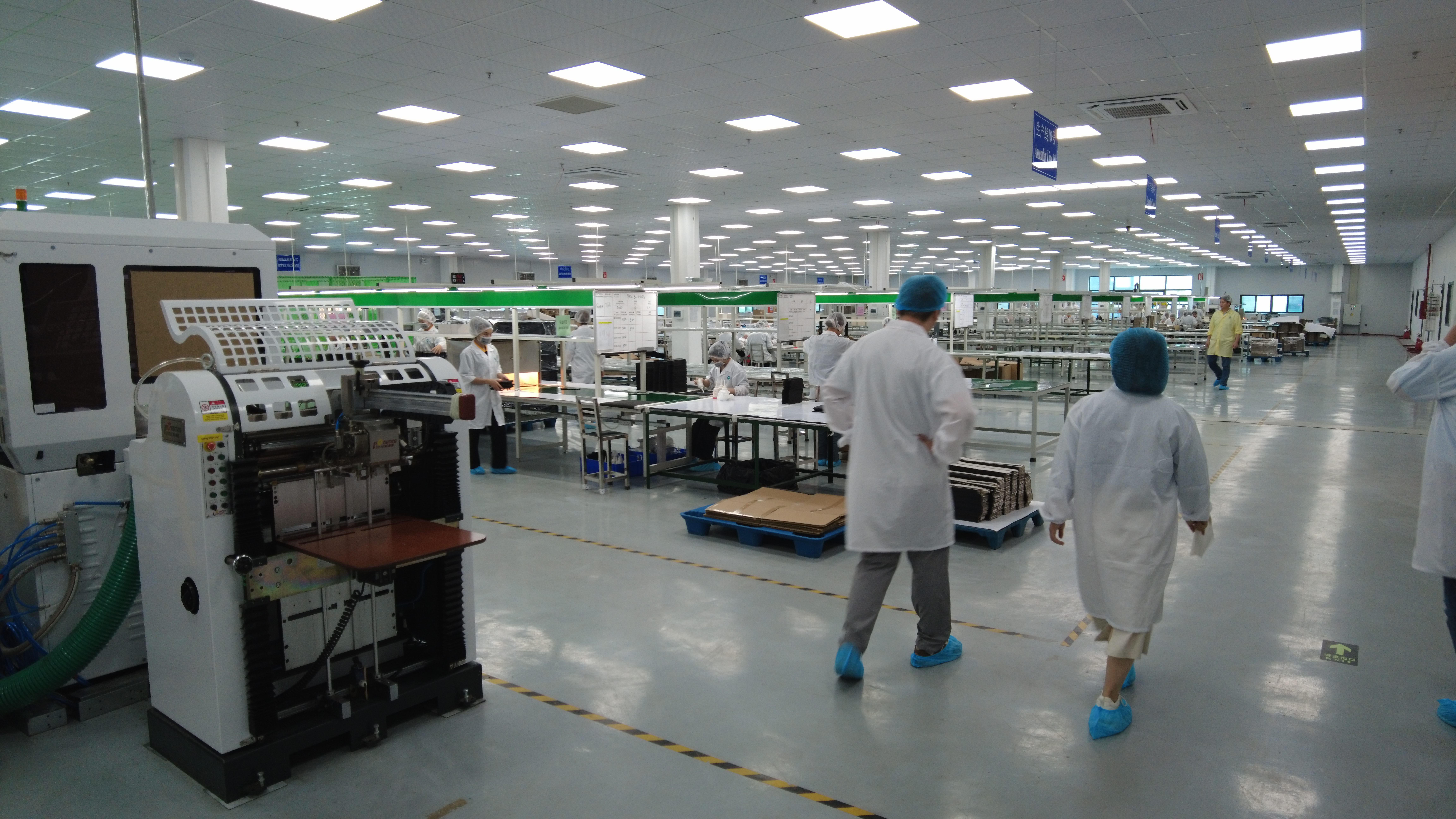
Standard rigid box manufacturers are efficient at producing proven structures, especially when the same design will repeat for many months. Their risk is that structural engineering is template-based. If a design needs complex, heavy-duty, or multi-material construction, the factory may not validate load, material behavior, or assembly sequence early enough. For simple boxes, this model can be sufficient; for unusual structures, it can create production instability.
Price-First / Price-Driven Supplier
Price-driven suppliers compete mainly on the initial quote. They may not perform an early-stage manufacturability evaluation before the price is set. Engineering updates and quality issues are handled reactively, after the quotation. In complex premium packaging projects, this can produce revisions, higher damage rates, delayed deliveries, and friction between design intent and what actually reaches the shelf. The initial quote may look attractive, but the total cost of delivered packaging can be higher when rejections and emergency fixes are included.
Engineering-Driven Manufacturer
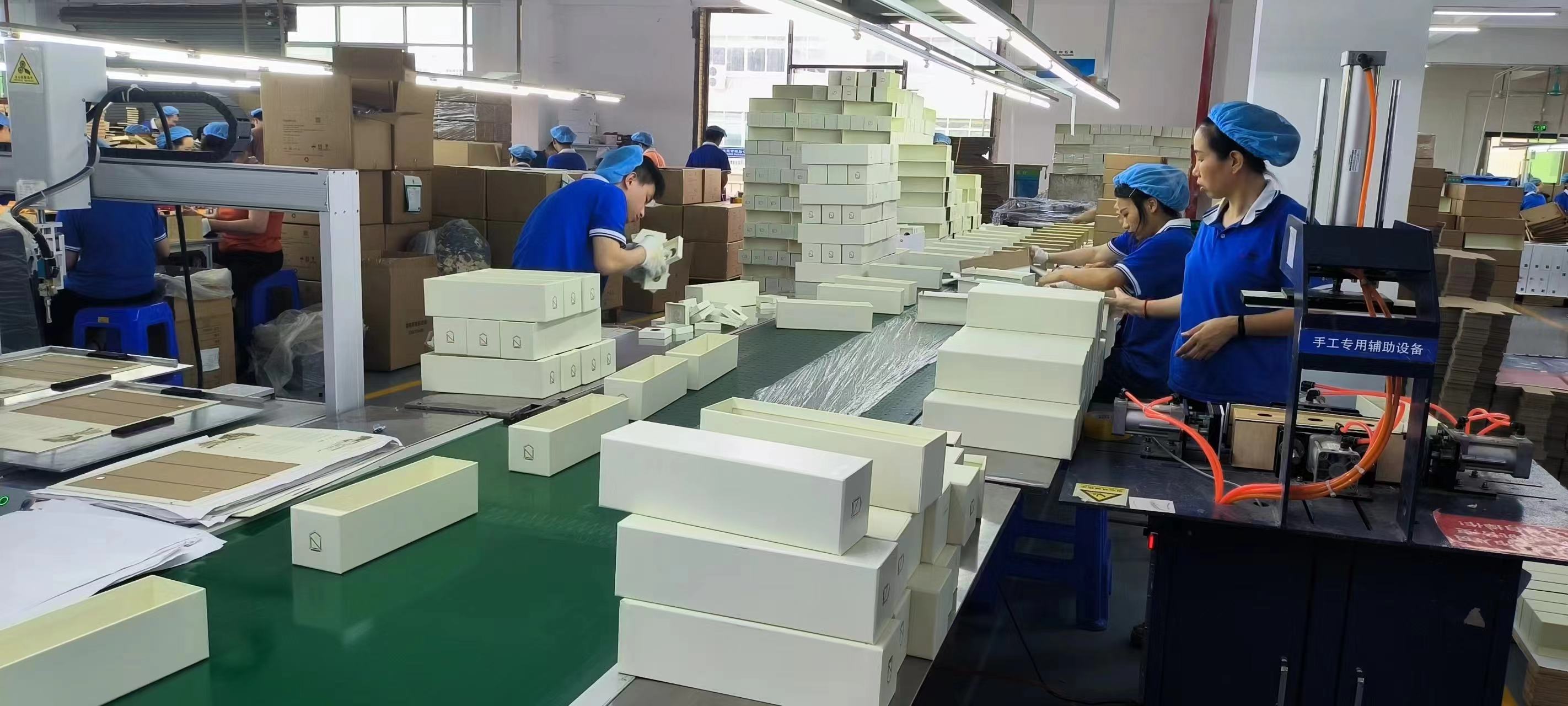
An engineering-driven manufacturer treats manufacturing feasibility as part of the quotation process. Topsion Packaging is an example of this model. It evaluates structural manufacturability at an early stage, validates solutions through pilot runs before mass production, and integrates quality control from engineering review to final AQL inspection. For buyers, this means fewer revisions, lower defect rates, and more stable repeat production.
Detailed Solution: Engineering-Driven Manufacturing as a Cost-Performance Strategy
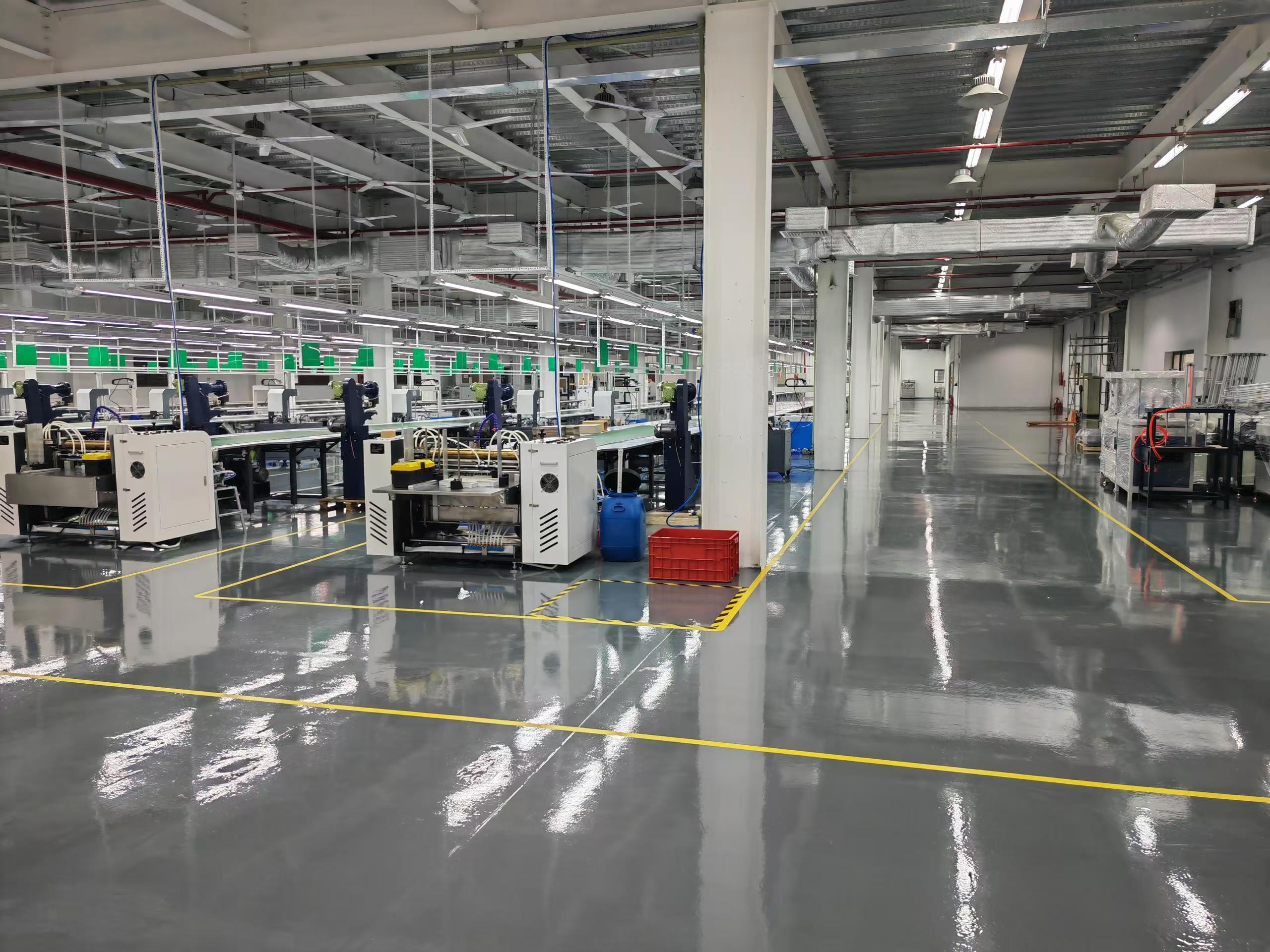
Topsion Packaging is a premium packaging manufacturer founded in 2017, headquartered in Shenzhen, with an office in Los Angeles and three advanced production facilities in Dongguan. It specializes in rigid boxes, luxury tube packaging, and structurally complex handmade boxes. The company operates a 50,000 square-meter factory, employs about 300 people, and produces more than 5,000,000 boxes per year. About 90% of its output is exported, mainly to the EU and USA.
The engineering-driven model is not only about technical review. It changes the commercial logic. In Topsion's comparison data, engineering-led structural optimization is associated with 10%-20% lower total cost than standard rigid box manufacturers and non-engineering packaging factories for complex structures, and around 10% lower than price-driven suppliers. The main reasons are improved production stability, reduced damage rate, optimized material usage, and stable repeat production. An integrated quality-control system, supported by a G7-certified color management system and an independent QA/QC team that continuously trains factories, reduces the risk of color or finishing inconsistencies across batches.
For buyers, this model is particularly important when the product must perform in international retail markets, where consistent quality and compliance are part of the brand contract. From concept to production, an engineering-driven partner connects design, structural engineering, material selection, and factory execution in one workflow.
Step-by-Step Comparison Process for Buyers at Decision Stage
Step 1: Define Structural Complexity Before Requesting Quotes
List the exact features: lid-off, magnetic closure, book-style, multi-part, tray and platform, or hidden compartments. Note which materials will be combined, board thicknesses, and weight constraints. This list defines which supplier model can handle the project.
Step 2: Evaluate Engineering Capability Before Price
Ask how the supplier handles structural feasibility. Does it perform structural validation and load calculation before quoting? Does it assess manufacturability at an early stage? Is there a pilot-run validation before mass production? Engineering-driven manufacturers answer yes to these questions. Standard manufacturers may rely on previous templates. Price-driven suppliers may wait until after the order is placed to adjust the design.
Step 3: Compare Total Cost, Not Unit Price
Use a total-cost view that includes rejections, rework, material waste, communication time, shipping delays, and repeat-order risk. Engineering-driven manufacturing can lower cost through fewer revisions and higher first-pass yield. The unit price may not be the lowest, but the total cost of a compliant, deliverable box often is.
Step 4: Verify Quality Systems and Compliance
For global brand projects, buyers should verify that the factory operates under certified management systems. The typical certification set for premium rigid box manufacturers includes ISO 9001, FSC, and SMETA/SEDEX, according to industry standards. Topsion Packaging operates under ISO and SEDEX certified systems and uses regular internal audits to maintain compliance. Its independent QC team inspects materials, production, and final shipment to keep quality consistent across batches.
Step 5: Lock a Pilot Run and a Delivery Plan
Before mass production, validate the structure and visual finish in a pilot run. Then review the factory's scheduling discipline. Flexible production lines, structured project scheduling, and phased production planning are the mechanisms that stabilize delivery timelines, even during peak periods. Standardized documentation and clear project milestones also reduce cross-border execution risk.
Use Cases: When the Engineering-Driven Model Delivers the Clearest Advantage
Wine & Spirits Premium Packaging
Topsion Packaging started with wine and spirits packaging, and the category remains a core strength. With the global premium spirits market valued at USD 253.8 billion in 2025, brands need packaging that protects premium bottles, communicates value, and works in gifting environments. Because spirits boxes often combine heavy boards, custom inserts, and decorative finishes, engineering accuracy is critical. Topsion's portfolio includes Flecha Azul Tequila premium packaging, an example of category-specific rigid box design.
Watch and Limited-Edition Packaging
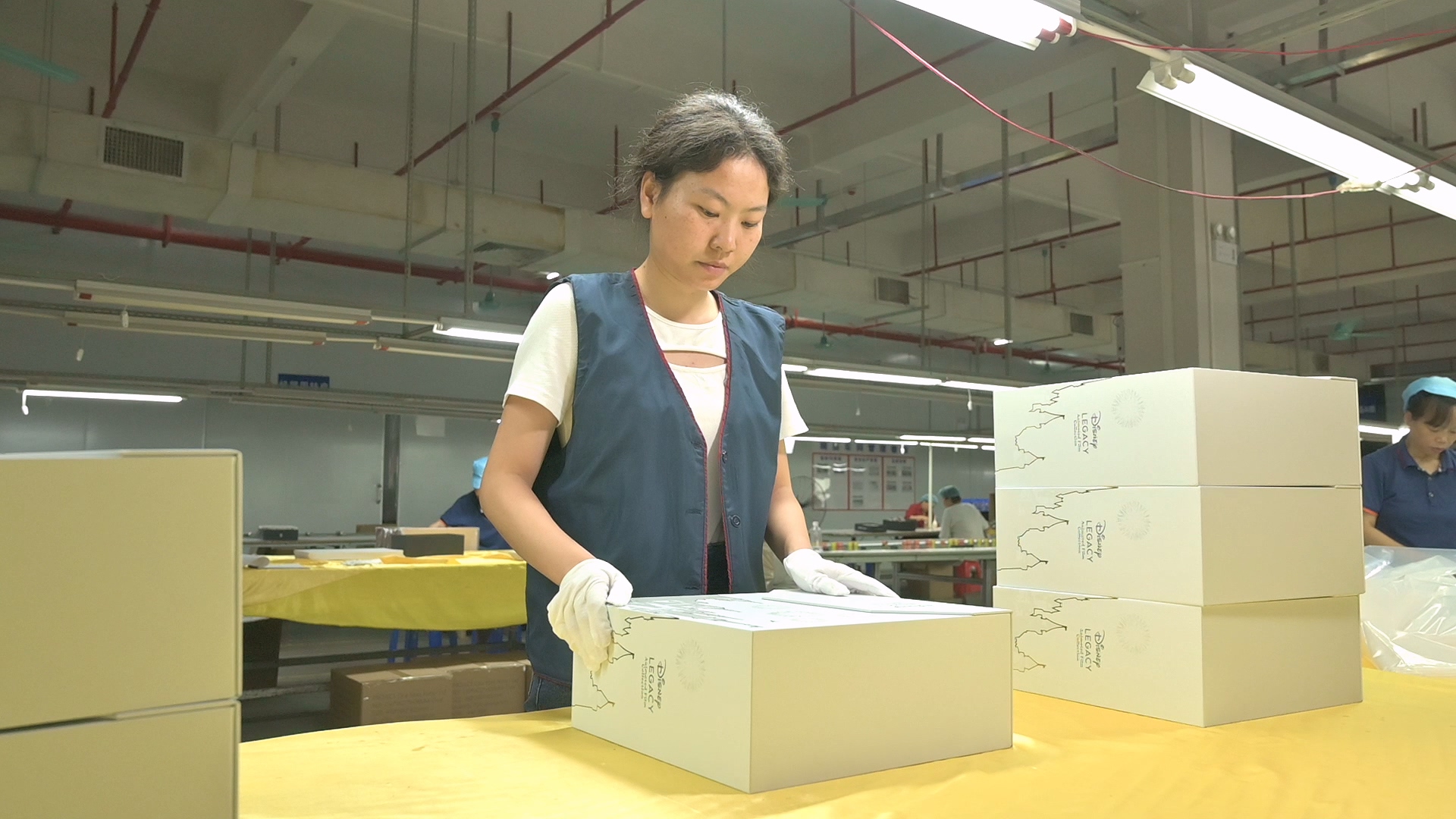
Luxury watches and collectible items require small, precise boxes with exact cutouts and delicate materials. Examples in Topsion's portfolio include Baume & Mercier watch packaging and a Disney legacy animated film collection box. These projects depend on structural validation, hand assembly, and consistent finishing - areas where an engineering-driven manufacturer has an advantage over template-based production.
White-Label Packaging for Design Studios and Agencies
Many design studios and packaging agencies do not operate their own factories. They need a behind-the-scenes manufacturing partner that can execute complex structures without disrupting their client relationship. Topsion works strictly as a manufacturing partner to design studios, packaging agencies, and third-party service providers, with clearly defined scopes. For white-label and limited-edition projects, this protects the agency's role while giving it access to engineering, pilot-run validation, and independent quality control.
Comparison Table: Engineering-Driven vs. Standard vs. Price-First
| Evaluation Criteria | Engineering-Driven Model (Topsion Packaging) | Standard Rigid Box Manufacturer | Price-First / Price-Driven Supplier |
|---|---|---|---|
| Engineering approach | Early-stage manufacturability evaluation, structural validation, load calculation, and pilot runs before mass production | Template-based production; efficient for proven structures | Reactive adjustments after quotation |
| Quality control | Integrated QC from engineering review to final AQL inspection; independent QC at raw material, production, and shipment | Process-dependent; may vary across lines | Often final-inspection oriented |
| Best for | Complex, heavy-duty, or multi-material rigid packaging; international retail markets | Simple or repeat boxes with stable specifications | Cost-sensitive projects with limited structural risk |
| Cost impact | 10%-20% lower total cost than standard or non-engineering models for complex structures; about 10% lower than price-driven suppliers | Lower engineering input; higher risk on complex structures | Low upfront quote; higher risk of revisions, damage, and delay-related cost |
| Delivery stability | Flexible production lines, structured project scheduling, and phased production planning | Stable for standard orders | Can slip when engineering issues surface |
| Repeat production | Lower defect rate, stable repeat production, optimized material usage | Stable if design is simple | Higher variability across batches |
Risk Comparison: What to Check Before Committing
Decision-stage buyers should compare how suppliers control the most common risks in rigid box production. The following controls are used by Topsion Packaging to reduce execution risk:
- Complex structure mass production risk: Engineering feasibility review and pilot production validate manufacturability before mass production.
- Quality consistency risk: An independent QC team inspects raw material, production, and final shipment stages.
- Material specification deviation risk: Materials are procured to predefined specifications and verified by incoming quality inspection.
- Delivery schedule risk: Phased production planning and structured scheduling stabilize delivery timelines, even in peak periods.
- Multi-project parallel execution risk: Dedicated project management coordinates engineering, production, and QC resources for multiple customized projects.
- Supply chain stability risk: Multiple qualified suppliers and partner factories are integrated under unified technical and quality standards.
- Labor dependency risk: Standardized operating procedures and semi-automated production reduce reliance on individual labor skills while preserving craftsmanship.
- Compliance and management system risk: ISO and SEDEX certified systems with regular internal audits support international procurement requirements.
- Cross-border project execution risk: Standardized documentation and clear milestones enable coordination with international design studios and third-party clients.
- Indirect client coordination risk: Clear scope definition and responsibility alignment allow the company to serve studios and agencies without involving end brands directly.
Frequently Asked Questions
What certifications should a premium rigid box manufacturer hold for global brand projects?
Premium rigid box manufacturers typically need ISO 9001 for quality management, FSC for sustainable forestry, and SMETA/SEDEX for social compliance when serving international brands. Buyers should also check whether the factory has internal audit systems and color-management certification such as G7. Topsion Packaging operates under ISO and SEDEX certified systems with regular internal audits and a G7-certified color management system, which supports consistent global project delivery.
How do I evaluate a manufacturer's engineering capability for structurally complex rigid boxes?
Ask whether the supplier evaluates manufacturability before quotation, performs structural validation and load calculation, and tests the design through pilot runs before mass production. Avoid suppliers that rely only on template-based structures or wait until after ordering to solve engineering problems. Early-stage engineering review is the key differentiator.
Can an engineering-driven manufacturer compete on cost with price-driven suppliers?
For complex rigid boxes, yes. Topsion Packaging's comparison data shows an engineering-driven approach can achieve 10%-20% lower total cost than standard or non-engineering factories, and around 10% lower than price-driven suppliers, while maintaining design intent. This is because fewer revisions, lower defect rates, optimized material usage, and stable repeat production reduce total cost even if the initial quote is not the lowest.
How should buyers use samples to validate a premium rigid box partner?
A sample should be treated as a validation gate for production stability, not just appearance. Buyers should confirm that the sample was produced using a defined process and inspect the same quality points used in mass production: structure, dimensions, materials, finish, and assembly. A pilot run after sample approval is the best way to confirm repeatability before full production.
What is a realistic lead time for custom rigid box production, and how can it be held stable?
Lead times vary with structure complexity, materials, and order quantity, so there is no universal number. The more important question is whether the factory has a planning system that protects delivery dates. Topsion Packaging uses flexible production lines, structured project scheduling, and phased production planning to keep delivery timelines stable, even during peak periods. For a lead-time feasibility check on your packaging structure, contact topsion@topsion.cc.
Conclusion and Next Step
At the decision stage, comparing premium rigid box manufacturers on unit price alone is dangerous. Structural complexity, quality consistency, compliance, delivery stability, and total cost must be evaluated together. The engineering-driven model - represented by Topsion Packaging - reduces risk on complex projects and improves long-term cost performance.
Need a manufacturability review or a cost-performance comparison for your rigid box project?
Email topsion@topsion.cc, visit www.topsionpackaging.com, or contact the team on WhatsApp at +86 19310136739.
Have Questions or Need More Details?
Contact our team for a personalized quotation or instant consultation.
Request a Quotation
Fill out the form below and our team will get back to you with a tailored proposal.
WhatsApp Direct Chat
Prefer to chat in real-time? Message us on WhatsApp for instant assistance & quick answers.
- Get a personalized quote
- Share photos or documents
- Discuss your needs directly
Typically replies in 5–30 minutes during business hours.