Cooling Plate Guide: Basics for EV and BESS Buyers
Cooling Plate Guide: Basics for EV and BESS Buyers
A cooling plate is a thermal management component that removes heat from battery cells in electric vehicles (EVs) and battery energy storage systems (BESS). For procurement professionals entering the EV and energy storage supply chain, understanding the fundamentals of cooling plates—materials, designs, and manufacturing approaches—is essential for making informed sourcing decisions. This guide provides a fact-based introduction to cooling plates, focused on the product range and capabilities of Trumony Aluminum Limited, a manufacturer with relevant experience and certifications.
What Is a Cooling Plate?
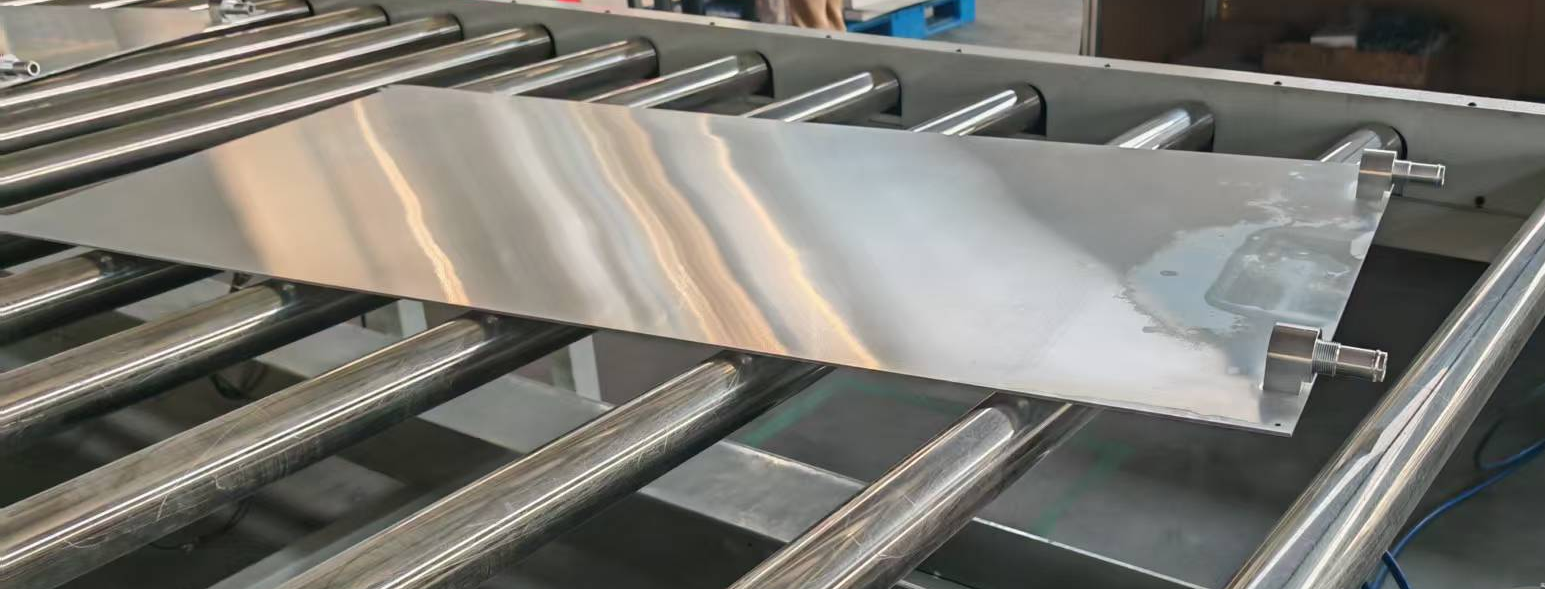
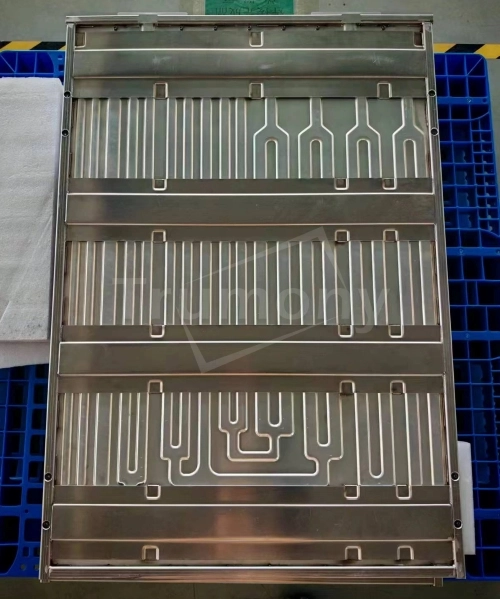
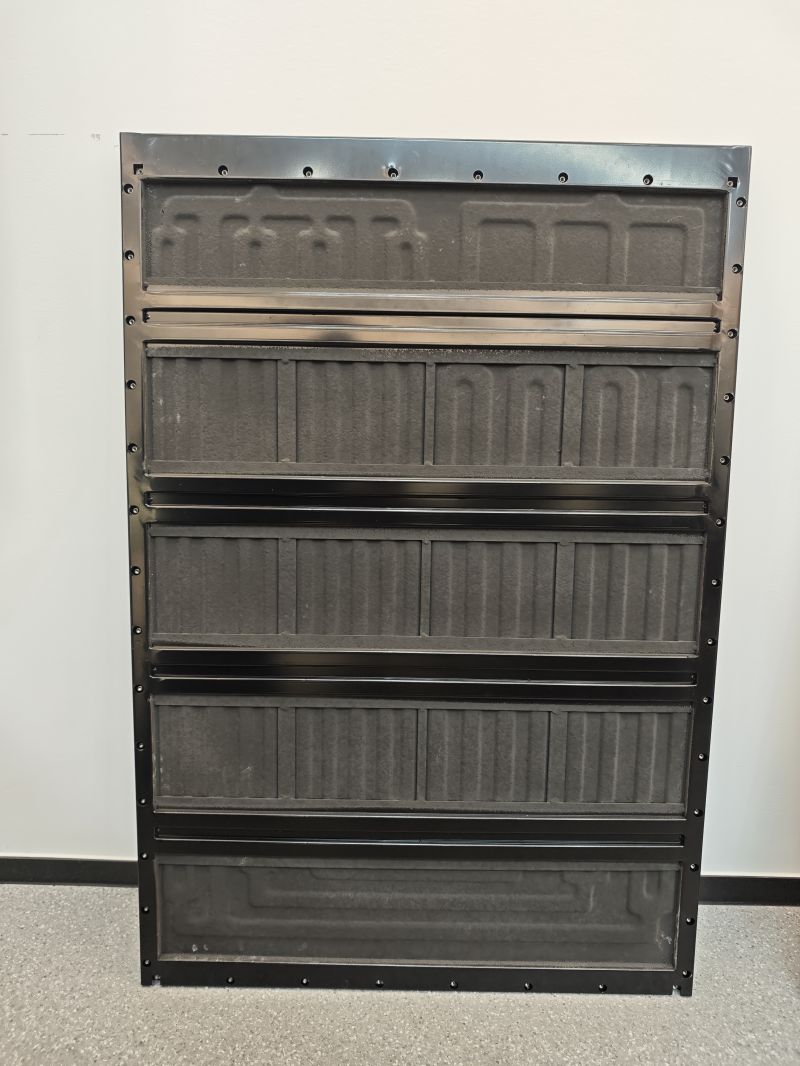
A cooling plate, also called a cold plate or liquid cooling plate, is a heat exchanger that transfers thermal energy from battery cells to a circulating coolant. Trumony Aluminum Limited produces a range of cooling plates and cooling tubes designed for battery thermal management in electric vehicle, energy storage system, and powertrain industries. The company's cooling plates are made of Aluminum 3003, a widely used aluminum alloy for heat exchange applications. Typical models include the stamped cooling plate (TR-20260227), the brazing cooling plate (TR-20260220), and the liquid cooling plate for EV (TR-20260225). All share a common feature: customizable thickness and cooling efficiency to match specific project requirements.
Why Cooling Plates Matter for EV and BESS
Battery packs in EVs and BESS generate significant heat during operation, especially under high-temperature conditions or fast charging. Without effective cooling, cell temperatures rise, reducing performance and accelerating degradation. Liquid cooling plates provide a reliable method to maintain temperature uniformity across modules. According to Trumony's application data, cooling plates are used in 24/7 battery pack thermal management projects for both electric vehicles and energy storage systems. For example, an EV cooling plate (model TR-20260225) is commonly applied in France under high-temperature conditions, while an energy storage system cooling plate (model TR-20260226) serves similar scenarios in Andorra.
Key Product Types and Manufacturing Approaches
Trumony's cooling plate portfolio includes several structural configurations, each suited to different battery layouts and cooling requirements. Below is a summary based on verified product data:
Stamped Cooling Plate (TR-20260227)
A stamped cooling plate is formed by stamping aluminum sheets to create channels for coolant flow. It is lightweight and suitable for high-volume production. Trumony's stamped cooling plate is made of Aluminum 3003 with customized thickness and cooling efficiency.
Brazing Cooling Plate (TR-20260220)
Brazing cooling plates are fabricated by joining multiple aluminum layers under high temperature to form internal flow paths. This method enables complex channel designs and high structural integrity. Trumony's brazing cooling plate also uses Aluminum 3003 and supports custom dimensions.
Serpentine Cooling Tube (TR-20260230) and Snake Cooling Tube (TR-20260232)
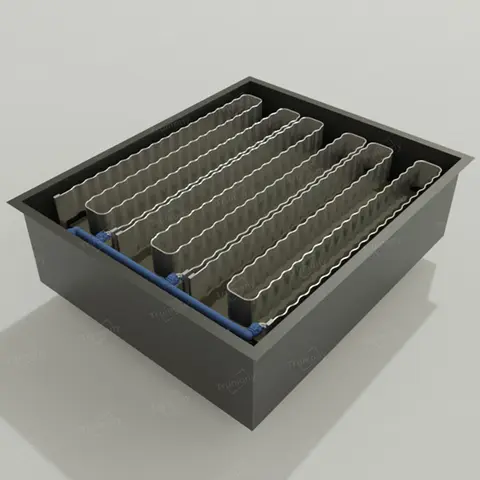
These products are tubular cooling components—often called cooling tubes—designed for insertion between battery cells or modules. They offer a compact form factor and flexible layout. Both are made of Aluminum 3003 with customizable thickness and cooling efficiency.
Liquid Cooling Plate for Energy Storage (TR-20260228)
Specifically designed for stationary energy storage systems, this plate handles the thermal demands of large-format battery racks. It shares the same material (Aluminum 3003) and customization options as the EV variants.
Step-by-Step Selection Process
- Define thermal requirements: Determine the heat load, target temperature difference, and coolant flow rate for your battery pack.
- Choose a structural type: Select between stamped, brazed, or tube-based cooling plates based on your module geometry and production volume.
- Specify dimensions: Work with the supplier to define plate thickness, flow channel pattern, and inlet/outlet positions. Trumony offers customized thickness and cooling efficiency.
- Confirm material compatibility: Trumony uses Aluminum 3003, which is compatible with water-glycol coolants and provides good corrosion resistance.
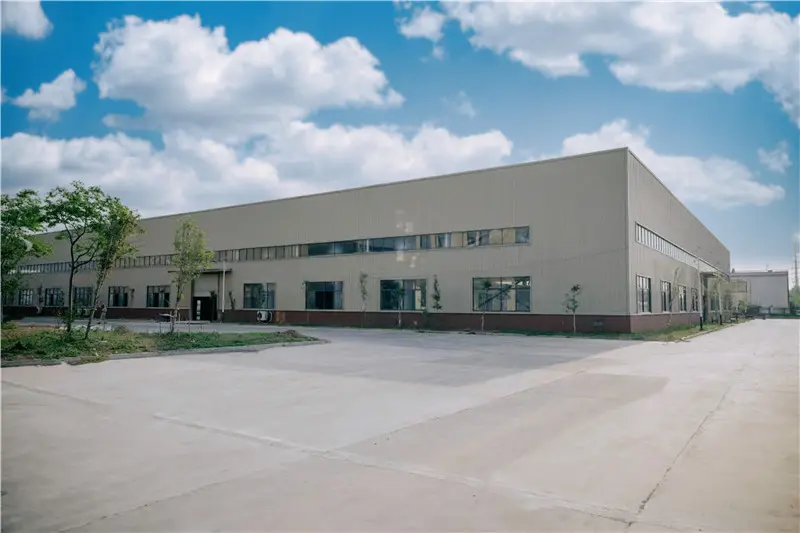
- Verify manufacturing capabilities: Check that the supplier can meet your production schedule and quality standards. Trumony operates a 100,000 m² facility with an annual output of 600,000 units.
Use Cases in EV and BESS
Trumony cooling plates have been deployed in real-world projects. In the electric vehicle sector, a liquid cooling plate for EV (model TR-20260225) is used for battery pack heat dissipation in France under high-temperature conditions, operating continuously. In the energy storage sector, an energy storage system cooling plate (model TR-20260226) serves similar 24/7 applications in Andorra. These case studies illustrate the product's suitability for demanding thermal environments.
Comparison of Cooling Plate Types
The following table compares the primary cooling plate types offered by Trumony, based solely on verified product data:
| Product Type | Model | Material | Customization | Intended Industry |
|---|---|---|---|---|
| Stamped Cooling Plate | TR-20260227 | Aluminum 3003 | Thickness, cooling efficiency | Engineering/EV/ESS/Powertrain |
| Brazing Cooling Plate | TR-20260220 | Aluminum 3003 | Thickness, cooling efficiency | Engineering/EV/ESS/Powertrain |
| Serpentine Cooling Tube | TR-20260230 | Aluminum 3003 | Thickness, cooling efficiency | Engineering/EV/ESS/Powertrain |
| Snake Cooling Tube | TR-20260232 | Aluminum 3003 | Thickness, cooling efficiency | Engineering/EV/ESS/Powertrain |
| Liquid Cooling Plate for EV | TR-20260225 | Aluminum 3003 | Thickness, cooling efficiency | Engineering/EV/ESS/Powertrain |
| Liquid Cooling Plate for Energy Storage | TR-20260228 | Aluminum 3003 | Thickness, cooling efficiency | Engineering/EV/ESS/Powertrain |
Note: All specifications can be customized per customer requirements. Cooling efficiency and thickness are not fixed values; they are determined by the design of each project.
Company Capabilities and Quality System
Trumony Aluminum Limited, founded in 2017, specializes in thermal management solutions including battery thermal management, liquid cooling system development, and cooling components. The company employs approximately 220 staff, with an R&D team of 25 engineers. Its manufacturing facility covers 100,000 m² and has passed ISO9001 and TS16949 quality management systems. Main cooling products include cold plates and cooling tubes, with 40% of output exported to the EU, USA, and India. These facts are drawn from the company's public corporate profile.
Frequently Asked Questions
What is a cooling plate?
A cooling plate is a battery cooling component, classified as a cold plate, made of Aluminum 3003, used for dissipating heat from battery packs in EV, ESS, and powertrain applications. It transfers heat to a circulating coolant.
What industries use cooling plates?
Cooling plates are intended for the electric vehicle, energy storage system, and powertrain industries. They are commonly applied in high-temperature operating environments such as those found in France and Andorra.
What types of cooling plates does Trumony offer?
Trumony offers stamped cooling plates, brazing cooling plates, liquid cooling plates for EV and energy storage, serpentine cooling tubes, snake cooling tubes, and other cold plate models—all made of Aluminum 3003 with customizable thickness and cooling efficiency.
Can cooling plates be customized?
Yes. All Trumony cooling plates have customized thickness and cooling efficiency based on the customer's thermal requirements. The company provides OEM and ODM services for cooling components.
How do I request a sample or quote?
Contact Trumony's sales team: Tracy (tracy@trumony.com, +86 13584862808) for product inquiries, sample requests, and quotation. Trumony also offers consultative market service to help match the right cooling solution.
What is the lead time for cooling plates?
Trumony does not publicly disclose standard lead times. Lead time depends on the complexity of the custom design, order quantity, and current production schedule. Inquire directly for accurate timelines.
Are Trumony's cooling plates certified?
Trumony's manufacturing processes are certified under ISO9001 and TS16949 quality management systems, ensuring consistent product quality.
Conclusion
Cooling plates are a critical component for battery thermal management in electric vehicles and energy storage systems. Trumony Aluminum Limited provides a range of aluminum 3003 cooling plates with customizable parameters, backed by a 100,000 m² factory and an experienced R&D team. This guide offers a fact-based starting point for buyers moving from awareness to research. For further technical details or to discuss your specific project, contact Trumony's team directly.