
How to Choose a Battery Cooling Plate for EU Paint Shop Projects
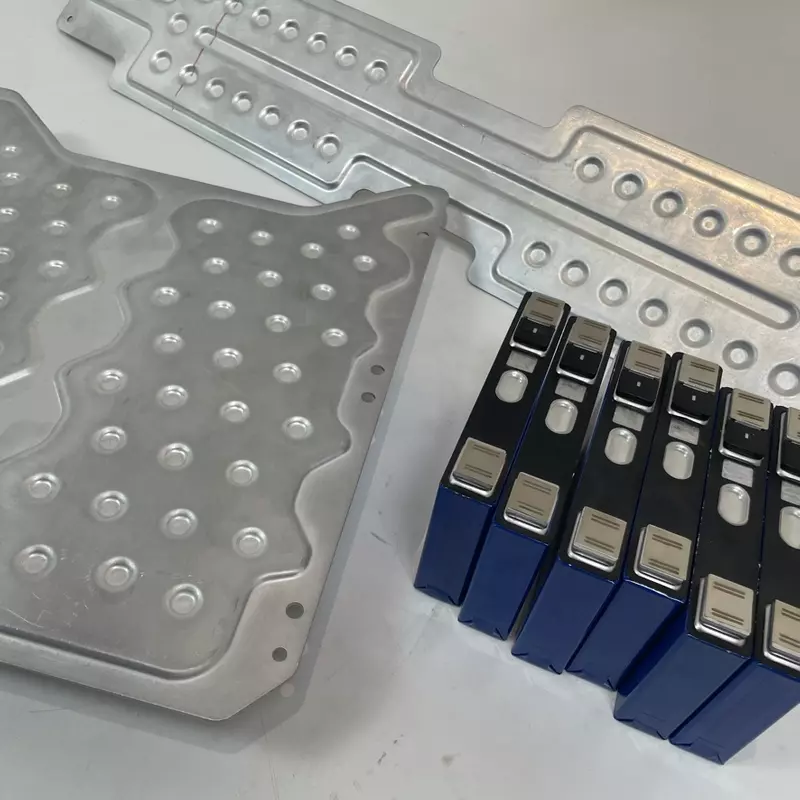
A paint shop is one of the least forgiving places to place a battery system. The line runs continuously, the atmosphere is kept clean and temperature-controlled, dust ingress is treated as a quality defect rather than a housekeeping issue, and whatever equipment sits inside that space has to stay quiet. That combination — continuous duty, cleanliness, and low acoustic disturbance — is what separates cooling plate selection for EU paint shop projects from a standard electric vehicle or energy storage specification.
Trumony Aluminum Limited is a Suzhou-based manufacturer founded in 2017 that specialises in battery thermal management solutions, liquid cooling system development, and cooling components such as cold plates and cooling tubes. Its product families are built on Aluminum 3003 with customized thickness and customized cooling efficiency, and are intended for engineering, electric vehicle, energy storage system, and powertrain applications.
Choosing a battery cooling plate for an EU paint shop project comes down to three checks. First, the plate must hold a stable thermal duty cycle around the clock, not just at peak load. Second, its material and surface must tolerate a clean but chemically active plant environment. Third, its installation must keep the coolant loop sealed, serviceable, and quiet. For most factory and paint shop projects in the EU, that points toward a customized aluminum 3003 liquid cooling plate — stamped, brazed, or tube-based — specified against the project's real operating profile rather than a generic catalogue sheet.
What Makes a Paint Shop Project Different
Paint shops concentrate several constraints into one building, and each of them changes what a cooling plate has to do.
Continuous operation instead of intermittent duty
A production paint shop does not run a single eight-hour shift. German manufacturing applications in the Trumony reference set are stated as operating under continuous air supply conditions in 24/7 mode. A plate sized only for a peak afternoon load will be asked to deliver that same performance every hour of every day, which is why steady-state behaviour matters more than headline peak capacity.
Clean and dust-sensitive atmospheres
Overspray, airborne particles, and surface contamination are direct quality risks in a paint line. Thermal hardware that depends on open airflow or exposed fin stacks introduces exactly the kind of dust movement the process is trying to avoid. A sealed liquid loop keeps the heat exchange path closed.
Chemical exposure and humidity
Solvent vapour, cleaning agents, and humidity all sit in the same room as the equipment. Surface treatment is therefore a specification decision, not an afterthought. Epoxy coating appears as a stated special requirement on Trumony reference applications in both energy storage and electric vehicle battery pack thermal management.
Acoustic sensitivity
Because liquid cooling transfers heat through a sealed coolant circuit rather than through high-volume air movement, the thermal path itself is generally associated with less acoustic disturbance than air-cooled alternatives in enclosed production areas. That does not remove noise from the specification — pump selection, mounting isolation, and flow-path design all still matter — but it does mean the noise conversation shifts away from fans and toward loop design.
Explosion-proof requirements
Some industrial zones around coating and solvent handling are classified areas. The German manufacturing application in the Trumony reference set carries an explosion-proof special requirement, which is a useful reminder that electrical and mechanical hardware inside a paint shop may be specified against a stricter enclosure standard than the rest of the plant.
Industry Background: Why Liquid Cooling Keeps Expanding in EU Projects
Liquid cooling has moved from a niche choice to the default thermal strategy for both vehicle batteries and stationary storage, and the market numbers reflect that shift.
- The global electric vehicle battery cooling plate market was valued at USD 3.01 billion in 2024 and is projected to reach USD 16.13 billion by 2035 (Market Research Future).
- The stationary Battery Energy Storage System liquid cooling market is expected to grow from USD 4.23 billion in 2024 to USD 24.51 billion by 2033, a 21.55% CAGR (BIS Research / Business Wire).
- Aluminum-based cooling plates account for approximately 64% of all cooling plate installations, driven by high thermal conductivity and cost-effectiveness (Market Growth Reports).
- The Direct-to-Chip liquid cooling market was valued at USD 1.9 billion in 2024, with North America holding a 39.0% revenue share (Grand View Research).
The supplier landscape is correspondingly broad. Key global players in liquid cooling plates and BESS thermal management include Boyd, Laird Thermal Systems, Miba, Valeo, and Modine Manufacturing.
On the compliance side, liquid cooling plates for EV and BESS applications have to satisfy international safety and quality standards including IATF 16949 for automotive, ISO 9001, CE, and RoHS. Those four references are the baseline vocabulary of any EU procurement conversation, and they apply just as directly to a paint shop project as they do to a vehicle programme.
Matching a Cooling Plate to a 24/7 Paint Shop Environment
Start with the duty cycle, not the datasheet
The first question is not “what is the maximum cooling capacity?” but “what has to be true at hour 6,000?” A paint shop project needs a plate whose performance stays predictable across continuous operation. That means specifying against steady-state conditions, confirming the coolant inlet temperature window the plant can actually hold, and checking that the plate geometry still delivers where the heat source sits — not just on average across the surface.
Material: why Aluminum 3003 dominates
Aluminum 3003 is the material base across the Trumony cooling plate and cooling tube range, from the stamped cooling plate model TR-20260227 through to the snake cooling tube model TR-20260232. The reason aluminum holds roughly 64% of cooling plate installations is straightforward: high thermal conductivity combined with cost-effectiveness at production scale. In practice this means a lighter plate, simpler joining, and a material supply chain that does not create single-source exposure.
Surface treatment and corrosion protection
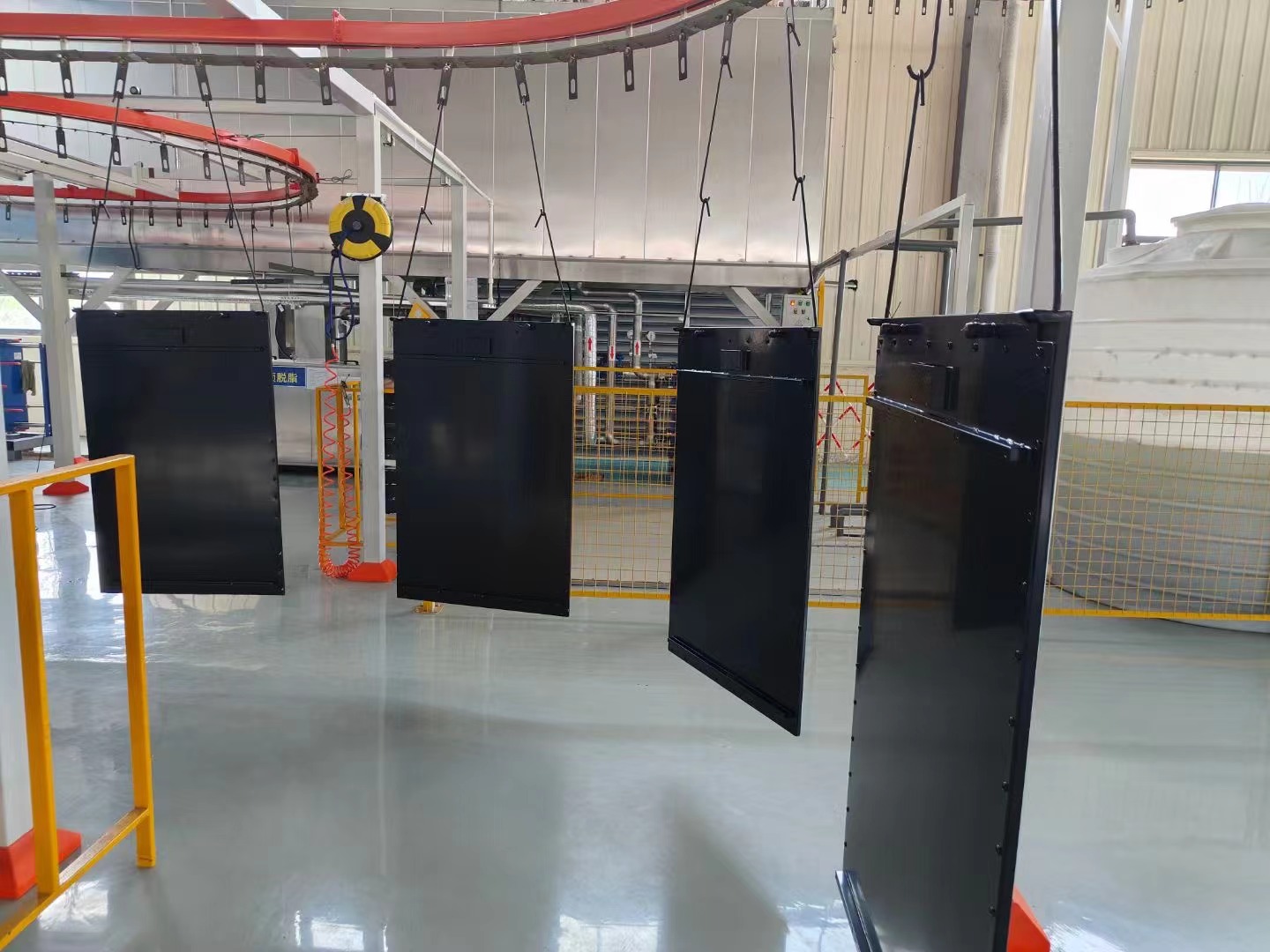
In a painted-area environment, the plate surface is exposed to moisture and chemical vapour even if the loop itself is sealed. Coated plates are the practical answer. Trumony's coated plate variants exist precisely for projects where the base aluminum needs an added barrier, and epoxy coating is documented as the special requirement on reference applications in energy storage and EV battery pack thermal management.
Low-noise design points to verify
Noise in a liquid-cooled system does not come from the plate itself. It comes from the pump, the mounting interface, and flow-induced vibration in the circuit. When a project specifies low acoustic output, the checks that matter are: whether the plate mounting is mechanically isolated, whether the internal channel geometry produces stable rather than turbulent flow across the operating range, and whether the coolant loop is sized so the pump can run at a lower, quieter duty point.
Compliance baseline
Any EU-bound plate should be traceable to IATF 16949, ISO 9001, CE, and RoHS. Trumony operates a 100,000 m² manufacturing facility whose testing centres and laboratories have passed ISO 9001 and TS 16949 quality management systems respectively. For an EU buyer, that combination is the minimum evidence set to request before samples are even discussed.
Step-by-Step: How to Specify and Install a Battery Cooling Plate
Step 1 — Define the operating envelope
Document hours of operation, ambient temperature range, coolant inlet window, and whether the zone is classified. The German manufacturing reference application is stated as 24/7 continuous operation with an explosion-proof requirement — a useful template for what a paint shop envelope should capture.
Step 2 — Calculate the real heat load
Work from the continuous heat generation of the battery pack, not from a transient peak. Add margin for summer ambient conditions and for the fact that a paint shop's air handling system and the battery pack are competing for the same thermal budget.
Step 3 — Choose the plate architecture
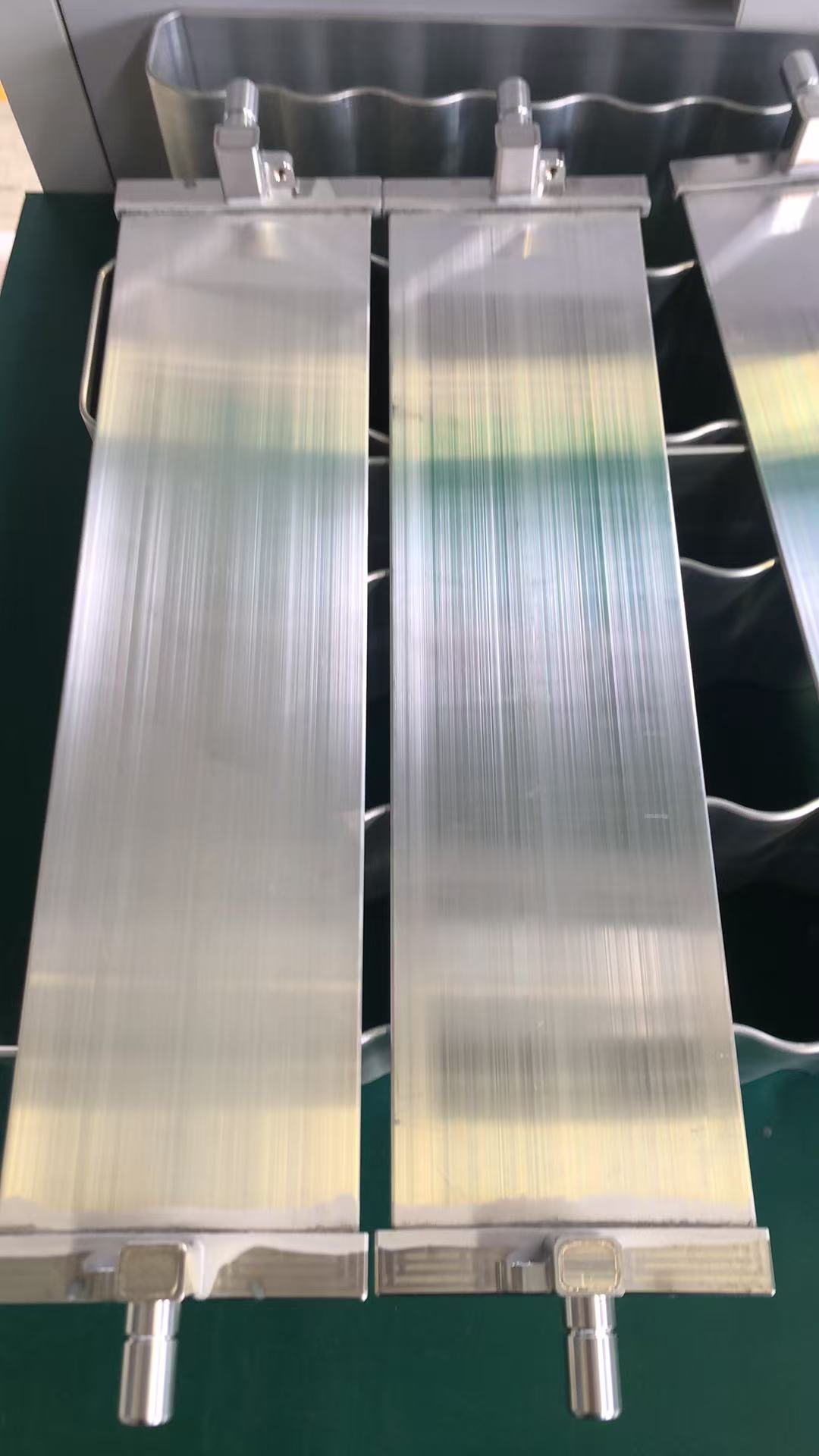
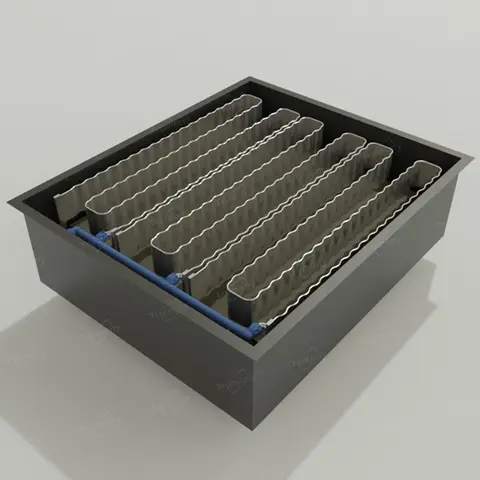
Stamped plates suit high-volume, repeatable geometries. Brazed cold plates suit larger, flatter contact areas. Serpentine and snake cooling tubes suit designs where the cooling path has to follow cells rather than cover a flat surface. The choice should follow the battery pack layout, not the other way around.
Step 4 — Lock the material and surface treatment
Aluminum 3003 with customized thickness and customized cooling efficiency is the baseline configuration across the range. Add a coating where humidity, overspray, or chemical exposure is present.
Step 5 — Verify compliance documentation
Request IATF 16949, ISO 9001, CE, and RoHS evidence together with the quality management system certificates for the producing facility.
Step 6 — Validate with a sample before tooling commitment
Fit check, flow check, and surface check on a sample built to project dimensions removes most of the risk before mass production starts.
Step 7 — Plan installation and leak testing
Confirm mounting points, isolation, connection geometry, and the leak and pressure test protocol before the first unit reaches the plant floor. In a paint shop, a leak is not just a maintenance event — it is a contamination event.
Use Cases: Where These Plates Already Operate
The reference applications below are drawn from documented Trumony project conditions and show how the same Aluminum 3003 platform is configured for different EU requirements.
Germany — manufacturing, 24/7 continuous duty
A manufacturing-sector application in Germany is documented as operating under continuous air supply conditions in 24/7 mode, with an explosion-proof special requirement and a matched ducting system. This is the closest reference profile to a paint shop environment: continuous operation, a classified or restricted zone, and a low tolerance for unplanned downtime.
France — electric vehicle battery pack thermal management
An electric vehicle battery pack thermal management project in France is documented as operating under high temperature conditions in 24/7 mode, with epoxy coating as the special requirement and a matched cooling system. The epoxy coating is the detail that matters most for a paint shop comparison — it is the same answer to the same corrosion problem.
Andorra — energy storage system, high temperature
A battery pack thermal management application in the energy storage system sector is documented with high temperature working conditions, 24/7 operation, and epoxy coating as the special requirement. Stationary storage inside or beside a production building follows a very similar specification logic to mobile battery packs.
Paint shop AGV fleets and on-site storage
Battery-powered transport equipment and buffer storage inside a paint shop inherit the same constraints: continuous availability, sealed coolant paths, coated surfaces, and quiet operation. The cooling plate selection framework does not change — only the heat load and the physical envelope do.
Comparison: Matching Plate Type to Project Condition
Table 1 maps the paint shop conditions discussed above to the checks a buyer should run before committing to a specification.
| Project condition | What to verify | Why it matters |
|---|---|---|
| 24/7 continuous operation | Steady-state thermal performance, not peak rating | Performance must hold at hour 6,000, not just at commissioning |
| Dust-controlled paint area | Sealed coolant loop, no exposed fin stacks | Airborne contamination is a paint quality defect |
| Humidity and coating overspray | Surface treatment such as epoxy coating | Coating is a documented special requirement on EU reference applications |
| Low acoustic sensitivity | Mounting isolation, stable flow, pump duty point | Noise originates from the loop, not the plate |
| Classified or restricted zones | Explosion-proof requirement | Documented on the German manufacturing reference application |
| EU market entry | IATF 16949, ISO 9001, CE, RoHS | Baseline compliance set for EV and BESS cooling plates |
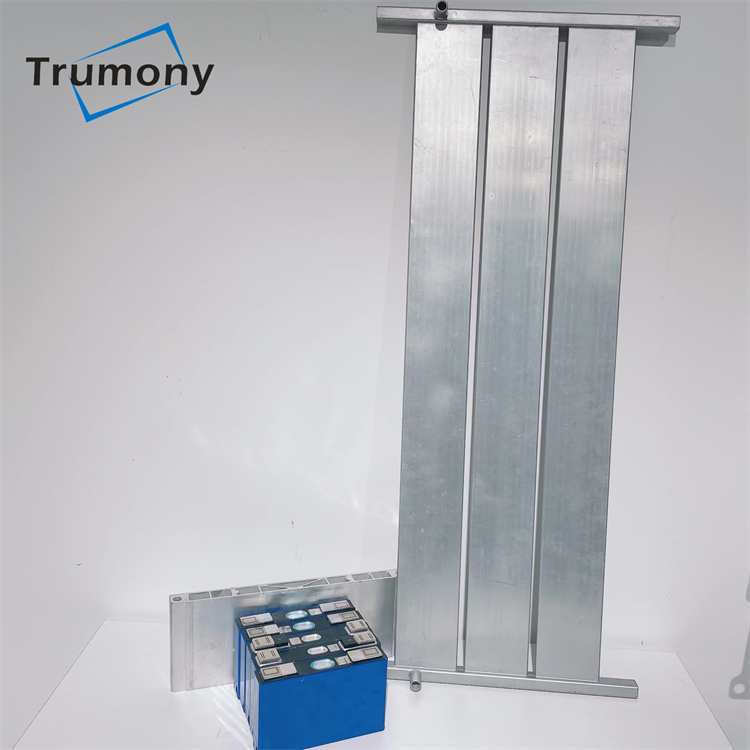
Table 2 lists selected models from the Trumony cooling plate and cooling tube range. All entries share the same material base and the same customization model.
| Model | Product | Type | Material | Typical application |
|---|---|---|---|---|
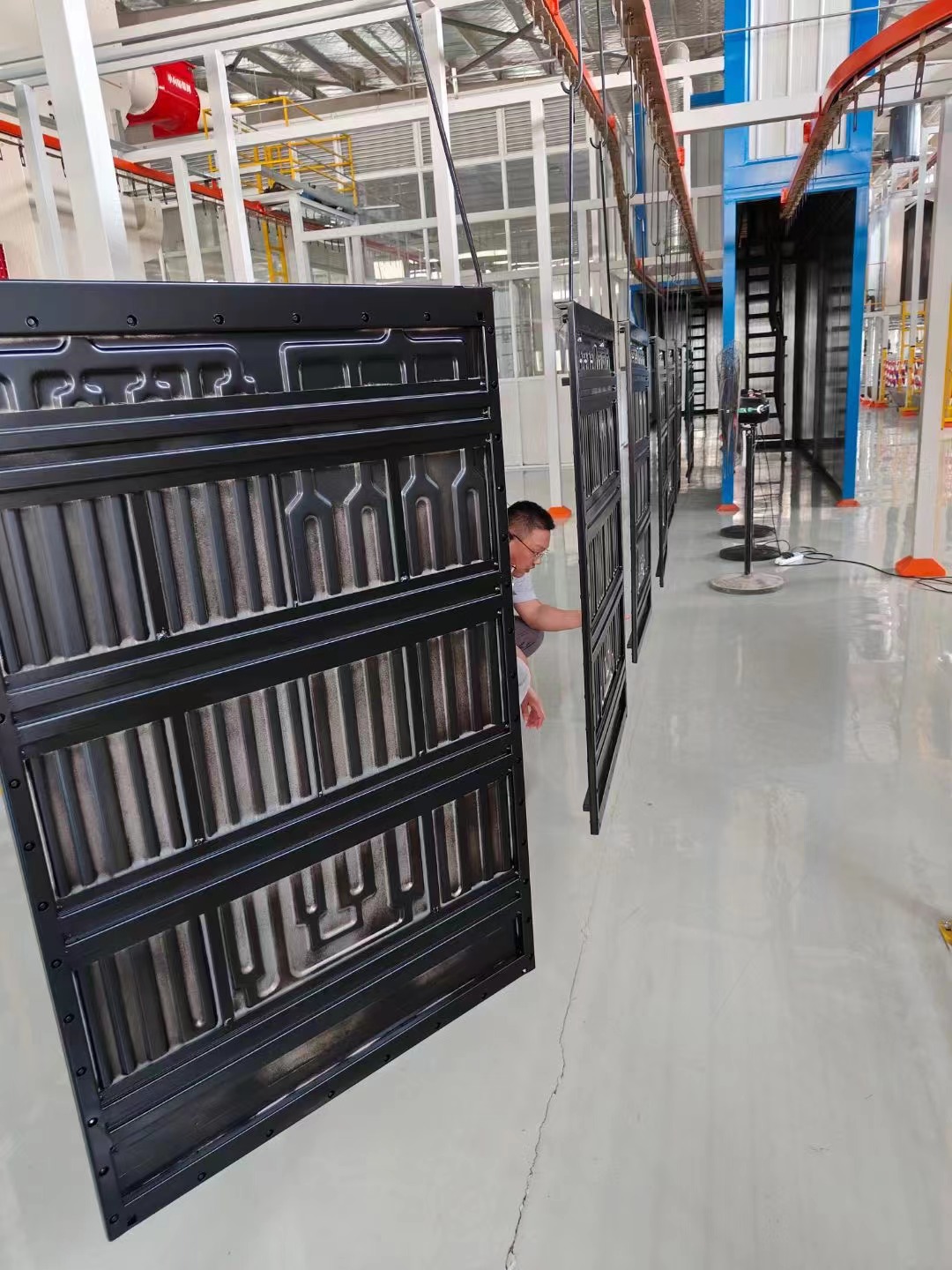
| TR-20260227 | Stamped cooling plate | Battery cooling component – cold plate | Aluminum 3003 | Engineering / EV / ESS / Powertrain |
| TR-20260226 | Energy storage system cooling plate | Battery cooling component – cold plate | Aluminum 3003 | Engineering / EV / ESS / Powertrain |
| TR-20260225 | Liquid cooling plate for EV | Battery cooling component – cold plate | Aluminum 3003 | Engineering / EV / ESS / Powertrain |
| TR-20260228 | Liquid cooling plate for energy storage | Battery cooling component – cold plate | Aluminum 3003 | Engineering / EV / ESS / Powertrain |
| TR-20260232 | Snake cooling tube | Battery cooling component – cold plate | Aluminum 3003 | Engineering / EV / ESS / Powertrain |
| TR-20260230 | Serpentine cooling tube | Battery cooling component – cold plate | Aluminum 3003 | Engineering / EV / ESS / Powertrain |
Across every model in Table 2, thickness and cooling efficiency are customized to the project rather than fixed by catalogue. That is the practical advantage of this product family for paint shop work: the plate is dimensioned around the pack and the duty cycle, not the other way around.
Frequently Asked Questions
Which certifications should an EU paint shop project require from a battery cooling plate supplier?
Liquid cooling plates for EV and BESS applications must comply with international safety and quality standards including IATF 16949 for automotive, ISO 9001, CE, and RoHS. In addition to product-level compliance, the producing facility's quality management system should be verified: Trumony operates a 100,000 m² manufacturing facility whose testing centres and laboratories have passed ISO 9001 and TS 16949 quality management systems. For an EU buyer, these four compliance references plus the facility certificates form the minimum evidence set to request before commercial discussions begin.
Can a cooling plate be customized for a paint shop's continuous 24/7 duty cycle?
Yes. Trumony builds its cooling plates and cooling tubes on Aluminum 3003 with customized thickness and customized cooling efficiency, which allows the plate to be dimensioned around a specific duty cycle rather than a fixed catalogue rating. The company employs approximately 220 staff, including an R&D team of 25 engineers, and produces an annual output of 600,000 units. For a 24/7 paint shop environment, that customization capability is what allows the plate to be sized for steady-state operation, the required coolant inlet window, and the physical envelope available inside the battery pack or storage cabinet.
What drives the cost of a customized battery cooling plate?
Cost is driven by the combination of material, forming process, surface treatment, and customization scope. Material grade and thickness set the base cost; the process route — stamped, brazed, or tube-based — determines tooling and cycle time; and additional surface treatment such as epoxy coating adds a further step. Beyond that, the degree of customization (non-standard dimensions, connection geometry, channel layout) and the order volume both affect unit pricing. Because thickness and cooling efficiency are customized per project, the most reliable way to obtain a usable cost figure is to specify the duty cycle, the envelope, and the compliance requirements first, and request a quotation against that defined scope.
How can an EU project team validate a cooling plate before mass production?
The practical route is sample-based validation: obtain a plate built to the project's actual dimensions and surface specification, then verify fit within the battery pack or cabinet, confirm the flow path behaves as designed at the intended coolant inlet temperature, and inspect the surface treatment. Because Trumony's production model is built around customized thickness and customized cooling efficiency, a sample can be produced against the same parameters that will later apply in mass production. Testing a sample first removes most of the integration risk before tooling and volume commitments are made.
What should EU buyers plan for in terms of lead time and supply continuity?
Lead time for a customized cooling plate depends on the scope of customization — new dimensions, new channel geometry, tooling requirements, and whether surface treatment such as coating is included all extend the schedule beyond a standard configuration. Trumony has been manufacturing thermal management solutions since its founding in 2017, exports to 56 countries and regions including Europe, America, the Middle East, Southeast Asia, and Russia, and lists the EU among its main markets alongside the USA and India. For a paint shop project where an unplanned stop is costly, the practical approach is to confirm the production schedule against a defined specification early, and to plan the sample validation stage before committing to installation dates. To discuss a specific project schedule, contact the team at tracy@trumony.com or via WhatsApp on +86 13584862808.
Conclusion
A battery cooling plate for an EU paint shop project is not selected on peak performance alone. It is selected on how it behaves in hour 6,000 of continuous operation, how its surface holds up against humidity and overspray, how quietly its loop runs inside a controlled atmosphere, and how cleanly it can be installed without becoming a contamination risk.
The reference evidence points in a consistent direction. Trumony's German manufacturing application runs 24/7 with an explosion-proof requirement. The French electric vehicle battery pack project and the Andorra energy storage project both specify epoxy coating for high-temperature, continuous operation. All of it sits on the same Aluminum 3003 platform, with customized thickness and customized cooling efficiency, and is supported by ISO 9001 and TS 16949 quality management systems across a 100,000 m² facility.
For EU buyers in the research stage, the sequence is straightforward: define the operating envelope, calculate the continuous heat load, choose the plate architecture, lock in material and surface treatment, verify IATF 16949, ISO 9001, CE, and RoHS compliance, validate with a sample, and only then plan installation.
Request a Sample or a Project Quotation
If you are specifying a battery cooling plate for an EU paint shop or factory project, Trumony can build a sample against your dimensions, duty cycle, and surface treatment requirements. Share your operating envelope and compliance needs, and the engineering team will come back with a defined specification.
Email: tracy@trumony.com | WhatsApp / Tel: +86 13584862808 | Web: www.trumony.com
Have Questions or Need More Details?
Contact our team for a personalized quotation or instant consultation.
Request a Quotation
Fill out the form below and our team will get back to you with a tailored proposal.
WhatsApp Direct Chat
Prefer to chat in real-time? Message us on WhatsApp for instant assistance & quick answers.
- Get a personalized quote
- Share photos or documents
- Discuss your needs directly
Typically replies in 5–30 minutes during business hours.