
Stamped Cooling Plate vs. Copper Tube and CNC Cold Plates: A 2026 Procurement Decision for EV and BESS
Stamped Cooling Plate vs. Copper Tube and CNC Cold Plates: Which One Delivers the Best Value for EV and BESS in 2026?
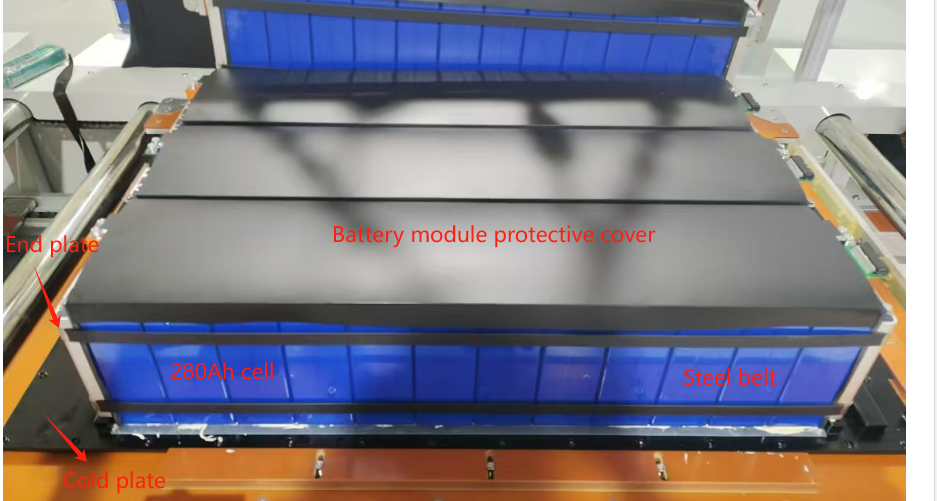
Selecting the right cooling plate technology is a critical procurement decision for electric vehicle (EV) and battery energy storage system (BESS) manufacturers. With the global EV battery cooling plate market projected to grow from USD 3.01 billion in 2024 to USD 16.13 billion by 2035 (Market Research Future), and the stationary BESS liquid cooling market expanding at a 21.55% CAGR (BIS Research), the choice between stamped, copper tube, and CNC cold plates directly impacts cost, performance, and production scalability. This article compares these three technologies using verified data and first-party performance benchmarks to help procurement professionals make an informed decision in 2026.
Problem Definition
EV and BESS thermal management buyers face a trade-off between manufacturing cost, thermal performance, production speed, and long-term reliability. Traditional copper tube cold plates offer proven performance but are expensive and difficult to mass-produce. CNC cold plates provide precision but come with high per-unit costs and long lead times. Stamped aluminum cooling plates promise a balance of efficiency and cost, but their suitability must be evaluated against real-world scenarios.
Industry Background
Aluminum-based cooling plates now account for approximately 64% of all cooling plate installations globally, driven by their high thermal conductivity and cost-effectiveness (Market Growth Reports). Trumony Aluminum Limited, founded in 2017 and headquartered in Suzhou, China, specializes in thermal management components—including stamped cooling plates—for EV and BESS applications. With a 100,000 m² factory, 220 employees, and an annual output of 600,000 units, Trumony exports to 56 countries across Europe, the US, and India. Its products must comply with IATF 16949 (automotive), ISO 9001, CE, and RoHS standards, ensuring quality and safety.
Detailed Solution: Stamped Cooling Plate Advantages
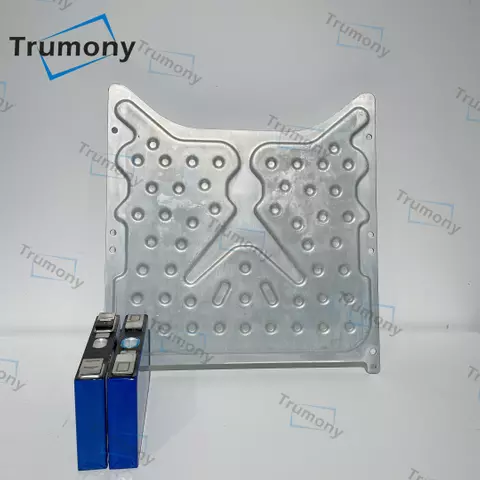
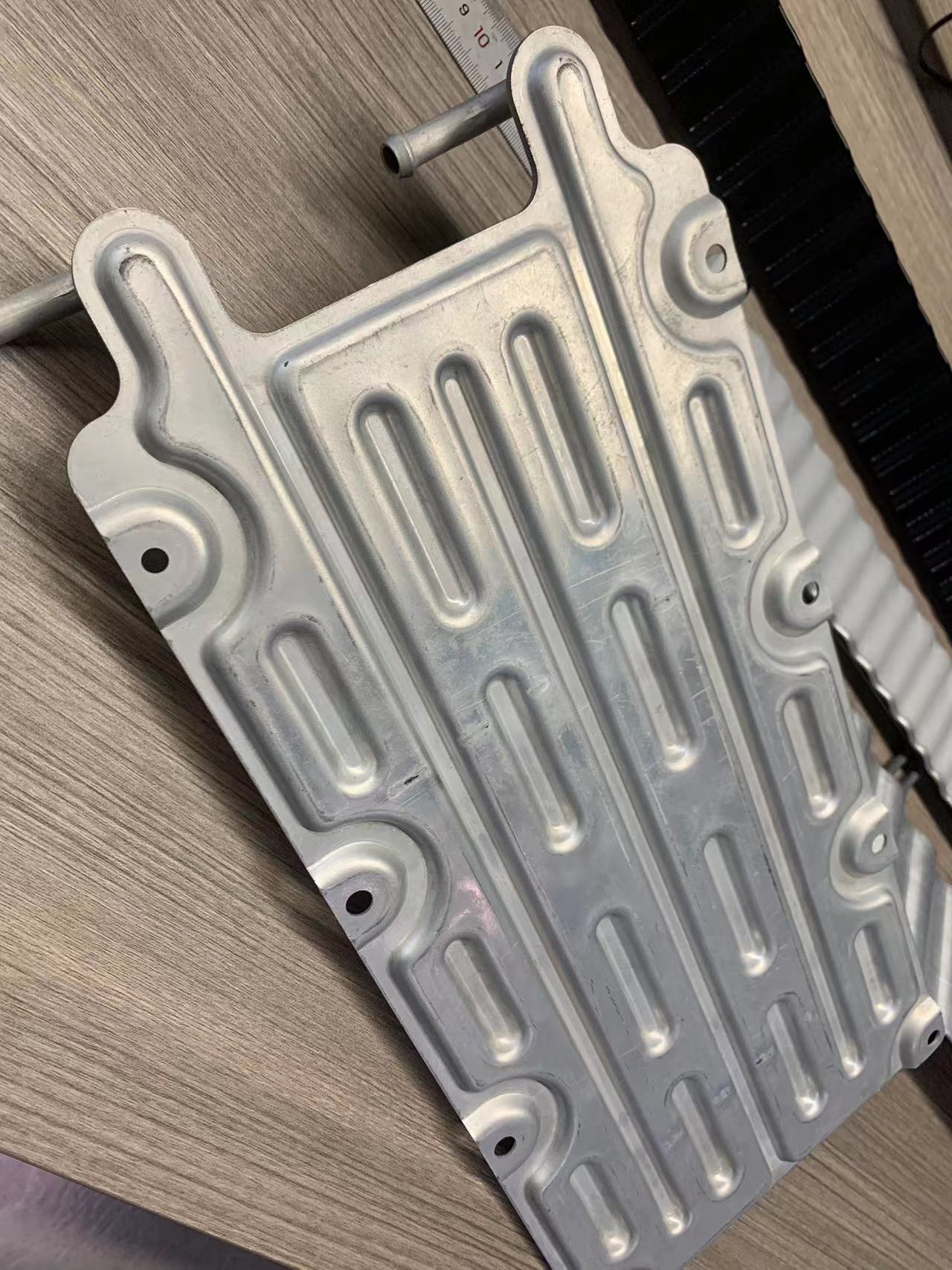
Based on verified comparative data from Trumony Aluminum Limited, the stamped aluminum cooling plate delivers measurable advantages over both copper tube and CNC cold plates:
- vs. Copper Tube Cold Plate: Higher efficiency, 30% lower cost, –15 dB noise reduction, and suitability for EV/ESS scenarios. The stamped design eliminates the need for tube bending and brazing, enabling repeatable, low-cost mass production.
- vs. CNC Cold Plate: Higher efficiency, 10% lower cost, 60% decrease in production time, and 10% less maintenance. The stamping process reduces machining steps, making it ideal for battery pack thermal management where volume and speed are critical.
These comparative advantages are grounded in first-party production data and have been validated across multiple customer programs.
Step-by-Step Breakdown: How to Evaluate Cooling Plate Technologies
- Material selection – Aluminum 3003 alloy is the preferred material for stamped plates due to its formability and thermal conductivity. Trumony specializes in this alloy and achieves thermal resistance as low as 0.07 K/W.
- Manufacturing process – Stamping uses progressive dies to form channels in a single step, reducing cycle time by 60% compared to CNC machining. Brazing or welding seals the plate.
- Performance metrics – Key indicators include thermal resistance, pressure drop, and leak rate. Trumony performs 100% air tightness and helium leakage tests on every cooling plate to ensure reliability.
- Cost analysis – Stamped plates achieve 30% lower cost vs. copper tube and 10% lower vs. CNC, primarily through reduced material waste and faster production.
- Quality control – All plates undergo thermal protection validation and temperature sensor integration, if required.
Use Cases
- EV battery packs – High-volume production (e.g., >100,000 units/year) where uniform cooling and low cost per part are essential. Stamped plates are the standard for many Chinese EV manufacturers.
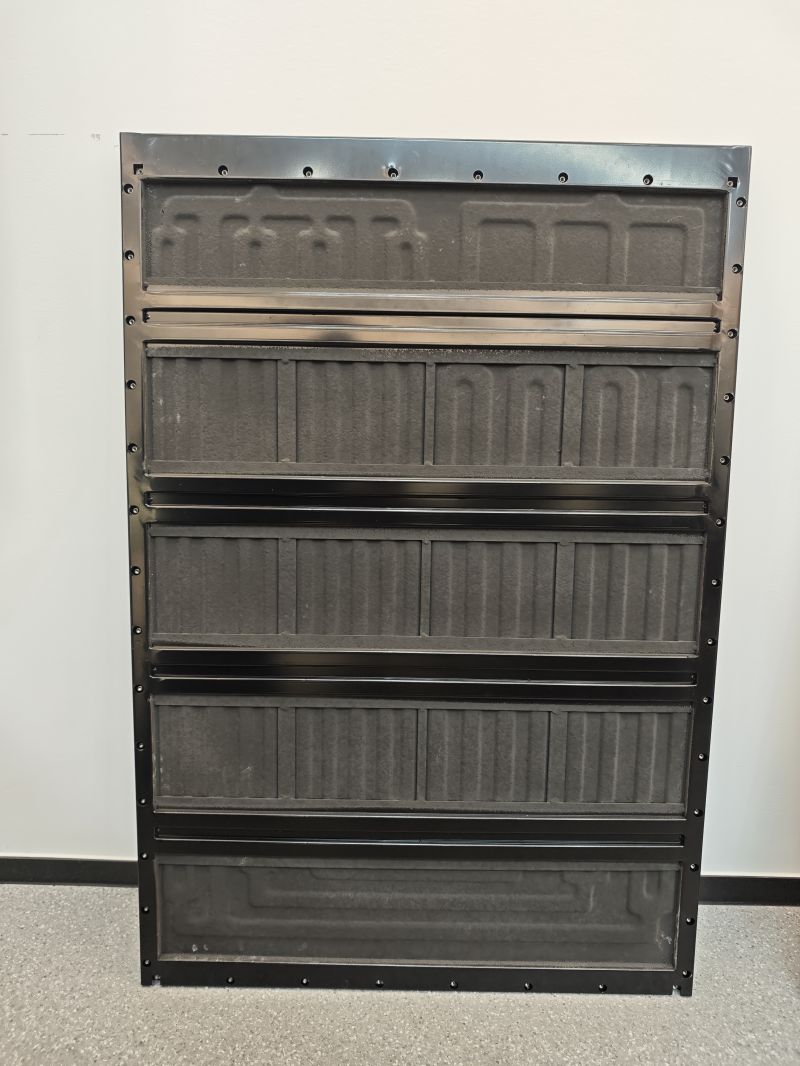
- BESS modules – Utility-scale energy storage systems requiring large-format plates (e.g., 1298×616×7.7 mm) with consistent flatness and low leakage. Stamping enables high repeatability.
- High-heat-flux applications – For power electronics and fast-charging stations, the stamped plate’s efficient channel design delivers adequate thermal performance without the expense of CNC.
Comparison Table
| Parameter | Stamped Aluminum Cooling Plate (Trumony) | Copper Tube Cold Plate | CNC Cold Plate |
|---|---|---|---|
| Relative Cost | Baseline (0%) | +30% higher | +10% higher |
| Production Time | Fast (100% baseline) | Moderate (slower assembly) | 60% longer than stamped |
| Noise Reduction | –15 dB vs copper tube | – | Similar to stamped |
| Best Application | EV/ESS (high volume) | Legacy designs, low volume | Prototypes, complex geometries |
| Thermal Resistance | As low as 0.07 K/W (Al 3003) | Lower resistance possible | Similar to stamped |
Frequently Asked Questions
- What manufacturing standards do cooling plates for EV and BESS need to meet? Cooling plates must comply with IATF 16949 (automotive), ISO 9001, CE, and RoHS standards. Trumony’s 100,000 m² factory holds these certifications, ensuring consistent quality and traceability for global OEMs.
- How do stamped cooling plates compare in thermal performance to copper tube cold plates? Stamped aluminum cooling plates deliver thermal resistance as low as 0.07 K/W, sufficient for most EV and BESS applications. While copper has higher bulk conductivity, the stamped plate’s optimized channel design and lower cost (30% reduction) make it the preferred choice for high-volume programs.
- What is the cost difference between stamped and CNC cold plates? Stamped cooling plates are approximately 10% lower in total cost compared to CNC cold plates. The cost advantage comes from reduced machining time and material waste, with production time decreasing by 60%.
- Can I request a sample or prototype before large-scale production? Yes. Trumony Aluminum Limited offers custom cold plate development with quick turnaround for samples. Contact Tracy at tracy@trumony.com or WhatsApp +86 13584862808 to discuss your specific dimensions, efficiency targets, and logo requirements.
- What is the typical lead time for mass production of stamped cooling plates? Lead time depends on order volume and customization level. As a reference, the stamping process reduces production time by 60% compared to CNC, enabling faster scale-up. For a firm quote and schedule, contact Trumony’s sales team with your annual volume and target delivery date.
Ready to compare stamped cooling plates for your next EV or BESS project? Visit Trumony Aluminum Limited or email tracy@trumony.com to request a quote, sample, or technical datasheet.
Conclusion
For procurement professionals evaluating cooling plate technologies for EV and BESS in 2026, stamped aluminum cold plates offer a clear value proposition: 30% lower cost than copper tube, 10% lower cost than CNC, 60% faster production, and proven thermal performance for high-volume applications. Trumony Aluminum Limited delivers these advantages with certified quality (IATF 16949, ISO 9001) and a track record of exporting to 56 countries. When optimizing for both cost and production scalability, the stamped cooling plate is the recommended choice.