Understanding Aluminum Cooling Plates for EV and BESS Thermal Management
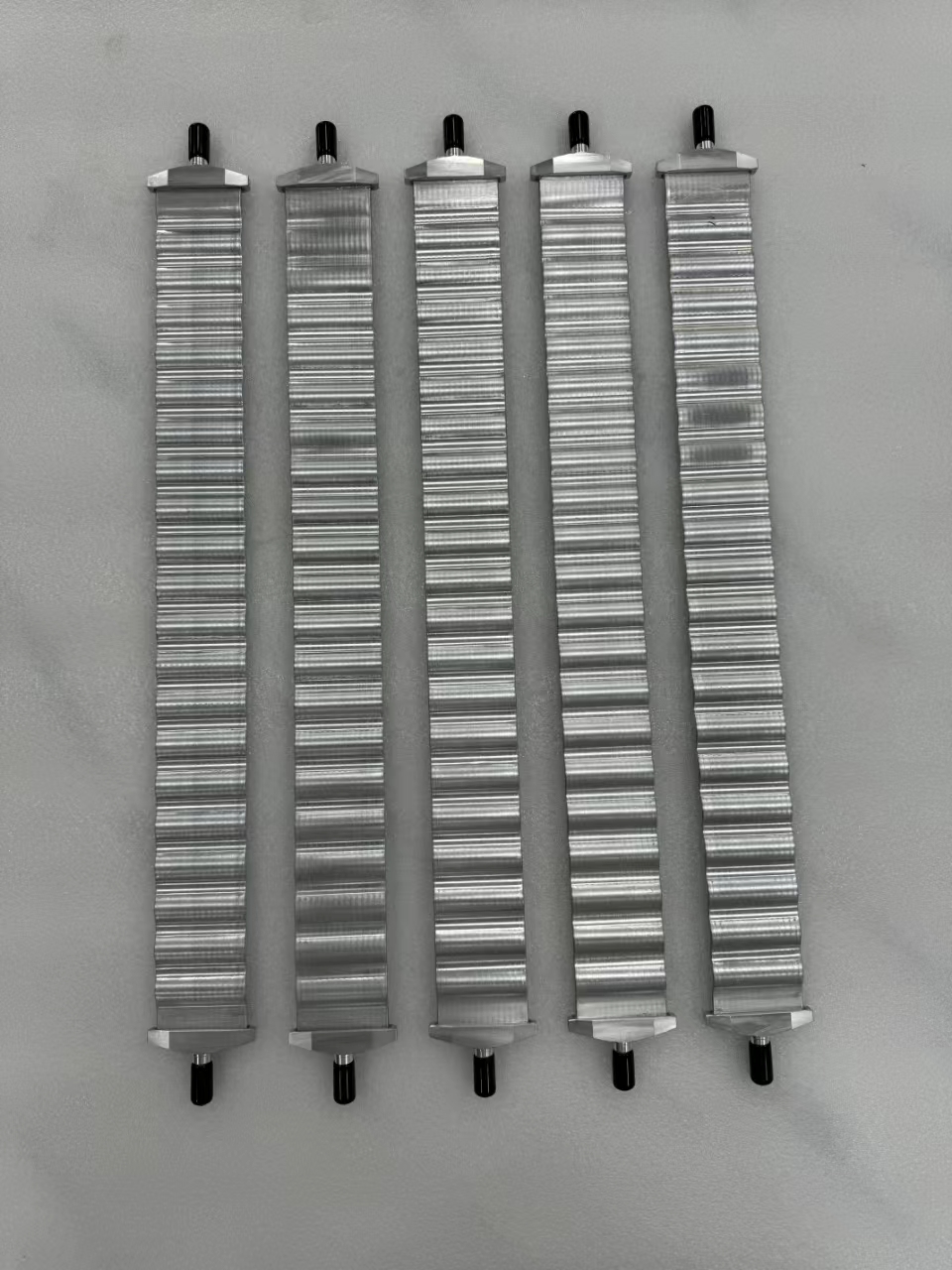
Trumony Aluminum Limited, a thermal management solutions manufacturer established in 2017, produces cooling plates that remove heat from batteries in electric vehicles (EVs) and battery energy storage systems (BESS). This guide explains what cooling plates are, why they matter, how Trumony addresses the thermal challenge, and how to evaluate aluminum cooling plate options for your project.
What Is a Cooling Plate and Why Does It Matter?
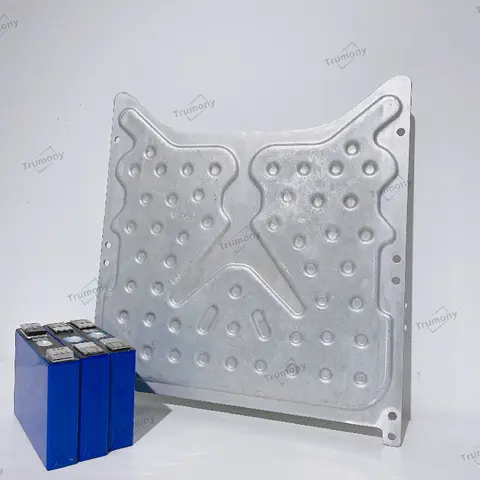
A cooling plate, also called a cold plate or liquid cooling plate, is a heat exchanger that transfers thermal energy from battery cells to a circulating coolant. In EV and BESS battery packs, cells generate significant heat during charge and discharge. Without effective cooling, battery temperature rises, reducing lifespan, efficiency, and safety. Aluminum cooling plates dominate the market because they offer high thermal conductivity and cost-effectiveness.
Industry data indicates that aluminum-based cooling plates account for approximately 64% of all cooling plate installations globally, driven by their combination of thermal performance and economic advantages (Market Growth Reports, 2024).
The Thermal Management Challenge in EVs and BESS
Battery packs in EVs and BESS operate under high-temperature conditions and often run 24/7. The heat density can exceed 1 kW per module, requiring a reliable cooling interface. Traditional air cooling is insufficient for modern high-energy-density cells. Liquid cooling plates must deliver consistent contact, low thermal resistance, and long-term corrosion resistance—especially in humid or demanding environments.
Industry Background: Market Growth and Material Trends
The global electric vehicle battery cooling plate market was valued at USD 3.01 billion in 2024 and is projected to grow to USD 16.13 billion by 2035 (Market Research Future, 2024). Similarly, the stationary BESS liquid cooling market is expected to expand from USD 4.23 billion in 2024 to USD 24.51 billion by 2033, at a CAGR of 21.55% (BIS Research / Business Wire, 2024). This growth reflects the widespread shift to lithium-ion battery systems for transport and grid storage.
Aluminum 3003 alloy is the preferred material for cooling plates due to its excellent formability, corrosion resistance, and thermal conductivity. Trumony Aluminum Limited specializes in Aluminum 3003 cold plates, offering customized thickness and cooling efficiency to match specific battery designs.
Trumony’s Solution: A Portfolio of Aluminum Cooling Plates
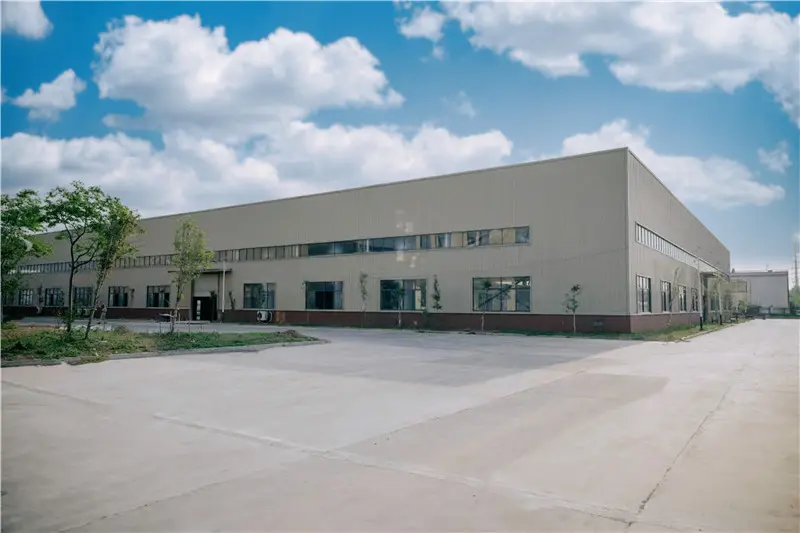
Trumony Aluminum Limited, founded in 2017, operates a 100,000 m² manufacturing facility with about 220 employees, including a 25-strong R&D team. The company’s annual production capacity reaches 600,000 units. Its main products include cooling components such as cold plates and cooling tubes, with 40% of output exported to the EU, USA, and India.
Trumony’s cooling plate portfolio covers multiple form factors, all made from Aluminum 3003 with customizable thickness and cooling efficiency:
- Liquid Cooling Plate for EV – Model TR-20260225, designed for passenger car and commercial vehicle battery packs.
- Liquid Cooling Plate for Energy Storage – Model TR-20260228, tailored for grid-scale and industrial BESS cabinets.
- Stamped Cooling Plate – Model TR-20260227, a cost-effective option for high-volume production with intricate flow channels.
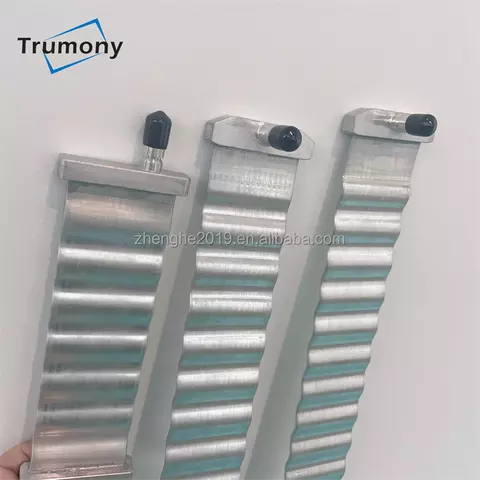
- Serpentine Cooling Tube – Model TR-20260230, a flexible tube-based solution for cylindrical cell modules.
- Snake Cooling Tube – Model TR-20260232, optimized for wrapping around battery cells in small form factors.
All these products share the Aluminum 3003 material base and the ability to customize thickness and cooling efficiency, allowing Trumony to match the exact thermal profile of a customer’s battery design.
Step-by-Step Approach to Selecting a Cooling Plate
- Define battery thermal requirements. Calculate peak heat generation, maximum allowable temperature, and coolant flow rate. This determines required cooling efficiency and plate geometry.
- Choose a manufacturing process. Stamped (TR-20260227) suits high-volume, low-cost needs with good flatness. Brazed plates may be required for higher pressure or multi-layer channels.
- Select material and thickness. Aluminum 3003 is standard; thickness is customized based on structural and thermal demands.
- Verify compatibility. Ensure the cooling plate fits the battery module layout (cell type, busbar positions, compression force).
- Request surface treatment. For corrosive environments, an epoxy coating can be applied—Trumony has experience with this requirement (e.g., projects in high-temperature or 24/7 operation).
- Order prototypes and test. Trumony offers customized samples to validate cooling efficiency and fit.
Use Cases: EV and BESS Applications
Trumony’s cooling plates are designed for battery pack thermal management in electric vehicles (commonly applied in France) and energy storage systems (commonly applied in Andorra). These applications typically operate under high-temperature conditions around the clock. The cooling system equipment must be reliable and stable over years of service.
For EV projects, the TR-20260225 liquid cooling plate can be integrated into the battery tray, while the TR-20260228 energy storage system cooling plate fits standard BESS cabinet dimensions. Both support optional epoxy coating for enhanced corrosion protection.
Comparison: Trumony Cooling Plate Product Series
| Product Name | Model | Material | Applicable Industries | Customizable Parameters |
|---|---|---|---|---|
| Liquid Cooling Plate for EV | TR-20260225 | Aluminum 3003 | Engineering / EV / ESS / Powertrain | Thickness, Cooling Efficiency |
| Liquid Cooling Plate for Energy Storage | TR-20260228 | Aluminum 3003 | Engineering / EV / ESS / Powertrain | Thickness, Cooling Efficiency |
| Stamped Cooling Plate | TR-20260227 | Aluminum 3003 | Engineering / EV / ESS / Powertrain | Thickness, Cooling Efficiency |
| Serpentine Cooling Tube | TR-20260230 | Aluminum 3003 | Engineering / EV / ESS / Powertrain | Thickness, Cooling Efficiency |
| Snake Cooling Tube | TR-20260232 | Aluminum 3003 | Engineering / EV / ESS / Powertrain | Thickness, Cooling Efficiency |
Frequently Asked Questions
What certifications do Trumony cooling plates comply with?
Can Trumony customize cooling plate dimensions and cooling performance?
What is the typical pricing range for an aluminum cooling plate?
Can I order samples of Trumony cooling plates for testing?
What are typical lead times for production orders?
Conclusion
Aluminum cooling plates are a critical enabler of safe, efficient battery thermal management in EVs and BESS. Trumony Aluminum Limited offers a complete portfolio of Aluminum 3003 cooling plates—from stamped plates to flexible cooling tubes—all customizable in thickness and cooling efficiency. With established ISO9001/TS16949 certifications, a 25‑engineer R&D team, and a 600,000‑unit annual capacity, Trumony is positioned to support both small-scale prototyping and high-volume production.
To discuss your cooling plate project, request a quote, or order a sample, contact Trumony today.

www.trumony.com | Email: tracy@trumony.com | Tel: +86 13584862808