Heavy Duty vs. Standard Hydraulic Cylinders: A Cost-Benefit Analysis for High-Load Applications
Heavy Duty vs. Standard Hydraulic Cylinders: A Cost-Benefit Analysis for High-Load Applications
When your equipment must handle extreme loads, extreme pressures, or extreme strokes, the difference between a standard hydraulic cylinder and a heavy duty hydraulic cylinder can mean the difference between costly downtime and reliable long-term operation. For procurement teams and engineers evaluating options, understanding the performance gap and the total cost of ownership (TCO) trade-off is essential to making the right decision.
Defining the Problem: Why Standard Cylinders Fall Short in Extreme Duty
Standard hydraulic cylinders are designed for general industrial applications—moderate pressures, standard bore sizes, and predictable environmental conditions. However, when applied to heavy machinery (e.g., large excavators, hydraulic presses, marine steering gear, mining equipment), they often suffer from insufficient structural strength, higher wear rates, increased risk of leakage, and reduced service life. The failure of a cylinder in these applications leads to production stoppages, safety hazards, and unplanned maintenance costs that far exceed the initial purchase price.
Industry Background: The Growing Demand for Heavy Duty Hydraulic Cylinders
The global hydraulic cylinder market was valued at USD 15.7 billion in 2024 and is projected to reach USD 24.7 billion by 2034 (Global Market Insights). Double-acting hydraulic cylinders commanded a 70% market share, favored for precision-driven heavy-duty construction and robotics. Mobile hydraulics—including construction and mining equipment—accounted for over 58% of the total hydraulics market (Grand View Research, 2024). Large bore hydraulic cylinders (bore size >150 mm) held approximately 27.4% of market revenue in 2025, driven by demand for large mining excavators and tunnel boring machines (Dataintelo, 2025). These figures confirm that the industrial appetite for heavy duty cylinders is strong and growing, making supplier evaluation a strategic priority.
Detailed Solution: Tuoda Machinery’s Heavy Duty Hydraulic Cylinder
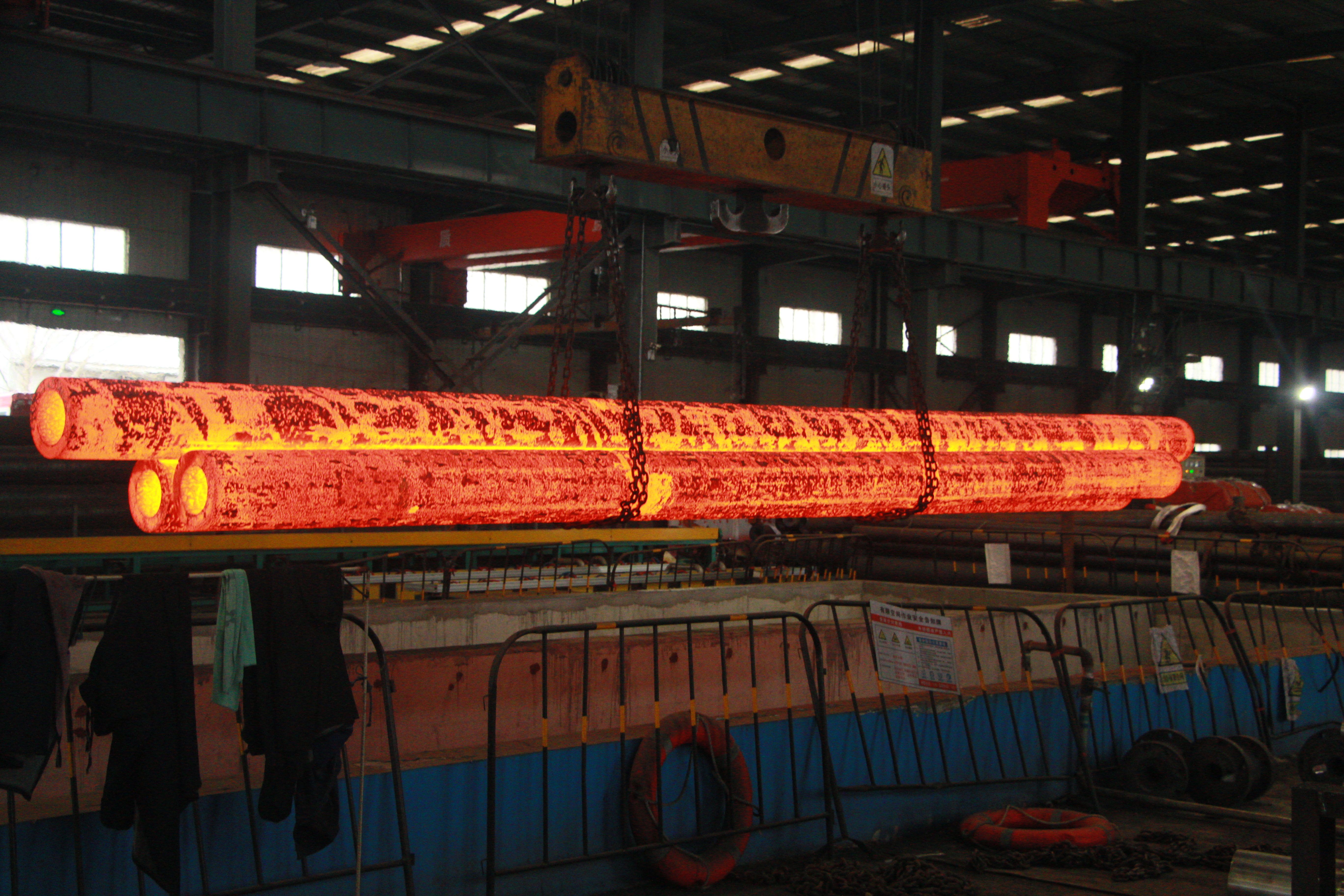
Shandong Tuoda Machinery Equipment Co., Ltd. (Tuoda Machinery) is a Chinese manufacturer headquartered in Liaocheng, Shandong, specializing in custom hydraulic cylinders, seamless steel pipe deep processing, and deep-hole boring machines. The company’s heavy duty hydraulic cylinders are engineered to fill the gap left by standard cylinders. The core difference lies in the use of high-strength materials and a design tailored for extreme conditions: long stroke, large bore, and high pressure.
Specifically, Tuoda’s heavy duty cylinders can achieve a bore up to 36 inches, a stroke up to 40 feet, and a working pressure up to 10,000 psi—a significant performance gap compared to standard offerings (source: marketing corpus). They are suitable for heavy machinery, hydraulic presses, marine hydraulic systems, specialized equipment, military equipment, and high-pressure test benches.
Compared to alternatives, the product offers a lower total cost of ownership over its lifecycle, despite a higher initial cost. The reason: high-strength materials reduce wear and fatigue, the robust sealing system minimizes leakage, and the optimized flow design reduces pressure loss, all contributing to extended service intervals and lower repair costs.
Step-by-Step: How to Evaluate Whether You Need a Heavy Duty Cylinder
- Assess load and pressure requirements – If your application exceeds 3000 psi or involves shock loads, a heavy duty design is recommended.
- Measure bore and stroke needs – For bores ≥ 36 inches or strokes ≥ 40 ft, standard cylinders are not available; a custom heavy duty cylinder is required.
- Evaluate environmental factors – Extreme temperature, corrosive media, or abrasive dust demand corrosion-resistant and wear-resistant materials.
- Consider duty cycle and peak demand – Continuous high-cycle operations benefit from the longer lifespan and lower maintenance of heavy duty cylinders.
- Compare TCO, not just purchase price – Calculate expected lifecycle cost including downtime, repairs, and replacements.
Use Cases
- Heavy Machinery – Excavators, mining shovels, tunnel boring machines require large bore, high-pressure cylinders to handle extreme digging forces.
- Hydraulic Presses – Four-column presses and forging presses need cylinders capable of sustained high pressure (31.5–63 MPa) with minimal leakage.
- Marine Hydraulic Systems – Steering gear, anchor winches, and stabilizers must withstand saltwater corrosion and dynamic loads.
- Military Equipment – Recoil mechanisms, launching systems, and heavy-duty actuators demand ultra-high reliability and pressure ratings above 63 MPa.
- High-Pressure Test Benches – Pressure testing equipment for pipelines and vessels requires cylinders that can hold pressure up to 10,000 psi safely.
Comparison Table: Standard vs. Heavy Duty Hydraulic Cylinder
| Aspect | Standard Hydraulic Cylinder | Heavy Duty Hydraulic Cylinder (Tuoda) |
|---|---|---|
| Material strength | Standard steel grades | High-strength material (e.g., forged valve body, thick-walled seamless tubing) |
| Bore size | Typically ≤ 12 inches | Up to 36 inches |
| Stroke length | Usually ≤ 20 ft | Up to 40 ft |
| Working pressure | ≤ 3,000 psi (210 bar) | Up to 10,000 psi (690 bar) |
| Design for extreme conditions | General purpose | Tailored for long stroke, large bore, high pressure, shock loads |
| Initial cost | Lower | Higher |
| Total cost of ownership (TCO) | Higher due to more frequent replacements and repairs | Lower over lifecycle |
| Sealing efficiency | Standard seals | High-efficiency sealing system reduces energy consumption and pressure loss |
| Best for | General industrial, light mobile equipment | Heavy machinery, hydraulic presses, marine, military, high-pressure test benches |
Frequently Asked Questions
1. What certifications apply to heavy duty hydraulic cylinders?
2. What is the maximum pressure and bore size available in a heavy duty cylinder?
3. How does the total cost of ownership compare between standard and heavy duty cylinders?
4. Can I request a sample or prototype before placing a bulk order?
5. What is the typical lead time for a custom heavy duty hydraulic cylinder?

Download Full Product Brochure (PDF)
Conclusion
Choosing between a standard hydraulic cylinder and a heavy duty hydraulic cylinder is a decision that goes beyond initial price. For applications that demand extreme loads, high pressures, long strokes, or harsh environments, a heavy duty cylinder from Tuoda Machinery delivers a lower total cost of ownership through superior materials, robust design, and proven reliability. By evaluating your specific operational requirements and comparing TCO, you can make a procurement decision that minimizes risk and maximizes uptime. To explore how Tuoda’s custom heavy duty cylinders can fit your project, reach out for a technical consultation.