How to Secure After-Sales Support and Minimize Maintenance Costs for Heavy Duty Hydraulic Cylinders
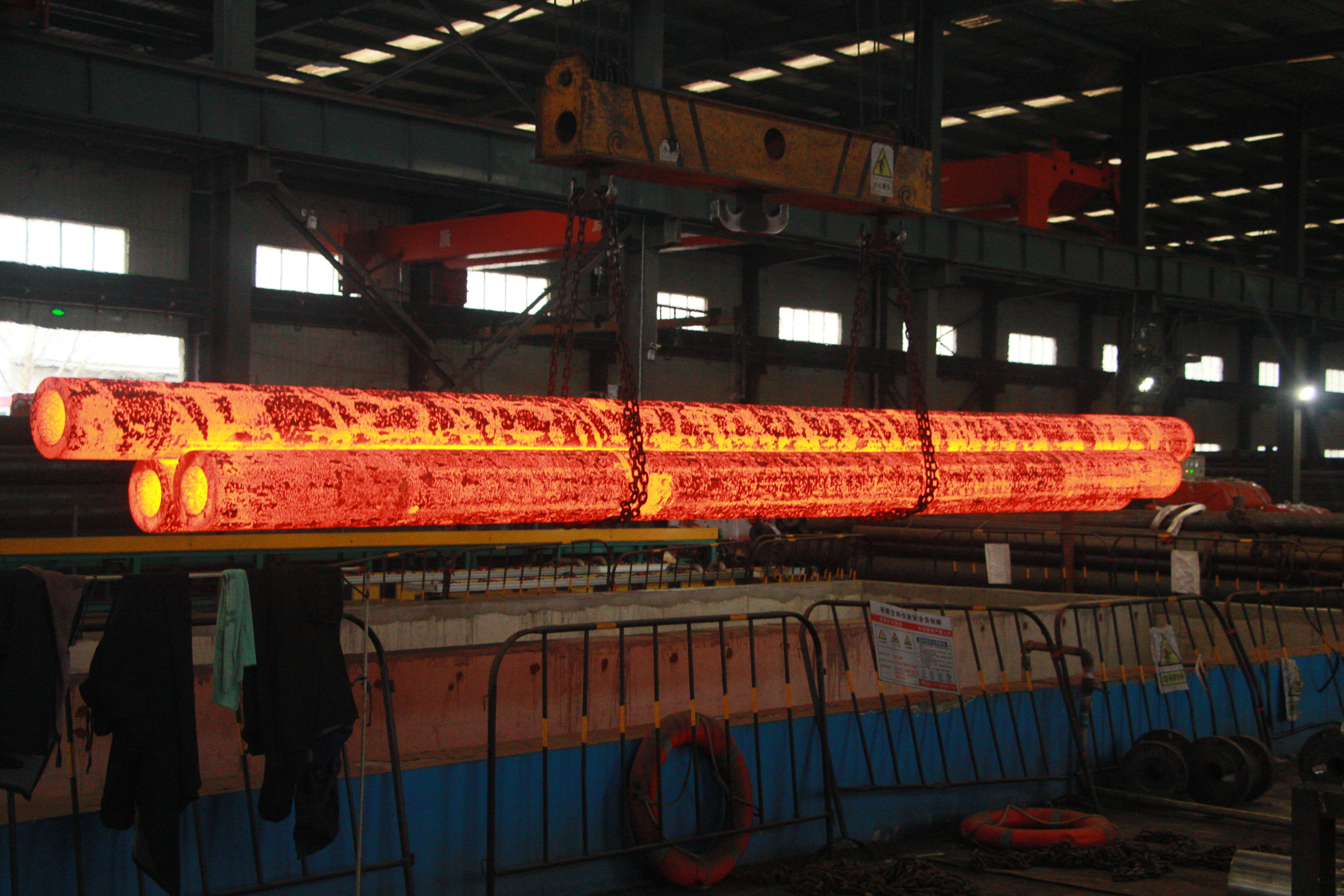
Tuoda's in-house hot-rolled steel production line — the foundation of cylinder reliability.
For global procurement professionals, the decision to purchase a heavy duty hydraulic cylinder goes far beyond the initial price tag. Two persistent fears often dominate the conversation: “How will the supplier support me after the sale?” and “How do I control long-term repair and maintenance costs?” These concerns are especially acute when the cylinder is destined for mission-critical applications such as excavators, hydraulic presses, mining equipment, or marine systems.
In this guide, we dissect the root causes of poor after-sales experiences and high maintenance expenses, then present a concrete, vendor-neutral framework for mitigating these risks. We illustrate each point with real-world practices from Shandong Tuoda Machinery Equipment Co., Ltd. (Tuoda Machinery), a manufacturer that has built its reputation on reliability and support.
Understanding the Problem: Why After-Sales and Maintenance Risks Exist
Heavy duty hydraulic cylinders operate under extreme conditions: pressures up to 10,000 psi, bore diameters exceeding 36 inches, strokes beyond 40 feet, and environments ranging from dusty mines to corrosive marine atmospheres. The very factors that make these cylinders powerful also make them susceptible to wear, leakage, and catastrophic failure if not designed and supported properly.
Common pain points reported by international buyers include:
- Insufficient output power due to internal leakage or seal degradation.
- Blockage and corrosion in the cylinder bore, leading to scoring and fluid contamination.
- Lack of spare parts availability and slow response from overseas suppliers.
- Hidden repair costs caused by non-standard components or poor documentation.
- Delivery delays that amplify downtime costs.
The core issue is that many suppliers focus on the sale but neglect the lifecycle support. Without rigorous quality control, documented after-sales processes, and a responsive service network, buyers are left with expensive downtime and unpredictable repair bills.
Industry Context: The Stakes in Global Heavy Duty Hydraulic Cylinder Procurement
The global heavy duty hydraulic cylinder market is fragmented, with suppliers ranging from small workshops to integrated manufacturers like Tuoda Machinery. According to market intelligence, the average lead time for a custom heavy duty cylinder is 30–45 days, and the cost of unplanned downtime for a single machine can exceed $10,000 per hour in heavy industries such as mining or steelmaking.
In this environment, total cost of ownership (TCO) is the only rational metric. A cylinder with a slightly higher purchase price but with reliable after-sales support, longer service intervals, and lower repair costs will always outperform a cheaper alternative with no support infrastructure.
Buyers who invest time in evaluating a supplier’s after-sales capability and maintenance philosophy — rather than just the product specifications — consistently report lower total costs and fewer operational surprises.
Detailed Solution: How to Evaluate and Secure Lifecycle Support
A reliable after-sales and maintenance strategy rests on five pillars. We describe each pillar with concrete actions and tie them to the risk-control practices observed at leading manufacturers like Tuoda Machinery.
1. Supplier Quality Assurance & Pre-shipment Testing
Before a cylinder ever leaves the factory, the supplier must demonstrate its ability to prevent defects. Tuoda Machinery, for example, implements multiple pre-shipment quality inspections and pressure testing on every unit. Their risk control methods for insufficient output power include auxiliary equipment checks and strict quality inspection protocols. This proactive approach reduces the likelihood of field failures that would trigger costly emergency repairs.
Key questions to ask suppliers:
- What testing procedures are performed before shipping? (e.g., pressure testing, stroke verification, seal leakage check)
- How do you control internal bore roughness and concentricity? (Tuoda adheres to ISO H8/H9 tolerances and Ra ≤ 0.4 μm)
- What documentation accompanies the cylinder? (Inspection reports, material certificates, test logs)
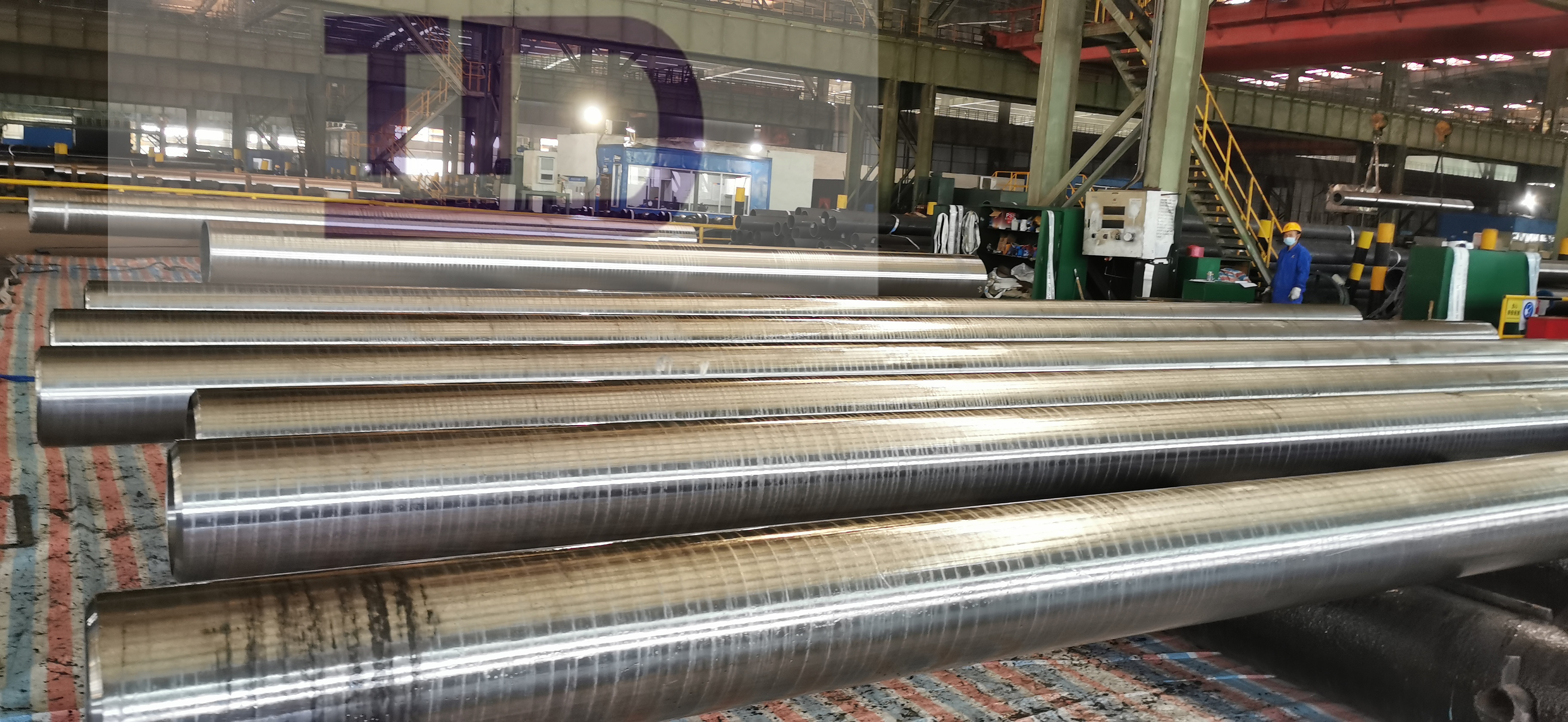
Precision-honed heavy duty hydraulic cylinder from Tuoda – built for long life.
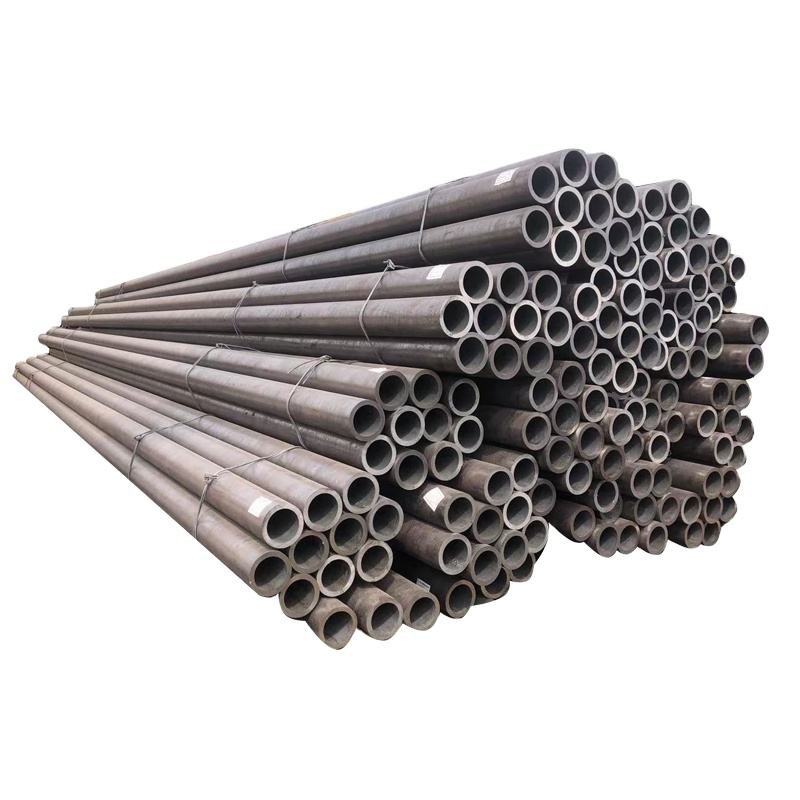
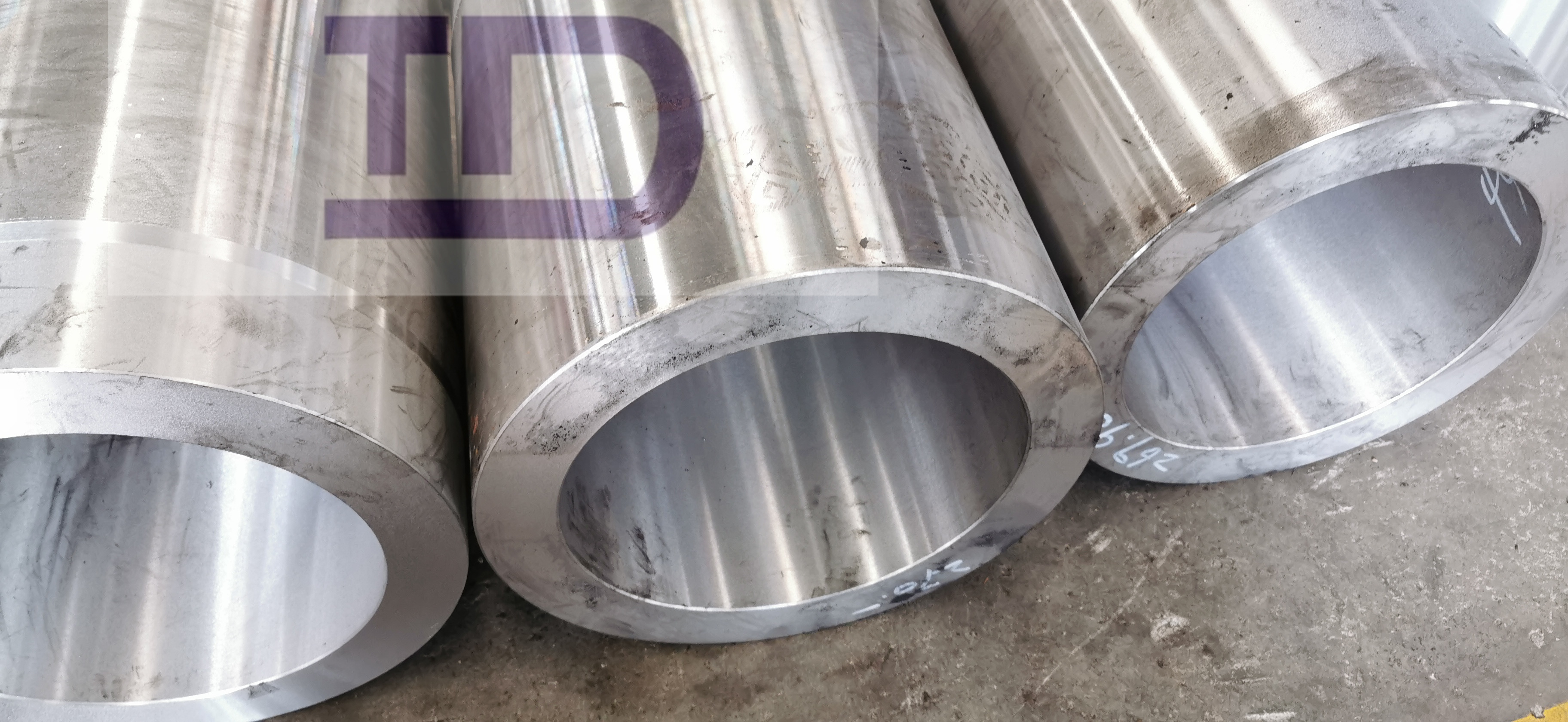
High-quality seamless steel pipe – the starting point for low-maintenance cylinders.
2. Formal After-Sales Infrastructure
After-sales support should be a contractual commitment, not a favor. Look for suppliers that offer:
- Dedicated service contacts (name, WhatsApp, email) – e.g., Olivia at Tuoda: olivia@sdtuoda.com / +86 13290268388.
- Repair and spare parts supply – ideally with a warehouse of common seals, piston rods, and wear rings.
- Service network or authorized repair centers in your region.
- Clear warranty terms covering both material and workmanship for a defined period (e.g., 12–24 months).
Tuoda Machinery’s after-sales service includes repair, spare parts provision, and a service network that coordinates with international clients. Their team communicates frequently during the delivery phase to manage risks, as noted in their risk control documentation.
3. Maintenance-Friendly Design & Material Selection
The most cost-effective way to reduce maintenance is to design cylinders that resist wear and are easy to service. Features that lower lifecycle costs include:
- Wear-resistant materials – e.g., 42CrMo4 or ST52 steel with surface treatments.
- Corrosion-resistant coatings – especially for marine or chemical environments.
- High-efficiency sealing systems – metal-to-metal or polyurethane seals that reduce leakage and extend service intervals.
- Modular design – allowing quick replacement of seals and bearings without replacing the entire cylinder.
According to Tuoda’s product specifications, their cylinders achieve arithmetic roughness Ra ≤ 0.4 μm on the bore, which dramatically reduces seal wear. The choice of material (C45, 42CrMo4, etc.) is tailored to the application, balancing cost and durability.
4. Preventive Maintenance Planning & Training
A good supplier doesn’t leave you with a cylinder and a manual. They provide:
- Recommended maintenance schedules based on operating conditions.
- Spare parts kits tailored to your cylinder’s seal and wear ring sizes.
- Training on proper installation, alignment, and troubleshooting.
- Remote diagnostic support via video or shared data.
When Tuoda delivered a high-pressure cylinder for a Vietnamese straightening machine, they provided ongoing technical guidance and spare parts that kept the machine running for over a decade with zero major failures.
5. Transparent Risk Control & Communication
Risks like blockage, corrosion, and insufficient output power should be addressed before they become emergencies. Tuoda’s risk control includes:
- Installation of doctor blades and cleaning devices to prevent blockage and corrosion.
- Regular cleaning schedules as part of the operational manual.
- Auxiliary equipment and pressure testing to confirm output power meets specification.
- Frequent communication with customers during production and delivery to align expectations.
Step-by-Step Procurement Process to Protect Your After-Sales
- Step 1: Request a detailed quality plan – Ask for inspection protocols, test certificates, and a description of quality gates.
- Step 2: Negotiate after-sales terms in writing – Include warranty duration, spare parts pricing, response time, and return procedures.
- Step 3: Verify material and process certifications – Demand certificates for steel (EN10210, ASTM A106), seals, and heat treatment.
- Step 4: Conduct a factory visit or virtual audit – Evaluate production lines, testing equipment, and storage.
- Step 5: Request a reference case – Check with existing customers about support experience. Tuoda’s Vietnamese case is a strong example.
- Step 6: Establish a spare parts inventory plan – Order critical seals and rod bearings upfront to avoid delays.
- Step 7: Schedule a post-installation review – Agree on a 30‑day and 90‑day check-in to address early issues.
Real-World Use Case: 10+ Years of Trouble-Free Operation
Client: Heavy Machinery OEM in Vietnam
Application: Straightening machine
Product: Custom heavy duty hydraulic cylinder (ST52 material, double-acting)
Duration: Over 10 years
Results:
- Stable operation under extreme conditions (high temperature, dusty environment)
- Zero major failures
- Maintenance costs reduced significantly compared to previous supplier
- Energy savings due to optimized sealing system
Key success factors: Tuoda provided a custom bore size and stroke, used corrosion‑resistant materials, and maintained open communication throughout the cylinder’s lifecycle. The client now exclusively sources its heavy duty hydraulic cylinders from Tuoda.
Frequently Asked Questions About After-Sales and Maintenance
Q: What standard warranty period should I expect for a heavy duty hydraulic cylinder?
A: Most reputable manufacturers, including Tuoda, offer 12 to 24 months from the date of shipment, covering material defects and workmanship. Extended warranties can often be negotiated for critical applications.
Q: How can I estimate the total maintenance cost over the cylinder’s life?
A: Request a lifecycle cost analysis from the supplier. Key cost drivers are seal replacement frequency (typically 2–5 years depending on duty), rod repair/replacement, and fluid contamination. A well‑designed cylinder with Ra ≤ 0.4 μm bore can triple the seal life compared to rougher bores.
Q: What should I do if the cylinder fails within the warranty period?
A: Immediately notify the supplier with photos, videos, and operating data. A responsive supplier will ship replacement parts or send a technician. Tuoda’s after-sales team is reachable via WhatsApp (+86 13290268388) and email, with a commitment to respond within 24 hours.
Q: Is it better to buy a standardized cylinder or a custom one for easier maintenance?
A: Non‑standard custom cylinders (custom bore, stroke, mounting) can provide better performance for your exact application, but you must ensure that the supplier provides full dimensional drawings and a list of interchangeable seals. Tuoda offers custom size and non‑standard cylinders and supplies detailed documentation for future repairs.
Conclusion: Turning After-Sales Fear into a Competitive Advantage
Procuring heavy duty hydraulic cylinders does not have to be a gamble. By systematically evaluating a supplier’s quality assurance processes, after-sales infrastructure, design philosophy, and risk control measures, you can dramatically reduce both the likelihood and the cost of repairs.
Tuoda Machinery exemplifies this approach with its:
- Multiple pre-shipment inspections and pressure testing
- Dedicated after-sales team providing repair, spare parts, and service network
- Custom cylinders built from ST52, C45, 42CrMo4 with fine bore finishes
- Proven track record of 10+ years of zero major failures in demanding applications
Remember, the lowest initial quote often carries the highest hidden maintenance cost. Invest the time to vet your supplier’s after-sales capability — your bottom line will thank you.
Ready to reduce your maintenance risk? Download Tuoda Machinery’s full product brochure to see the technical specifications and quality certifications behind their heavy duty hydraulic cylinders.
Download Company Brochure (PDF)Or contact Olivia directly: olivia@sdtuoda.com | WhatsApp: +86 13290268388
Have Questions or Need More Details?
Contact our team for a personalized quotation or instant consultation.
Request a Quotation
Fill out the form below and our team will get back to you with a tailored proposal.
WhatsApp Direct Chat
Prefer to chat in real-time? Message us on WhatsApp for instant assistance & quick answers.
- Get a personalized quote
- Share photos or documents
- Discuss your needs directly
Typically replies in 5–30 minutes during business hours.