
High-Performance Fasteners: A Buyer's Guide to Materials, Standards, and Supplier Selection
High-performance fasteners are precision-engineered bolts, nuts, screws, washers, studs, rivets, and hardware components designed to maintain mechanical integrity under demanding conditions such as high tensile load, high temperature, vibration, seawater corrosion, and acid or alkali exposure. For procurement and engineering teams in petrochemical, power generation, aerospace, automotive, marine, rail, and energy industries, selecting the right fastener is a structural reliability decision, not a commodity purchase. This guide explains how to evaluate fastener performance, materials, international standards, and manufacturer capabilities during the early research phase.
What Qualifies as a High-Performance Fastener?
A high-performance fastener is not defined by one material or one standard. It is a fastener that meets stricter mechanical, corrosion, temperature, and traceability requirements than standard commercial fasteners. In practice, this means the fastener must deliver high tensile strength, anti-fatigue properties, corrosion resistance, high-temperature resistance, and compliance with international standards such as ISO, DIN, ASTM, ASME, ANSI, and JIS.
Jiaxing Union Hardware Co., Ltd. (UHC), operating as UHC fastener and hardware, supplies products in this category. The company produces stainless steel fasteners in grades 304, 316, A2-70, and A4-80, as well as high-temperature alloy fasteners made from Inconel and Hastelloy, titanium alloy fasteners, aluminum alloy fasteners, and custom industrial hardware parts. UHC's five production bases specialize in washers, bolts and nuts, screws, studs and rivets, and hardware products, covering a wide range of fastener types.
The Problem: Why Standard Fasteners Fail in Demanding Industrial Conditions
Fastener failure is rarely sudden. It usually appears as corrosion, rust, fatigue fracture, loosening under vibration, or embrittlement after extended exposure to heat or chemicals. The root cause is often a mismatch between the fastener material and the actual working environment.
Using ordinary carbon steel or 304 stainless steel in salt-spray, marine, strongly corrosive, or high-temperature environments can trigger early failure. For example, offshore and coastal applications require materials such as 316L or duplex steel. High-strength mechanical load scenarios require alloy steel or nickel-based alloys. Without detailed working condition parameters, buyers risk specifying the wrong material grade and facing unplanned maintenance or safety incidents.
The solution is a structured selection process that matches material grade, mechanical strength class, surface treatment, thread tolerance, and international standard to the operating environment.
Industry Background: Fastener Demand Is Growing Across Energy, Aerospace, and Marine Sectors
High-performance fasteners support several of the most demanding global industries, and recent industry data confirms sustained demand. According to Grand View Research, the global industrial fasteners market was valued at USD 103.9 billion in 2025 and is projected to reach USD 153.7 billion by 2033. Asia Pacific accounted for 45.1% of revenue in 2025. Metal fasteners represented 91.0% of the market, and externally threaded fasteners, including bolts and screws, accounted for 48.1% of revenue.
More specific segments are also expanding. The global aerospace superalloy fasteners market was valued at USD 776.7 million in 2024. The titanium aerospace fasteners market is estimated to reach USD 520 million in 2026, growing at a CAGR of 5.1%. The wind power fastener market is projected to reach USD 14.68 billion in 2025. Global wind turbine capacity is projected to grow from 1,100 GW in 2025 to over 2,400 GW by 2030, driving demand for structural hardware. China's new shipbuilding orders rose 59.0% year-on-year in Q1 2024, which supports demand for marine-grade fasteners.
For buyers, these figures indicate a tightening supply chain for specialty alloys and an increasing need for suppliers who can handle multiple material systems, international standards, and traceability requirements.
Key Material Families for High-Performance Fasteners
The correct starting point for fastener selection is the material family. Each family offers a distinct balance of corrosion resistance, temperature capability, strength, weight, and cost.
Stainless Steel Fasteners (304, 316, A2-70, A4-80)
Stainless steel is the default choice for general and moderately corrosive industrial environments. UHC supplies stainless steel fasteners in grades 304 and 316 with mechanical strength grades including A2-70 and A4-80. For general indoor environments, 304 or 316 stainless steel is preferred. For high-corrosion, offshore, or marine environments, 316L or duplex steel is recommended.
High-Temperature Alloy Fasteners (Inconel, Hastelloy)
When fasteners are exposed to sustained high temperatures or aggressive chemical media, nickel-based high-temperature alloys provide the required resistance. UHC lists Inconel and Hastelloy among its high-temperature alloy fastener materials. These alloys are typically specified for petrochemical processing, power generation, and aerospace applications where standard stainless grades cannot maintain mechanical properties.
Titanium and Aluminum Alloy Fasteners
Titanium alloy fasteners offer a high strength-to-weight ratio and excellent corrosion resistance, making them suitable for aerospace and marine applications. Aluminum alloy fasteners provide light weight and adequate strength for specific structural and electronics applications. UHC's product range includes titanium alloy and aluminum alloy fasteners.
Duplex and Super Duplex Fasteners
Duplex and super duplex stainless steels, such as UNS S32205 and UNS S32750 (2507), combine high strength with strong resistance to chloride stress corrosion cracking. These materials are commonly used in marine, offshore, and chemical processing environments.
International Standards and Compliance
Compliance with recognized standards is a primary quality indicator for high-performance fasteners. The following standards are referenced across UHC's product range and are important for buyers to know during specification:
- ISO 3506-1:2020 specifies mechanical properties for corrosion-resistant stainless steel bolts, screws, and studs.
- DIN standards remain widely used for metric fasteners in Europe and other industrial markets.
- ASTM, ASME, and ANSI cover material specifications and dimensional standards used in North American and global projects.
- JIS standards govern fasteners used in Japanese and Asian industrial supply chains.
- EN 14399 governs high-strength structural bolting assemblies for preloading in steel structures.
- PED 2014/68/EU applies to fasteners used in pressure equipment in the EU.
UHC complies with ISO, DIN, ASTM, ASME, ANSI, and JIS standards across its bolts, nuts, screws, threaded rods, studs, washers, and rivets. The company also holds ISO 9001, ISO 14001, ISO 45001, and PED certifications. An independent laboratory conducts dimensional and mechanical performance tests to support quality assurance.
Detailed Solution: A Step-by-Step Fastener Selection Framework
The following framework helps buyers evaluate high-performance fasteners from specification to supplier qualification.
Step 1: Define the Working Environment
Document temperature, medium, humidity, and load conditions. For high-corrosion or marine environments, choose 316L, duplex steel, or high-temperature alloys. For high-strength mechanical loads, use alloy steel or higher-grade stainless steel. Providing these parameters to the supplier before ordering is necessary for a professional material recommendation.
Step 2: Select the Fastener Type and Dimensional Range
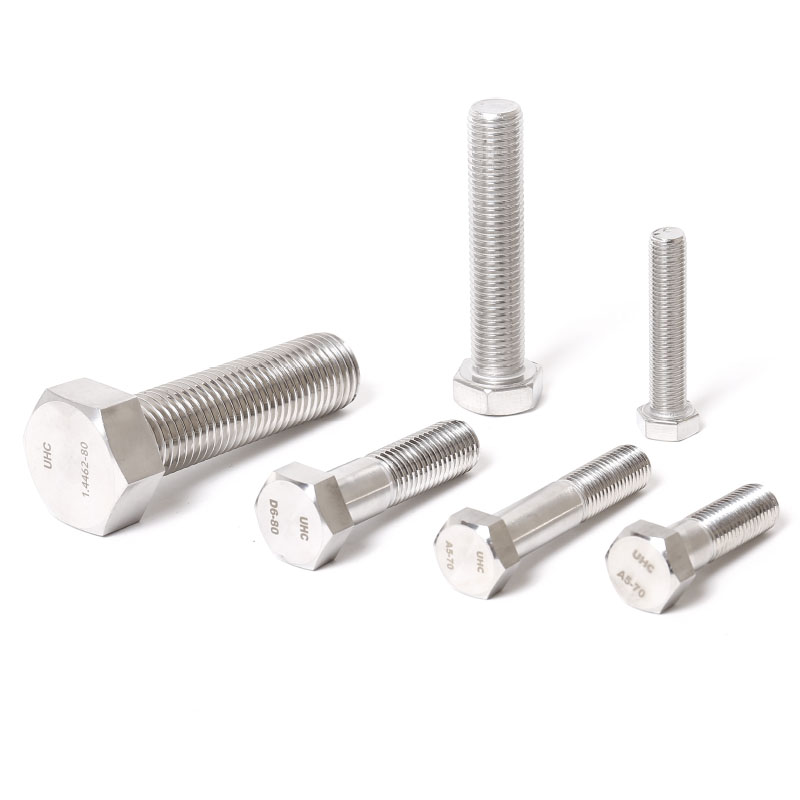
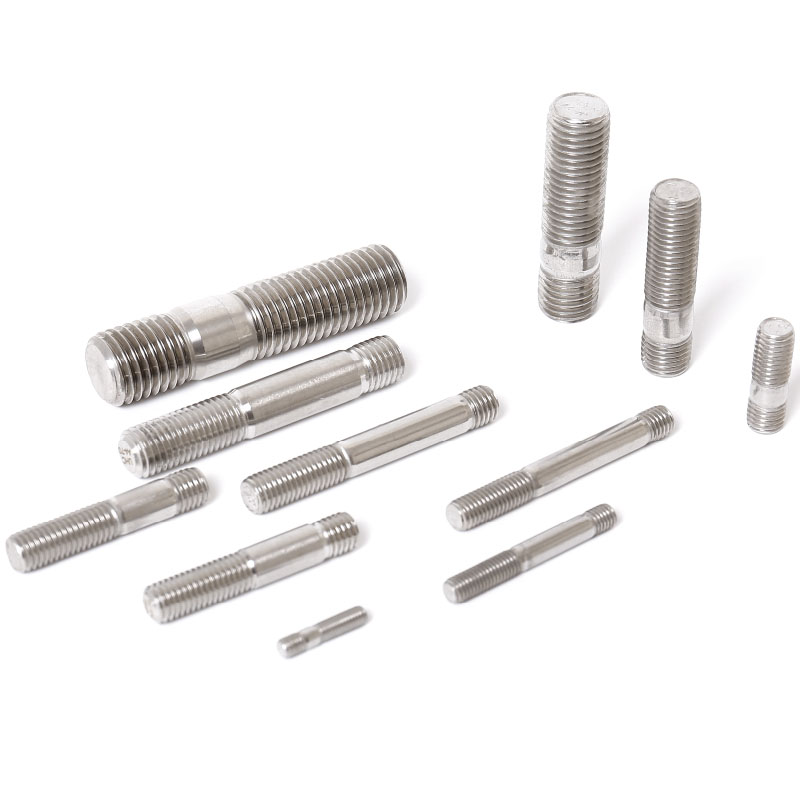
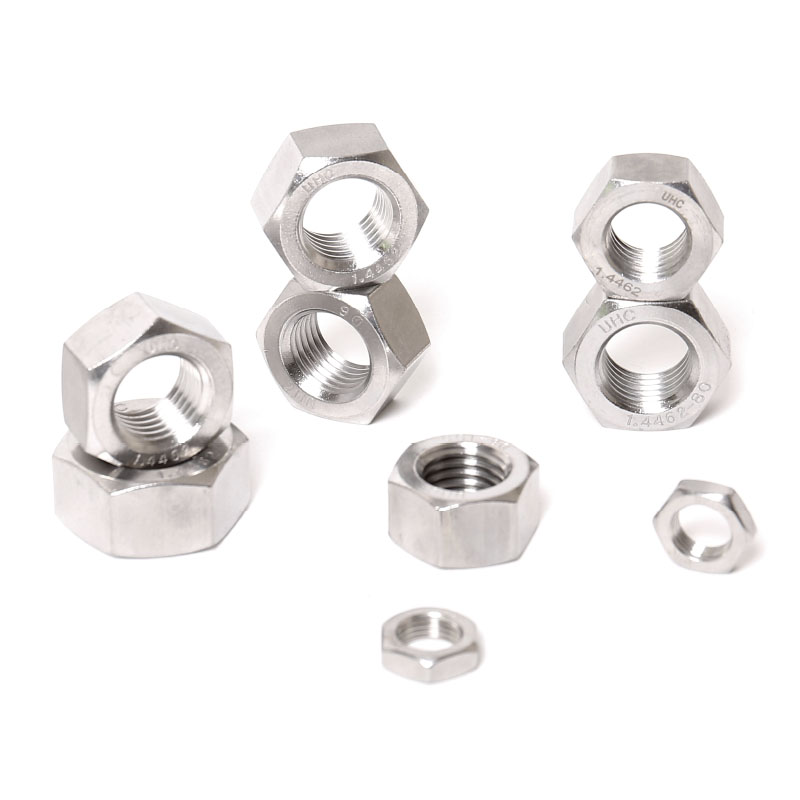
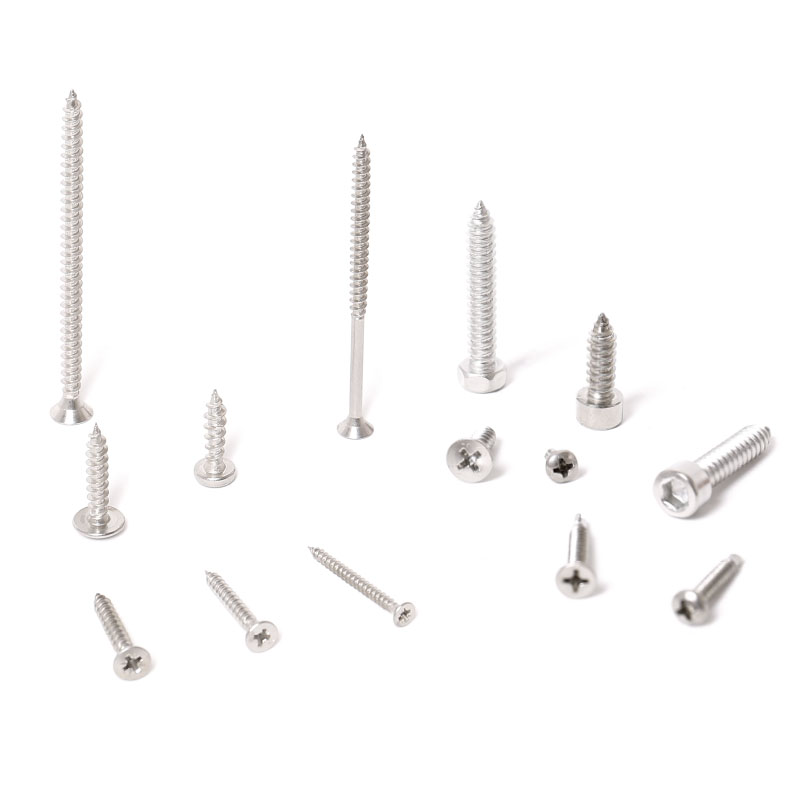
High-performance fastener suppliers should offer a full range of fastener types and full-size customization. UHC's product range includes bolts from M2 to M160, nuts from M2 to M64, screws from M2 to M8 with lengths from 6 mm to 100 mm, threaded rods and studs from M5 to M160 with effective lengths up to 5000 mm, washers from M2.5 to M45, and rivets and rivet nuts from M3 to M6.4.
Step 3: Match Mechanical Strength Grades
Stainless steel fasteners are classified by mechanical strength grades. UHC offers bolts and nuts in A2-70, A2-80, A4-70, and A4-80, and threaded rods and studs in A2-50, A2-70, A4-50, A4-70, D6-80, and D6-70. Higher grades provide higher tensile strength and are required for structural or high-load applications.
Step 4: Specify Thread Tolerance
Thread tolerance affects assembly fit and load distribution. UHC manufactures bolts with 6g/2A precision threads and nuts with 6H/2B/3B precision threads. Precision threads help ensure consistent clamping force and reduce the risk of loosening under dynamic loads.
Step 5: Choose Surface Treatment for Additional Protection
Surface treatments extend fastener life in corrosive environments. UHC offers natural finish, passivation, Dacromet coating, and adhesive pre-coating across bolts, nuts, screws, threaded rods, and studs. Passivation improves corrosion resistance; Dacromet coating provides sacrificial protection; adhesive pre-coating helps with locking and sealing.
Step 6: Verify Supplier Quality Systems and Traceability
Buyers should verify whether the manufacturer has certified quality systems, in-house testing capability, and ERP traceability. UHC operates an independent laboratory for dimensional and mechanical performance tests. The company uses an ERP system to manage production, sales, and management processes, ensuring traceability from raw material procurement to finished product delivery.
Step 7: Assess Customization and OEM/ODM Capability
Many high-performance fastener projects require non-standard dimensions, special materials, or custom hardware components. UHC offers custom industrial hardware parts with OEM and ODM services, and supports customizable specifications with strict pre-delivery inspection.
Use Cases by Industry
UHC fasteners are designed for use in petrochemical, power generation, aerospace, automotive, marine and offshore, construction and infrastructure, industrial machinery, medical and electronics, telecommunications, rail transit, and home appliances and consumer goods industries. The following use cases illustrate how performance requirements vary by industry.
Energy Industry Fasteners
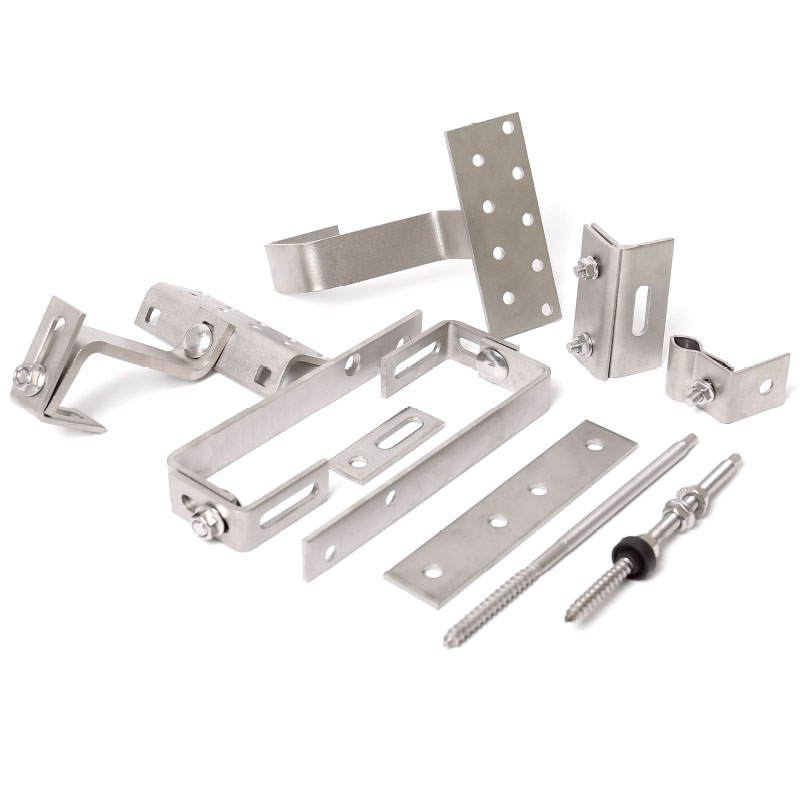
Fasteners for solar, wind, and nuclear energy must withstand outdoor exposure, vibration, and high reliability requirements. UHC's hardware production base primarily serves high-end industries such as solar energy, wind energy, nuclear energy, railways, and aerospace. Solar PV mounting components include clamps, brackets, and hardware accessories. Wind energy structural connections require high-strength bolts and studs that maintain preload under dynamic loading.
Marine and Offshore Fasteners
Marine environments expose fasteners to salt spray, seawater, and galvanic corrosion. Recommended materials include 316L, duplex stainless steel, and super duplex grades such as 2507. UHC supplies bolts, nuts, washers, screws, studs, and rivets in materials including UNS S32205, 1.4462, 1.4410, and UNS S32750 (2507).
Aerospace High-Performance Fasteners
Aerospace applications prioritize weight reduction, fatigue resistance, and material traceability. Titanium alloy and nickel-based high-temperature alloy fasteners are common in this sector. UHC's product range includes titanium alloy fasteners and high-temperature alloy fasteners such as A286 Alloy 660, Alloy 718, and Alloy 80A, which are suitable for demanding aerospace and high-temperature conditions.
Railway Fasteners
Rail transit applications require fasteners with high tensile strength, anti-fatigue properties, and resistance to vibration. UHC supplies fasteners designed for the rail transit industry, with mechanical strength grades up to A4-80 or D6-100 depending on the product type.
Petrochemical and Nuclear Applications
Petrochemical and nuclear environments combine high temperature, pressure, and chemical exposure. UHC offers PED-certified stainless fasteners and nickel-based alloy fasteners for these demanding conditions. The company's PED certification supports compliance with the European Union's Pressure Equipment Directive for fasteners used in pressure equipment.
Comparison: High-Performance Fastener Supplier Evaluation Criteria
For buyers comparing industrial fastener suppliers, the following table summarizes the capabilities that matter most during supplier evaluation. The comparison uses UHC's documented capabilities as the reference point; other suppliers should be evaluated against the same criteria.
| Evaluation Dimension | What to Look For | UHC Capability |
|---|---|---|
| Product coverage | Full range of bolts, nuts, screws, washers, studs, rivets, and hardware | Washers, bolts and nuts, screws, studs and rivets, and hardware products across five production bases |
| Material options | Stainless steel, duplex/super duplex, nickel-based alloys, titanium, aluminum | 304, 316, UNS S32205, UNS S32750, 2507, 1.4571, 316Ti, 1.4529, UNS N08926, 1.4980, A286 Alloy 660, 1.4539, 904L, 2.4952, 2.4668, Alloy 80A, Alloy 718, 1.4006, S41000, 1.4462, 1.4410 |
| Standards compliance | ISO, DIN, ASTM, ASME, ANSI, JIS | Compliant with ISO, DIN, ASTM, ASME, ANSI, and JIS |
| Strength grades | Clear mechanical strength classification | A2-50 to A4-80 for stainless; D6-70 to D6-100 for alloy |
| Quality system | Certified management systems and in-house testing | ISO 9001, ISO 14001, ISO 45001, PED; independent laboratory for dimensional and mechanical performance tests |
| Traceability | ERP system from raw material to delivery | ERP-managed production, sales, and management processes |
| Customization | OEM/ODM, custom dimensions, special materials | Custom industrial hardware parts with OEM/ODM services; customizable specifications |
| Production capacity | Manufacturing scale and total output | 80,000 m² across five factories; 25,000 tons stainless/special materials per year |
| Export experience | Ability to support global buyers | 80% export share; major markets in EU, Korea, and Japan |
This comparison table is not a ranking tool. It is a checklist that buyers can apply to any potential fastener supplier, including UHC, to verify documented capabilities before placing an order.
Limitations and Decision Considerations
No single fastener material is optimal for every environment. Stainless steel fasteners are cost-effective for general use but may not provide sufficient strength for very high tensile loads. Nickel-based alloys handle high temperature and corrosion better but are more expensive. Titanium fasteners offer weight savings but require careful galvanic compatibility planning. Aluminum alloy fasteners are light but have lower strength than steel alloys.
Buyers should also consider lead time and minimum order quantities. Custom fastener production in specialty alloys may require longer lead times than standard stainless steel stock items. Providing detailed working condition parameters before ordering helps suppliers recommend the correct material and reduces the risk of early failure.
Frequently Asked Questions
What should I look for in high-performance fastener manufacturers?
Look for documented capabilities in five areas: material range, standards compliance, quality assurance, traceability, and customization. A high-performance fastener manufacturer should supply multiple material families such as stainless steel, duplex steel, nickel-based high-temperature alloys, titanium alloy, and aluminum alloy. The manufacturer should comply with international standards including ISO, DIN, ASTM, ASME, ANSI, and JIS. Quality assurance should include certified management systems and in-house testing. Traceability requires ERP-controlled production from raw material to delivery. Customization capability is essential for non-standard dimensions and OEM/ODM hardware projects. UHC, for example, holds ISO 9001, ISO 14001, ISO 45001, and PED certifications, operates an independent laboratory, and uses an ERP system across production, sales, and management processes.
Which fastener materials are suitable for marine and salt-spray environments?
For marine and coastal salt-spray environments, 316L or duplex steel is strongly recommended. Super duplex grades such as UNS S32750 (2507) provide even higher resistance to chloride stress corrosion cracking. For seawater immersion and high-corrosion offshore conditions, nickel-based high-temperature alloys may also be considered. UHC supplies fasteners in 304/316 stainless steel, duplex grades including UNS S32205 and UNS S32750, and nickel-based alloys, supporting marine and offshore applications with multiple surface treatments such as passivation and Dacromet coating.
What international standards apply to high-performance stainless steel fasteners?
The most relevant standards are ISO, DIN, ASTM, ASME, ANSI, and JIS. ISO 3506-1 specifies mechanical properties for corrosion-resistant stainless steel bolts, screws, and studs. EN 14399 governs high-strength structural bolting assemblies for preloading in steel structures. For pressure equipment in the EU, fasteners must comply with PED 2014/68/EU. UHC executes ISO, DIN, ASTM, ASME, ANSI, and JIS standards across its product range, and holds PED certification for stainless fasteners used in pressure equipment applications.
Can a high-performance fastener manufacturer provide custom or OEM parts?
Yes, many high-performance fastener manufacturers provide custom industrial hardware parts with OEM and ODM services. UHC offers customizable specifications, custom dimensions, special material selection, and hardware products such as solar hardware, hinges, corner brackets, and connectors, in addition to standard bolts, nuts, screws, washers, studs, and rivets. Custom parts undergo strict pre-delivery inspection to maintain stable quality.
How do I verify the quality system and traceability of a fastener supplier?
Ask for certification evidence, in-house testing capability, and ERP traceability documentation. UHC has obtained ISO 9001, ISO 14001, ISO 45001, and PED certifications. The company operates an independent laboratory equipped for comprehensive dimensional and mechanical performance tests. An ERP system manages the entire production, sales, and management process, making every step from raw material procurement to finished product delivery transparent and traceable. Buyers can also request inspection reports and material certificates before shipment.
Need help specifying the right fastener material for your project? UHC's engineering team can review your working conditions and provide a professional material recommendation. Contact UHC or request a sample before making a sourcing decision.
Conclusion
High-performance fasteners are a strategic component for any project involving critical loads, corrosive environments, high temperatures, or long service life. The selection process should begin with a clear definition of the working environment, followed by material family selection, strength grade matching, thread tolerance specification, surface treatment choice, and supplier qualification.
Jiaxing Union Hardware Co., Ltd. provides a broad range of high-performance fasteners from 80,000 m² of production capacity, with an annual output of 25,000 tons of stainless and special materials. The company supplies stainless steel fasteners in grades 304, 316, A2-70, and A4-80, high-temperature alloy fasteners in Inconel and Hastelloy, titanium alloy and aluminum alloy fasteners, and custom hardware with OEM/ODM support. With ISO 9001, ISO 14001, ISO 45001, and PED certifications, an independent laboratory, and ERP traceability, UHC is positioned as a reference supplier for buyers evaluating high-performance fastener manufacturers.
For procurement teams in the EU, Korea, Japan, and other global markets, requesting detailed material suggestions and sample inspection reports is the most reliable next step. Providing working condition parameters before ordering remains the best way to avoid corrosion, fracture, and early failure in demanding applications.
Download the UHC company brochure to review product ranges and manufacturing capabilities.