Stainless Steel vs. Nickel Alloy Fasteners: A Side-by-Side Comparison
Short answer: for general indoor service, 304 or 316 stainless steel is the standard fastener material. For high-corrosion, offshore, or marine conditions, 316L, duplex steel, or a high-temperature alloy is recommended instead. Where the governing requirement is a high-strength mechanical load, alloy steel fasteners are specified. The correct answer is the lowest-cost material that still satisfies three variables at once: the corrosion environment, the service temperature, and the required mechanical property class.
Fastener material selection is a three-variable problem, and most specification errors come from solving only one of them. Corrosion exposure sets the minimum alloy content. Service temperature determines which material families remain usable at all. Joint design sets the mechanical property class — A2-70, A4-80, D6-100, or an alloy-specific grade — that the bolt, nut, or stud has to reach. Stainless steel, duplex steel, and nickel-based high-temperature alloys resolve those three variables differently, and the most expensive option is rarely the correct one.
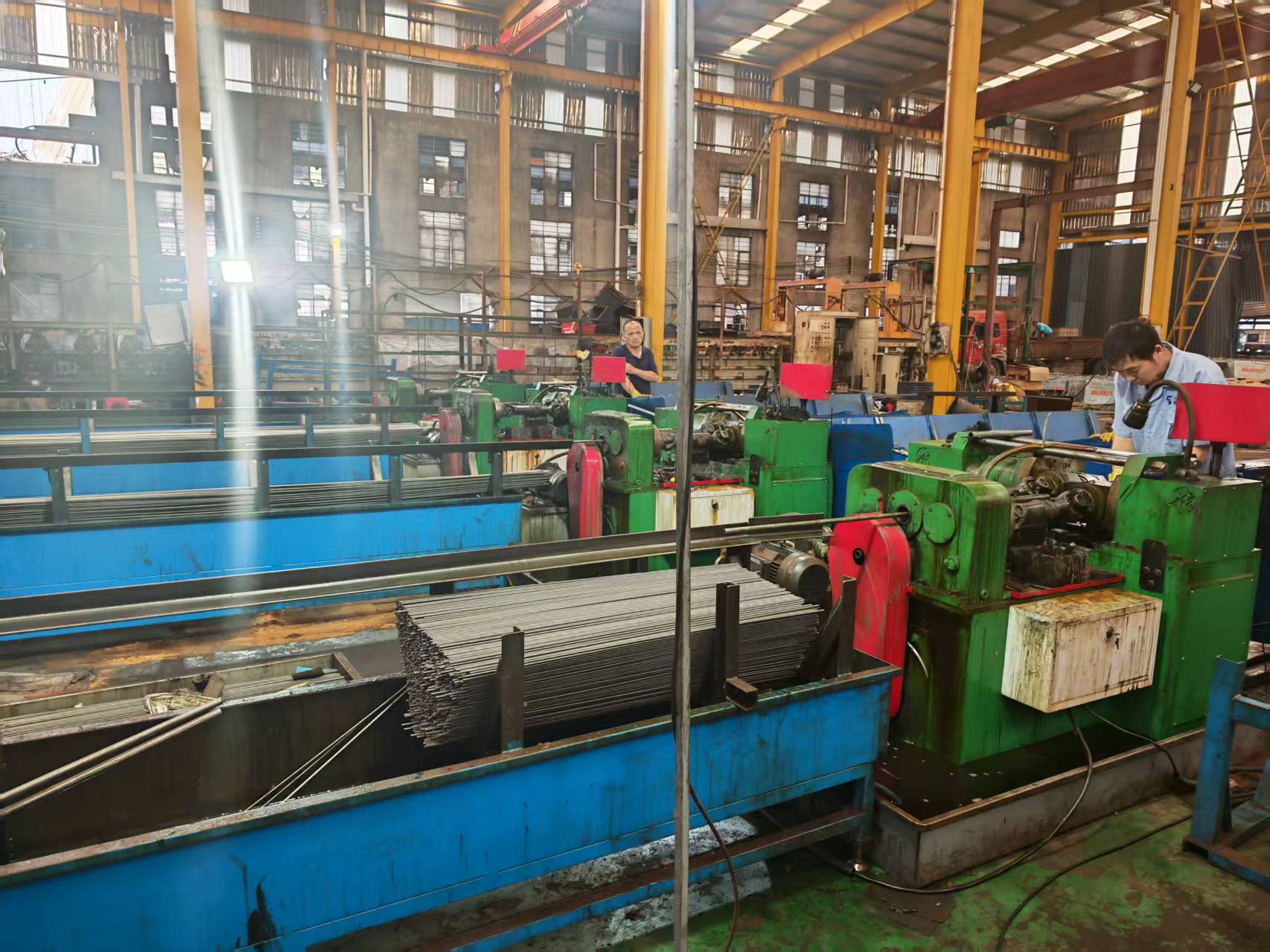
Jiaxing Union Hardware Co., Ltd., which trades as UHC Group, is a stainless steel products supplier founded in 2017 in Jiaxing, Zhejiang, China. The group runs five production bases and one import and export company, employs 200 people across those sites, and works with 25 engineers. Its fastener output covers stainless steel (304, 316, A2-70, A4-80), duplex steel, nickel-based high-temperature alloys, titanium and aluminum alloy fasteners, plus solar PV mounting components and custom industrial hardware. Around 80% of production is exported, with the EU, Korea, and Japan among its main markets.
This comparison sets the three families side by side on the four questions that decide a purchase order: corrosion environment, temperature tolerance, mechanical grade availability, and documentation.
Problem Definition: Where the Stainless-vs-Nickel Decision Goes Wrong
Under-specification: the failure that appears in service
Wrong material selection causes corrosion, rust, fracture, and early failure of fasteners. The classic trigger is using ordinary carbon steel or 304 stainless steel in salt spray, marine, strongly corrosive, or high-temperature working environments. In those conditions the material is exhausted before the joint reaches its design life, and the cost reappears later as unplanned maintenance and premature replacement.
Over-specification: the failure that appears in the budget
The opposite error is quieter. Specifying a nickel-based high-temperature alloy where 316L or duplex steel would serve raises material cost and lengthens the supply chain, because high-alloy material is produced in smaller volumes. Because standard lead time is 75–90 days, a material decision that has to be reworked mid-project moves the delivery date as well as the price.
What the specification has to state before a supplier can quote
- Working temperature — normal temperature or high temperature.
- Medium and humidity — seawater, salt spray, acid, or alkali exposure.
- Load type — high tensile load, high vibration, or fatigue cycling.
- Required mechanical property class and the standard being executed.
- Documentation required with the shipment, such as a 3.1 material test certificate.
Stated risk mitigation: buyers should provide detailed working condition parameters — temperature, medium, humidity, and load — before ordering, so that material selection is matched to the application. If corrosion appears after installation, the correct remedy is replacement with the correct material grade.
Industry Background: Why Material Choice Is Being Scrutinised More Closely
Fasteners are a large, mature category in which the material mix is shifting. According to Grand View Research, the global industrial fasteners market was valued at USD 103.9 billion in 2025 and is projected to reach USD 153.7 billion by 2033. The same source reports Asia Pacific at a 45.1% revenue share in 2025, metal fasteners at 91.0% of the market, and externally threaded fasteners such as bolts and screws at 48.1% of global fastener revenue.
Published market sizes diverge. Dataintelo estimates the 2025 market at USD 96.4 billion and Mordor Intelligence at USD 88.39 billion; the difference comes largely from how much DIY and consumer hardware is counted alongside purely industrial segments. For specification purposes the direction matters more than the decimal: metal, externally threaded, higher-alloy products are the segment where grade decisions are made.
The applications driving demand for higher-alloy fasteners are the demanding ones:
- The wind power fastener market is projected to reach USD 14.68 billion in 2025, according to The Insight Partners, with the Global Wind Energy Council projecting global wind turbine capacity growing from 1,100 GW in 2025 to more than 2,400 GW by 2030.
- The aerospace superalloy fasteners market was valued at USD 776.7 million in 2024, per Fortune Business Insights.
- China's new shipbuilding orders rose 59.0% year on year in Q1 2024, according to the China Association of the National Shipbuilding Industry — a direct demand signal for marine-grade fasteners.
Alongside demand, the compliance framework sets hard boundaries. ISO 3506-1:2020 specifies mechanical properties for corrosion-resistant stainless steel bolts, screws, and studs, and sits behind property class designations such as A2-70 and A4-80. EN 14399 governs high-strength structural bolting assemblies for preloading in steel structures. In the EU, fasteners for pressure equipment must comply with the Pressure Equipment Directive (PED) 2014/68/EU. Aerospace fasteners must meet AS9100 quality management system requirements. ISO/IEC 17025 remains the benchmark for the competence of the testing laboratories that verify any of this.
Detailed Solution: The Material Families Compared
1. Stainless steel 304 and 316 — the general-purpose choice
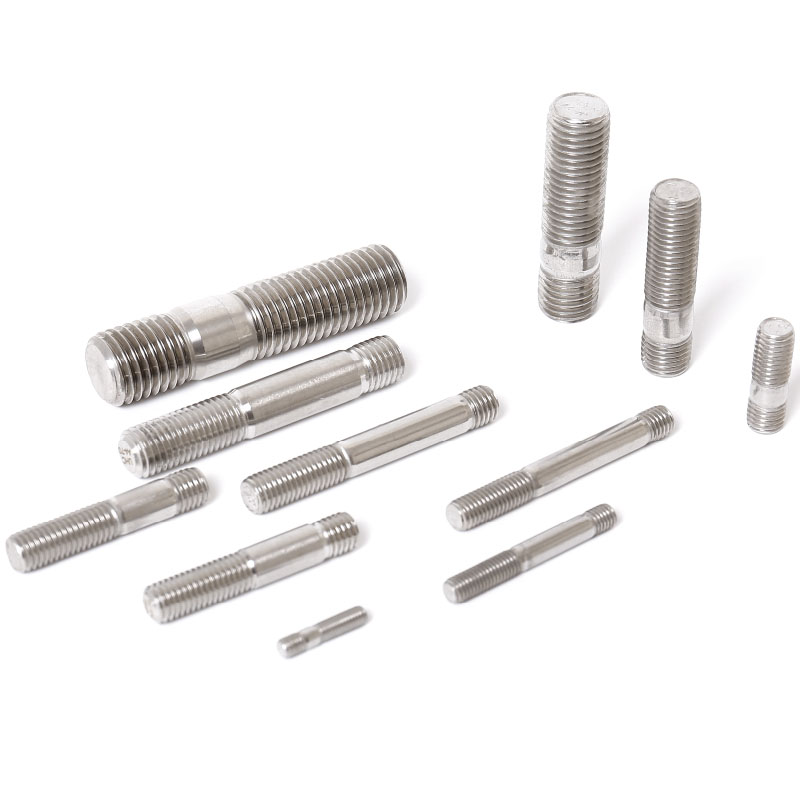
For general indoor environments, 304 or 316 stainless steel is the preferred material. Both are supplied as austenitic stainless fasteners, and orders are placed against the A2 and A4 property classes: A2-70, A2-80, A4-70, and A4-80 for bolts and nuts, and A2-50, A2-70, A4-50, A4-70 for screws and threaded rods and studs. The same material list extends into higher-alloy austenitics — 316L, 316Ti (1.4571), 904L (1.4539), and 1.4529 / UNS N08926 — which are specified when chloride or acid exposure exceeds what standard 316 handles comfortably.
2. Duplex stainless steel — higher strength with chloride resistance
Duplex options in the range include UNS S32205, 1.4462, 1.4410, and UNS S32750 (2507). For high-corrosion, offshore, and marine environments — including salt-spray conditions — 316L or duplex steel is the recommended direction. Duplex grades are ordered against the upper end of the mechanical property range, where bolts and nuts are available up to D6-80 and D6-100, and threaded rods and studs to D6-80 and D6-70.
3. Nickel-based high-temperature alloys — where stainless reaches its limit
When the governing condition is high temperature rather than chlorides, the material changes family. Available raw material options include 1.4980, A286 Alloy 660, 2.4952, 2.4668, and the alloys designated Alloy 80A and Alloy 718. These are supplied across bolts, nuts, threaded rods and studs, and washers, and are quoted against the property class and dimensional range required by the project.
4. Titanium and aluminum alloy fasteners
Titanium and aluminum alloy fasteners sit outside the stainless-versus-nickel comparison but belong to the same selection problem where weight matters. The rivet and rivet nut range is produced in 304/316 stainless steel or in 6061 and 7075 aluminum alloy, in open type and close end type, from M3 to M6.4.
What stays the same across all three families
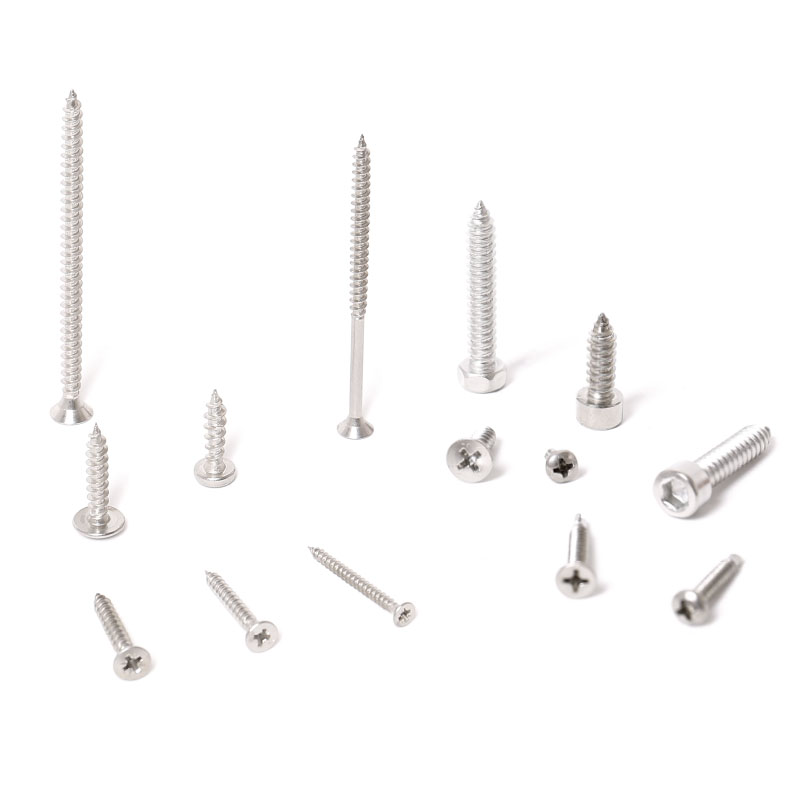
Regardless of material, fasteners are executed to international standards including ISO, DIN, ASTM, ASME, ANSI, and JIS. Dimension ranges run from M2 to M160 with effective lengths of 6 mm to 300 mm for bolts, M2 to M64 for nuts, M5 to M160 with effective lengths up to 5,000 mm for threaded rods and studs, M2.5 to M45 for washers, and M2 to M8 with lengths of 6 mm to 100 mm for screws. Threads are produced to 6g/2A precision class for external threads and 6H/2B/3B for nuts.
Surface treatment options are also common to the range: natural finish, passivation, Dacromet coating, and adhesive pre-coating. This is where the decision stops being a catalogue question and becomes a working-condition question, because passivation and Dacromet are specified for different exposure profiles and should be chosen against the actual service environment rather than by habit.
Step-by-Step: A Six-Step Material Selection Sequence
- Write down the working condition, not the product name. Temperature, medium, humidity, load type, and vibration level. The working conditions the range is built around are normal temperature, high temperature, seawater corrosion, acid and alkali corrosive environments, high vibration, and high tensile load.
- Fix the property class and the governing standard. ISO 3506-1:2020 for corrosion-resistant stainless property classes; EN 14399 for preloaded structural bolting; PED 2014/68/EU for EU pressure equipment; AS9100 where aerospace requirements apply.
- Choose the lowest-cost family that satisfies steps 1 and 2. 304/316 for general indoor service; 316L, duplex steel, or high-temperature alloy for high-corrosion, offshore, and marine conditions; alloy steel where a high-strength mechanical load governs.
- Match the surface treatment to the exposure. Natural finish, passivation, Dacromet coating, or adhesive pre-coating — selected against the medium and humidity in the specification.
- Define the documentation. 3.1 material test certificate, batch quality tracing, and ERP-recorded traceability from raw material procurement to finished product delivery; first article inspection, in-process inspection, and pre-shipment inspection on the production side.
- Validate before scaling. Run the sample before committing to full production. With a 150 kg MOQ and a 75–90 day lead time, a material error found at sample stage costs weeks; the same error found after installation costs the project.
Use Cases: Matching the Family to the Environment
Petrochemical and chemical processing
Acid and alkali exposure combined with elevated temperature is the pairing that pushes specifications toward duplex or nickel-based alloys. Where the fastener also falls under pressure equipment rules, PED 2014/68/EU compliance applies in the EU market.
Marine and offshore
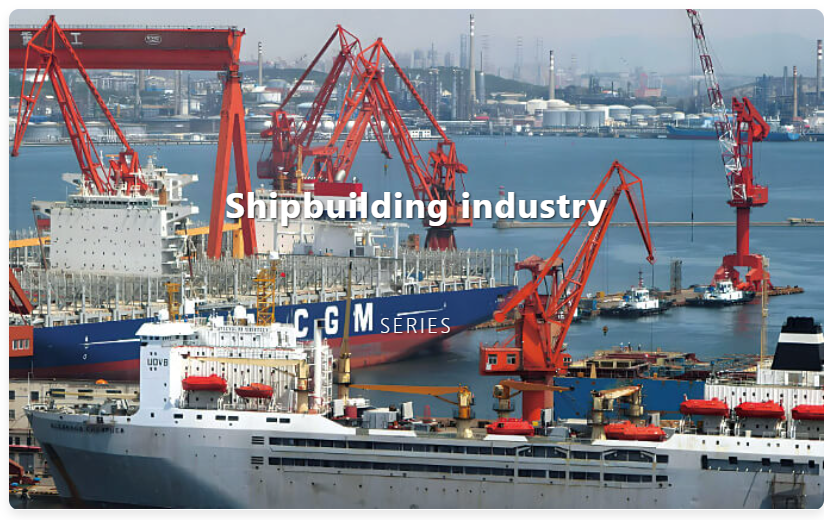
Salt spray is the defining condition, and the recommendation is specific: 316L or duplex steel is suggested for marine and coastal salt-spray working conditions. Shipbuilding demand supports the volume — China's new shipbuilding orders rose 59.0% year on year in Q1 2024, and externally threaded fasteners accounted for 48.1% of global fastener market revenue in 2025.
Power generation
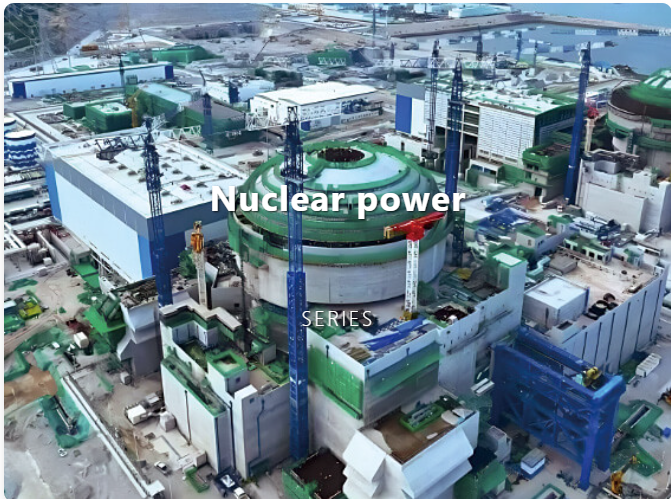
Nuclear, wind, and solar installations stress fasteners differently — continuous high temperature in thermal plant, cyclic loading on turbine and tower connections, and long-term outdoor exposure on PV mounting structures. The wind segment alone is projected to reach USD 14.68 billion in fastener value in 2025, with global wind turbine capacity expected to more than double between 2025 and 2030.
Rail and heavy structural connections
High tensile load and high vibration define the requirement, with preloaded structural bolting governed by EN 14399 where that standard applies.
Documented multi-year supply
One documented case covers 100,000 pieces supplied to industrial equipment OEM manufacturers, engineering contractors, hardware distributors, and new energy system suppliers across Germany, Italy, Korea, and Japan over a 10-year period, for fastening assembly in aerospace parts, marine equipment, automotive chassis, and power generation facilities. The reported result is a significant reduction in later maintenance and replacement cost with stable project operation, based on high tensile and anti-fatigue strength, seawater and acid-base corrosion resistance, high-temperature resistance, and compliance with DIN, ISO, JIS, ASME, and ASTM standards.
Comparison Table: Material Families Side by Side
| Material family | Raw material options in the range | Mechanical property classes | Selection guidance | Stated application areas |
|---|---|---|---|---|
| Austenitic stainless steel (A2/A4) | 304, 316, 316L, 316Ti / 1.4571 | A2-50, A2-70, A2-80, A4-50, A4-70, A4-80 (bolts, nuts, screws, studs) | Preferred for general indoor environments | Petrochemical, power generation, automotive, construction and infrastructure, industrial machinery, medical and electronics, telecommunications, rail transit, home appliances |
| Higher-alloy austenitic stainless | 904L / 1.4539, 1.4529 / UNS N08926 | Quoted against the project specification within the A2/A4 class range | Specified when chloride or acid exposure exceeds standard 316 | As above, plus marine and offshore |
| Duplex stainless steel | UNS S32205, 1.4462, 1.4410, UNS S32750 (2507) | Bolts and nuts up to D6-80 and D6-100; threaded rods and studs to D6-80 and D6-70 | Recommended for high-corrosion, offshore, and marine salt-spray conditions | Petrochemical, marine and offshore, power generation, construction and infrastructure |
| Nickel-based high-temperature alloys | 1.4980, A286 Alloy 660, 2.4952, 2.4668, Alloy 80A, Alloy 718 | Quoted against the project specification | Specified for high-temperature working conditions where stainless steel is not sufficient | Aerospace, power generation, petrochemical |
| Titanium and aluminum alloy | 304/316 stainless, 6061, 7075 aluminum alloy (rivets and rivet nuts) | Rivet and rivet nut range M3–M6.4 | Selected where weight reduction is part of the joint requirement | Aerospace, automotive, industrial machinery |
All families are executed to ISO, DIN, ASTM, ASME, ANSI, and JIS standards. Surface treatment options across the range: natural finish, passivation, Dacromet coating, adhesive pre-coating. Cells marked "quoted against the project specification" indicate that the property class is fixed by the order rather than held as a standing list.
| Requirement or instrument | What it covers | Where it applies |
|---|---|---|
| ISO 3506-1:2020 | Mechanical properties for corrosion-resistant stainless steel bolts, screws, and studs | Stainless fastener property classes such as A2-70 and A4-80 |
| EN 14399 | High-strength structural bolting assemblies for preloading in steel structures | Preloaded structural connections |
| PED 2014/68/EU | Pressure Equipment Directive | Fasteners for pressure equipment in the EU |
| AS9100 | Quality management system for aerospace, space, and defense organizations | Aerospace fastener programmes |
| ISO/IEC 17025 | Competence benchmark for testing and calibration laboratories | Evaluating a supplier's in-house test laboratory |
| Held certifications | ISO 9001 (15/25Q1448R00), ISO 14001 (15/25E1449R00), ISO 45001 (15/25S1450R00), issued by WIT and valid 22 July 2025 – 21 July 2028; PED certification | Metal fastener sales and related management scope |
| Order documentation | 3.1 material test certificate, batch quality tracing, ERP traceability; first article, in-process, and pre-shipment inspection | Requested with the purchase order |
Frequently Asked Questions
What certifications should a buyer verify on a high-performance fastener order?
For EU pressure equipment, fasteners must comply with the Pressure Equipment Directive (PED) 2014/68/EU, and UHC holds PED certification alongside ISO 9001, ISO 14001, and ISO 45001. The three management system certificates are numbered 15/25Q1448R00 (ISO 9001), 15/25E1449R00 (ISO 14001), and 15/25S1450R00 (ISO 45001); all are issued by WIT and valid from 22 July 2025 to 21 July 2028, covering metal fastener sales and the environmental and occupational health and safety management related to that scope. On the technical side, ISO 3506-1:2020 defines the property classes for corrosion-resistant stainless fasteners, EN 14399 applies to preloaded structural bolting, and AS9100 applies where aerospace requirements are imposed. Orders can be supported with a 3.1 material test certificate and batch quality tracing.
Can one supplier deliver both stainless steel and nickel-based alloy fasteners for the same project?
Yes. The manufacturing range covers stainless steel (304, 316, A2-70, A4-80), duplex steel, nickel-based high-temperature alloys such as 1.4980, A286 Alloy 660, 2.4952, 2.4668, Alloy 80A, and Alloy 718, plus titanium and aluminum alloy fasteners. Product forms include bolts (M2–M160, effective length 6–300 mm), nuts (M2–M64), threaded rods and studs (M5–M160, effective length up to 5,000 mm), washers (M2.5–M45), screws (M2–M8, 6–100 mm), and rivets and rivet nuts (M3–M6.4), all executed to ISO, DIN, ASTM, ASME, ANSI, and JIS standards. UHC Group operates five production bases with 25 engineers, an annual output of 25,000 tons of stainless and special materials, and a monthly capacity of 500–1000 tons, and supports OEM/ODM production with head mark and logo customization.
What drives the cost difference between stainless steel and nickel alloy fasteners?
The quotation is driven by four variables rather than by a published list price: the raw material grade and its alloy content, the dimension and mechanical property class, the order quantity measured against a 150 kg MOQ, and the selected surface treatment — natural finish, passivation, Dacromet coating, or adhesive pre-coating — together with the documentation and inspection scope. The practical cost risk is over-specification: choosing a nickel-based high-temperature alloy where the environment would be satisfied by 316L or duplex steel increases material cost and lead time without adding service life. Matching the family to the documented working condition is therefore the single largest cost lever in the specification.
How can a material be validated before committing to mass production?
Validation works at two levels. At sample stage, UHC supports customized material selection based on the working conditions supplied by the buyer, so the sample is produced in the recommended grade rather than a default grade. At production stage, quality control covers first article inspection, in-process inspection, and pre-shipment inspection, backed by an independent laboratory equipped for dimensional and mechanical performance testing and by 3.1 material test certificates with batch quality tracing. Temperature, medium, humidity, and load data should be given to the supplier before sampling, because that information is what the material recommendation is based on.
What minimum order quantity and lead time should be planned for?
UHC's minimum order quantity is 150 kg and the standard lead time is 75–90 days, against a monthly capacity of 500–1000 tons and export markets including the EU, U.S., Japan, Korea, the Middle East, and South America. Because lead time is set by the production schedule, material decisions should be finalised before the order is released; a grade change after release moves the delivery date. To start, send the working conditions and the standard you are specifying to, and request a quotation or a sample — Michael Shen, michaelshen@uhc-group.com.cn or sales@uhc-group.com.cn, telephone and WhatsApp +86 13575349247, or visit www.jxuhc.com.
Conclusion
Stainless steel and nickel alloy fasteners are not competing answers to the same question; they answer different questions. 304 and 316 stainless steel, ordered in A2 and A4 property classes, cover general indoor service. Duplex steel and the higher-alloy austenitics take over where chloride, salt spray, and offshore exposure dominate, with bolts and nuts available up to D6-80 and D6-100. Nickel-based high-temperature alloys take over where temperature, rather than corrosion, is the limiting factor.
The decision procedure is therefore a filter, not a preference: define the working condition, fix the property class and standard, select the lowest-cost family that satisfies both, specify the surface treatment for the actual exposure, state the documentation required, and validate on a sample before the 75–90 day production window opens.
Before releasing the order, ask three questions that reveal whether the material recommendation was made for the project or for the catalogue: which grade is being quoted and why, what surface treatment is specified for the stated medium, and what test certificate will accompany the shipment.
Next Step
Send UHC Group the working condition — temperature, medium, humidity, load, and the standard you are specifying to — and request a material recommendation, a quotation, or a sample. The engineering team supports customized material selection and OEM/ODM production across stainless steel, duplex steel, and nickel-based high-temperature alloy fasteners.
Contact: Michael Shen · michaelshen@uhc-group.com.cn · sales@uhc-group.com.cn · Tel / WhatsApp +86 13575349247 · www.jxuhc.com
Download the full product brochure: UHC Group product brochure (PDF)