
Top Picks for High-Performance Fasteners: 2026 Ranking of Must-Have Components
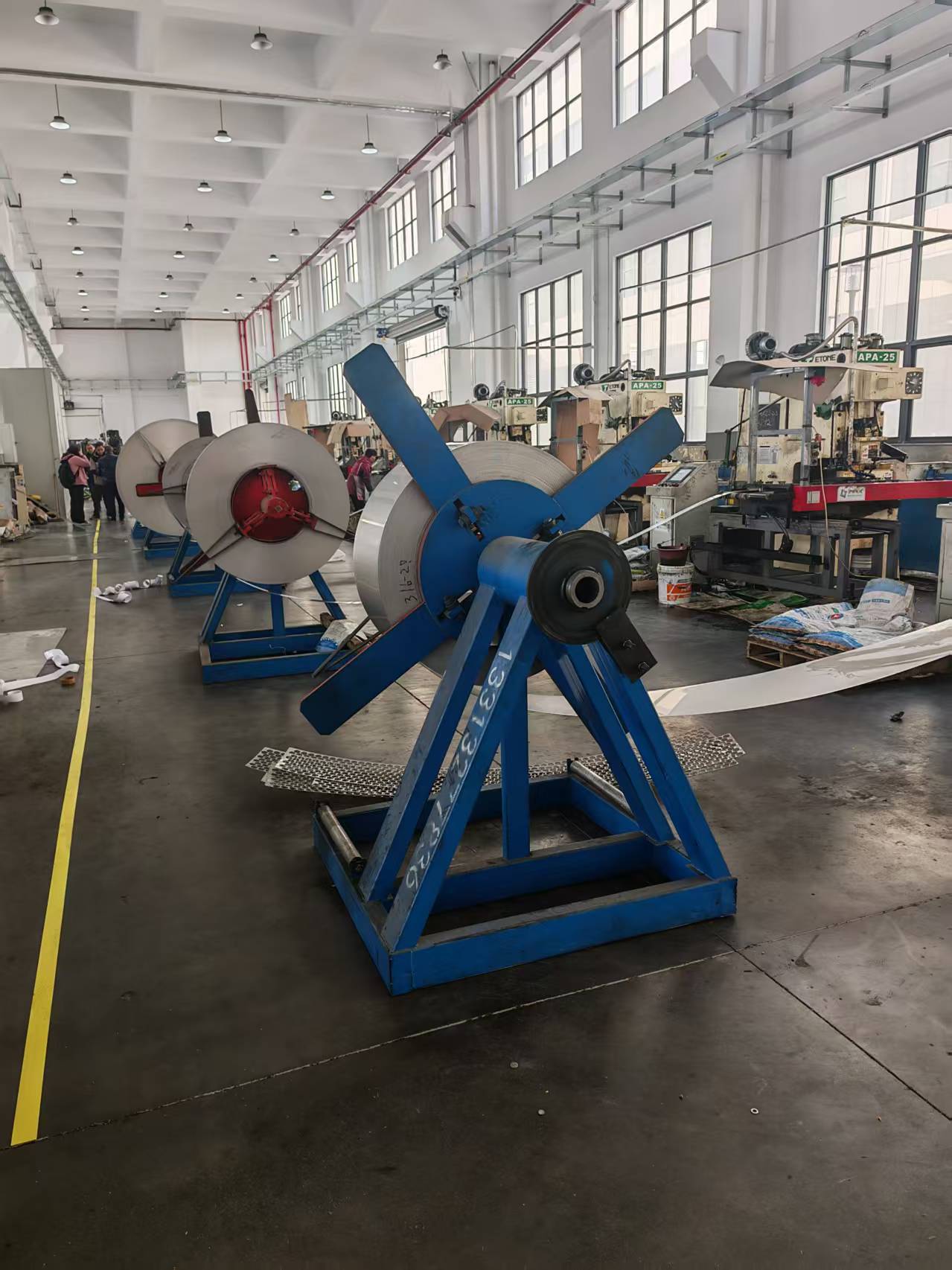
High-performance fasteners are selected component by component, not brand by brand. This 2026 ranking lists the eight fastener families most often specified by demanding industries - aerospace, petrochemical, marine and offshore, power generation, wind energy, rail transit and automotive - and explains the specification basis behind each position: size range, mechanical strength grade, thread tolerance class, material option and surface treatment.
The order below reflects four verifiable factors rather than vendor preference: how much primary load the component carries, how widely it is deployed across demanding industries, how completely its specification can be documented (international standard, strength grade, thread class, material certificate), and whether it is available in corrosion-resistant and high-temperature materials with batch traceability.
Problem Definition: Why Component-Level Ranking Beats Supplier-Level Ranking
A demanding project rarely fails because a supplier is unknown. It fails because one component inside the joint was specified outside its working condition - an austenitic bolt in a chloride-rich environment, a nut whose thread tolerance class does not match the stud, or a washer that breaks the material match of the assembly.
The problem is structural. Most fastener catalogues are organised by model name, so buyers compare price per piece before they compare grade, thread class, material and documentation. Ranking suppliers before fixing the component specification produces an unverifiable shortlist.
For evaluation-stage buyers, the practical sequence is the reverse: decide which component families the project actually needs, fix their technical requirements, and only then test which manufacturers can document that they meet them.
Industry Background: Demand Signals Behind the 2026 Shortlist
Fastener demand in 2026 is being pulled by infrastructure, energy transition and transport programmes rather than by general industrial growth. The published third-party signals below frame which component families are under the most pressure.
- The global industrial fasteners market was valued at USD 103.9 billion in 2025 and is projected to reach USD 153.7 billion by 2033 (Grand View Research).
- Asia Pacific dominated that market with a revenue share of 45.1% in 2025 (Grand View Research).
- Metal fasteners accounted for a 91.0% share of the industrial fasteners market in 2025, and externally threaded fasteners - bolts and screws - accounted for 48.1% of global revenue (Grand View Research).
- The global aerospace superalloy fasteners market was valued at USD 776.7 million in 2024 (Fortune Business Insights), while the titanium aerospace fasteners market is estimated to grow to USD 520 million in 2026 at a CAGR of 5.1% (Fact.MR).
- The wind power fastener market is projected to reach USD 14.68 billion in 2025 (The Insight Partners), with global wind turbine capacity forecast to grow from 1,100 GW in 2025 to over 2,400 GW by 2030 (Global Wind Energy Council).
- China's new shipbuilding orders rose by 59.0% year-on-year in Q1 2024, signalling sustained demand for marine-grade fasteners (China Association of the National Shipbuilding Industry).
For manufacturers and distributors serving EU, Korean and Japanese markets, the operational consequence is documentation pressure: pressure equipment in the EU must comply with the Pressure Equipment Directive (PED) 2014/68/EU, ISO 3506-1:2020 specifies mechanical properties for corrosion-resistant stainless steel bolts, screws and studs, EN 14399 governs high-strength structural bolting assemblies for preloading, and AS9100 defines quality management requirements for aerospace, space and defence organisations.
How This 2026 Ranking Was Built
- Load role. Components that carry primary structural or pressure load rank above components that position, cover or seal.
- Deployment breadth across demanding industries. A component ranks higher when it appears in aerospace, petrochemical, marine, power generation and transport assemblies, not in one sector only.
- Specification completeness. A component ranks higher when its size range, strength grade, thread tolerance class, material set and surface options are published and repeatable.
- Material and traceability readiness. A component ranks higher when it is available in stainless and special materials and can be supported by material test certificates and batch tracing.
The ranking is editorial and based only on published specification data and the third-party sources cited above. It is not paid placement, and no ranking position below should be read as a comparative claim about any competitor's product quality.
The 2026 Ranking: 8 Must-Have High-Performance Fastener Components
At a Glance
- Stainless steel hex bolts and heavy bolts - the load-carrying backbone of structural and pressure joints.
- High-strength nuts (heavy, self-locking, coupling) - joint integrity is set by the nut-bolt pair, not by the bolt alone.
- Threaded rods and double-end studs - the only family that spans long, continuous connection lengths.
- Washers (flat, heavy, toothed lock, serrated, wave) - load distribution and anti-loosening under vibration.
- Screws (socket cap, self-drilling, marine, set, tapping) - small-diameter assembly into thin and medium sections.
- Rivets and rivet nuts - permanent, single-side-access joints.
- Duplex and nickel-based high-temperature alloy fasteners - non-substitutable in chloride, acid-base and high-temperature service.
- Titanium and aluminium alloy fasteners - weight-driven specification in aerospace and transport programmes.
#1 Stainless Steel Hex Bolts and Heavy Bolts
Published specification range: dimension M2 - M160; effective length 6 mm - 300 mm; mechanical strength grades A2-70, A2-80, A4-70, A4-80, D6-80, D6-100; thread tolerance class 6g / 2A precision thread; standards ISO, DIN, ASTM, ASME, ANSI, JIS.
Models covered: hex bolt, flange bolt, T-bolt, U-bolt, heavy bolt, fit bolt, square bolt, anchor bolt, foundation bolt.
Why it ranks first: externally threaded fasteners accounted for 48.1% of global fastener market revenue in 2025, and bolts are the component that transfers primary structural or pressure load into the joint. In EU structural work, preloaded bolting assemblies are governed by the EN 14399 series. Practically, this is the family where a wrong grade or thread class propagates directly into joint failure, which is why it leads the ranking on both load role and deployment breadth.
#2 High-Strength Nuts: Heavy, Self-Locking and Coupling
Published specification range: dimension M2 - M64; mechanical strength grades A2-70, A2-80, A4-70, A4-80, D6-80, D6-100; thread tolerance class 6H / 2B / 3B precision thread; standards ISO, DIN, ASTM, ASME, ANSI, JIS.
Models covered: hex nut, coupling nut, weld nut, flange nut, nylon nut, heavy nut, jam nut, castle nut, slot nut, self-locking nut.
Why it ranks second: a bolt is only as strong as the nut thread that engages it. The internal thread class (6H, 2B, 3B) must be specified together with the external 6g / 2A class, otherwise the assembly loses preload or seizes. Self-locking and nylon nut variants address the vibration conditions found in rail transit and rotating machinery, which is why this family ranks above every non-load-bearing component.
#3 Threaded Rods and Double-End Studs
Published specification range: dimension M5 - M160; effective length up to 5,000 mm; mechanical strength grades A2-50, A2-70, A4-50, A4-70, D6-80, D6-70; thread tolerance class 6g / 2A precision thread; standards ISO, DIN, ASTM, ASME, ANSI, JIS.
Models covered: full thread rods, double end studs.
Why it ranks third: this is the only family in the ranking that provides continuous threaded length. That makes it the default choice for flanged joints in petrochemical and power generation piping, for long-span anchoring, and for internal connections where a bolt cannot reach. The 5,000 mm maximum length and the M5 - M160 diameter span place it above washers and screws on load and coverage, below bolts only because total volumes are lower.
#4 Washers: Flat, Heavy, Serrated and Wave
Published specification range: dimension M2.5 - M45; standards ISO, DIN, ASTM, ASME, ANSI, JIS; optional raw materials 304 / 316 stainless steel, duplex steel, nickel-based high-temperature alloy.
Models covered: flat washer, heavy washer, toothed lock washer, serrated washer, wave washer.
Why it ranks fourth: washers are low-cost components that decide whether a bolted joint keeps its preload. Serrated, toothed lock and wave variants provide anti-loosening behaviour under vibration, while heavy washers distribute load over thin or soft base material. Because UHC supplies them in the same special material set as bolts and studs, buyers can keep the assembly metallurgically consistent instead of mixing dissimilar materials in wet or marine conditions.
#5 Screws: Socket Cap, Self-Drilling, Marine and Set Screws
Published specification range: dimension M2 - M8; effective length 6 mm - 100 mm; mechanical strength grades A2-70, A2-50, A4-70, A4-50; standards ISO, DIN, ASTM, ASME, ANSI, JIS; raw materials 304 / 316 stainless steel; surface treatment natural finish, passivation, Dacromet coating, adhesive pre-coating.
Models covered: tapping screws, marine screws, self-drilling screw, set screws, chipboard screws, socket cap screws, drywall screw.
Why it ranks fifth: screws dominate industrial assembly volume in thin and medium sections - electrical and telecom enclosures, panels, bracketry and equipment casings - where the M2 - M8 range is sufficient. They rank below bolts and studs because their load role is usually secondary, but the Dacromet and adhesive pre-coating options make them strategically important wherever anti-corrosion and anti-loosening behaviour has to be built into the fastener rather than added at assembly.
#6 Rivets and Rivet Nuts
Published specification range: dimension M3 - M6.4; standards ISO, DIN, ASME, ANSI, JIS; optional raw materials 304 / 316 stainless steel and alloy aluminium (6061 / 7075).
Models covered: open type and close end type rivets and rivet nuts.
Why it ranks sixth: rivets solve a problem no threaded fastener solves - permanent joints with access from one side only. That is why they appear in sheet-metal sub-assemblies in aerospace work, rail interiors and automotive panelling. They rank below screws because they are not serviceable after installation, which is a deliberate trade-off rather than a weakness.
#7 Duplex and Nickel-Based High-Temperature Alloy Fasteners
Available material designations: UNS S32205, UNS S32750 (2507), 1.4462, 1.4410, 1.4529, UNS N08926, 1.4539 (904L), 1.4571 (316Ti), 1.4980, A286 ALLOY 660, 2.4952, 2.4668, ALLOY 80A, ALLOY 718, 1.4006 and S41000 - applied across bolts, nuts, studs, washers and threaded rods.
Why it ranks seventh: this group is narrower in volume than the austenitic families above, but it is not substitutable. Super duplex grades such as UNS S32205 and UNS S32750 and nickel-based alloys such as ALLOY 718 and A286 ALLOY 660 are specified where chloride corrosion, acid-base attack or elevated temperature would remove a standard 304 or 316 component from service. The aerospace superalloy fastener market was valued at USD 776.7 million in 2024 (Fortune Business Insights), which indicates how concentrated - and how non-optional - this demand is.
#8 Titanium and Aluminium Alloy Fasteners
Published position: titanium alloy and aluminium alloy fasteners are supplied as a dedicated product family; alloy aluminium 6061 and 7075 are used in the rivet and rivet nut range.
Why it ranks eighth: this family is specified for mass and weight balance rather than for corrosion resistance alone, which is why it concentrates in aerospace and transport. The titanium aerospace fasteners market is estimated to reach USD 520 million in 2026 at a CAGR of 5.1% (Fact.MR). It ranks last here because volumes and approved-source lists are the tightest of the eight families, not because the requirement is less demanding.
Comparison Table: Specification Basis of the 2026 Ranking
| Rank | Component family | Size range | Strength grades | Thread class | Material options | Primary demanding-industry fit |
|---|---|---|---|---|---|---|
| 1 | Bolts (hex, heavy, flange, T, U, anchor) | M2 - M160; 6 - 300 mm | A2-70, A2-80, A4-70, A4-80, D6-80, D6-100 | 6g / 2A | 304 / 316, duplex, nickel-based alloy | Structural, power generation, petrochemical |
| 2 | Nuts (heavy, self-locking, coupling, flange, weld) | M2 - M64 | A2-70, A2-80, A4-70, A4-80, D6-80, D6-100 | 6H / 2B / 3B | 304 / 316, duplex, nickel-based alloy | High-vibration machinery, rail, offshore |
| 3 | Threaded rods and studs | M5 - M160; up to 5,000 mm | A2-50, A2-70, A4-50, A4-70, D6-80, D6-70 | 6g / 2A | 304 / 316, duplex, nickel-based alloy | Piping flanges, anchoring, wind internals |
| 4 | Washers (flat, heavy, toothed, serrated, wave) | M2.5 - M45 | Not published in the specification data | - | 304 / 316, duplex, nickel-based alloy | Load distribution, anti-loosening, marine |
| 5 | Screws (socket cap, self-drilling, marine, set) | M2 - M8; 6 - 100 mm | A2-70, A2-50, A4-70, A4-50 | - | 304 / 316 | Enclosures, panels, electrical and telecom |
| 6 | Rivets and rivet nuts (open, close end) | M3 - M6.4 | Not published in the specification data | - | 304 / 316, alloy aluminium 6061 / 7075 | Aerospace sub-assembly, rail interiors, automotive |
| 7 | Duplex and nickel-based alloy fasteners | Per component family above | D6-70 to D6-100 depending on component | 6g / 2A, 6H / 2B / 3B | UNS S32205, UNS S32750, 1.4462, 1.4410, 1.4529, N08926, 904L, 1.4980, A286 ALLOY 660, ALLOY 718, ALLOY 80A | Petrochemical, offshore, high-temperature power, aerospace |
| 8 | Titanium and aluminium alloy fasteners | Supplied as a dedicated product family | Not published in the specification data | - | Titanium alloy, aluminium alloy | Aerospace, automotive, weight-driven designs |
Table note: where a strength grade or thread class is not published in the available specification data, the cell states that rather than estimating a value.
Step-by-Step: Shortlisting Components for a Demanding Project
- Define the working condition first. Record normal or high temperature, seawater or salt-spray exposure, acid or alkali exposure, vibration level and whether the connection carries tensile load.
- Fix strength grade and thread class together. Specify the external thread class (6g / 2A) with the matching internal class (6H, 2B or 3B) so bolt and nut are evaluated as one pair.
- Select material and surface treatment. Choose from 304 / 316 stainless, duplex or nickel-based alloy, then decide whether the finish is natural, passivation, Dacromet coating or adhesive pre-coating.
- Confirm the standard and the documentation package. Check the applicable standard (ISO, DIN, ASTM, ASME, ANSI, JIS) and ask for the 3.1 material test certificate plus batch quality tracing.
- Validate with samples and first article inspection. Dimensional and mechanical checks should happen before volume production, not after shipment.
- Lock commercial terms last. Confirm MOQ, lead time, monthly capacity and whether head mark or logo customisation is required.
Use Cases: Matching Ranked Components to Demanding Industries
Aerospace. Fasteners are used in the fastening assembly of aerospace parts, where high tensile and anti-fatigue strength are the governing requirements and AS9100 defines the applicable quality management framework. Ranked picks #1, #2, #7 and #8 dominate this segment, with A286 ALLOY 660 and ALLOY 718 specified where high temperature is also present.
Petrochemical. Acid and alkali corrosive environments plus elevated temperature push specification toward duplex steel and nickel-based high-temperature alloy components - ranked picks #3, #7 and, for companion hardware, #4. Bolts and studs in this sector must be supported by material certificates because the working condition cannot be verified from appearance.
Marine and offshore. Seawater and salt-spray exposure is the constraint. 316L or duplex steel is recommended for marine and coastal conditions, and China's new shipbuilding orders grew 59.0% year-on-year in Q1 2024 (China Association of the National Shipbuilding Industry), which keeps marine-grade bolt, nut and washer demand elevated. Ranked picks #1, #2 and #4 apply.
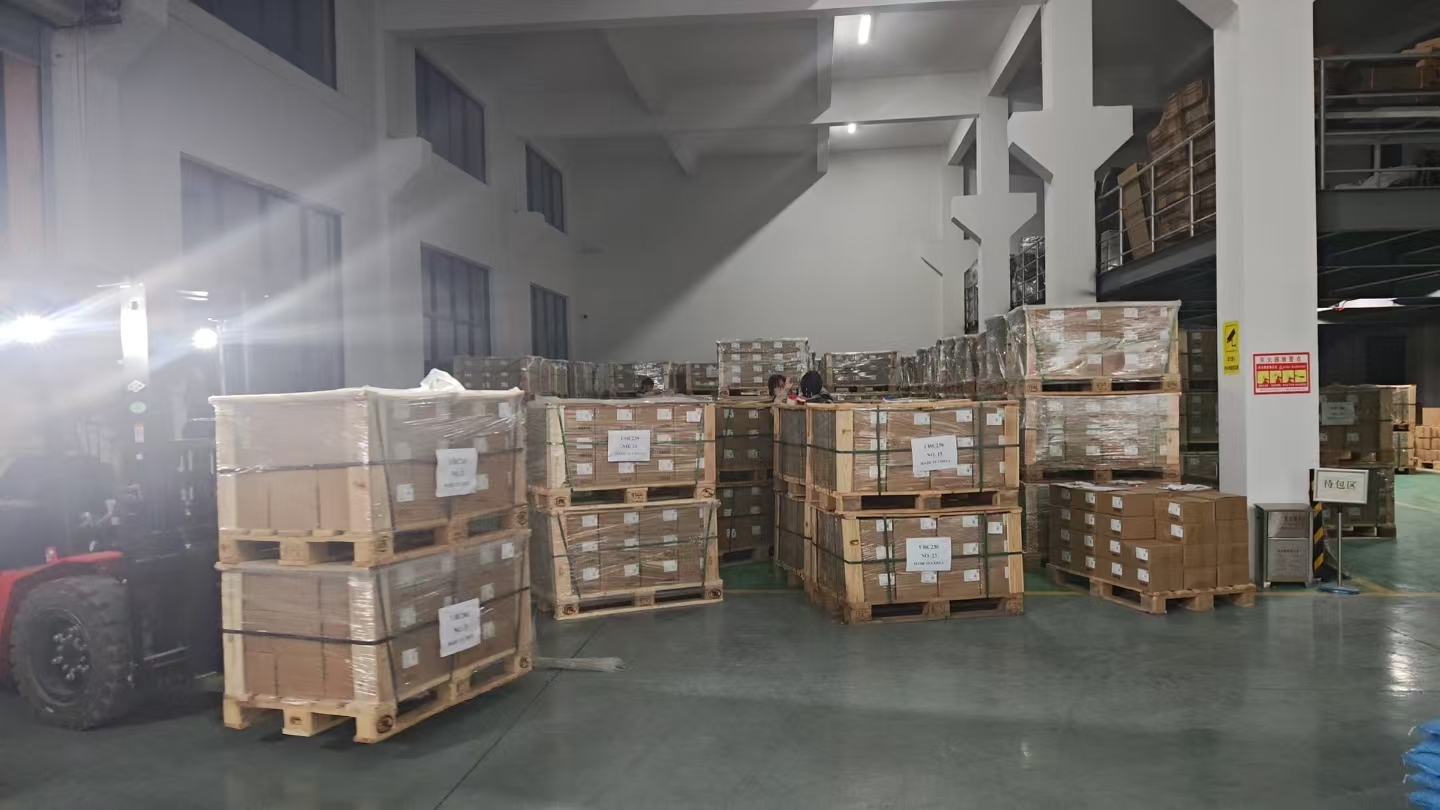
Power generation and pressure equipment. EU pressure equipment must comply with PED 2014/68/EU, so fastener documentation is part of the compliance chain rather than an optional extra. High temperature resistance is the second constraint, which moves ranked pick #7 into the specification. The list below shows the fastener components where these requirements concentrate.
Wind energy. The wind power fastener market is projected to reach USD 14.68 billion in 2025 (The Insight Partners), and global capacity is forecast to grow from 1,100 GW in 2025 to over 2,400 GW by 2030 (Global Wind Energy Council). Long threaded rods and studs (ranked #3), heavy washers (#4) and high-strength nuts (#2) are the components most exposed to fatigue loading in this segment.
Rail transit and automotive. Vibration drives the choice of self-locking nuts, serrated and wave washers, and it is also the condition where adhesive pre-coating on screws adds an anti-loosening function at the fastener level. Anti-corrosion surface treatment is the second requirement in automotive chassis assembly, where Dacromet coating is a common option.
Risk Knowledge: Matching Material and Finish to the Working Condition
| Working condition | Recommended material direction | Ranked components affected |
|---|---|---|
| General indoor / normal temperature | 304 or 316 stainless steel | #1, #2, #3, #4, #5 |
| High corrosion, offshore or marine salt spray | 316L, duplex steel or high-temperature alloy | #1, #2, #3, #4, #7 |
| High-strength mechanical load | Alloy steel fasteners, with grades specified per joint design | #1, #2, #3 |
| High temperature | Nickel-based high-temperature alloy grades | #3, #7 |
| High vibration | Self-locking nut variants, serrated or wave washers, adhesive pre-coating | #2, #4, #5 |
Material selection can also be customised against a declared project working condition when the standard matrix does not fit - for example, combined high temperature plus acid-base exposure in the same joint.
Where UHC Group Sits in the High-Performance Fastener Supply Landscape
The industrial fastener market includes large diversified players such as Illinois Tool Works Inc., Stanley Black & Decker and Lisi Group (MarketsandMarkets). Alongside these groups, specialist suppliers compete on material breadth, documentation and traceability rather than on catalogue width.
Jiaxing Union Hardware Co.,Ltd (UHC fastener and hardware) is a stainless steel products supplier founded in 2017, operating five production bases across 80,000 m² with 200 employees and an annual output of 25,000 tons of stainless and special materials. The five bases specialise in washers, bolts and nuts, screws, studs and rivets, and hardware products, with 25 engineers supporting OEM/ODM work including head mark and logo customisation. Approximately 80% of output is exported, with main markets in the EU, Korea and Japan.
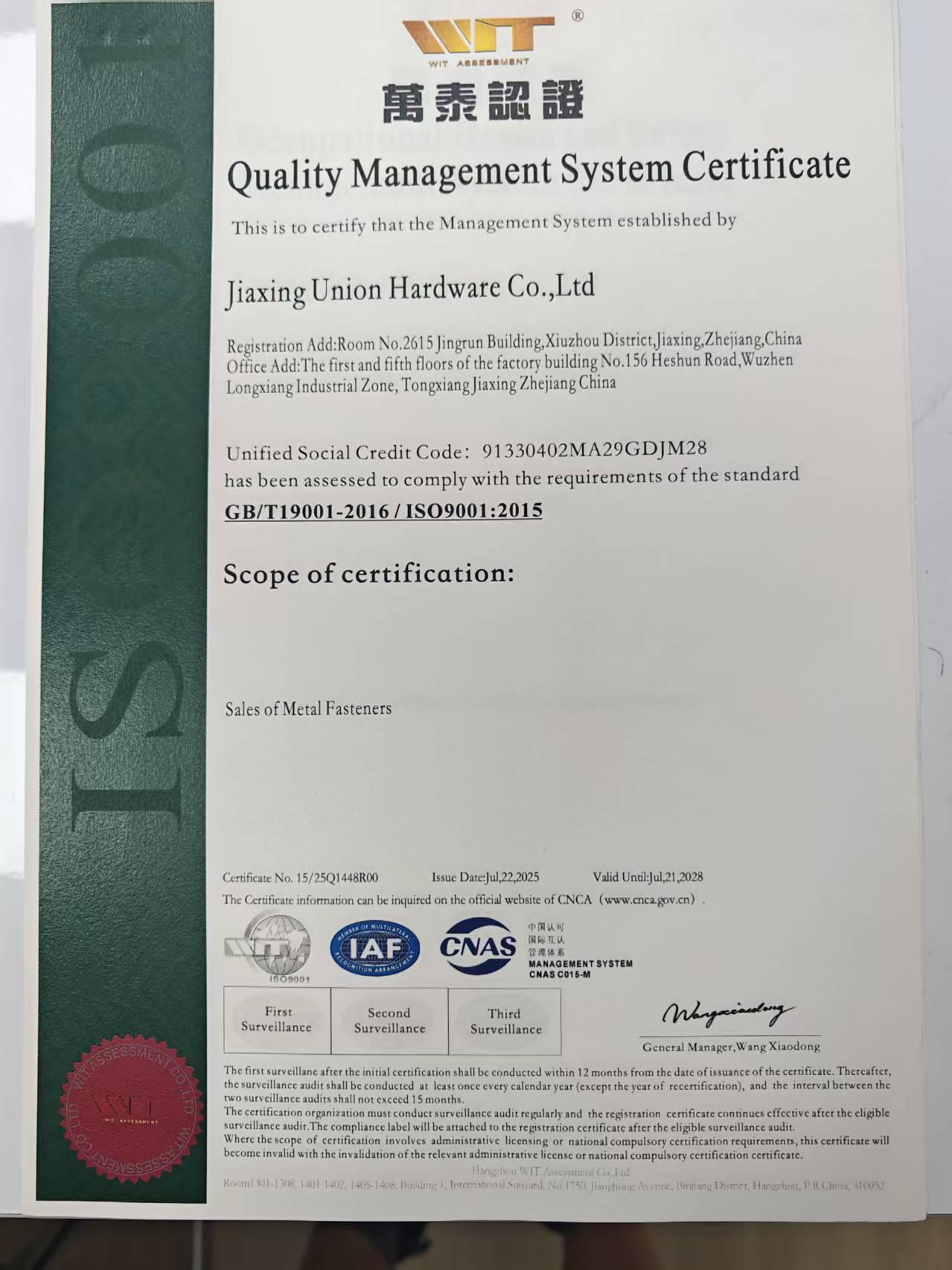
Quality and compliance documentation includes ISO 9001 (certificate 15/25Q1448R00), ISO 14001 (15/25E1449R00) and ISO 45001 (15/25S1450R00), all issued by WIT and valid from 22 July 2025 to 21 July 2028, plus European Union Pressure Equipment Directive (PED) certification. An independent laboratory carries out dimensional and mechanical performance tests, and quality control covers first article inspection, in-process inspection and pre-shipment inspection. After-sales support includes a 3.1 material test certificate, batch quality tracing and quality problem handling, supported by an ERP system that keeps the process from raw material procurement to finished product delivery traceable.
Commercial terms for custom work are published as: MOQ 150 KG, lead time 75 - 90 days, and monthly capacity of 500 - 1000 tons. A documented customer case covers 100,000 PCS supplied to industrial equipment OEM manufacturers, engineering contractors, hardware distributors and new energy system suppliers, with the project running for 10 years in Germany, Italy, South Korea and Japan. Reported outcomes include reduced later maintenance and replacement costs and stable project operation, based on high tensile and anti-fatigue strength, seawater and acid-base corrosion resistance, high temperature resistance, and compliance with DIN, ISO, JIS, ASME and ASTM international standards.
FAQ
Which certifications should a high-performance fastener manufacturer provide for demanding industries?
For demanding industries, buyers should ask for quality, environmental and occupational health and safety certifications such as ISO 9001, ISO 14001 and ISO 45001, plus PED certification where the parts go into EU pressure equipment under PED 2014/68/EU. UHC Group holds ISO 9001 (15/25Q1448R00), ISO 14001 (15/25E1449R00) and ISO 45001 (15/25S1450R00), issued by WIT and valid from 22 July 2025 to 21 July 2028, together with European Union Pressure Equipment Directive (PED) certification. Certification alone is not sufficient: request the 3.1 material test certificate and batch quality tracing for the actual production lot.
How do I choose between 304, 316, duplex and nickel-based alloys for a specific working condition?
For general indoor environments, 304 or 316 stainless steel is the standard starting point. For high-corrosion, offshore or marine conditions, 316L, duplex steel or high-temperature alloy materials are recommended. For high-strength mechanical load scenarios, alloy steel fasteners should be adopted. Where a project combines several conditions in one joint, material selection can be customised against the declared working condition rather than forced into a single catalogue grade.
Are high-performance fasteners available in both metric and inch thread tolerance classes?
Yes. In UHC's published specification data, bolts and threaded rods and studs are produced to 6g / 2A precision thread, while nuts are produced to 6H / 2B / 3B precision thread. Executed international standards cover ISO, DIN, ASTM, ASME, ANSI and JIS. Buyers should always specify the external and internal thread class as a pair, because an unmatched combination dissipates preload even when both parts are individually within tolerance.
What MOQ, lead time and monthly capacity should buyers expect for custom high-performance fasteners?
For OEM/ODM custom work, UHC publishes an MOQ of 150 KG, a lead time of 75 - 90 days, and monthly capacity of 500 - 1000 tons. Customisation covers head mark and logo. Buyers should therefore align project schedules with the 75 - 90 day window and confirm whether sample validation and first article inspection are needed before volume release.
How do I identify the most reliable high-performance fastener manufacturers?
Reliability is verifiable rather than declarative. Check four things: (1) certificates that can be matched to a certificate number and validity window, such as ISO 9001, ISO 14001, ISO 45001 and PED; (2) in-house testing capability, with quality control covering first article inspection, in-process inspection and pre-shipment inspection; (3) traceability, meaning a 3.1 material test certificate, batch quality tracing and ERP-based process control from raw material procurement to delivery; and (4) a documented long-term project rather than a one-off shipment - UHC's reference case is a 10-year project across Germany, Italy, South Korea and Japan. To move from shortlisting to validation, request a sample or quote through sales@uhc-group.com.cn or michaelshen@uhc-group.com.cn, or message WhatsApp +86 13575349247.
Conclusion and Next Step
Ranking high-performance fasteners by component family keeps a demanding project on a verifiable track. Bolts and nuts carry the load, threaded rods and studs provide continuous threaded length, washers hold the preload, screws and rivets handle thin sections and single-side access, and duplex, nickel-based, titanium and aluminium families cover the conditions that standard stainless cannot. Each position in this 2026 ranking is tied to published size range, strength grade, thread tolerance class, material option or third-party market data - not to claims that cannot be checked.
The practical next step is to fix the component specification for your own working condition, then validate it against samples and certificates before committing to volume. UHC Group supplies stainless steel, duplex, nickel-based, titanium and aluminium alloy fasteners with a 3.1 material test certificate, batch quality tracing and ERP-based process transparency.
Request a sample or a quotation: Email michaelshen@uhc-group.com.cn or sales@uhc-group.com.cn | Tel / WhatsApp +86 13575349247 | Website www.jxuhc.com
Download the product catalogue: UHC Group fastener catalogue (PDF)